Best Dual Axis Solar Tracker Solutions for Global Buyers?

Time:2026-08-03 Author:Isabella
0%

As the world shifts towards renewable energy, the focus on solar technology intensifies. Experts highlight the importance of efficient solar solutions. Dr. Sarah Lawson, a prominent figure in solar engineering, states, "The Dual Axis Solar Tracker is essential for maximizing solar energy capture."

This device adjusts the solar panels' position in real-time, following the sun's path. Such a system can significantly increase energy output compared to fixed installations. Yet, the complexity and cost of installation may deter some buyers.

Many global buyers seek reliable dual axis solutions that align with their energy needs and budget. Different manufacturers offer diverse designs, each with unique features. It is crucial to assess each option carefully. Not all trackers perform equally, and existing users often share mixed experiences. Fostering an informed decision can lead to better investment outcomes. Embracing the potential of Dual Axis Solar Trackers can drive energy efficiency and sustainability forward.
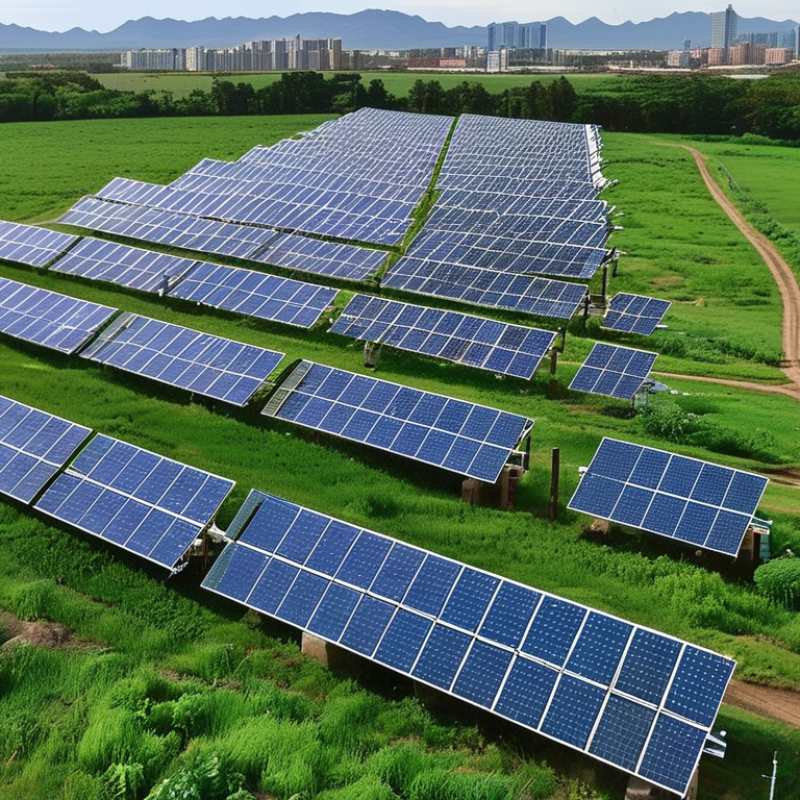
Best Dual Axis Solar Tracker Solutions for Global Buyers?

Best Dual Axis Solar Tracker Solutions for Global Buyers

The demand for dual-axis solar trackers is rapidly growing among global buyers. According to recent industry reports, these systems can enhance energy capture by up to 40% compared to fixed solar panels. This is crucial in regions with variable sunlight, maximizing power generation efficiency.

Despite their advantages, dual-axis trackers present challenges. Installation costs are higher than static systems, and maintenance can be complex. For instance, mechanical wear and weather impacts may decrease reliability over time. Buyers must weigh these factors against potential benefits.

Market trends indicate a shift towards integrated solutions. Many manufacturers now provide complete systems, including smart controls. Such innovations aim to simplify user experience while boosting effectiveness. However, buyers should conduct thorough research. Understanding local climate conditions will help in making informed decisions about tracker designs and configurations.

Best Dual Axis Solar Tracker Solutions

Overview of Dual Axis Solar Trackers: Functionality and Benefits

Dual axis solar trackers are an innovative solution for enhancing solar energy efficiency. They adjust the solar panels’ position in two axes, ensuring optimal sunlight exposure throughout the day. This increases energy generation by up to 40% compared to fixed systems, according to industry reports from Solar Power World. The versatility of dual axis trackers makes them suitable for various geographical locations and climatic conditions.

The benefits of using dual axis solar trackers extend beyond improved energy output. They also promote a more sustainable energy solution, which is crucial as the globe pushes for reduced carbon emissions. According to a recent McKinsey report, incorporating advanced tracking systems could significantly cut down installation costs in the long run, making solar energy more accessible to a broader audience.

Tips: Consider local weather patterns when investing in dual axis trackers. The initial cost can be higher, but the long-term energy savings may outweigh the upfront investment. Regular maintenance is essential. Ensure that your tracker functions optimally to achieve maximum efficiency.

Market Trends: Growth of Dual Axis Solar Trackers in the Renewable Energy Sector

The renewable energy sector is witnessing significant growth, particularly with dual axis solar trackers. These systems have become increasingly popular due to their ability to maximize solar energy capture. They adjust to the sun's position throughout the day, improving the efficiency of solar panels. This technology can increase energy output by 25% to 40% compared to fixed systems.

Market trends indicate a strong demand shift towards more efficient energy solutions. As countries commit to renewable energy goals, dual axis solar trackers are gaining traction. They are seen as a viable option for large-scale solar farms and decentralized energy systems. However, challenges remain. Installation and maintenance of these trackers can be more complicated than traditional systems. This complexity may deter some investors.

In terms of market growth, regions with high solar irradiance are more inclined to adopt dual axis trackers. Countries are exploring various funding options to support their implementation. Yet, the upfront costs can be a barrier. Buyers must weigh the benefits against initial investments. Engaging with experts can provide valuable insights into long-term gains. As the industry evolves, continued innovation is crucial for overcoming current limitations.

Key Players in Dual Axis Solar Tracker Manufacturing and Their Market Shares

The dual-axis solar tracker market is expanding rapidly. It offers significant advantages in energy efficiency. Key players in the manufacturing sector provide advanced solutions for optimizing solar energy capture. Their diverse approaches reflect different technologies and engineering capabilities.

Major manufacturers focus on enhancing tracking accuracy. This ensures panels face the sun, maximizing sunlight absorption. Some companies are leading the way with innovative designs and materials. However, others struggle with high production costs and reliability issues. Balancing efficiency and cost is a challenge many face.

Geographic differences also affect market shares. In regions with abundant sunshine, demand surges. Yet, manufacturers must adapt to local conditions and regulatory environments. Not every approach works everywhere. Some trackers may not perform well in specific climates. This highlights the need for tailored solutions in various markets. Understanding these nuances is essential for market success.

Best Dual Axis Solar Tracker Solutions for Global Buyers

Manufacturer Market Share (%) Annual Sales (Units) Regions Served
Manufacturer A 25 15,000 North America, Europe
Manufacturer B 20 12,000 Asia, South America
Manufacturer C 18 10,000 Europe, Asia
Manufacturer D 15 8,000 North America, Asia
Manufacturer E 22 14,000 Global

Technical Specifications: Efficiency Metrics and Performance Data of Trackers

Dual axis solar trackers are essential for maximizing solar energy capture. These systems adjust their position in relation to the Sun, ensuring optimal panel alignment throughout the day. Key efficiency metrics include tracking accuracy and energy yield. Efficient trackers can increase energy output by up to 40% compared to fixed systems.

The technical specifications of these trackers often highlight their performance data. Important factors include the operating range, response time, and durability under various weather conditions. For instance, some designs withstand high winds and heavy snowfall. However, the complexity of dual axis systems may demand more maintenance than simpler models.

Buyers should consider the installation requirements carefully. Some configurations require detailed site assessments to optimize placement. It’s crucial to remember that not all solar trackers perform equally. While one system may excel in efficiency, it might struggle in harsh environments. Reflecting on these factors can guide informed decisions in selecting the right dual axis tracker.

Cost-Benefit Analysis: Investment Returns on Dual Axis Solar Tracker Systems

Investing in dual axis solar trackers can significantly enhance energy capture. These systems follow the sun's trajectory, maximizing solar exposure. A careful cost-benefit analysis reveals potential high returns on investment.

The initial cost of installation is considerable. However, the increased energy output can lead to faster payback periods. Many users report up to 40% more energy production than fixed systems. This efficiency can translate to reduced electricity bills and a quicker return on investment.

It's essential to recognize that not every location is ideal for dual axis trackers. In some regions, weather conditions may limit their effectiveness. Maintenance costs can add to the overall expense.

Evaluating your specific conditions before making a decision is vital. Balancing costs and benefits requires careful consideration, reflecting on both immediate and long-term gains.

FAQS

: What is a dual axis solar tracker?

: A dual axis solar tracker adjusts solar panels in two directions for maximum sunlight exposure.

How much energy can dual axis trackers increase production?

They can potentially boost energy generation by up to 40% compared to fixed systems.

Are dual axis trackers suitable for all geographical locations?

Not all areas are ideal. Weather conditions can impact their effectiveness.

What are the long-term benefits of dual axis solar trackers?

They contribute to sustainable energy and reduced carbon emissions over time.

What should I consider before investing in dual axis trackers?

Evaluate local weather patterns and initial costs versus long-term savings.

Do dual axis trackers require regular maintenance?

Yes, regular maintenance is crucial for optimal performance and efficiency.

Is the initial installation cost for dual axis trackers high?

Yes, the installation cost can be considerable, but potential savings may justify it.

How do dual axis trackers decrease electricity bills?

They increase energy output, resulting in lower electricity costs over time.

What factors could limit the effectiveness of dual axis trackers?

Adverse weather patterns may reduce their efficiency and overall performance.

What is a common reflection users have about dual axis trackers?

Users often reevaluate costs and benefits, sometimes wishing they had considered location more carefully.

Conclusion

The article titled "Best Dual Axis Solar Tracker Solutions for Global Buyers" provides a comprehensive overview of dual axis solar trackers, highlighting their functionality and benefits in maximizing solar energy capture. The piece discusses the current market trends, emphasizing the growth of dual axis solar trackers within the renewable energy sector, driven by the increasing demand for efficient solar energy solutions.

Additionally, the article delves into the key players in the manufacturing of these trackers and their respective market shares, offering insights into the competitive landscape. It presents technical specifications focusing on efficiency metrics and performance data, illustrating the superior energy output of dual axis solar trackers compared to fixed systems. Finally, a cost-benefit analysis reveals the potential investment returns associated with dual axis solar tracker systems, making a compelling case for their adoption by global buyers seeking sustainable energy solutions.


Isabella

Isabella

Isabella is a dedicated marketing professional with a sharp focus on driving brand growth and engagement through strategic content creation. With an extensive background in digital marketing, she combines her passion for storytelling with her keen understanding of industry trends to deliver......