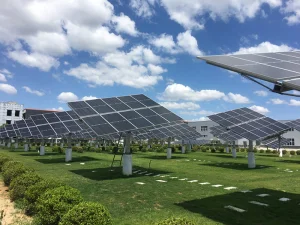
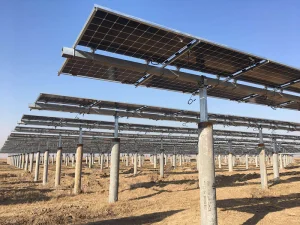
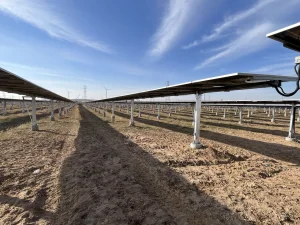
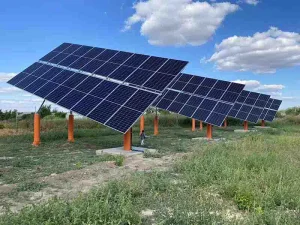
In the current global energy transition, the role of a Dual Axis Solar Tracker Manufacturer has evolved from a simple hardware provider to a critical partner in Levelized Cost of Energy (LCOE) optimization. Unlike fixed-tilt systems or even single-axis trackers, dual-axis technology represents the pinnacle of photovoltaic efficiency. By tracking both the azimuth (horizontal) and altitude (vertical) angles of the sun, these systems ensure that solar panels remain perpendicular to the sun's rays throughout the entire day, across all seasons.
Compared to fixed structures, our dual-axis systems capture significantly more photons, particularly during the early morning and late afternoon "shoulder hours."
From the arid deserts of the Middle East to the high-latitude regions of Northern Europe, dual-axis trackers are becoming the standard for concentrated PV and high-efficiency utility projects.
Integration of GPS and astronomical clock data allows for autonomous operation, mitigating shading and maximizing cumulative irradiation.
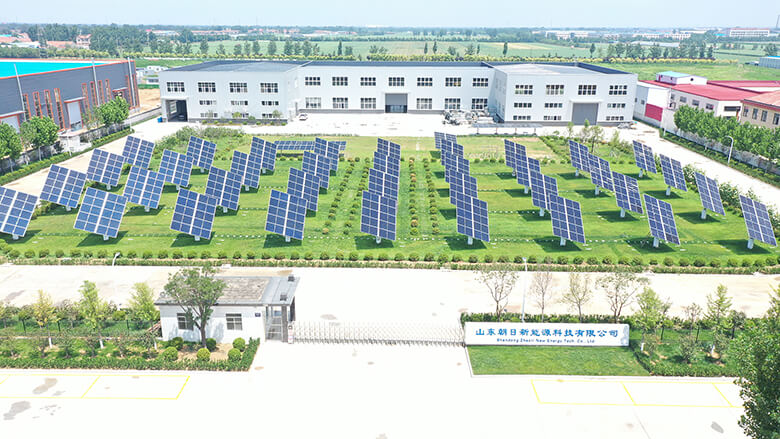
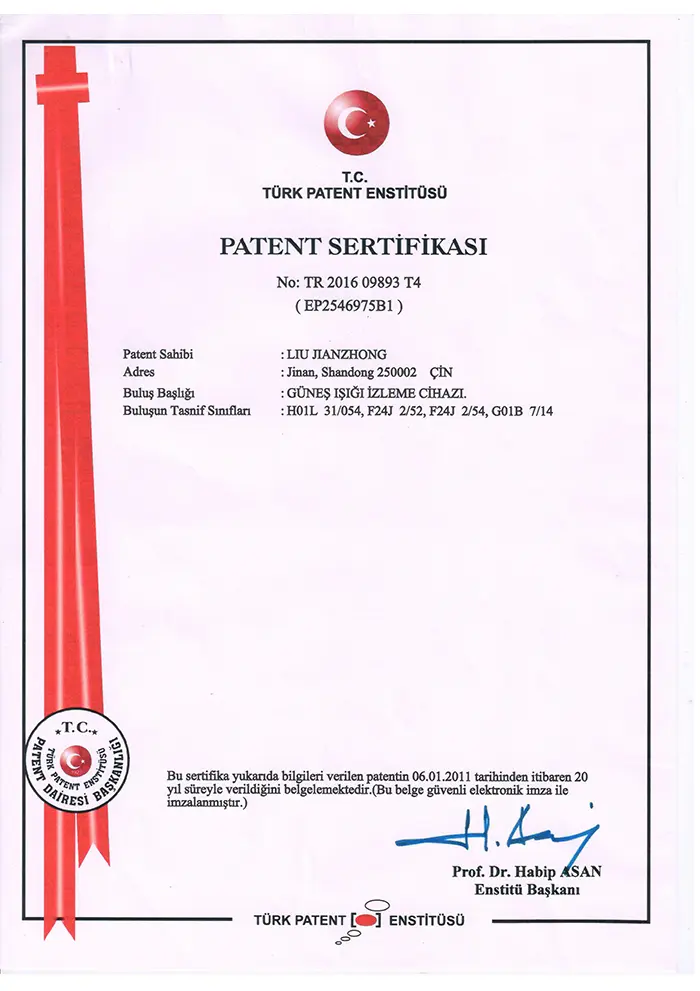
Founded in June 2012, Shandong Zhaori New Energy Tech. Co., Ltd. is a high-tech and new energy company based on independent intellectual property rights. With over 10 years of focus on photovoltaic power stations and solar tracking technology, our team of 60+ professional tech talents ensures every product meets global standards.
Our factory covers an impressive 50,000 square meters, housing advanced production equipment such as CNC machine tools, laser cutting machines, and automatic welding robots. This infrastructure allows us to maintain a production capacity of 500MW per month.
Designed for the "Sunchaser" ethos, this system uses advanced طراحی to ensure reliability in extreme weather. It is the flagship model for utility-scale deployment where maximizing space-to-yield ratio is paramount.
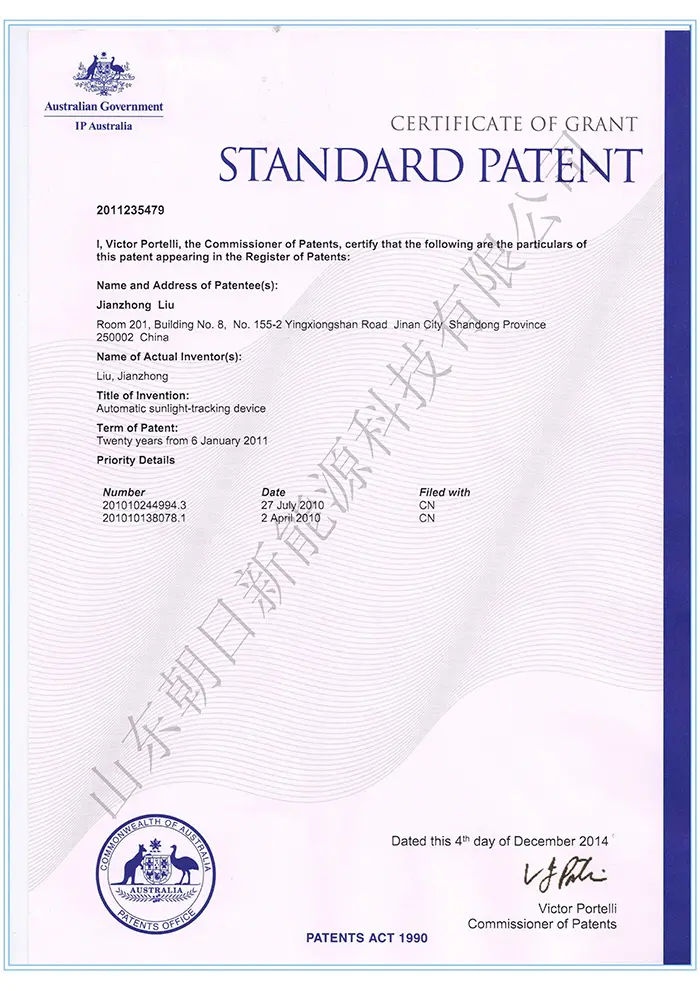
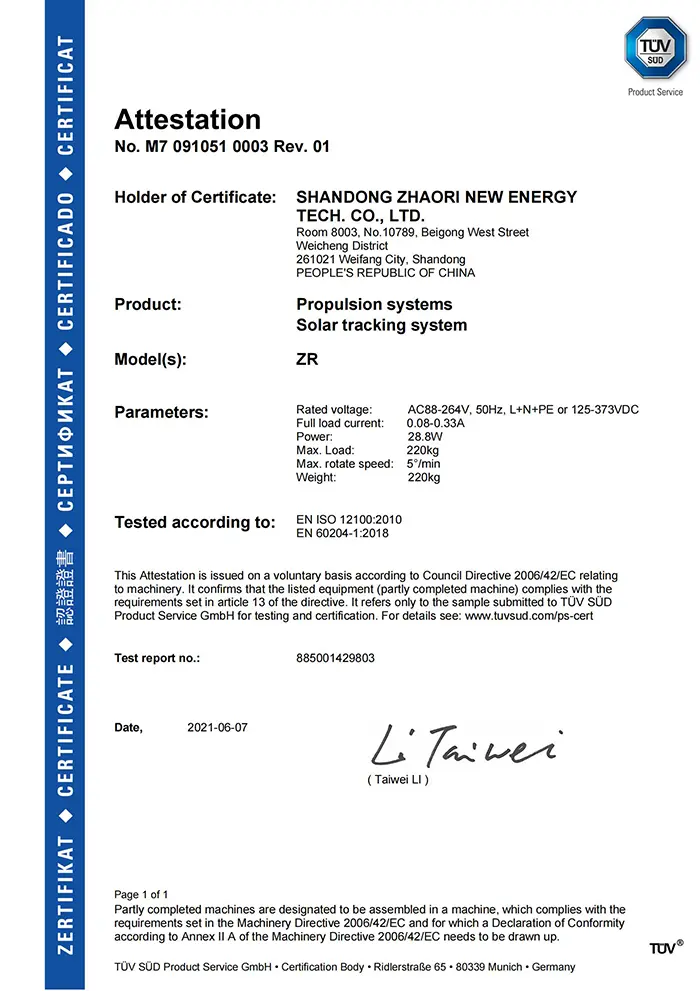
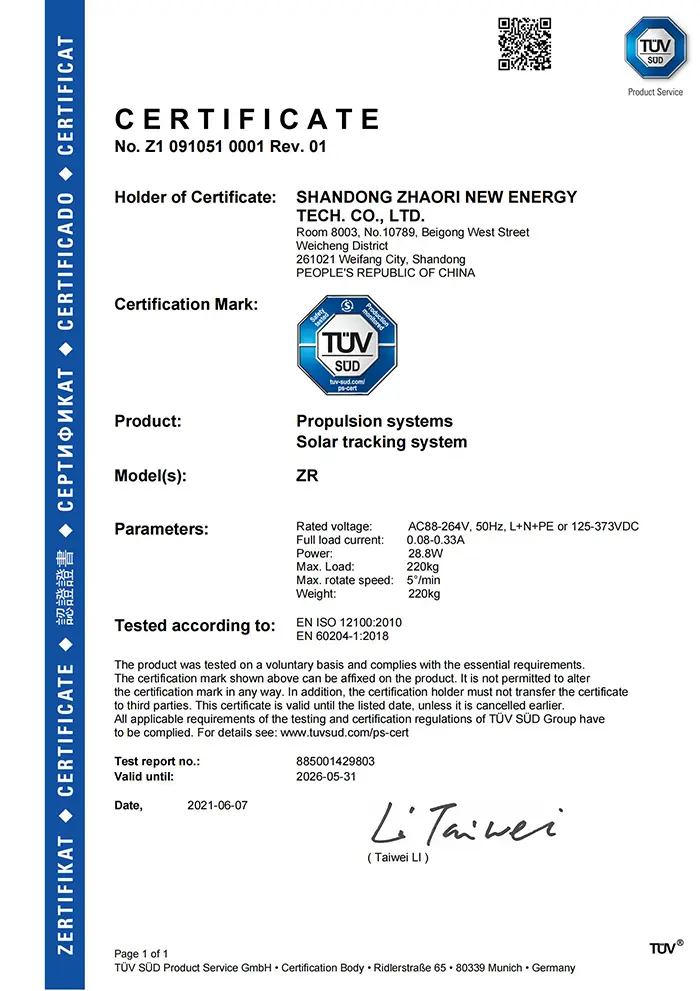
Our trackers utilize high-precision slewing drives and linear actuators that provide sub-degree tracking accuracy, essential for high-concentration PV modules.
Hot-dip galvanized steel components ensure a 25-year service life even in corrosive coastal environments or high-salinity desert regions.
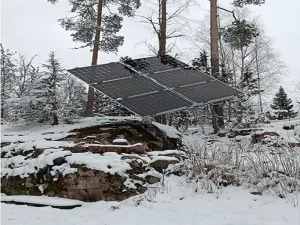
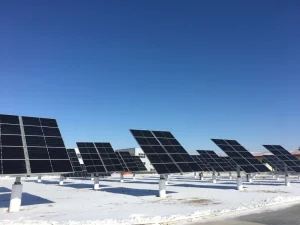
In regions like Canada or Northern China, our trackers can tilt to extreme angles to shed snow automatically, preventing structural failure and ensuring power generation resumes immediately after storms.
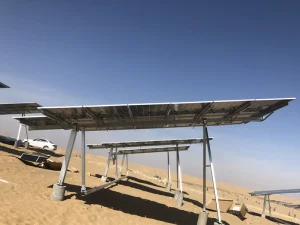
Programmable "stow" positions allow the panels to move vertically during sandstorms, minimizing the accumulation of abrasive dust on the panel surfaces.
The industry trend is moving towards Self-Learning Trackers. Our R&D department is integrating AI sensors that adjust tracking based on diffuse light conditions during cloudy days.
Modern dual-axis trackers are optimized for bifacial modules, using structural designs that minimize rear-side shading to capture the albedo effect (reflected light) from the ground.
For EPC (Engineering, Procurement, and Construction) firms and global investors, selecting a Dual Axis Solar Tracker Factory involves more than comparing price lists. It's about long-term bankability and operational stability.
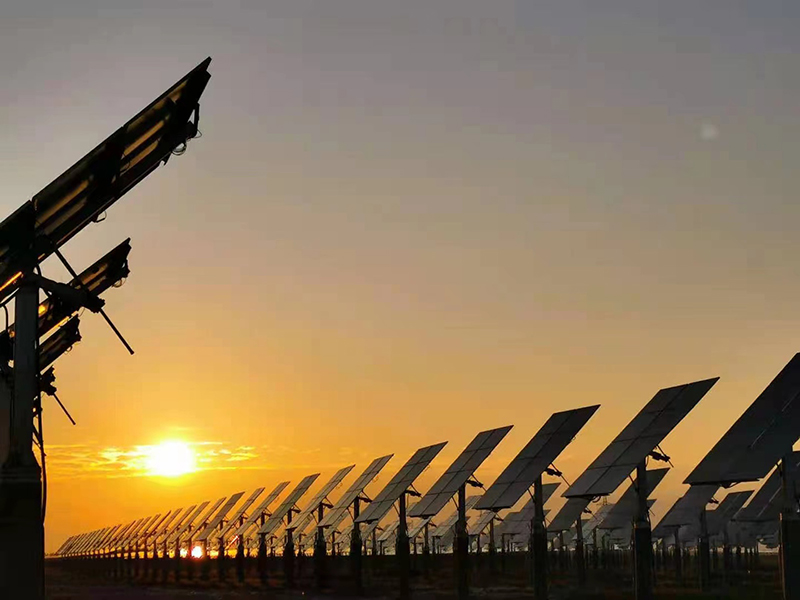
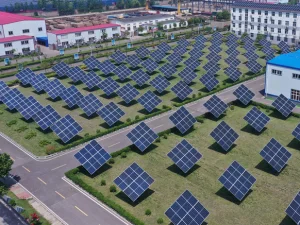
5MW in North China
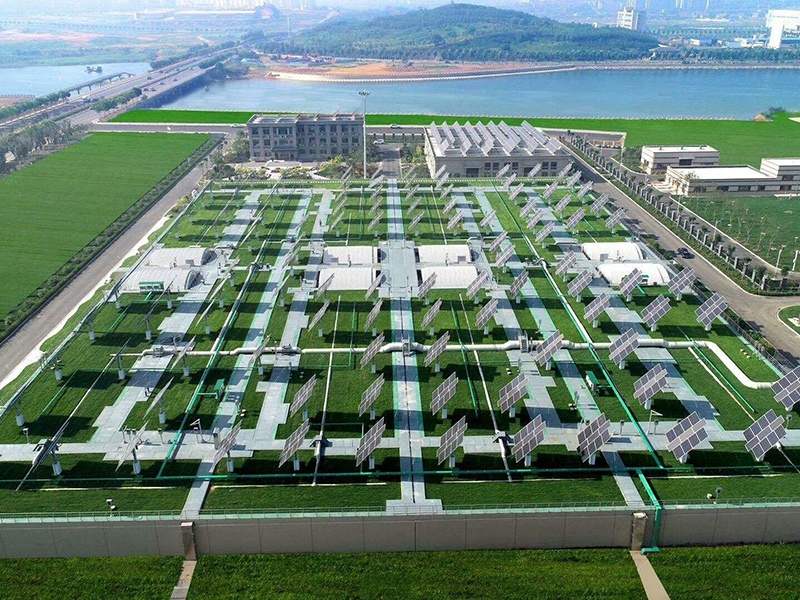
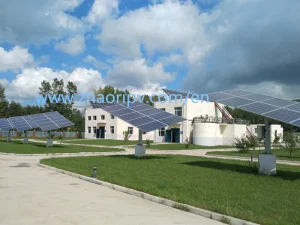
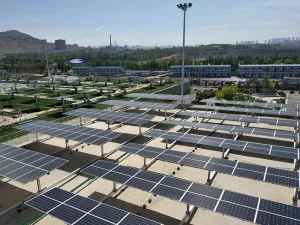
Factory Rooftop Project
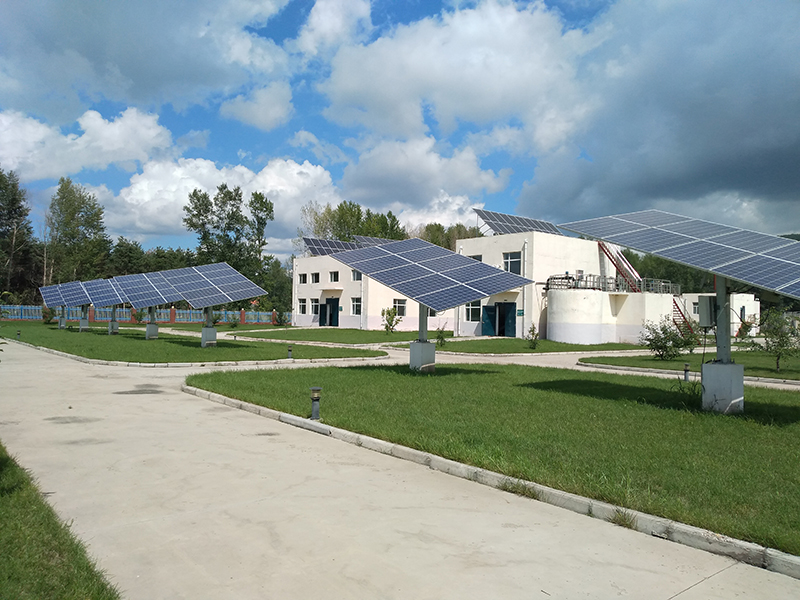
Green Belt Urban Project
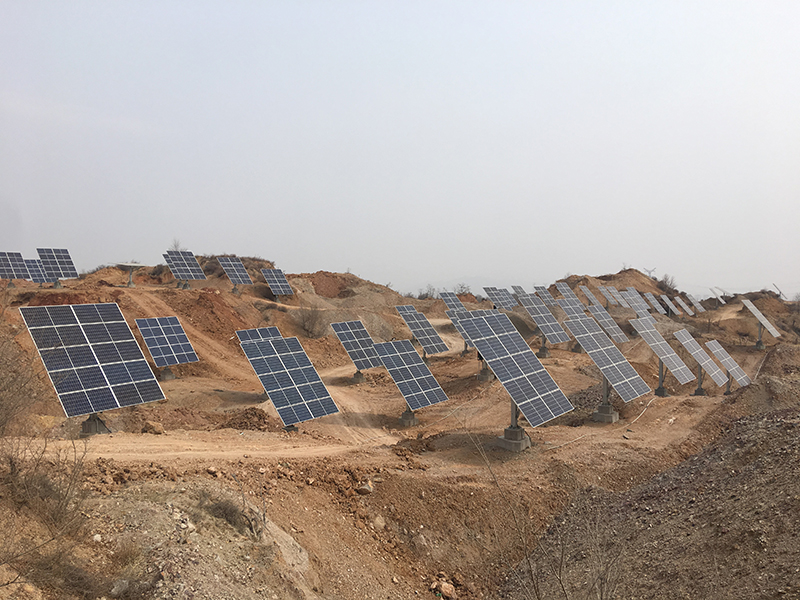
Mountainous Terrain Solution
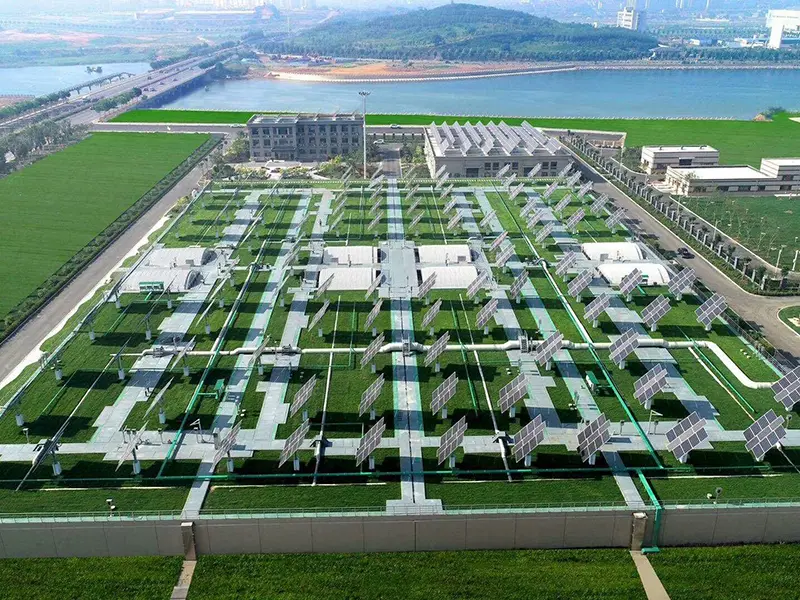
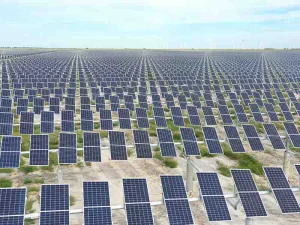
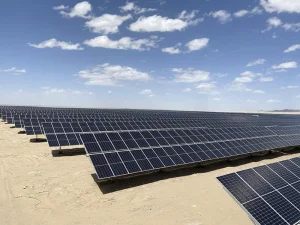
Industrial Scale Utility
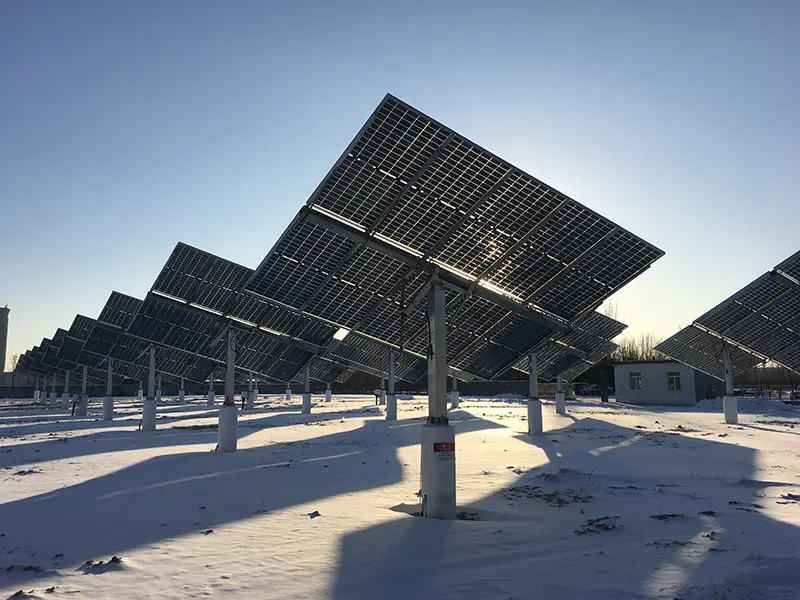
Post-Snow Performance
Single axis trackers follow the sun from East to West. Dual axis trackers follow the sun East to West AND adjust for the sun's height in the sky (seasonal changes), resulting in up to 45% more energy than fixed systems.
Our trackers are equipped with automated wind sensors. When wind speeds exceed safe thresholds (e.g., 18m/s), the system automatically moves to a horizontal "stow" position to minimize wind resistance.
While the initial cost is higher than fixed brackets, the 35-45% yield increase often leads to a shorter payback period (typically 4-6 years depending on local subsidies and irradiation) and higher long-term IRR.
Yes, we have a dedicated Foreign Trade Department and provide comprehensive technical guidance for installation and maintenance globally.
 Zhaori