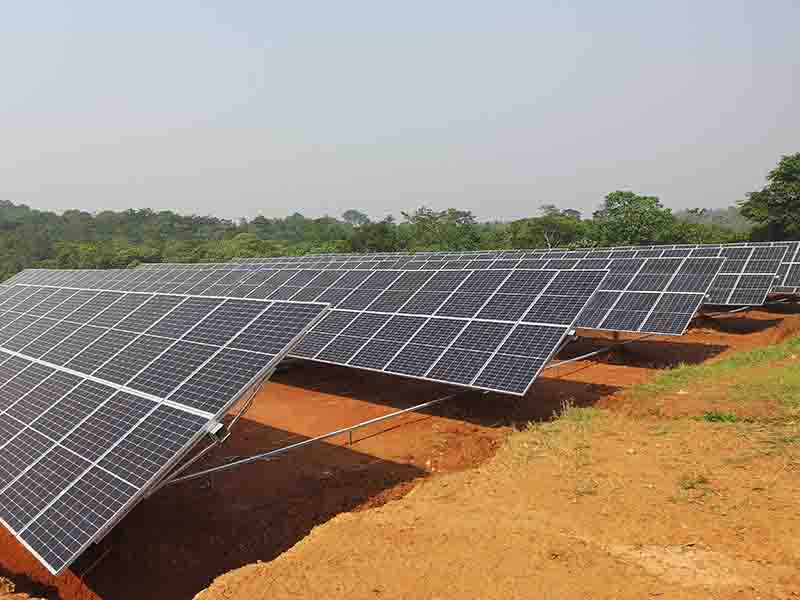
China 2P Flat Single Axis Solar Tracker Quotes, Exporters

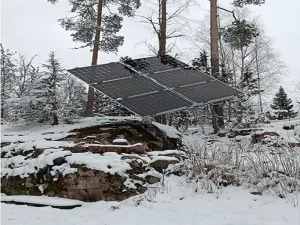
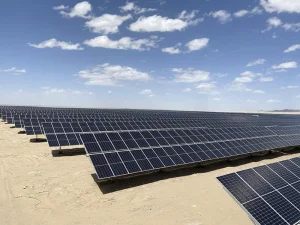
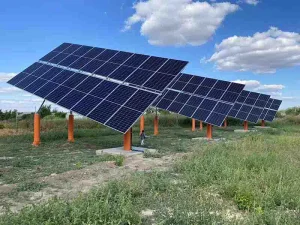
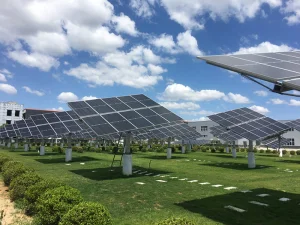
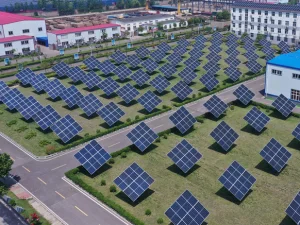
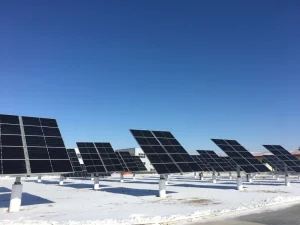
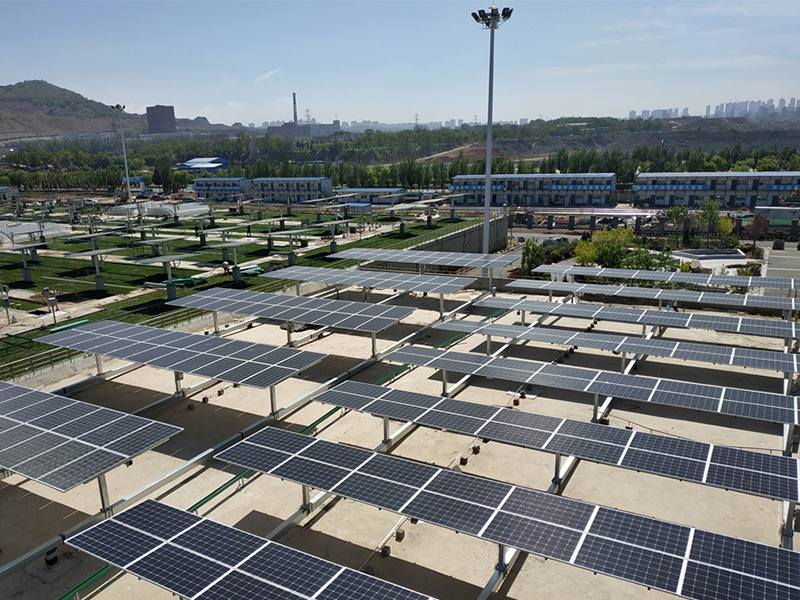
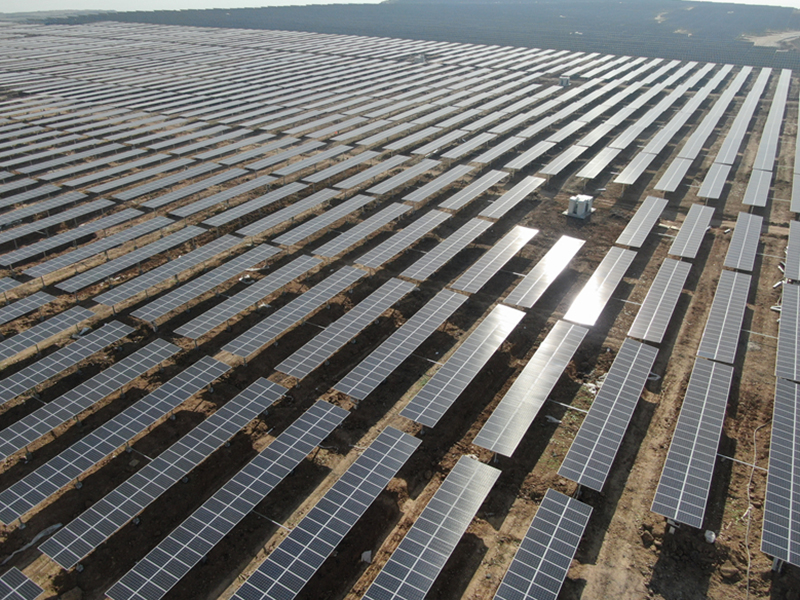
ZRP flat single axis solar tracking system has one axis tracking the azimuth angle of the sun. Each set mounting 10 - 60 pieces of solar panels, single row type or 2 - rows linked type, given a 15% to 30% production gain over fixed-tilt systems on the same size array.

Product Description

⚙️ System type: Single row type / 2-3 rows linked
📡 Control mode: Time + GPS
🎯 Accuracy: 0.1° - 2.0° (adjustable)
🔋 Gear motor: 24V / 1.5A
🔄 Output torque: 5000 N·M
⚡ Consumption: 5kWh/year/set
📐 Tracking Range: ±45° - ±55°
⏪ Back tracking: Yes
🌬️ Max Wind (Horiz): 40 m/s
🚩 Max Wind (Op): 24 m/s
🏗️ Material: Hot-dipped galvanized ≥65μm
🛡️ Warranty: 3 years
🌡️ Temperature: -40℃ to +80℃
⚖️ Weight: 200 - 400 KGS
💡 Total Power: 5kW - 40kW

The ZRP flat single axis solar tracking system has one axis tracking the azimuth angle of the sun. Each set mounting 10 - 60 pieces of solar panels, single row type or 2 - rows linked type, given a 15% to 30% production gain over fixed-tilt systems on the same size array.

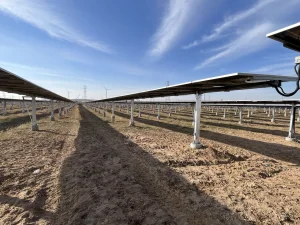
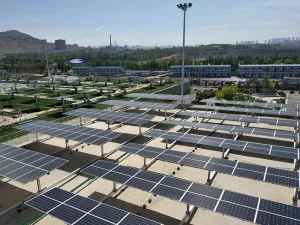
At present, the flat single axis solar tracker in the market mainly has two solar array layout forms: 1P and 2P.

The 1P layout scheme is undoubtedly better in structural stability and has good wind and snow pressure resistance performance, but it uses a larger amount of steel and the number of pile foundations will inevitably increase, which will bring a small increase in the total construction cost of the solar power station. Another disadvantage is that its central main beam will bring more back shielding to the bifacial solar modules than the 2P layout scheme.

The 2P scheme is a scheme with more cost advantages, but the core is to solve how to ensure the firmness of the system structure when 500W+ and 600W+ large area solar modules are widely used. For the 2P structure, in addition to the traditional fishbone structure, a double main beam structure has been introduced, which can effectively support the solar panels, prevent the sagging at both ends of the solar modules and reduce the hidden cracks of the solar modules.
Frequently Asked Questions
How much energy production gain can I expect?
The ZRP flat single axis solar tracking system typically provides a 15% to 30% production gain compared to fixed-tilt systems on an array of the same size.
What are the main differences between 1P and 2P layouts?
1P layouts offer superior structural stability and resistance to wind and snow but require more steel and foundations. 2P layouts are more cost-effective and reduce back shielding for bifacial modules.
What control mechanism does the tracking system use?
The system utilizes a Time + GPS control mode to maintain high average tracking accuracy between 0.1° and 2.0°.
How does the system handle high wind conditions?
The system is designed with high wind resistance, capable of withstanding up to 40 m/s in horizontal position and operating safely in winds up to 24 m/s.
How are solar module cracks prevented in 2P structures?
By implementing a double main beam structure, the system effectively supports large-area modules (500W+/600W+), preventing sagging at the ends and reducing potential hidden cracks.
What is the working temperature range for this system?
The system is engineered to operate reliably in extreme environments, with a working temperature range from -40℃ to +80℃.

Related Products