Solar tracker pricing can shape the success of a utility-scale solar project before installation begins. A low quote may look attractive, yet it can exclude shipping, foundations, controls, or commissioning. This guide examines seven Solar Tracker Price options for global buyers, using practical purchasing factors rather than headline figures alone.
The comparison considers single-axis and dual-axis designs, tracking range, structural steel, motor quality, warranty terms, and expected energy gains. It also looks at project size. A 10-kilowatt commercial system needs different equipment from a 100-megawatt solar farm. Terrain matters too. Uneven ground, strong coastal winds, dust, and snow can change the final budget significantly.
Real-world buying requires careful questions. Is the quoted price based on EXW, FOB, or delivered equipment? Does it include installation drawings and software access? Can local technicians service the drive units? These details often decide whether a tracker remains economical after five or ten years. Prices can change with steel costs, currency movements, and regional logistics. No table can stay perfectly accurate forever.
Still, clear comparisons are useful. Each selected option should be reviewed against energy yield, maintenance access, supplier experience, and verified project references. Buyers should request technical datasheets, component lists, and written warranty conditions before making decisions. The cheapest tracker may not be the best value. Sometimes, the overlooked detail matters most. Expect estimates, not promises, and treat every attractive quote as a starting point for deeper verification.
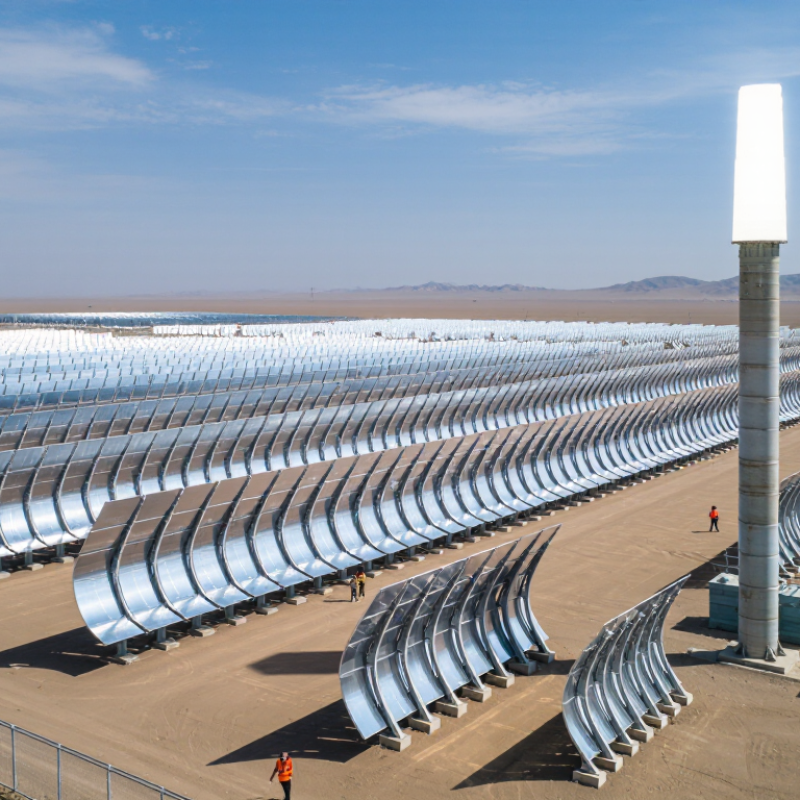
Solar tracker prices vary by design, project size, location, and installation conditions. The following ranges exclude solar modules and may change with steel, shipping, labor, and currency costs.
Horizontal single-axis trackers often cost $0.15–$0.35 per watt. Tilted single-axis systems usually range from $0.20–$0.50 per watt. Vertical single-axis models may reach $0.25–$0.55 per watt because their structures suit specific sites.
Dual-axis trackers generally cost $0.35–$0.80 per watt for commercial installations. Residential dual-axis units may range from $1,500–$4,000 each.
Small commercial systems often fall between $250–$600 per kilowatt for tracker hardware, while large utility projects can approach $120–$300 per kilowatt after volume savings.
These seven price bands are useful starting points, not fixed offers. I have seen low quotations become expensive after transport, foundations, controls, and maintenance were added. A cheaper tracker can also produce weaker output in windy or dusty regions.
Tips: Ask for a complete delivered price. Confirm foundation work, motors, sensors, wiring, software, commissioning, and spare parts. Request local wind-load calculations and a realistic energy estimate. Compare the added yield against extra cleaning, repairs, and downtime. Soil conditions matter more than many buyers expect. Overlooking them is a costly mistake. Get at least three comparable quotations with the same technical specifications.
International buyers often compare solar tracker prices without separating equipment from installation. A practical seven-category view is more useful. Entry-level single-axis systems may cost about $0.08–$0.14 per watt for hardware. Standard single-axis designs usually range from $0.12–$0.22 per watt. High-wind single-axis systems can reach $0.18–$0.30 per watt because they need stronger steel and control systems. These figures are planning estimates, not quotations.
Bifacial-optimized trackers form a fourth category, commonly priced at $0.16–$0.28 per watt. Their value depends on ground reflectivity, row spacing, and rear-side energy gain. Small commercial trackers often cost $0.25–$0.45 per watt after basic engineering and installation. Dual-axis systems represent a sixth category, frequently exceeding $0.35 per watt because they require more drives, sensors, and maintenance access. The seventh category is utility-scale engineered tracking, where pricing may fall below $0.20 per watt at high volume but rise sharply on difficult sites.
Look beyond the lowest figure. A coastal project may need corrosion protection, while a desert site may require dust-resistant bearings and wider service intervals. Shipping distance, customs procedures, local labor, foundations, and replacement parts can change the final budget. The comparison is imperfect. Some suppliers exclude software, commissioning, or spare components. Buyers should request a delivered-cost schedule, wind-load data, warranty terms, and documented energy assumptions before approving a purchase. A low initial price can become expensive when one actuator fails far from the service center.
Indicative international price ranges for solar tracker hardware plus typical installation allowance, shown in USD per kW of tracked PV capacity. Utility-scale single-axis systems generally offer the lowest cost per watt, while residential and remote dual-axis systems cost more because of smaller volumes, additional motors, foundations, controls, and installation complexity. Excludes modules, inverters, batteries, land, taxes, freight, and project financing.
Reference basis: indicative 2024–2025 global procurement ranges synthesized from publicly reported utility, commercial, residential, and off-grid solar project cost benchmarks. Actual quotations vary by region, wind and snow loads, terrain, steel prices, exchange rates, and order volume.
Solar tracker costs vary widely because the quoted price rarely covers the full project. IRENA’s Renewable Power Generation Costs in 2023 reported a global weighted-average utility-scale solar PV installed cost of USD 758 per kilowatt. This figure is not tracker-specific, but it shows the wider cost environment. Tracker pricing depends on steel volume, drive systems, controllers, foundations, installation, and commissioning.
Terrain matters greatly. Flat, stable soil usually reduces piling and civil-work expenses. Rocky ground, steep slopes, wind exposure, or irregular fields can require stronger structures and more detailed engineering. NREL’s 2024 Annual Technology Baseline uses single-axis tracking as a key utility-scale configuration, while stressing that design assumptions change by site and market. That difference can move costs quickly.
Shipping is often underestimated. A tracker package may cross several borders before reaching the project. Ocean freight, inland transport, customs handling, and local storage can add meaningful costs. Labor rates and technical training also differ between regions. A low factory price can become expensive after delivery.
Ask for a complete landed-cost quotation. It should separate equipment, software, spare parts, installation, taxes, warranties, and service response. Request wind-load calculations and energy-yield assumptions too. The best price is not always the lowest number. Sometimes, it is the clearest one.
I may be missing a local constraint. That is why buyers should compare at least three site-specific offers, not generic online prices.
When comparing seven solar tracker prices, do not judge value from the equipment quote alone. Request a delivered cost that includes controls, foundations, shipping, taxes, and commissioning. Performance data should show annual energy gain for your exact latitude, weather, and module layout. A claimed percentage means little without a clear testing method.
During site evaluation, check slope, soil strength, flood exposure, and access for construction vehicles. Trackers need accurate alignment and stable foundations. Ask for wind and snow design loads based on local engineering rules. Installation quality matters. A small alignment error can reduce output across an entire row. Cable routing should also prevent standing water and unnecessary shading.
Maintenance planning deserves equal attention. Review motor access, spare-part availability, remote alarms, and technician response times. Inspectors should examine bolts, drive components, sensors, and corrosion at scheduled intervals. Dusty regions may need more frequent cleaning and sensor checks. Coastal projects require stricter corrosion monitoring. Very low maintenance estimates can be misleading. I would challenge them with a five-year cost model, even when the spreadsheet looks convincing. Leave room for mistakes: weather, soil variation, and delayed parts can change the original forecast. Reliable suppliers should provide clear manuals, measurable service terms, and performance records from similar climates.
Choosing the right solar tracker supplier requires more than comparing the lowest quotation. Request a detailed price breakdown for the tracker structure, drive system, controller, shipping, installation, training, maintenance, and spare parts. These seven cost areas reveal hidden differences between suppliers. Ask for recent project records in climates similar to yours. A supplier experienced with dust, snow, high winds, or coastal humidity may offer stronger practical value.
Check engineering documents before discussing discounts. Review load calculations, tracking accuracy, motor limits, corrosion protection, and emergency stow functions. Confirm product testing, quality-control procedures, warranty terms, and expected service response times. Independent inspection can protect buyers during factory production and shipment. Do not accept vague energy estimates. Request simulation files, assumptions, and performance data from comparable installations. A low initial price can become expensive when replacement parts arrive slowly. That risk is easy to underestimate.
Tips: Compare total ownership cost, not only unit price. Ask who handles commissioning. Clarify software access and data ownership. Inspect one operating project if possible. Leave room for negotiation, but never remove essential safety checks. An imperfect quote is sometimes more honest than a polished promise. Review every exclusion carefully. Small wording differences can change the final budget.
Hardware usually costs $0.15–$0.35 per watt. This excludes solar modules. Transport, foundations, controls, and installation may add substantial costs.
Tilted systems commonly range from $0.20–$0.50 per watt. Vertical systems may cost $0.25–$0.55 per watt. Their structures fit specific sites.
Commercial dual-axis systems often cost $0.35–$0.80 per watt. Residential units may cost $1,500–$4,000 each. Site conditions can change the final price.
A low quote may exclude shipping, foundations, wiring, software, commissioning, or spare parts. Ocean freight and inland delivery can raise costs quickly. The cheapest number is not always the cheapest project.
Rocky soil, steep slopes, high winds, and irregular fields usually increase engineering costs. Flat, stable ground often reduces piling and civil work. Soil is easy to overlook.
Request equipment, delivery, taxes, installation, software, warranties, service, and spare parts. Confirm motor capacity, sensors, wiring, and emergency stow functions. Check every exclusion.
Ask for at least three quotations using identical technical specifications. Compare load calculations, tracking accuracy, corrosion protection, and maintenance terms. Inspect a working project when possible.
Not necessarily. Compare added generation with cleaning, repairs, downtime, and replacement parts. Dusty or windy sites may reduce expected gains. Estimates can look precise but still miss local problems.
This guide explains how global buyers can compare solar tracker options and understand the factors behind Solar Tracker Price. It covers common tracker types, including single-axis and dual-axis systems, along with their typical international price ranges. Seven price categories are compared to show how design complexity, project scale, tracking accuracy, materials, and included components can affect the total investment. The overview is designed to help buyers distinguish between equipment cost and the broader expenses associated with transportation, installation, commissioning, and long-term operation.
The article also outlines how to evaluate tracker performance, energy yield, structural reliability, maintenance requirements, warranty terms, and technical support. A practical step-by-step supplier selection process is provided, beginning with project assessment and specification review, followed by quotation comparison, quality verification, service evaluation, and contract clarification. By considering both upfront pricing and lifecycle value, international buyers can make a more informed decision and select a solar tracker solution suited to their location, budget, and energy goals.

Zhaori
