For global buyers, choosing a Smart Solar Tracking System is not simply a matter of comparing advertised energy gains. A tracker must suit the site, the module layout, local weather, and the skills available for maintenance. A broad, flat field and a windy coastal site present very different design demands. Small details count: row spacing, drive components, control software, and access for technicians can shape years of operation.
Energy economist and International Energy Agency Executive Director Fatih Birol described solar as “the new king of electricity.” That observation helps explain the growing interest in systems that orient panels toward changing sunlight. But a tracker does not create energy from nothing. Its value depends on how reliably it follows the sun, how well it withstands site conditions, and whether its added output justifies its cost. The numbers deserve scrutiny.
This guide introduces leading tracking systems for buyers comparing suppliers across regions. It considers tracking design, monitoring features, installation needs, service support, and compatibility with different project conditions. Buyers should also ask how suppliers handle spare parts and repairs after commissioning. That matters. A feature-rich system can still be a poor fit if local support is thin. No single model suits every project, and published performance claims need careful, site-specific review. We will examine the trade-offs, not just the sales pitch.
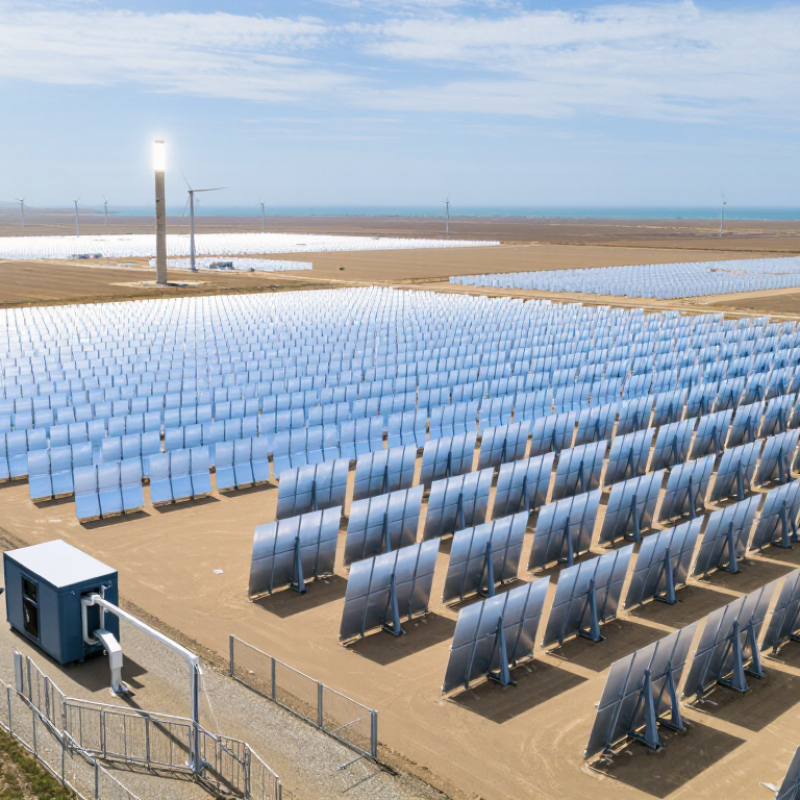
Smart solar tracking systems change a panel’s position to follow the sun across the sky. Sensors can measure sunlight, while a controller also uses time and location data to estimate the sun’s path. It then signals motors to rotate the support structure. Some systems move on one axis, from east to west; others adjust both horizontal and vertical angles. Small shifts matter. By keeping panels better aligned with direct sunlight, tracking may increase energy production compared with a fixed setup, though actual results depend on site conditions.
Tips: Check that the tracker’s movement fits your roof or ground layout. Ask how the system handles high winds, since many designs move panels into a safer position. Keep space for inspection and cleaning.
The mechanism sounds simple, but its performance depends on more than sensors. Dust, shading, motor wear, and incorrect alignment can reduce output. Trackers also use electricity and need periodic maintenance. That is not magic. Compare expected energy gains with installation and upkeep costs for your specific site. Even a well-designed system can underperform if local weather or obstacles were overlooked.
Solar tracking systems are commonly divided into fixed-tilt, single-axis, and dual-axis designs. Fixed-tilt arrays do not track the sun, but they are a useful baseline: fewer moving parts can mean simpler maintenance. A single-axis tracker rotates panels along one axis, often following the sun from east to west. On a clear afternoon, the rows gradually turn toward the low western sun.
Single-axis systems are widely considered where land, layout, and wind conditions suit them. They can increase energy capture compared with fixed mounting, though the gain varies by location and project design. Horizontal trackers are common on open, relatively level sites. Tilted or vertical arrangements may fit specific terrain or installation constraints, but they need careful engineering. Shade between rows matters. So does access for inspection.
Dual-axis trackers adjust panels along two axes, following both the sun’s daily path and its seasonal height. This can help keep modules closer to a direct angle toward sunlight, particularly where the sun’s position changes significantly through the year. The added movement also brings more components to inspect, and more potential maintenance points. Not every site benefits enough to justify that complexity. Dust, uneven ground, strong gusts, and occasional tracking errors can affect real-world performance. A small mismatch is easy to overlook. Buyers should compare expected energy output with installation, operating, and maintenance needs—not just the tracker’s movement range.
Leading smart tracking systems in global markets combine mechanical precision with software that responds to changing sunlight and weather. Most utility-scale systems use single-axis trackers, turning panel rows from east to west during the day. Sensors and control algorithms help maintain alignment, while weather inputs can trigger a safer position during strong winds. That matters.
Performance depends on more than the tracker itself. A flat, open site may support a different layout from a sloped field with uneven soil. Buyers should review row spacing, foundation design, corrosion protection, and access for maintenance. Dust, snow, humidity, and local wind patterns can all affect long-term output. Data from similar climates is useful, but it cannot replace site-specific engineering.
Smart controls can flag motor faults and compare expected movement with actual position. These tools may reduce inspection time, though they still need reliable communications and trained operators. Not everywhere. In some locations, a simpler system may be easier to maintain than a highly automated one. Buyers should compare lifecycle costs, spare-part availability, service response, and energy estimates—not just the advertised tracking range. A careful site assessment often reveals trade-offs that product specifications leave out.
Top Smart Solar Tracking Systems for Global Buyers
Performance, Cost, and Reliability Factors
A tracker’s value depends on the sunlight, soil, and wind at the actual project site. NREL’s 2024 Annual Technology Baseline models utility-scale photovoltaic systems with single-axis tracking as a distinct configuration. Buyers should compare energy yield and capital cost using the same location, capacity, and design assumptions. A generic production uplift can mislead. Not everywhere.
Cost estimates need equal scrutiny. IRENA’s Renewable Power Generation Costs in 2023 reports that the global weighted-average levelized cost of electricity for new utility-scale solar PV fell 12% in 2023, to USD 0.044 per kilowatt-hour. That figure is not a tracker price; it is a useful market benchmark. Ask suppliers to itemize drives, controls, foundations, installation, and expected maintenance, rather than judging only the equipment quote.
Reliability often shows up in small details: sealed motor housings, corrosion-resistant fasteners, accessible drive units, and tested wind-stow settings. Request site-specific wind and soiling assumptions, plus documented inspection intervals and spare-parts plans. Small details matter. A system can produce strong modeled output yet lose value through repeated alignment faults or slow repairs. Real operating records are useful, but they may not reflect your terrain or climate. Treat projections as estimates, then check them against commissioning tests and measured operating data.
Typical annual energy-yield improvement compared with fixed-tilt PV systems
Indicative industry ranges: single-axis tracking commonly adds about 15–25% energy yield, while dual-axis tracking may add about 25–35%. Actual results vary with location, weather, system design, and operating conditions. Compare these gains with installed cost, maintenance needs, wind-stow requirements, and verified system availability when assessing lifecycle value.
Regional selection starts with the site, not the catalogue. IEA PVPS’s Snapshot of Global PV Markets 2024 reported about 447 GW of new solar capacity in 2023. That growth does not mean trackers fit every location. Berkeley Lab’s Utility-Scale Solar, 2024 Edition reported that single-axis trackers served roughly 97% of new U.S. utility-scale PV capacity in 2023. Treat this as a market signal, not a universal rule: U.S. projects cannot represent steep, snowy, or cyclone-exposed sites everywhere.
Tips: Compare tracker and fixed-tilt layouts using hourly local weather data, not annual sunshine alone. Check wind loads, snow clearance, slope limits, soil strength, dust, and maintenance access. In windy regions, ask for documented load testing and a clear stow strategy. In snowy areas, confirm operating modes and safe clearances.
Have an engineer model shading, horizon, row spacing, and local grid constraints. Stress-test yield estimates against cloudy or unusually hot years. Trackers can capture more morning and evening sunlight, but motors, controls, and foundations add failure points and service costs. That trade-off is easy to underprice. Request a site-specific lifecycle-cost comparison and references from climates like yours, not just a headline yield estimate.
| Region or Site Condition | Practical System Choice | Regional Design Priorities | Smart Controls to Evaluate | Buyer Checks |
|---|---|---|---|---|
| Arid and high-sun regions with mostly level land | Horizontal single-axis tracking is a common utility-scale option. Fixed-tilt mounting can also be suitable where simplicity or lower site-preparation needs are priorities. | Check dust accumulation, abrasive sand, high daytime temperatures, water availability for cleaning, and foundation conditions. | Backtracking to reduce row-to-row shading; remote monitoring; operating modes that can limit unnecessary movement. | Compare modeled energy output and lifecycle cost against a fixed-tilt layout. Confirm cleaning access and suitable materials for local dust and heat conditions. |
| Tropical, coastal, or cyclone-prone areas | Single-axis tracking may be considered where wind loads, terrain, and project economics support it. Fixed tilt may be preferable at especially exposed sites. | Assess extreme wind design conditions, corrosion from salt air, heavy rainfall, drainage, and applicable local building requirements. | Verified wind-stow logic, reliable anemometer inputs, fault alerts, and a documented recovery procedure after severe weather. | Request project-specific structural calculations and corrosion-protection details. Check that the stow strategy is defined for the site's wind conditions. |
| Windy plains or open, exposed sites | A wind-rated single-axis tracker can be suitable if the structure and control strategy are engineered for the location; fixed tilt is a useful comparison case. | Consider local gusts, terrain exposure, soil capacity, row spacing, and the effect of wind on tracker structures. | Automatic wind stow, sensor-failure alarms, communications-loss behavior, and remote operating-status reporting. | Confirm the design wind speed and stow assumptions with the project engineer. Compare downtime and maintenance access, not just expected energy production. |
| Snow-prone or cold-climate regions | Fixed tilt or a tracker specifically designed for snow conditions may be appropriate. The choice depends on snowfall, module layout, and the project's operating plan. | Evaluate snow loading, icing, freeze-thaw cycles, drainage, access during winter, and whether snow clearing is planned. | Weather-aware operating modes, clear fault notifications, and control settings that have been assessed for the site's snow and ice conditions. | Ask for snow-load documentation and a realistic winter maintenance plan. Do not assume tracker movement will remove snow without site-specific evidence. |
| Hilly, uneven, or irregular terrain | A terrain-following single-axis system may reduce grading in some layouts. Fixed tilt or a redesigned row layout may be more practical on steep or highly irregular ground. | Check slope limits, row-to-row shading, drainage, geotechnical conditions, access roads, and the amount of earthwork required. | Terrain-aware backtracking, row-level status monitoring, and control software that accommodates the approved site layout. | Compare total installed cost including grading, foundations, roads, and cabling. Verify that the proposed terrain limits match the actual survey. |
| Higher-latitude locations or sites with strong seasonal changes | Compare horizontal single-axis, a compatible tilted-axis design, and fixed tilt using a site-specific energy model. Dual-axis tracking is generally a more specialized option. | Model seasonal sun paths, winter shading, snow exposure, wind, and the available land area. | Accurate astronomical positioning, backtracking, seasonal operating settings, and monitoring that identifies underperforming rows. | Use hourly weather data and compare annual and seasonal output with lifecycle costs. Validate assumptions for horizon shading and winter conditions. |
| High direct-sun resource and projects evaluating dual-axis tracking | Dual-axis tracking follows the sun in two directions and may be evaluated for selected applications; it is not automatically the best choice for utility-scale projects. | Consider land use, wind exposure, mechanical complexity, maintenance access, and the value of the additional energy at the site. | Position feedback, equipment-health alerts, safe stow functions, and clear procedures for control or sensor faults. | Require an independent, site-specific comparison with single-axis and fixed-tilt alternatives, including maintenance needs and expected availability. |
Selection note: Tracker performance and suitability vary with local weather, terrain, layout, equipment design, and maintenance. Compare alternatives using site-specific energy modeling, structural design requirements, installation cost, operating costs, and expected availability. Features such as backtracking, terrain-following, and wind stow depend on the selected system and configuration.
Fixed-tilt panels stay still and have fewer moving parts. Single-axis trackers rotate rows, often from east to west. Dual-axis trackers adjust in two directions. More movement also means more parts to inspect.
Trackers can capture more sunlight than fixed-tilt systems, especially in the morning and evening. The actual gain depends on the site and design. A headline estimate is not enough.
It can suit open, relatively level land with workable wind conditions. Row spacing, shade, and inspection access still matter. A flat field is helpful, but not a guarantee.
It can follow the sun’s daily path and seasonal height. This may help where the sun’s position changes significantly during the year. The added complexity may not pay off at every site.
Review wind, snow, soil strength, slope, dust, and humidity. Check foundation design and safe access between rows. Small site details can change the whole calculation.
Controls can flag motor faults and compare actual movement with expected positions. They may reduce inspection time, but need reliable communications and trained operators. Not everywhere.
Request documented load testing and a clear strategy for moving panels into a safer position during strong winds. The details matter more than a broad promise.
Ask for a site-specific lifecycle-cost comparison using local weather data. Include energy estimates, installation, spare parts, and service costs. Stress-test output for cloudy or unusually hot years. Estimates can still miss things.
A Smart Solar Tracking System adjusts the position of solar panels throughout the day to follow the sun, helping them capture more sunlight than fixed installations in suitable conditions. Systems generally use one axis to track the sun’s daily movement or two axes to adjust for both daily and seasonal changes. The right design depends on the site, available space, weather, terrain, and project goals.
When comparing systems, buyers should consider expected energy gains alongside upfront and operating costs, maintenance needs, structural durability, control features, and reliability in local conditions. Wind, dust, temperature, and access to servicing can all affect long-term performance. To choose a system for a particular region, assess the solar resource and climate, confirm that the site can accommodate the equipment, and compare whole-life value rather than focusing only on tracking precision or initial price. A well-matched system balances energy production, dependability, and practical upkeep.

Zhaori
