Buying a Solar Tracker Dual Axis is not simply a matter of choosing the highest movement range. It is a project decision involving land, weather, electricity yield, maintenance, and long-term reliability. A dual-axis tracker can follow both daily and seasonal sun movement, but its extra motors, sensors, and structural parts also create more failure points.
Solar-tracking researcher Dr. Thomas Nordmann has emphasized, “A tracker must be designed as part of the whole system, not as an isolated machine.” That principle matters on a real site. A unit may perform well in a sunny brochure image, yet struggle on rocky ground, coastal salt air, heavy snow, or strong gusts. Check the wind-stow position. Inspect the actuator housing. Ask how quickly replacement parts can arrive.
This guide presents ten practical tips for buying a Solar Tracker Dual Axis with clearer judgment. Compare energy simulations, not only advertised tracking angles. Review the tracker’s operating temperature and terrain tolerance. Confirm whether the controller supports automatic stow during storms. Also examine cable movement, drainage, grounding, and access for technicians.
Small details matter.
A five-minute inspection can prevent costly downtime. Still, no buying guide can remove every uncertainty. Solar conditions vary, installation crews make mistakes, and projected output may look overly confident. I would question any supplier promising perfect production without site measurements. Request a bankable yield study, verified testing data, warranty exclusions, and references from comparable installations. The best choice is rarely the most complicated tracker. It is the system that delivers dependable output without making maintenance unnecessarily difficult.
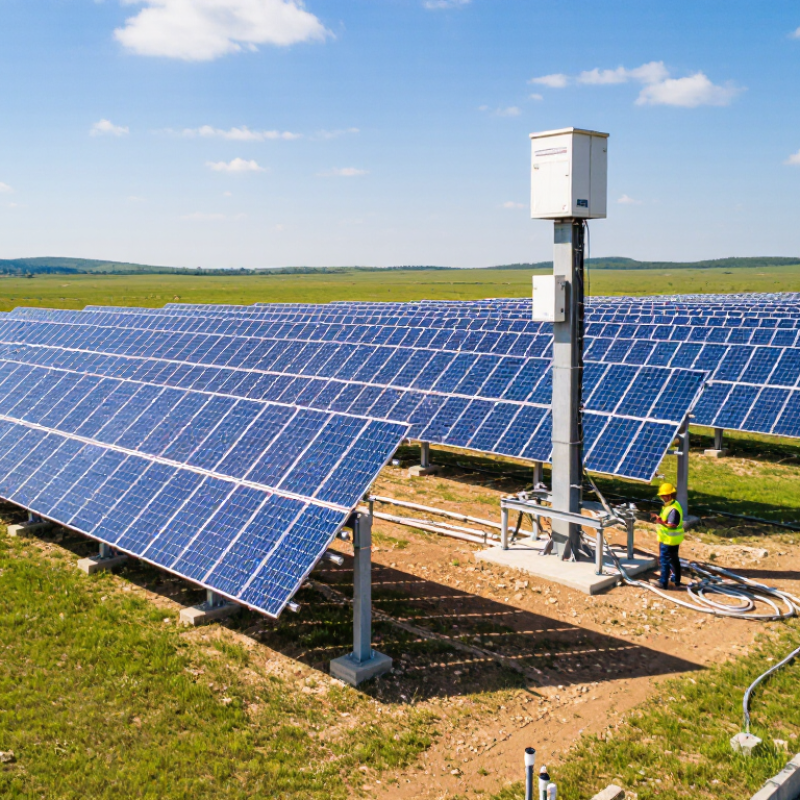
Tip 1: A dual-axis solar tracker follows the sun’s changing position across the sky. One drive rotates the panel east to west. Another adjusts its tilt from low morning angles to high midday angles. Sensors, programmed calculations, and position feedback guide these movements.
Tip 2: Ask how accurately the controller tracks the sun. Small errors matter. A poorly calibrated system may waste energy while moving.
Tip 3: Check the motor and gearbox design before buying. These parts face dust, rain, heat, and repeated daily movement.
Tip 4: Review the tracker’s wind-stow function. Strong wind can force panels into a safer position. Wind changes everything.
Tip 5: Confirm the maximum panel size and weight. An overloaded structure may move slowly or suffer premature wear.
A practical site assessment should include soil strength, shading, access roads, and seasonal weather.
Tip 6: Compare expected energy gains with fixed-mount output, not with ideal laboratory figures. Dual-axis tracking can improve sunlight capture, but results vary by latitude, cloud cover, and maintenance quality.
Tip 7: Request measured performance assumptions. Some sales estimates feel too perfect. They deserve careful review.
Tip 8: Ask about lubrication, software updates, spare parts, and manual operation.
Tip 9: Inspect cable protection around moving joints.
Tip 10: Choose a system with clear technical documents and dependable service support.
A tracker can produce more energy, but only when its mechanical complexity is managed well.
It follows the sun across the sky. One drive turns panels east to west. Another changes their tilt. Sensors and programmed calculations guide the movement. Position feedback helps correct small errors.
Small pointing errors can reduce sunlight capture. Poor calibration may waste energy during movement. Ask for accuracy data and testing methods. Perfect tracking claims deserve careful review. Reality is less tidy.
Inspect the horizon at sunrise and sunset. Trees, towers, and hills can cast winter shadows. Visit the site at different times and seasons. Record standing water, soft soil, snow, and strong winds.
Dust, rain, heat, and wind stress moving parts. Strong gusts may trigger a safer wind-stow position. Heavy snow can increase structural loads. Local weather records reveal risks that a clear day hides.
Review the motor, gearbox, foundations, and moving joints. Confirm the maximum panel size and weight. An overloaded structure may move slowly. Repeated movement can accelerate wear. Check cable protection near every joint.
No. Gains depend on latitude, clouds, direct sunlight, shading, and maintenance. Areas with strong direct sunlight may benefit more. Cloudy locations may deliver smaller improvements. Compare results with fixed mounting, not laboratory ideals.
Request measured assumptions and clear calculation methods. Review direct normal irradiance, diffuse light, temperature, and soiling. Satellite data helps, but short site measurements add useful detail. Some projections look too perfect.
Ask about lubrication, software updates, spare parts, and manual operation. Confirm access for repairs after heavy rain. Inspect cable routes, drainage, and grid distance. A tracker can produce more energy, but only with dependable upkeep. I would recheck every assumption.
Buying a Solar Tracker Dual Axis requires careful evaluation beyond its ability to follow the sun. Start by understanding how dual-axis movement improves solar alignment throughout the day and across seasons. Assess the installation site, including available space, ground stability, shading, wind exposure, weather conditions, and local solar resources. Compare tracking accuracy, expected energy gains, system efficiency, and how these benefits may affect overall electricity production.
Durability and safety are equally important. Review the structure, motors, control system, corrosion resistance, maintenance schedule, emergency stops, and protection against strong winds or equipment faults. Before making a decision, calculate the complete cost, including installation, operation, repairs, and future replacement parts. Confirm compatibility with your solar panels, inverter, monitoring equipment, and electrical setup. Finally, examine warranty coverage, technical documentation, installation training, spare-parts availability, and supplier support. A well-chosen tracker should balance performance, reliability, safety, long-term value, and practical maintenance requirements.

 Zhaori