Choosing the right partner for a utility-scale solar project requires more than comparing product brochures. A dependable Solar Tracking System Manufacturer should demonstrate practical engineering experience, proven field performance, and responsive technical support. Its trackers must follow the sun accurately while handling wind, uneven terrain, dust, and repeated mechanical movement. Small details matter. Think of sealed drive components, strong torque tubes, accessible maintenance points, and clear installation instructions.
This guide reviews the Top 10 Best Solar Tracking System Manufacturers through measurable and practical criteria. These include tracker efficiency, structural design, software controls, monitoring functions, warranty terms, production capacity, and after-sales service. Independent certifications and project references also help reveal a company’s reliability. A manufacturer with installations across different climates may offer stronger evidence than one relying only on impressive claims. However, no ranking is perfect. Project conditions vary, and public information can remain incomplete. Some manufacturers may perform better in local service than global visibility suggests. That deserves attention. Readers should compare site-specific wind loads, terrain conditions, financing requirements, and long-term operating costs before making a decision. This review aims to provide a professional starting point, not a substitute for technical due diligence. Real performance appears over time.
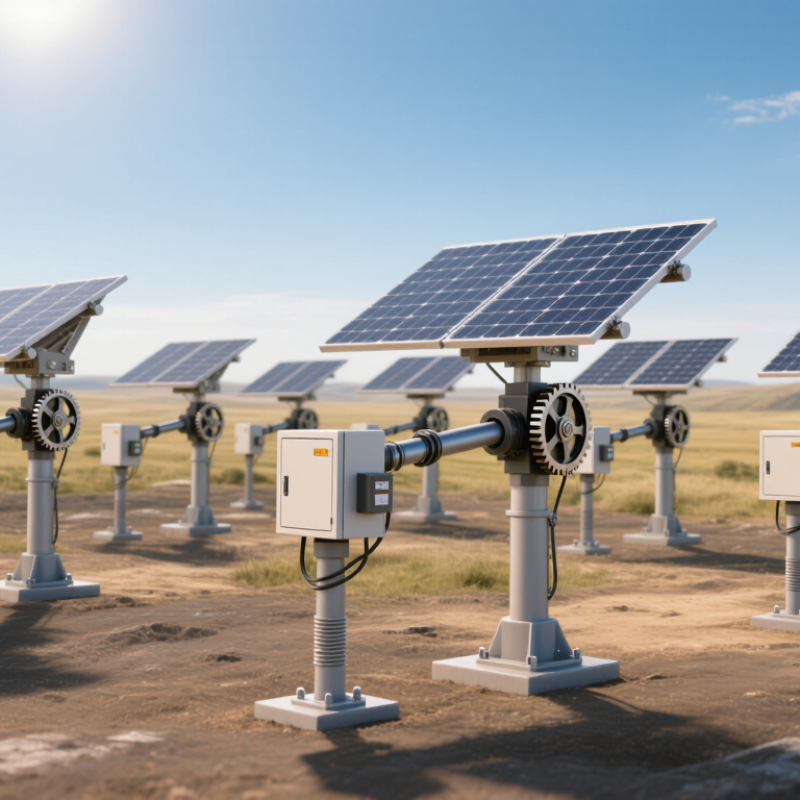
Solar tracking systems adjust photovoltaic modules toward the sun during the day. Their purpose is simple: capture more direct irradiance and improve energy yield.
IRENA’s Renewable Capacity Statistics 2024 reports that global solar capacity reached about 1,419 GW by the end of 2023.
As projects grow larger, even small yield improvements can influence land use and levelized electricity costs. Fixed-tilt structures remain practical, while single-axis trackers rotate modules from east to west. Dual-axis trackers also adjust elevation, but their added mechanics and maintenance can limit utility-scale use.
A typical tracker includes steel foundations, torque tubes, bearings, drive motors, gearboxes, controllers, and communication devices. Some systems use light sensors, while others follow astronomical algorithms.
On a real project, row spacing matters. Poor spacing can create morning and afternoon shading, especially on uneven ground.
Wind sensors may command a stow position, turning the modules into a safer, flatter profile. Small details matter.
The IEA PVPS Trends 2024 report recorded approximately 447 GW of new photovoltaic capacity installed globally in 2023. This expansion increases demand for reliable tracking decisions, not simply more moving parts. Single-axis tracking often improves annual production, but the exact gain depends on latitude, weather, terrain, and module design.
Gains are not guaranteed.
Dust, loose bearings, weak control settings, or difficult maintenance access can erase expected benefits. A useful design review should compare measured irradiance, wind exposure, drainage, and service routes before selecting a tracker. Industry assumptions can be too optimistic.
Selecting among the top solar tracking system manufacturers requires more than comparing advertised efficiency. Field experience matters. Examine operating projects in climates resembling your site, including deserts, coastal zones, and snow regions. Ask for measured availability, not only laboratory performance. A reliable manufacturer should provide wind-load data, corrosion testing, structural calculations, and clear installation procedures. Independent certifications and documented quality controls strengthen technical credibility.
Review the tracker’s control software carefully. It should manage backtracking, storm stow, communication failures, and uneven terrain. Request evidence from long-term projects. Warranty terms need close attention, especially for motors, bearings, controllers, and steel components. Confirm spare-part availability and local service capability. A low purchase price can become expensive when replacement parts travel across borders. I have seen evaluations focus heavily on energy gain while overlooking maintenance access. That is a costly weakness.
Tips: Compare energy models using the same weather data and loss assumptions. Check the manufacturer’s financial stability and project references. Speak with operators, not only sales teams. Ask how failures were handled. Also, question optimistic claims. Some estimates may be technically valid but poorly matched to your terrain. Leave room for uncertainty in the financial model. Perfect forecasts do not exist. A careful review should include site surveys, independent engineering, cybersecurity controls, and realistic construction schedules. Record every assumption before signing.
| Priority | Evaluation Criterion | Recommended Benchmark | Evidence to Request | Suggested Weight | Why It Matters |
|---|---|---|---|---|---|
| 1 | Structural Design and Wind Resistance | Project-specific structural calculations based on the applicable local wind code, terrain category, topography, tracker geometry, and stow condition. | Stamped calculations, wind-tunnel or validated aerodynamic data, stow strategy, and geotechnical design assumptions. | 18% | Wind loading is one of the main drivers of tracker reliability, foundation cost, and module safety. |
| 2 | Energy Yield and Backtracking Performance | Documented yield modeling that includes terrain, row spacing, diffuse irradiance, shading, horizon effects, tracking limits, and backtracking. | Independent production simulations, assumptions register, site-specific loss analysis, and operational performance reports. | 16% | A high-quality tracker must deliver energy gains under real site conditions, not only under ideal test assumptions. |
| 3 | Reliability and Availability | Clearly defined availability target, fault-detection process, spare-parts plan, and documented operating history from comparable utility-scale sites. | Fleet availability reports, failure-rate data, mean-time-to-repair records, warranty terms, and service-level agreements. | 15% | Unexpected downtime reduces energy revenue and can increase field-maintenance costs over the project life. |
| 4 | Compliance, Testing, and Certification | Conformance with applicable electrical, mechanical, structural, safety, and electromagnetic-compatibility requirements in the target market. | Third-party test reports, declarations of conformity, quality certificates, and documentation aligned with applicable standards such as IEC 62817 or UL 3703 where relevant. | 12% | Verified compliance reduces permitting, insurance, safety, and lender-acceptance risks. |
| 5 | Site Adaptability and Compatibility | Compatibility with the selected module format, row configuration, terrain slope, soil conditions, pile design, drainage plan, and construction access. | Compatibility matrix, slope limits, pile-load tables, terrain survey requirements, and installation method statement. | 10% | Poor site fit can cause redesigns, excessive grading, installation delays, and higher balance-of-system costs. |
| 6 | Control System and Cybersecurity | Reliable solar-position control, automatic backtracking, weather-based stow, local fallback operation, alarms, access control, and secure communications. | Control architecture, communication protocols, cybersecurity policy, software-update process, disaster-recovery plan, and SCADA interface documentation. | 9% | Controls influence energy yield, storm response, troubleshooting speed, and operational security. |
| 7 | Installation Efficiency and Construction Support | Documented installation sequence, clear tolerances, specialized-tool requirements, commissioning procedure, and trained field-support availability. | Construction schedule, installation manuals, productivity records, training plan, commissioning checklist, and as-built documentation process. | 7% | Simplified installation lowers labor exposure and helps protect the project schedule. |
| 8 | Lifecycle Cost and Warranty Coverage | Transparent total-cost model covering equipment, foundations, installation, operations, spare parts, software, inspections, and end-of-life requirements. | Itemized quotation, warranty exclusions, extension options, spare-parts pricing, maintenance schedule, and lifecycle cost model. | 6% | The lowest purchase price may not produce the lowest cost of energy over the operating period. |
| 9 | Supply Chain and Manufacturing Quality | Stable production capacity, traceable critical components, documented quality-control procedures, and realistic delivery lead times. | Factory audit results, inspection and test plans, component traceability, capacity statement, delivery schedule, and business-continuity plan. | 4% | Supply interruptions or inconsistent component quality can affect both construction and long-term reliability. |
| 10 | Environmental and Sustainability Performance | Durable materials, corrosion protection appropriate to the site, responsible packaging, repairability, recyclability, and documented environmental practices. | Material specifications, corrosion-protection data, environmental policy, product carbon information where available, and end-of-life guidance. | 3% | Environmental performance supports permitting, ESG reporting, durability, and responsible asset management. |
Solar tracking systems improve photovoltaic output by adjusting panel angles through the day. The strongest manufacturers usually combine field experience, accurate engineering, and dependable support. One specializes in single-axis trackers for large, flat solar farms. Another focuses on dual-axis designs for locations needing greater movement. A third offers compact systems for uneven land. Practical strength matters.
Several leading manufacturers emphasize independent row control, reducing energy losses during uneven shading. Others build reinforced torque tubes for coastal wind and dusty conditions. Some provide smart controllers that use weather data, position sensors, and remote monitoring. Their software can identify stalled motors before production drops. That detail saves time.
The remaining manufacturers compete through fast installation, modular replacement parts, or flexible foundation options. One uses pile foundations for firm soil, while another supports screw-based installation where excavation is difficult. Strong suppliers also test corrosion resistance, drive accuracy, and emergency stow behavior. However, no tracker performs perfectly everywhere. Soil movement, extreme heat, and poor commissioning can reduce returns. This is where manufacturer documentation and local service experience become essential. Buyers should compare tested operating data, warranty limits, spare-part access, and technician response times. Attractive specifications alone are not enough. Sometimes, the cheapest design creates the longest maintenance schedule.
The chart compares representative product strengths commonly disclosed by leading solar-tracking suppliers: tracking range, terrain adaptability, bifacial-module compatibility, wind-stow responsiveness, and maximum row length. Values are presented as technical benchmark indicators rather than company-specific rankings.
A serious top-ten ranking should compare more than quoted price. NREL’s 2024 Annual Technology Baseline models single-axis tracking at roughly 30% capacity factor, compared with about 24% for fixed-tilt systems in a U.S. reference case. That difference can improve project revenue, but only when motors, controllers, and foundations withstand dust, wind, and repeated thermal movement. Small failures become expensive across thousands of rows.
Reliability needs measured evidence. Ask manufacturers for independently verified availability, warranty exclusions, spare-parts locations, and failure data from operating sites. Wood Mackenzie’s global solar supply-chain research shows intense cost pressure across utility-scale equipment, so the cheapest tracker may hide thinner steel or slower service.
IEA PVPS Trends 2024 also documents the continued expansion of utility-scale solar, increasing demand for standardized maintenance and regional support. Cost should include installation hours, software licenses, replacement actuators, and lost production during repairs. Not just the purchase invoice.
A useful comparison gives separate scores for tracker efficiency, structural reliability, lifecycle cost, and global support. Some suppliers publish excellent laboratory results but provide limited field evidence. That gap deserves scrutiny.
Availability figures can also be selectively reported. Compare identical climates, project ages, and measurement periods before trusting the ranking.
Selecting the best solar tracking manufacturer requires more than comparing quoted prices. IRENA’s Renewable Capacity Statistics 2024 reports over 1.4 terawatts of global solar capacity by the end of 2023. That scale increases pressure on tracker reliability, service response, and spare-parts availability. I would examine proven installations in similar climates, not only laboratory claims. A desert project needs dust-resistant drives and simple cleaning access. Coastal sites need strong corrosion protection. Small details matter.
Ask manufacturers for independent wind-load testing, structural calculations, and compliance with IEC 62817. Review their failure-rate records and warranty exclusions carefully. NREL’s 2024 Annual Technology Baseline shows that tracking economics depend strongly on site conditions, energy yield, and system costs. Therefore, a higher-priced system may produce better lifetime value. But the opposite can also happen. A complex design may create maintenance delays. That risk deserves a real calculation, not optimism.
Tips: Compare total cost of ownership over 25 years. Check local technicians, spare-part lead times, software ownership, and cybersecurity controls. Request references with at least two years of operating data. Ask for measured availability, not projected availability. Also inspect how the manufacturer handles storm recovery and warranty claims. IEA PVPS reports show rapid PV deployment worldwide, yet performance quality can vary between projects. A polished sales presentation is not evidence. Demand test records, realistic energy models, and clear responsibilities.
Desert sites need dust-resistant drives and easy cleaning access. Coastal sites need strong corrosion protection. Snow regions need tested structural strength. Similar projects reveal practical performance better than laboratory claims.
Request wind-load tests, structural calculations, corrosion results, and clear installation procedures. Ask for independent certifications and documented quality controls. Missing documents create avoidable uncertainty.
Use identical weather data, shading assumptions, and system-loss factors. Compare the same operating period. Record every assumption. Perfect forecasts do not exist.
The software should manage backtracking, storm stow, communication failures, and uneven terrain. Ask for long-term operating evidence. A smooth demonstration proves little.
Examine coverage for motors, bearings, controllers, and steel components. Check exclusions, response times, and claim procedures. Confirm available spare parts. Read the difficult sections.
Local technicians can reduce downtime during mechanical or software failures. Ask about spare-part lead times and border-related delays. A cheap system can become expensive.
Include purchase costs, installation, maintenance, replacement parts, software support, and expected downtime. Estimate service travel and storm recovery costs. Small expenses accumulate.
Request operating references with at least two years of data. Speak with site operators, not only sales teams. Ask how failures were handled. Their answers may be imperfect, but revealing.
This guide explores the role of solar tracking systems in improving photovoltaic performance by adjusting panel orientation to follow the sun. It explains the main tracker types, including single-axis and dual-axis designs, as well as essential components such as drives, controllers, sensors, structural frames, and monitoring systems. Readers will also learn how to evaluate a Solar Tracking System Manufacturer through product quality, tracking accuracy, durability, energy yield, installation requirements, maintenance support, certifications, and manufacturing capacity.
The overview compares the strengths of the top 10 solar tracking system manufacturers across efficiency, reliability, cost, scalability, and global service capabilities without focusing on any specific brand. It also provides practical guidance for selecting a suitable supplier based on project size, climate, terrain, technology compatibility, budget, expected return, warranty coverage, and long-term technical support. The goal is to help developers and investors make a well-informed choice for reliable and efficient solar projects.

Zhaori