The global solar market is moving toward larger, smarter, and more resilient photovoltaic projects. Solar trackers now help panels follow the sun, improving energy capture across many utility-scale sites. Yet performance depends on more than movement alone. Structure design, software reliability, installation quality, and long-term service all matter.
This guide examines 10 leading Solar Tracker Manufacturing companies worldwide. The selection considers practical industry factors, including tracking accuracy, wind protection, terrain adaptability, project experience, and warranty support. It also considers independent reputation, product testing, and the ability to serve different climates. A tracker working well in a dry desert may need different engineering in coastal or snowy conditions.
Real projects reveal the details. Motors must operate through dust, heat, and repeated daily cycles. Foundations must remain stable in uneven ground. Monitoring systems should identify faults before they reduce production. Small design decisions can create large financial effects over decades.
No ranking is permanently perfect. Company performance changes with technology, supply chains, and regional service capacity. Some manufacturers excel in complex terrain, while others focus on high-volume deployment. That difference deserves attention. Buyers should still verify current certifications, local support, compatibility, and lifecycle costs before choosing a supplier. This overview offers a researched starting point, not a substitute for technical due diligence.
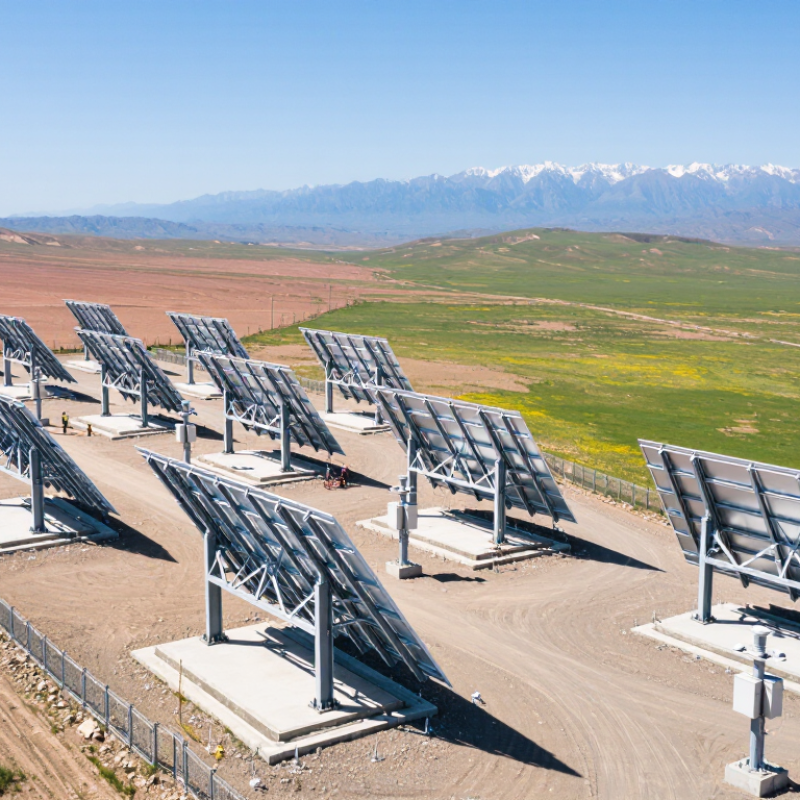
Solar trackers are motorized structures that adjust photovoltaic panels as the sun crosses the sky. A controller uses astronomical data, light sensors, and position feedback to guide each row. Single-axis trackers rotate east to west, while dual-axis systems also follow seasonal elevation changes. This movement keeps sunlight closer to the panel’s best angle for more hours. The result is not magic.
On a fixed array, morning and afternoon light often strikes at a shallow angle. A tracker reduces this loss by turning the module surface toward incoming rays. In suitable locations, annual production may rise substantially. The exact gain depends on latitude, weather, and design. Rows can also use backtracking to limit shadows on uneven mornings. That small adjustment protects output when panels stand close together. Field engineers still check wind loads, soil conditions, cable movement, and motor reliability.
A well-made tracker needs sealed drives, accurate calibration, and safe stow positions during strong winds. Maintenance teams inspect fasteners, bearings, wiring, and communication signals on a planned schedule. Poor alignment can erase expected gains. Energy models should use measured weather data, not optimistic assumptions. Trackers also consume a little electricity and require more moving parts than fixed systems. That trade-off deserves honest financial and operational review before installation. Some sites perform better with simple fixed mounting. This is an easy detail to overlook.
Key Criteria for Evaluating Solar Tracker Manufacturers
When comparing the 10 best solar tracker manufacturers worldwide, begin with field performance, not polished brochures. A reliable tracker should maintain accurate alignment through heat, dust, and seasonal wind. Ask for measured availability, tracking accuracy, and energy gains from operating projects. Site references matter more than impressive laboratory claims.
Examine mechanical design closely. Check steel thickness, bearing protection, motor access, cable routing, and corrosion resistance. The controller should support secure remote monitoring and clear fault alerts. Wind-stow behavior deserves special attention. A fast, tested response can protect thousands of rows during severe weather. Confirm testing standards, load assumptions, and terrain limits before accepting performance figures.
Manufacturing depth also affects project risk. Review factory quality controls, component traceability, spare-part storage, and installation training. A strong supplier explains warranty exclusions in plain language. Study service response times across different regions, not only headquarters coverage. Financial stability and production capacity are equally important for large deployments. However, supplier rankings can mislead. A low price may hide difficult maintenance. A long warranty may exclude common failures. Even experienced buyers can overvalue specifications and undervalue local support. Independent engineering reviews, audited project data, and honest discussions with operators provide stronger evidence than marketing language.
Global solar PV capacity provides important market context when evaluating solar tracker manufacturers. A larger installed base increases the importance of proven reliability, energy yield, project compatibility, supply-chain capability, warranty support, and long-term operations and maintenance performance.
Global solar PV capacity increased from approximately 627 GW in 2019 to 1,419 GW in 2023, according to the International Renewable Energy Agency (IRENA). These figures describe the overall solar PV market and do not represent any individual manufacturer or brand.
Source: IRENA, Renewable Capacity Statistics 2024. View source
Leading solar tracker manufacturing companies worldwide are defined by more than production volume. They combine accurate engineering, reliable controls, and proven field performance.
The strongest manufacturers typically offer single-axis systems, terrain adaptability, and strong wind-stow protection. Their designs must support uneven ground, high temperatures, dust, and difficult maintenance access.
Manufacturing quality also matters, especially for bearings, drive units, fasteners, and electronic controls.
Tips:
Compare independently verified energy estimates, not sales claims alone. Ask for project references in similar climates. Review warranty terms, spare-part availability, installation training, and local service capacity. A tracker can look efficient on paper but perform poorly when replacement parts arrive late. Check monitoring software, fault alerts, and compatibility with the project’s electrical systems. Small details matter.
A credible list of the 10 best solar tracker manufacturing companies should consider operating history, manufacturing consistency, research investment, and customer support across regions. Safety testing and recognized technical standards should be documented clearly. However, no supplier is perfect. Some companies may lead in desert projects but struggle with steep terrain or humid coastal conditions. Rankings can also change as new designs emerge. Developers should inspect test data, visit operating sites when possible, and compare lifetime value instead of focusing only on the purchase price. A careful review may reveal weaknesses that polished brochures hide.
Comparing the ten leading solar tracker manufacturers requires more than checking quoted prices. Their core technologies differ.
Horizontal single-axis systems remain the practical choice for large photovoltaic plants, while dual-axis designs serve sites needing higher tracking accuracy.
Backtracking reduces row-to-row shading. Terrain-following structures handle uneven ground with fewer earthworks.
Product details reveal real engineering quality.
Look for independent row control, robust slew drives, wind-stow software, pile flexibility, and open SCADA communication. Bifacial module compatibility also matters.
NREL research indicates that bifacial modules paired with tracking can improve energy yield, although the result depends on albedo, spacing, and soil conditions.
Small details matter. A poorly tuned controller can erase theoretical gains.
Global reach should be judged by installed experience, local service teams, and spare-part access.
IRENA reported 1,419 GW of global solar PV capacity by the end of 2023, increasing pressure for reliable utility-scale equipment. Berkeley Lab’s 2024 Utility-Scale Solar report shows single-axis tracking remains widely adopted in large United States projects. The IEA PVPS Trends 2024 report also confirms strong solar expansion across Asia, Europe, and emerging markets.
However, market presence is not equal to performance. Some manufacturers publish impressive yield claims, but independent field data can be limited. That gap deserves caution.
Weather history, terrain, labor conditions, and grid rules can change the best technical choice.
Selecting a solar tracker manufacturer requires more than comparing quoted prices. Project conditions should guide the decision. Fraunhofer ISE’s Photovoltaics Report 2024 indicates that tracking can improve annual energy yield by roughly 15–25%, depending on location and system design. That gain may disappear on steep, irregular, or heavily shaded sites. Review the manufacturer’s wind, snow, corrosion, and terrain assumptions carefully.
Ask for independently verified field data, not only laboratory results. The International Energy Agency Photovoltaic Power Systems Programme reported global photovoltaic additions of about 456 GW in 2023. This rapid expansion increases supply pressure and may weaken quality control. Check delivered projects with similar soil, climate, and module dimensions. Request failure statistics, spare-parts policies, software support, and response times. A low-cost tracker can become expensive when one damaged actuator stops several rows. I would also challenge optimistic availability claims. Real maintenance records matter more.
Tips: Compare levelized energy cost, not equipment price alone. Require bankable warranties with clear exclusions. Test a pilot section before full deployment. Confirm local service capacity and cybersecurity procedures. Review the tracker’s cleaning access, drainage, and foundation tolerances. Some decisions remain uncertain; terrain surveys can still expose problems after signing. Prefer transparent performance guarantees, documented degradation assumptions, and contracts that define measurable remedies.
Request measured availability, tracking accuracy, energy gains, and references from operating projects. Brochures are not enough. Ask for weather and terrain details.
Check steel thickness, bearing protection, motor access, cable routing, and corrosion resistance. Look for sealed bearings and reachable motors. Small details matter.
Wind-stow software moves tracker rows into a safer position during severe weather. Ask for tested response times, load assumptions, and terrain limits. The exact protection level may vary.
Choose controllers with secure remote monitoring, clear fault alerts, and open SCADA communication. Independent row control can improve fault isolation. Poor tuning may erase expected energy gains.
Horizontal single-axis tracking is commonly practical for large, level sites. Dual-axis systems suit locations needing higher tracking accuracy. The best choice depends on land, climate, and budget.
Terrain-following structures can reduce earthworks on irregular ground. Flexible piles may also simplify installation. Check slope limits before approval.
Review factory quality controls, component traceability, spare-part storage, and installer training. Confirm regional response times, not only central-office support. Local help can matter more than promises.
They can improve yield when spacing, ground reflectivity, and soil conditions are favorable. Results are site-specific. I would not trust one universal percentage.
Rankings may emphasize visibility instead of field performance. Low prices can hide difficult maintenance. Long warranties may exclude common failures.
Use independent engineering reviews, audited project data, and honest operator interviews. Compare installed projects in similar climates. I might still overlook local labor risks.
This article explains how solar trackers work and how their movement helps photovoltaic panels follow the sun, increasing energy capture compared with fixed-tilt systems. It introduces the main tracker designs, including single-axis and dual-axis systems, while highlighting important evaluation factors such as tracking accuracy, structural durability, installation requirements, maintenance needs, energy yield, warranty support, and total project cost. These criteria provide a practical foundation for comparing manufacturers and selecting equipment for different climates, terrains, and utility-scale applications.
The discussion also reviews leading trends in Solar Tracker Manufacturing, focusing on technology development, product features, automation, monitoring capabilities, and international market reach without referring to specific brands. It compares solutions according to performance, reliability, adaptability, and long-term value, then offers guidance for choosing a suitable manufacturer. Project owners should consider local weather conditions, site layout, grid objectives, service capacity, delivery experience, and lifecycle economics before making a final decision.

Zhaori
