
Why Are Solar Tracking And Mounting Systems So Expensive?

Time:2026-09-17 Author:Sienna
0%

Why Are Solar Tracking And Mounting Systems So Expensive?

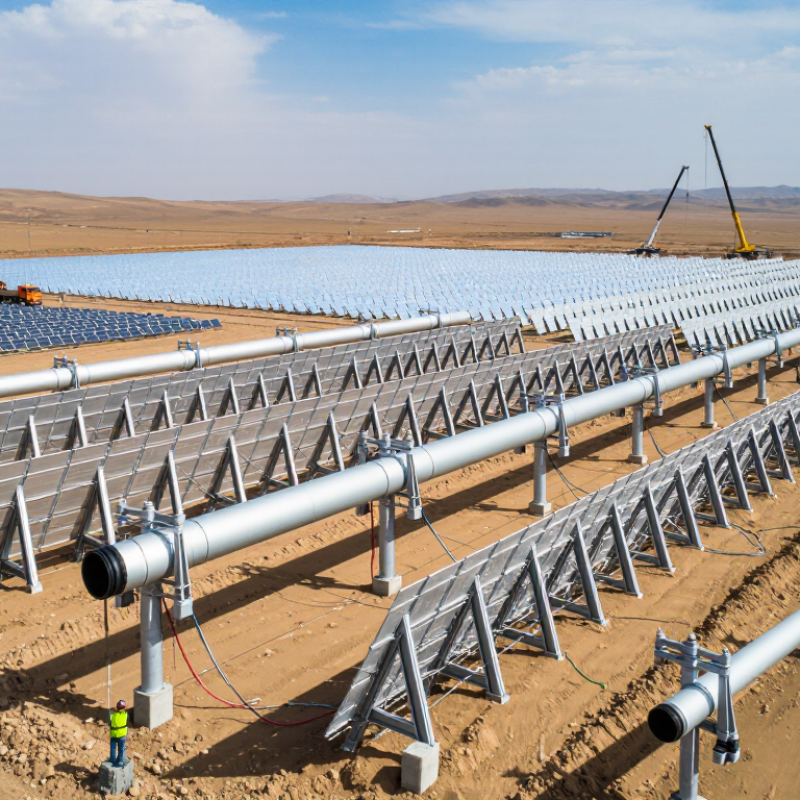
The Price Solar Tracking And Mounting Systems often surprises developers. A tracker is not merely a steel frame beneath solar modules. It is a coordinated mechanical and electrical platform. It follows the sun, manages wind positions, and protects expensive panels in difficult weather.

Dan Shugar, founder and CEO of Nextracker, has said, “The tracker is the power plant.” That short statement explains the hidden cost. A tracking system includes galvanized steel, torque tubes, motors, controllers, sensors, software, wiring, and specialized foundations. Each part must work across thousands of rows. One weak component can affect an entire section.

Steel prices matter. So do shipping distances.

Installation also demands accuracy. Crews must survey uneven ground, control pile depth, align rows, and test communication networks. Rocky soil can require stronger foundations. High winds may require larger motors and additional engineering. Flood-prone sites create another layer of civil work.

Mounting systems appear simpler, but fixed structures still require design calculations, corrosion protection, and reliable connections. Labor, insurance, land preparation, permitting, and long-term maintenance can increase the final price.

The uncomfortable truth is that price comparisons are often incomplete. One supplier may exclude foundations. Another may omit installation or software support. The cheapest quotation can become expensive after change orders.

Tracking can raise energy production, but not every site benefits equally. Poor terrain, weak grid access, or limited maintenance skills may reduce its value. Some assumptions remain too optimistic. A careful project review should compare lifetime energy, replacement risk, weather exposure, and local labor costs—not equipment price alone.

Why Are Solar Tracking And Mounting Systems So Expensive?

What Solar Tracking and Mounting Systems Are

Why Are Solar Tracking And Mounting Systems So Expensive?

What Solar Tracking and Mounting Systems Are

A solar mounting system is the steel or aluminum structure holding panels above the ground or roof. It transfers wind, snow, and panel weight into foundations. A fixed-tilt system stays in one position. A tracking system adds rotating rows, drive motors, controllers, sensors, and stronger mechanical connections. These parts follow the sun from east to west. The idea is simple. The installation is not.

The International Renewable Energy Agency reported a global utility-scale solar PV installed cost of about $758 per kilowatt in 2023. Mounting and tracking do not represent the entire figure, but they influence labor, foundations, cabling, and maintenance. Lawrence Berkeley National Laboratory also reports that single-axis tracking dominates many newer utility-scale projects. More sunlight can improve annual output, yet trackers require accurate site surveys and regular inspection. Dust, uneven ground, wind, and failed motors can reduce the expected gain. I may be oversimplifying the cost question. Local soil conditions often matter more than the equipment label.

Tips: Compare energy yield, not hardware price alone. Ask for wind-load calculations, foundation testing, spare-part plans, and estimated maintenance hours. A fixed system may be cheaper on a small, shaded site. A tracker can be sensible where land is open and sunlight is strong. Get independent engineering review. Quotes can hide civil-work costs.

How Solar Trackers and Mounting Structures Work

Why Are Solar Tracking And Mounting Systems So Expensive?

How Solar Trackers and Mounting Structures Work

A solar mounting structure supports panels above the ground or on a roof. Steel, aluminum, bolts, and foundations must resist wind, rain, snow, and daily temperature changes. On a typical ground-mounted site, installers first study soil strength and drainage. They then set posts, attach rails, and align each panel row carefully. Small errors matter. Poor alignment can increase stress and complicate maintenance.

A solar tracker adds moving parts to this basic structure. Motors rotate panel rows to follow the sun across the sky. Controllers use programmed positions, sensors, and weather data to guide movement. During strong winds, the system may turn panels into a safer horizontal position. Bearings, cables, gearboxes, and control equipment all require protection from dust and moisture. That extra engineering explains much of the cost.

Trackers can increase energy production, but the result depends on location, sunlight, terrain, and maintenance quality. A flat site with clear skies may benefit more than a shaded or irregular property. The layout is rarely perfect. Soil surprises, seasonal shadows, and access limits can change the original design. Qualified engineers must also check local structural rules and electrical requirements. In practice, the cheapest mounting option is not always the most reliable one. Not always.

Which Components Drive System Costs

Why Are Solar Tracking And Mounting Systems So Expensive?

The largest cost drivers are rarely the panels themselves. Steel piles, torque tubes, bearings, motors, gearboxes, and control units form a heavy mechanical chain. A tracker row may stretch over 100 meters, so small alignment errors can multiply across the site. Foundations also matter. Rocky soil, steep slopes, or weak ground can require deeper piles, additional steel, and slower installation.

Electrical equipment adds another layer. Cables, combiner boxes, inverters, transformers, and monitoring hardware connect each row to the grid. Labor is often underestimated. Crews must survey, drive piles, assemble structures, test motors, and correct field tolerances. The National Renewable Energy Laboratory’s 2023 cost benchmark treats these balance-of-system items as major contributors to utility-scale PV pricing, not minor accessories. Interconnection studies and grid upgrades can increase the final bill, although they are not always included in headline equipment prices.

Scale reduces some costs, but not all. IRENA reported a global weighted-average utility-scale solar PV installed cost of about 758 dollars per kilowatt in 2023, down 12% from 2022. That decline does not make tracking hardware simple. More moving parts create maintenance exposure, spare-parts needs, and downtime risk. Trackers can improve energy yield, yet their value depends on land, weather, electricity prices, and financing assumptions. Cost models sometimes look too clean. Real soil is not clean.

Why Are Solar Tracking And Mounting Systems So Expensive? - Which Components Drive System Costs

Cost Component Typical Share of Mounting/Tracker Package Indicative Cost Range
(USD/Wdc)
Main Cost Drivers Why It Can Become Expensive
Structural steel and aluminum 30%–45% $0.045–$0.110 Steel prices, galvanization, section weight, wind and snow loads, corrosion protection Higher design loads require heavier posts, torque tubes, braces, and purlins.
Tracker drive units and mechanical transmission 12%–22% $0.020–$0.055 Motors, gearboxes, slew drives, bearings, torque tubes, row length, tracking accuracy Longer rows and enhanced reliability requirements increase mechanical complexity and component count.
Foundations and ground interfaces 10%–20% $0.015–$0.045 Pile type, refusal rates, soil bearing capacity, rock depth, frost conditions Rocky, weak, corrosive, or uneven ground may require predrilling, concrete, or reinforced foundations.
Control electronics and communication 5%–10% $0.008–$0.025 Controllers, sensors, wiring, network devices, weather inputs, monitoring interfaces Large sites need more communication nodes, longer cable runs, and stronger cybersecurity provisions.
Fasteners, clamps, and module interfaces 4%–8% $0.006–$0.018 Stainless-steel hardware, module dimensions, grounding requirements, installation tolerances Special module formats or strict grounding and bonding requirements increase hardware quantities.
Engineering, design, and certification 3%–7% $0.005–$0.015 Site-specific structural analysis, geotechnical studies, wind modeling, permitting, testing Custom engineering is more costly when terrain, climate, codes, or permitting conditions vary across the site.
Installation labor and equipment 10%–18% $0.015–$0.045 Pile driving, assembly speed, local wages, crane use, site access, construction schedule Difficult access, weather delays, and low installation productivity can substantially increase labor costs.
Freight, handling, and storage 5%–12% $0.008–$0.025 Steel volume, shipping distance, port handling, fuel prices, packaging, inventory timing Bulky steel components require substantial transport capacity and careful on-site staging.
Operations, maintenance, and spare parts allowance 2%–6% $0.003–$0.012 Preventive inspections, replacement drives, lubrication, software support, service access Systems with more moving parts require additional inspections and replacement inventory over their life.
Reference basis: Indicative ranges for utility-scale ground-mounted photovoltaic projects using fixed-tilt or single-axis tracking structures. Values are expressed in 2024–2025 U.S. dollars per watt of direct-current capacity and exclude photovoltaic modules, inverters, land, financing, taxes, and major site electrical infrastructure. Actual costs vary by project size, terrain, climate, labor market, procurement timing, and local regulations.

How Installation and Operating Conditions Affect Prices

Why Are Solar Tracking And Mounting Systems So Expensive?

Installation conditions often determine the real price of a solar mounting system. IRENA reported a global weighted-average utility-scale solar PV installed cost of about USD 758 per kilowatt in 2023. That figure is not a quotation for every site. Rocky soil may require pre-drilling, while soft ground can demand deeper piles. Slopes also increase surveying, grading, and structural engineering work. Labor becomes expensive when installers must move cranes across narrow access roads. Small details matter.

Tracking systems add mechanical parts, controllers, wiring, and commissioning time. NREL’s 2024 Annual Technology Baseline shows that single-axis tracking generally produces more electricity than fixed-tilt mounting in high-direct-irradiance regions. However, the gain depends on latitude, weather, terrain, and shading. A tracker installed in a dusty, windy area may need more inspections and cleaning. Snow and ice can also increase downtime. Operating conditions are not an afterthought.

Maintenance can expose weak assumptions. Motors, bearings, and communication equipment may require replacement before the panels do. Corrosive air near coastlines adds another risk. Berkeley Lab’s Utility-Scale Solar 2024 report highlights wide cost variation among projects, reflecting differences in design, location, and construction timing. I would not trust a low mounting quote without geotechnical records and a maintenance plan. A cheaper structure may simply postpone the bill.

When Tracking Systems Provide Enough Value to Justify Their Cost

Solar tracking and mounting systems cost more because they use stronger steel, motors, sensors, and control equipment. Installation also takes longer, especially on uneven ground. Yet the real question is not price alone. It is whether the extra electricity creates enough financial value.

Tracking can justify its cost on sites with strong direct sunlight and limited land. A single-axis system follows the sun from east to west, often increasing annual energy production compared with fixed mounting. This gain may support a smaller project footprint, helping when land, grid access, or interconnection capacity is expensive. Higher output during morning and late afternoon can also match periods of stronger electricity demand.

Site conditions matter greatly. A flat, dry location with reliable maintenance access usually supports better performance. Dust, snow, high winds, and difficult terrain can reduce the expected benefit. Moving parts need inspection, lubrication, and occasional replacement. Small failures can affect many rows if monitoring is weak. That risk is easy to underestimate.

A careful comparison should include energy yield, installation labor, maintenance, financing, and local electricity prices. Engineers should model several weather years, not just an optimistic production estimate. I have seen projects favor tracking because of impressive output forecasts, then struggle with service costs. The numbers looked convincing. The assumptions were not. In some cases, fixed mounting remains the more dependable investment, especially where sunlight is diffuse or maintenance resources are limited.

FAQS

What is a solar mounting system?

It is a steel or aluminum structure that holds panels above a roof or ground. It transfers panel weight, wind, and snow into foundations.

How does a tracking system differ from fixed mounting?

Fixed mounting stays at one angle. A tracking system uses motors, sensors, controllers, and rotating rows to follow sunlight.

Why can tracking systems cost more?

Trackers contain bearings, gearboxes, drive motors, wiring, and control equipment. More moving parts create higher installation and maintenance costs.

Which site conditions increase mounting costs?

Rocky soil may require pre-drilling. Soft ground can need deeper piles, while steep slopes increase grading and engineering work.

Can a tracker produce more electricity?

Often, yes, especially in open areas with strong direct sunlight. Dust, shade, snow, uneven ground, and failed motors can reduce the expected gain.

What electrical equipment adds to project costs?

Cables, combiner boxes, inverters, transformers, and monitoring equipment connect panel rows to the grid. Grid studies and upgrades may add separate costs.

Is a cheaper mounting quote always better?

Not always. A low quote might exclude civil work, foundation testing, spare parts, or future repairs.

What should buyers check before choosing a system?

Request wind-load calculations, soil records, foundation tests, maintenance hours, and spare-part plans. Independent engineering review is useful.

When might fixed mounting be the better option?

Fixed mounting may suit small, shaded, or difficult sites. It has fewer mechanical parts and usually simpler maintenance.

What can cause unexpected operating expenses?

Motors, bearings, communication equipment, and corroded connections may fail before the panels. I may underestimate local weather risks.

Conclusion

Solar tracking and mounting systems are essential structures that position solar panels securely and help them capture sunlight more effectively. Fixed mounting systems hold panels at a set angle, while tracking systems use motors, sensors, and control equipment to follow the sun throughout the day. Their cost is influenced by structural materials, foundations, drive mechanisms, wiring, monitoring devices, and installation labor. The more movement and control a system requires, the greater its engineering and maintenance needs.

The Price Solar Tracking And Mounting Systems also depends heavily on site conditions. Uneven ground, strong winds, difficult soil, limited access, and complex electrical requirements can increase preparation and installation expenses. Although tracking systems usually cost more than fixed structures, they may generate additional electricity in locations with strong sunlight and sufficient land. They are most worthwhile when the expected energy gains, operating reliability, and long-term revenue can reasonably offset the higher purchase, installation, and maintenance costs.

Sienna

Sienna

Sienna is a skilled marketing professional with a deep expertise in our company’s core products and services. With a passion for innovation and detail, she plays a pivotal role in crafting insightful blog posts that not only highlight the unique features of our offerings but also provide valuable......