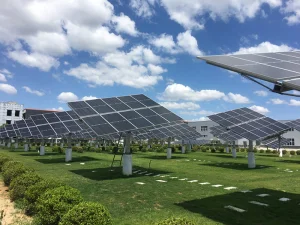
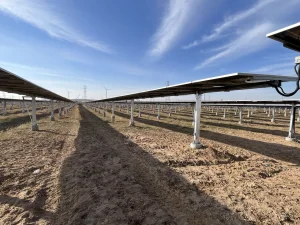
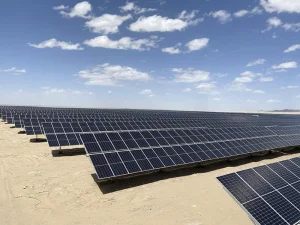
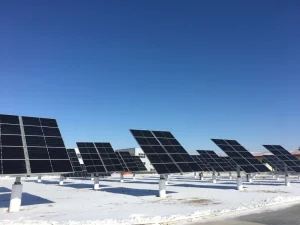
Ghana is rapidly emerging as a regional leader in the West African energy transition. With the government’s Renewable Energy Master Plan (REMP) aiming to increase the proportion of renewable energy in the national energy mix to 10% by 2030, the demand for high-efficiency technology like Tilted Single Axis Trackers (TSAT) has never been higher. Unlike traditional fixed-tilt systems, TSAT solutions are uniquely suited for Ghana’s geographical location near the equator, where maximizing the capture of solar irradiance during the morning and afternoon hours can lead to energy gains of up to 25%.
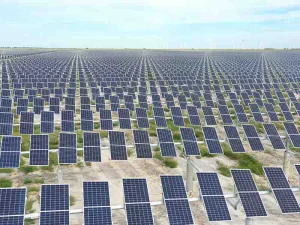
Current commercial and industrial (C&I) trends in Ghana show a massive shift toward self-generation. Large-scale mining operations in the Ashanti and Western regions, along with cocoa processing facilities in Tema, are increasingly integrating solar to hedge against volatile grid prices and periodic instability. Tilted Single Axis Trackers offer these industries the Information Gain needed to optimize Levelized Cost of Energy (LCOE), providing a stable, high-output power profile that matches industrial demand cycles.
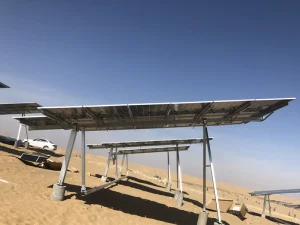
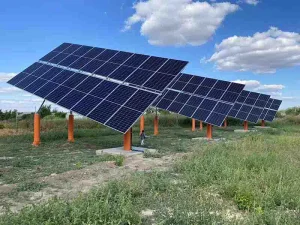
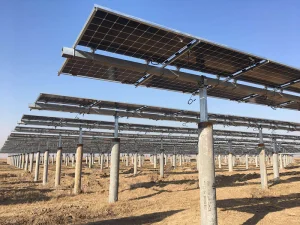
Global EPC (Engineering, Procurement, and Construction) companies serving the Ghana market prioritize three factors: Durability, Ease of Installation, and Intelligent Control. Shandong Zhaori New Energy (Sunchaser Tracker) addresses these through a robust technical roadmap. Our Tilted Single Axis Trackers utilize a specialized azimuth tracking mechanism combined with a fixed tilt (typically 10° to 30°), which is particularly effective in shedding dust—a critical factor during the Harmattan season in West Africa.
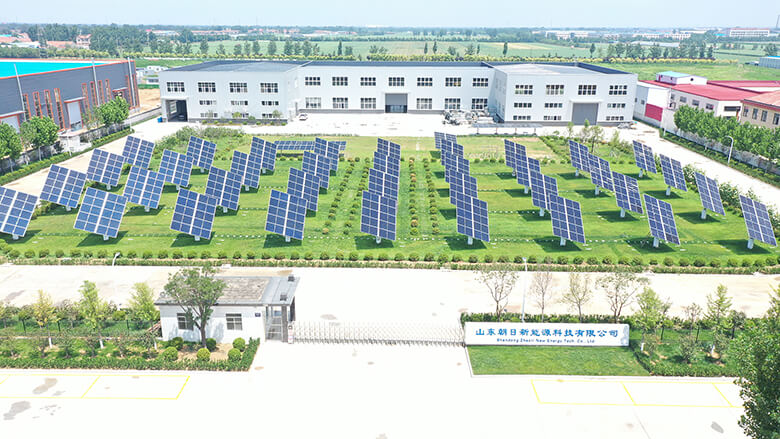
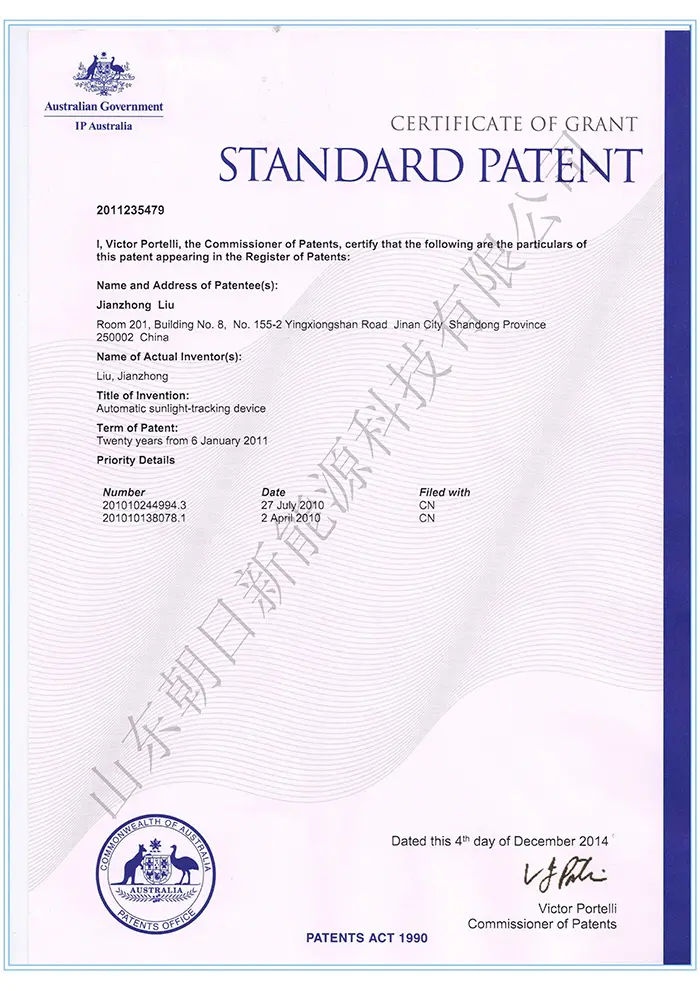
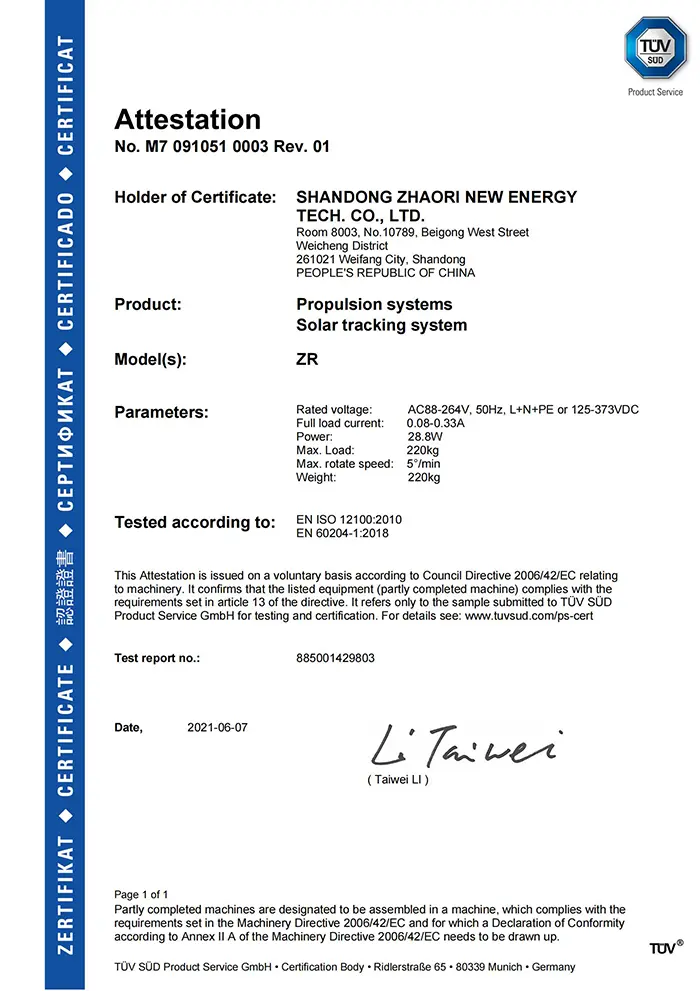
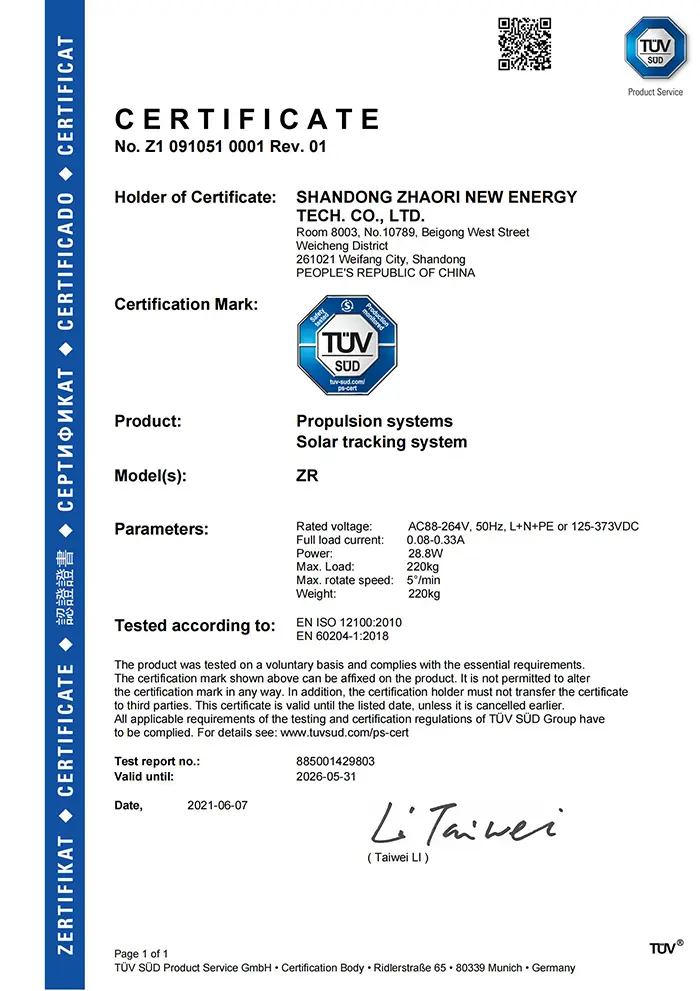
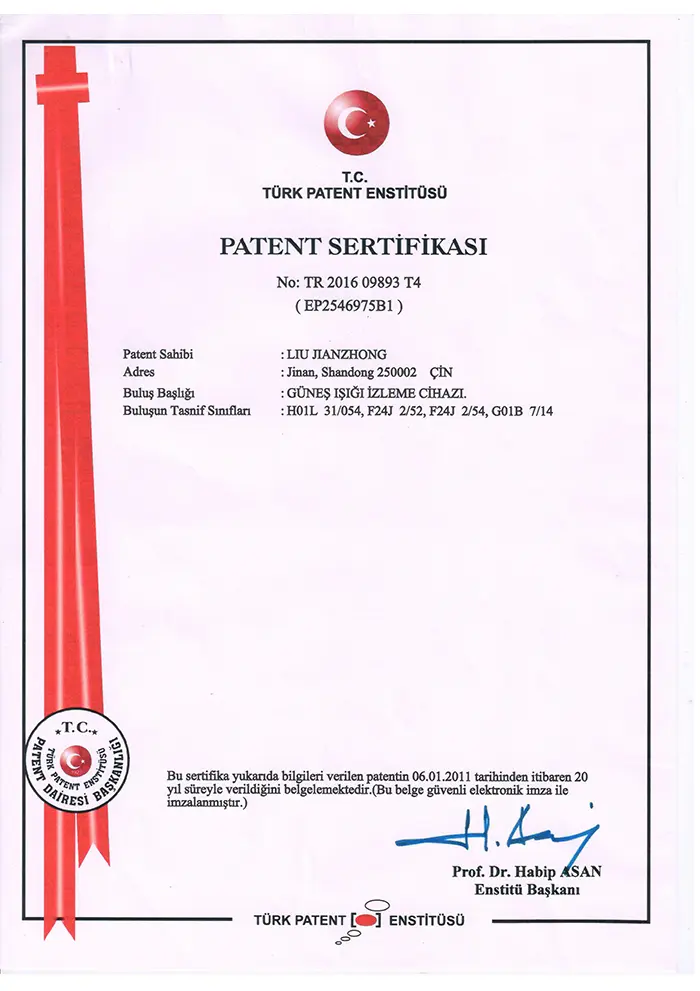
Shandong Zhaori New Energy Tech. Co., Ltd. is a high-tech and new energy company based on independent intellectual property rights. Founded in June 2012, we house 10 specialized departments, including R&D, Engineering, and Quality Assurance. Our team of over 60 professional technology experts has focused on photovoltaic power stations and solar tracking technology for more than a decade.
Our factory covers an area of 50,000 square meters, equipped with CNC machine tools, laser cutting machines, and automatic welding robots. With a production capacity of 500MW per month, we ensure that every component—from raw material screening to final packaging—undergoes rigorous quality control according to TUV, CE, and ISO standards.
The next generation of solar tracking in Ghana will be defined by Bifacial Integration and SCADA Connectivity. As bifacial modules become the industry standard, our Tilted Single Axis Trackers are evolving to reduce structural shading on the rear side of the panels, capturing reflected light from the high-albedo soils common in many parts of Ghana. Furthermore, our future-ready trackers are designed for seamless integration with Energy Storage Systems (ESS), providing the "Firm Power" that the Ghana Grid Company (GRIDCo) requires for grid stability.
Entering the Ghana market requires more than just high-quality hardware; it requires an understanding of local compliance and support networks. Shandong Zhaori New Energy provides:
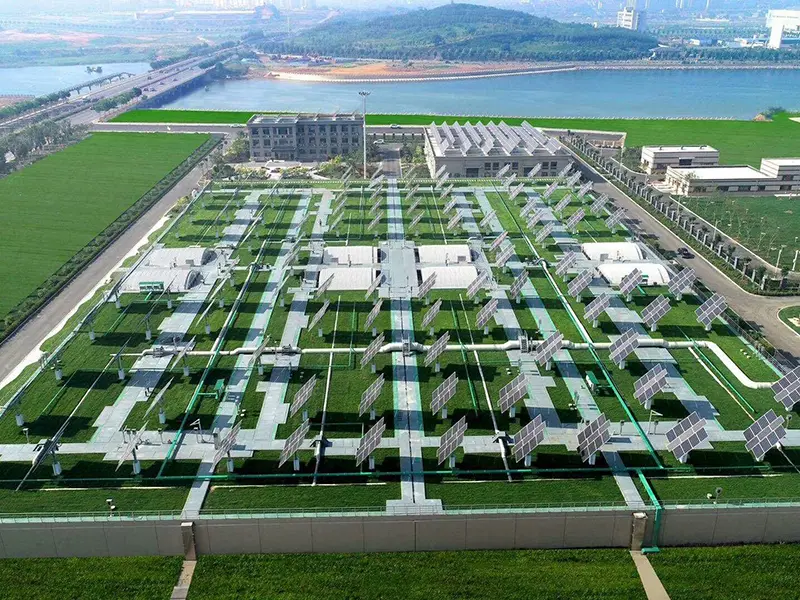
High-efficiency tracking for cocoa processing facility.
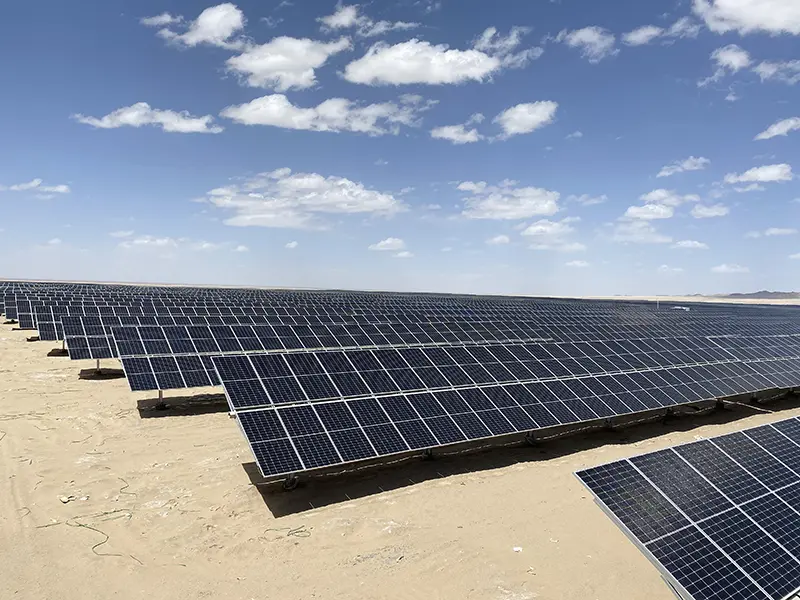
Optimized tilted single axis tracking in arid conditions.
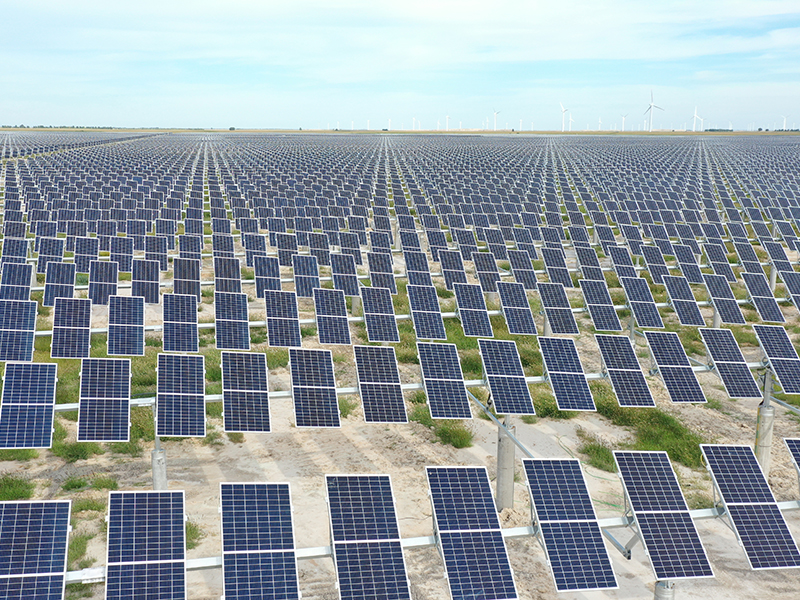
Hybrid tracking technology for maximum morning/evening gain.
 Zhaori