Engineered for high-efficiency energy capture in Victoria's unique solar climate.

Optimized for maximum diurnal solar capture in Victorian landscapes.

Cost-effective tracking for large-scale agricultural integration.

Advanced sensor-driven technology for variable cloud cover conditions.
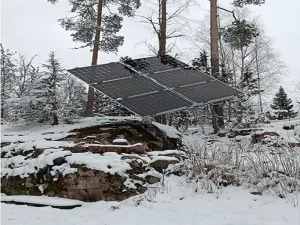
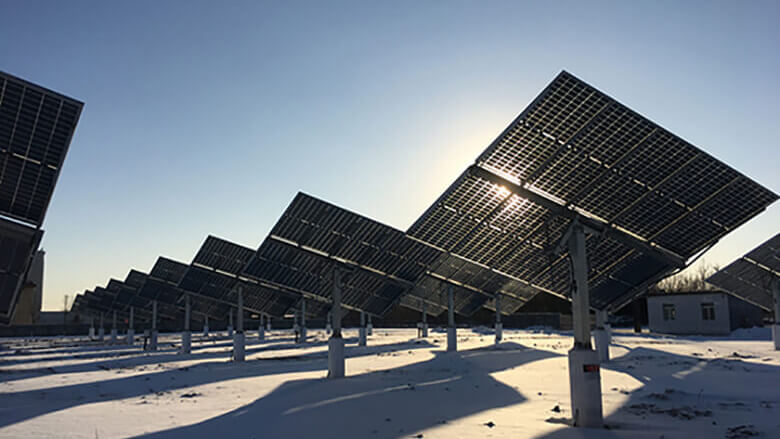
High spatial efficiency with 35-45% energy gain over fixed systems.
Melbourne, as Australia's growing industrial hub, faces a critical transition towards 100% renewable energy by 2030. Unlike Northern Australia, Melbourne's latitude requires sophisticated solar tracking to overcome seasonal zenith changes. Dual Axis Solar Trackers offer the "Information Gain" required for industrial LCOE (Levelized Cost of Energy) reduction.
In Victoria, the AS/NZS 1170.2 wind load standards are paramount. Our systems are engineered to withstand the gusty conditions of the Port Phillip Bay area while maintaining sub-degree tracking accuracy.
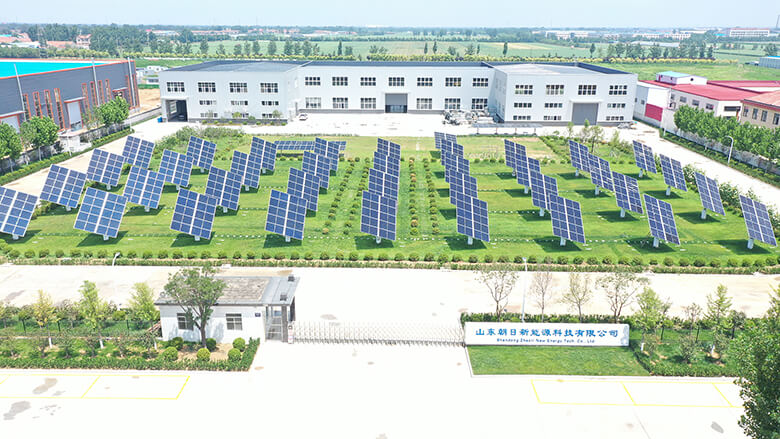
Bridging Chinese Production Excellence with Melbourne Local Quality Standards.
Founded in 2012, Shandong Zhaori New Energy Tech. Co., Ltd. operates a 50,000 sqm high-tech facility. For the Melbourne market, this translates to a robust supply chain capable of delivering precision-engineered components with significant cost advantages.
Dual-axis trackers allow for precise shading control, protecting sensitive grapevines while generating clean energy for winery operations.
Maximize roof or precinct energy density. With dual-axis tracking, commercial facilities can offset peak-time energy costs more effectively than static arrays.
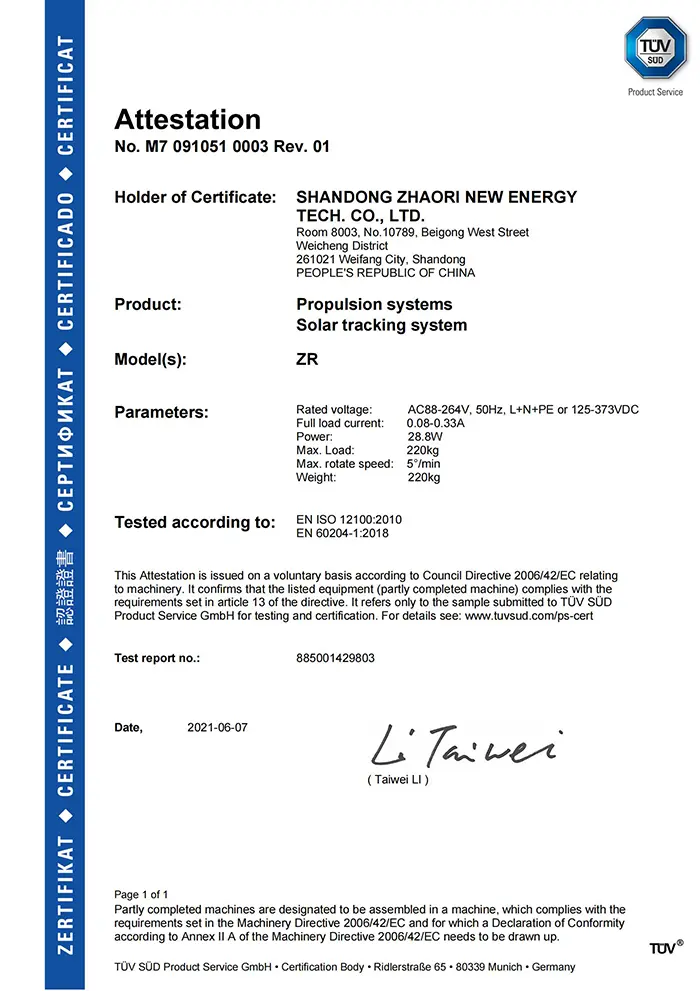
Reliability is key for remote pumping and mining. Our TUV-certified systems offer maintenance-free operation in harsh Australian outback conditions.
Explore our range of single and dual-axis solutions tailored for the Oceania market.
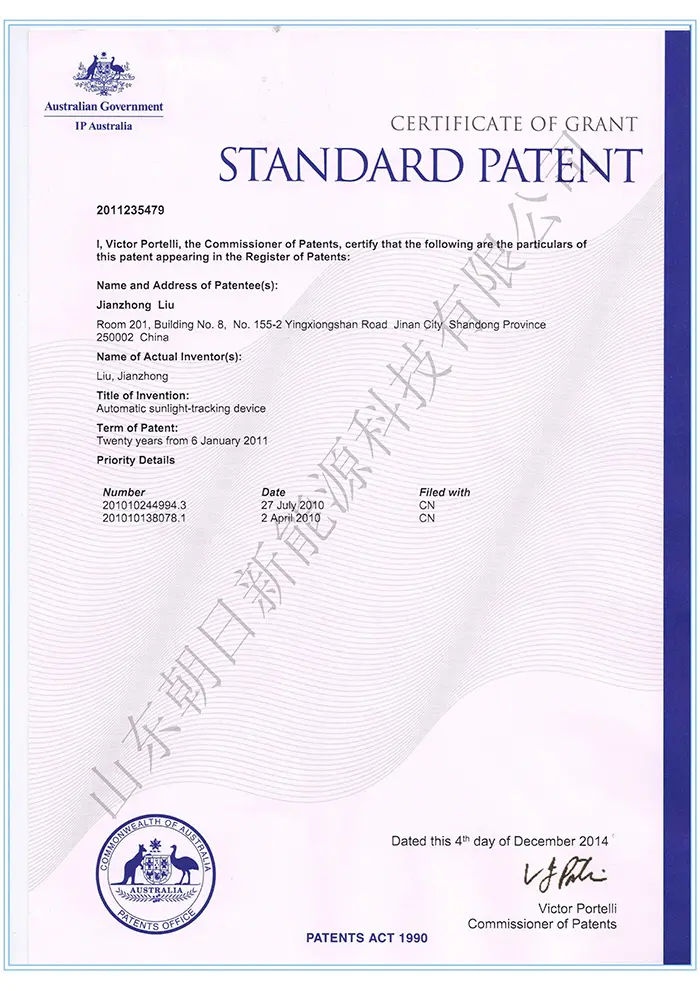
Our company's principle is "Simple, Reliable, and Effective." With more than 60 professional technology talents and a Decade-long focus on photovoltaic tracking, we hold patents across Canada, Australia, Europe, and the USA. This global recognition is our reliability guarantee to the Melbourne engineering community.
Melbourne's high latitude means significant variation in the sun's elevation throughout the year. Dual-axis tracking accounts for both azimuth and altitude, providing up to 40% more yield than fixed-tilt systems.
Yes, our tracking systems are designed to meet TUV and CE certifications, and we work closely with local engineers to ensure compliance with AS/NZS wind and electrical codes.
In Victorian industrial settings, the payback period for dual-axis systems is significantly shortened by the high energy output during peak demand times, often ranging between 4-6 years depending on local incentives.
Connect with our expert technical team for a customized yield analysis and quotation.
 Zhaori






