Optimized single-axis systems built to maximize energy generation efficiency in variable solar profiles
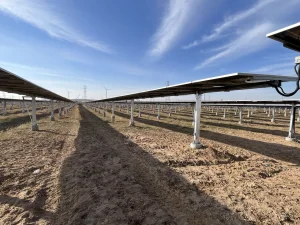
Highly adaptive 1-in-portrait flat single axis tracker configured for regional snow load and high-wind mitigation in Austrian plains.
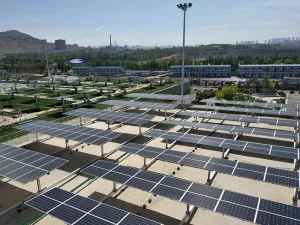
Double-portrait tracker design enabling high power density, compatible with bifacial modules to exploit ground albedo reflections.
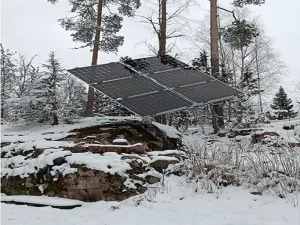
Designed for undulating topography, providing multi-angle solar tracking to maximize thermal and electrical yields in complex terrain.
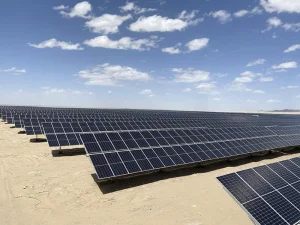
Robust structural steel brackets with seasonal manual tilting adjustments, optimized for extreme snow levels.
Austria's climate policy goals, anchored in the Renewable Energy Expansion Act (EAG - Erneuerbaren-Ausbau-Gesetz), target 100% electricity consumption from domestic renewable energy resources by 2030. To achieve this, utility-scale photovoltaic capacity must scale drastically. However, the topography of Austria presents dual challenges: high-altitude alpine terrain with high snow loads in western regions, and agricultural rolling plains in eastern regions (such as Burgenland, Styria, and Lower Austria).
Integrating Flat Single Axis Solar Trackers allows project developers and Independent Power Producers (IPPs) to generate up to 25% more electricity annually compared to static fixed-tilt ground-mounted systems. The adoption of single-axis solar tracking technology in Central Europe relies heavily on advanced structural integrity, intelligent wind stow algorithms, and snow load relief features, creating a distinct niche for highly engineered tracker manufacturers.
Traditional solar mounting structures succumb to snow build-up. Modern flat single-axis trackers feature automated high-tilt snow clearing algorithms, resetting modules to steep angles to shed snow mass rapidly, maintaining continuous generation.
Central Europe benefits significantly from ground-reflected radiation (Albedo effect), especially in snowy winter months. Combining bifacial PV modules with single-axis tracking maximizes light absorption on both sides of the cell.
Flat single-axis solar trackers with high axis heights and wide spacing allow agricultural tractors to cultivate lands under the panels, directly supporting Austria's strict preservation rules for farming land.
Monthly Factory Production Capacity
Dedicated Tracking R&D and EPC Engineering
Global Utility and Invention Patents
High Anti-corrosion Standard for Alpine Use
Established in June 2012, Shandong Zhaori New Energy Tech. Co., Ltd. operates as a highly integrated high-tech enterprise focusing on independent intellectual property rights for photovoltaic mounting and solar tracking systems. With a cross-functional engineering framework of 10 specialized departments—including dedicated R&D, structural engineering, quality assurance, and global compliance division—we maintain over 60 structural and control systems engineering talents.
For more than a decade, our engineering teams have optimized tracking kinematics, algorithmic control software, and structural load distributions. Our systems are specifically engineered to optimize the performance of utility PV installations under harsh conditions, earning robust market share across Asia, South America, and Europe.
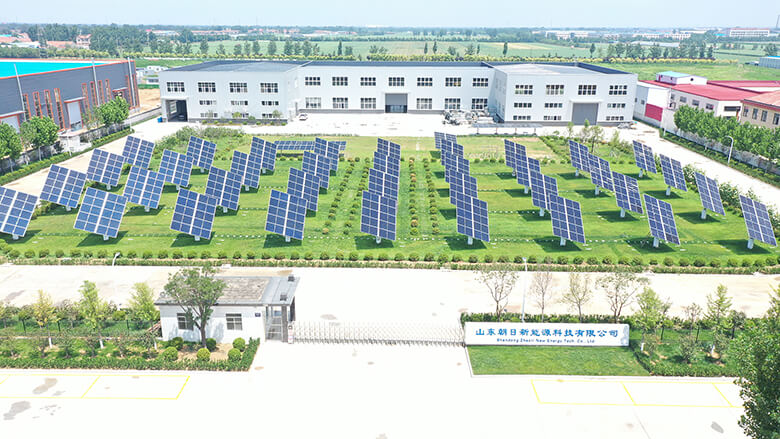
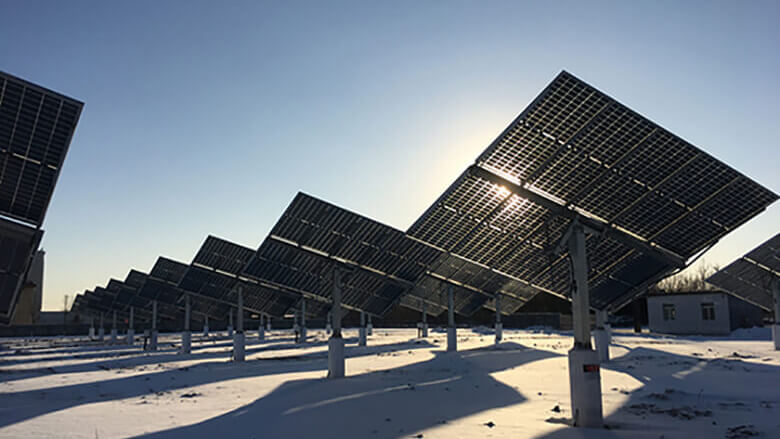
Spanning over 50,000 square meters, our state-of-the-art production plant utilizes Factory 4.0 principles to deliver global-tier solar racking structures. The factory operates automated production lines utilizing precision CNC machine tools, high-speed laser cutting machines, automated welding robots, and computer-controlled plasma cutters.
Every phase of production—ranging from raw steel screening and profiling to automated welding, hot-dip galvanization (HDG), and stress testing—undergoes strict verification aligned with ISO 9001 quality management systems.
Visualizing real-world installations of single and dual-axis solar tracking arrays under various topography and weather limits
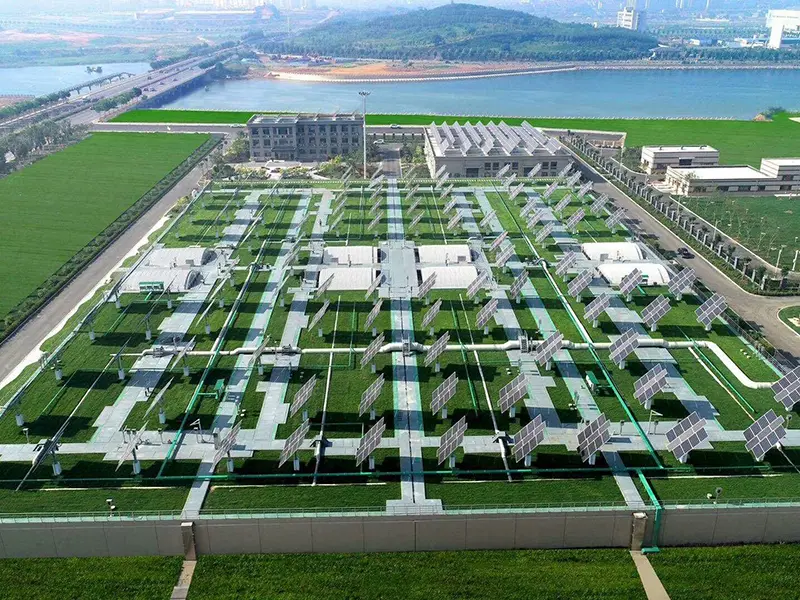
Integrating flat single-axis solar installations for industrial rooftop/ground complexes, maintaining highly reliable localized load structures.
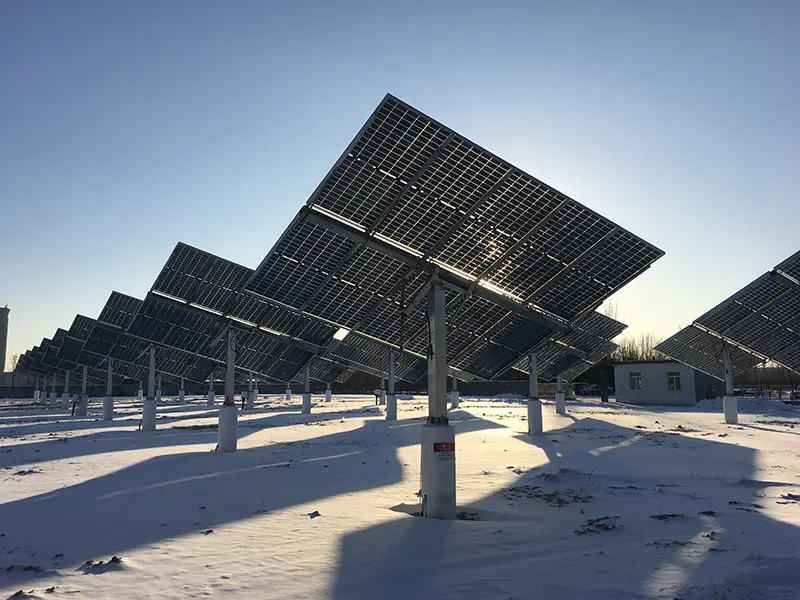
Real-time monitoring and dynamic tilt rotation preventing critical snow weight accumulation on PV surfaces.
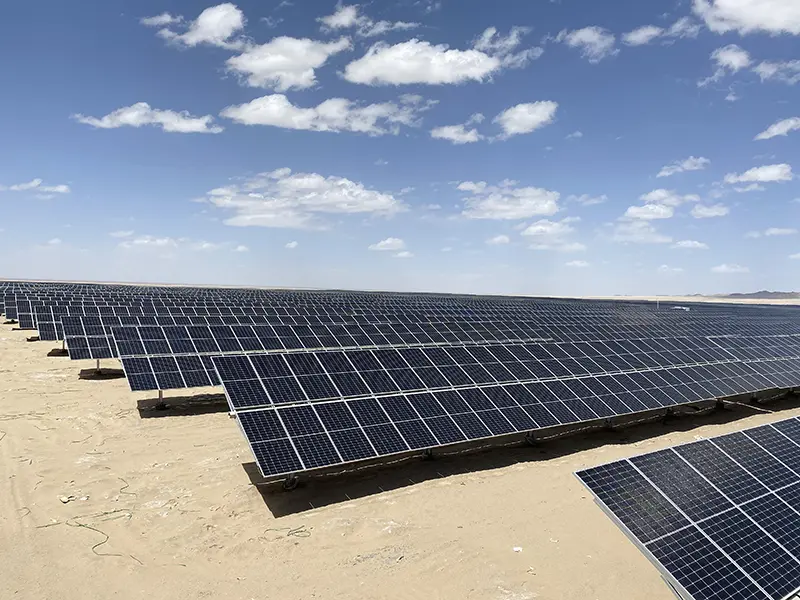
Deployments demonstrating optimal mechanical alignment, robust stability, and maximized annual generation output.
Witness the operation, structural movement, and extreme climate defense systems of our utility-scale trackers
At Shandong Zhaori New Energy, our technical direction focuses on three core principles: minimizing mechanical complexity, maximizing structural dependability, and optimizing thermodynamic/electrical efficiency. Modern trackers often fail due to over-engineering—using excessive moving parts that fail in harsh winter conditions.
Our flat single axis solar tracking systems utilize a simplified link-drive mechanics configuration, which dramatically reduces mechanical backlash and point stresses. By utilizing heavy-duty hot-dip galvanized steel components with corrosion protection exceeding C5-I standards, we guarantee the operating lifespan of the structures to exceed 25 years.
Our systems feature advanced dynamic control algorithms incorporating backtracking logic. Backtracking rotates the modules during early morning and late evening hours to eliminate inter-row shading, capturing optimal direct and diffuse irradiance throughout the day.
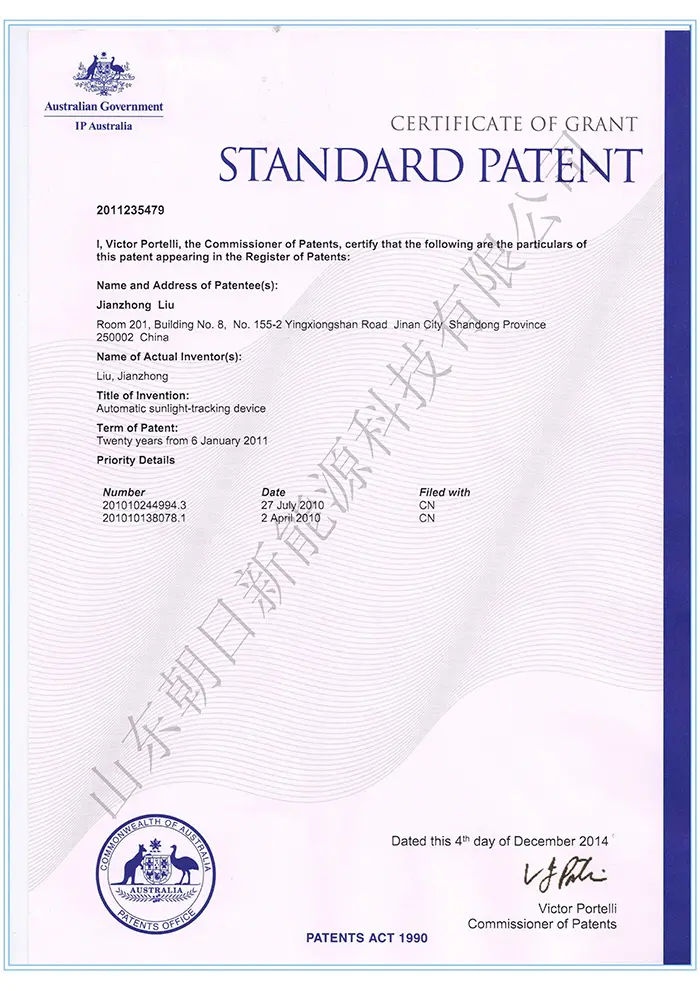
Rigorous mechanical pressure and load-bearing testing certifications.
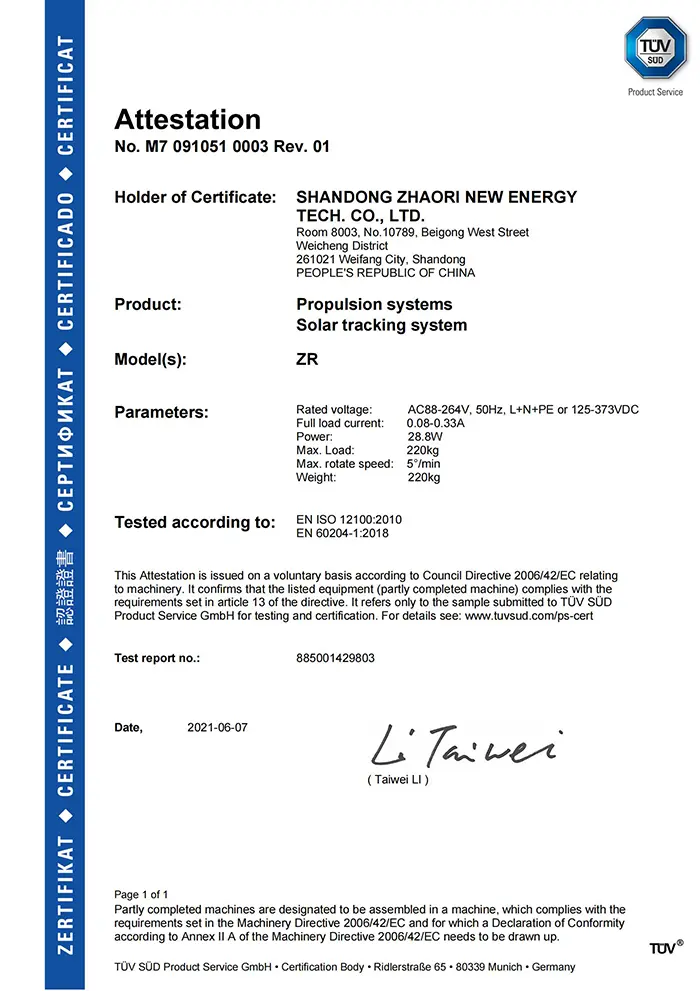
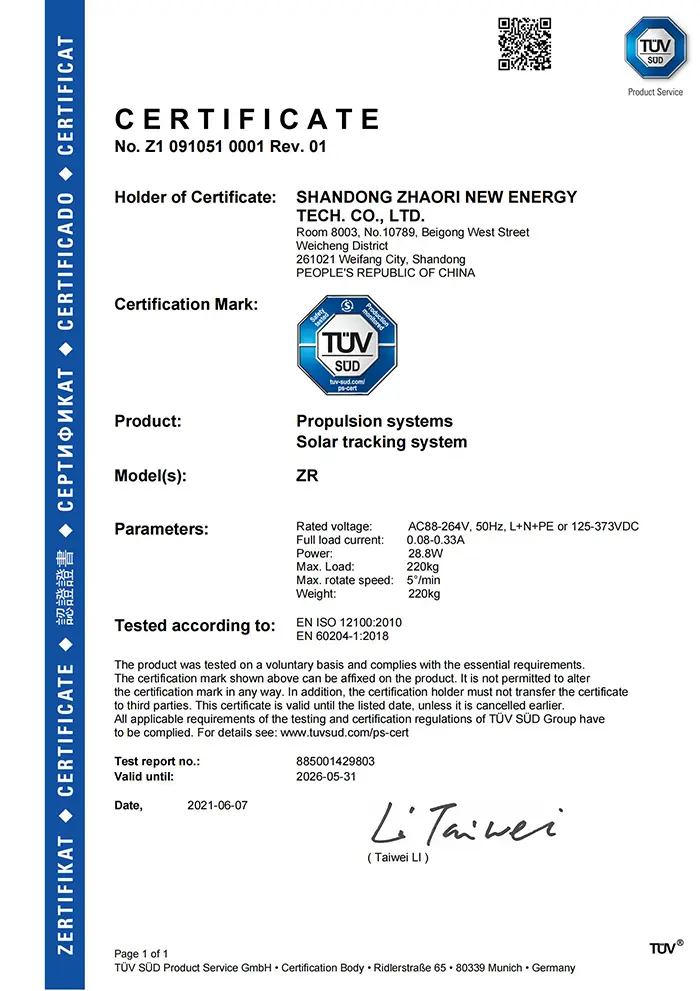
Compliance verification aligned to European Union Directives.
Steel grade and hot-dip galvanization certification.
Full suite of single-axis, dual-axis, and fixed utility solutions for international procurement
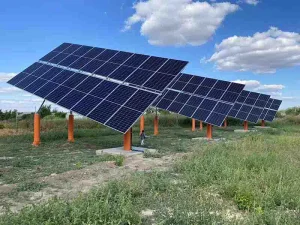
Tilted design (10°–30°) tracking azimuth angles, delivering a 15% to 25% generation premium over standard fixed brackets.
Specialized structural framing and reinforced drives engineered to withstand heavy snow and alpine wind speeds.
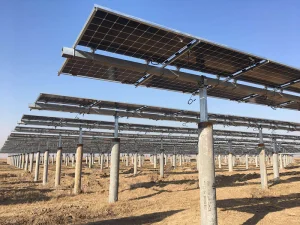
Intelligent backtracking capabilities with real-time astronomical control algorithms for commercial PV solar farms.
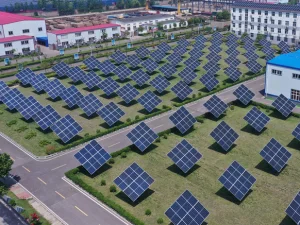
Dual-axis tracking maximizes yield by keeping modules perfectly perpendicular to the sun throughout all seasons.
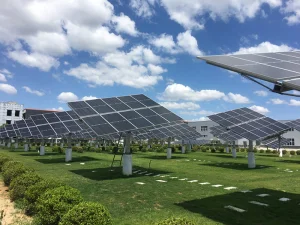
Engineered for large industrial campuses, delivering maximum daily power output in lower-light environments.
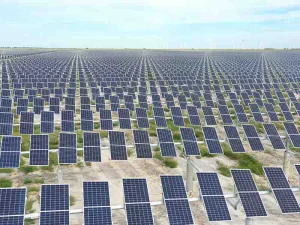
Combines flat tracking simplicity with inclined module structures, maximizing light capture at higher latitudes.
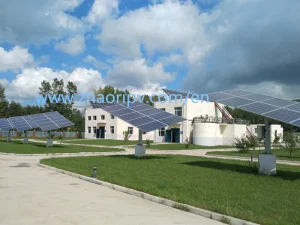
Balancing automation and structural simplicity for localized utility and agricultural installations.
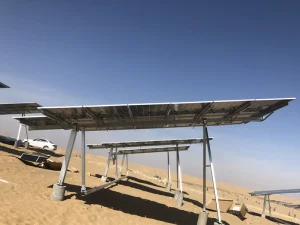
Adjustable tilting brackets tailored to match unique site geographies, maintaining aerodynamic stability.
Procuring utility tracking systems for deployment within the European Union, specifically Austria, requires adherence to strict quality and safety frameworks. Structural calculations must conform to Eurocode 3 (Design of steel structures) and Eurocode 9 (Design of aluminum structures). Dynamic wind load behaviors require evaluation through boundary layer wind tunnel testing, determining stability against aeroelastic phenomena like torsional fluttering.
Shandong Zhaori New Energy maintains certification processes aligning with these criteria. Our steel structures are hot-dip galvanized according to EN ISO 1461, ensuring zinc coating thicknesses capable of withstanding agricultural ammonia levels and damp mountain valleys. Controls and driving mechanisms comply with CE directives, ensuring seamless SCADA integration via Modbus or wireless protocols.
Technical answers for solar developers, engineering planners, and procurement managers in Austria
Contact our structural engineering team today to receive custom system layouts, structural calculations, and quotes tailored for your site topography.
 Zhaori