Explore our flagship single-axis and dual-axis solar tracking systems optimized for the high solar irradiance and wind dynamics of the Dominican Republic.

Ideal for Santiago industrial free zones. Features 1P vertical module layout, astronomical algorithms, and storm auto-stow protection.
View Details & Quotes
Dual-portrait configuration engineered for high-density bifacial module integration, offering up to 30% power gain over fixed tilt.
View Details & Quotes
Integrated intelligent wireless zigbee/LoRa control system designed to handle complex terrain and agricultural solar deployments.
View Details & Quotes
High-precision dual-axis tracking tailored for off-grid industrial microgrids, water pumping, and heavy industrial facilities.
View Details & QuotesSantiago de los Caballeros, recognized as the economic heart of the Cibao Valley and the second-largest metropolitan area in the Dominican Republic, is undergoing a rapid industrial and clean energy transition. With high grid electricity tariffs driven by reliance on imported fossil fuels, commercial enterprises within Santiago’s Free Trade Zones (Zona Franca Industrial de Santiago), textile manufacturing hubs, food processing facilities, and agricultural estates are aggressively adopting solar photovoltaics (PV) to stabilize energy operational expenditure (OPEX).
Situated at approximately 19.45° N latitude, Santiago benefits from exceptional solar resource potential, receiving an average Global Horizontal Irradiance (GHI) between 5.4 to 6.2 kWh/m²/day. However, exploiting this abundant solar energy requires racking structures that can accommodate the tropical climate’s unique mechanical stresses—including localized afternoon convective wind shear, high humidity, corrosion risks, and catastrophic hurricane events common to the Caribbean basin.
For commercial & industrial (C&I) project developers and utility-scale Independent Power Producers (IPPs) operating under Dominican Republic Law 57-07 on Renewable Energy Incentives, maximizing energy harvest per installed module is crucial. Flat Single Axis Solar Trackers (ZRP Series) represent the optimal intersection between mechanical simplicity, storm safety, structural cost, and thermodynamic efficiency.
By rotating PV arrays along a single north-south axis from east to west (typically ±60° range of motion), flat single-axis trackers keep the angle of incidence near zero degrees throughout peak generation hours. In tropical regions near the equator like Santiago, flat single-axis systems harvest significantly more energy during early morning and late afternoon hours compared to fixed-tilt installations, flattening the generation curve into a wide "shoulder-peak" output that aligns perfectly with industrial daytime operating schedules.
Designed by Shandong Zhaori New Energy Tech. Co., Ltd., our tracker hardware and software architecture are built to deliver uncompromised uptime in demanding Caribbean environments.
Utilizing enclosed slewing drives paired with high-torque DC motors or multi-point hydraulic actuator linkage systems. Designed to withstand severe dynamic torsional flutter and zero-backlash wind turbulence.
Proprietary closed-loop astronomical algorithms integrated with intelligent inclination sensors eliminate panel shading during early morning and late afternoon hours, optimizing generation density on flat or rolling ground.
Real-time wind anemometers automatically command arrays to assume a zero-degree flat stow position or aerodynamically stable tilt angle during tropical storms, mitigating structural failure risk against 160 mph wind gusts.
Structural steel components undergo heavy Hot-Dip Galvanizing (HDG > 85μm) or Zinc-Aluminum-Magnesium (ZAM) coating, delivering C4/C5 marine corrosion protection for high-humidity Caribbean operations.
Engineered with high torque-tube clearance and minimized rear-side structural shading, unlocking up to 10-15% additional rear-side irradiance gain when paired with high-albedo ground covers.
Available in 1-in-Portrait (1P) or 2-in-Portrait (2P) linked string layouts, allowing customization based on land slope, soil geotechnical conditions, and foundation pile driving budget.
Evaluating structural options for solar project installation in Santiago de los Caballeros requires a balanced analysis of upfront CAPEX, land utilization, annual GWh yield, and wind loading behavior.
| Parameter / Feature | Fixed-Tilt Mounting System | ZRP Flat Single Axis Tracker (1P/2P) | Dual-Axis Solar Tracker |
|---|---|---|---|
| Annual Energy Yield Boost | Baseline (0%) | +20% to +30% | +35% to +45% |
| Hurricane Wind Resilience | Fixed tilt up to 130 mph | Active Auto-Stow to 160 mph | Requires 0° flat stow stow mechanism |
| CAPEX per Watt | Lowest | Moderate (Optimized ROI) | Higher initial investment |
| Land Area Utilization (GCR) | Moderate | High (Optimized with Backtracking) | Requires wider spacing (Lower GCR) |
| Maintenance & O&M Complexity | Static (Minimal) | Low (Self-lubricating, Sealed Drives) | Moderate (Two drive motors per unit) |
| Bifacial Rear-Side Gain | Limited (Racking Shadow) | Maximized (High Tube Clearance) | High |
| Suitability for Santiago C&I | Roof / Space-constrained ground | Ideal for Industrial & Utility PV | High-value land / Special microgrids |
Deploying ZRP Flat Single Axis Trackers in Santiago drastically lowers LCOE by generating higher energy density during peak morning and afternoon electricity rate windows. The integrated wind sensors safeguard capital assets against hurricane damage, making projects bankable for foreign and local financiers.
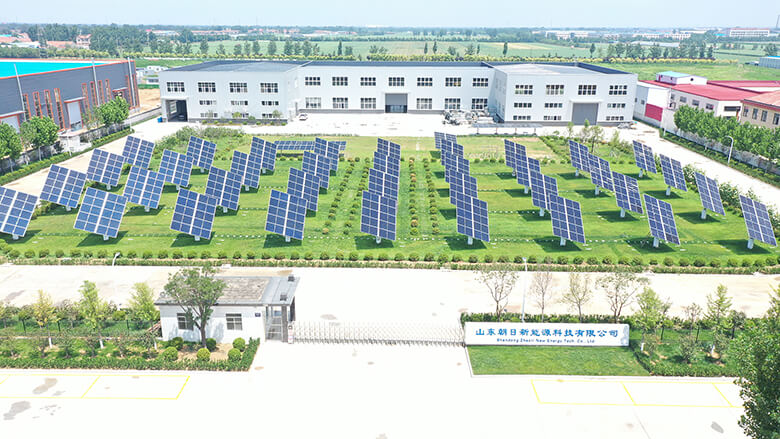
Founded in June 2012, Shandong Zhaori New Energy Tech. Co., Ltd. is a high-tech clean energy enterprise founded on independent intellectual property rights and continuous innovation. Our corporate headquarters and manufacturing ecosystem encompass 10 specialized departments, including R&D, Technical Support, Engineering Design, Quality Assurance, Production, Foreign Trade, and Project O&M Services.
Our modern manufacturing facility covers an expansive 50,000 square meters, housing automated CNC machine tools, high-precision laser cutting centers, automatic welding robots, plasma cutters, and dozens of continuous assembly lines. Supported by over 300 skilled production technicians, our factory achieves a monthly capacity of 500 Megawatts (500MW) of solar tracking structures.
Every single bracket and tracker undergoes rigorous quality control from raw material steel coil screening, cutting, precision robotic welding, hot-dip galvanizing, and post-machining inspection through to final protective export packaging. All operations strictly adhere to ISO9001 and ISO14001 Quality Management standards.
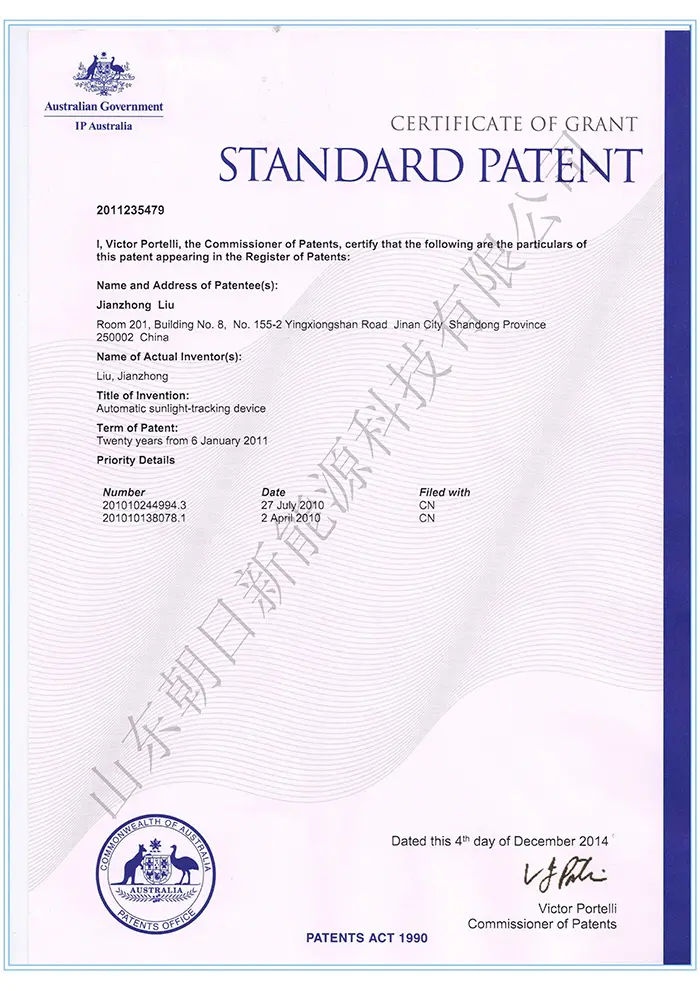
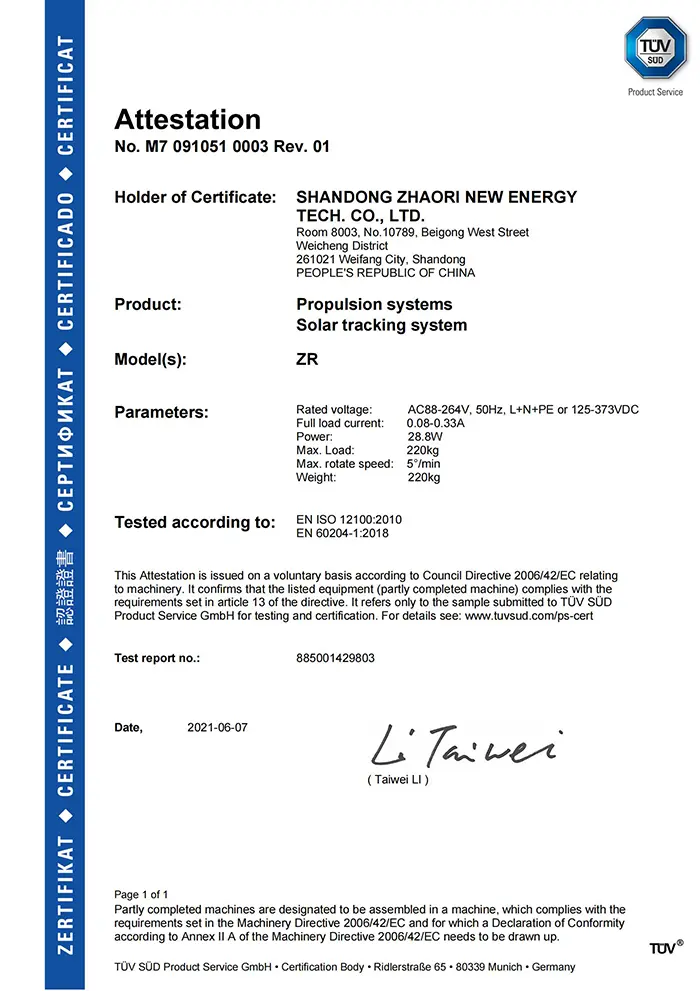
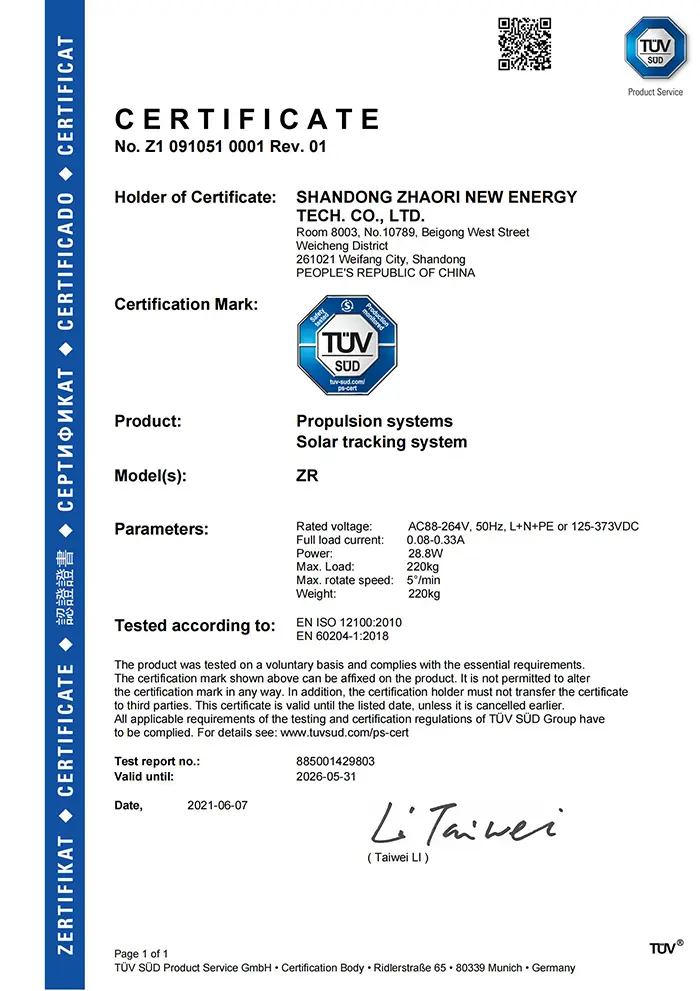
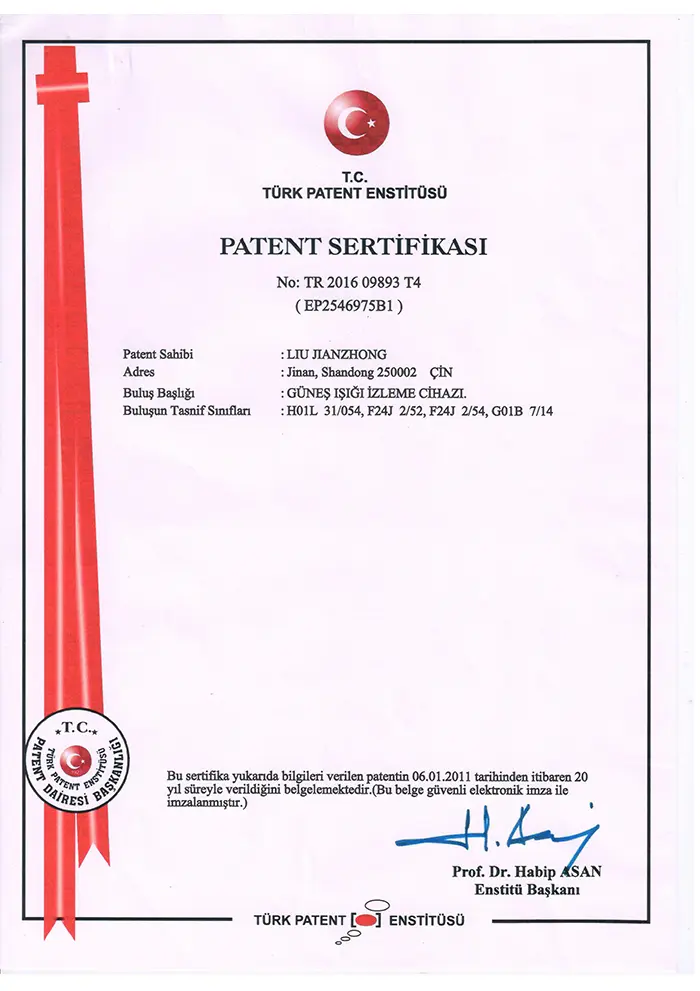
Shandong Zhaori New Energy holds international invention patents from the European Patent Office (EPO), United States Patent and Trademark Office (USPTO), Canada, Australia, Japan, South Korea, Thailand, India, Brazil, and South Africa, alongside 8 Chinese National Invention Patents and over 30 Utility Model patents. Our product suites hold prestigious international safety and performance credentials, including TÜV, CE, and ISO certifications.
Shandong Zhaori New Energy High-Precision Automated Manufacturing Line
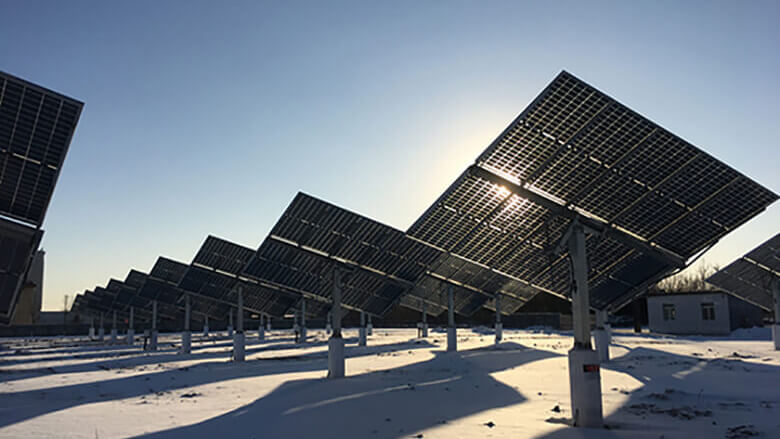
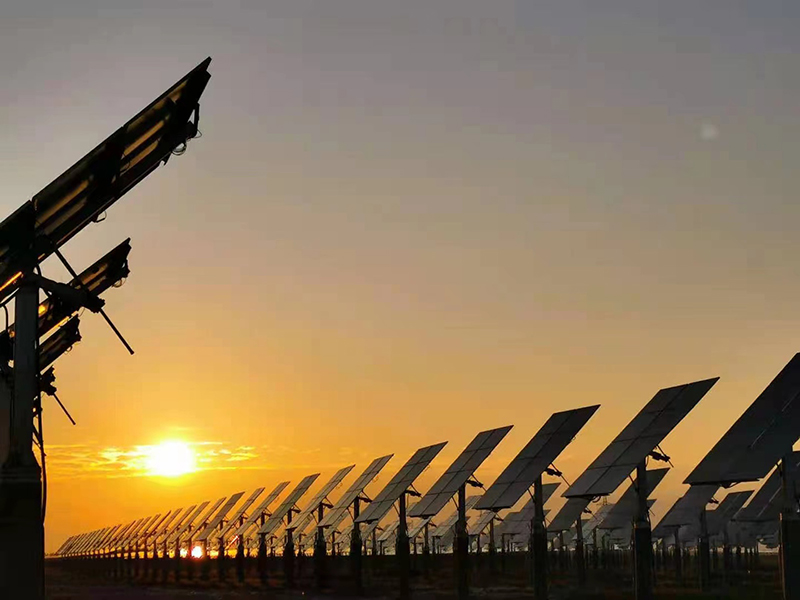
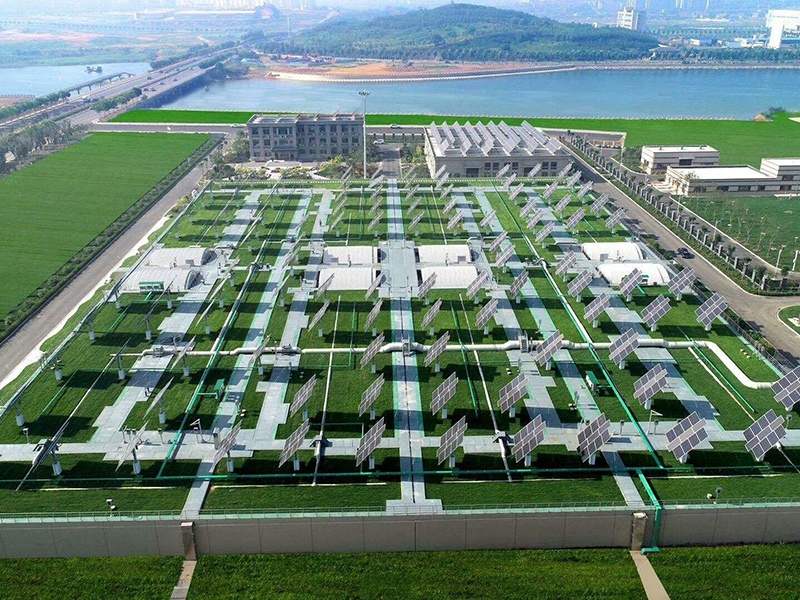
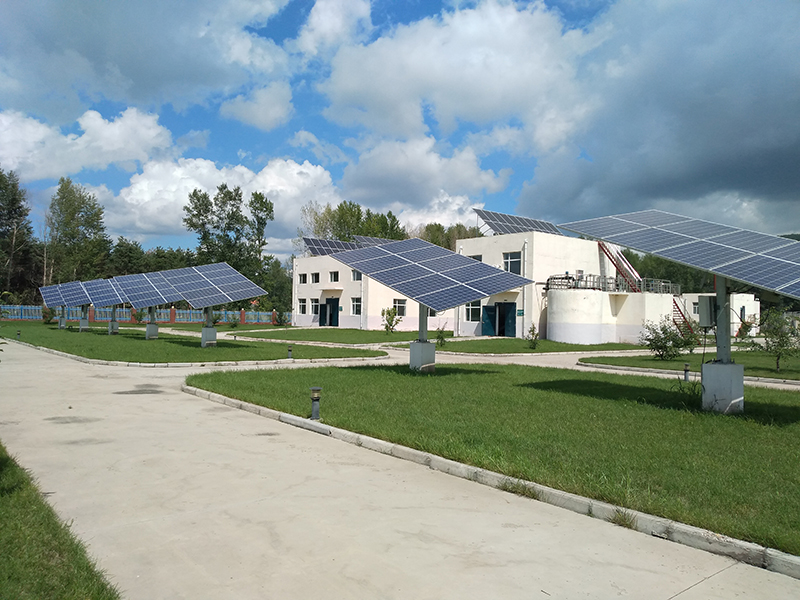
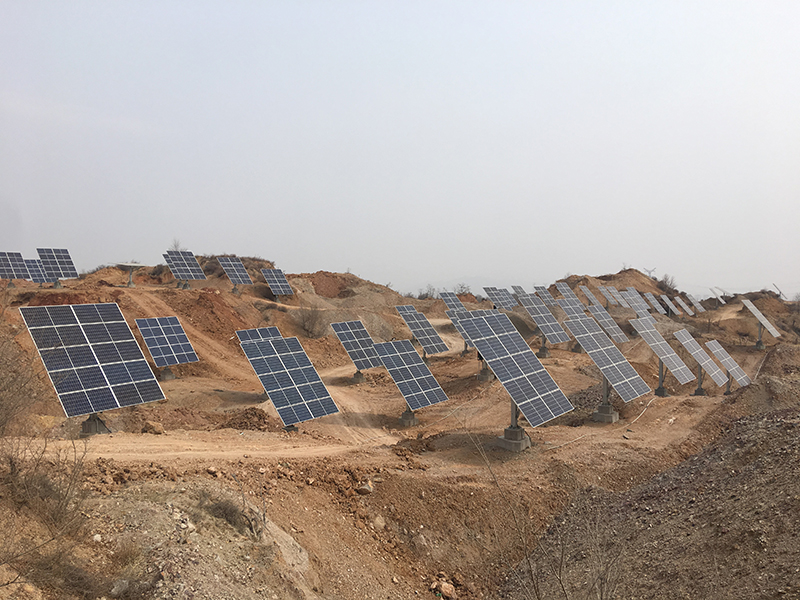
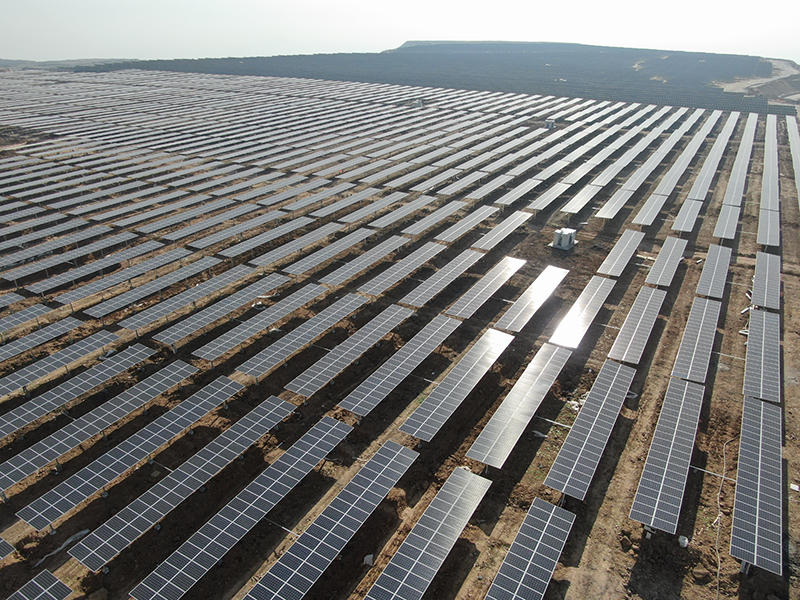
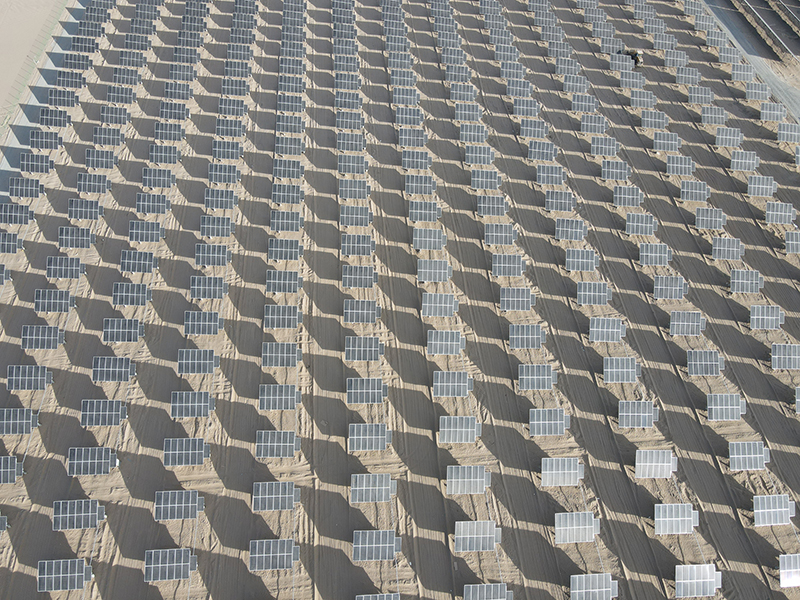
From utility-scale desert developments to complex tropical installations, our solar tracking technology powers projects across diverse geographical terrains.
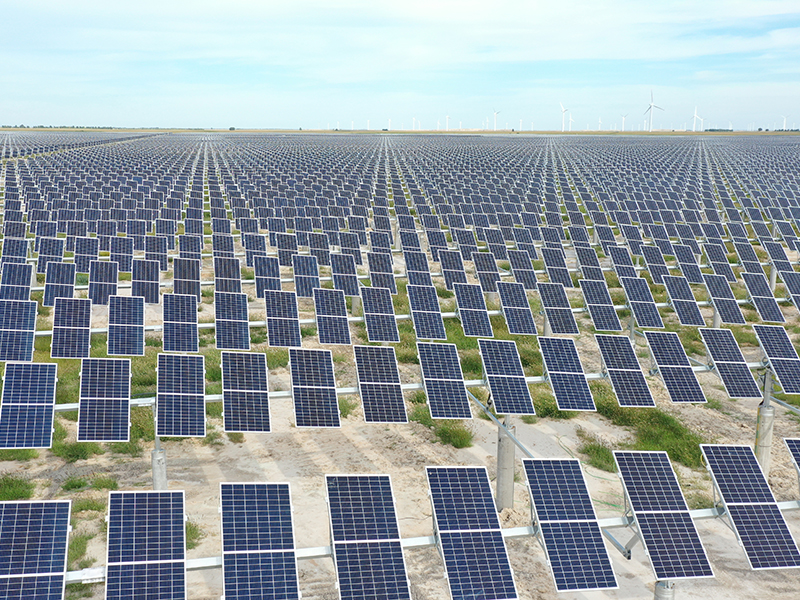
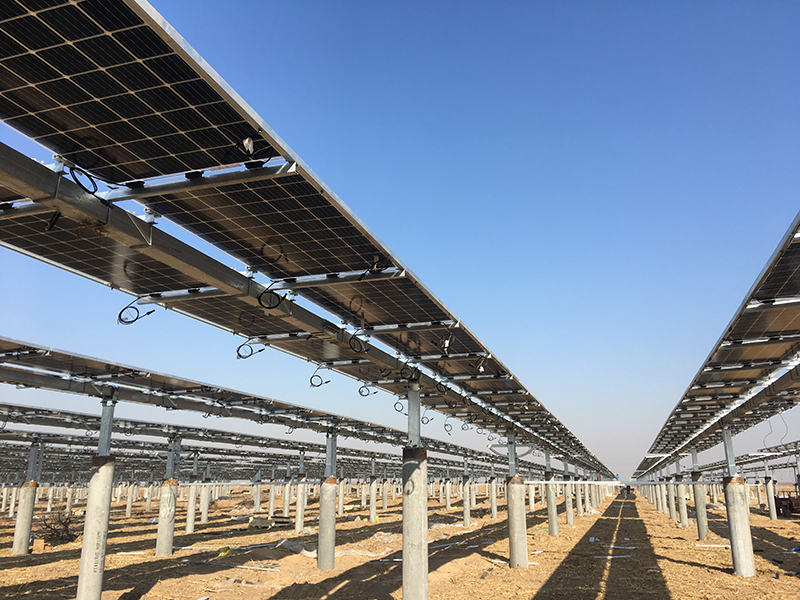
Procuring solar tracking structures directly from Shandong Zhaori New Energy provides distinct commercial and technical advantages for EPC contractors and solar investors in Santiago de los Caballeros:
By eliminating regional distributors and intermediaries, project developers secure direct factory pricing, significantly reducing initial capital outlay (CAPEX) for solar racking steel and control electronics.
Our in-house design engineering team custom-tailors torque tube thickness, pile foundation embedment depths, and module clamping hardware according to Santiago's specific wind loads and soil conditions.
We maintain robust export containerization logistics directly to major Dominican maritime entry ports, including Port of Haina, Rio Haina, and Port of Caucedo, ensuring prompt transport to Santiago.
Expert answers regarding solar tracker performance, installation, and hurricane safety in Santiago de los Caballeros.
Our flat single-axis trackers are equipped with automated weather monitoring stations featuring 3D ultrasonic anemometers. When wind speeds breach preset safety thresholds (e.g., 18 m/s or ~40 mph), the SCADA controller signals the slewing drives to move arrays into an automated horizontal 0° flat stow position. This minimizes dynamic wind resistance, protecting tracker structures against dynamic torsional flutter and gusts up to 160 mph (257 km/h).
In Santiago de los Caballeros (latitude 19.45° N), flat single-axis tracking systems typically deliver an energy yield gain between 20% and 30% compared to optimal fixed-tilt mounting systems. When paired with high-efficiency bifacial solar modules, total energy harvest can increase by up to 35% depending on ground albedo.
Yes. The ZRP flat single axis system features flexible articulation joints and customizable pile foundation designs capable of accommodating North-South slope variations up to 15% and East-West ground contours without requiring extensive site grading.
All structural steel components are treated with heavy-duty Hot-Dip Galvanizing (HDG) exceeding 85 to 100 microns according to ASTM A123 / ISO 1461 standards, or engineered with advanced Zinc-Aluminum-Magnesium (ZAM) self-healing steel coatings. This provides long-term C4/C5 atmospheric corrosion protection over a 25-year operational lifespan.
Our intelligent smart controllers utilize a hybrid system combining astronomical algorithms with closed-loop photoelectric tilt sensors. Communication between individual tracker rows and the central SCADA system can be configured using wireless LoRa/Zigbee mesh networks or wired RS485 connections, allowing remote monitoring via web and mobile interfaces.
Factory fabrication typically requires 20 to 30 days depending on project megawatt capacity. Ocean freight shipping from Chinese ports (Qingdao, Shanghai, or Tianjin) to Port of Haina or Port of Caucedo takes approximately 30 to 35 days. Our logistics team handles full customs documentation and export containerization.
Browse our extended lineup of dual-axis trackers, tilted single-axis systems, and adjustable fixed mounting brackets designed for global energy projects.

360-degree continuous sun tracking maximizing total kWh harvest for isolated microgrid networks and water pumping projects.
View Details & Quotes
Robust single-axis design featuring modular installation and multi-point drive linkage for heavy wind zones.
View Details & Quotes
Combines a fixed tilt angle (10°-30°) with single azimuth tracking, delivering a 15%-25% yield boost in higher latitude sectors.
View Details & Quotes
Dual-axis tracking system capable of mounting 10-20 large-format PV panels with automatic storm protection.
View Details & Quotes
Hybrid inclined-module single-axis tracker maximizing solar elevation angles during seasonal sunlight variations.
View Details & Quotes
Heavy-duty dual-axis tracking platform built for high reliability and maximum annual kilowatt-hour yield.
View Details & Quotes
Manual seasonal-angle tilt adjustable mounting structure offering a low-CAPEX alternative to automated trackers.
View Details & Quotes
2-in-Portrait linked single axis structure engineered for seamless integration with large-format 600W+ ultra-high power modules.
View Details & QuotesGet comprehensive technical support, wind load simulations, ground shading analysis, and customized BOM pricing for your next solar project in Santiago de los Caballeros or internationally.
Send Inquiry Now Zhaori