Advanced mechanics and intelligent control paths customized for high-latitude grid-tied and commercial operations.
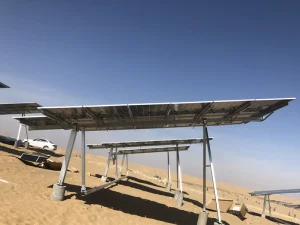
Engineered to maximize yield in high-latitude zones. Optimized for Washington State topography, offering structural adjustments from 10° to 30° tilt to capitalize on seasonal sun path trajectories.
| Drive Method | Linear Actuator |
| Tracking Range | ±60° Azimuth |
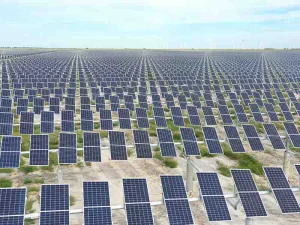
Combines structural simplicity with tilted profile benefits. Excellent choice for commercial rooftops and industrial properties in Western Washington demanding minimal wind-torque vulnerabilities.
| Wind Load | ASCE 7-16 Rated |
| Module Layout | Portrait / Landscape |
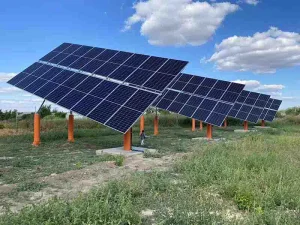
Specifically configuration-matched to sustain and shed snowfall profiles typical of the Cascadia region. Dynamically tracking azimuth changes to yield 15% to 25% extra generation output.
| Snow Load Cap | Heavy Snow Shedding |
| Capacity | 10-20 Panels / Set |
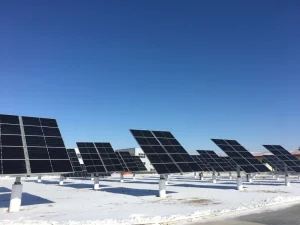
Fully autonomous dual-axis motion platform providing maximum daily light exposure. Adapts immediately to cloud configurations and diffuse radiation levels to maintain premium power generation.
| Tracking Precision | < 0.5° |
| Protection Level | IP65 / C5 Marine-grade |
Seattle's high latitude of 47.6° N introduces a pronounced seasonal delta in solar altitude angles. While standard flat trackers are effective in southern zones with high zenith angles, high-latitude commercial arrays face severe cosine losses during late autumn, winter, and early spring.
By integrating a structural tilt (ranging from 10° to 30°) into a single-axis tracking system, developers in Western Washington can optimize the incident angle of global horizontal irradiance (GHI). The tilted design bridges the performance gap, capturing both direct beam and substantial diffuse light standard to Puget Sound's weather patterns.
Furthermore, local structural requirements demand systems rated to withstand heavy coastal moisture profiles and occasional wet snow accumulation. Our tilted platforms naturally mitigate snow-load retention while leveraging advanced tracking algorithms to adjust for high albedo reflections.
Seattle industrial and utility systems must meet strict municipal and state structural codes. Our configurations are designed to meet these metrics:
Shandong Zhaori New Energy Tech. Co., Ltd. delivers high-latitude tracker manufacturing and project customization globally.
Shandong Zhaori New Energy Tech. Co., Ltd. is a high-tech and new energy enterprise built on a solid foundation of independent intellectual property rights. Founded in June 2012, we have scaled our operations across 10 specialized departments including our state-of-the-art R&D wing, structural engineering division, production execution department, quality assurance office, and dedicated foreign trade customer support.
Our organization employs over 60 professional technology and design engineers. Our core tracking and structural engineering team has spent over 10 years focusing on photovoltaic power station design, solar tracking technology implementation, and high-latitude yield optimization.
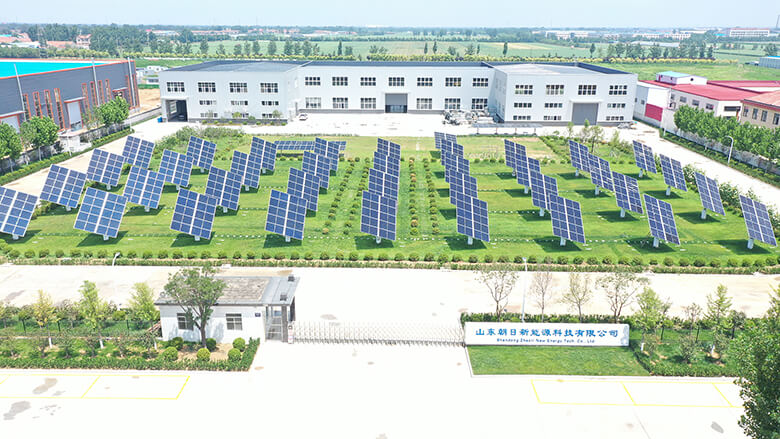
Spanning over 50,000 square meters, our manufacturing facility utilizes high-precision processing systems. The plant runs multiple advanced CNC machine tools, industrial laser cutting assemblies, automatic welding robots, and plasma processing machines across dozens of specialized production lines.
Supported by 300 skilled production operators, our factory maintains a monthly fabrication output exceeding 500MW. We manage every phase of construction under one roof: from raw material screening and high-precision cutting to robotic welding, anti-rust treatments, inspection, and ocean-ready packaging. All steps are strictly aligned with international ISO management standards.
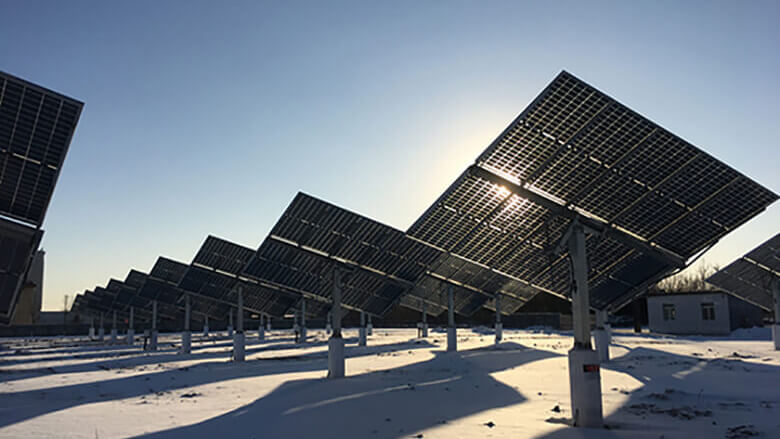
We focus on reducing complexity to minimize downtime. Fewer mechanical parts translate to lower maintenance requirements and reduced failure rates in high-latitude environments.
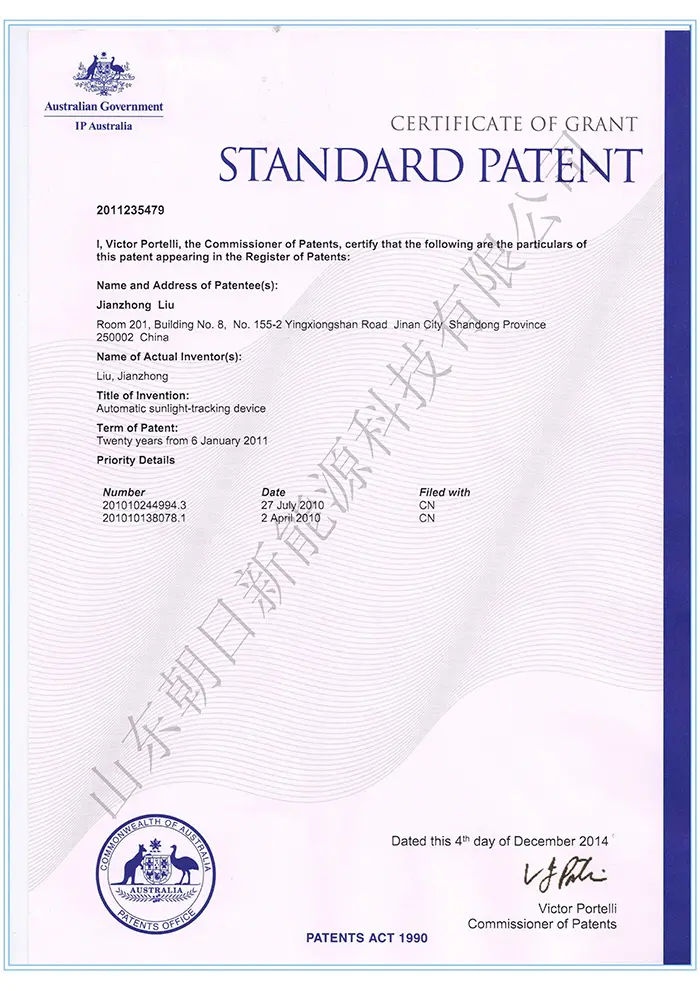
Our engineering achievements are protected by patents issued in Europe, the United States, Canada, Australia, Japan, South Korea, India, Brazil, and South Africa, alongside dozens of utility design patents.
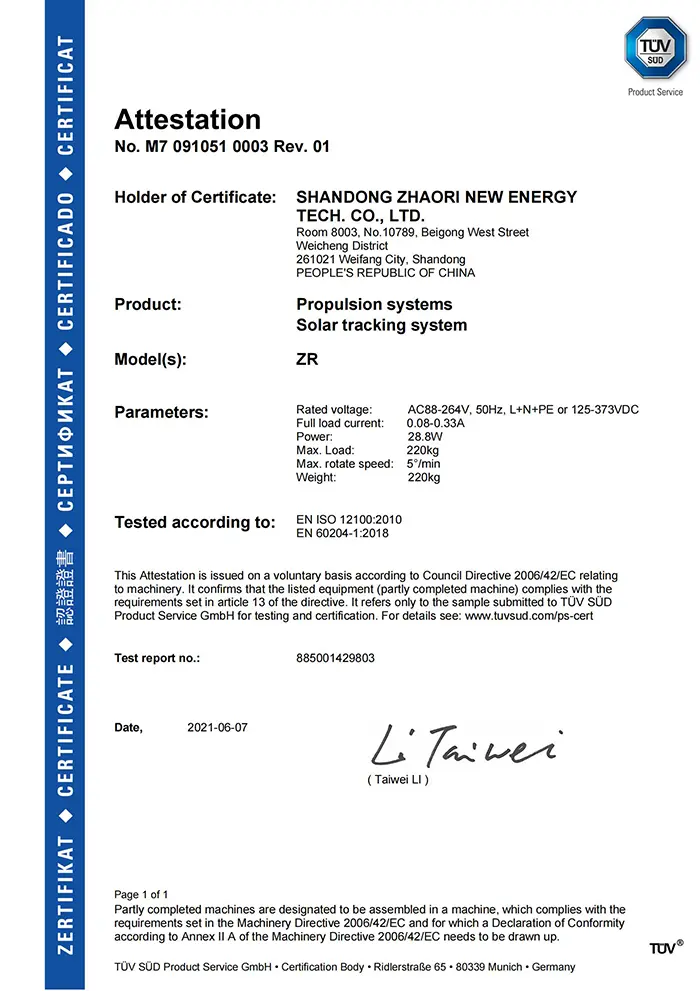
Rigorous component validation with TUV, CE, and ISO certifications ensures long-term operational integrity under varied structural loads.
Our solar trackers are engineered to meet global compliance standards, verifying structural stability and weather resistance.
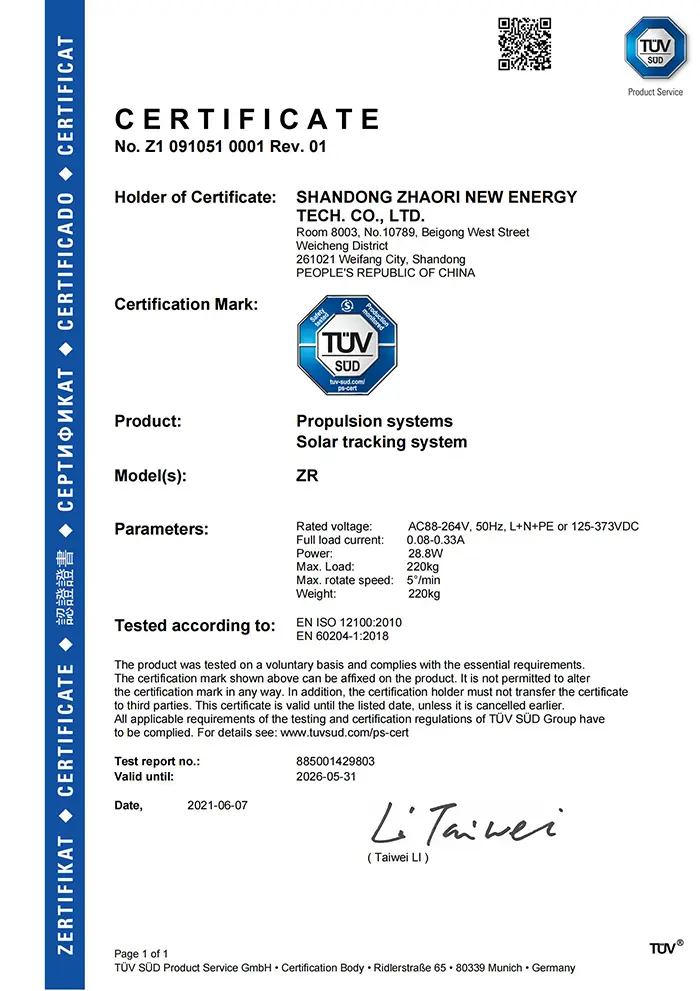
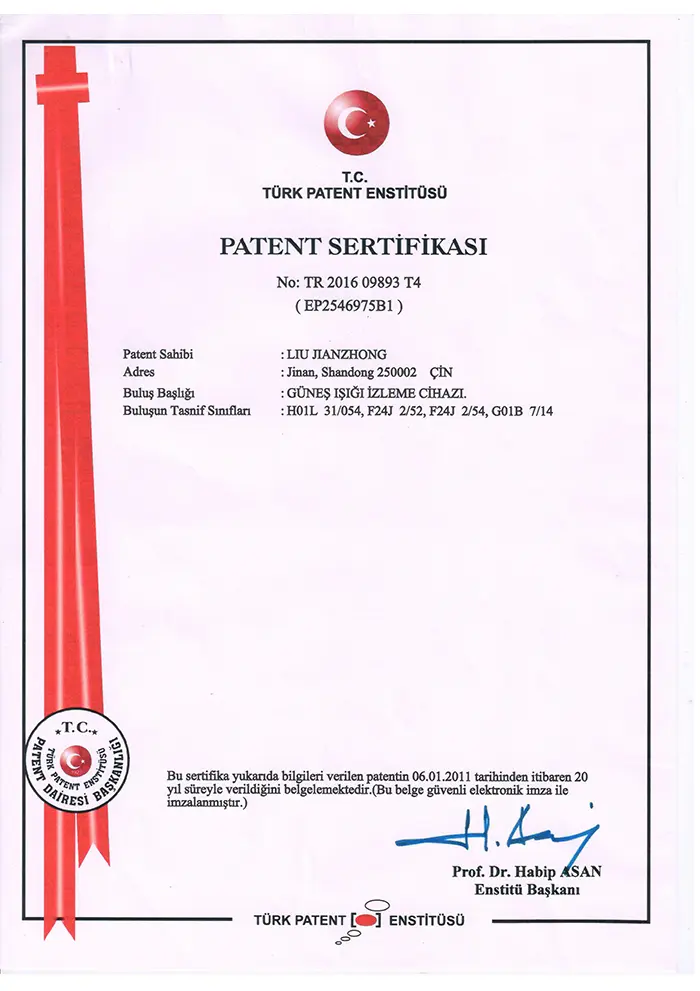


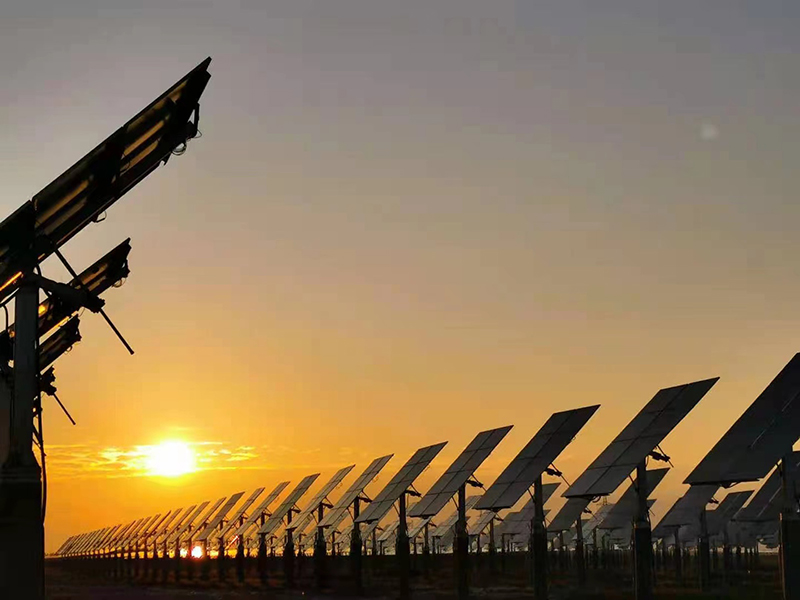
Operational data across diverse biomes proves the reliability of our tracking systems under heavy load conditions.
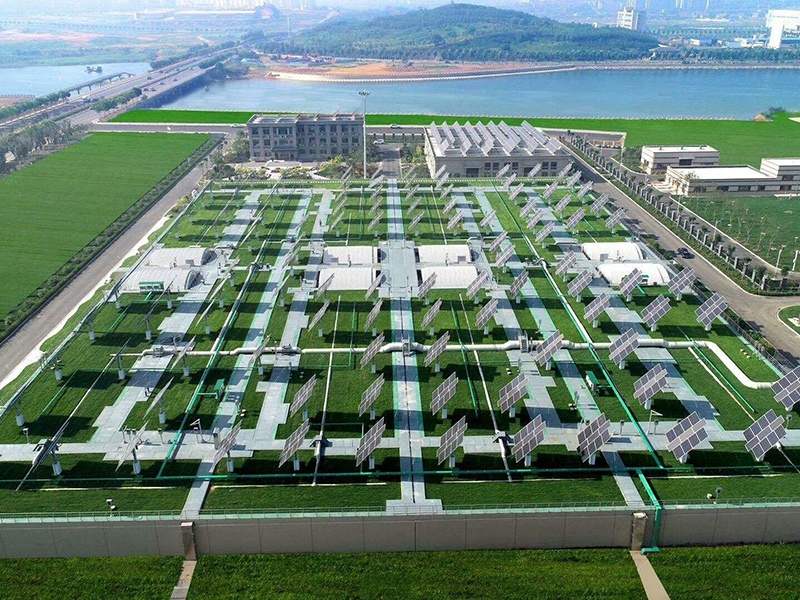
5MW utility configuration showcasing advanced real-time tracking accuracy in cold-weather locations.
Designed for low-load profiles, converting roof areas into high-yield generation centers.
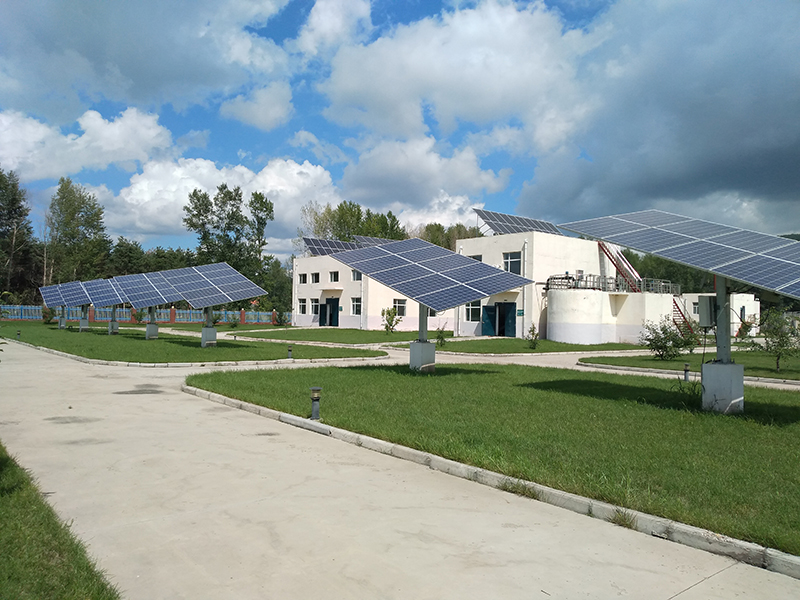
Multi-unit arrays optimized for uneven terrain, requiring minimal site preparation and civil works.
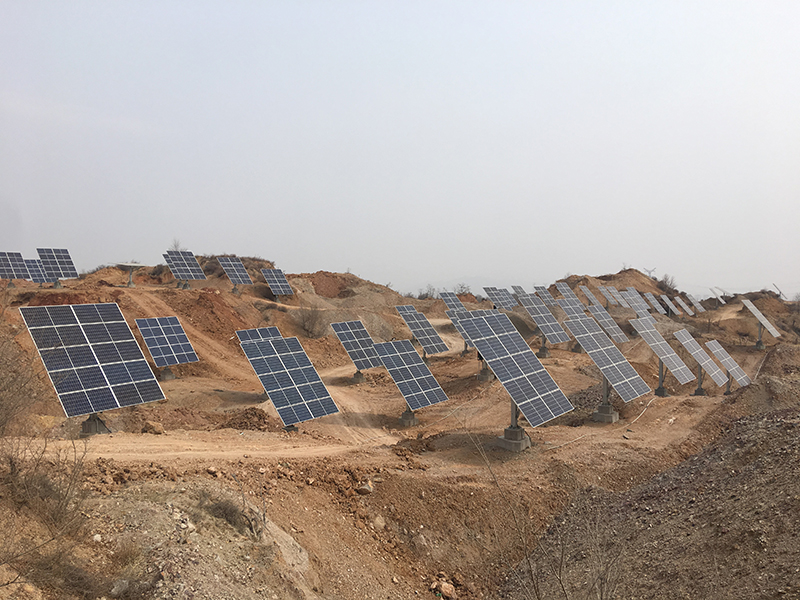
Tilted single-axis system tracking solar paths across steep mountain slopes, featuring high terrain adaptability.
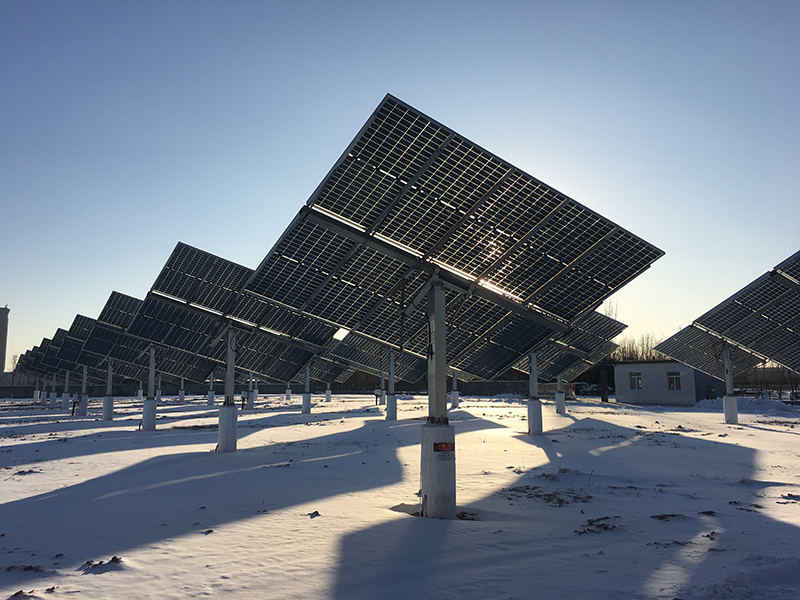
Active dynamic positioning of tracking arrays to prevent snow buildup during heavy winter storms.
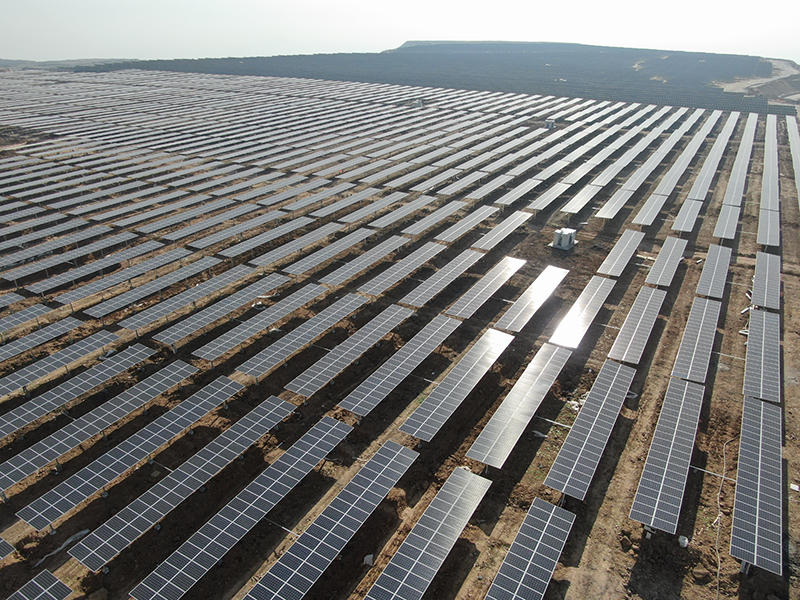
Large-scale single-axis tracking project delivering consistent power feed-in under strict utility guidelines.
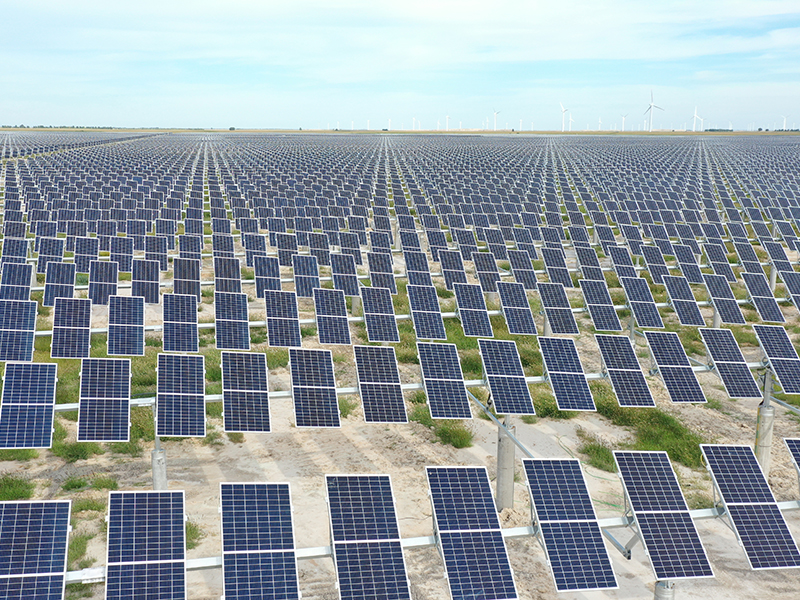 40MW ZRPT Inclined Trackers
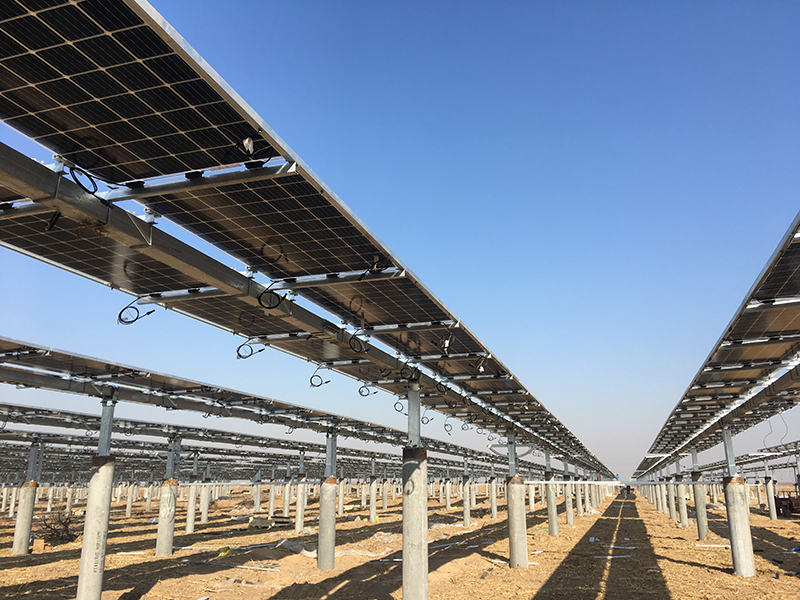 110MW Bifacial Tracker Array
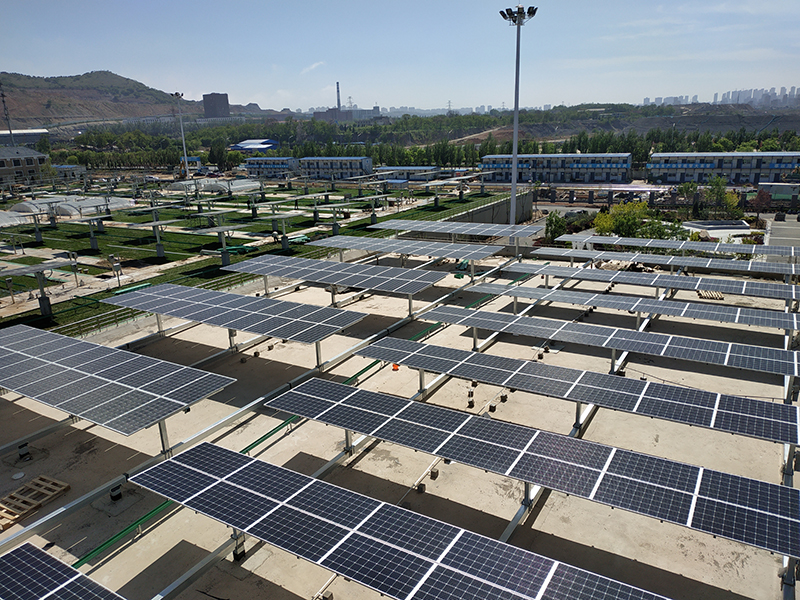 Roof-Mounted Array
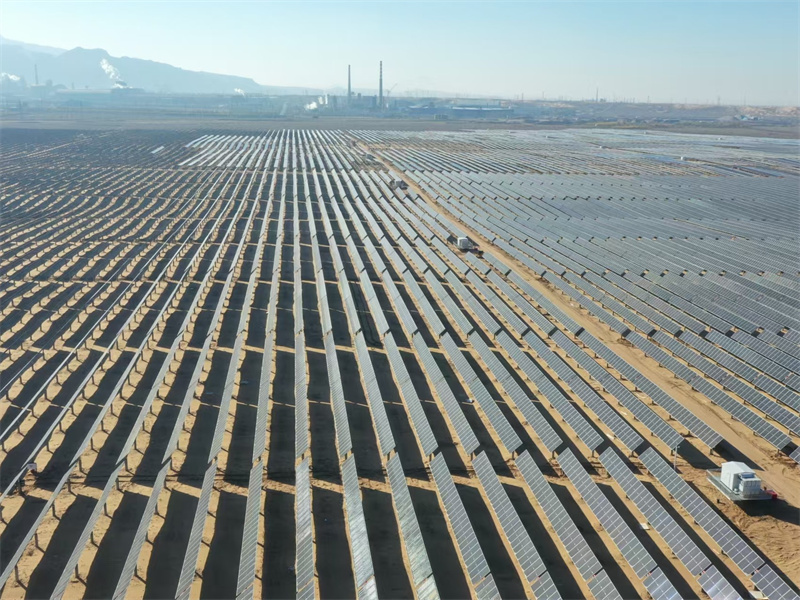 360MW Desert Utility Array
Watch our tracking systems operate dynamically in various field conditions.
Aerial drone overview showing single-axis tracking motion on flat terrain.
Operational testing demonstrating structural stability and tracking control systems.
Detailing high-precision movements maximizing solar concentration.
A look at the structural mechanics of our tilted single-axis solar tracking arrays.
To secure stable solar capture rates in Seattle, our tilted single-axis tracking system utilizes a closed-loop astronomical algorithm combined with real-time feedback sensors.
Seattle's damp marine climate necessitates corrosion resistance. We construct structural tracker elements using protective coating methodologies:
A full range of trackers, fixed-mount configurations, and utility structures designed to meet your project specifications.
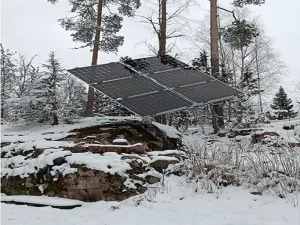
Compact, durable dual-axis tracker designed to capture solar paths at high latitudes. Highly compatible with agricultural arrays.
| Load Profile | Medium Terrain |
| Control Axis | Azimuth & Elevation |
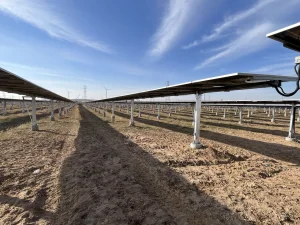
Cost-effective utility-scale design, optimized for high structural rigidity and quick assembly timelines.
| Configuration | 1P Vertical Layout |
| Tracking Span | Up to 90 Modules |
A structural hybrid combining flat tracking axis stability with pre-fixed tilt angles for high-latitude sites.
| Tilt Angles | 5°, 10°, 15° options |
| Drive Platform | Rotary Slew Drive |
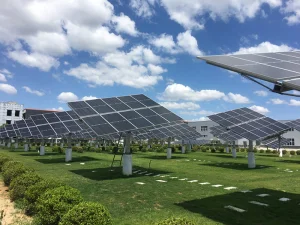
Engineered to handle winter snow loads, featuring automated snow-shedding tilt routines.
| Tracking Gain | Up to 35% vs Fixed |
| Motor Class | Brushless DC IP66 |
Get in touch for custom commercial solar layout configurations and structural yield projections.
| Custom Tilt | 10° - 30° Ranges |
| Analysis Tool | PVSyst Compatible |
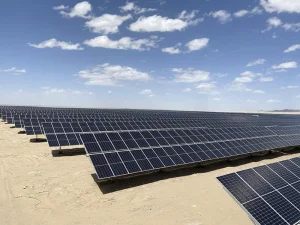
Rugged fixed racking with adjustable tilt settings, allowing seasonal pitch adaptations.
| Adjustment Mechanism | Manual Bolt-Pin |
| Base Construction | Structural Q355B Steel |
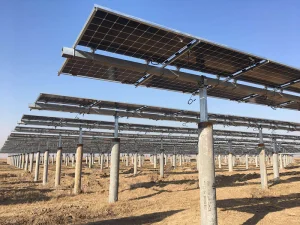
Utility-grade tracker design with integrated wind damping components to protect arrays during heavy storm cycles.
| Damping System | Dual-acting hydraulic dampers |
| Standard Warranty | 10 years on steel structure |
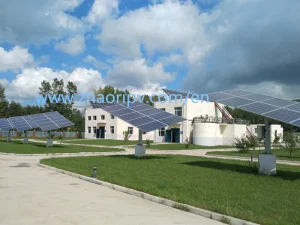
A cost-effective semi-automated dual-axis design balancing system cost with maximum seasonal yield performance.
| Axis Control | Semi-auto Elevation / Auto Azimuth |
| Target Efficiency | Optimal High-Latitude performance |
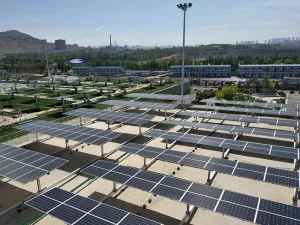
Configured for large-format module designs to maximize power density per linear foot of racking.
Answers to common questions regarding tilted solar tracking technology in high-latitude regions.
Get in touch with Shandong Zhaori New Energy. Our engineering team provides custom layouts, PVSyst simulations, wind tunnel data analysis, and structural pricing quotes.
Send Inquiry Now Zhaori