In the current global energy transition, the efficiency of photovoltaic (PV) power plants is no longer just a technical metric, but a core driver of Levelized Cost of Energy (LCOE) reduction. As leading Automatic Solar Panel Tracking System Manufacturers, the industry is shifting from static mounting to intelligent, sensor-driven motion systems. Unlike fixed-tilt structures, automatic trackers follow the sun's trajectory throughout the day, maximizing the angle of incidence and significantly boosting energy harvest.
Shandong Zhaori New Energy Tech. Co., Ltd. (Sunchaser Tracker) has been at the forefront of this revolution since 2012. Our dual-axis and single-axis systems are engineered not just for movement, but for reliability under extreme environmental stress. By integrating astronomical algorithms with real-time sensor feedback, our systems ensure that every photon is captured with precision.
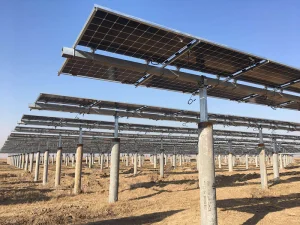
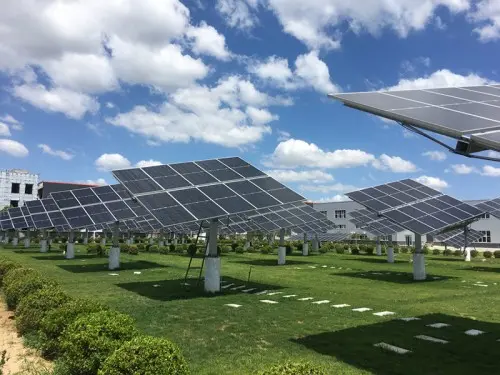
Dual-axis tracking systems (ZRD series) can increase power generation by up to 30-40% compared to fixed brackets by eliminating cosine losses.
Our intelligent controllers feature backtracking algorithms to prevent row-to-row shadowing during sunrise and sunset.
Designed for a 25-year lifespan with minimal maintenance requirements, utilizing self-lubricating bearings and weather-proof electronics.
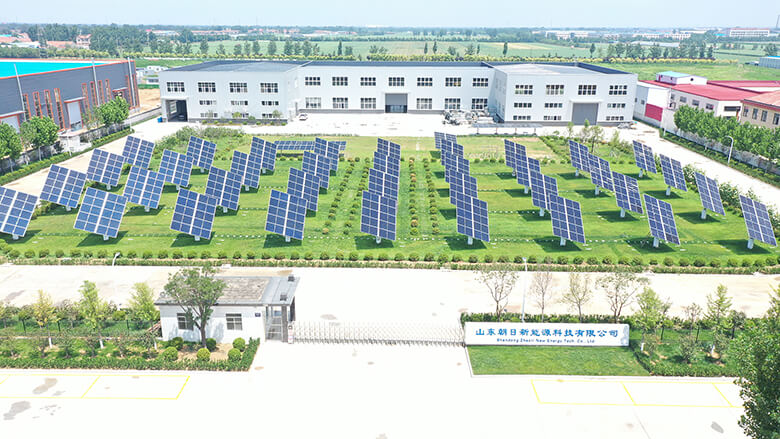
Our factory, spanning 50,000 square meters, represents the pinnacle of Chinese manufacturing efficiency. By leveraging the local industrial cluster in Shandong, we provide a vertically integrated supply chain that spans from raw steel processing to high-precision robotic welding. This allows us to maintain a production capacity of 500MW per month, ensuring that even the largest utility-scale projects stay on schedule.
Equipped with CNC machine tools, laser cutting machines, and automatic welding robots, our facility adheres to strict ISO9001 quality management standards. Every component undergoes rigorous anti-rust treatment and structural integrity testing to withstand wind loads of up to 150km/h.
Our product portfolio is categorized into three core tracking technologies, each optimized for specific geographical and economic requirements.
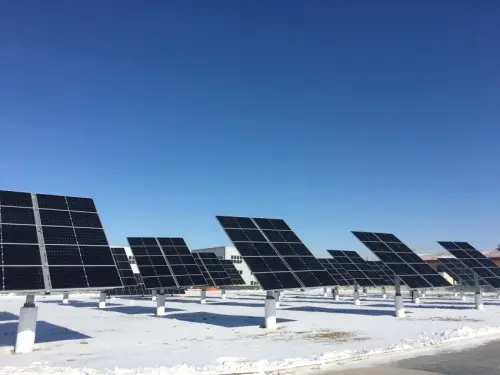
Features two axes of movement (azimuth and elevation). Ideal for high-latitude regions and concentrated solar power (CSP) applications. Boosts yield by the maximum possible margin.
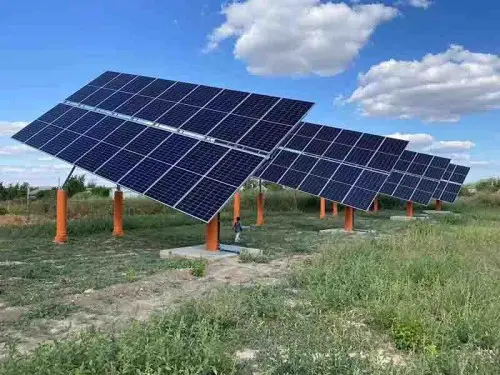
Combines the simplicity of single-axis mechanics with a tilted orientation (10°-30°). Perfect for mountain projects and uneven terrain where traditional trackers fail.
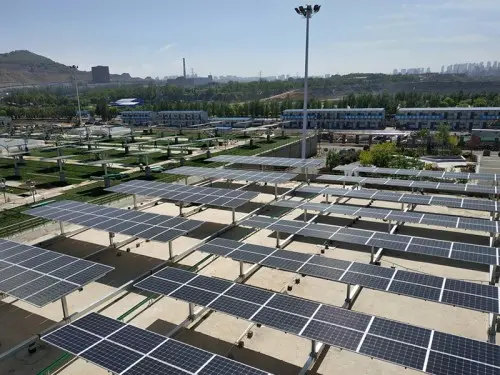
The industry workhorse. Available in 1P or 2P configurations, these systems track the sun's diurnal path and are the most cost-effective solution for large-scale utility plants.
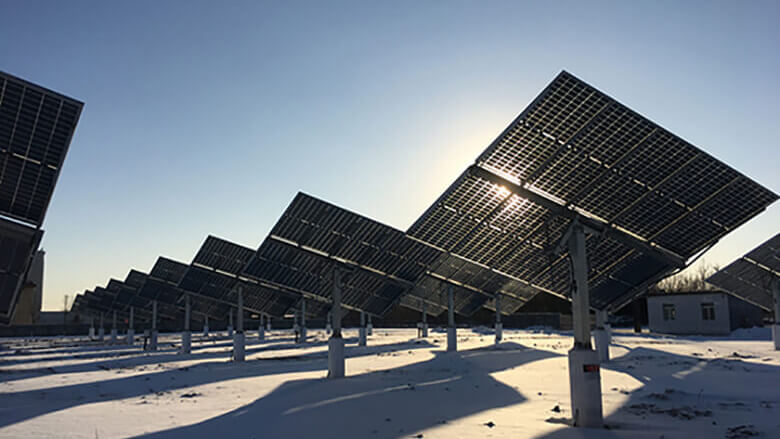
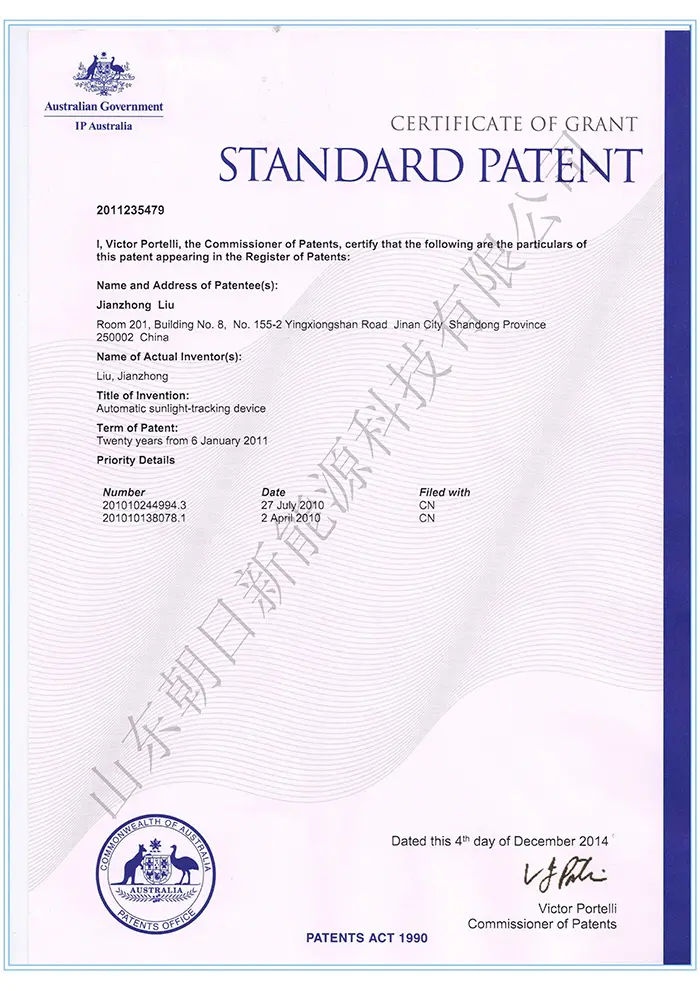
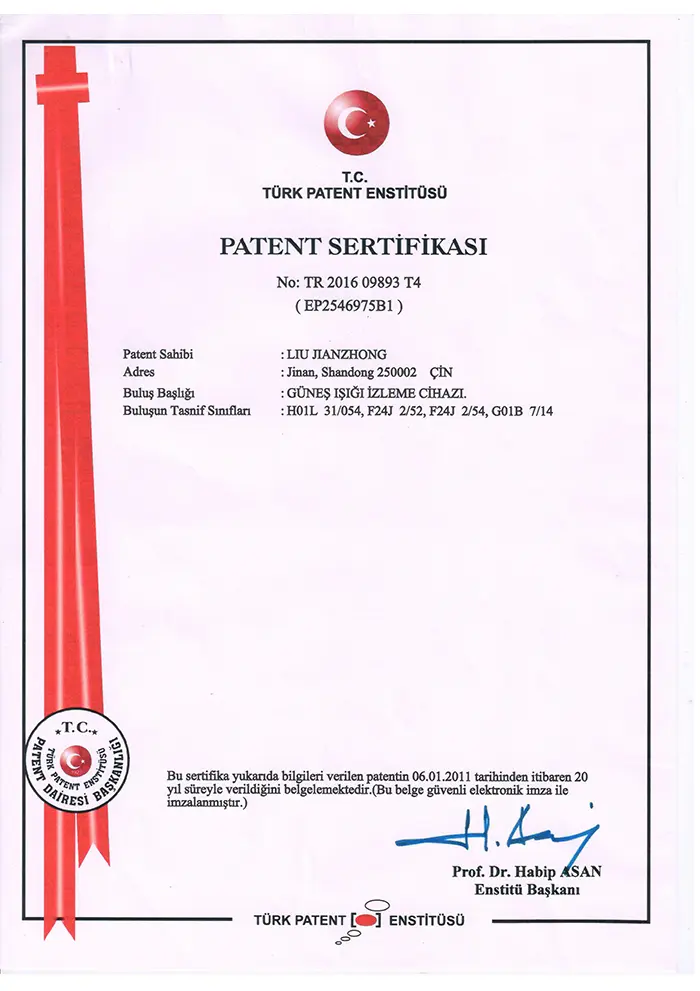
Navigating international markets requires more than just good products; it requires regulatory mastery. Shandong Zhaori has secured patents across the European Patent Office, USA, Canada, Australia, Japan, South Korea, Thailand, India, Brazil, and South Africa. This intellectual property protection provides our global clients with the security needed for multi-million dollar investments.
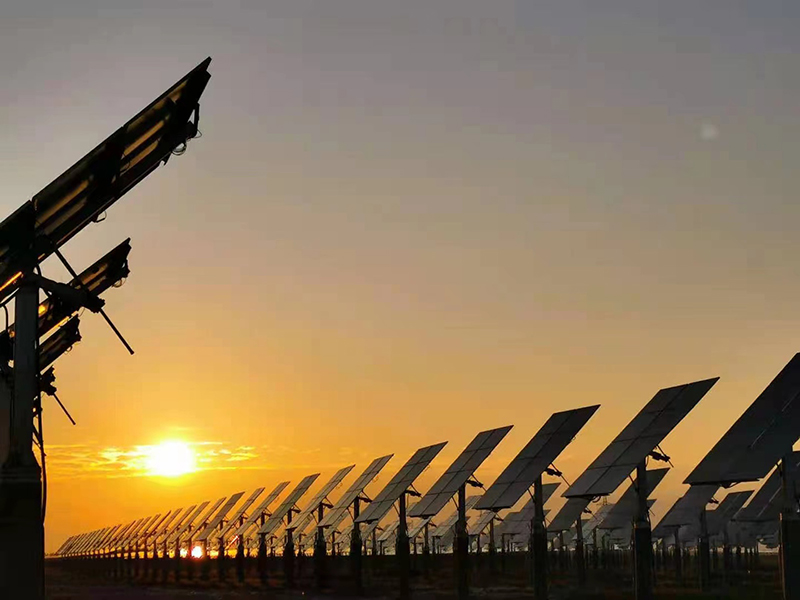
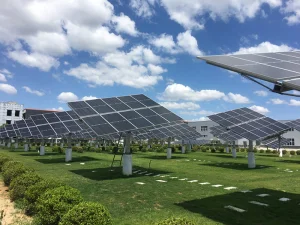
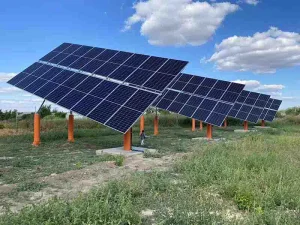
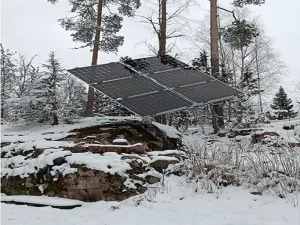
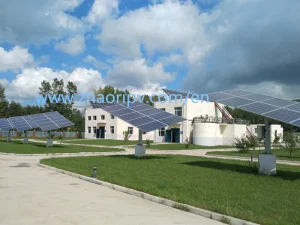
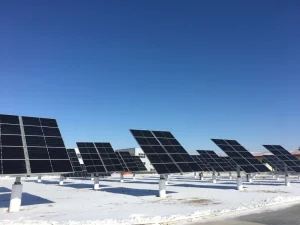
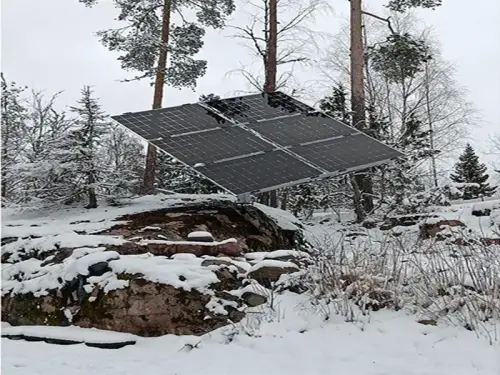
Demonstrating high-performance dual-axis tracking in cold climates.
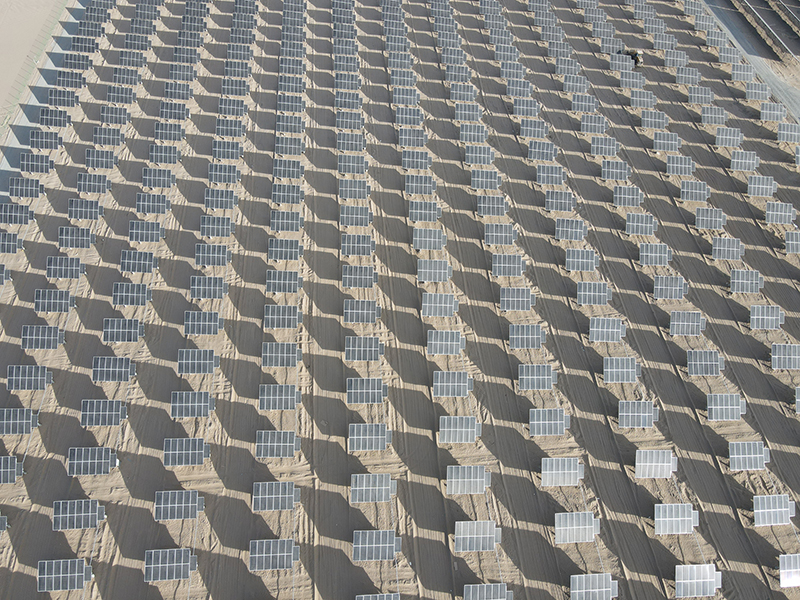
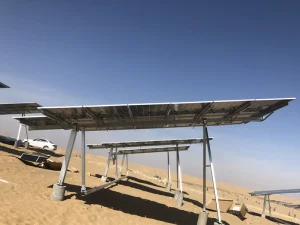
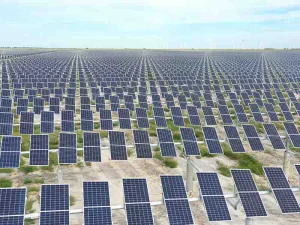
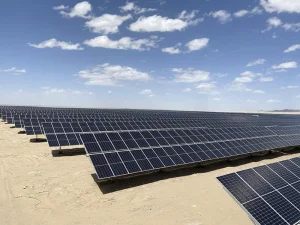
Optimized for sandy environments with sealed bearing units.
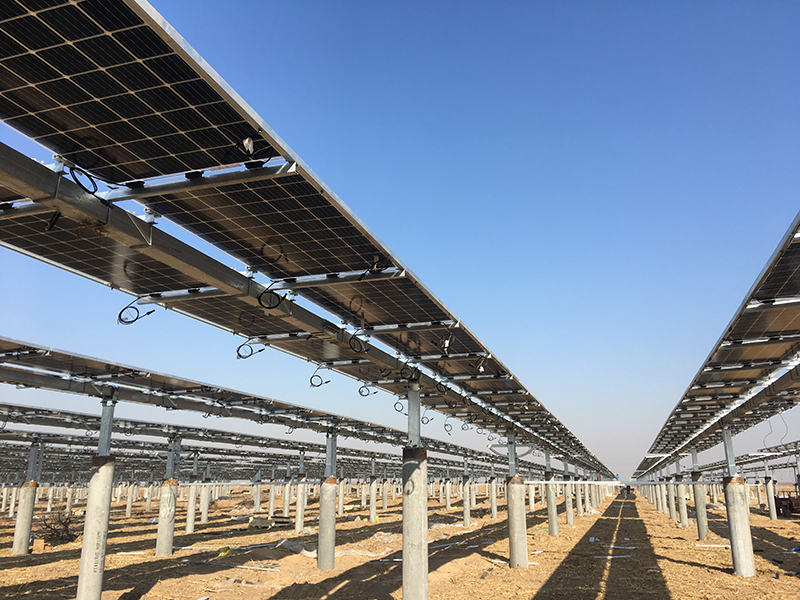
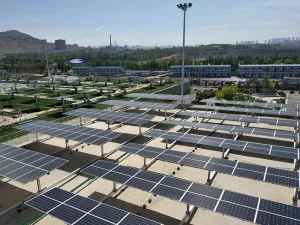
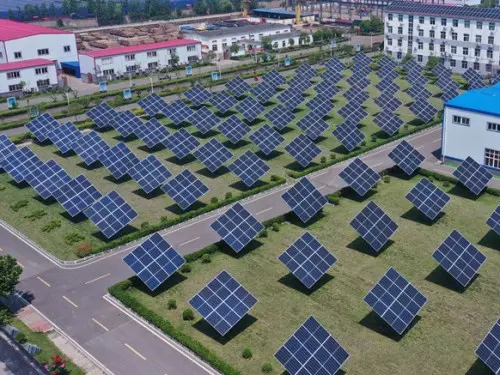
Maximizing total energy yield with smart backtracking.
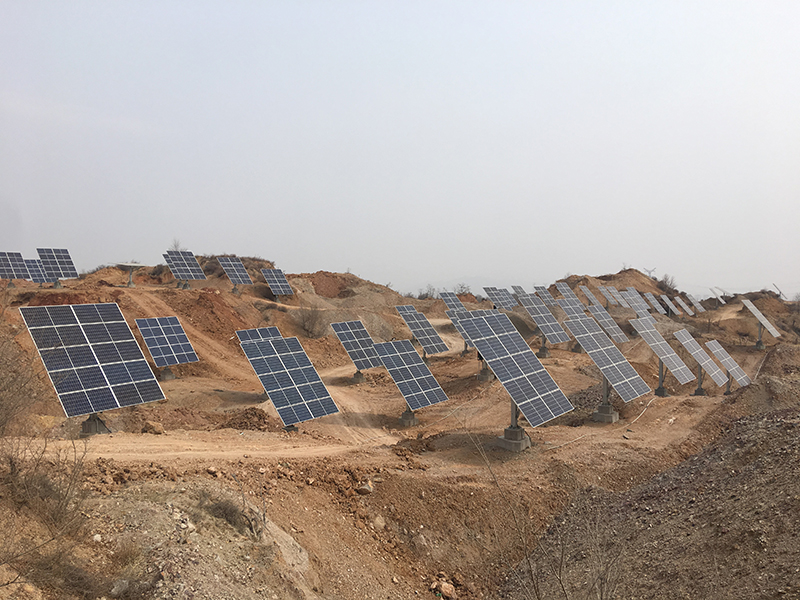
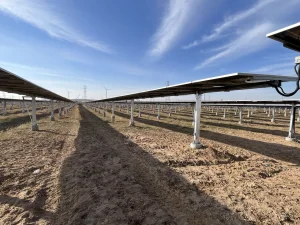
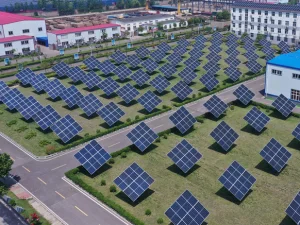
Utilizing the ZRT series to overcome slope challenges.
The solar tracking industry is evolving toward Software-as-a-Service (SaaS) integration. Modern Automatic Solar Panel Tracking Systems are now incorporating:
Depending on the location's GHI (Global Horizontal Irradiance), the ROI typically improves by 15-25% compared to fixed systems, with a payback period reduced by 1.5 to 2 years.
Our systems include integrated anemometers and snow sensors. In wind speeds exceeding 18m/s, the system automatically moves to a horizontal stow position to minimize the sail effect.
Yes, our mounting brackets are adjustable. We provide specific configurations for ultra-large 600W+ modules and bifacial modules to ensure no rear-side shading.
Maintenance is minimal. We recommend an annual inspection of the drive motor and a check of the bolt torque. The electronic controllers have self-diagnostic capabilities to alert operators of any issues via the SCADA system.
 Zhaori