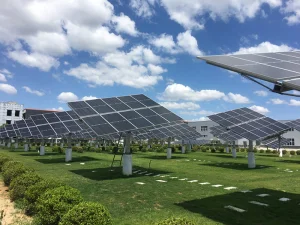
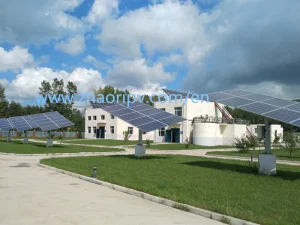
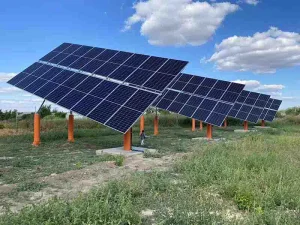
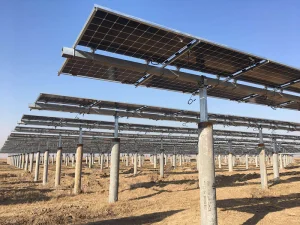
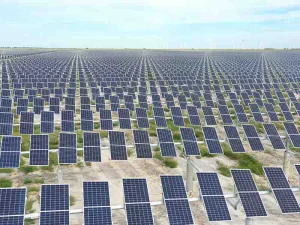
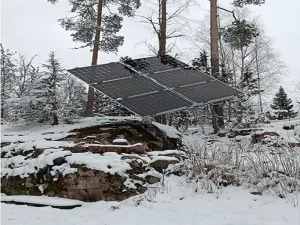
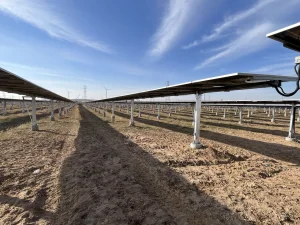
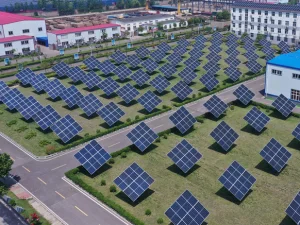
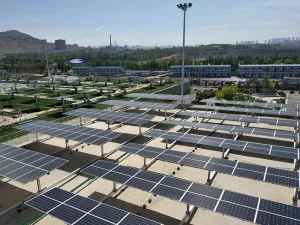
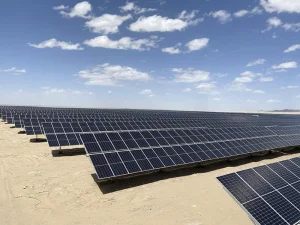
The global shift toward renewable energy has catalyzed a profound evolution in photovoltaic (PV) mounting technologies. As of 2024, Single-Axis Solar Tracking Systems have emerged as the dominant choice for utility-scale solar farms, offering a optimal balance between Capital Expenditure (CAPEX) and energy yield enhancement. Unlike fixed-tilt systems, a one-axis tracking system follows the sun's trajectory from east to west, increasing energy production by approximately 15% to 25% depending on geographical location.
The solar tracker market is projected to reach USD 71.2 billion by 2030, with a CAGR of 13.5%. Demand is driven by North America, China, and the MENA region.
Single-axis trackers are the "secret weapon" for reducing the Levelized Cost of Electricity (LCOE), making solar competitive with fossil fuels even without subsidies.
Horizontal single-axis trackers are increasingly used in Agrivoltaics, allowing enough clearance for farm machinery and light for crops beneath the panels.
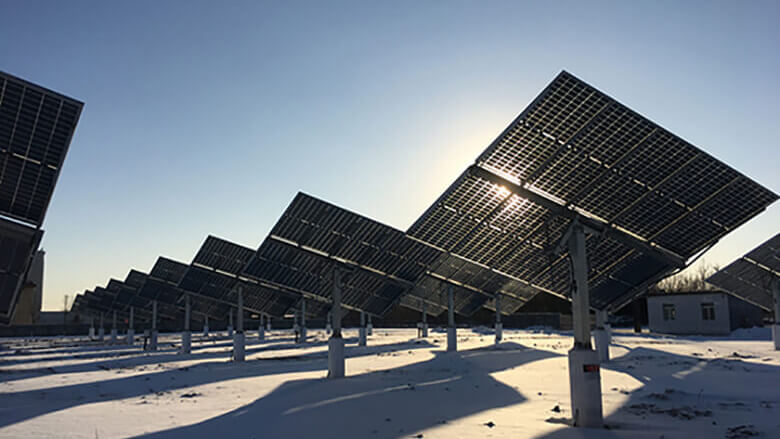
Modern One Axis Tracking Systems are no longer simple mechanical structures. They are complex ecosystems integrating IoT sensors, real-time meteorological data, and AI-driven backtracking algorithms. Shandong Zhaori New Energy Tech. Co., Ltd. is at the forefront of this technological curve, developing systems that not only follow the sun but also adjust for diffuse light during cloudy conditions and mitigate wind-induced instability through active stowing mechanisms.
| Technology Feature | First Generation (Traditional) | Current Generation (Zhaori Tech) | Future Roadmap (2025+) |
|---|---|---|---|
| Control Logic | Astronomical Algorithm | AI Backtracking + Diffuse Light Mode | Machine Learning Terrain Adaptive |
| Drivetrain | Single Motor / High Friction | Multipoint Slew Drive / Low Torque | Decentralized Wireless Control |
| Module Compatibility | Standard Monofacial | Bifacial Optimized (Zero Shading) | Large Format (210mm) Compatible |
Shandong Zhaori New Energy Tech. Co., Ltd. is a high-tech and new energy company based on independent intellectual property rights. Founded in June 2012, we operate 10 specialized departments including R&D, engineering, production, and quality assurance. With over 60 professional technology talents and 10+ years of focus on PV station and solar tracking technology, we represent the pinnacle of Chinese engineering in the renewable sector.
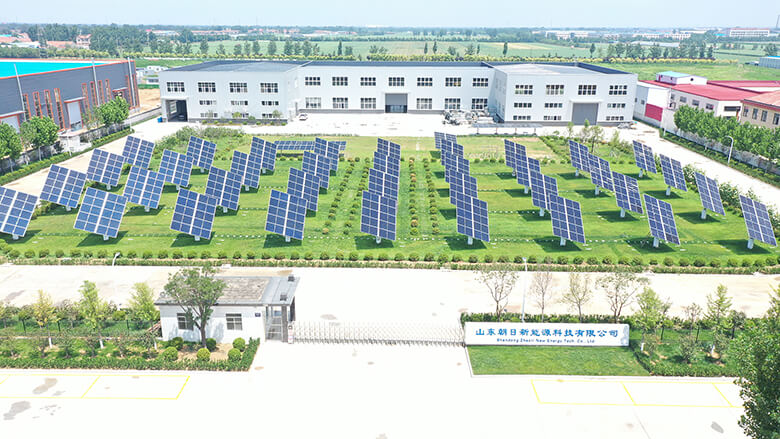
Our factory covers an area of 50,000 square meters, equipped with advanced CNC machine tools, laser cutting machines, automatic welding robots, and plasma machines. With 300+ production workers, we achieve a monthly capacity of 500MW. Every product undergoes strict raw material screening, anti-rust treatment, and multi-level inspection according to international quality management standards.
Years Experience
Monthly Capacity
Global Patents
R&D Departments
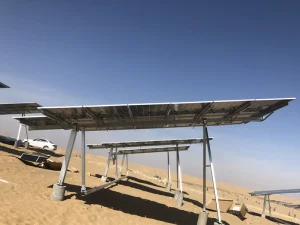
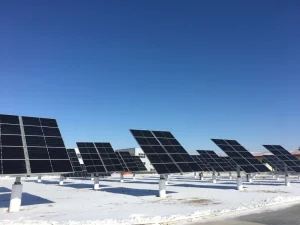
A "one-size-fits-all" approach fails in the diverse global solar market. We provide localized application scenarios that address specific geographic and environmental challenges:
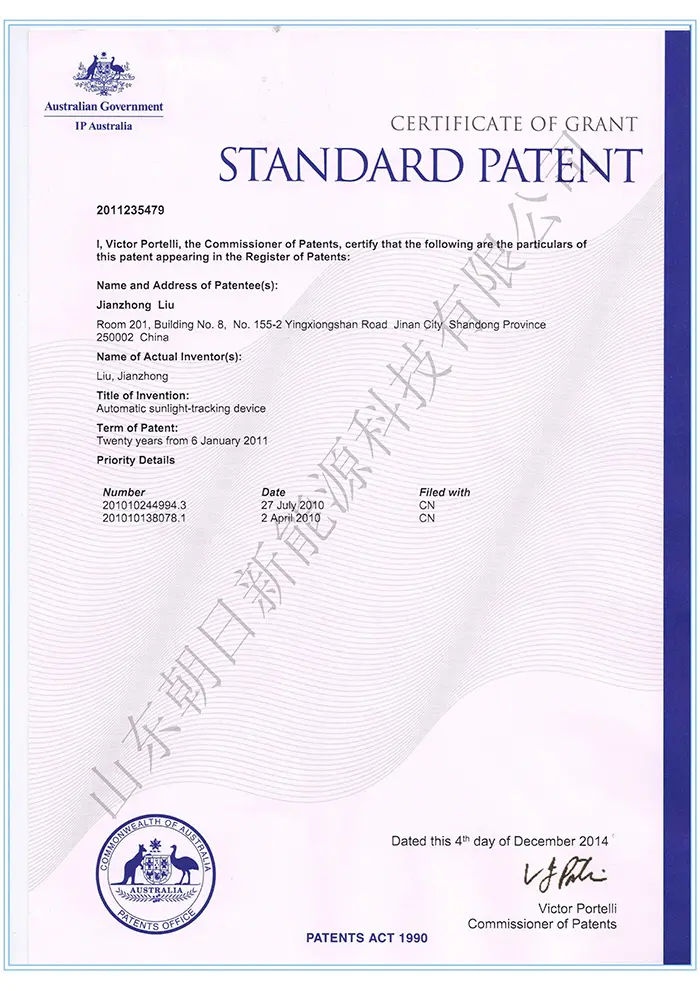
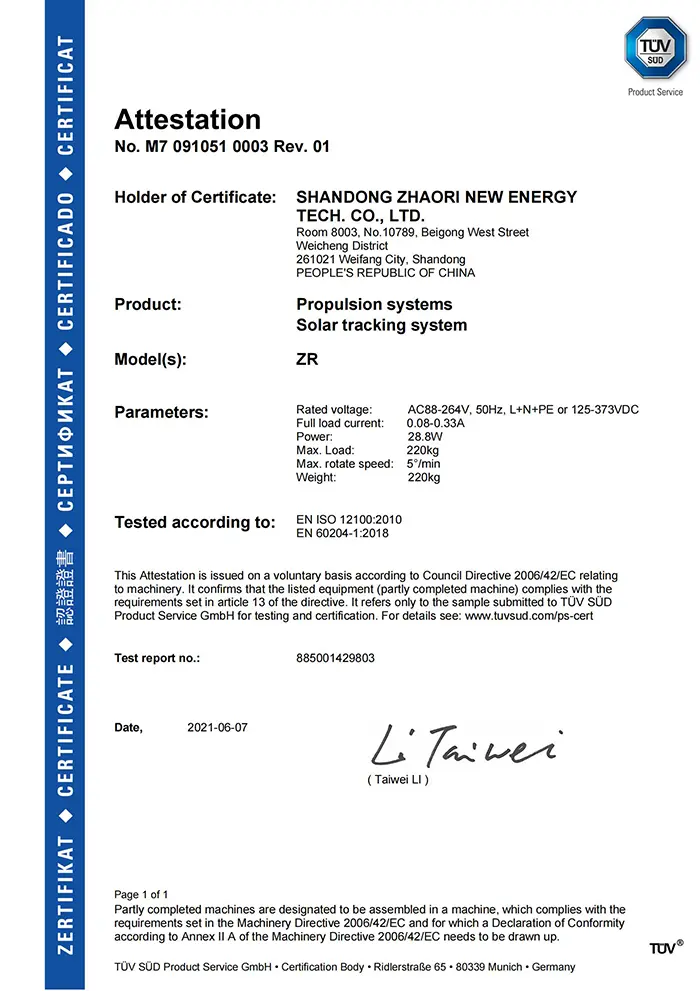
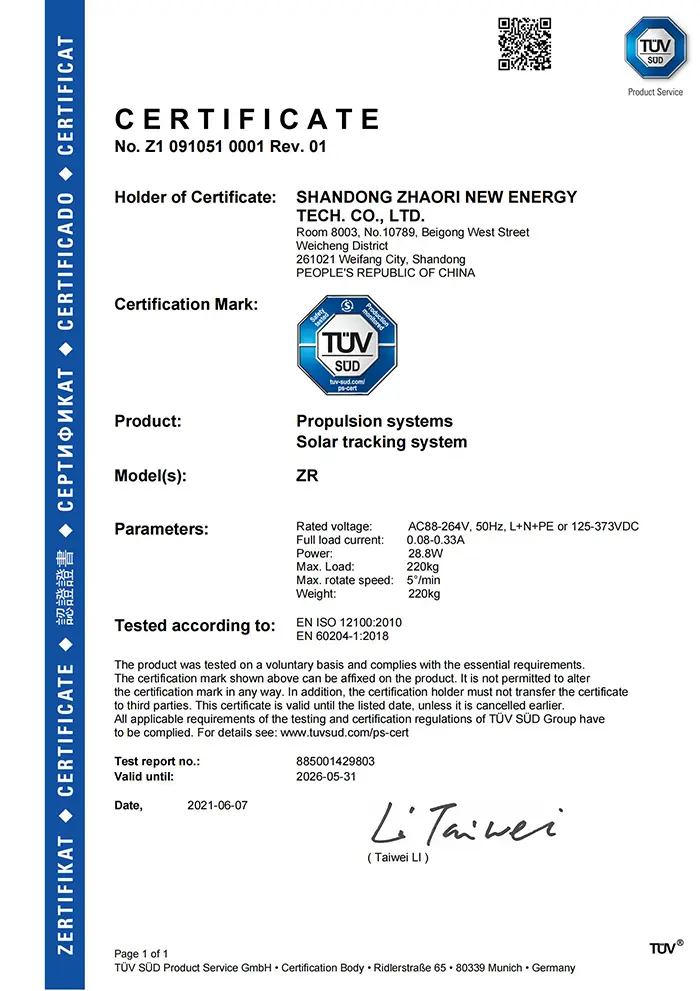
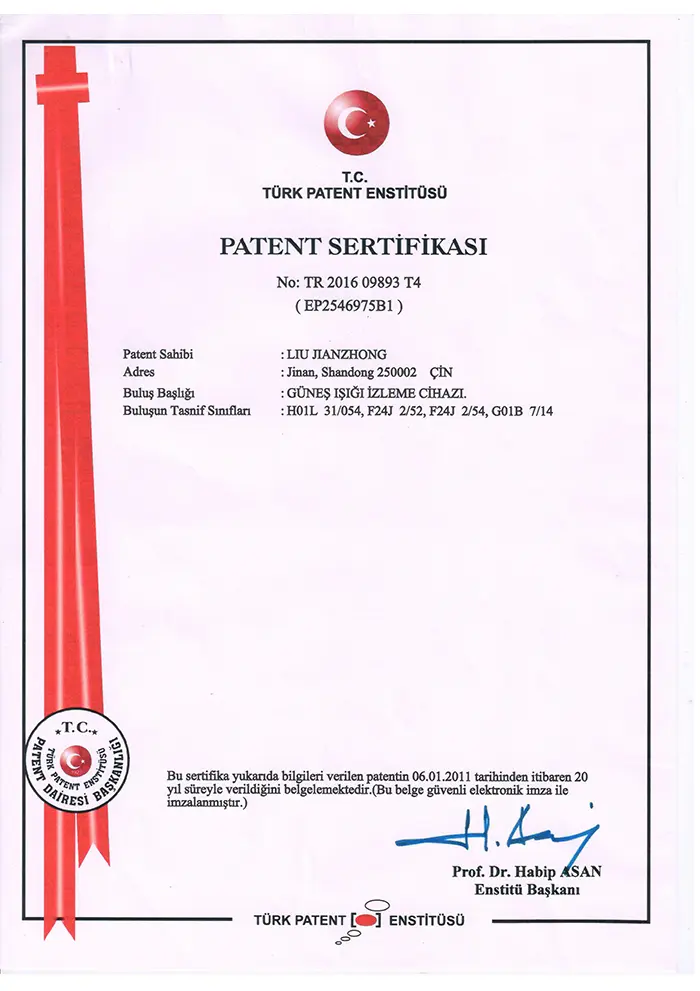
Our product principle is: "More simple, more reliable, and more effective." This is backed by invention patents from the European Patent Office, USA, Canada, Australia, Japan, South Korea, Thailand, India, Brazil, and South Africa. We hold 8 Chinese National Invention Patents and over 30 Utility model patents, alongside TUV, CE, and ISO certifications.
Unlike traditional fixed systems, trackers require periodic mechanical checks. Zhaori's systems are designed with "Low-Maintenance" philosophy, requiring only semi-annual inspections of slew drives and electrical connections, thanks to our self-lubricating materials and IP66-rated enclosures.
Geographic location is key. In tropical or high-irradiance areas, energy gains typically range from 18% to 25%. Even in high latitudes, our Tilted Single Axis trackers can outperform fixed systems by up to 20% by maintaining a more perpendicular angle to the solar rays.
Absolutely. Our ZRP and ZRT series are "Bifacial Ready," meaning the structural design minimizes rear-side shading, allowing the module to capture reflected light from the ground, further boosting total energy yield by an additional 5-10%.
Our systems feature an automated "Storm Stow" mode. Integrated anemometers detect wind speeds exceeding safe thresholds (typically 18-22 m/s), triggering the controller to move panels to a horizontal or 0-degree position to minimize wind resistance and prevent structural damage.
 Zhaori