Zhaori
Strategic Industry Analysis: The Evolution of Passive & Active Solar Tracking
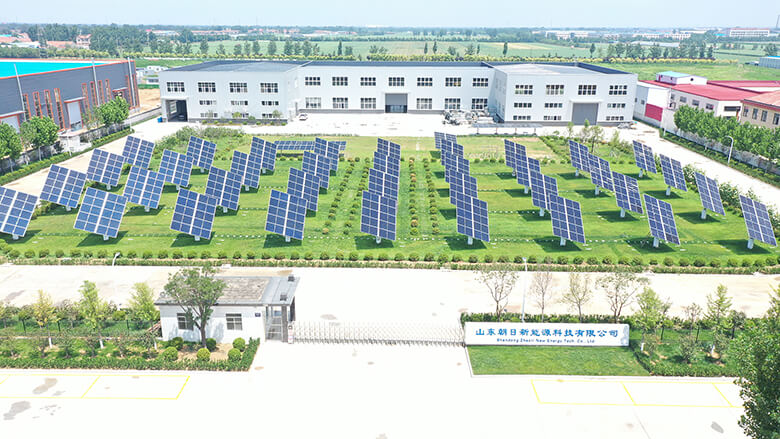
In the current global energy transition, the demand for high-efficiency photovoltaic (PV) systems has moved beyond simple module efficiency. Passive solar trackers and high-intelligence active tracking systems have become the cornerstone of utility-scale and commercial energy projects. As a leading solar tracker exporter, Shandong Zhaori New Energy Tech. Co., Ltd. (Sunchaser) integrates decades of engineering expertise to bridge the gap between mechanical simplicity and electronic precision.
1. Global Procurement Landscape & User Intent
Modern EPC (Engineering, Procurement, and Construction) firms are no longer just looking for "brackets." They are searching for levelized cost of energy (LCOE) reduction. The shift toward bifacial modules has made tracking systems indispensable, as they allow back-side gain to be maximized through optimized tilt angles.
- Reliability in Extreme Environments: Procurement managers in the Middle East and Australia prioritize sand-resistance and high-wind stow mechanisms.
- Low Maintenance (The "Passive" Philosophy): While most modern systems use actuators, the design philosophy focuses on "set and forget" reliability, mimicking passive systems' durability with active precision.
- Bankability: Global investors require TUV, CE, and ISO certifications to ensure long-term ROI.
2. Technical Roadmap: From Fixed to Dual-Axis Intelligence
The roadmap of solar mounting has evolved through three distinct generations. Sunchaser leads the third generation by incorporating AI-driven backtracking algorithms.
Gen 1: Fixed & Adjustable
Basic structural support. Sunchaser’s adjustable brackets allow manual seasonal optimization, increasing yield by 5-10% over static systems.
Gen 2: Single Axis (1P/2P)
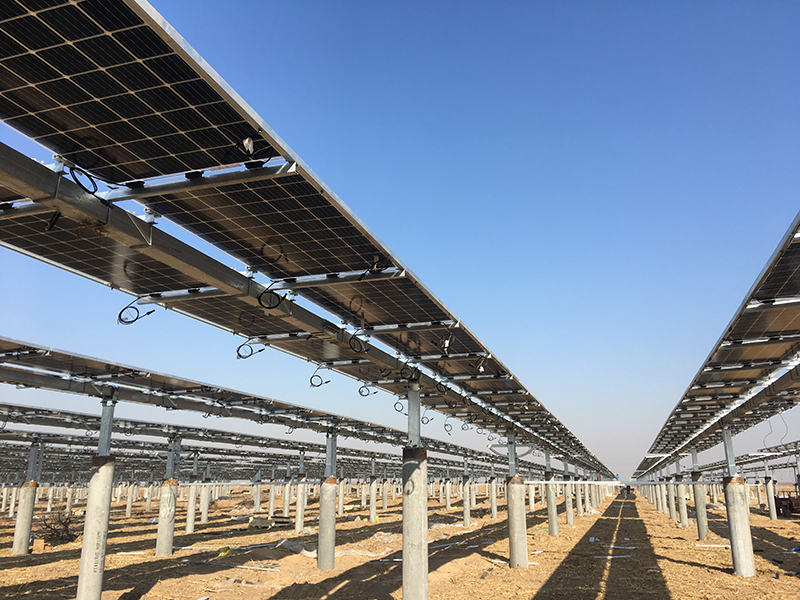
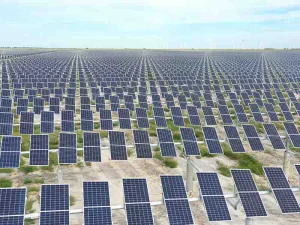
Tracking the sun's East-West movement. Our flat single-axis systems provide a 15-30% gain, optimized for large-scale utility projects.
Gen 3: Dual Axis Precision
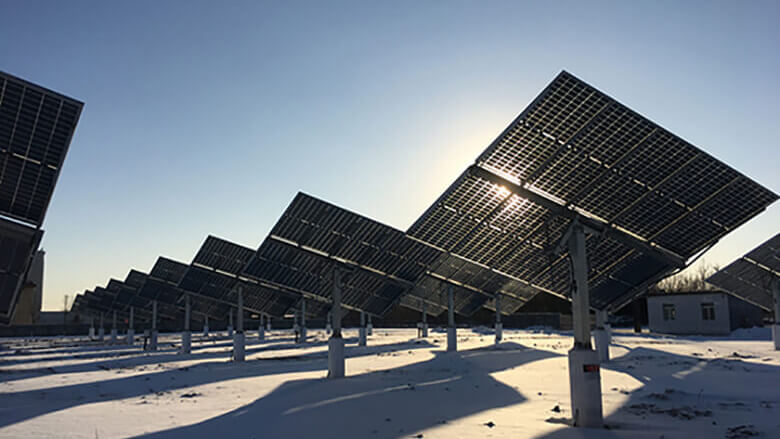
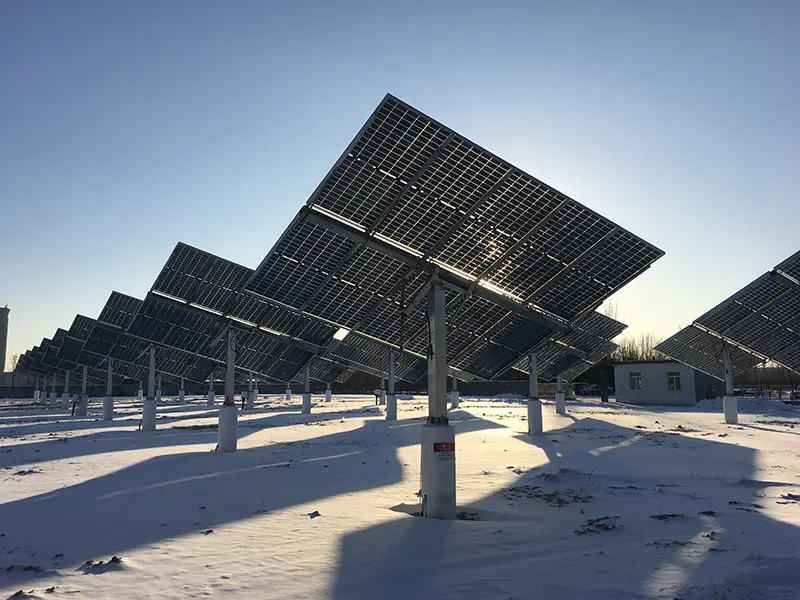
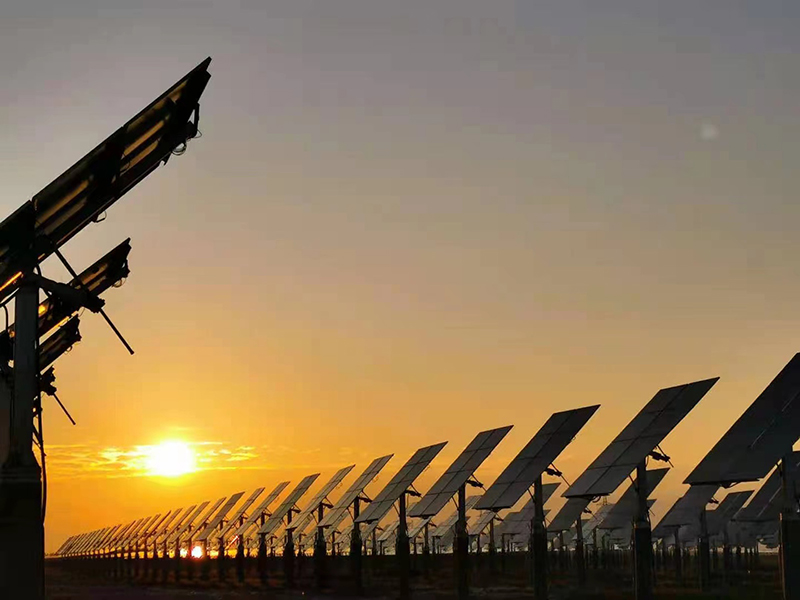
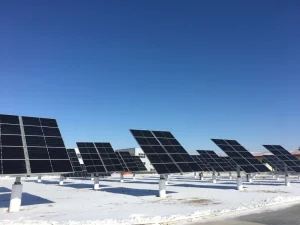
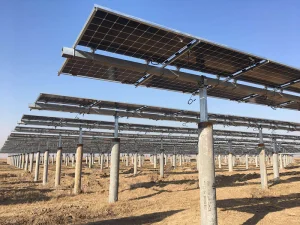
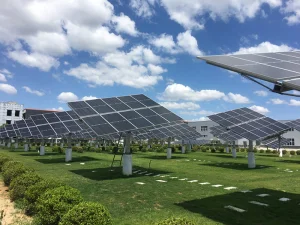
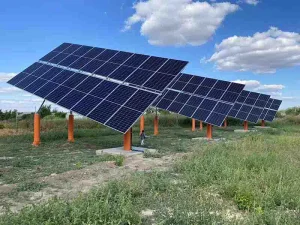
Complete 360-degree tracking. Utilizing DNI (Direct Normal Irradiance) data to capture maximum photons, yielding up to 40% more energy.
3. Macro-Industry Solutions: Commercial & Industrial (C&I) Focus
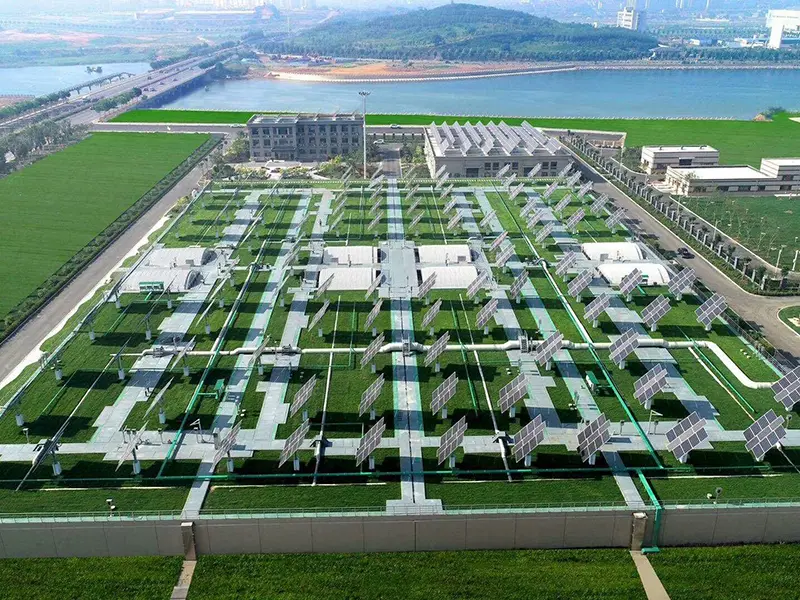
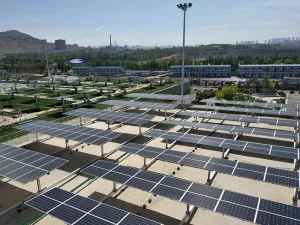
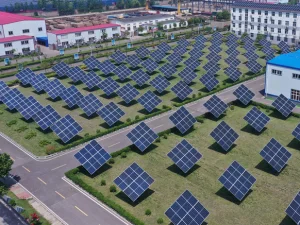
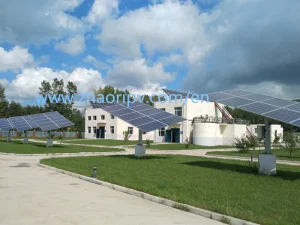
Across the globe, industrial zones are adopting Solar Tracking Systems to offset peak energy pricing. Our solutions cater to:
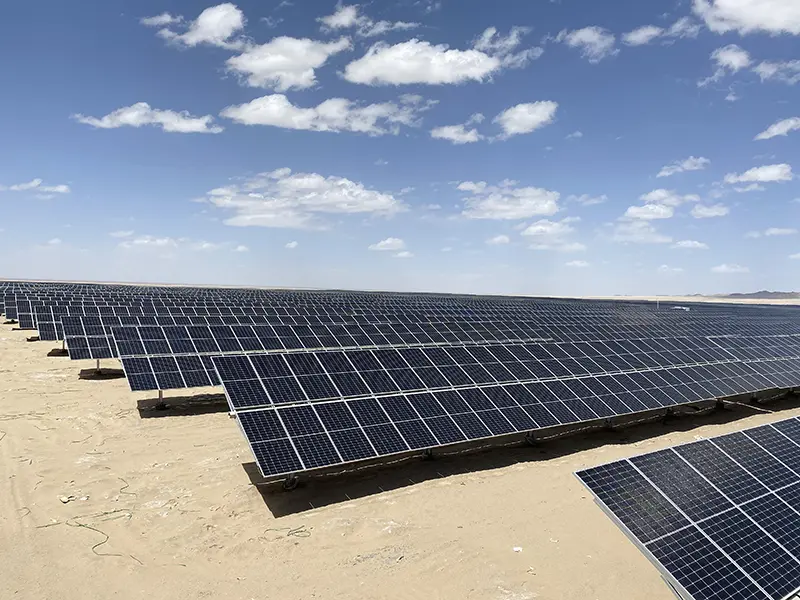
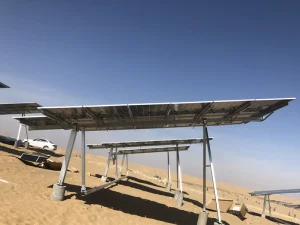
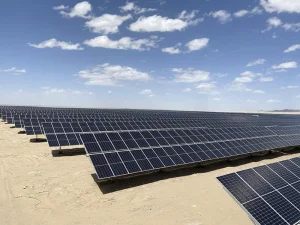
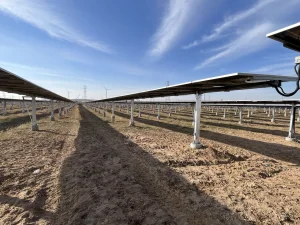
- Desert Power Plants: High-tolerance bearings and anti-corrosion coatings (Galan 1000+ hours salt spray test).
- Agricultural PV: Tilted trackers that allow machinery and livestock to move beneath the panels.
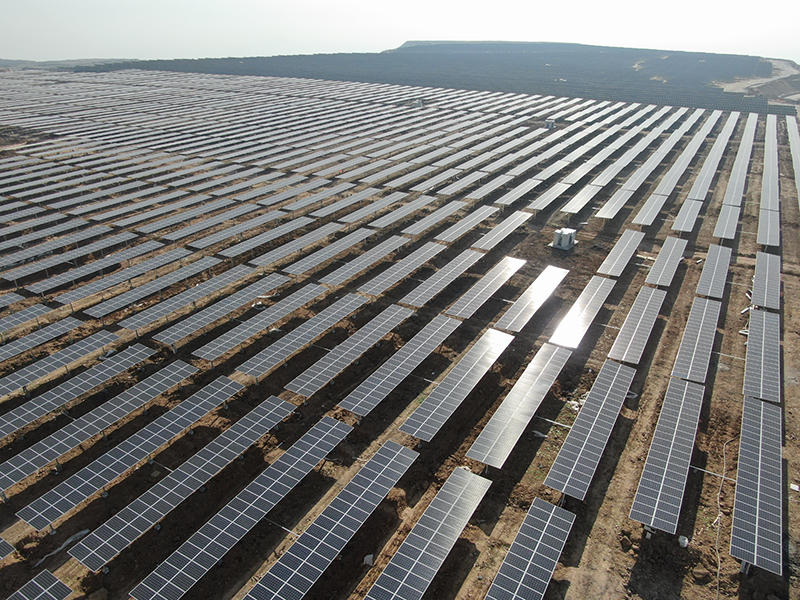
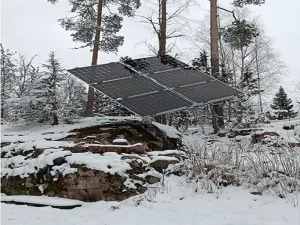
- Mountainous Terrain: Independent row tracking that adapts to uneven topography without massive land leveling costs.