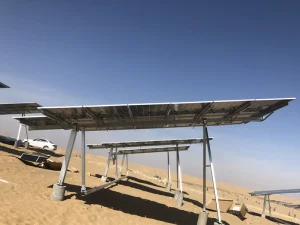
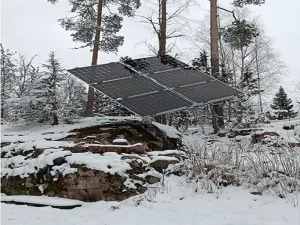
Decoding the shift from Static Mounting to Intelligent Tracking Systems
As the global energy transition accelerates, the demand for high-efficiency solar harvesting has moved beyond simple photovoltaic panels. The modern industrial consensus focuses on LCOE (Levelized Cost of Energy) reduction. In this context, Semi Tracking Systems and fully automated tracking systems have emerged as the primary drivers for ROI (Return on Investment) optimization in utility-scale and commercial projects.
Shandong Zhaori New Energy Tech. Co., Ltd., established in 2012, has been at the forefront of this technological shift. With a team of over 60 professional technology talents and a sprawling 50,000 square meter facility, we bridge the gap between "standard mounting" and "high-intelligence tracking." Our core philosophy—"More simple, more reliable, more effective"—is a direct response to the complexity often associated with solar trackers.
In the current market, "Semi Tracking" refers to systems like our Adjustable Fixed Brackets, which allow for manual or seasonal adjustments of tilt angles, providing a middle ground between low-cost static frames and high-investment automated dual-axis trackers. This flexibility is crucial for regions with distinct seasonal sun paths where a fully active system might not meet the cost-benefit analysis threshold.
The evolution from manual adjustment to AI-driven Dual Axis control
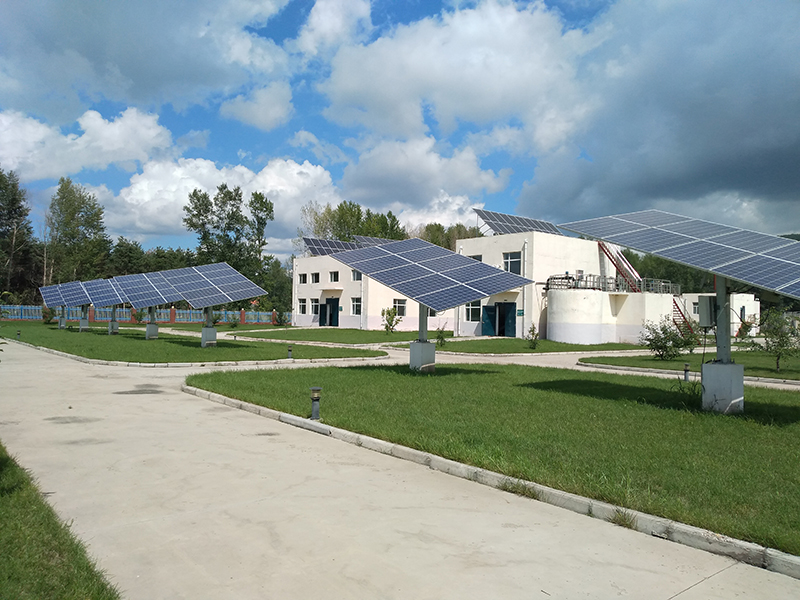
Designed for residential and smaller commercial projects. These "Semi" systems allow for tilt angle optimization (usually 10°-60°) twice or four times a year. It increases generation by 5% to 10% compared to fixed brackets with minimal maintenance.
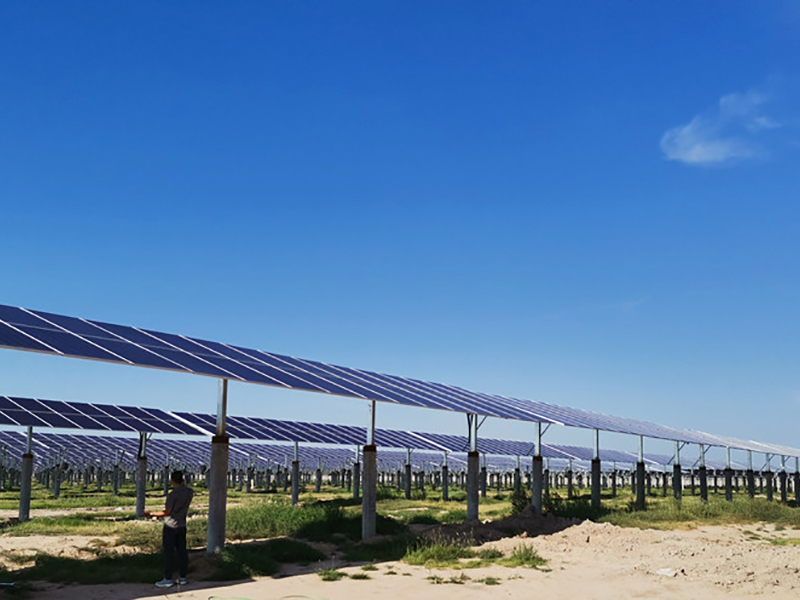
Our ZRT and ZRP series track the sun's azimuth angle. The "Inclined Module" flat single-axis system is a proprietary innovation that combines the simplicity of single-axis mechanics with the efficiency of tilted modules, boosting output by up to 25%.
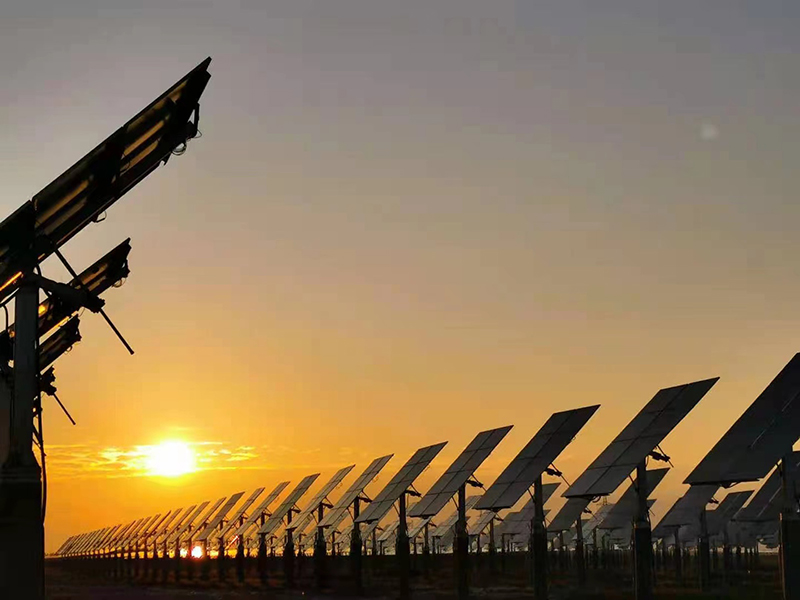
The ZRD series represents the peak of solar efficiency. By tracking both altitude and azimuth, these systems can increase energy production by 30% to 45%. Ideal for areas with high DNI (Direct Normal Irradiance) like deserts or high-latitude regions.
Modern tracking isn't just about following the sun; it's about managing shadows. Our Zhaori Tracking Control System (ZTCS) utilizes advanced backtracking algorithms. During sunrise and sunset, the system "backs off" to prevent the shadows of one row of panels from falling on the next. This semantic shift from "active tracking" to "shadow-aware management" is what differentiates our high-tech solutions from generic competitors.
Why "Made in Shandong" is the global gold standard for PV mounting
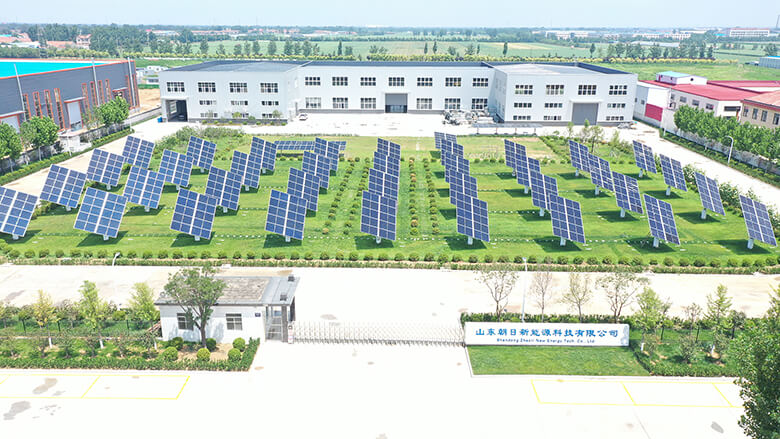
Shandong Zhaori New Energy operates a vertically integrated production line. Unlike many suppliers who outsource core components, we maintain total control over:
Custom solutions from the Gobi Desert to high-latitude snowy plains
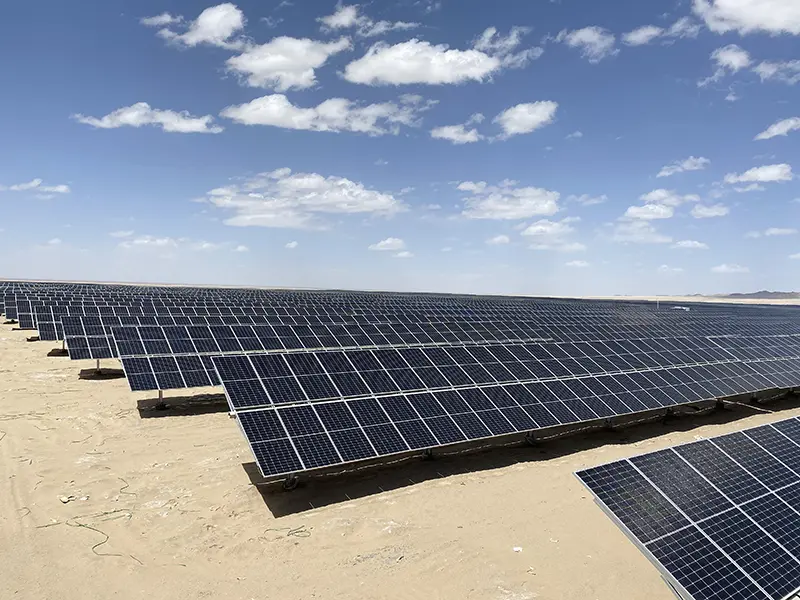
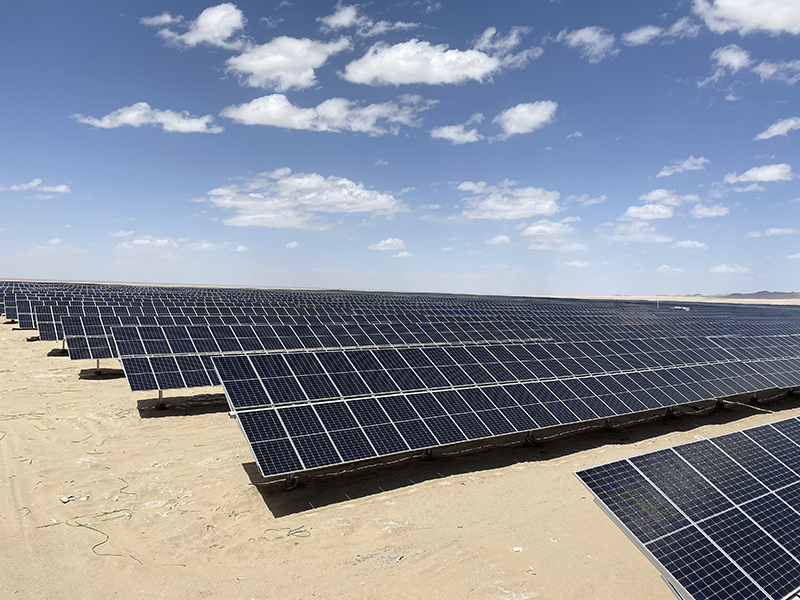
Dust-resistant seals and high-temperature tolerance drive motors. Our 20MW project in the desert proves the durability of ZRT series.
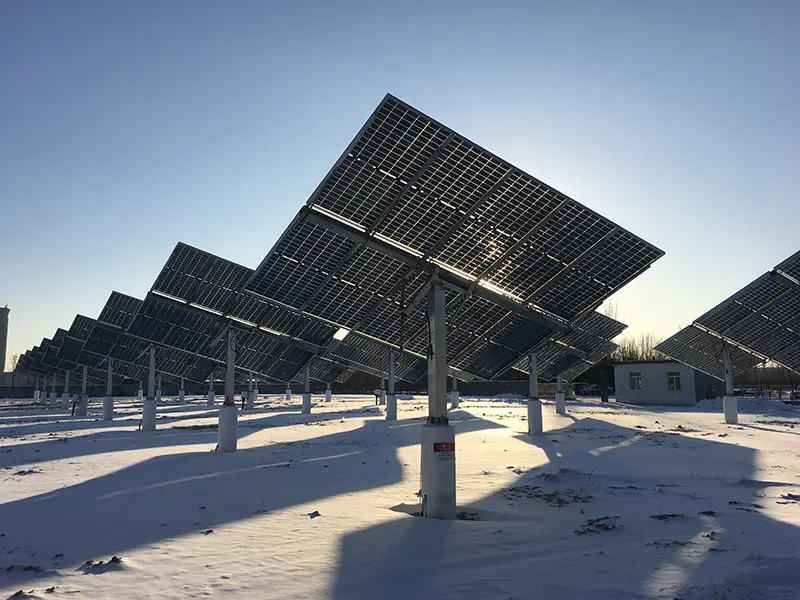
Intelligent "Snow Mode" tilts panels to 60° to automatically shed heavy snow, preventing structural collapse and ensuring immediate production post-storm.
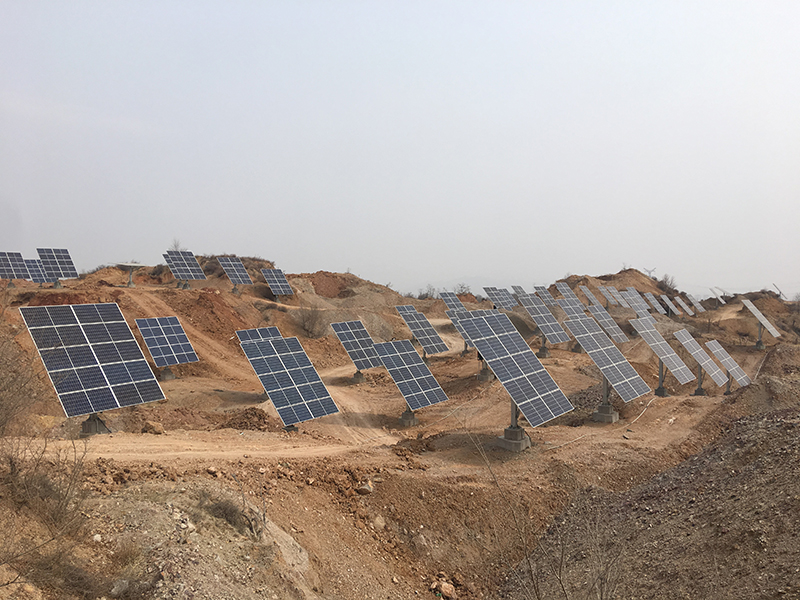
Flexible mounting systems that accommodate uneven ground slope without the need for massive land leveling costs.
Understanding the value metrics for Semi and Auto Systems
| System Type | Model Series | Generation Gain | Adjustment Method | Best Use Case |
|---|---|---|---|---|
| Adjustable Fixed | SPIC / Manual | +5% to +12% | Manual (2-4 times/yr) | Residential / Small Commercial |
| Flat Single Axis | ZRP / ZRPT | +15% to +25% | Automated (Azimuth) | Utility Scale / Flat Terrain |
| Tilted Single Axis | ZRT-16 | +18% to +28% | Automated (Tilted) | Medium Scale / High Latitude |
| Dual Axis Tracker | ZRD-08 / ZRD-10 | +30% to +45% | Fully Automated AI | High DNI regions / Research |
* Pricelist varies based on MW scale, material costs, and customization requirements. Contact our foreign trade department for a detailed quote.
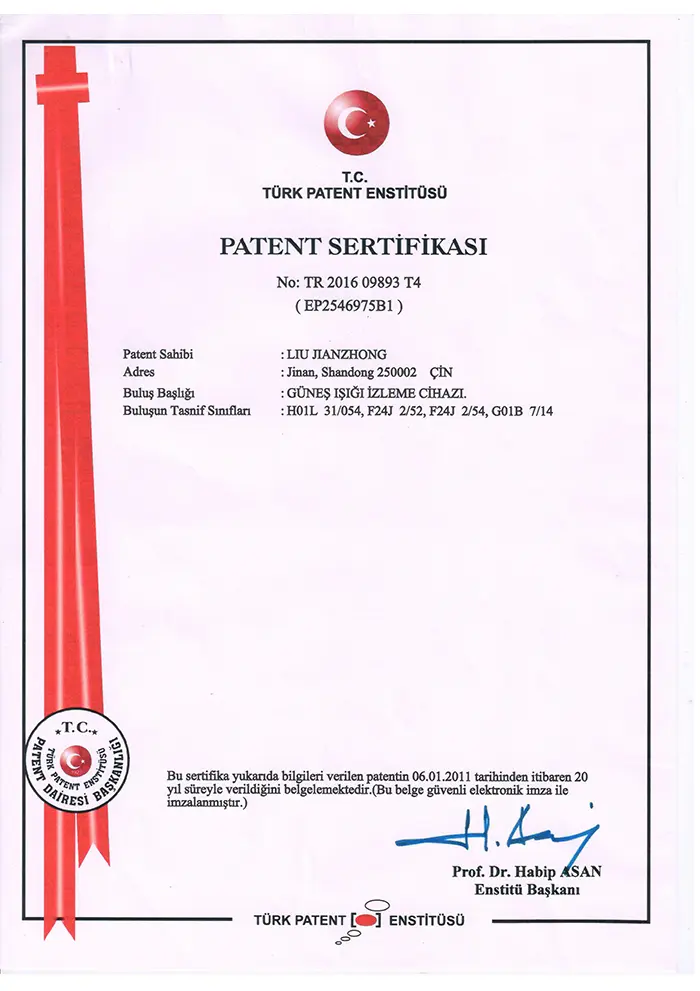
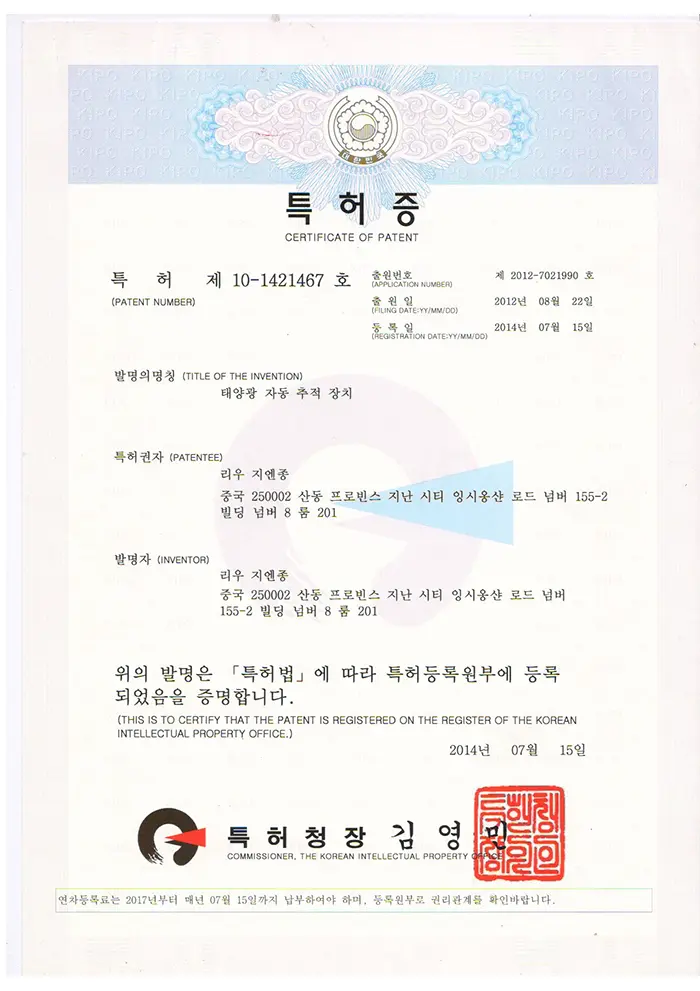
Entering the international market requires more than just good hardware. It requires trust. Shandong Zhaori ensures this through:
Expert insights into tracking system selection and deployment
A: Semi-tracking systems, like our adjustable fixed brackets, require manual intervention to change the angle based on seasonal solar path changes (usually 2-4 times a year). Automatic systems use GPS and sensors to move the panels in real-time. Semi-systems are more cost-effective for smaller budgets, while automatic systems maximize total energy harvest.
A: Our tracking systems are equipped with a "Stow Mode" or "Protection Mode." When wind sensors detect speeds exceeding the safety threshold (typically 18-22 m/s), the system automatically flattens or moves to a pre-set safe angle to minimize wind resistance and protect the structural integrity.
A: For projects in high-latitude regions or areas with high Direct Normal Irradiance (DNI), a dual-axis system can increase power output by up to 45% compared to a fixed system. The ROI is typically achieved within 3-5 years due to the significantly higher energy yield per square meter of solar panel.
A: Yes. As a high-tech company with its own R&D and engineering departments, we specialize in providing perfect customized solutions. Whether it's a floating solar plant, a roof-mounted industrial project, or a high-snowload mountain project, our 10+ years of experience allow us to tailor the brackets and tracking logic to your site conditions.
A: Our structures are designed for a 25-year service life. The hot-dip galvanized steel components offer excellent corrosion resistance. Maintenance is minimal, primarily involving periodic checks of the motor/drive system and software updates to the controller every few years.
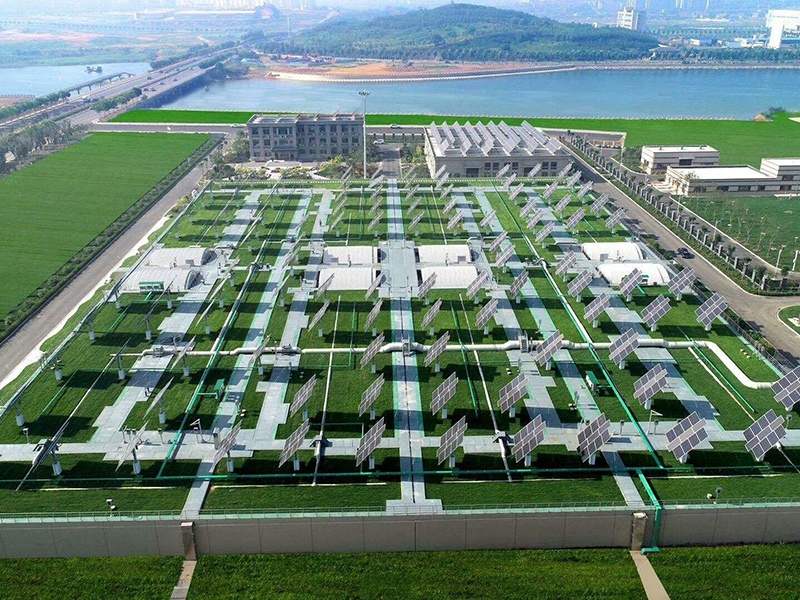
Experience the Zhaori Difference: Our products are more than just steel and motors; they are a decade of engineering evolution. From 5MW projects in North China to 40MW flat single axis systems with inclined modules, we are power-linking the future.
 Zhaori