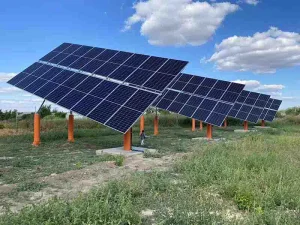
The global solar industry is shifting from fixed-tilt structures to advanced single-axis trackers to achieve lower Levelized Cost of Energy (LCOE). In regions with high direct normal irradiance (DNI), single-axis trackers from China are becoming the gold standard due to their balance of cost-efficiency and performance gains ranging from 15% to 30% compared to static systems.
Modern China manufacturers like Shandong Zhaori New Energy are integrating AI algorithms. Unlike traditional astronomical trackers, our systems use "Semantic Search" logic for irradiance—mining real-time weather data to optimize backtracking, ensuring bifacial modules capture maximum albedo energy even on cloudy days or uneven terrain.
The trend is moving towards "Self-Learning" trackers. By leveraging 10+ years of R&D, we are developing systems that adjust their damping and stowing angles based on historical wind patterns, reducing structural fatigue and maintenance costs over a 25-year operational lifespan.
Founded in June 2012, we are a high-tech pioneer in the renewable energy sector. With a robust structure of 10 specialized departments—including R&D, Quality Assurance, and I.M.D.—we house over 60 elite technological talents. Our team has lived and breathed solar tracking technology for over a decade, securing independent intellectual property rights that set us apart in the competitive global market.
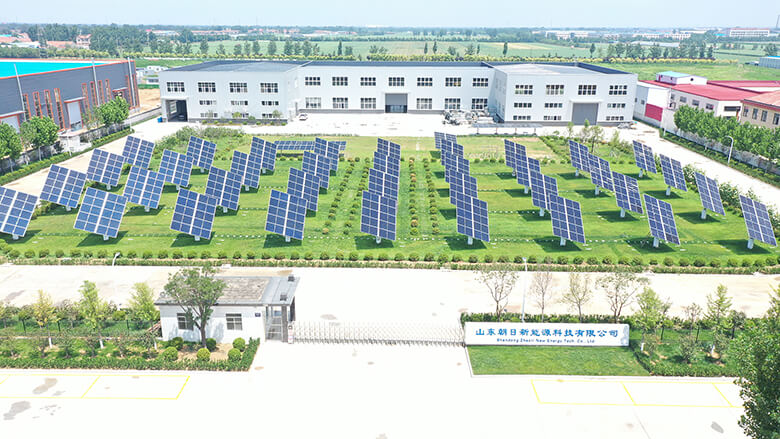
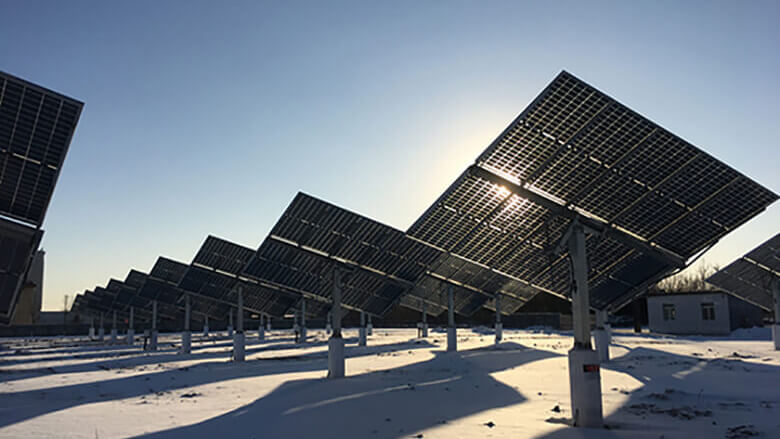
Our 50,000 square meter facility in China is more than just a factory; it is a center of manufacturing excellence. Equipped with CNC machine tools, laser cutting machines, and autonomous welding robots, we ensure precision at every micron. By controlling the entire supply chain—from raw material screening to anti-rust treatment—we provide global enterprises with unmatched reliability.
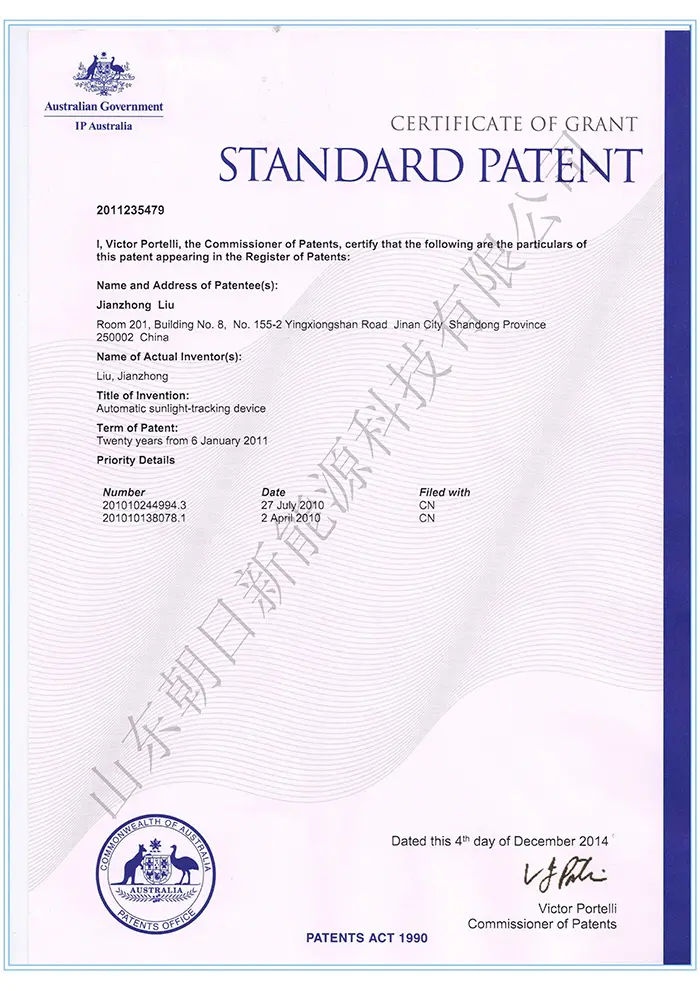
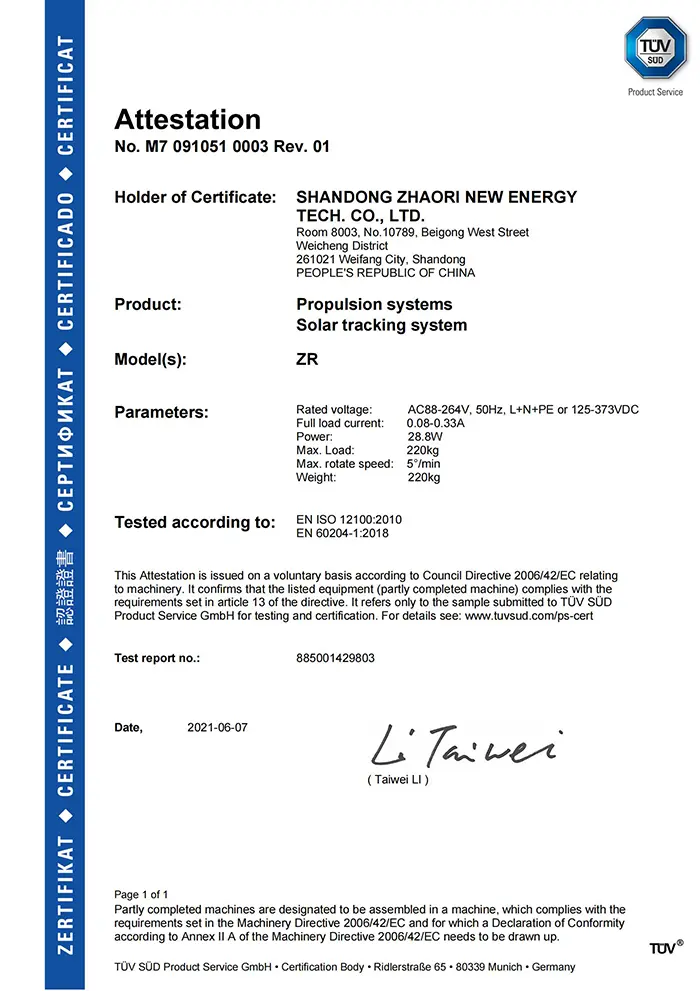
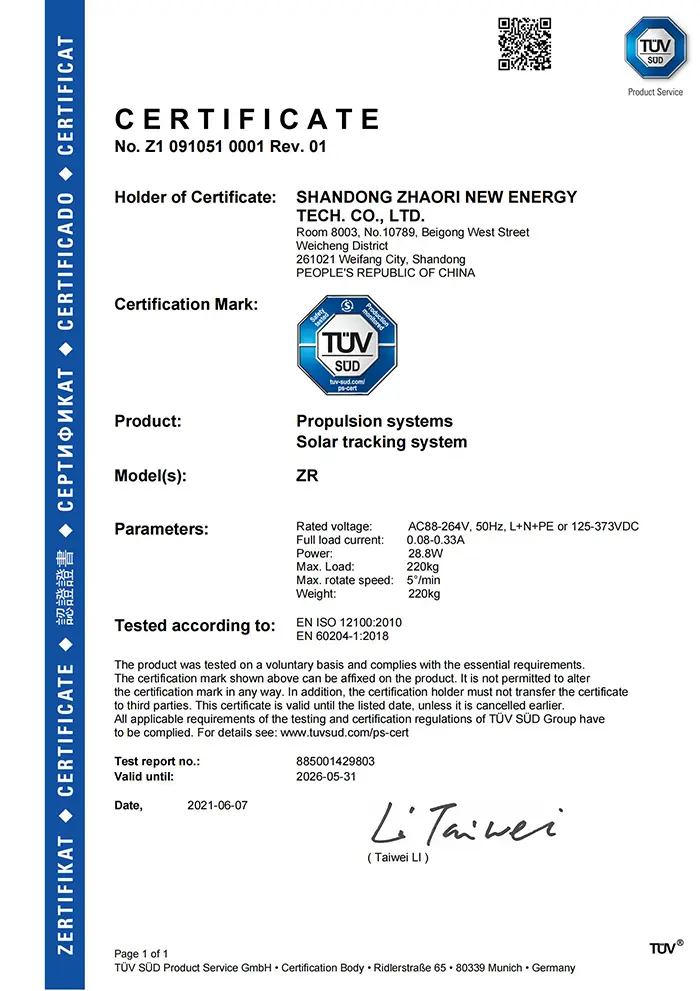
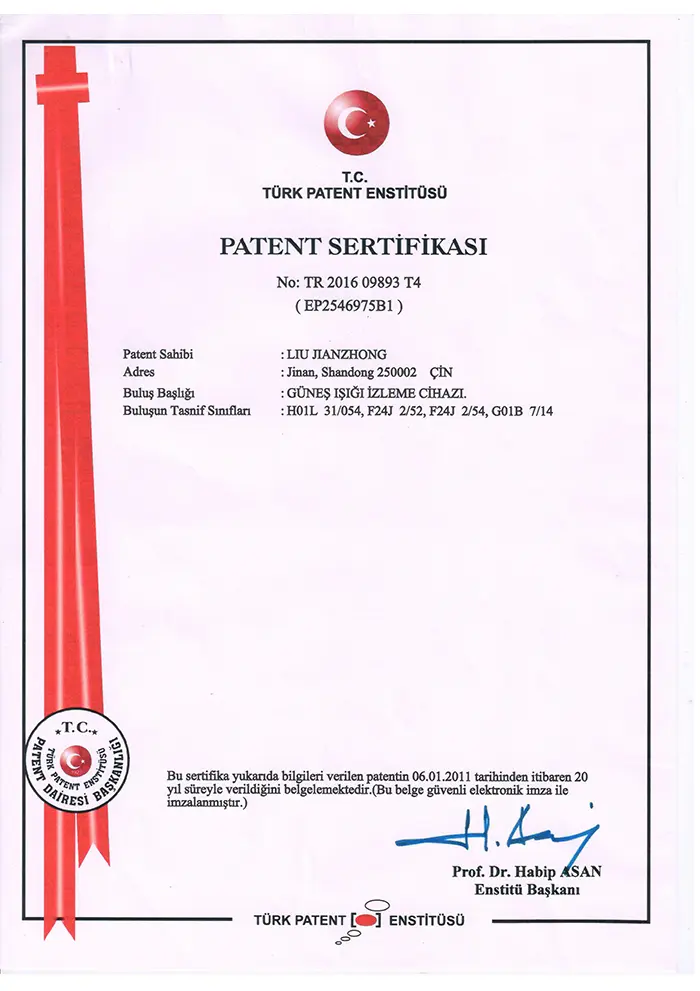
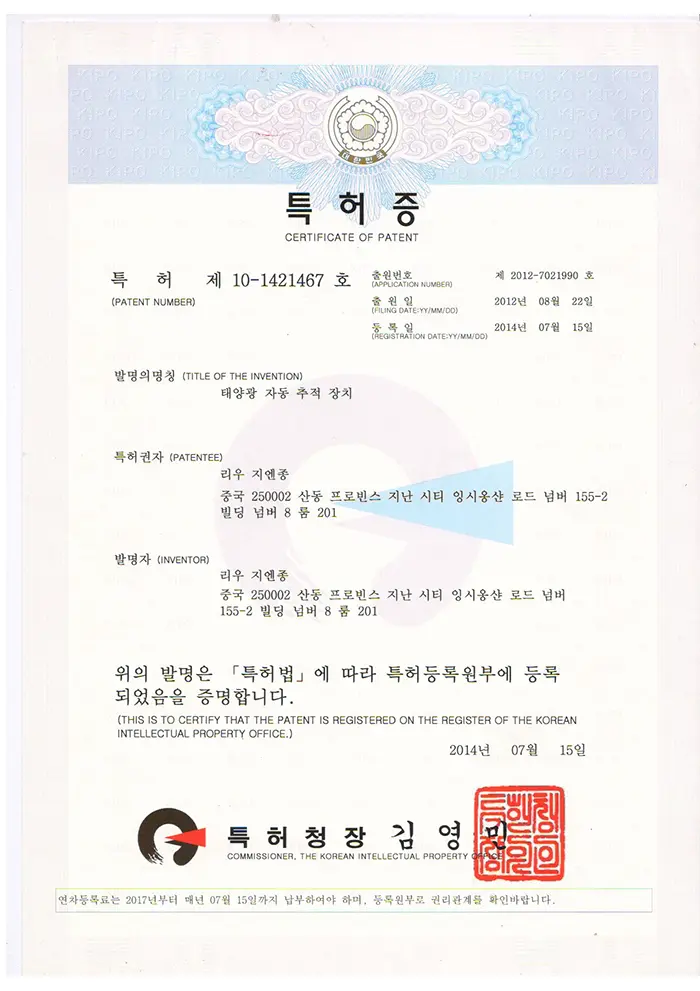
Our products carry the weight of global authority: TUV, CE, and ISO. We have secured patents in Europe, the US, Canada, Australia, Japan, South Korea, India, Brazil, and South Africa. This isn't just paper—it's your guarantee of bankability for large-scale utility projects.
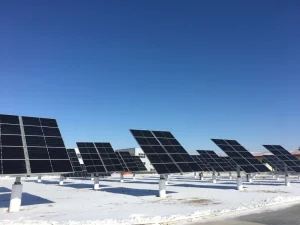
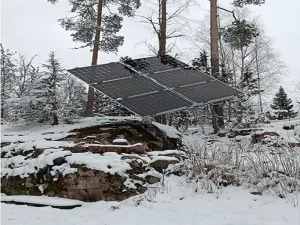
Whether it's the high-wind coastal regions of Thailand or the heavy snow loads of Northern China, our single-axis trackers are engineered for the local environment. We provide customized structural calculations to meet specific regional building codes and geological requirements.
Understanding the procurement needs of global enterprises, we provide professional operation and maintenance (O&M) manuals, remote technical support, and modular designs that simplify local installation, reducing the need for specialized on-site engineers.
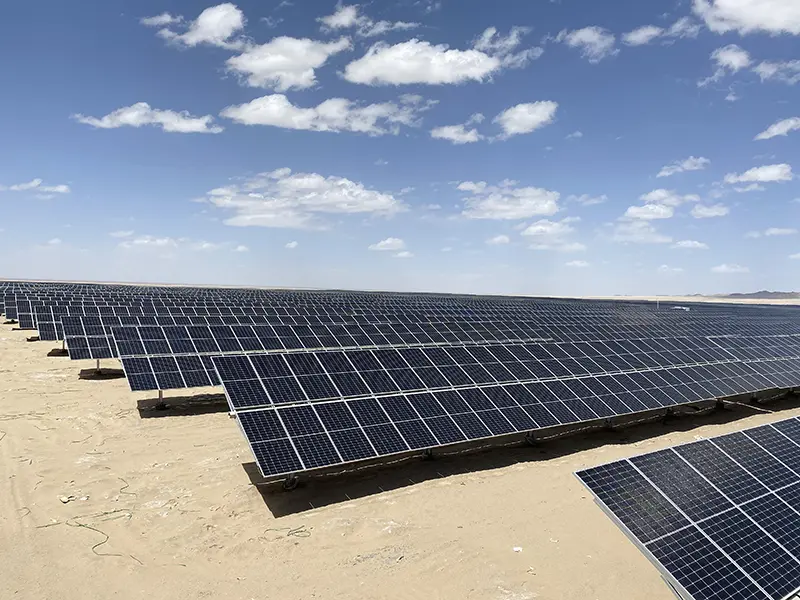
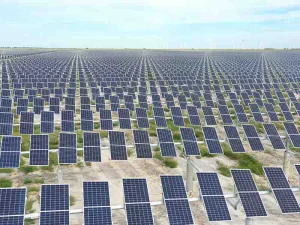
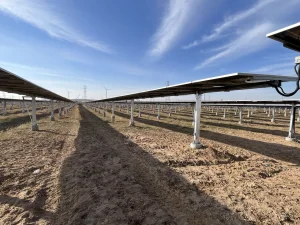
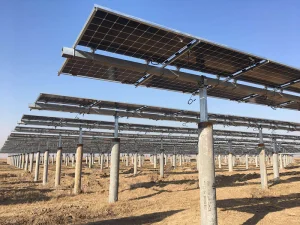
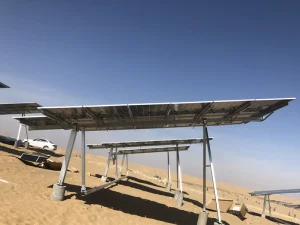
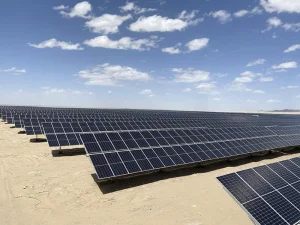
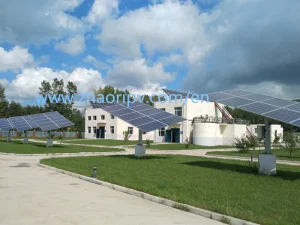
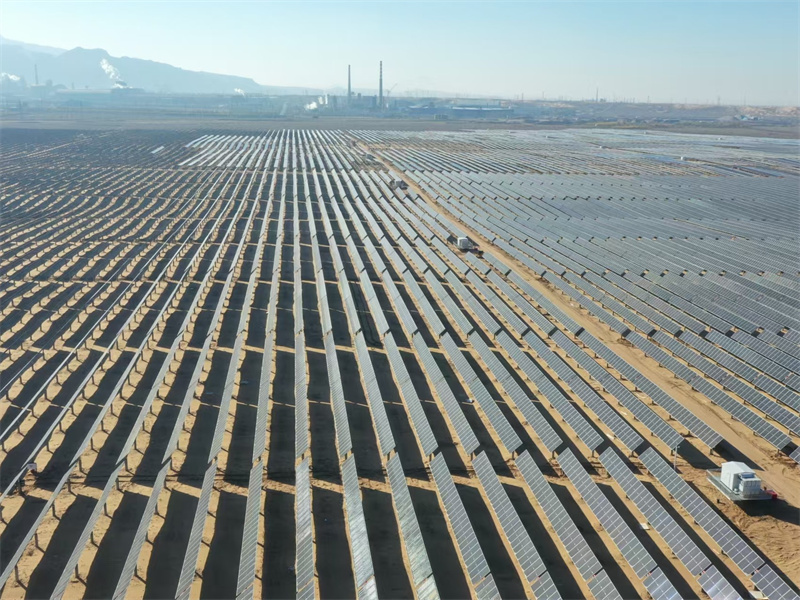
Optimized for dust resistance and high-temperature durability, our 20MW and 360MW desert projects showcase the stability of our single-axis systems in harsh terrains.
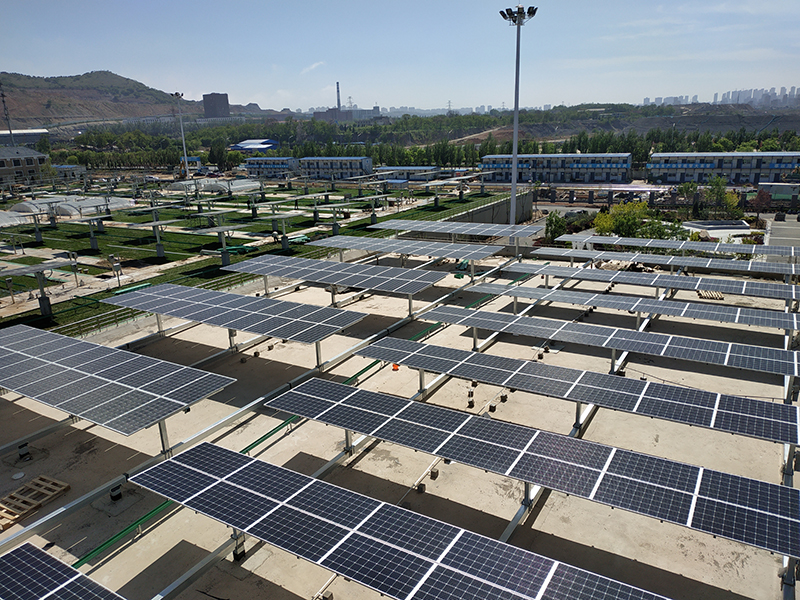
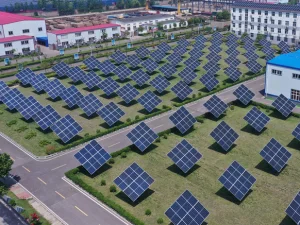
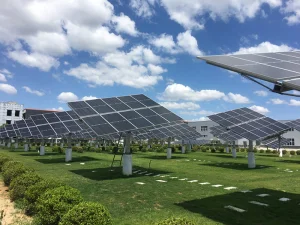
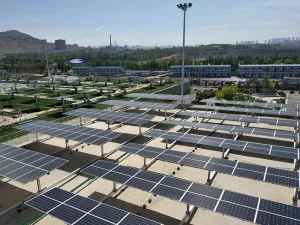
Lightweight single-axis trackers allow commercial buildings to maximize their rooftop real estate, providing a significantly higher ROI than static mounts.
Our single-row linked trackers provide enough clearance for agricultural machinery, allowing for dual use of land for both energy and food production.
A: Typically, a flat single-axis tracker provides a 15% to 25% gain. Our tilted single-axis systems (ZRT series) can achieve up to 30% gains depending on the latitude and solar irradiance of the site.
A: Our structures are designed to withstand winds up to 45m/s or higher based on project requirements. We utilize advanced CFD modeling and include automated stow-position triggers via wind sensors.
A: Absolutely. Our design minimizes shading on the rear side of the panels, maximizing the albedo effect. This "Information Gain" in design translates to a 5-8% additional yield when using bifacial modules.
A: Yes. We provide comprehensive installation videos, 3D manuals, and can send technical supervisors for large-scale utility projects over 50MW to ensure compliance and structural integrity.
A: Our "Simple, Reliable, Effective" principle ensures low maintenance. We recommend a simple inspection every 6 months and lubrication of mechanical joints once a year. The drive system is rated for a 25-year lifespan.
 Zhaori