Engineered for maximizing energy yields in utility, commercial, and residential projects.
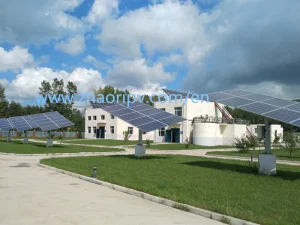
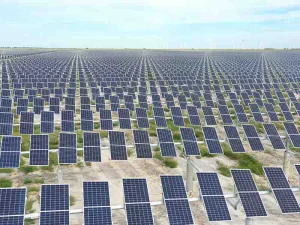
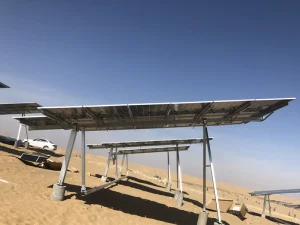
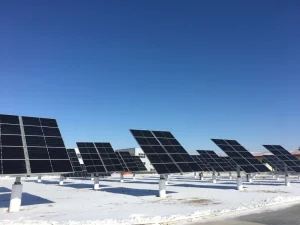
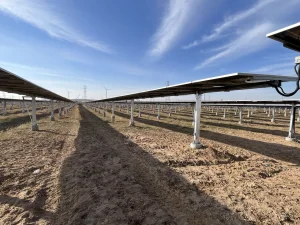
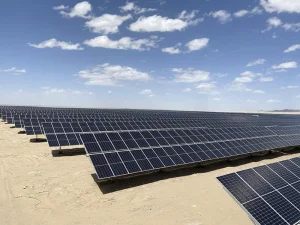
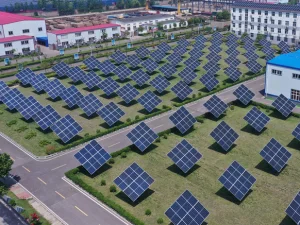
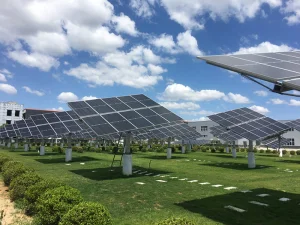
In B2B solar procurement, the query "Buy Home Made Solar Tracker Supplier & Pricelist" represents a distinct user search intent. While the term "home made" originally suggests DIY (do-it-yourself) residential projects, search data displays a significant pivot: enterprise decision-makers, commercial developers, and local installers use this phrasing to find modular, highly customizable, pre-fabricated tracker kits that combine the agility and cost-effectiveness of custom "homemade" designs with industrial-grade compliance, engineering, and factory-level warranty guarantees.
True energy independence and maximizing Return on Investment (ROI) cannot rely on fragile DIY welds. Commercial clients require structural integrity designed to withstand extreme wind, snow loading, and corrosive environments. By partnering with a specialized manufacturer like Shandong Zhaori New Energy Tech. Co., Ltd., EPC (Engineering, Procurement, and Construction) firms leverage industrial-scale manufacturing to purchase configurable systems that fit unique site criteria, backed by international safety and execution certifications.
Choosing the correct tracker architecture requires mapping geographic coordinates, ground slope, wind speed profiles, and local grid policies:
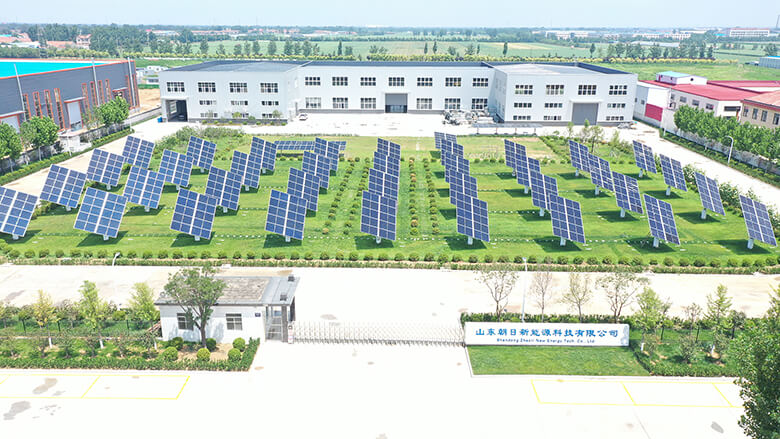
Founded in June 2012, Shandong Zhaori New Energy Tech. Co., Ltd. is a premier high-tech new energy pioneer specializing in proprietary photovoltaic tracking intellectual property. Over more than a decade of research, development, and engineering execution, we have structured our operations into 10 specialized departments, including R&D, Technical Engineering, Production, Quality Assurance, Global Trade, and Integrated Maintenance Services.
With a dedicated roster of more than 60 seasoned technological innovators, our engineering group concentrates exclusively on optimizing photovoltaic brackets and intelligent tracking controllers. We design tracking hardware that matches site-specific environmental conditions while maintaining structural simplicity and high mechanical reliability.
Our modern manufacturing facility spans an expansive 50,000 square meters. The plant integrates automated production machinery, including advanced CNC machine tools, high-speed fiber laser cutting systems, automatic welding robots, high-definition plasma cutting equipment, and dozens of dedicated assembly lines.
Supported by a workforce of over 300 skilled production technicians, our monthly output capacity reaches 500MW. Every component is monitored from raw material screening, cutting, precision welding, and forming, through to hot-dip galvanizing, quality inspection, and export packaging. All operations strictly adhere to international ISO quality management protocols.
How local engineering, material sourcing, and automation combine to optimize costs.
Located in Shandong, China's heavy industrial heartland, Zhaori New Energy maintains close relations with premier steel and metallurgical suppliers. This allows us to source structural Q235B and Q355B steel with trace element compliance at competitive rates, mitigating global market fluctuations.
By using automated welding robots and multi-axis CNC machines, we ensure tolerance control down to the millimeter. This precision guarantees fast mechanical assembly in the field, reducing construction labor costs and aligning with the "easy to deploy" appeal of custom setups.
All structural framework undergoes rigorous hot-dip galvanization (minimum coating thickness of 85 microns) in compliance with ASTM A123 standards. This provides over 25 years of corrosion resistance, protecting tracker components in saline coastal zones and arid desert regions.
Adaptability of Zhaori tracking systems to complex geography and climates.
Our trackers are designed to meet structural engineering requirements in different target markets. We focus on local compliance, wind speed ratings, and load testing:
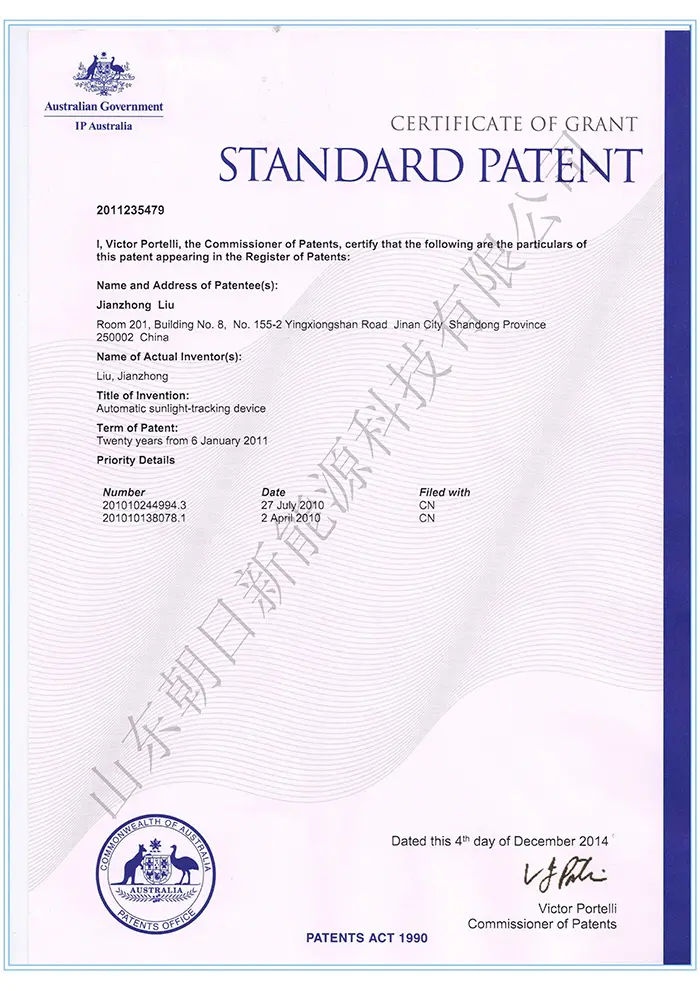
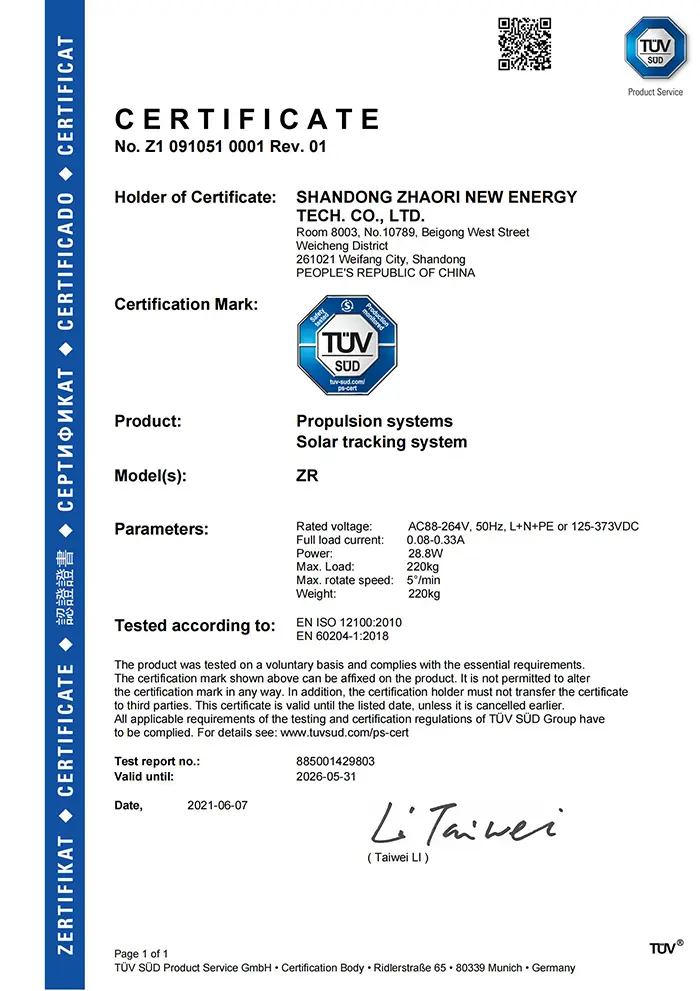
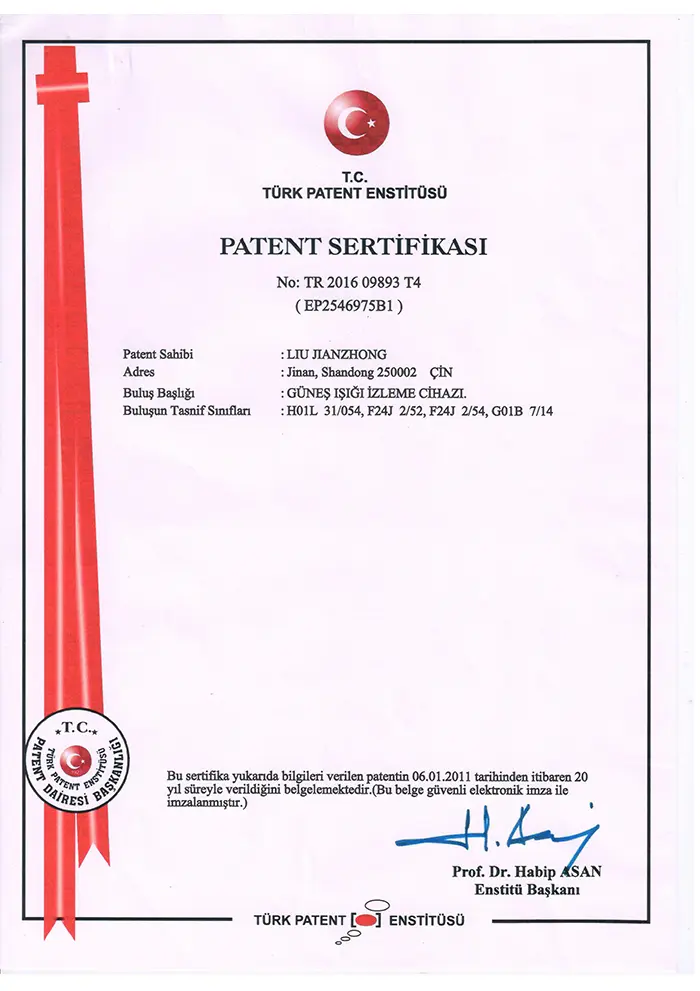
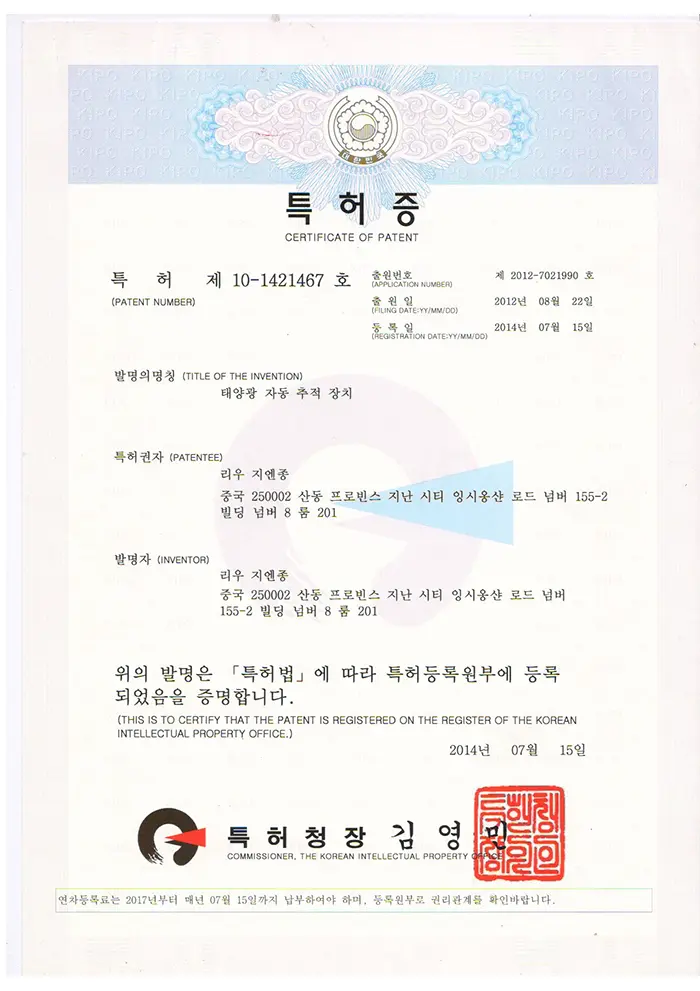
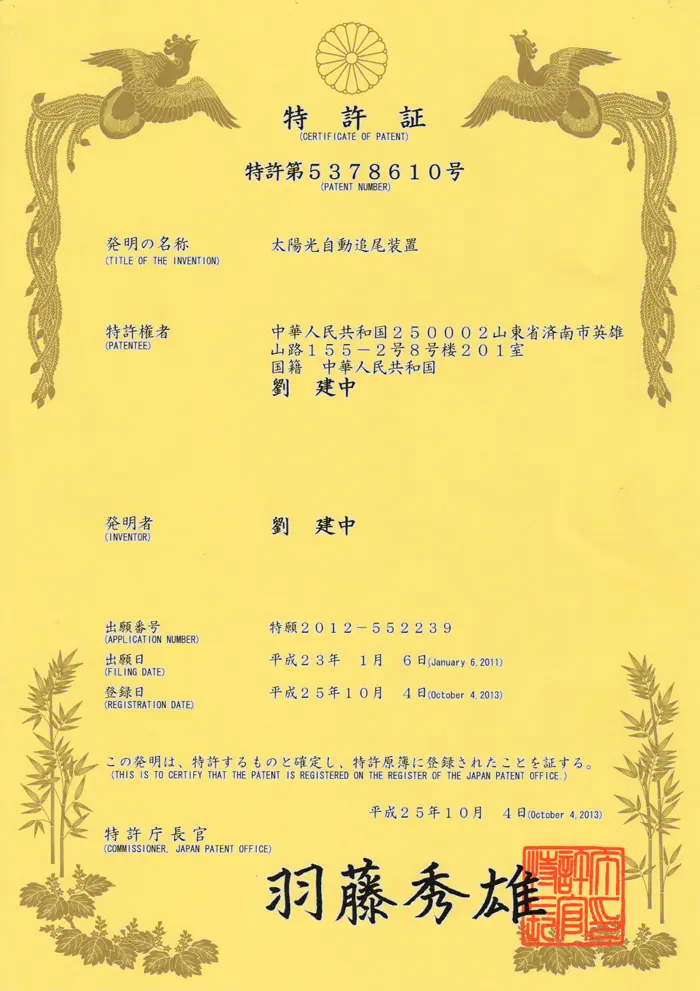
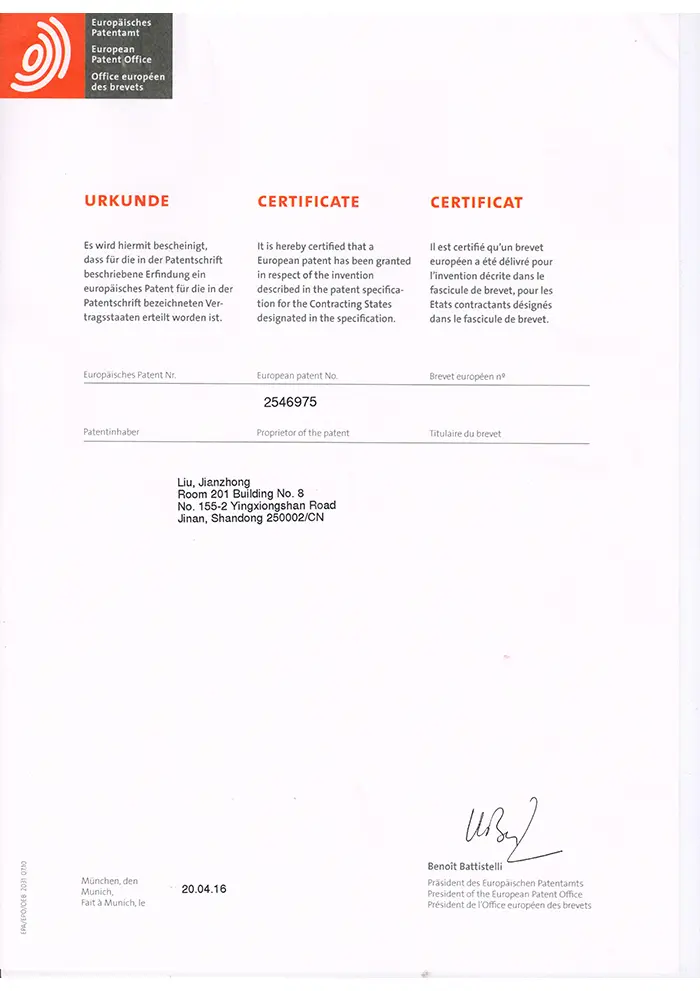
Our tracking systems hold patents globally, including in Europe, the United States, Canada, Australia, Japan, South Korea, India, and Brazil, alongside 8 Chinese National Invention Patents.

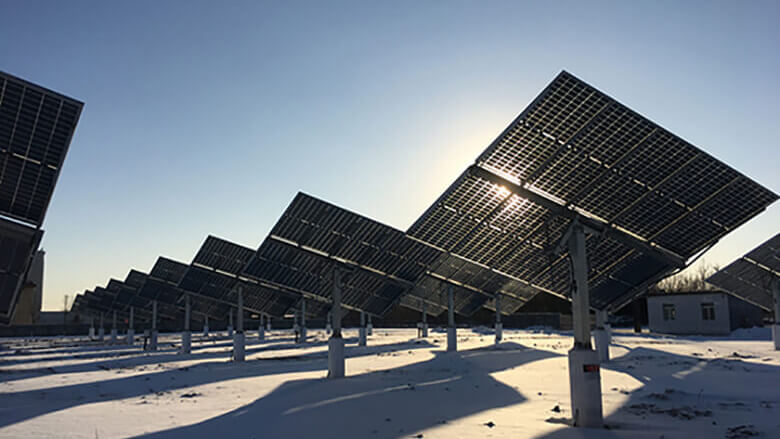
Explore our utility and commercial tracking system projects operating worldwide.
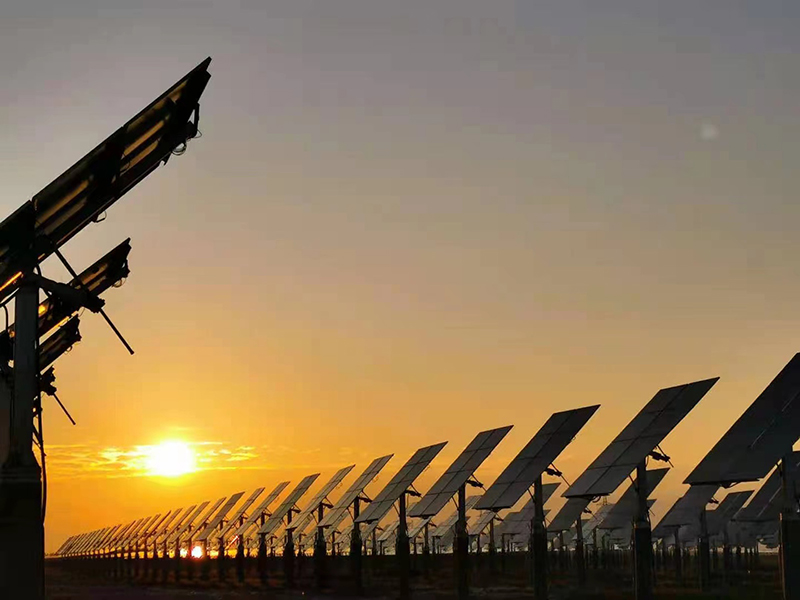
5MW Dual Axis Tracking System - North China
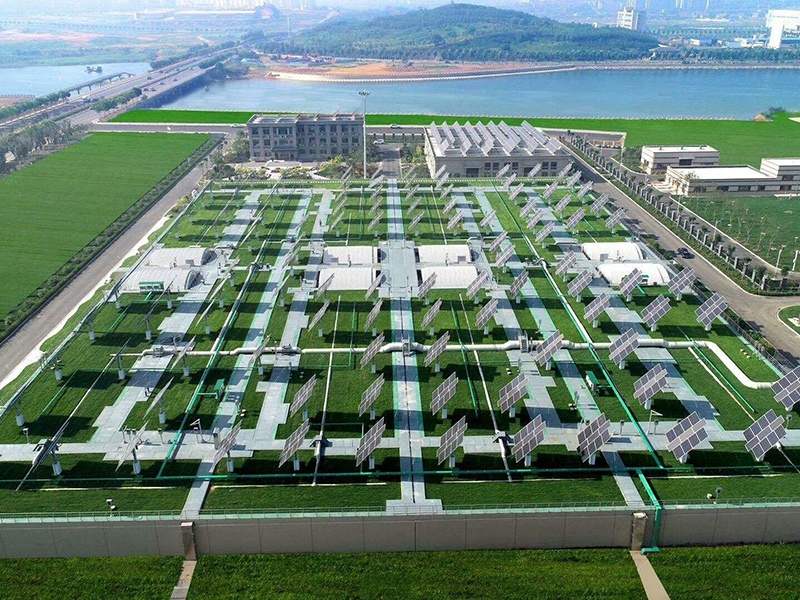
Commercial Factory Microgrid Project
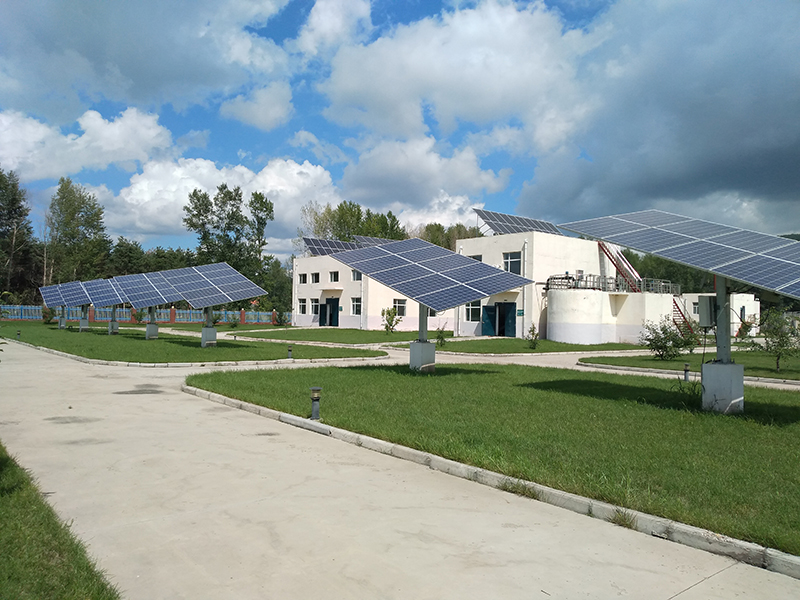
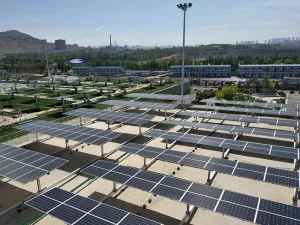
Municipal Green Belt Tracker Integration
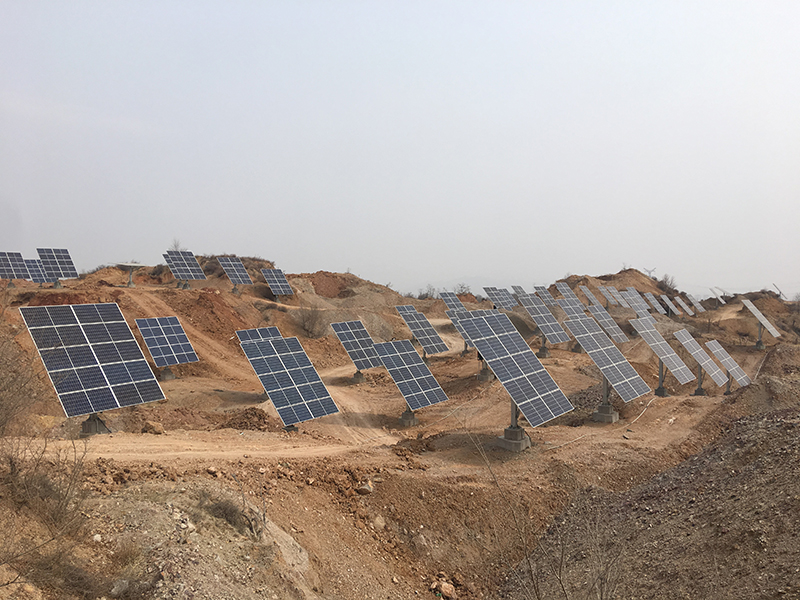
Mountain Slope Terrain Tracker Project
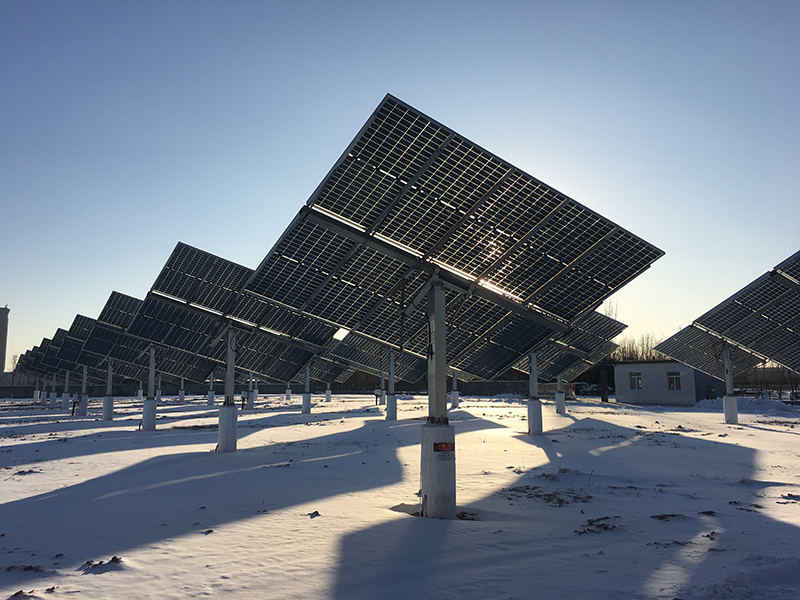
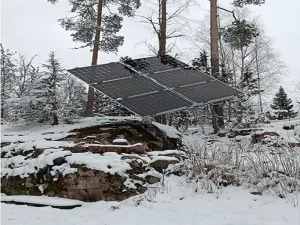
Cold Climate & Automated Snow Shedding Project
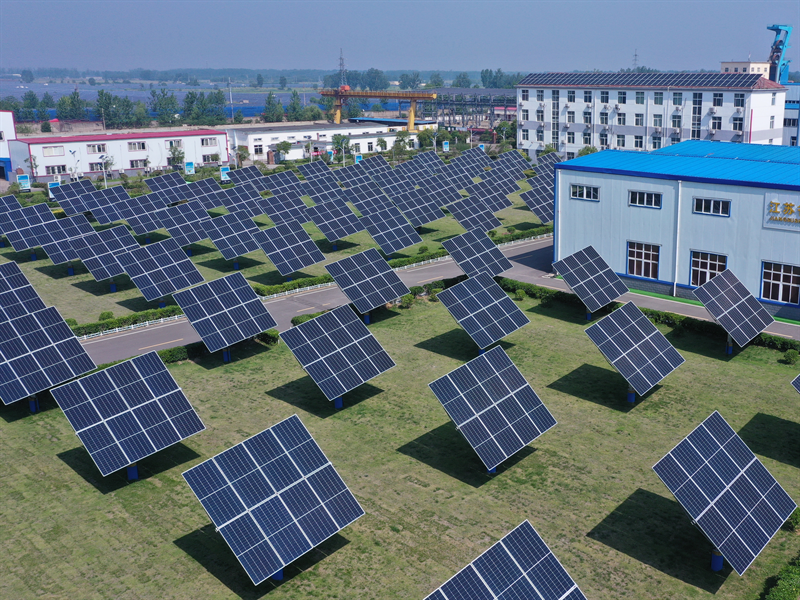
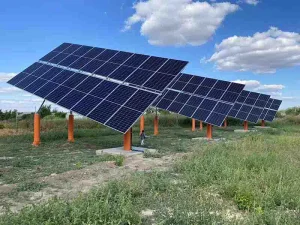
ZRD-08 Dual Axis Commercial Array
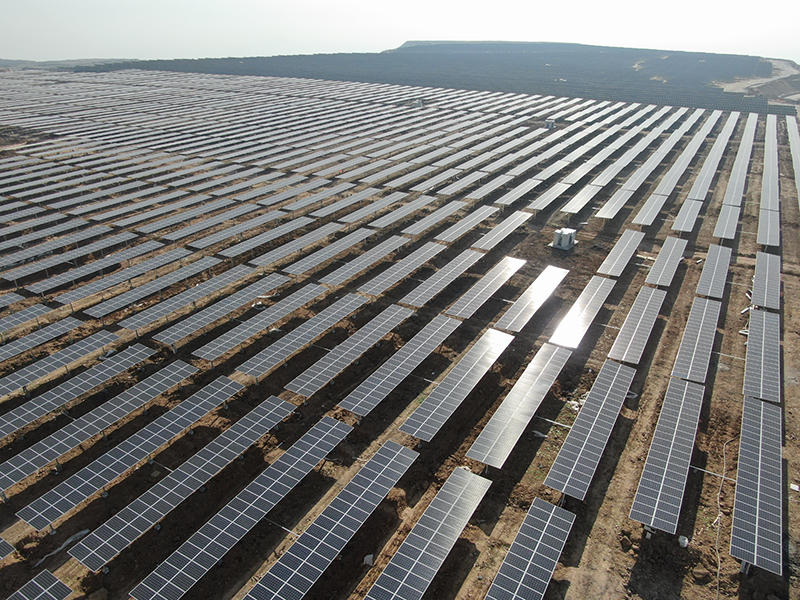
20MW Utility Plant - Central China
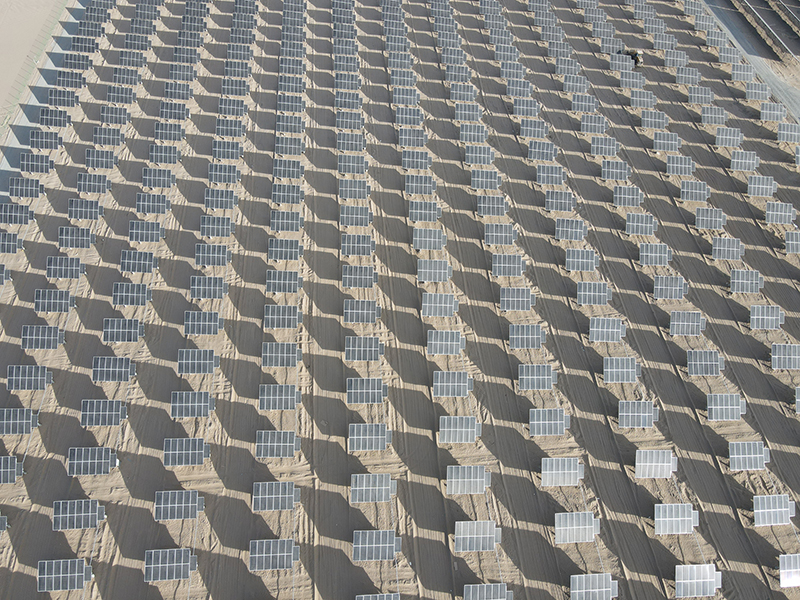
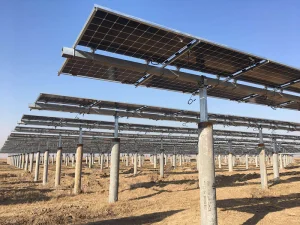
20MW Tilted Single Axis Tracker - Desert Terrain
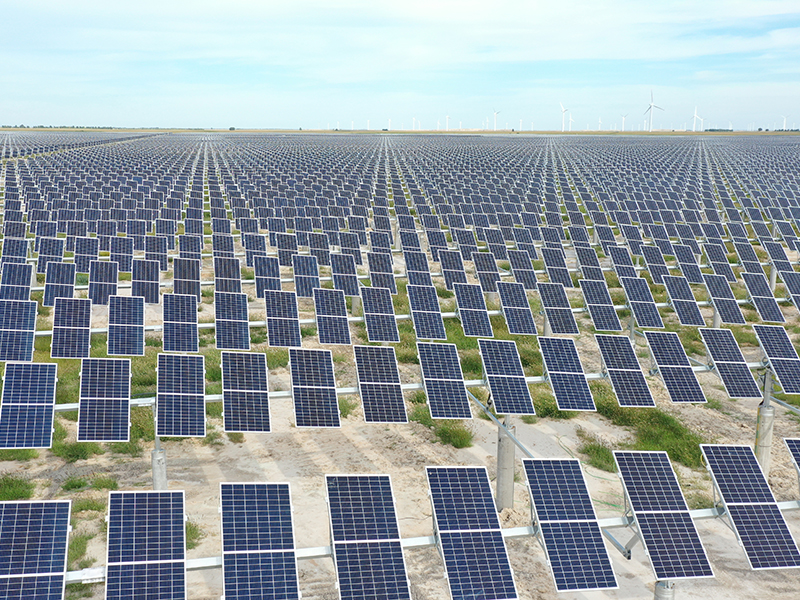
40MW ZRPT Flat Single Axis with Inclined Modules
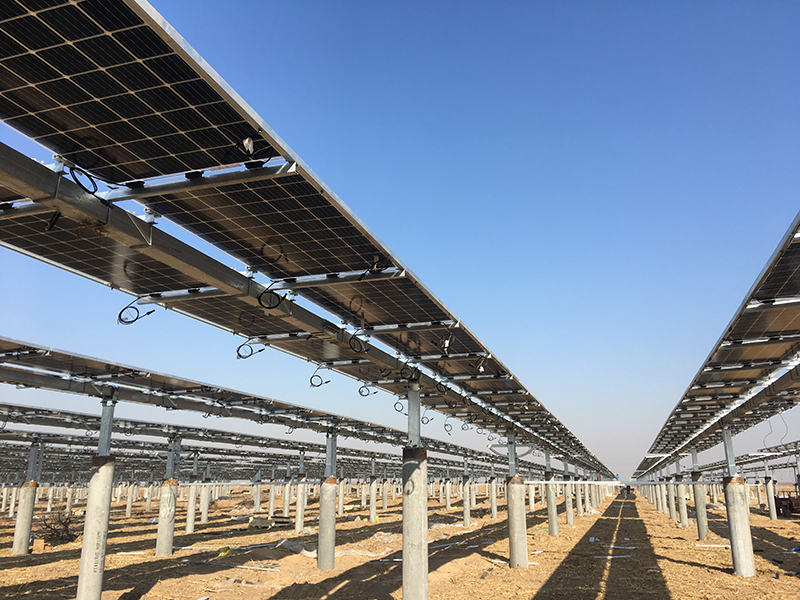
110MW Utility Project with Bifacial Modules
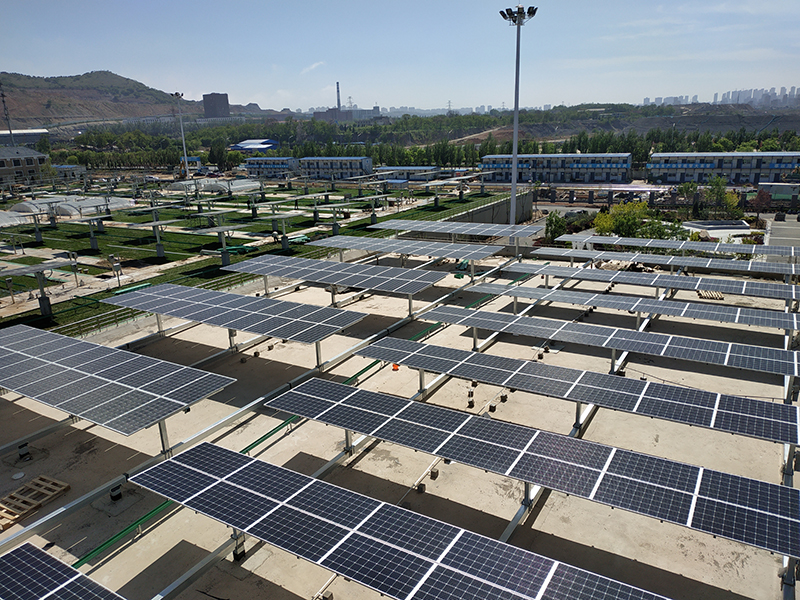
Distributed Generation Rooftop Project
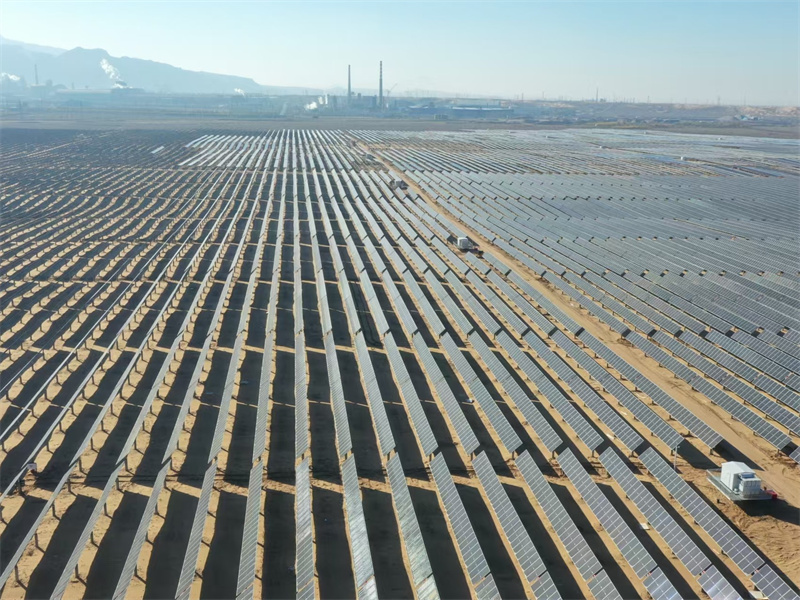
360MW Single Axis Utility Site - Desert Region
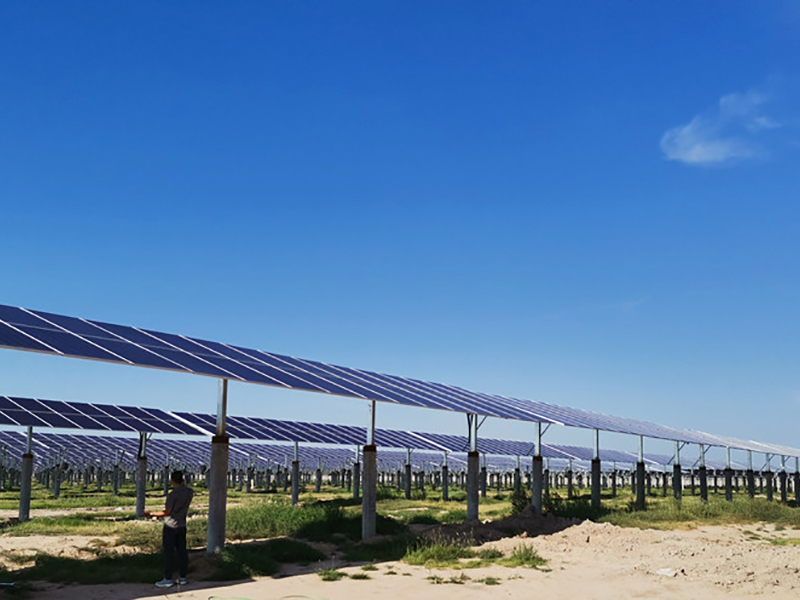
50MW SPIC Utility-Scale Installation
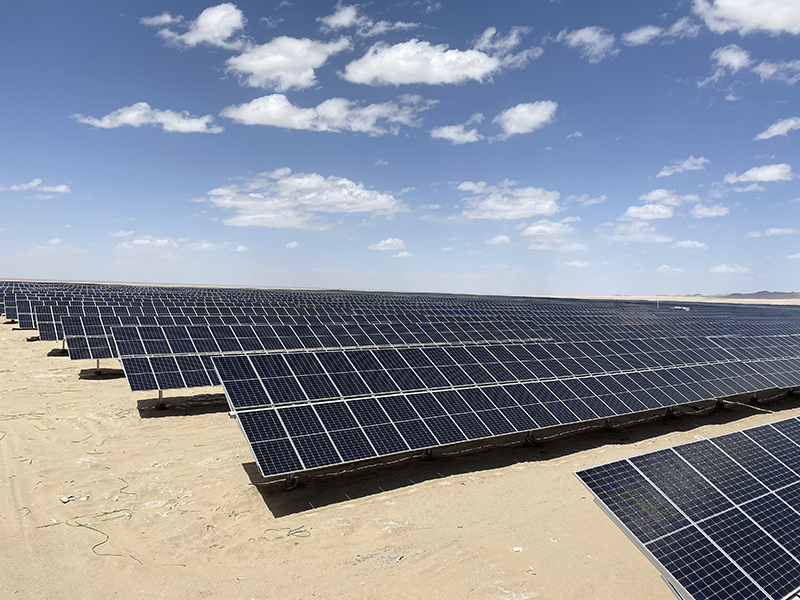
20MW Desert Power Station Project
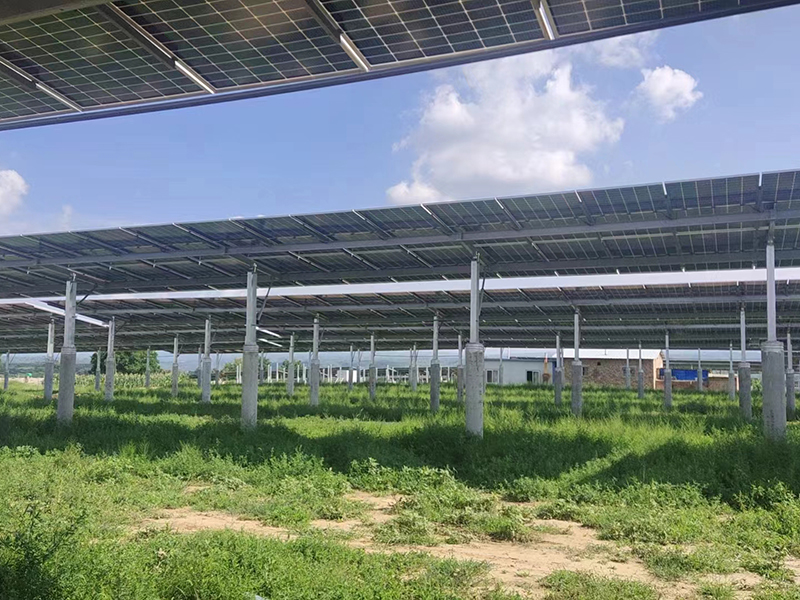
110MW Shanxi Grid Project (Adjustable Fixed Mounts)
Key variables affecting costs and the financial metrics of single and dual-axis systems.
Determining the cost of a tracker project involves assessing mechanical, electrical, and structural variables. A standardized per-watt pricing model helps developers budget accurately:
| Tracking System Model Type | Structure Configuration Range | Yield Multiplier Benefit | Approximate Price Range (USD/Watt) | Primary Terrain Fitment |
|---|---|---|---|---|
| Adjustable Fixed Bracket | 10 - 40 panels per row | +8% to +12% vs Fixed | $0.045 - $0.065 / W | Highly uneven terrains, sloped mountain hills |
| Flat Single Axis (ZRP 1P / 2P) | 10 - 60 panels per line | +15% to +25% vs Fixed | $0.075 - $0.110 / W | Broad flat spaces, low-latitude regions |
| Tilted Single Axis (ZRT Series) | 10 - 20 panels per group | +18% to +28% vs Fixed | $0.095 - $0.135 / W | Mid-to-high latitude plains with high snow profile |
| Dual Axis (ZRD-06 / ZRD-08 / ZRD-10) | Azimuth & altitude tracking | +30% to +40% vs Fixed | $0.150 - $0.220 / W | High DNI regions, commercial space constraints |
While dual-axis trackers require higher initial capital investment, their higher output helps amortize costs quickly in areas with high Direct Normal Irradiance (DNI). This shortens the payback period and increases long-term project IRR.
Watch our tracking installations operate under real-world conditions.
Common questions answered by our engineering and logistics teams.
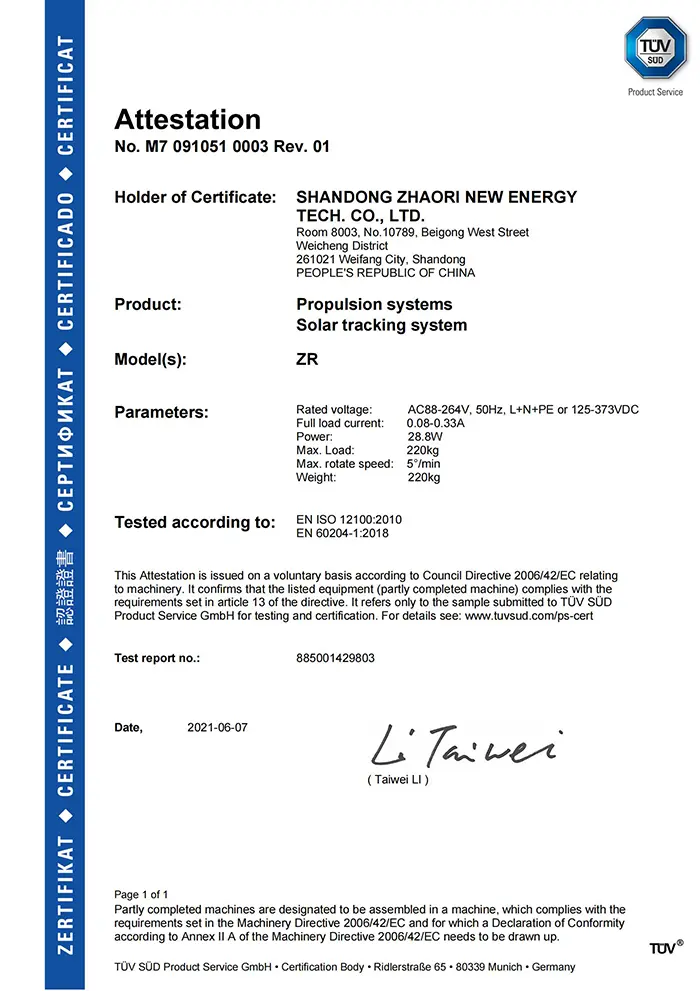
Our complete systems hold CE, TUV, and ISO quality management certifications. Structural steel fabrications comply with EN 1090 (EU structural steel execution) and AISC design criteria (US structural code). We design structural frames based on wind load reports from local engineers, matching target geographic codes.
With a monthly manufacturing output of 500MW, our facility can complete the production of a 50MW project in 10 to 15 days. Transport logistics from Qingdao port to regional hubs takes between 18 to 35 days, depending on destination port routing.
Our smart control units integrate wind sensor inputs. When wind speeds exceed preset safety limits (typically 20-22 m/s), the controllers command actuators to tilt the solar arrays into a low-drag horizontal stow position, reducing torsional load across the structural components.
Our tracking units utilize self-lubricating bearings and dust-sealed actuators, minimizing periodic maintenance. We recommend visual inspections of structural bolts and motor electrical connections every 12 months, along with cleaning the solar modules as needed based on local environment dust levels.
Compare configurations to find the best match for your project specifications.
 Zhaori