The global transition toward Levelized Cost of Energy (LCOE) optimization has positioned Single Axis Solar Tracking (SAT) as the dominant choice for utility-scale PV plants. Unlike fixed-tilt systems, modern SAT solutions leverage astronomical algorithms to increase energy yield by 15% to 30%. Currently, the Americas and EMEA regions are seeing record adoption rates as grid parity demands higher efficiency from every square meter of land.
From the arid deserts of the Middle East to the mountainous terrains of Southeast Asia, SAT systems are evolving. Single row (1P) and dual row (2P) configurations allow developers to maximize land use. Our systems are specifically engineered to withstand extreme wind loads and heavy snow, making them ideal for commercial utility projects that require a 25-year operational lifespan with minimal maintenance.
The integration of AI and machine learning is the next frontier. Smart tracking sensors now account for diffuse light during cloudy days, tilting modules to catch reflected irradiance rather than direct beam radiation alone. This "Information Gain" in tracking logic ensures that power generation remains steady even in sub-optimal weather conditions.
Shandong Zhaori New Energy Tech. Co., Ltd. is a high-tech and new energy company based on independent intellectual property rights. Founded in June 2012, we have established 10 specialized departments including R&D, engineering, and quality assurance. Our team of over 60 professional technology talents has focused on photovoltaic power stations and solar tracking technology for more than 10 years.
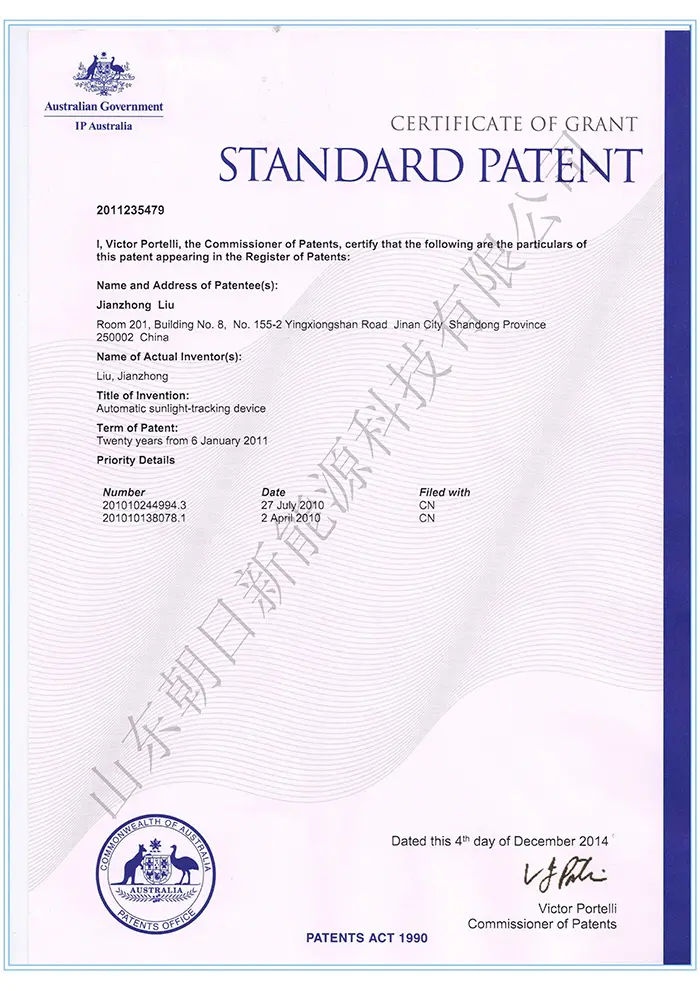
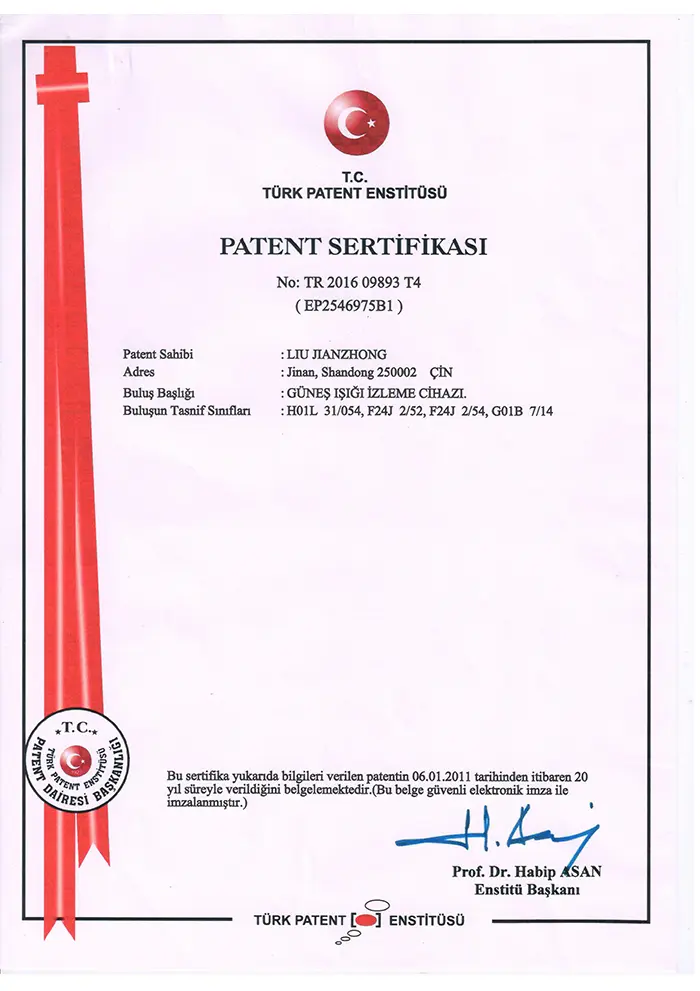
Our commitment to excellence is reflected in our global patent portfolio, covering the Europe Patent Office, United States, Canada, Australia, Japan, South Korea, Thailand, India, Brazil, and South Africa, alongside 8 Chinese National Invention Patents.
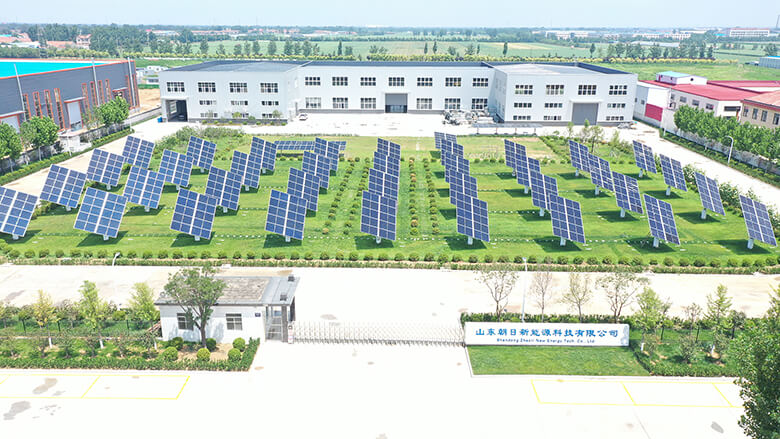
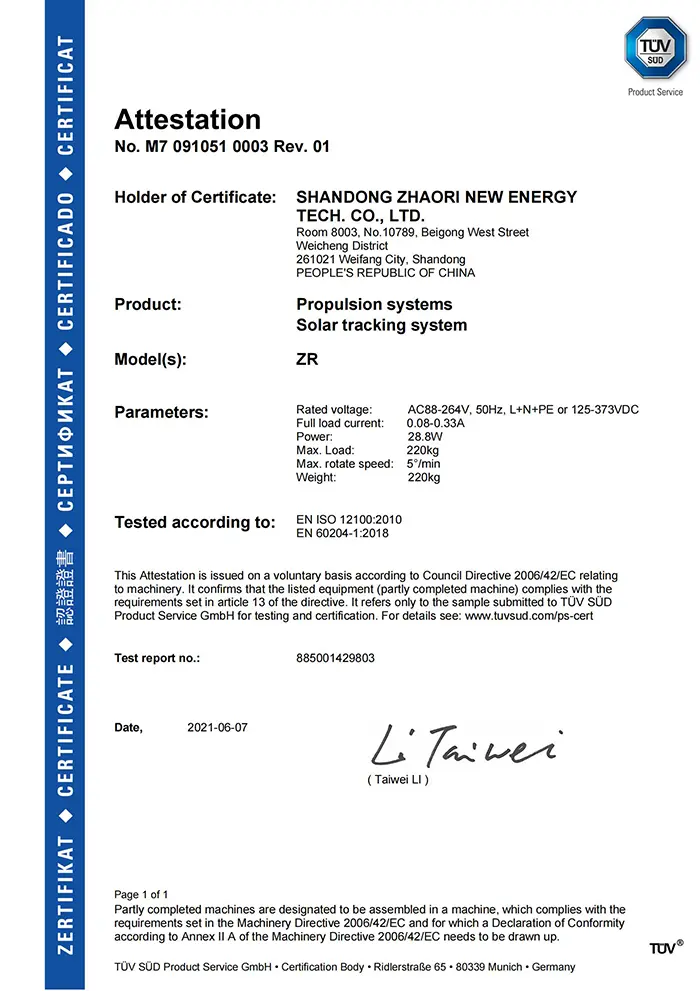
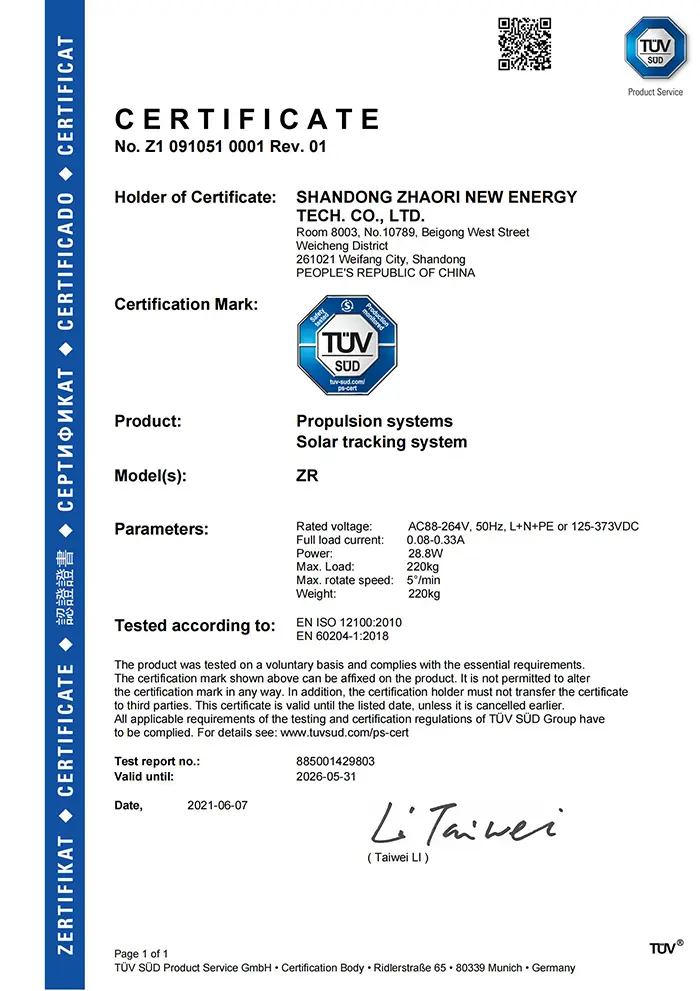
Our manufacturing facility utilizes advanced CNC machine tools, laser cutting machines, and automatic welding robots. We control the entire lifecycle of the product—from raw material screening to anti-rust treatment and final inspection. This vertical integration allows us to provide high-quality solar tracking quotes that are competitive on a global scale while maintaining TUV, CE, and ISO certifications.
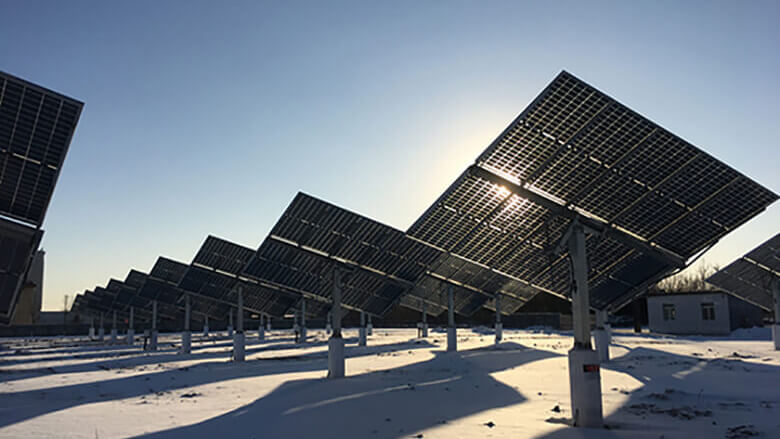
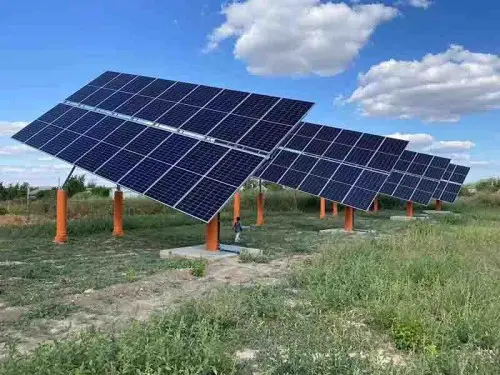
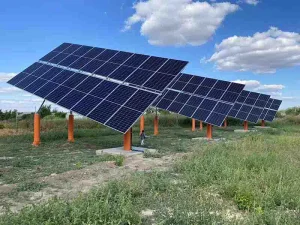
Features a tilted axis (10°– 30°) tracking the sun's azimuth. Each set mounts 10–20 panels, increasing power generation by 15% – 25% compared to fixed structures.
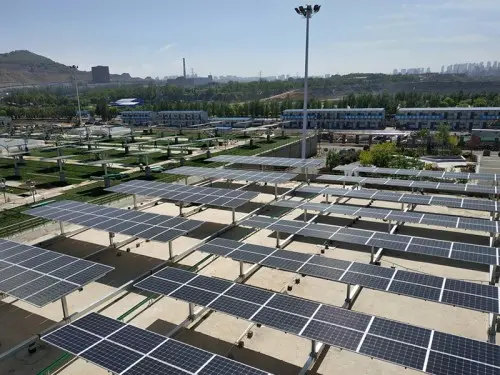
Designed for large-scale arrays, mounting 10–60 panels per set. Offers a production gain of 15% to 30%. Ideal for bifacial module integration.
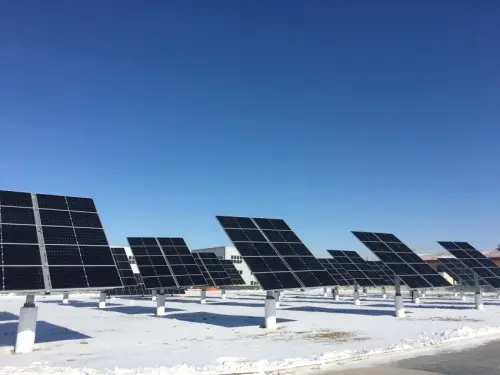
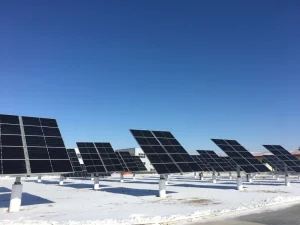
The ultimate in solar harvesting. By tracking both azimuth and altitude, the ZRD-10 ensures the panels are always perpendicular to the sun's rays for maximum yield.
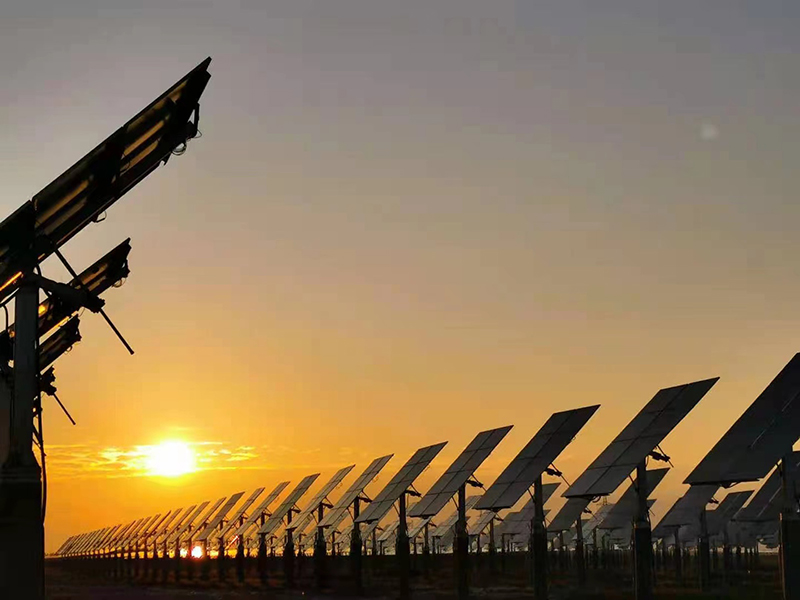
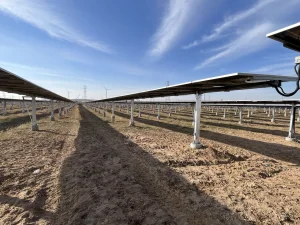
5MW Project in North China
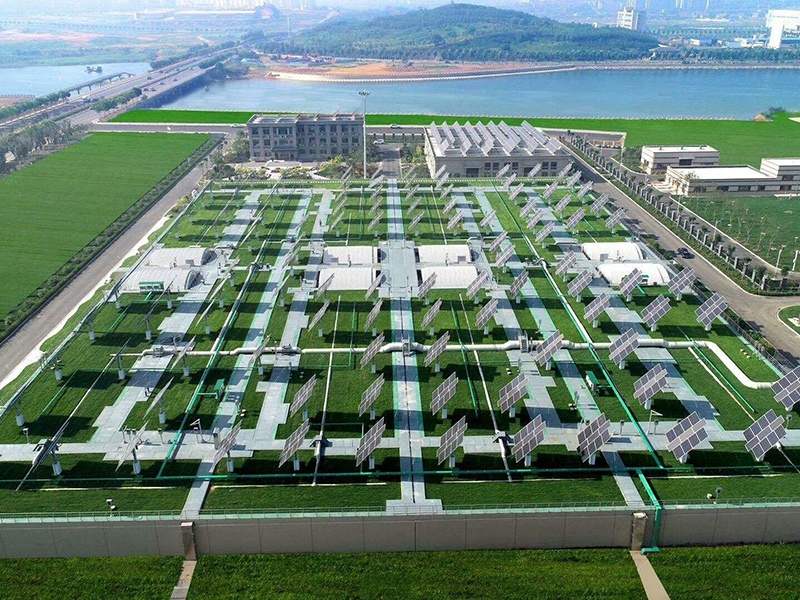
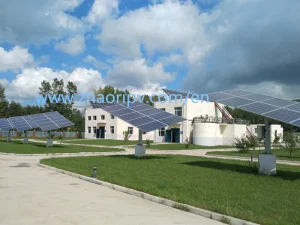
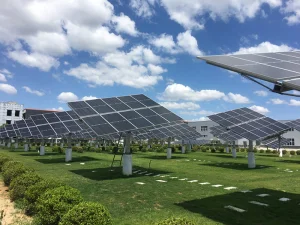
Industrial Rooftop SAT System
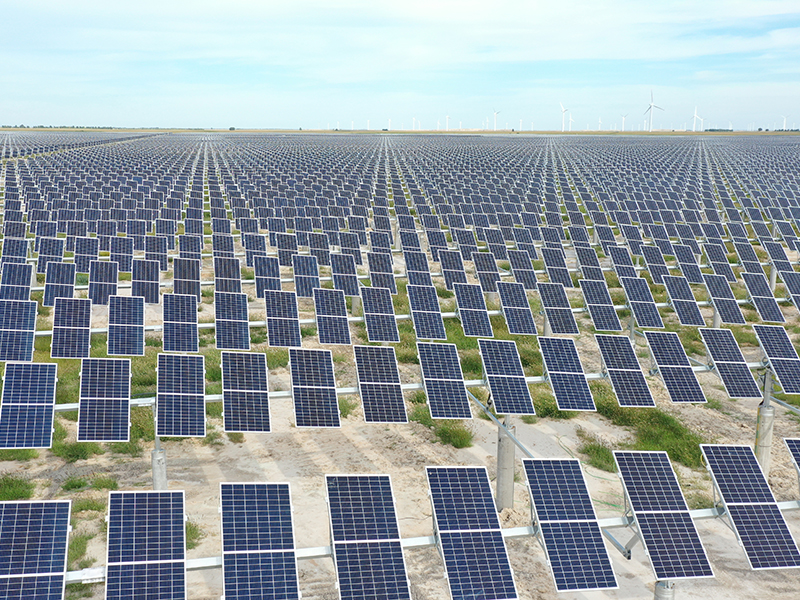
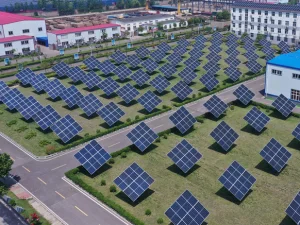
40MW Flat Single Axis Array
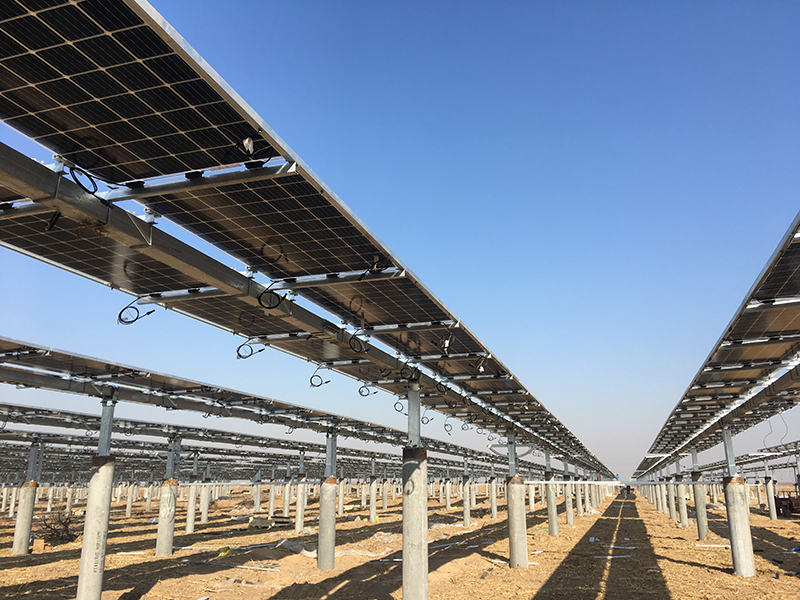
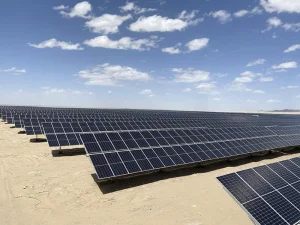
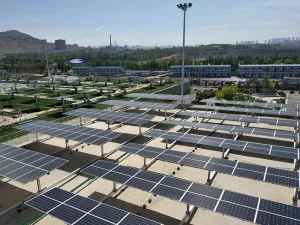
110MW Bifacial Module Site
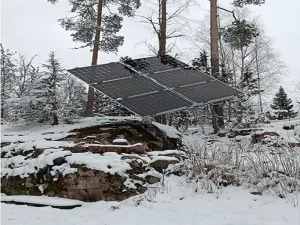
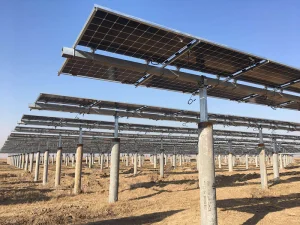
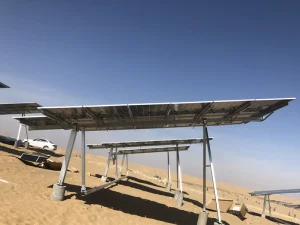
Our solutions have been successfully deployed in desert environments (20MW and 360MW projects), mountain regions, and snowy climates, proving the reliability of our "Simple, Reliable, Effective" design principle.
When requesting Single Axis Solar Tracking quotes, stakeholders must look beyond the initial CAPEX. The real value lies in the reduction of OPEX and the increase in energy harvest. A 20% gain in yield over 25 years significantly outweighs a 5% saving in initial hardware costs. Our Zhaori systems are designed for high durability with lower maintenance requirements, ensuring the highest net present value (NPV) for your energy asset.
Global procurement teams prioritize bankability. With patents in major global markets and TUV certification, Zhaori products meet the stringent requirements of international financiers and insurers. We provide comprehensive data for PVSyst modeling, allowing engineers to accurately predict performance gains before the first pile is driven into the ground.
The industry is moving toward Self-Powered Trackers and Wireless Control. By eliminating the need for extensive communication cabling and external power sources, we reduce installation time and material costs. Furthermore, the synergy between bifacial modules and single-axis trackers is becoming the gold standard, as trackers can optimize the rear-side irradiance by managing the tilt angle and height above the ground.
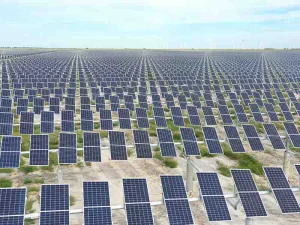
353MW Desert Utility Scale Project
Automated Tracking Mechanism in Action
High-Yield Dual Axis Implementation


 Zhaori