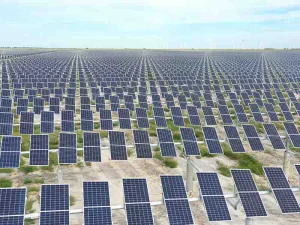
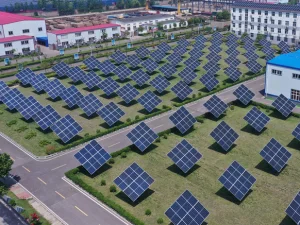
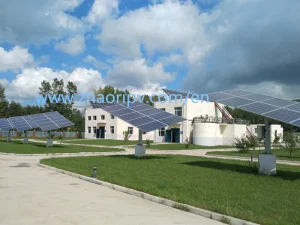
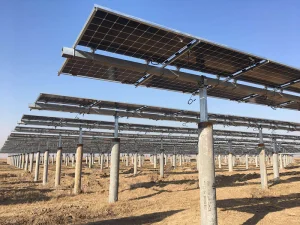
The global solar tracker market is undergoing a paradigm shift. As utility-scale projects demand higher efficiency, the shift from fixed-tilt to dynamic tracking has become the industry standard. Our data shows that modern tracking systems can increase energy yield by 15% to 35% depending on geographical latitude.
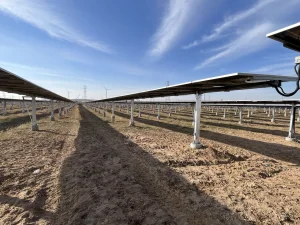
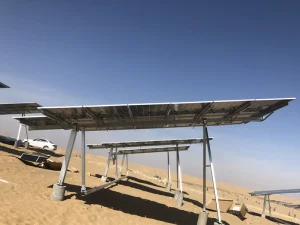
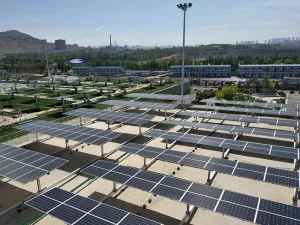
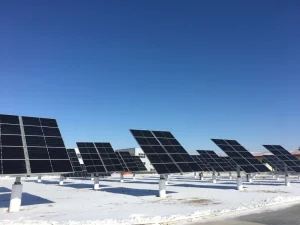
From the arid deserts of the Middle East to the snowy plains of Northern China, solar trackers are being optimized for extreme environments. Leading factories are now integrating AI-driven backtracking algorithms to mitigate shading losses in complex terrains.
The future lies in bifacial compatibility and wireless control. By combining bifacial modules with single-axis trackers, the "albedo effect" further boosts gain. Our R&D focuses on making systems simpler, more reliable, and more effective.
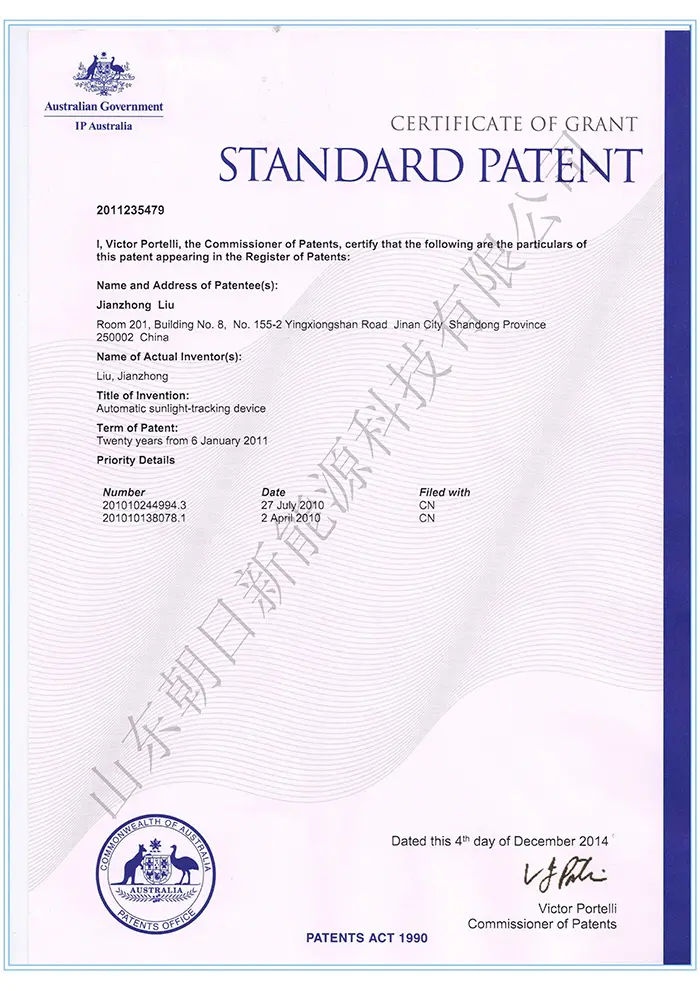
Shandong Zhaori New Energy Tech. Co., Ltd. is a high-tech and new energy company based on independent intellectual property rights. Founded in June 2012, we have established ourselves as a global leader in photovoltaic tracking technology.
With 10 specialized departments—including R&D, Technical, Engineering, and Quality Assurance—our team of over 60 professional technology talents focuses on PV power stations and solar tracking technology for more than 10 years.
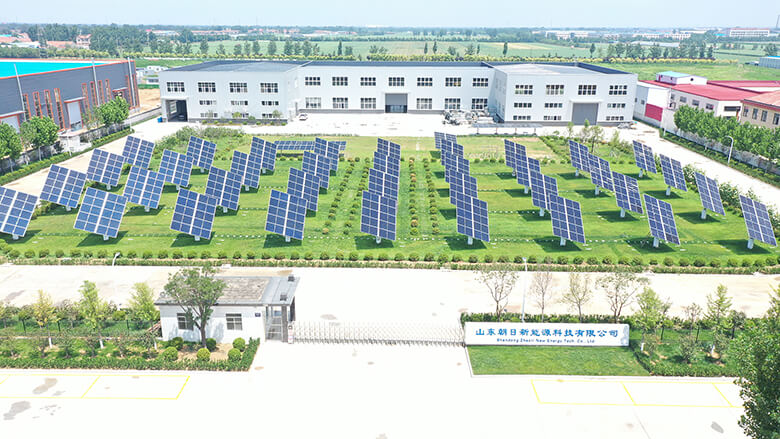
Our factory covers an area of 50,000 square meters, equipped with advanced CNC machine tools, laser cutting machines, automatic welding robots, and plasma machines. With over 300 production workers, we ensure a robust supply chain for global projects.
Our production process involves strict quality control at every stage: Raw Material Screening → Cutting → Welding → Forming → Anti-rust Treatment → Post-processing → Inspection → Packaging.
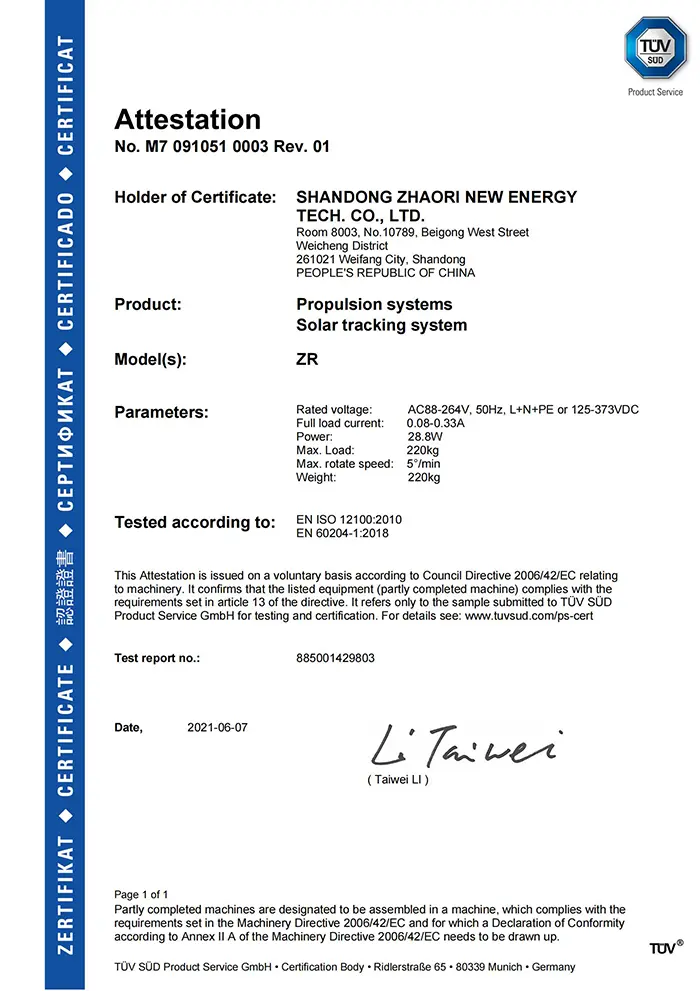
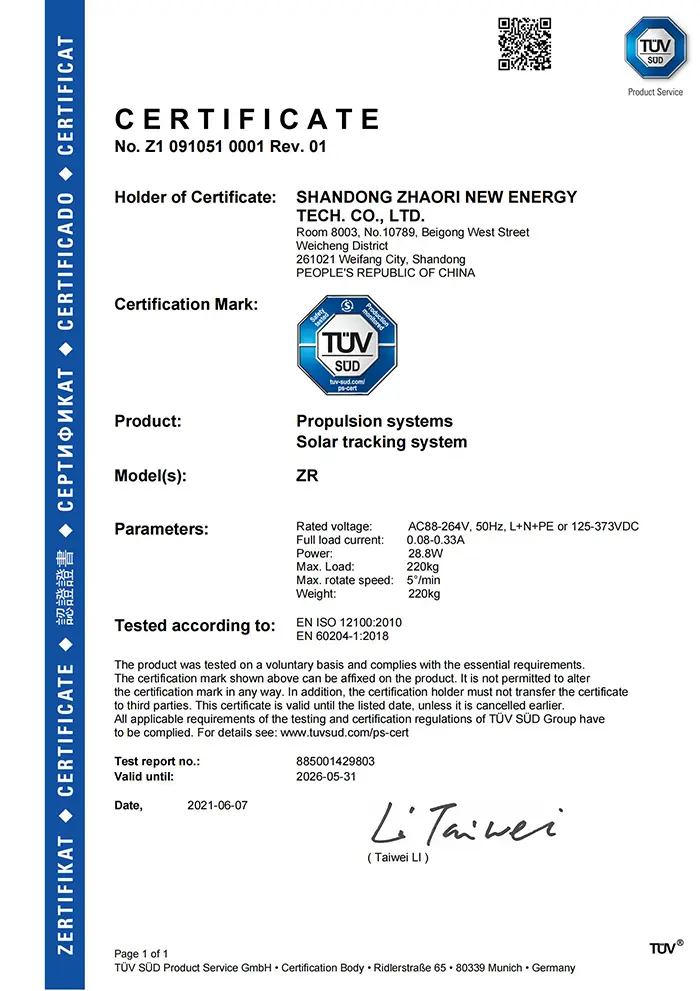
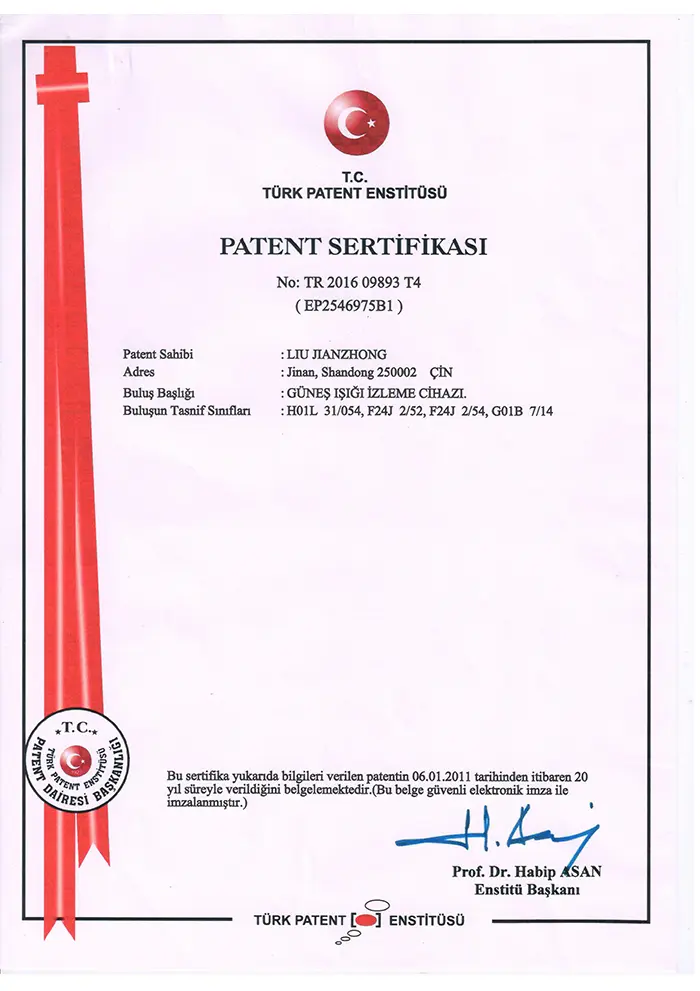
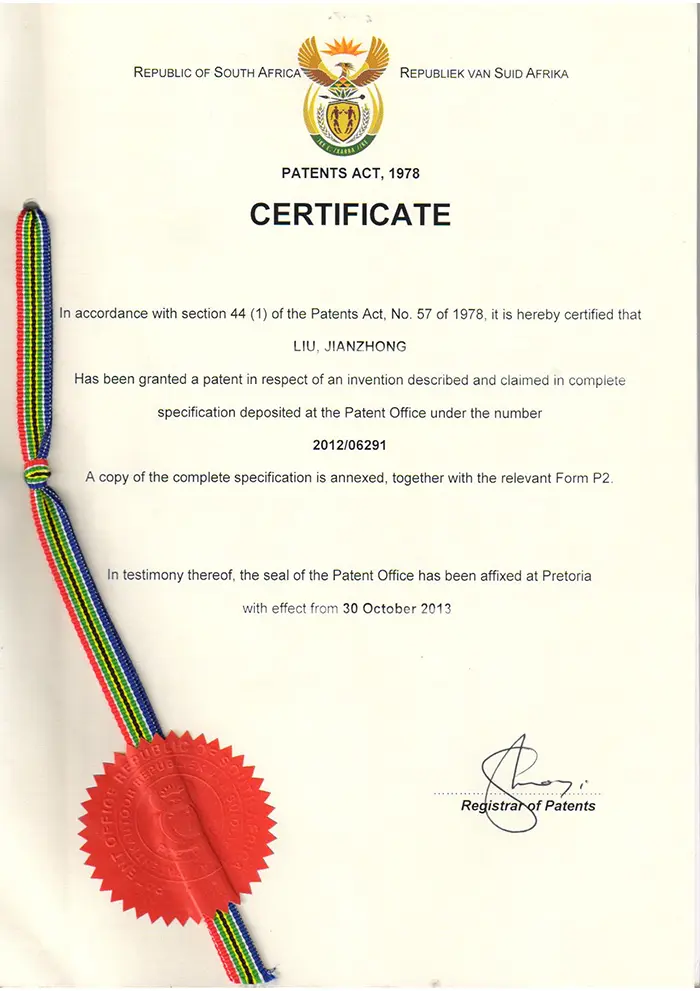
We strictly adhere to ISO management systems, holding TUV and CE certifications to ensure reliability in the harshest conditions.
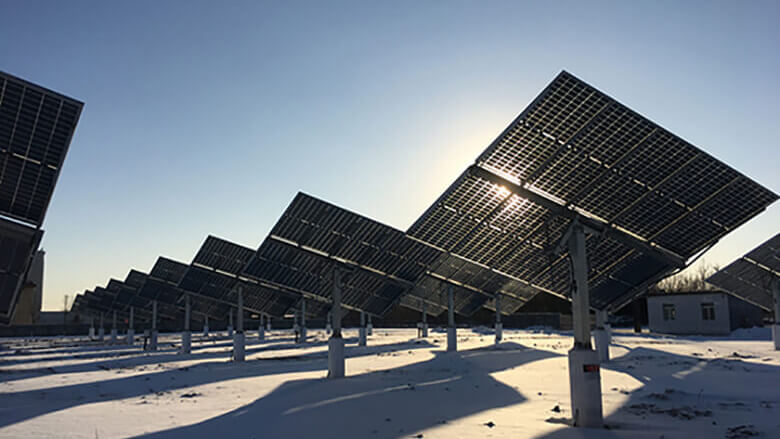
Choosing the right tracking system requires understanding the trade-off between mechanical complexity and energy gain. As a leading exporter, we provide solutions across the entire technical spectrum.
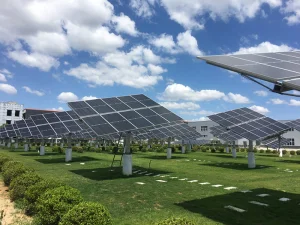
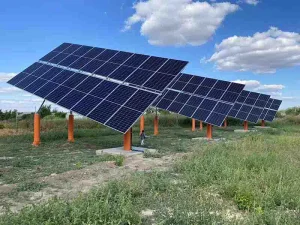
The gold standard for efficiency. By tracking both the azimuth and altitude angles, the ZRD-08 and ZRD-10 systems ensure panels are always perpendicular to the sun's rays. This is ideal for high-latitude regions and concentrated PV applications.
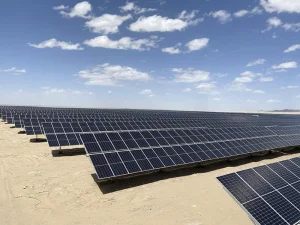
The most cost-effective solution for large-scale utility projects. Available in flat or tilted configurations (10°– 30°), these systems track the sun's daily path from east to west.
For regions with predictable seasonal shifts, manual adjustable systems offer a balance of low cost and improved performance by changing the tilt 4-6 times per year.
Our experience spans across diverse topographies and climates. Each environment presents unique challenges that we solve through custom engineering.
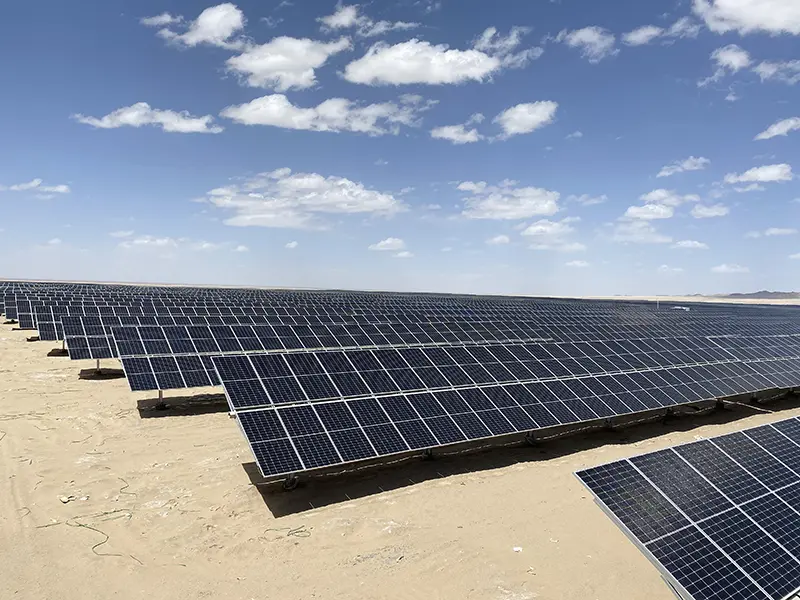
In high-dust environments like the Middle East, our trackers include automated "sand-cleaning mode" positions and high-grade seals for drive units.
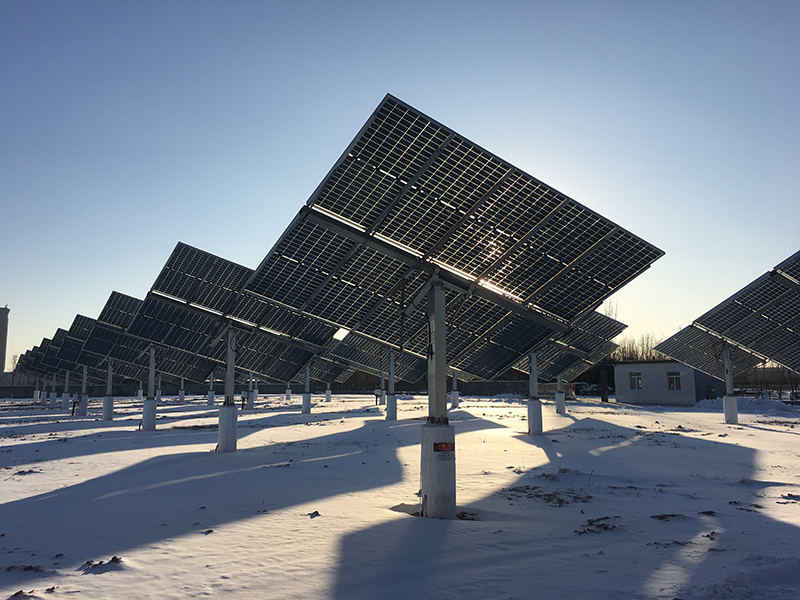
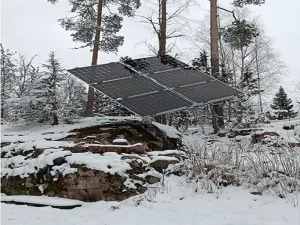
For projects in Northern Europe or Canada, our systems feature a "Snow Shed" mode, tilting panels to maximum angles to prevent structural damage from snow accumulation.
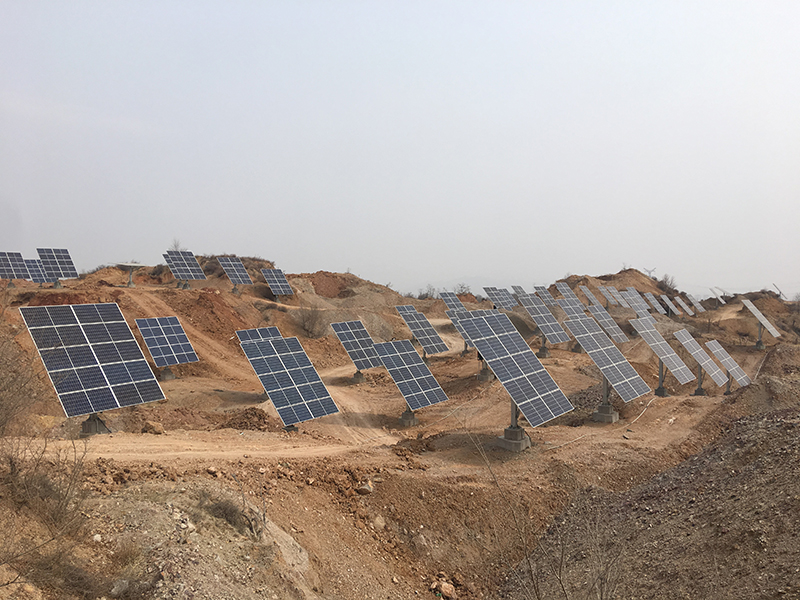
Using independent row tracking, we allow for North-South and East-West slope adaptability, reducing the need for expensive land leveling.

Dual Axis trackers (like our ZRD-08/10) offer up to 40% energy gain by maintaining a 90-degree angle to the sun throughout the day and seasons. Single axis trackers are more economical for large-scale utility projects but offer slightly less gain (approx 20-25%).
Our systems are equipped with smart wind sensors. When wind speeds exceed the safety threshold, the system automatically triggers "Stow Mode," positioning the modules horizontally to minimize wind resistance.
Yes. Our Single Axis trackers (2P and 1P designs) are specifically engineered to avoid shading the rear side of bifacial modules, maximizing the albedo effect energy gain.
While the initial CAPEX is higher than fixed systems, the 20% to 35% increase in annual energy production typically results in a shorter Levelized Cost of Energy (LCOE) and a faster ROI of 3-5 years depending on local electricity rates.
 Zhaori