Explore our engineering portfolio featuring high-yield single-axis and dual-axis solar tracking arrays designed for robust global utility applications.






Founded in June 2012, Shandong Zhaori New Energy Tech. Co., Ltd. is a leading high-tech corporation specializing in independent intellectual property rights for solar tracking technologies. Our specialized structure features 10 core departments, including a premier R&D department, technical support, engineering, production, QA, and foreign trade teams.
Our team consists of over 60 highly qualified technical specialists with more than a decade of experience dedicated to utility-scale solar tracker systems and photovoltaic power station configurations.
"Our design and engineering principles target three core factors: Simpler Mechanics, Reliable Operations, and Maximum Energy Efficiency."
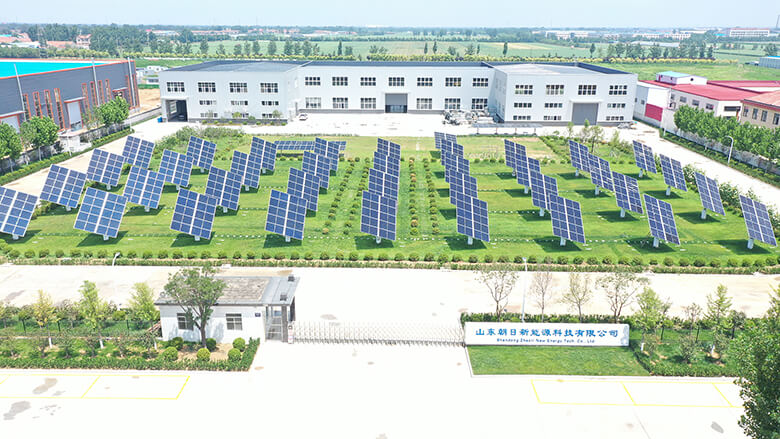
Spanning over 50,000 square meters, our factory utilizes an advanced industrial production setup, featuring high-precision CNC machine tools, automated laser cutting systems, automatic welding robotics, and plasma cutting units.
Supported by over 300 skilled production operators, our facilities reach an output capacity of 500MW monthly. Every stage—from rigorous raw material testing, high-speed cutting, precision welding, anti-rust surface treatment, post-processing inspections, through to final logistics packaging—follows strict quality control protocols in compliance with global certification requirements.
How next-generation tracking methodologies are reforming utility-scale solar asset investments.
Modern utility developments prioritize lowering the Levelized Cost of Energy (LCOE). Aligning bifacial solar modules with single-axis tracking systems increases generation yields by 15% to 30%, which significantly accelerates project ROI.
Increasing frequencies of extreme weather events require adaptive wind-stow control structures. Modern tracking arrays feature automated sensors that lock module orientation during high wind speeds, preventing dynamic structural failures.
Real-time algorithms dynamically adjust module angles to eliminate row-to-row shading during low-light mornings and evenings, ensuring maximum diffuse light absorption across complex terrains.
International project developers and engineering procurement corporations (EPCs) demand rigorous supply chain compliance, financial bankability, and comprehensive localized support.
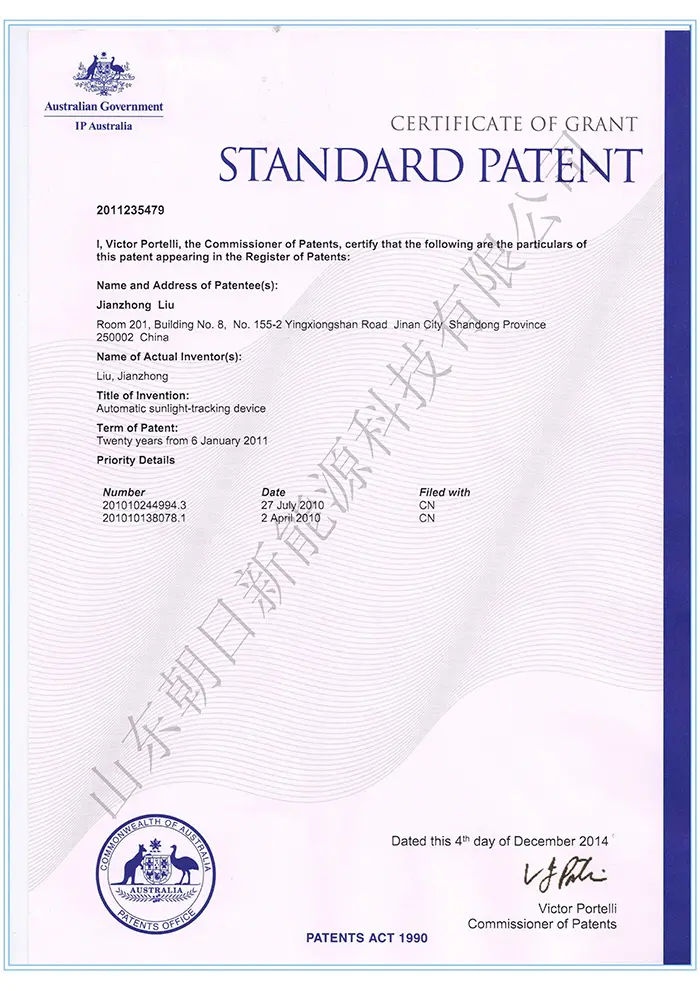
Shandong Zhaori New Energy maintains extensive international intellectual protections, including validation from the European Patent Office, USA, Canada, Australia, Japan, South Korea, Thailand, India, Brazil, and South Africa, alongside 8 Chinese National Invention Patents and more than 30 Utility model patents.
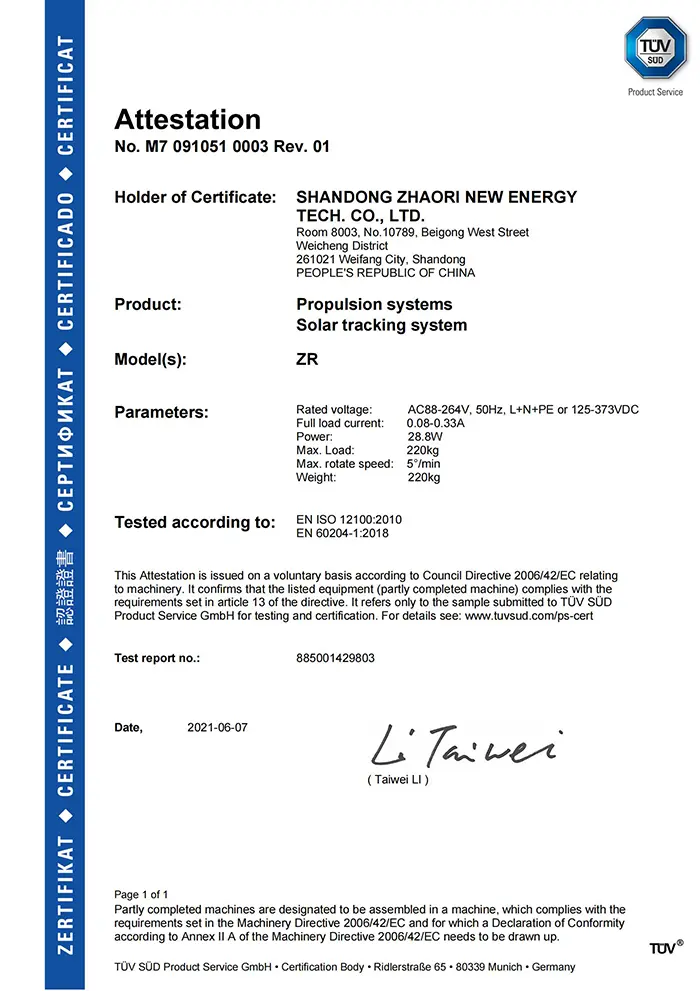
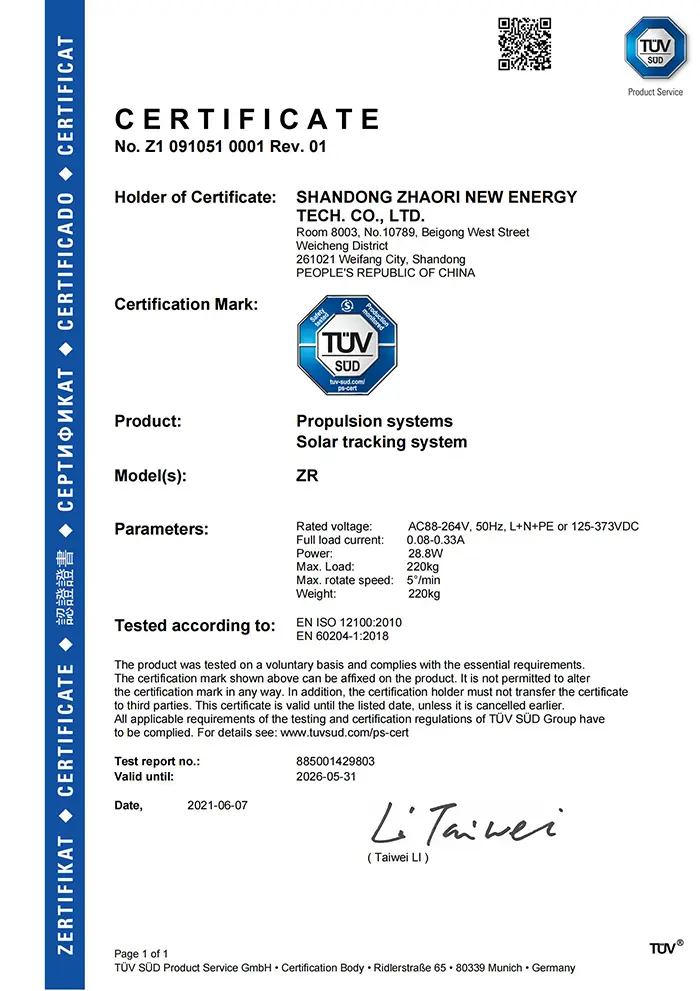
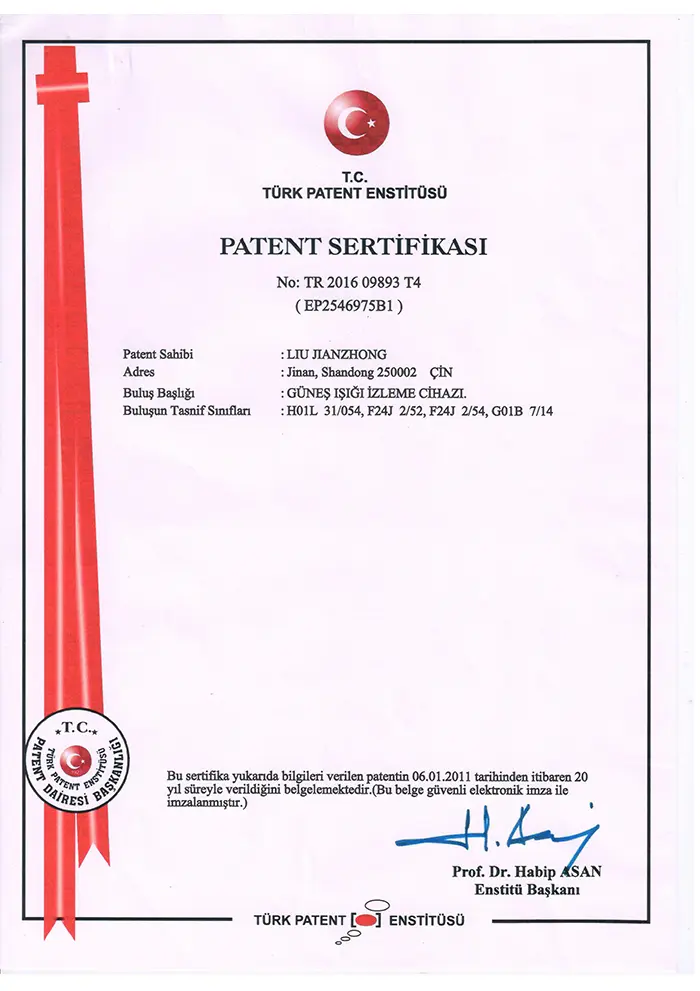
Watch our solar tracking systems operating across multiple international regions.
Aerial overview of utility-scale installation utilizing smart tracking solutions.
Detailed tracking alignment demonstration in a high-efficiency solar park.
Visual showcasing of the precision mechanical tracking movement.
Discover our engineered solutions operating across mountains, deserts, greenbelts, and commercial rooftops.
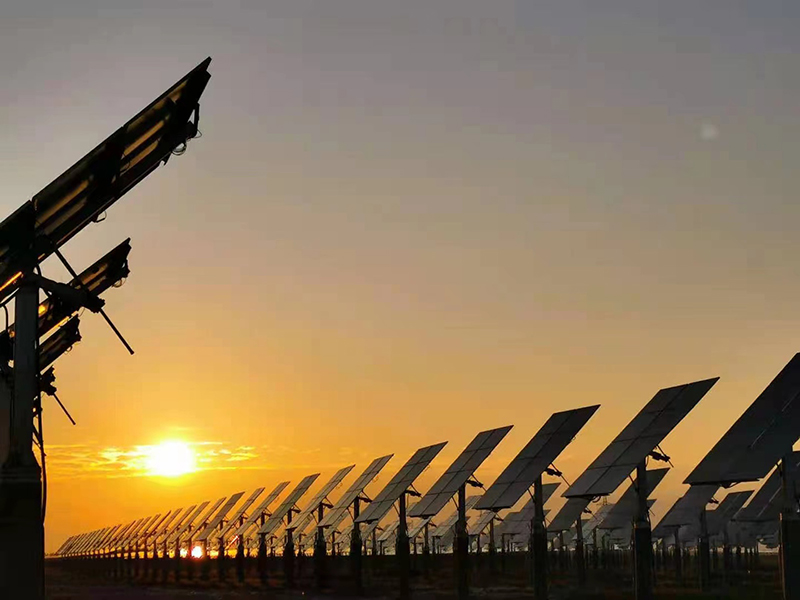
Utilizes our signature dual-axis tracking technology to maximize performance profiles during lower sun elevation periods.
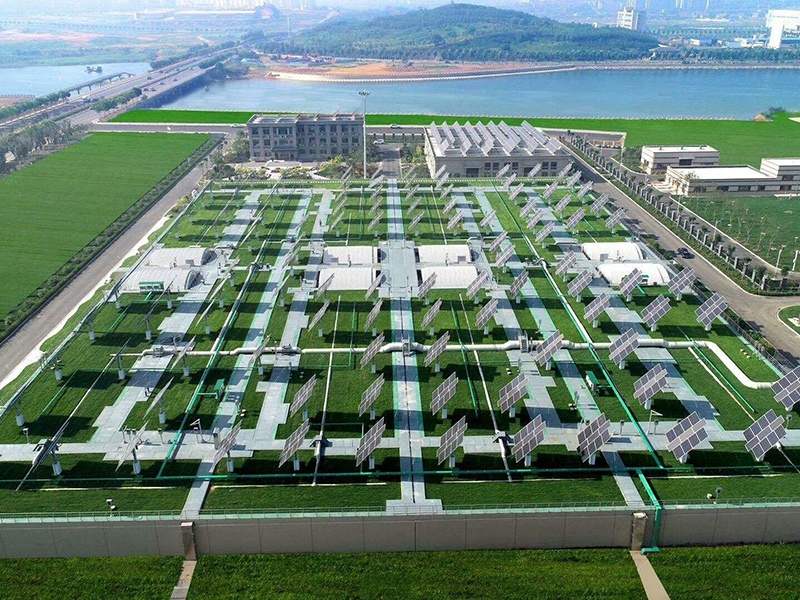
A specialized tracking installation optimized for building-integrated structures, boosting green factory energy outputs.
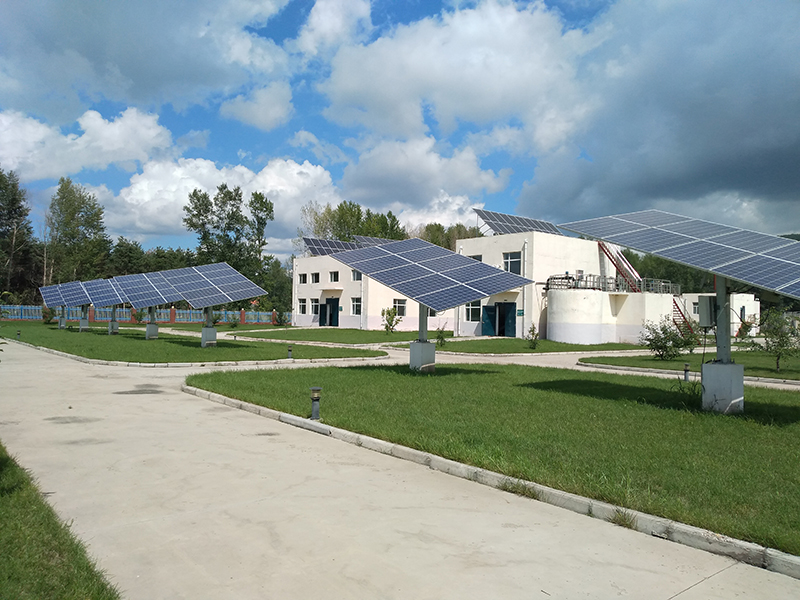
Blending environmental preservation goals with utility power outputs on municipal ecological corridors.
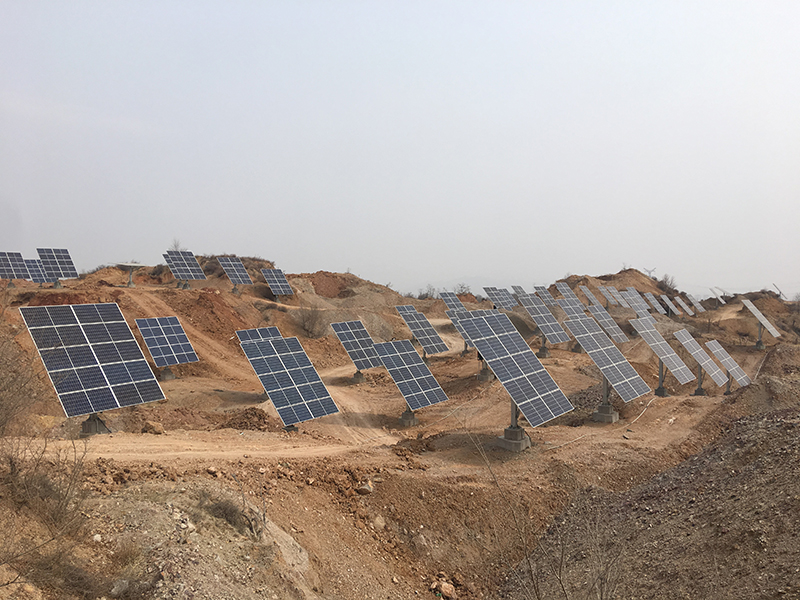
Engineered to adapt to steep terrain changes, maximizing generation potential on uneven surface angles.
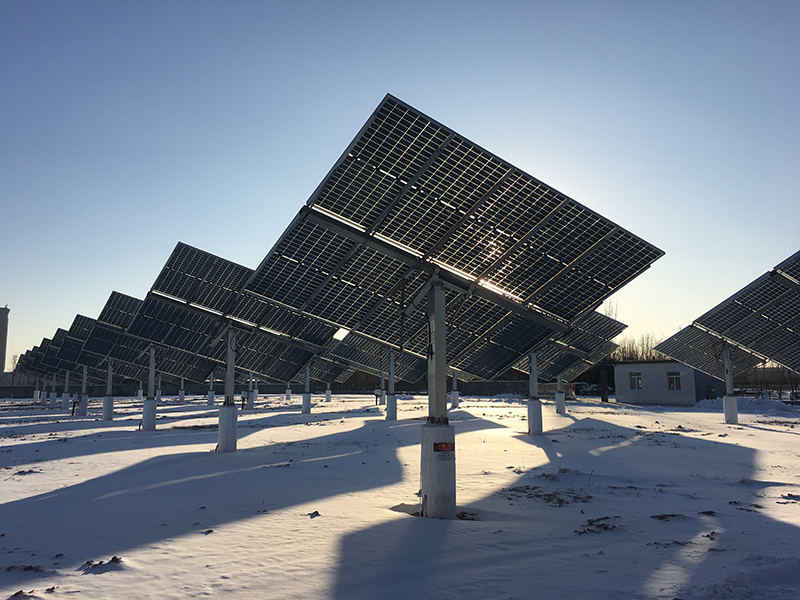
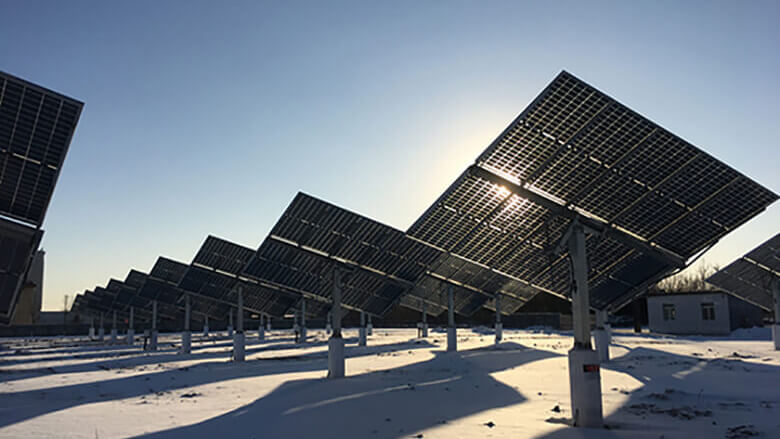
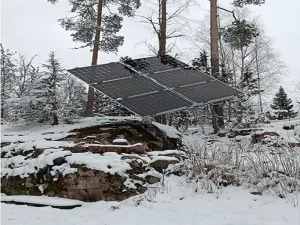
Designed with automated tilt programs to shed heavy snow loads, preventing structural damage and yield losses.
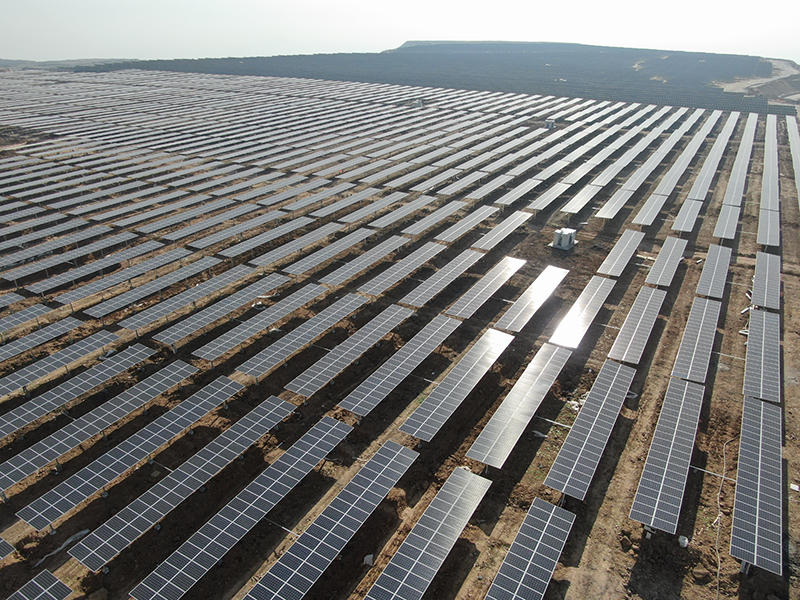
A regional single-axis tracker site delivering stable generation outputs directly into local transmission grids.
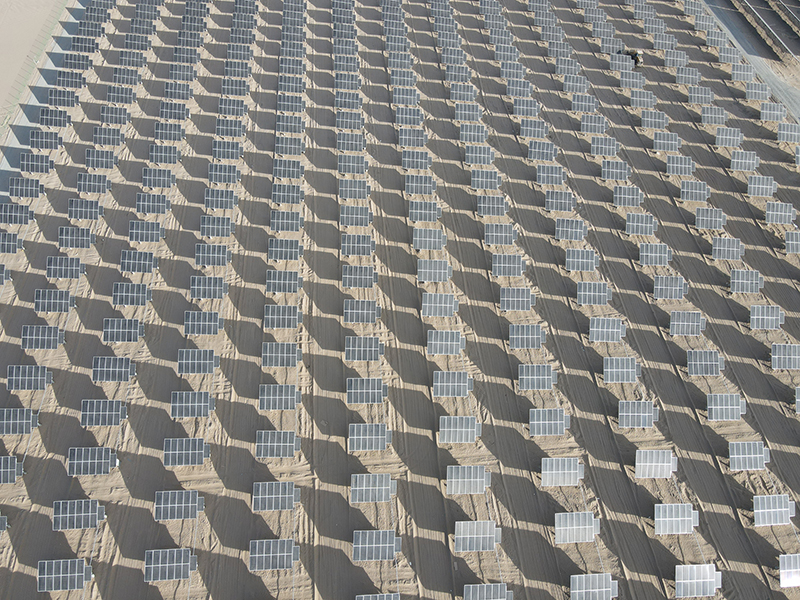
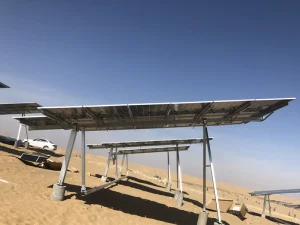
Engineered to perform in arid climates with high wind-driven sand loads and elevated operational temperatures.
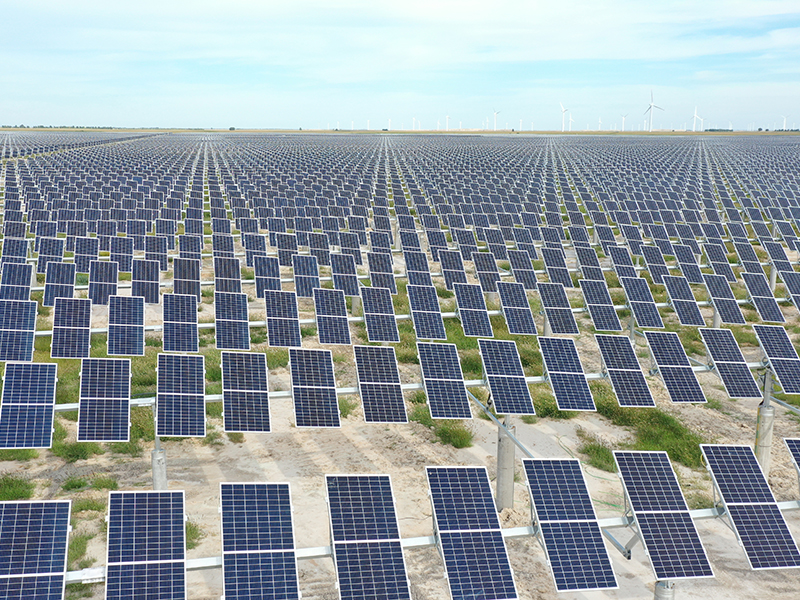
Equipped with specialized inclined modules to combine cost-effective structural single-axis rotation with optimized tilts.
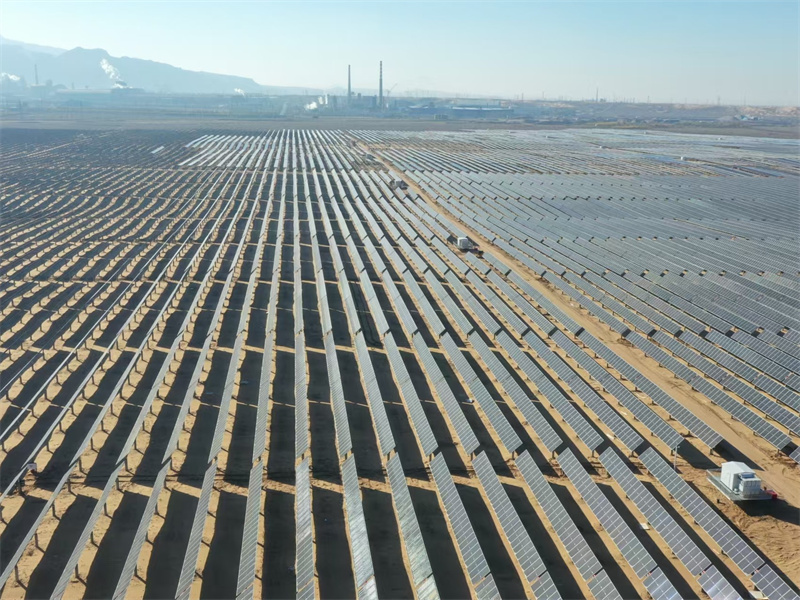
Our largest utility site, showcasing structural reliability, easy maintenance access, and optimized generation performance.
As technological leaders, our future developments focus on three central pillars:
Transitioning drive controllers to wireless LoRa mesh networks powered by dedicated small-scale solar cells. This removes communication and power wiring requirements, significantly lowering cable and trenching costs during installation.
Developing algorithms that process historical and real-time generation metrics to flag mechanical friction, track alignment errors, and plan preventive O&M routes before faults occur.
Redesigning dynamic damper systems and drive mechanisms to withstand localized wind speeds exceeding 250 km/h, securing structural integrity in extreme weather zones.
Technical evaluations and recommendations for project developers and engineering procurement teams.
Request technical specifications, quotes, and structural engineering advice for our full system portfolio.




 Zhaori