As global transition towards renewable energy intensifies, solar trackers have transitioned from niche enhancements to mandatory design frameworks for utility-scale photovoltaic installations.
Among tracking architectures, the Vertical Single Axis Solar Tracker stands out for its high adaptability in complex landscapes, optimal yield extraction, and structural resilience. By dynamically tracking the sun’s azimuth or elevation along a single optimized axis, these systems dramatically decrease the Levelized Cost of Electricity (LCOE) while ensuring stable energy output under volatile meteorological conditions.
Today's utility developers prioritize tracker platforms that maximize ground coverage ratios (GCR) and seamlessly integrate with next-generation high-efficiency bifacial modules. According to global clean energy databases, utilizing single axis tracking technology yields an average of 15% to 30% increase in power generation compared to fixed-tilt mounting. In markets across North America, Latin America, EMEA, and Asia-Pacific, tracking systems have become the standard for utility-grade projects requiring maximum yield returns.
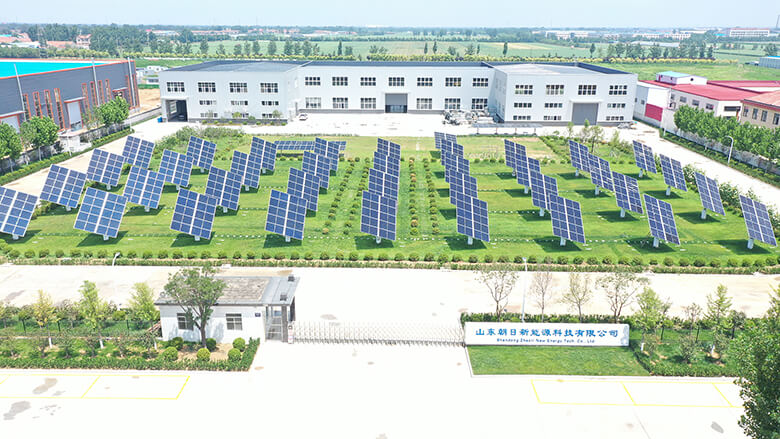
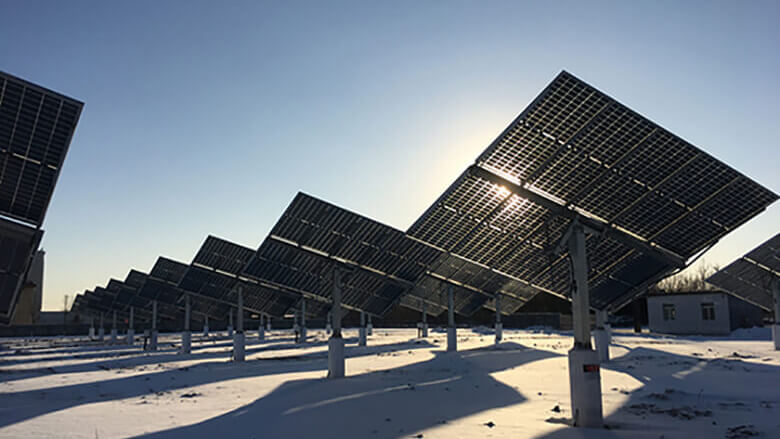
Based in the industrial manufacturing heart of China, Shandong Zhaori New Energy Tech. Co., Ltd. represents the absolute pinnacle of high-tech production capabilities.
Our facility leverages advanced automation, utilizing precision CNC machine tools, high-speed fiber laser cutting systems, automatic welding robots, and plasma cutters. Across dozens of specialized production lines, we screen raw materials under strict metallurgical criteria before initiating structural fabrication, hot-dip galvanization, and comprehensive post-processing.
By producing over 500MW of high-performance solar tracking mounts per month, we guarantee global developers fast lead times, uniform structural tolerance, and cost efficiencies that localized suppliers simply cannot replicate. Our vertically integrated supply chain ensures strict quality management system controls, leading to fully certified ISO, CE, and TUV solutions that meet the requirements of tier-1 financial institutions worldwide.
At the core of Shandong Zhaori New Energy Tech. Co., Ltd.'s product development is a dedication to mitigating failure points while driving optimal ROI.
We reduce component counts to minimize mechanical friction and potential pivot wear. By optimizing drive systems and structural interfaces, our tracking mounts require less downtime and fewer replacement parts over a 25-year operational lifecycle.
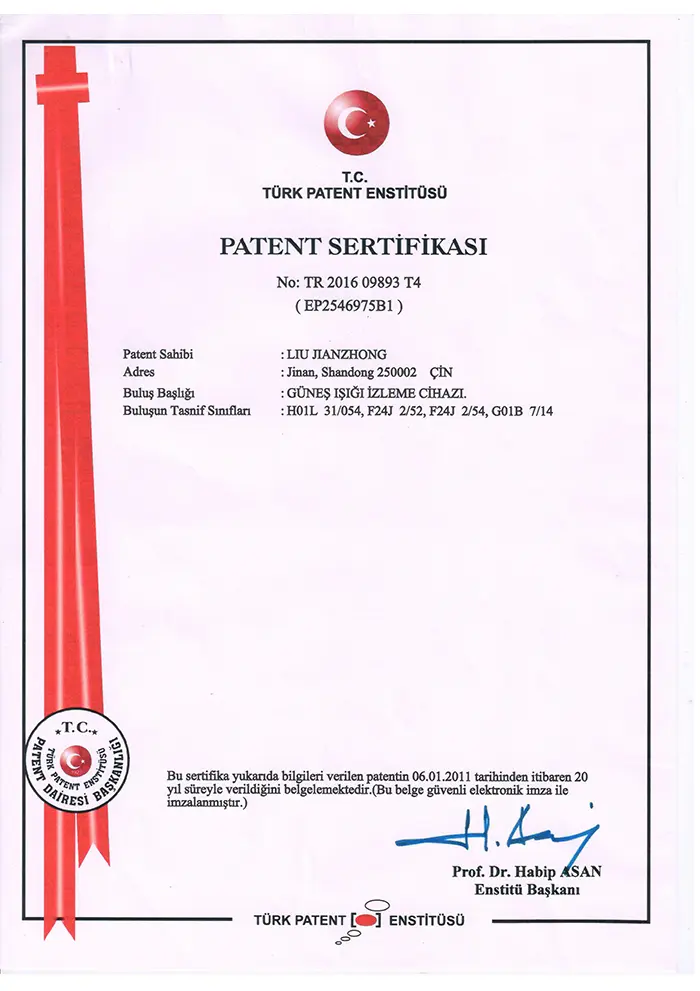
Backed by 8 Chinese National Invention Patents and more than 30 Utility model patents, our structural engineering is designed to withstand extreme wind loads, severe desert thermal cycles, and massive snow accumulation without compromising tracking accuracy.
Our single axis and dual axis solutions track solar pathways with precise astronomical algorithms. This ensures solar panels maintain optimal incidence angles, transforming diffuse radiation and maximizing bifacial gains from high-albedo grounds.
| System Type | Typical Modules Per Set | Yield Gain vs. Fixed Tilt | Ideal Application Environments |
|---|---|---|---|
| Flat Single Axis Tracker (1P / 2P) | 10 – 60 Modules | 15% – 30% Gain | Flat terrains, low wind-load arid zones, standard utility scale |
| Tilted Single Axis Tracker (ZRT-16) | 10 – 20 Modules | 15% – 25% Gain | High latitude sites, mountainous regions, agricultural PV |
| Dual Axis Tracking System (ZRD Series) | 10 – 40 Modules | 30% – 45% Gain | Maximum yield projects, high solar irradiance deserts, space-limited sites |
| Adjustable Fixed Bracket | Customized | 8% – 12% Gain | Complex terrains with high seasonal fluctuations |
No two solar sites share the exact same environmental demands. Our tracking systems are engineered to thrive across diverse and challenging global microclimates.
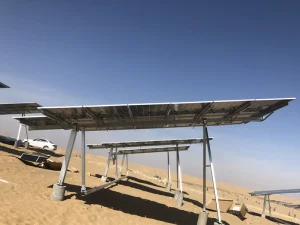
Desert solar plants suffer from intense abrasive sandstorms, high ambient dust, and extreme temperature variations. Our sealed drive units and corrosion-resistant hot-dip galvanized coatings protect critical drive mechanisms, preventing mechanical degradation and tracking errors caused by dust intrusion.
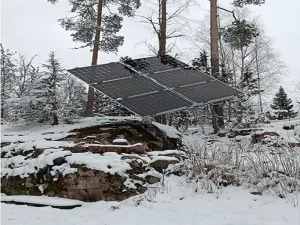
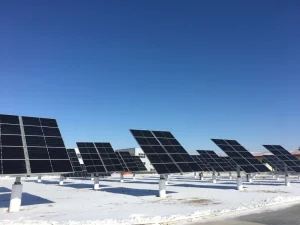
In high latitude regions, heavy snow accumulation blocks light and adds static load to trackers. Our tracking controllers include automated snow-dumping modes that tilt panels to maximum angles during heavy snowfall, avoiding structural collapse and speeding up snowmelt.
Flat ground is premium land. When installing trackers on irregular topography, fixed-row setups face issues with shading and structural misalignment. Our tilted single-axis tracking mounts are self-contained and adapt easily to varying slopes, avoiding expensive civil grading.
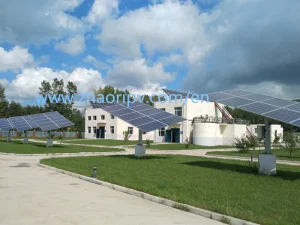
From commercial rooftops to vast utility arrays in desert and mountain environments, our tracker systems deliver consistent performance year after year.
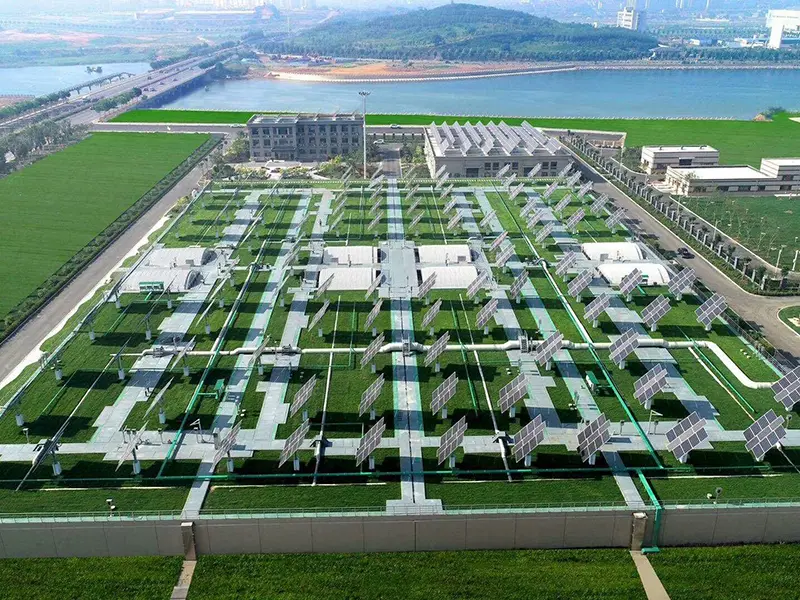
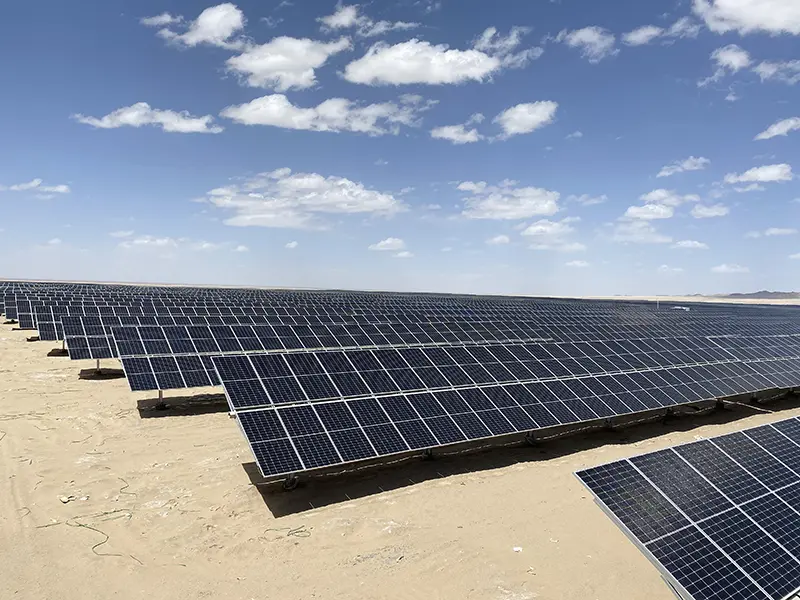
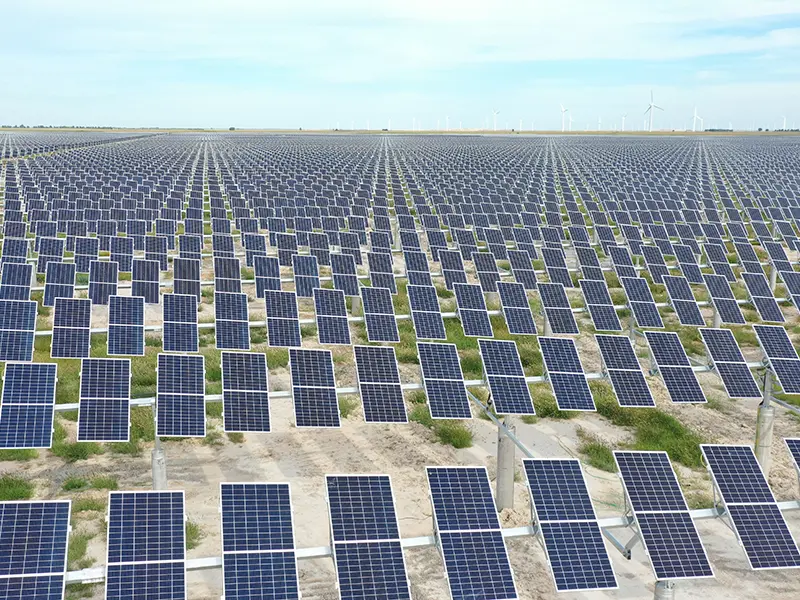
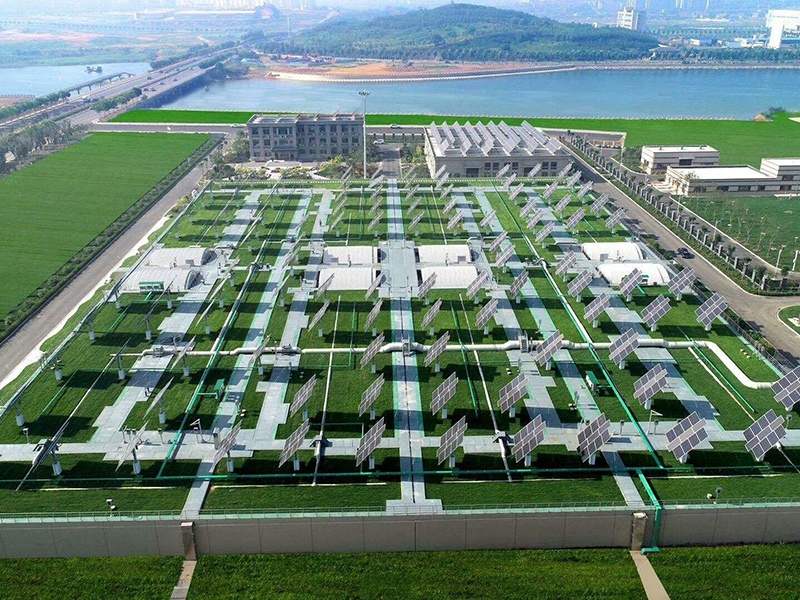
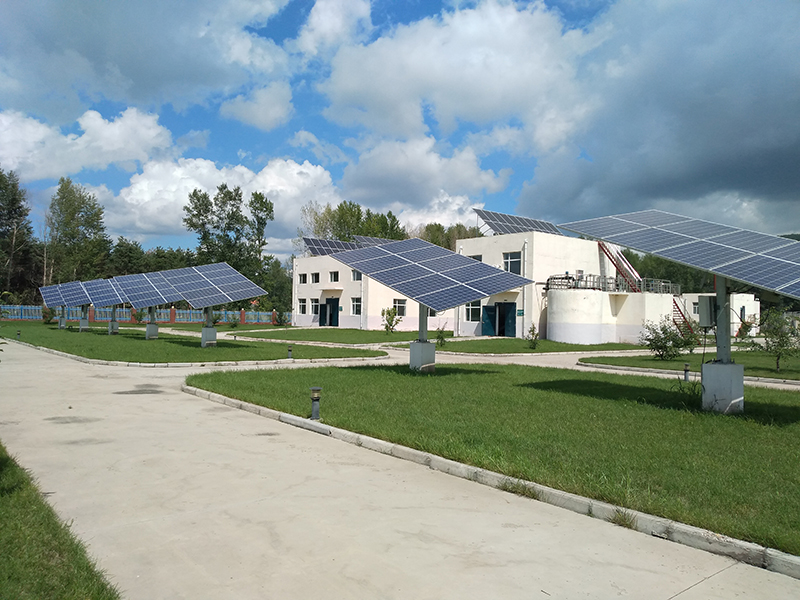
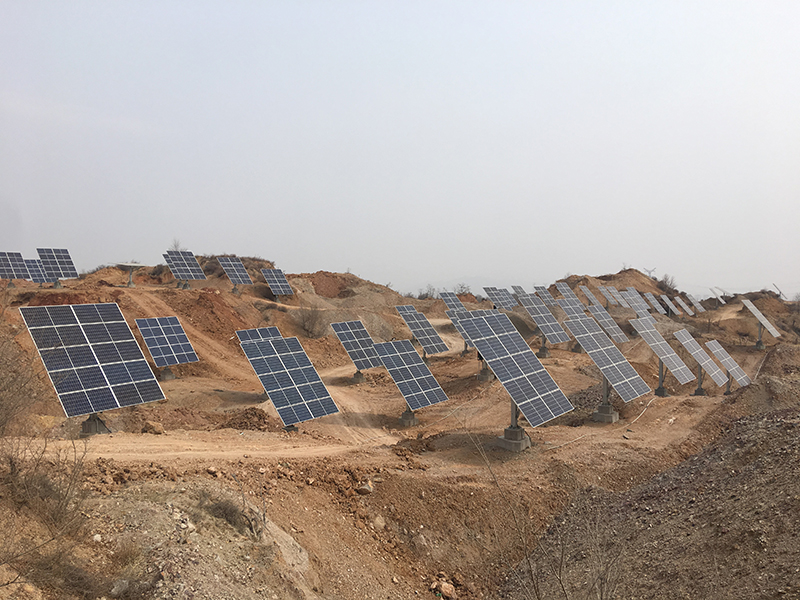
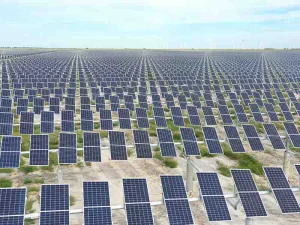
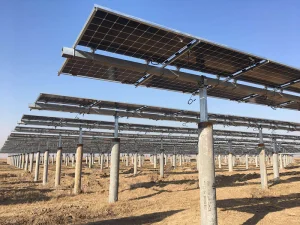
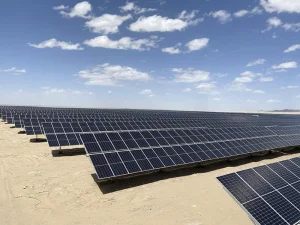
353MW Flat Single Axis Tracker Aerial Overview
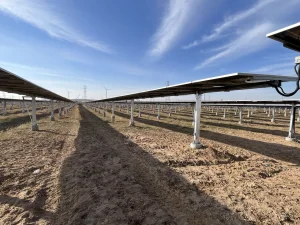
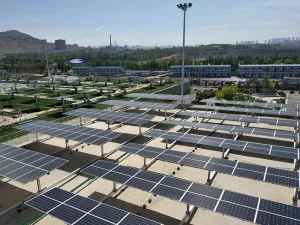
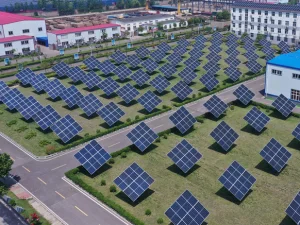
Utility Grade Tracker Operations
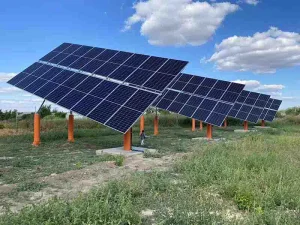
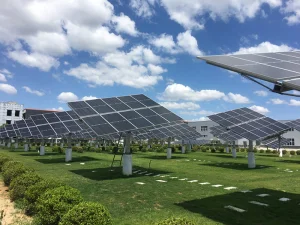
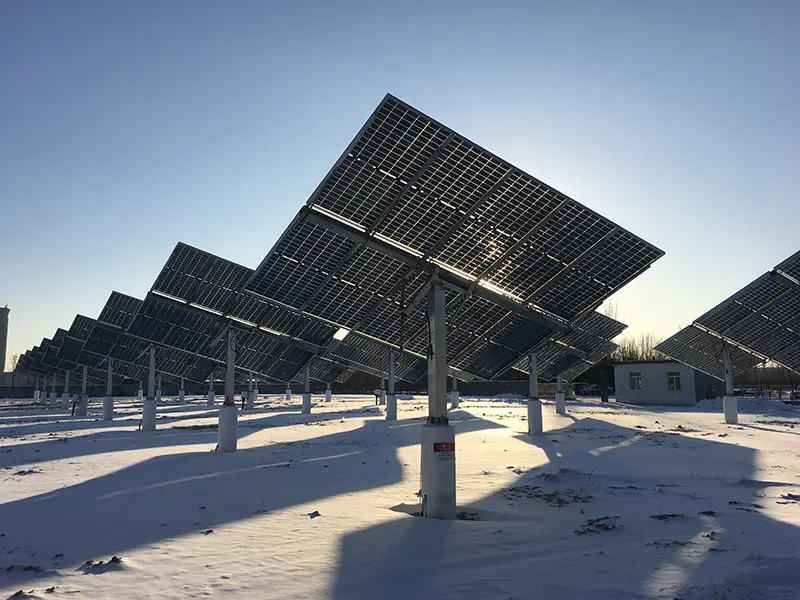
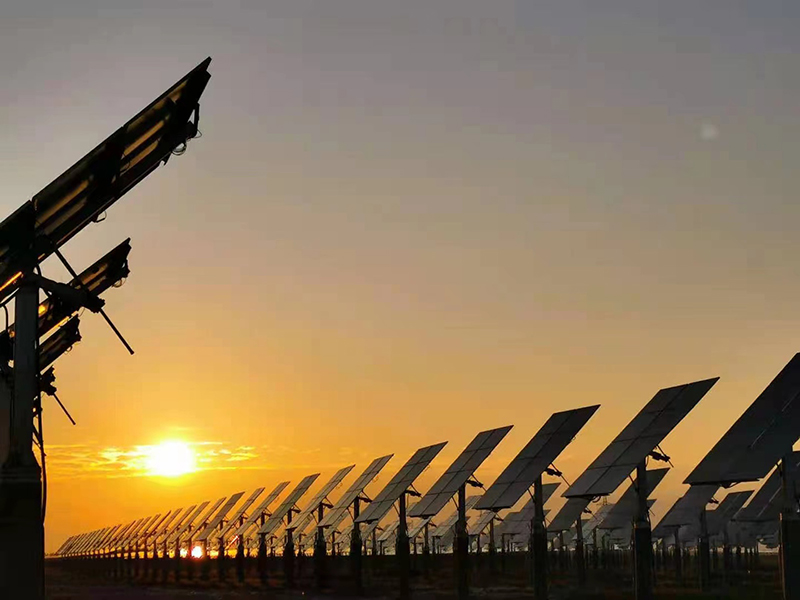
Dual Axis Tracker Project In Action
When sourcing utility-scale trackers, procurement heads must look past nominal steel costs to evaluate long-term financial bankability and structural durability metrics.
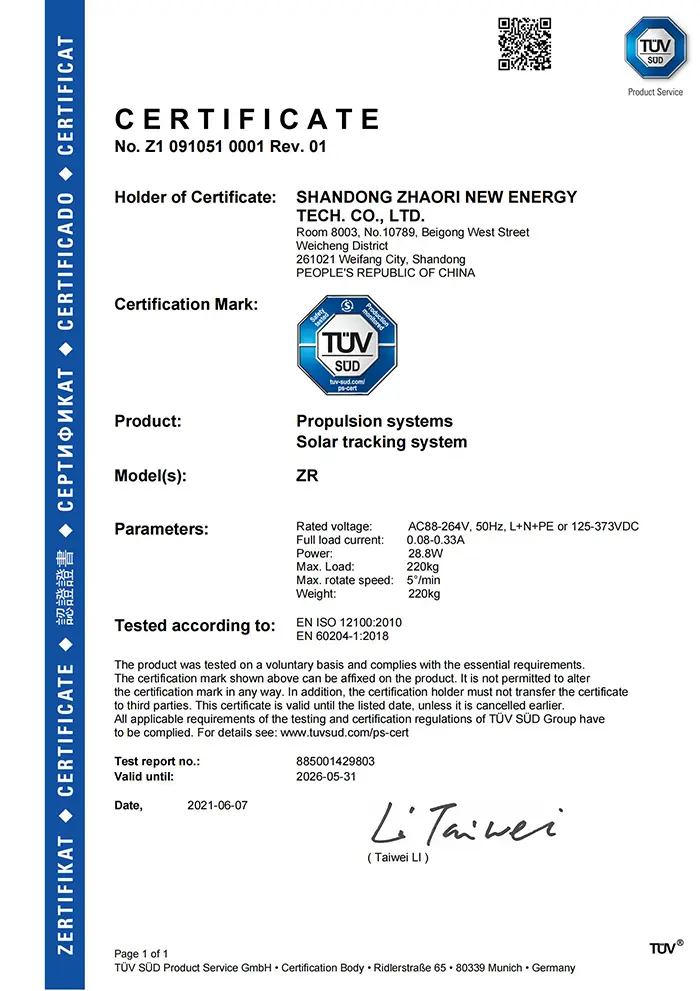
Our entire tracking catalog carries internationally recognized certifications, including TUV, CE, and ISO 9001. This ensures compliance with structural safety, mechanical integrity, and electrical safety standards, facilitating project financing and insurance underwriting.
Trackers face dynamic structural stresses like torsional divergence and gallop. Our tracking frames undergo aerodynamic modeling and physical wind tunnel validation, proving they remain stable during severe high-wind and stormy events.
Using real-time backtracking algorithms, our smart controller prevents modules from shading adjacent rows during early morning and late evening cycles. This maximizes solar capture across challenging terrains, ensuring steady power generation.
Shandong Zhaori New Energy Tech. Co., Ltd. products conform to strict quality guidelines. Below are our official quality control credentials, proving reliability and engineering quality:
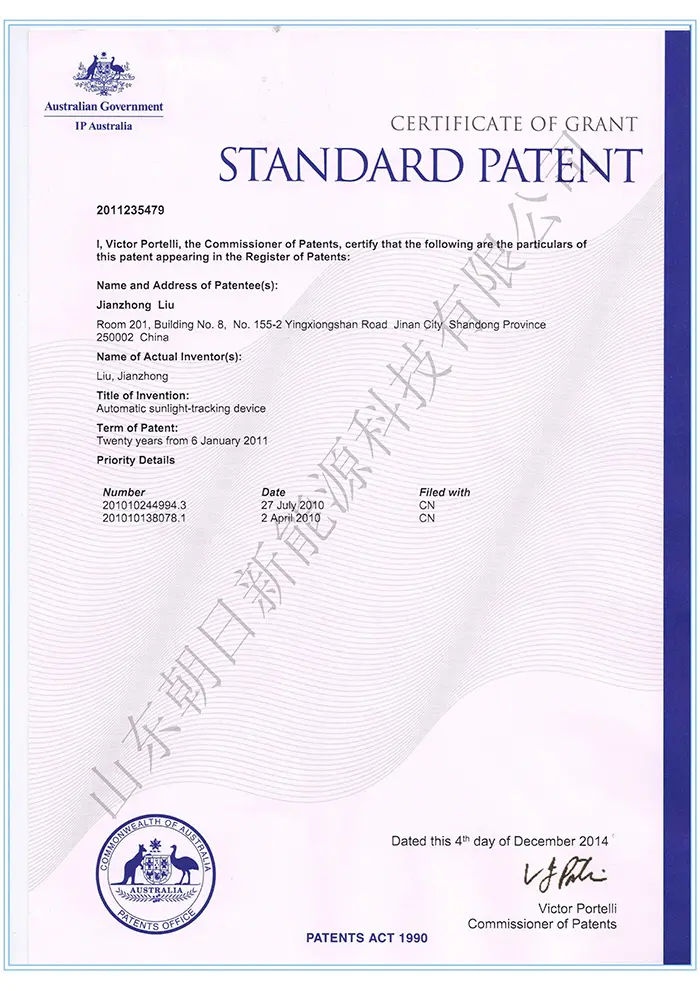
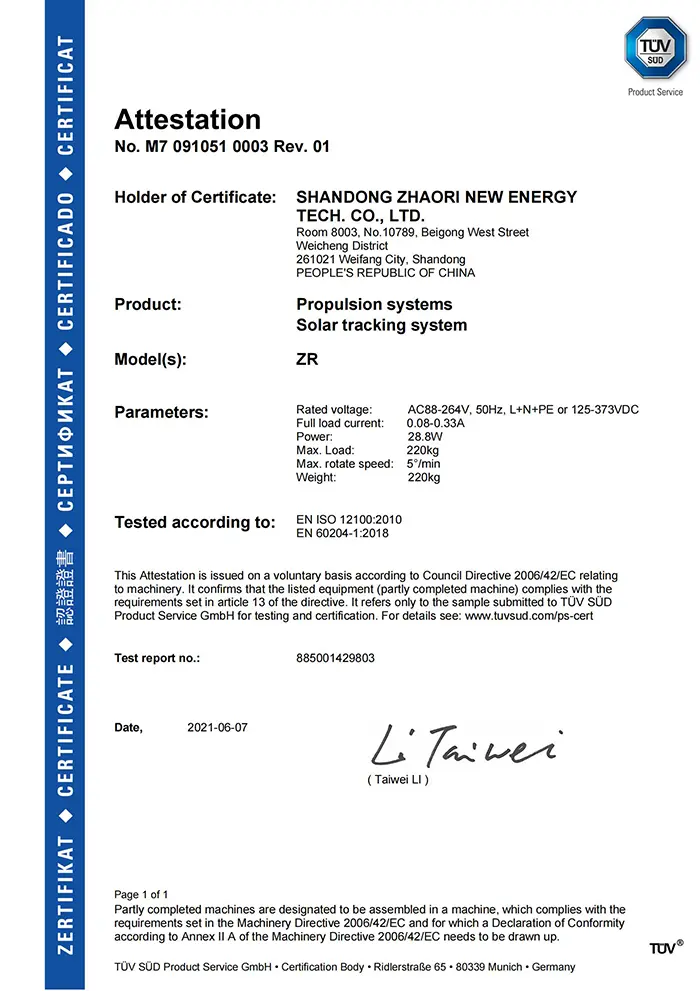


Understand the key engineering parameters, site operations, and commercial value of single and dual-axis solar trackers.
 Zhaori