In the rapidly evolving photovoltaic landscape, the choice between 1P (One-in-Portrait) and 2P (Two-in-Portrait) solar trackers has become a pivotal decision for EPCs and developers. This choice impacts everything from land utilization to aeroelastic stability and long-term O&M costs.
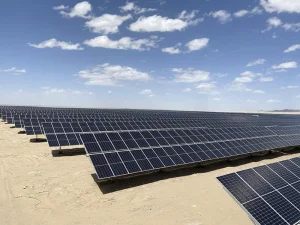
Structural Mechanics: 1P systems typically feature longer rows with a lower profile, making them inherently more stable in high-wind regions due to reduced torque on the main tube.
Installation: Generally simpler to install with fewer specialized components, ideal for flat terrains where land cost is moderate.
Bifacial Performance: Minimizes shading on the rear side of modules, optimizing energy gain from ground reflection.
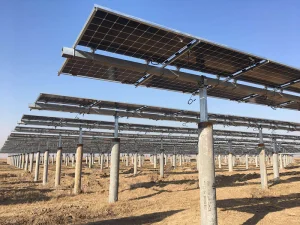
Land Efficiency: 2P trackers utilize shorter rows but double the vertical density, making them superior for projects with limited land or irregular topographical boundaries.
Foundation Savings: Requires significantly fewer piles per megawatt, reducing civil work costs and environmental impact.
Technical Complexity: Demands advanced dampening systems to mitigate "galloping" effects during wind events, a challenge Shandong Zhaori has mastered through patented R&D.
International enterprises are moving away from "fixed-tilt" towards "smart tracking." Procurement managers now prioritize Bankability, LCOE reduction, and Regional Compliance (UL/IEC standards).
Integration of AI-driven backtracking algorithms ensures that even in cloudy weather or uneven terrain, the 1P and 2P trackers maximize photon capture without self-shading.
The next frontier is IoT-integrated trackers that communicate with grid demand, adjusting angles to support grid stability while maximizing owner ROI.
Shandong Zhaori New Energy Tech. Co., Ltd. is a high-tech and new energy company based on independent intellectual property rights. Founded in June 2012, we operate with 10 specialized departments including R&D, Quality Assurance, and Foreign Trade.
With more than 60 professional technology talented employees and a team focused on photovoltaic power stations and solar tracking technology for over 10 years, we provide the market with unmatched expertise in 1P, 2P, and Dual-Axis solutions.
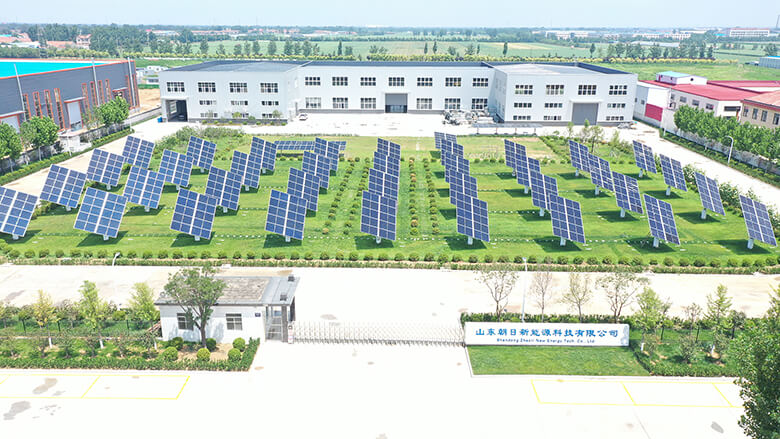
Our factory covers an area of 50,000 square meters, equipped with CNC machine tools, laser cutting machines, and automatic welding robots. Our monthly production capacity reaches 500MW.
Product Principle: More simple, more reliable and more effective.
The products are manufactured from raw material screening to anti-rust treatment and final inspection, following strict quality management systems.
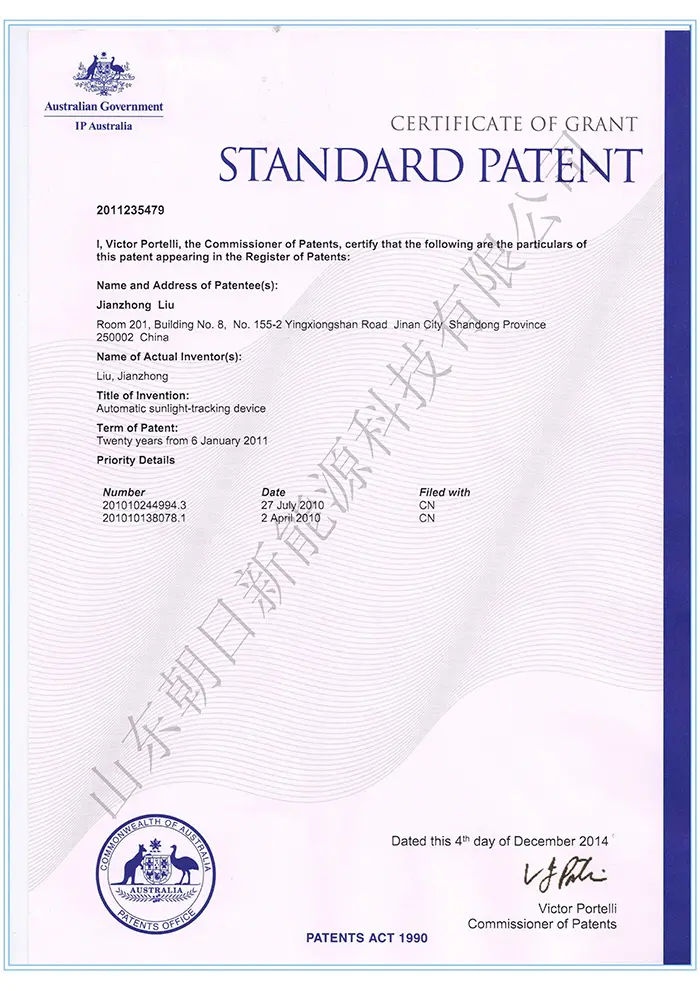
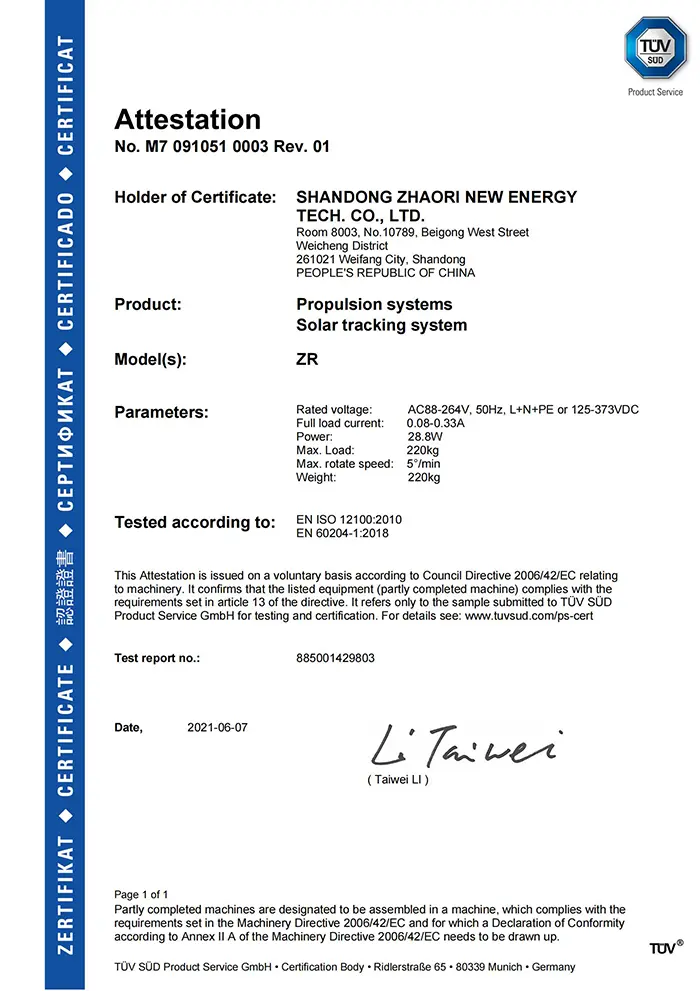
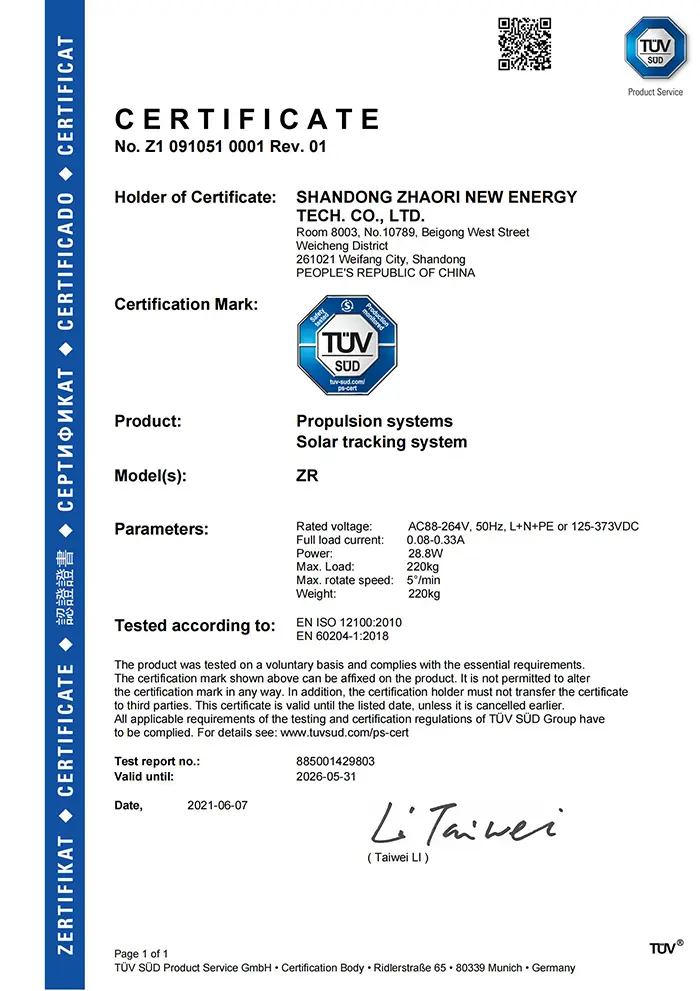
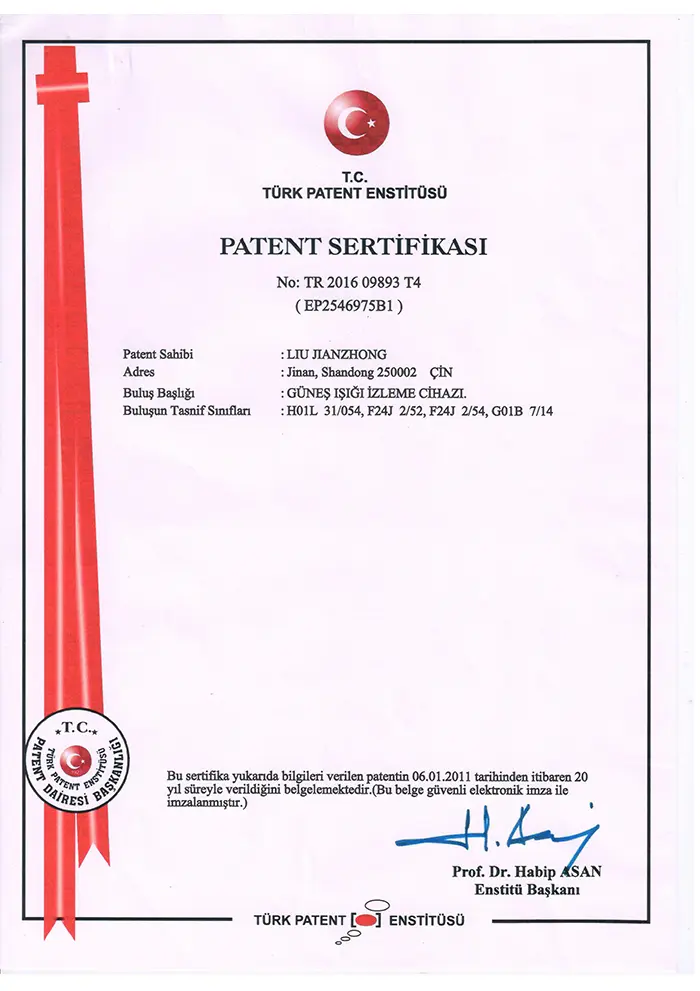
Our products have obtained patents from the European Patent Office, USA, Canada, Australia, Japan, South Korea, Thailand, India, Brazil, and South Africa. We hold 8 Chinese National Invention Patents and over 30 Utility model patents, alongside TUV, CE, and ISO certifications.
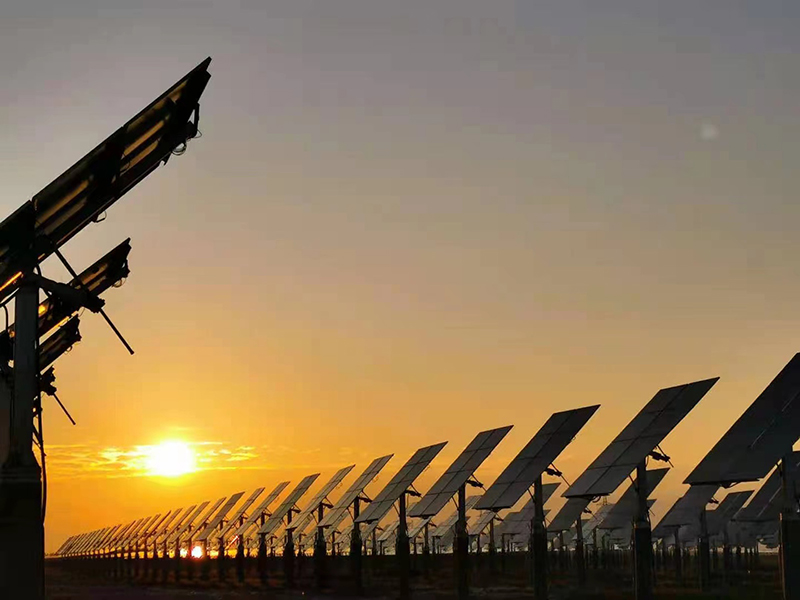
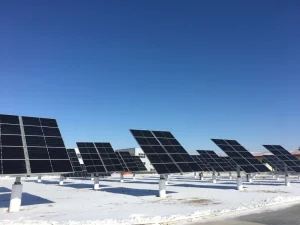
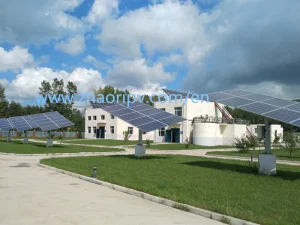
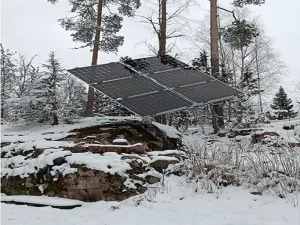
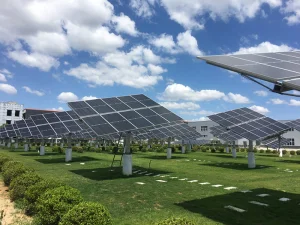
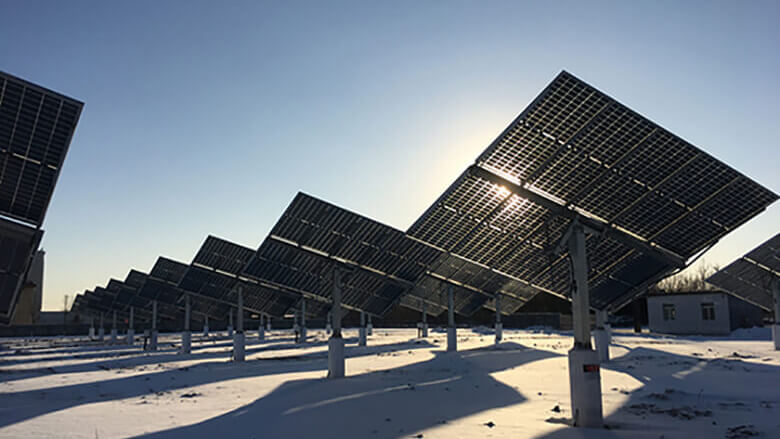
5MW Dual Axis Project
North China Implementation
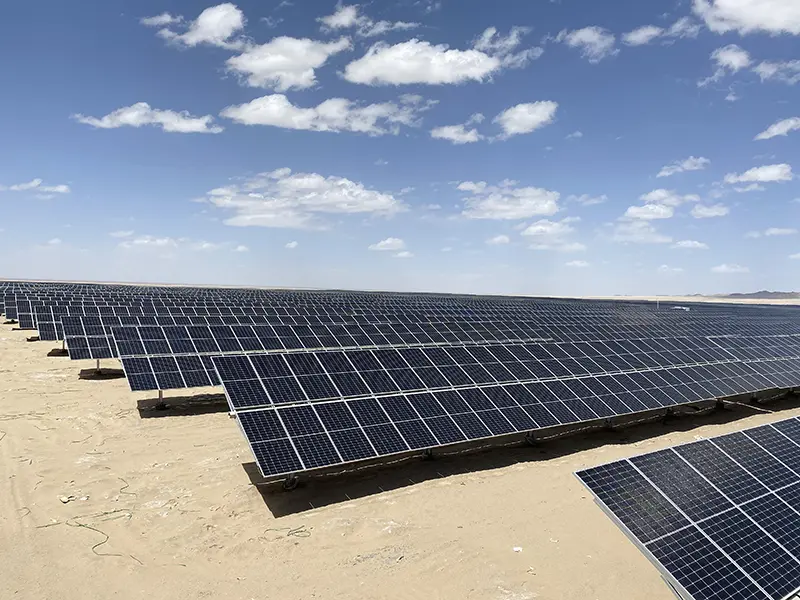
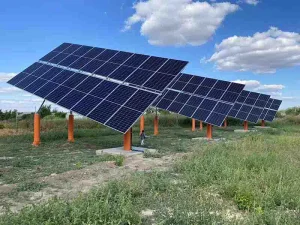
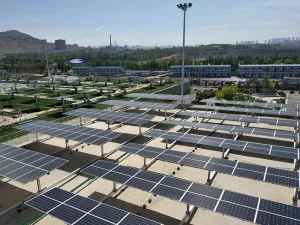
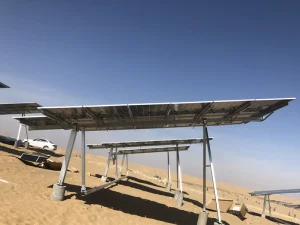
20MW Tilted Single Axis
Extreme Desert Environment
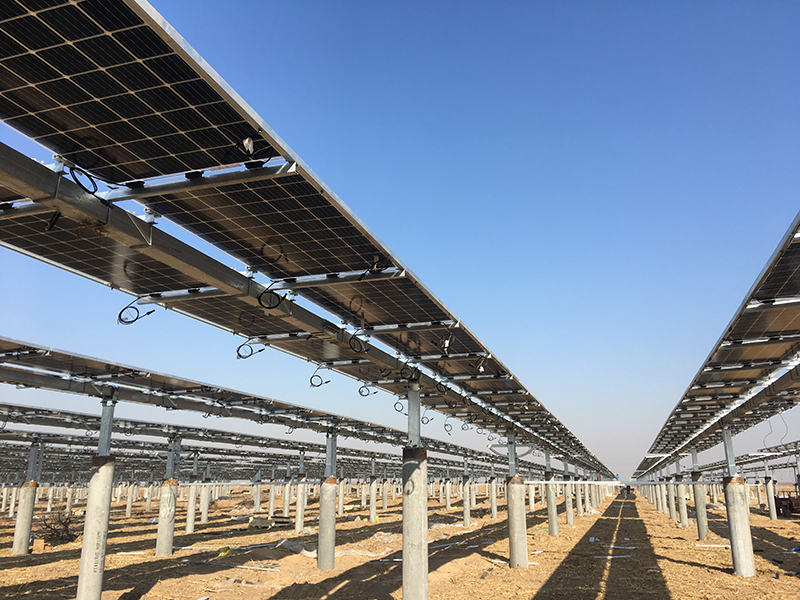
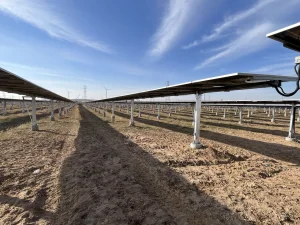
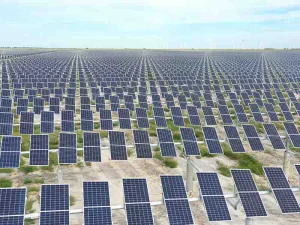
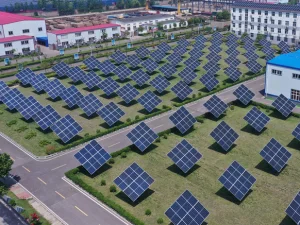
110MW Utility Scale
Optimized for Bifacial Modules
 Zhaori