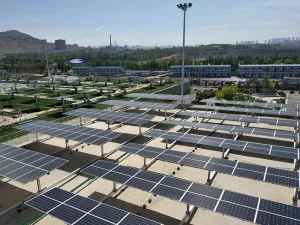
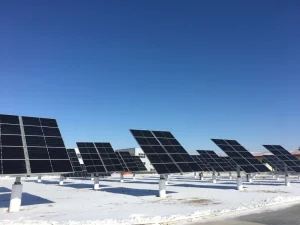
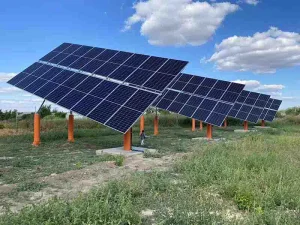
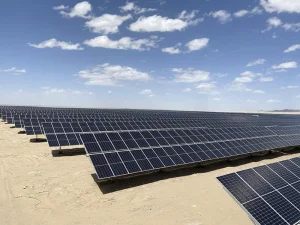
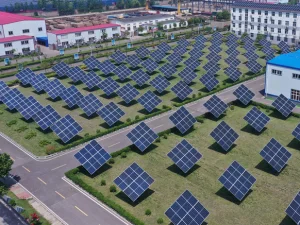
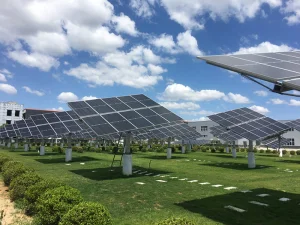
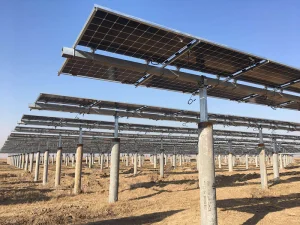
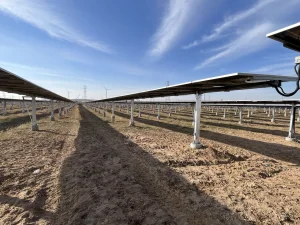
Explore our top-tier dual-axis and single-axis tracking technologies engineered for maximum energy yield.
As the global energy landscape pivots toward decarbonization, the efficiency of photovoltaic (PV) systems has become the primary metric for Return on Investment (ROI). While traditional fixed-tilt systems remain a baseline, the industrial and utility sectors are rapidly shifting toward Dual Axis Sun Tracking technology. In this comprehensive guide, we analyze why China-based suppliers like Shandong Zhaori New Energy are redefining the LCOE (Levelized Cost of Electricity) for global developers.
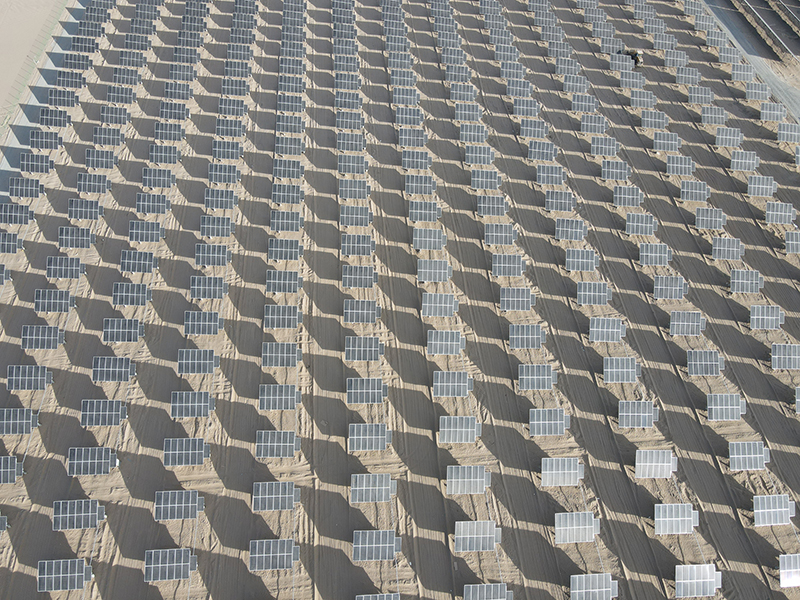
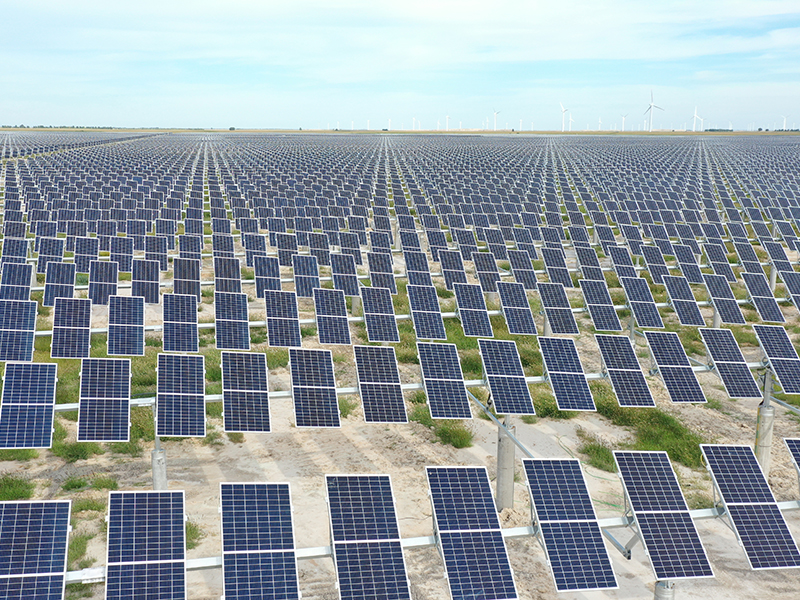
Currently, the global solar market is experiencing a "Precision Era." Dual-axis trackers, which track both the azimuth and elevation angles of the sun, offer an energy increment of 30% to 45% compared to fixed systems. This is particularly vital in regions with high Direct Normal Irradiance (DNI) such as the Middle East, North Africa, and the Southwestern United States. Industrial applications are moving beyond simple power generation to "Smart Solar Farms" where AI-driven trackers adjust to diffuse light during cloudy periods, maximizing every available photon.
China has solidified its position as the global hub for PV tracking systems not just through scale, but through vertical integration. At Shandong Zhaori New Energy Tech. Co., Ltd., factory efficiency is driven by high-tech automation. Our 50,000 square meter facility utilizes CNC machine tools and automatic welding robots to ensure structural integrity—a critical factor for dual-axis systems that must withstand high wind loads and harsh environments.
Shandong Zhaori New Energy Tech. Co., Ltd. is a high-tech and new energy company based on independent intellectual property rights. Founded in June 2012, we have established a robust organizational structure comprising 10 specialized departments including R&D, Technical Engineering, and Quality Assurance.
With more than 60 professional technology-talented employees, our team has focused on photovoltaic power stations and solar tracking technology for more than a decade. Our "SunChaser" series is the result of years of empirical data and iterative design.
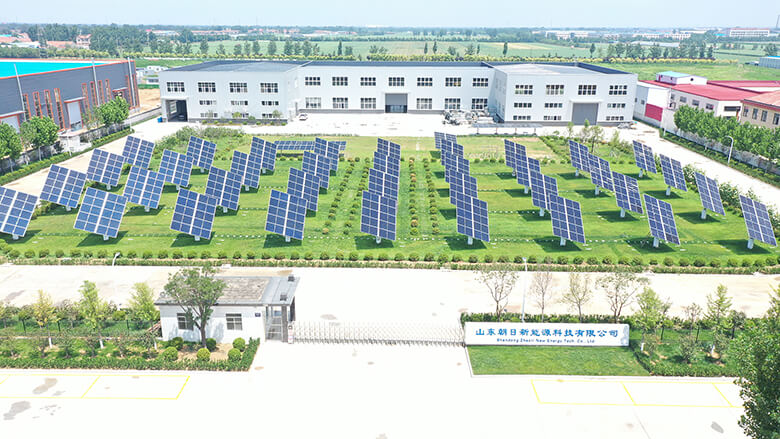
Our factory covers an area of 50,000 square meters, equipped with advanced CNC machine tools, laser cutting machines, and plasma machines. With over 300 production workers, we achieve a production capacity of 500MW per month.
The manufacturing process follows a rigorous path: Raw Material Screening → Cutting → Welding → Forming → Anti-rust Treatment → Post-processing → Inspection → Packaging. Every step is governed by ISO certification standards to ensure 25-year operational lifespans in the field.
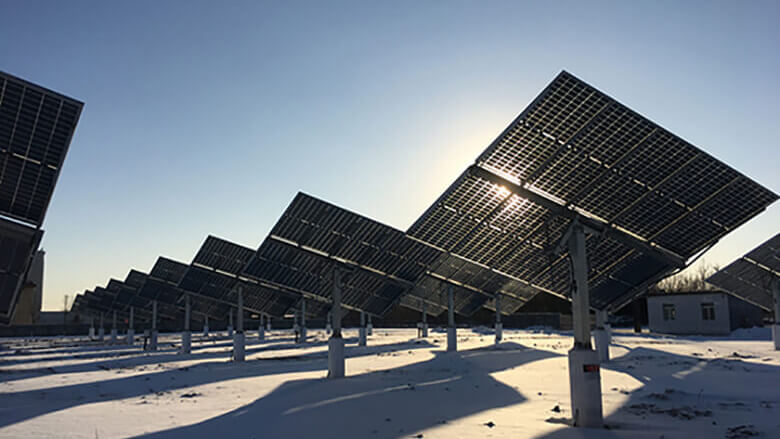
Our products are designed around three core pillars: Simpler, More Reliable, and More Effective.
Unique astronomical algorithms combined with sensor-based tracking allow for ±0.5° accuracy, maximizing DNI capture throughout the day.
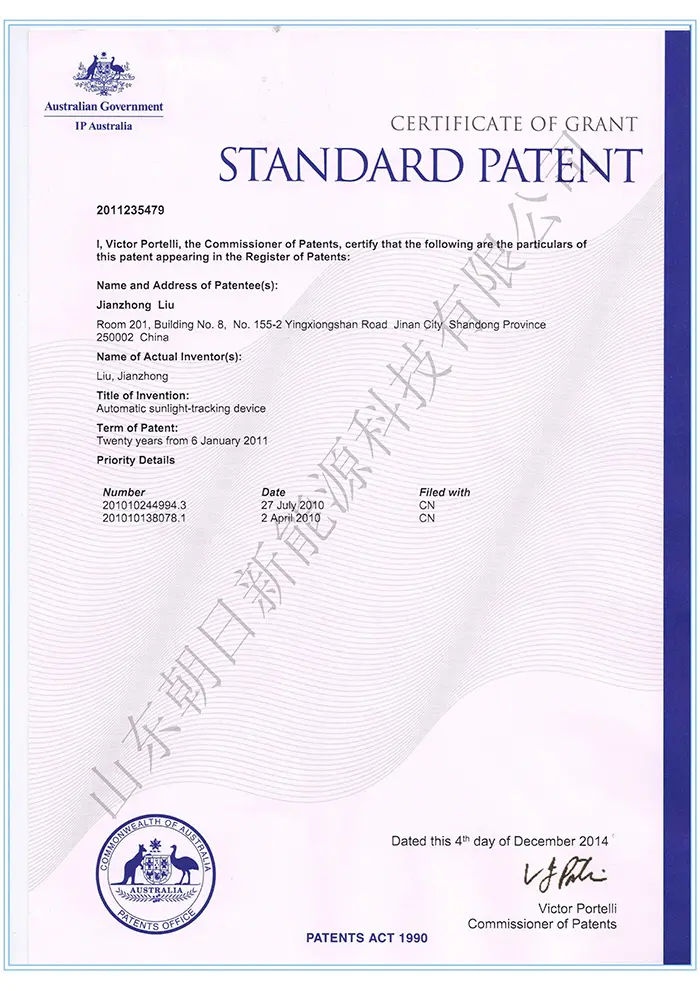
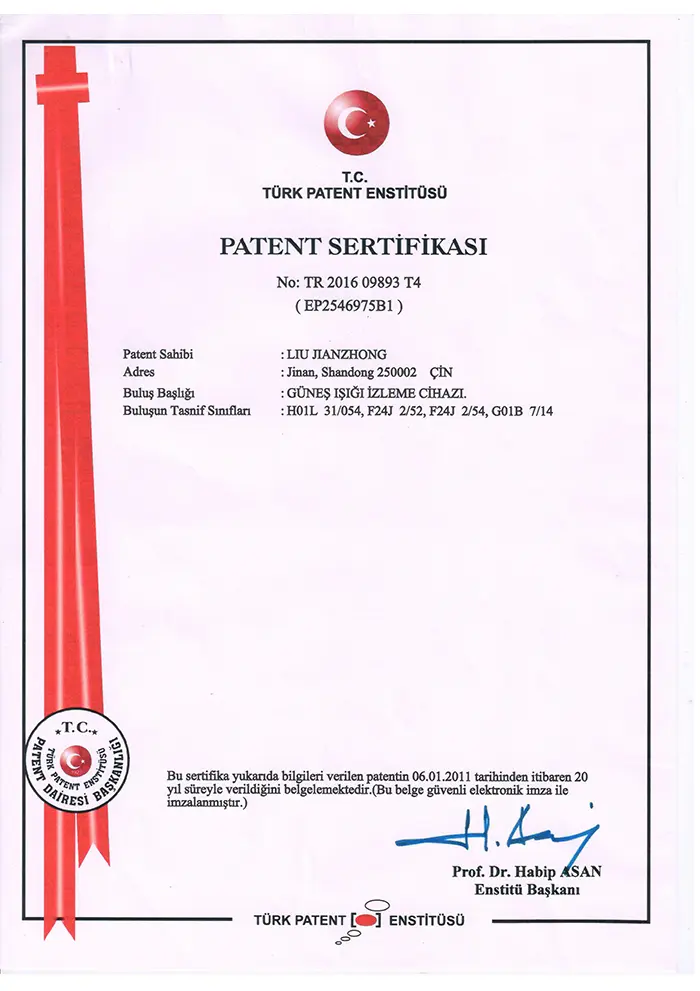
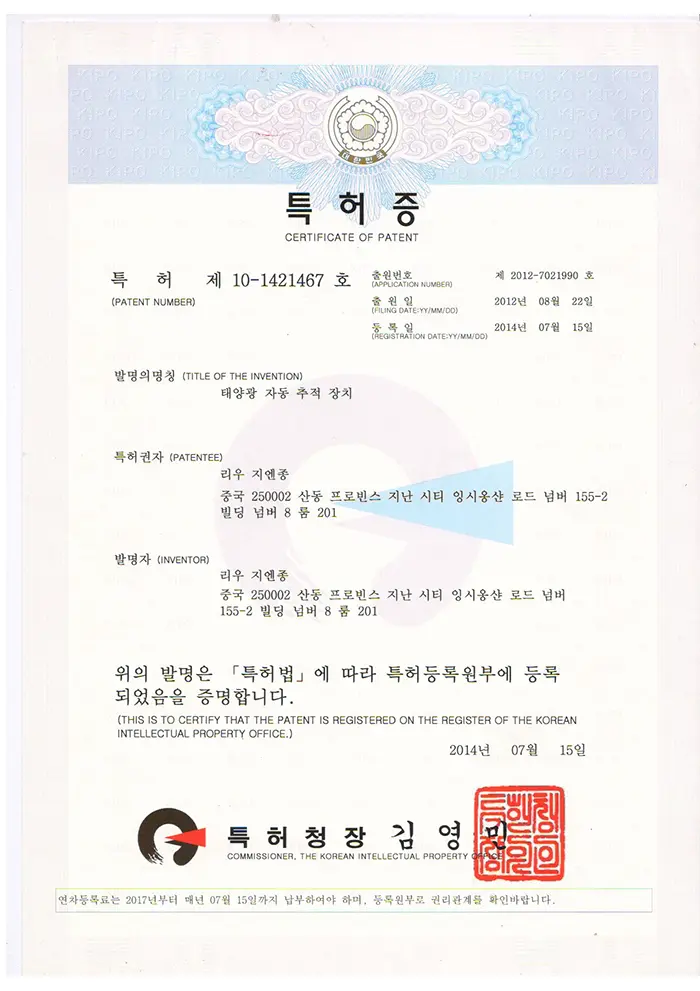
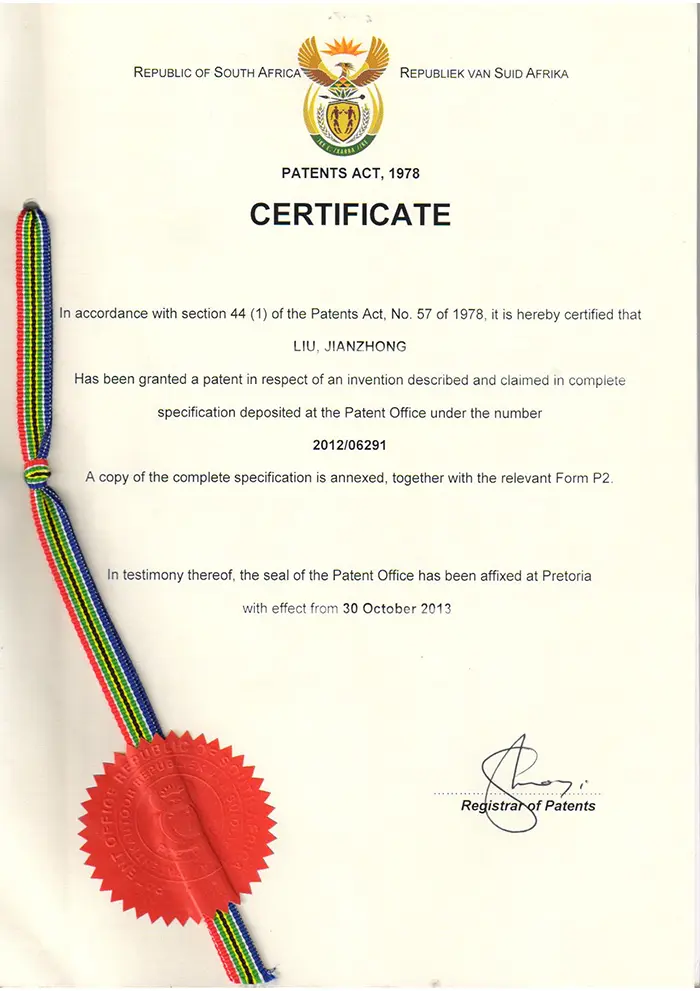
Holding patents in the EU, USA, Canada, Australia, Japan, and more. Our 8 Chinese National Invention Patents prove our market leadership.
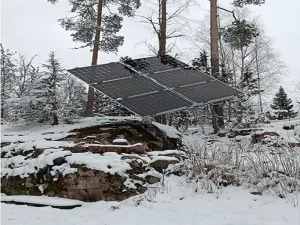
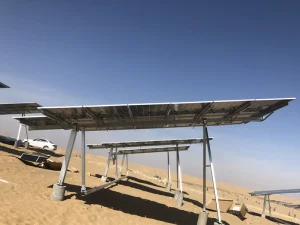
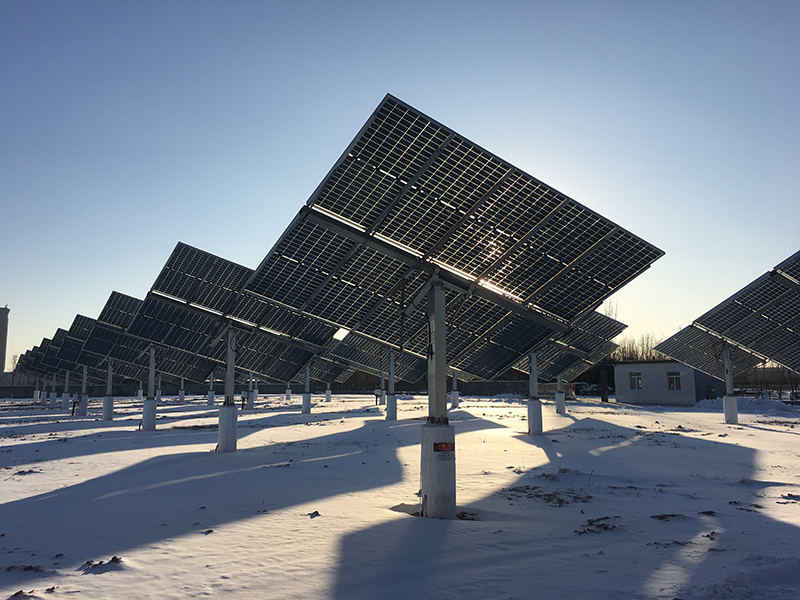
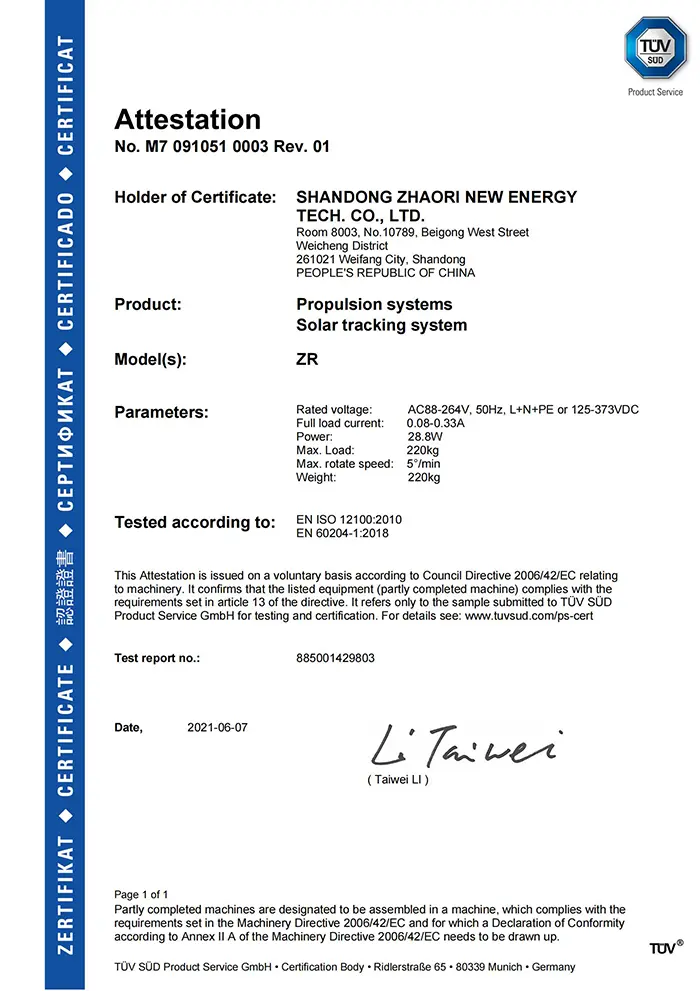
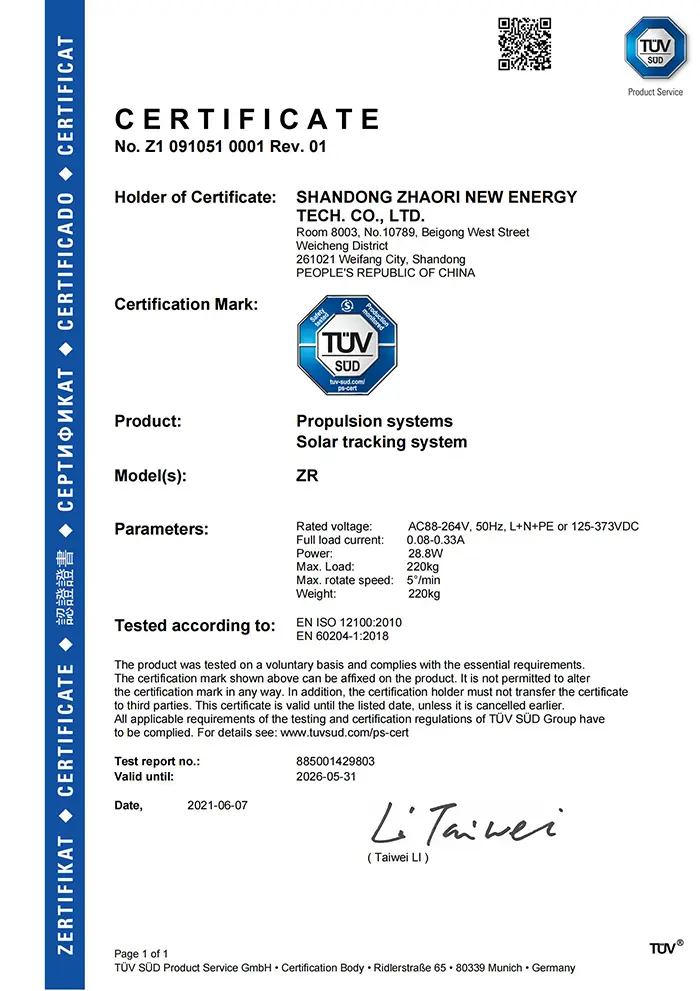
Engineered to handle extreme weather, from desert heat to mountain snow, certified by TUV, CE, and ISO.
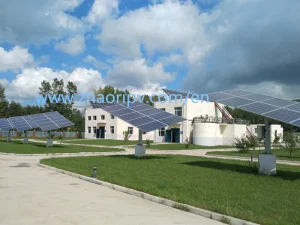
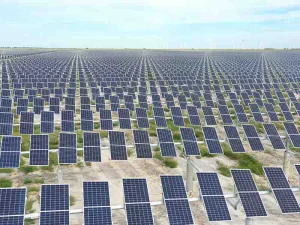
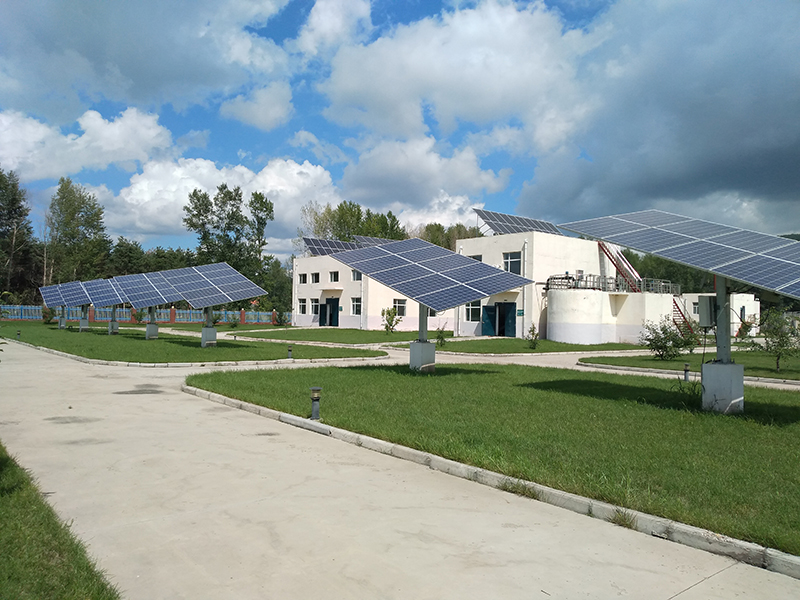
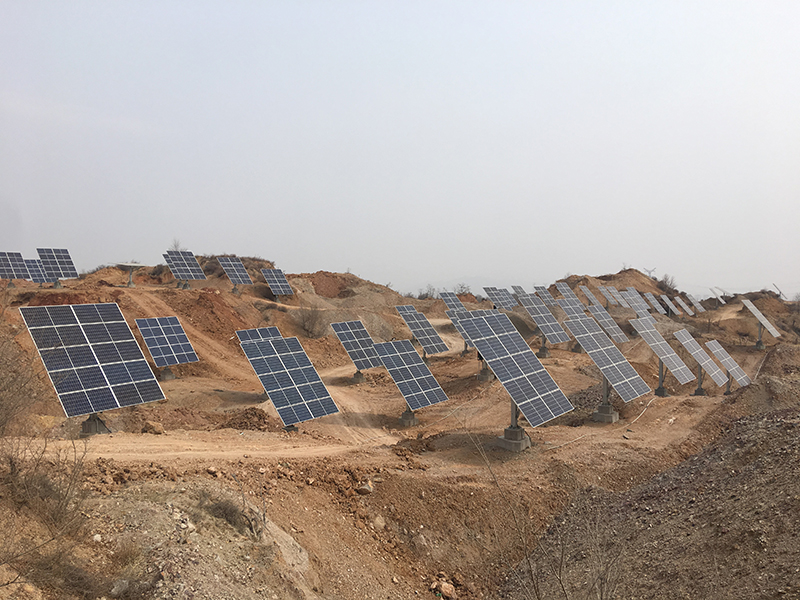
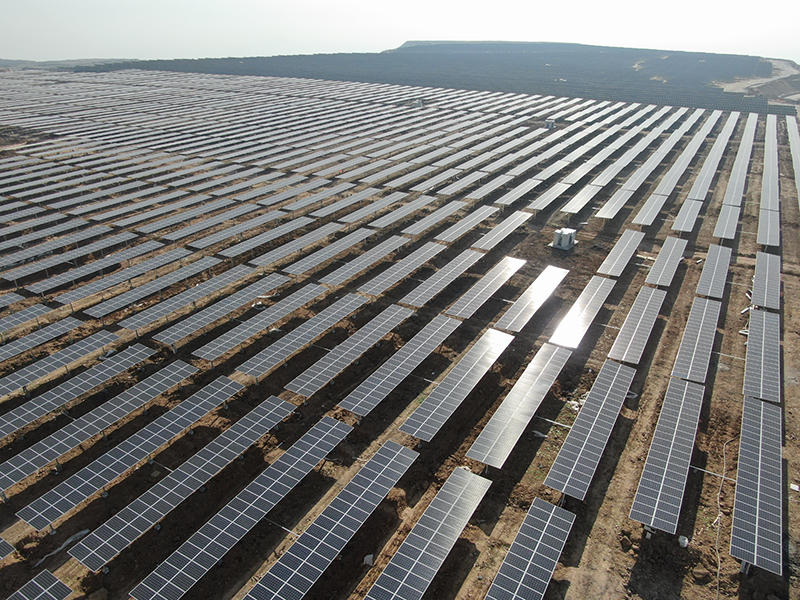
One size does not fit all in solar tracking. We provide customized solutions for diverse environments:
The industry is moving toward the integration of Bifacial Modules with smart trackers. By using AI to calculate the optimal angle for "backside gain" (Albedo effect), we can increase total energy output by an additional 5-10%. Our ZRD-10 and ZRD-08 models are already optimized for this synergy.
A: Dual-axis trackers offer 15-20% more energy gain than single-axis trackers because they follow the sun's elevation as well as its azimuth. They are ideal for high-latitude regions and concentrated PV applications.
A: Depending on local electricity rates and DNI, most commercial clients see a full ROI within 3-5 years due to the massive 40%+ increase in power production.
A: Our systems include automated "Stow Modes." When wind sensors detect speeds above 18m/s, the panels flatten to minimize resistance. For snow, the panels tilt to a steep angle to shed accumulation.
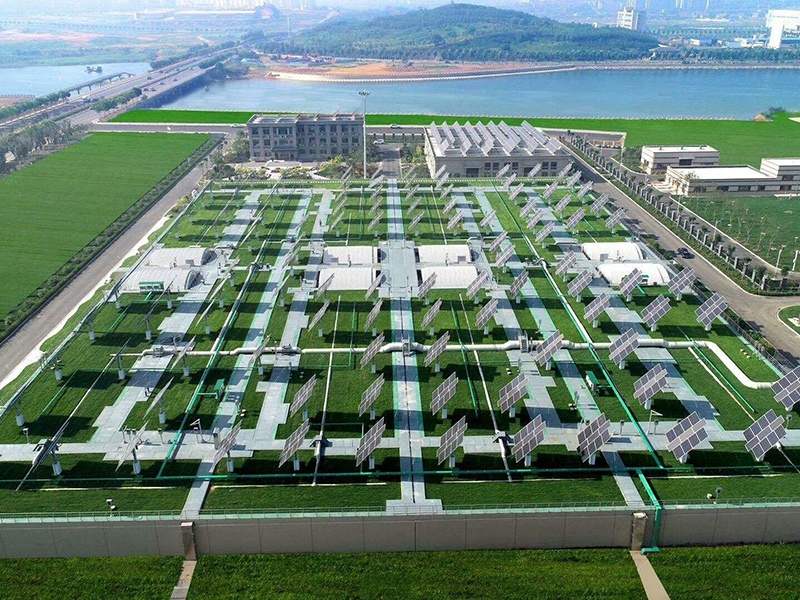
A: Yes, our engineering department specializes in "Mountain Projects" and "Desert Utility Projects," adjusting the mounting height and foundation type (ground screw vs. concrete) to fit the topography.
Reliable components for sustainable energy growth.
 Zhaori