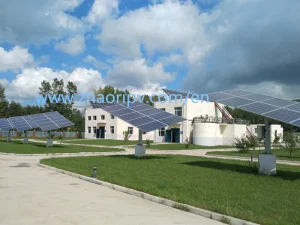
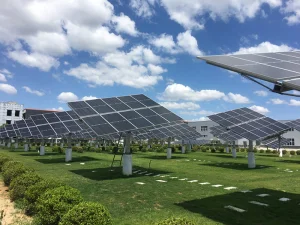
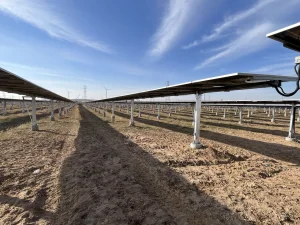
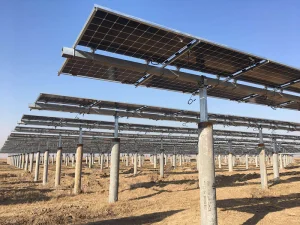
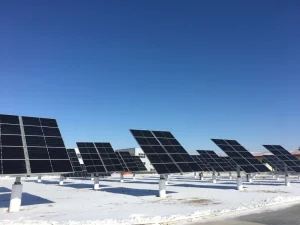
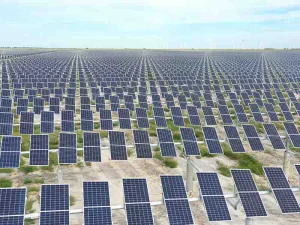
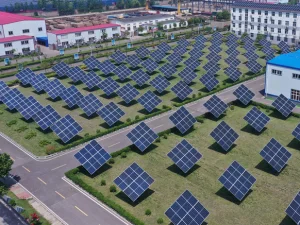
The global renewable energy landscape is undergoing a paradigm shift from simple energy capture to maximized yield optimization. While fixed-tilt systems were once the industry standard, the emergence of advanced Dual Solar Tracking Systems has redefined the ROI (Return on Investment) for utility-scale and industrial PV projects. In high-latitude regions or areas with high diffuse radiation, dual-axis technology can increase energy output by up to 35-45% compared to static installations.
Current industrial trends indicate a massive surge in the adoption of trackers in the MENA region, North America, and Central Asia. Global enterprises are no longer just looking for "brackets"; they are seeking intelligent, sensor-integrated tracking ecosystems that can withstand extreme wind loads, heavy snow, and desert sandstorms while maintaining sub-degree tracking accuracy.
Founded in June 2012, Shandong Zhaori New Energy Tech. Co., Ltd. stands as a titan in the high-tech new energy sector. Our foundation is built on 10 specialized departments, including a world-class R&D center and an engineering powerhouse. With over 60 professional technology talents, our team has dedicated over 10 years to perfecting the synergy between photovoltaic stations and solar tracking technology.
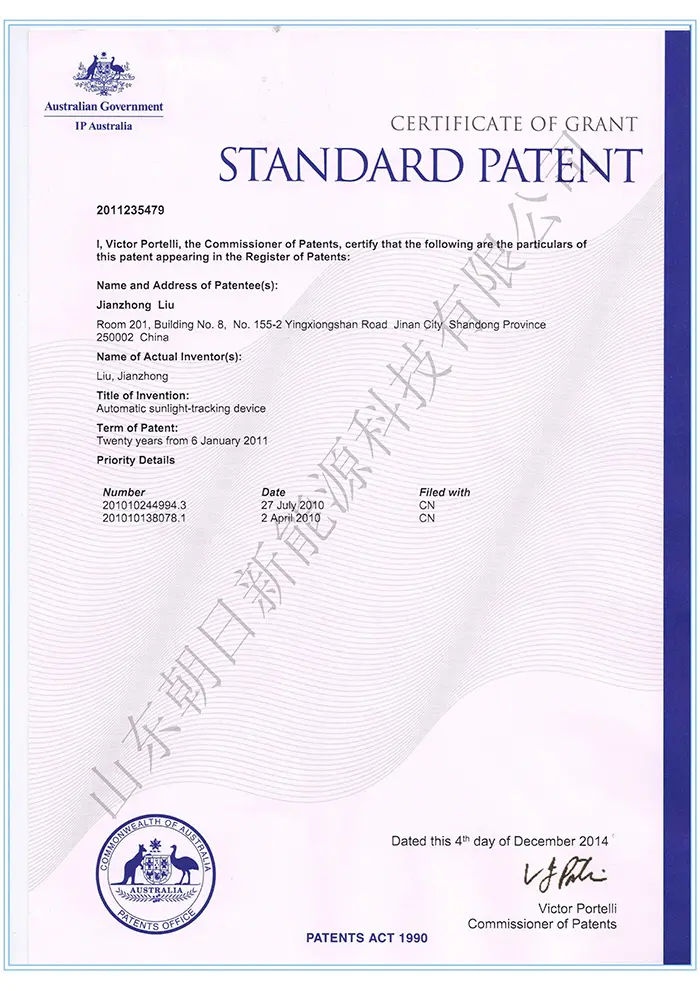
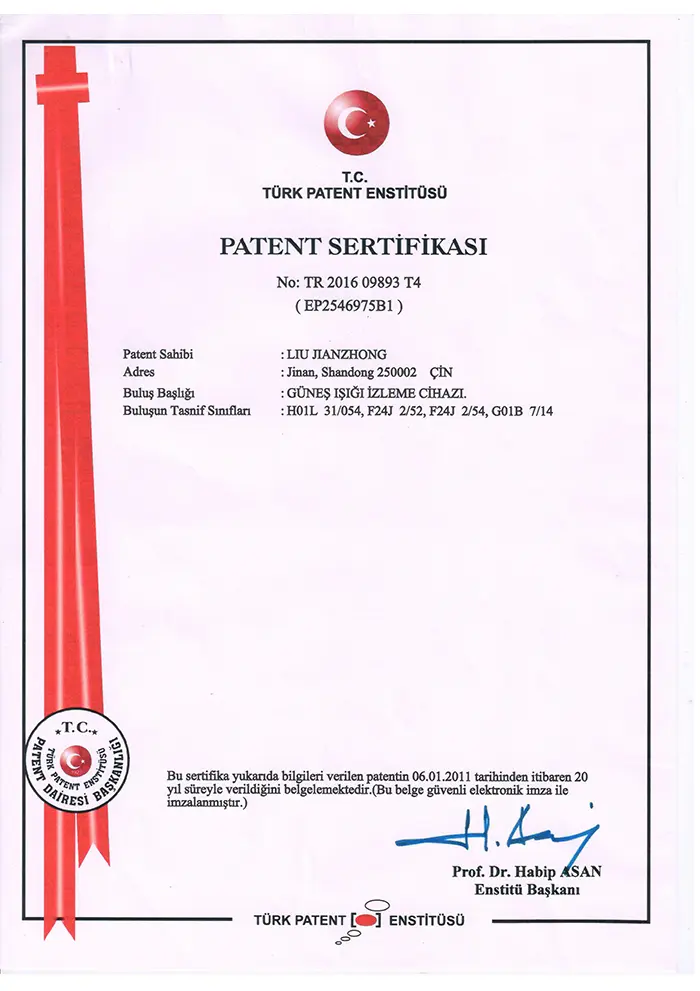
Our principle is simple: More simple, more reliable, and more effective. This philosophy has led us to secure patents not only in China but across the Europe Patent Office, the United States, Canada, Australia, Japan, South Korea, Thailand, India, Brazil, and South Africa.
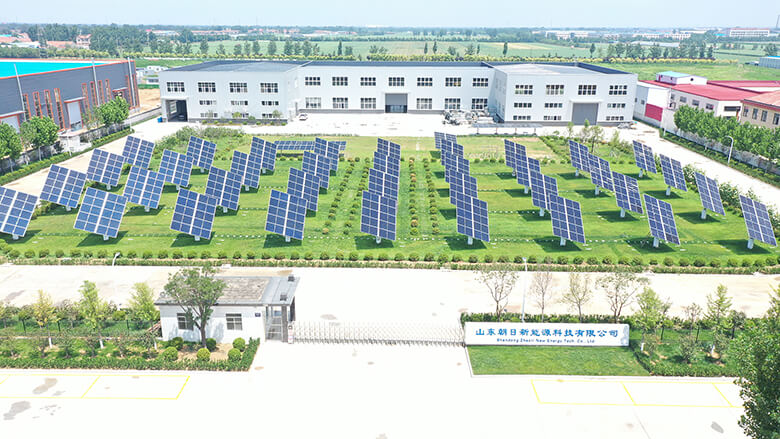
The manufacturing prowess of our 50,000 square meter factory is the cornerstone of our competitive edge. Utilizing a series of advanced production equipment—including CNC machine tools, laser cutting machines, automatic welding robots, and plasma machines—we maintain a monthly production capacity of 500MW. This scale allows us to offer the "Information Gain" that procurement officers value: Industrial-grade reliability at optimized cost structures.
From raw material screening to anti-rust treatment, every step follows strict quality control in accordance with international management system certifications.
Our automatic welding robots ensure structural integrity that manual processes cannot match, essential for trackers facing 25-year lifespans.
With 300+ production workers and dozens of lines, we handle everything from residential kits to massive utility-scale tenders.
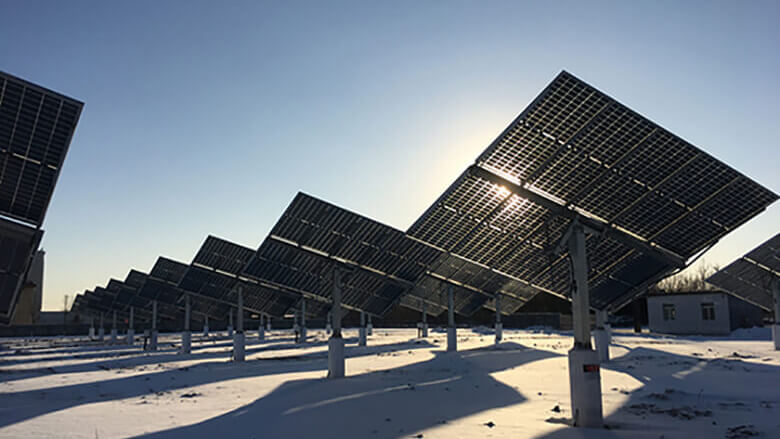
One size does not fit all in solar tracking. Our systems are engineered for diverse global topographies:
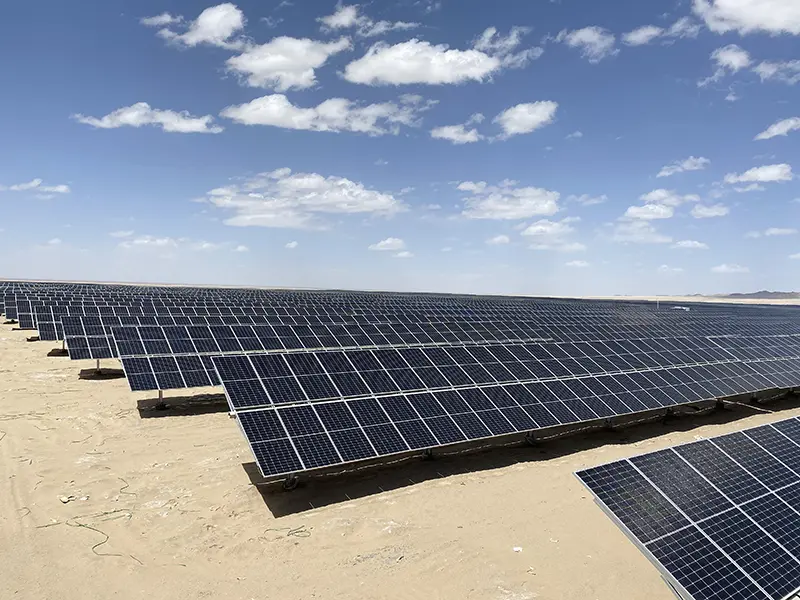
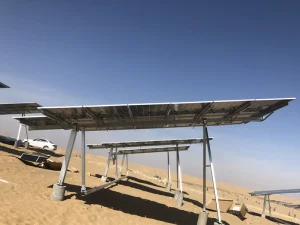
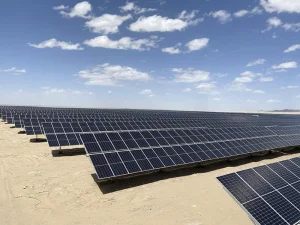
Sealed drive mechanisms protect against abrasive sand and high heat, ensuring 99% uptime in Saharan conditions.
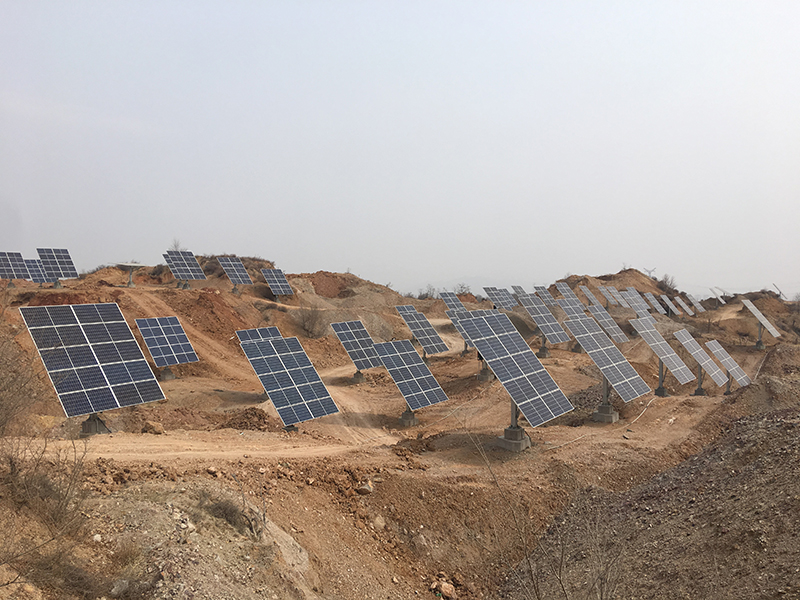
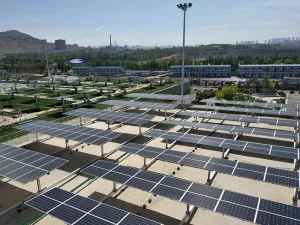
Our adjustable brackets and single-axis systems with inclined modules allow for installation on uneven slopes without massive land leveling costs.
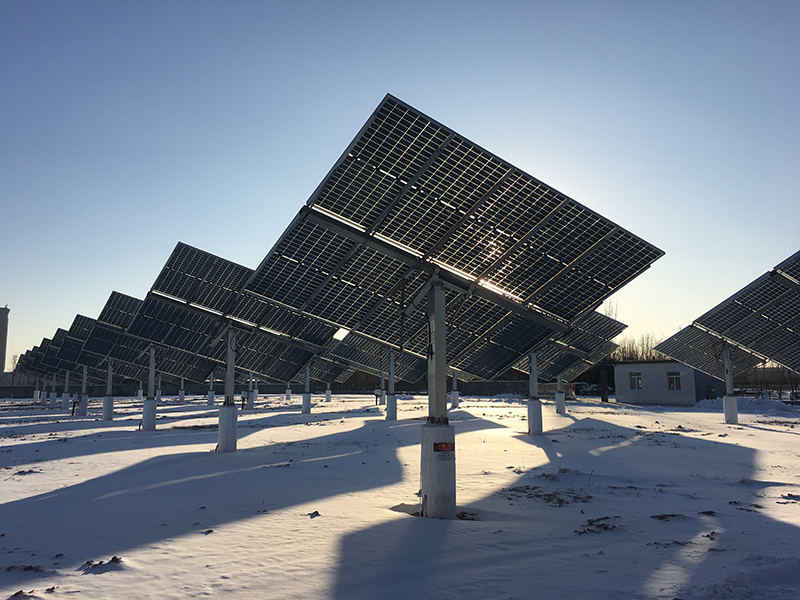
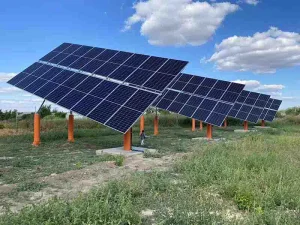
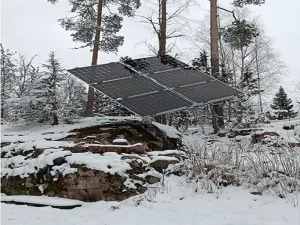
Dual-axis trackers can pivot to shed snow automatically and capture the low-angle winter sun that fixed systems miss.
For an SEO Growth Director, "Information Gain" means providing technical insights that help buyers make informed decisions. A Dual Axis Solar Tracking System tracks the sun's azimuth and altitude simultaneously. This is achieved via either Astronomical Algorithms (Time-based) or Sensor-based (Light-sensitive) controls.
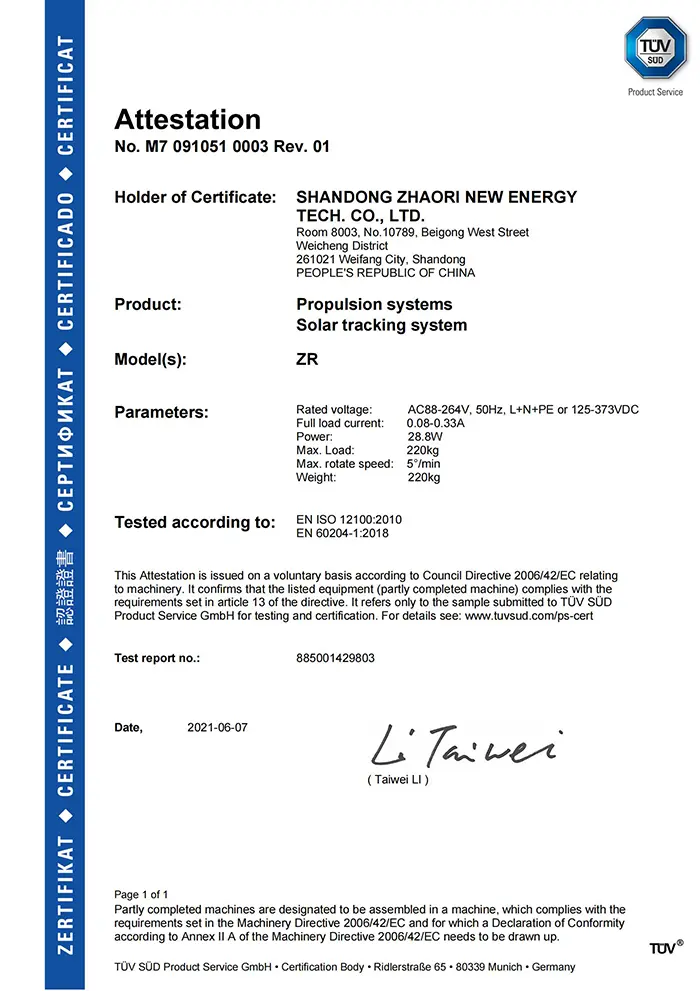
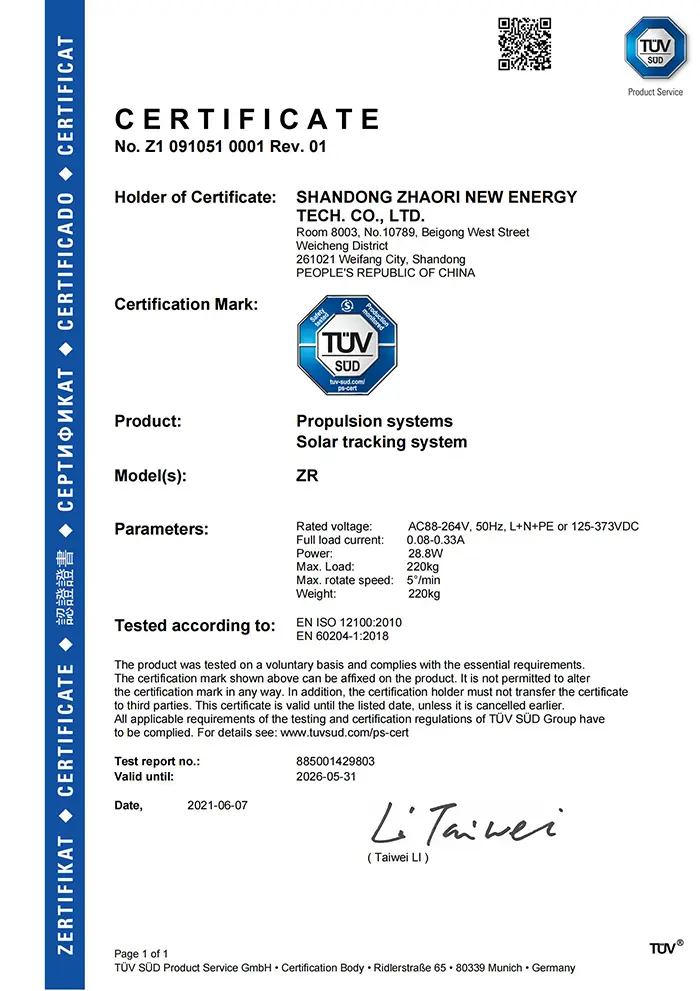
A: Our dual-axis systems (like ZRD-08 and ZRD-10) track both the sun's height and horizontal position, offering the highest possible yield (up to 40% gain). Single-axis systems (ZRT series) track only the sun's horizontal movement, which is more cost-effective for large, flat utility-scale projects.
A: All Zhaori trackers are equipped with smart sensors. In high wind conditions, the system automatically flattens to a "stow position" to minimize wind resistance. For snow, the dual-axis system can tilt to a steep angle to allow snow to slide off the panels.
A: Yes! Our 2P Flat Single Axis and Dual Axis trackers are optimized for bifacial modules, ensuring no structural shading on the rear side, which further increases the total energy harvest.
A: Depending on the local solar irradiance and electricity prices, most of our clients see a full ROI within 3 to 5 years, purely from the energy gain compared to fixed brackets.
 Zhaori