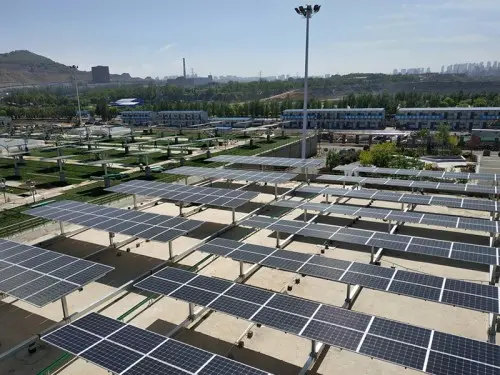
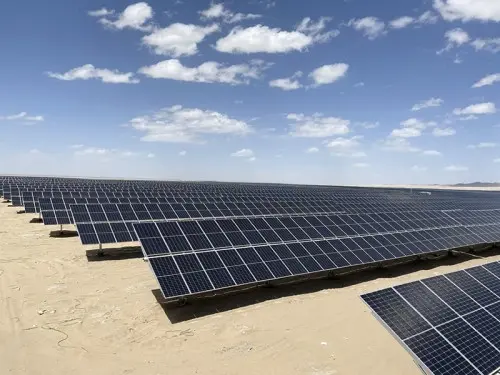
In the current global energy transition, Mechanical Solar Trackers have emerged as a critical technology for maximizing the energy yield of photovoltaic (PV) power plants. Unlike fixed-tilt systems, mechanical trackers utilize sophisticated actuators and sensors to orient PV panels toward the sun throughout the day. This technology is no longer a luxury but a necessity for achieving the lowest Levelized Cost of Energy (LCOE).
China has established itself as the global epicenter for solar tracker manufacturing, combining advanced mechanical engineering with integrated supply chains. Suppliers like Shandong Zhaori New Energy Tech. Co., Ltd. (also known as Sunchaser) are leading this charge by providing systems that can increase energy production by 15% to 35% compared to static structures.
Modern mechanical trackers require high-precision slewing drives and intelligent control units (TCUs) to ensure accuracy within ±1 degree of solar alignment.
The global solar tracker market is expected to grow at a CAGR of 14% through 2030, driven by utility-scale projects in the US, Europe, and Middle East.
By optimizing the angle of incidence, trackers allow for smaller land footprints while generating more MWh per installed megawatt.
Founding Year: June 2012 | High-Tech Enterprise
Based on independent intellectual property rights, our company has evolved into a global powerhouse in the PV bracket industry. With 10 specialized departments including R&D, Technical Engineering, and Quality Assurance, we maintain a workforce of over 60 professional technology talents and 300+ production workers.
Our team has focused on photovoltaic power stations and solar tracking technology for more than 10 years, ensuring that every product we deliver meets the rigorous demands of harsh environmental conditions.
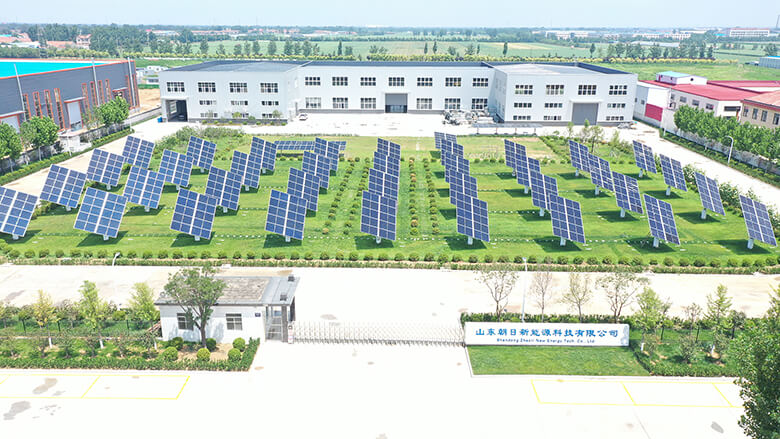
Integration of AI and machine learning algorithms to optimize "backtracking"—adjusting panel angles during early morning and late evening to prevent row-to-row shading, especially on uneven terrain.
Mechanical designs are moving towards "2P" (two panels in portrait) configurations and taller structures to maximize the albedo light captured by the backside of bifacial modules.
Remote monitoring via SCADA systems and IoT sensors allows for real-time health checks, stow-mode activation during high winds, and automated snow cleaning protocols.
Our factory is equipped with advanced CNC machine tools, laser cutting machines, and automatic welding robots. We control the entire lifecycle: Raw Material Screening → Cutting → Welding → Forming → Anti-rust Treatment (Hot-dip Galvanizing) → Inspection → Packaging.
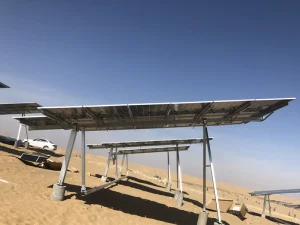
Specialized seals for slewing drives to prevent sand ingress. Applied in 20MW and 360MW projects in arid regions.
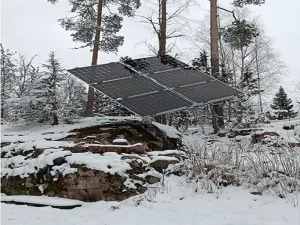
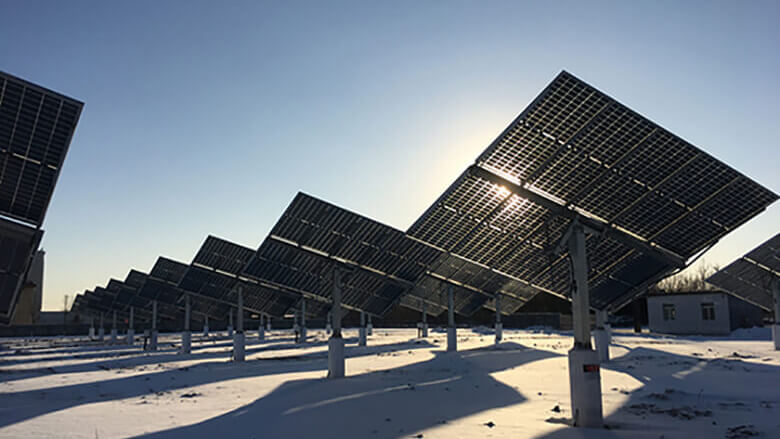
Automated "Snow Mode" tilts panels to 60° to shed accumulation, preventing structural failure under heavy loads.
Tilted single-axis systems designed for slopes, reducing the need for costly land leveling.
Lightweight tracking solutions for commercial roofs that can handle high wind speeds with rapid stow mechanisms.
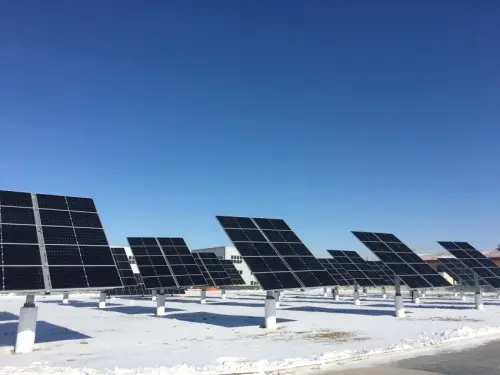
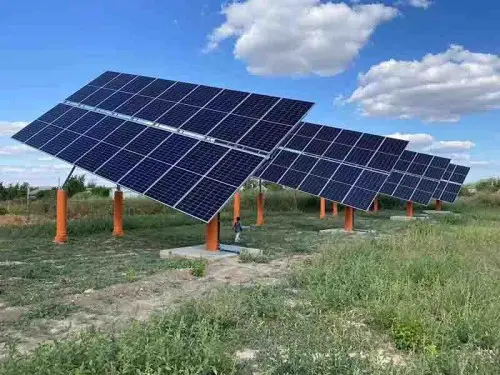
Our flagship ZRD series dual-axis trackers and ZRP flat single-axis trackers are designed for massive deployment. These systems utilize GPS-based tracking for ultra-precise orientation, ensuring every ray of sun is converted to power.
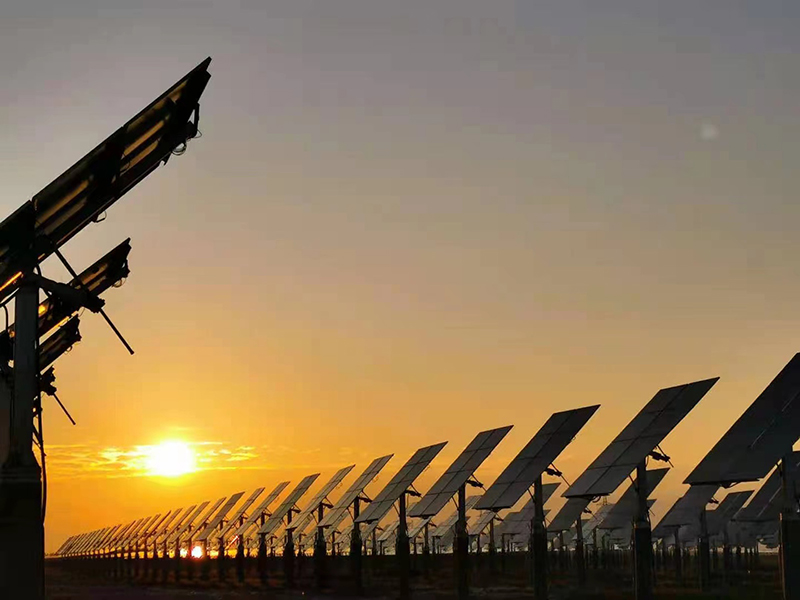
5MW North China Project
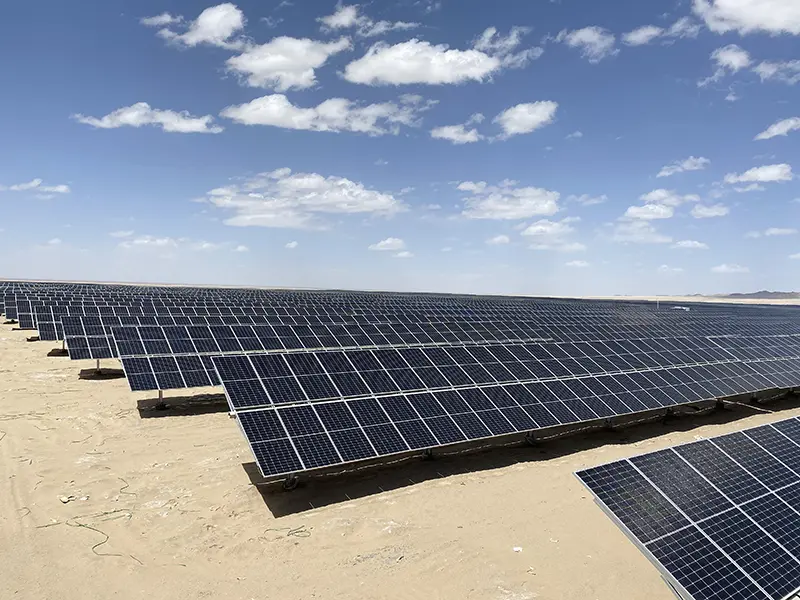
20MW Desert Installation
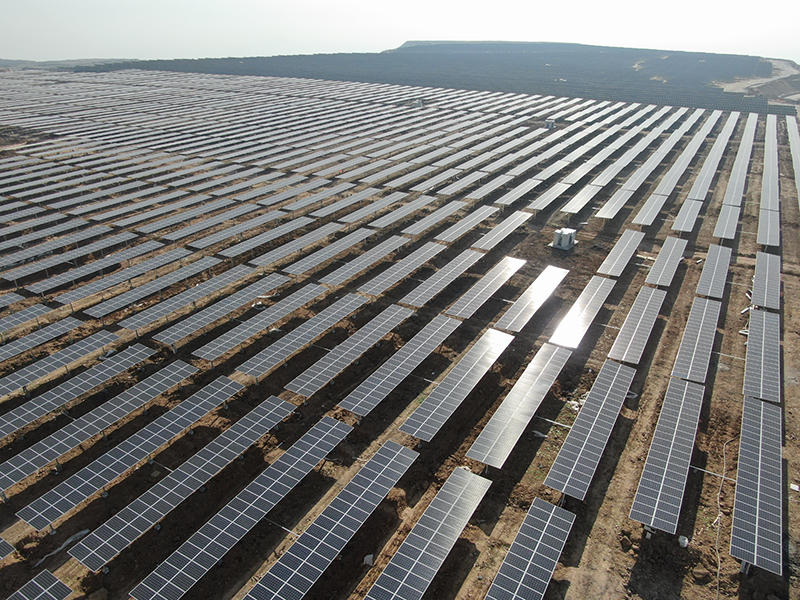
20MW Central China Hub
Single-axis trackers follow the sun from east to west on one axis, increasing yield by about 15-25%. Dual-axis trackers adjust for both azimuth and elevation, maximizing sun exposure perfectly throughout the year, typically offering a 30-40% gain.
Our systems include integrated wind sensors. When wind speeds exceed safety thresholds (typically 18-22 m/s), the trackers automatically move to a "stow" position (horizontal) to minimize structural resistance and prevent damage.
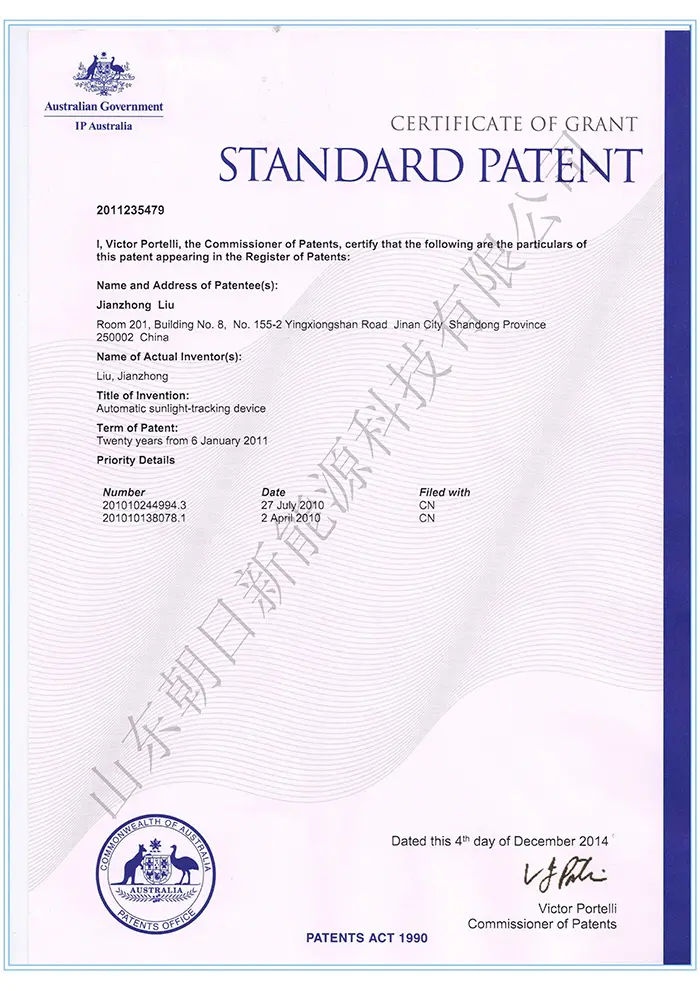
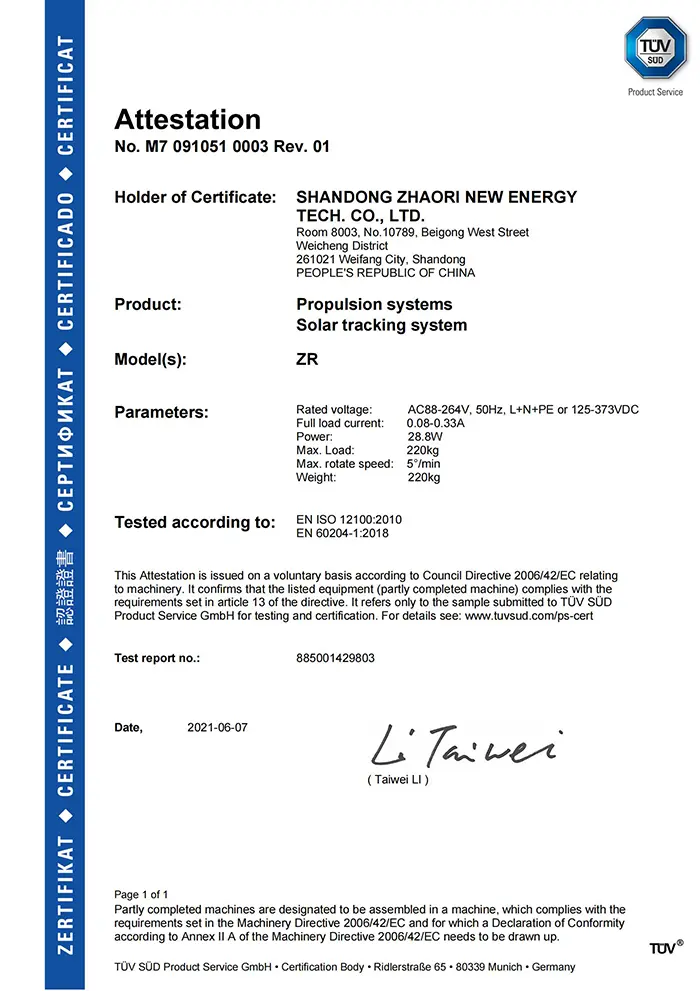
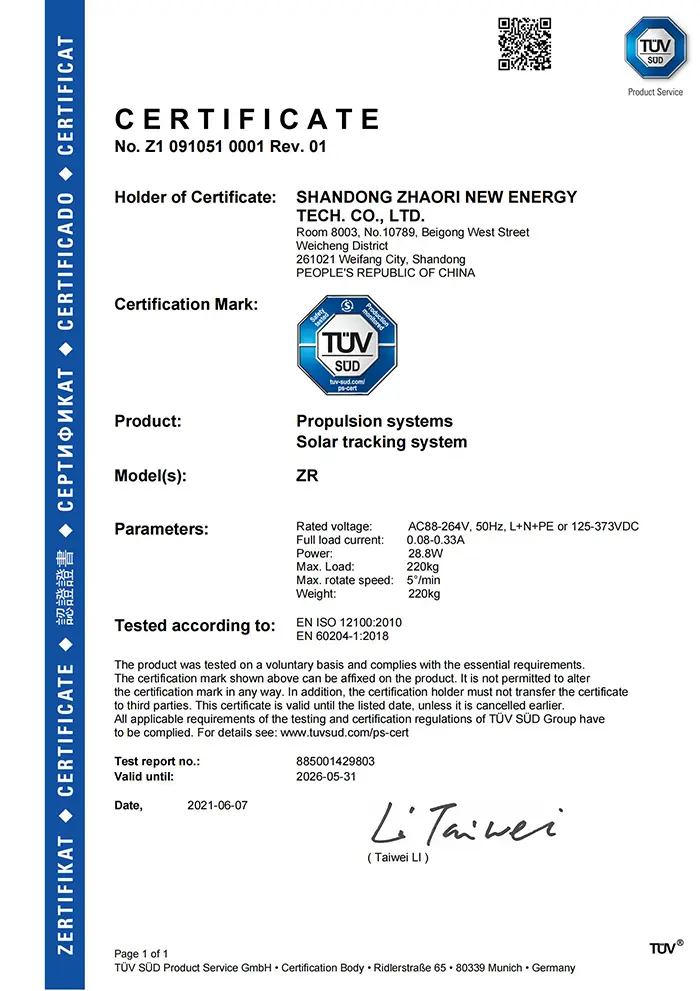
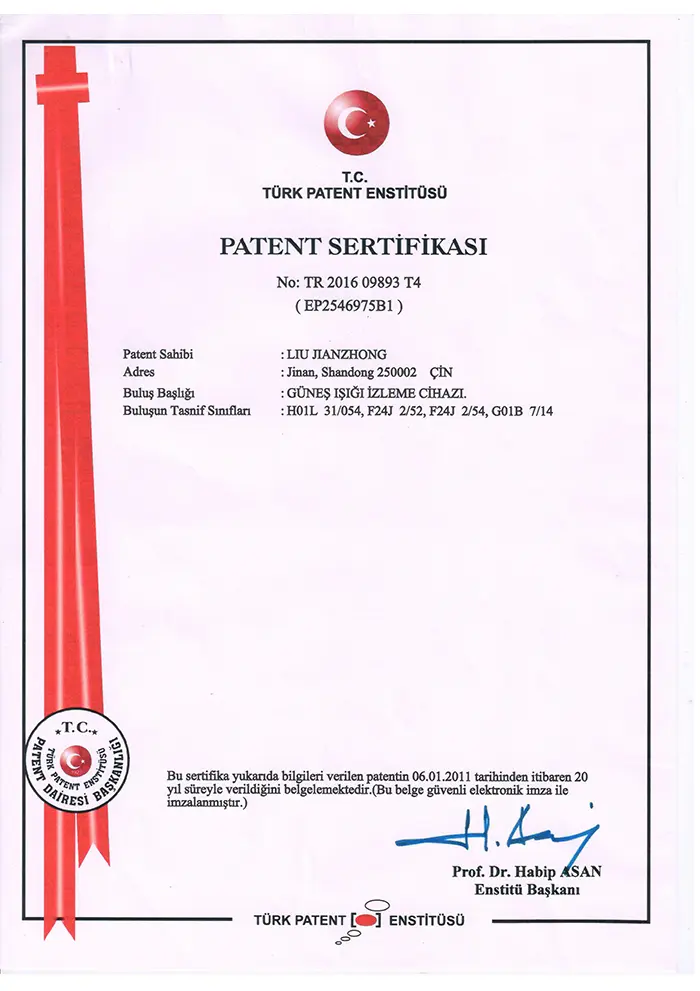
Reliable suppliers should hold TUV, CE, and ISO 9001 certifications. Shandong Zhaori also holds patents from the Europe Patent Office, USA, Canada, and Japan, ensuring our mechanical designs meet international safety standards.
While the upfront cost is higher than fixed brackets, the increased energy production usually results in a 2-4 year shorter payback period for utility-scale projects, depending on local solar irradiation levels.
Yes, trackers are the best partners for bifacial modules. Our designs minimize backside shading, allowing for the capture of reflected light (albedo) which can add another 5-10% to the total energy output.
Modern mechanical trackers are designed for low maintenance. Our slewing drives are lubricated for life, and the electronic controls feature self-diagnostic capabilities to alert operators of any issues via the cloud.
Adhering to the business principle of mutual benefits, Shandong Zhaori New Energy Tech. Co., Ltd. has earned a global reputation for quality products and competitive pricing. Whether you are developing a residential roof project or a 500MW utility plant, our professional technology and suitable prices provide the ultimate foundation for your green energy future.
 Zhaori