High-Precision Positioning Systems for Maximum Energy Harvest
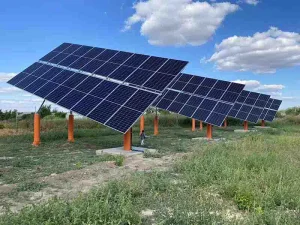
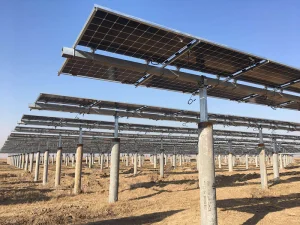
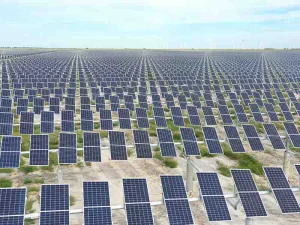
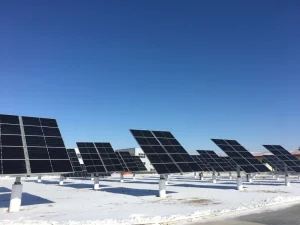
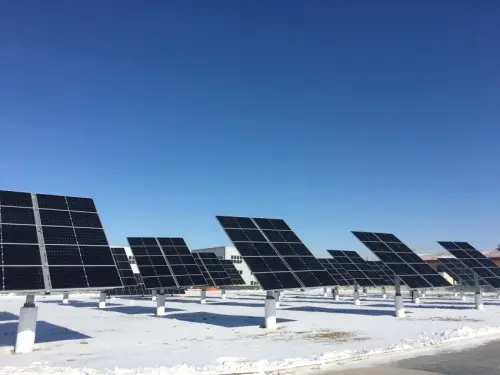
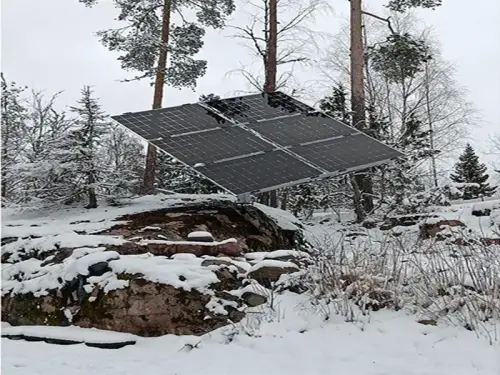
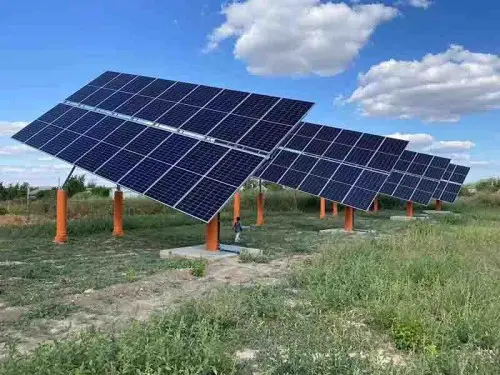
In the current photovoltaic landscape, the Solar Panel Positioning System has evolved from simple static frames to intelligent, multi-axis tracking assets. Recent data suggests that utility-scale projects utilizing dual-axis trackers can achieve up to 35-40% higher energy yields compared to fixed-tilt installations. This "Information Gain" in energy harvest is the primary driver for the declining LCOE (Levelized Cost of Electricity) globally.
Modern positioning systems now integrate real-time meteorological data and AI-driven algorithms to mitigate "Backtracking" issues—a phenomenon where panels shade each other during low sun angles. Our ZRT and ZRD series utilize proprietary software to optimize every degree of movement, ensuring that the semantic intent of "maximum exposure" is met even in diffused light conditions.
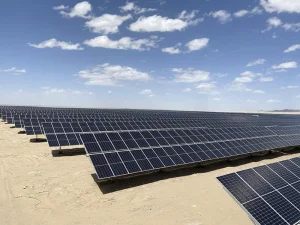
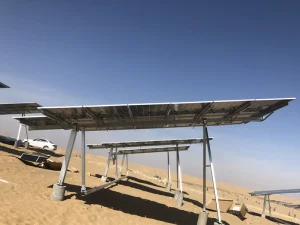
For regions like the Middle East and North Africa (MENA), solar trackers must withstand extreme thermal cycling and abrasive sandstorms. Our systems feature IP65-rated enclosures and self-lubricating joints to ensure a 25-year operational lifespan with minimal maintenance.
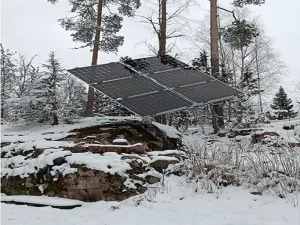
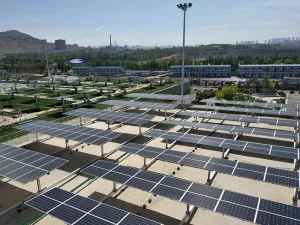
Single-axis trackers with inclined modules (ZRPT series) are specifically designed for non-flat topography. By decoupling the mechanical rows, we allow for installation on slopes that were previously considered "unbuildable," maximizing land-use efficiency.
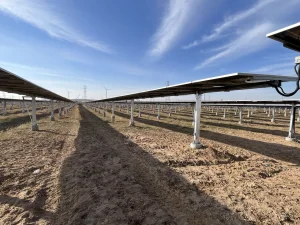
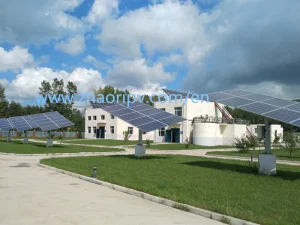
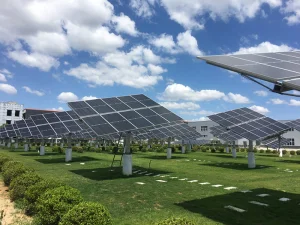
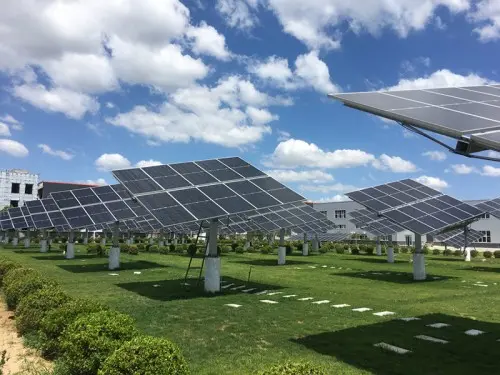
Global procurement trends show a rising demand for high-clearance tracking systems. By positioning solar panels at specific heights and angles, land can be used simultaneously for crop cultivation and power generation, providing a dual revenue stream for developers.
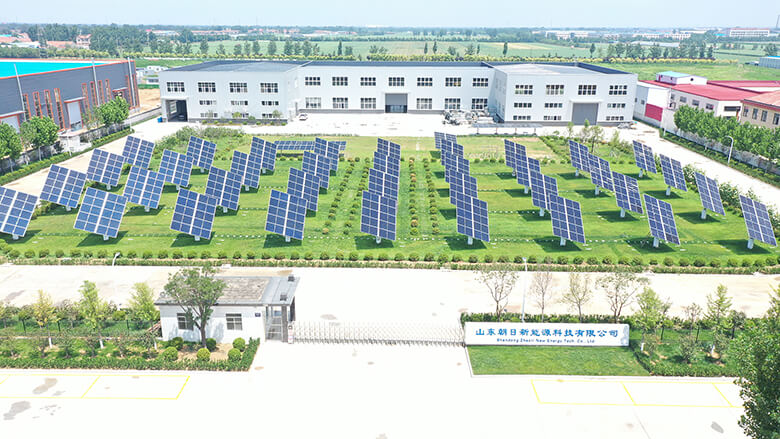
Shandong Zhaori New Energy Tech. Co., Ltd. is a titan in the high-tech renewable energy sector. Established in 2012, our 50,000 square meter facility is equipped with state-of-the-art CNC machine tools, laser cutting arrays, and automatic welding robots. We don't just assemble; we engineer.
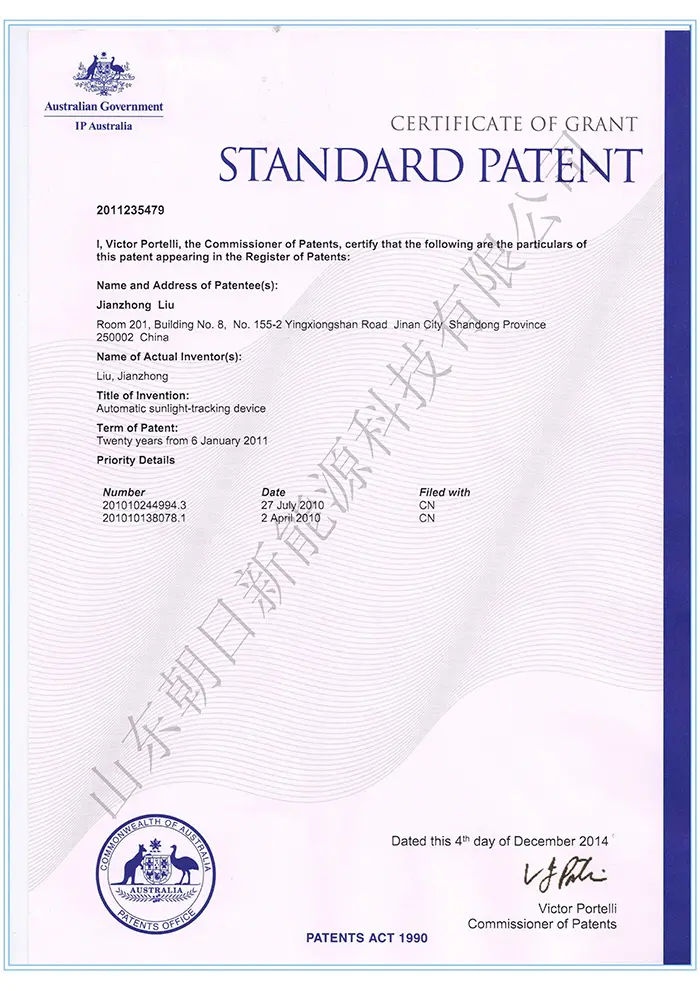
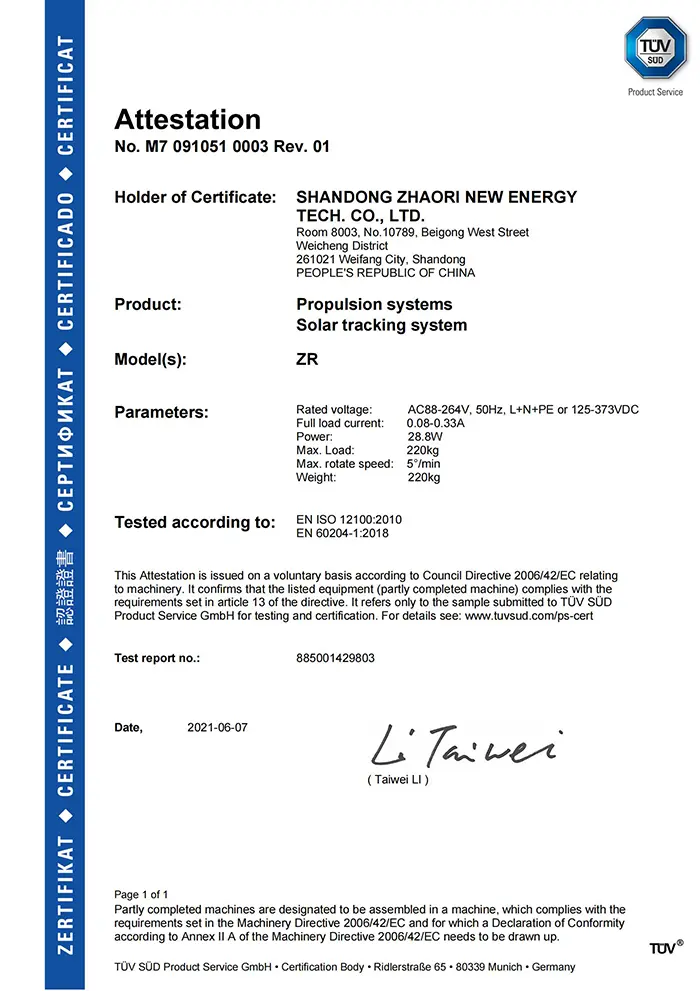
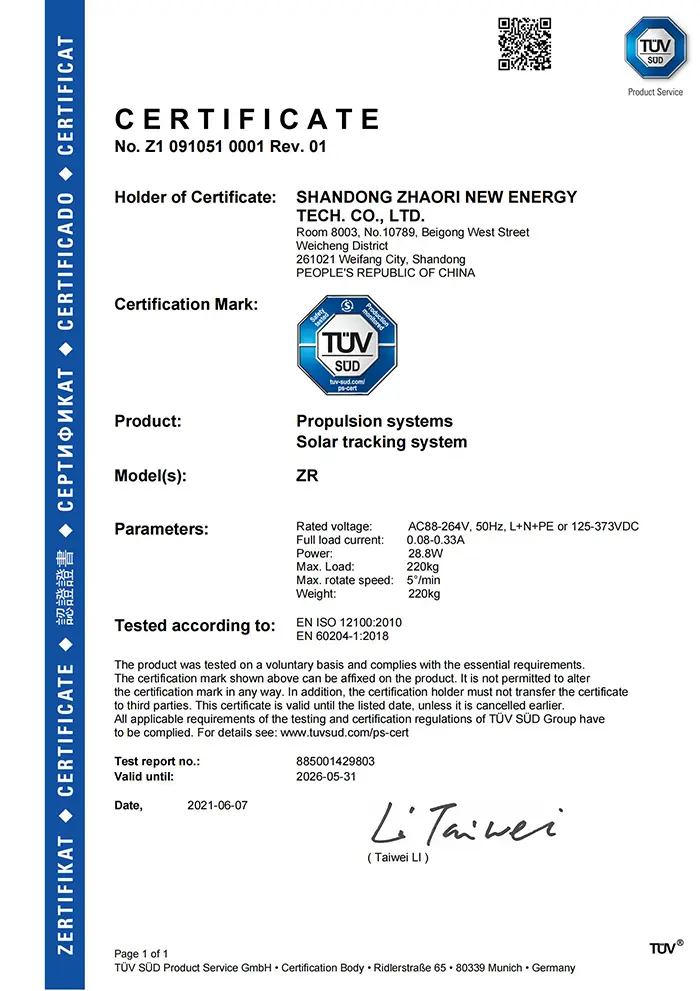
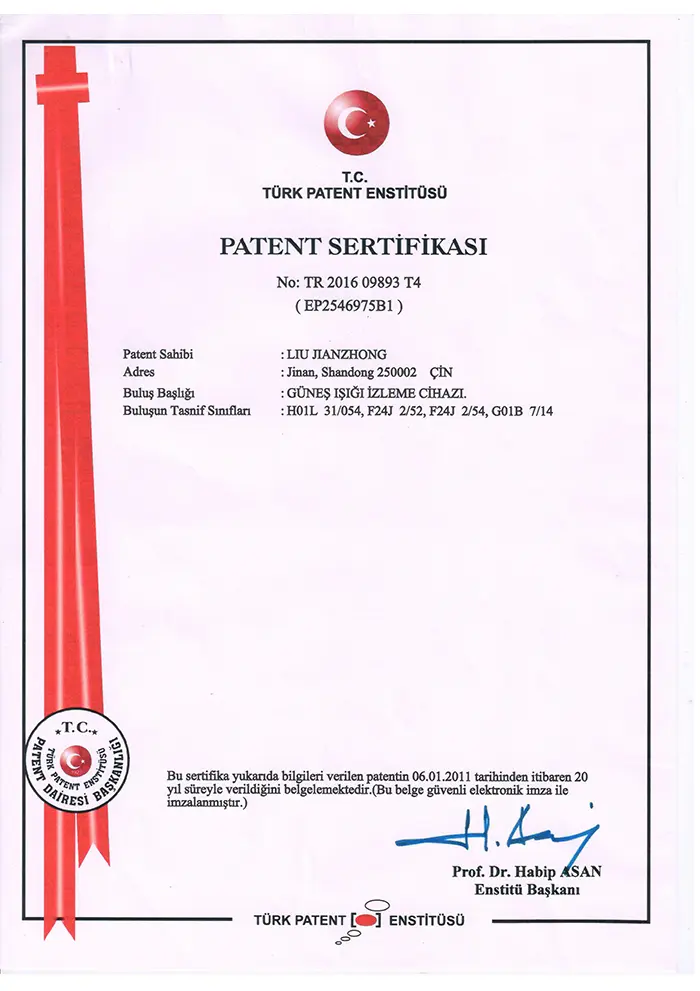
Our commitment to the E-E-A-T principle is reflected in our 10 specialized departments, including a dedicated Quality Assurance (QA) wing that oversees every stage from raw material screening to final anti-rust treatment. With over 60 professional technology talents, we hold invention patents from the European Patent Office, USA, Canada, Japan, and more.
The next generation of Solar Panel Positioning Systems will move beyond astronomical tracking. We are currently developing:
Select a model to receive a customized quote and technical datasheet
 Zhaori