The solar energy landscape is shifting from "static" to "dynamic" infrastructure to maximize Levelized Cost of Energy (LCOE) efficiency.
As of 2024, the global solar tracker market is witnessing an unprecedented CAGR of 15%+. This growth is driven by the adoption of bifacial modules, which perform significantly better when paired with tracking systems that eliminate shading and optimize the angle of incidence. China has emerged as the global epicenter for solar tracker manufacturing, combining sophisticated supply chains with rapid technological iteration.
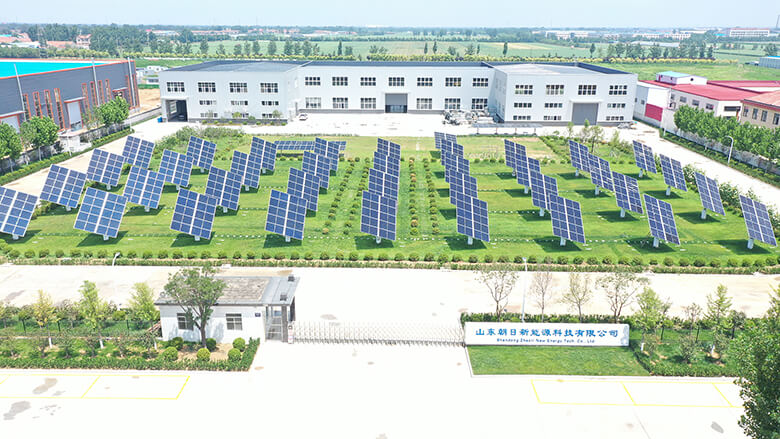
Founded in June 2012, Shandong Zhaori New Energy Tech. Co., Ltd. is a high-tech powerhouse focused on independent intellectual property rights. With over 60 professional technology talents and a decade of specialized focus on solar tracking technology, we have built a reputation for excellence in the PV station sector.
Our infrastructure includes 10 dedicated departments spanning R&D, Quality Assurance, and International Trade, ensuring that every solar array we supply meets rigorous global standards.
Our 50,000 sqm factory is equipped with CNC machine tools, laser cutting machines, and automatic welding robots. With 300+ skilled workers, we achieve a production capacity of 500MW per month. Every product undergoes strict raw material screening and anti-rust treatments.
Our products are protected by patents in the USA, Canada, Europe, Japan, Korea, Australia, and India. We hold 8 Chinese National Invention Patents and over 30 Utility model patents, alongside TUV, CE, and ISO certifications.
Our core principle: "More Simple, More Reliable, More Effective." We believe that reducing mechanical complexity leads to higher uptime and lower maintenance costs for our global partners.
Developing the next generation of terrain-adaptive and climate-resilient solar tracking systems.
Optimizing ZRT and ZRP systems for multi-slope terrains with ±15% slope tolerance without extensive land grading.
Integration of dedicated PV strings and wireless LoRa communication to eliminate trenching and wiring costs.
Advanced stowing mechanisms to withstand 250km/h wind loads and heavy snow accumulation (ZRD series optimization).
Full IoT integration allowing operators to monitor structural health and precise tracking accuracy via cloud dashboards.
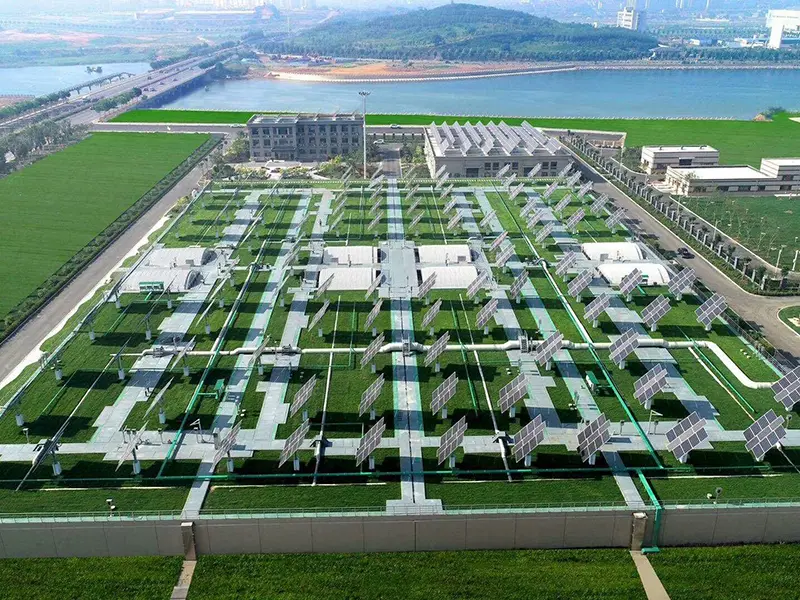
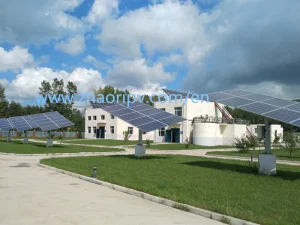
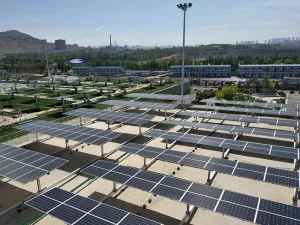
Industrial Rooftops: Optimized for limited space and weight constraints.
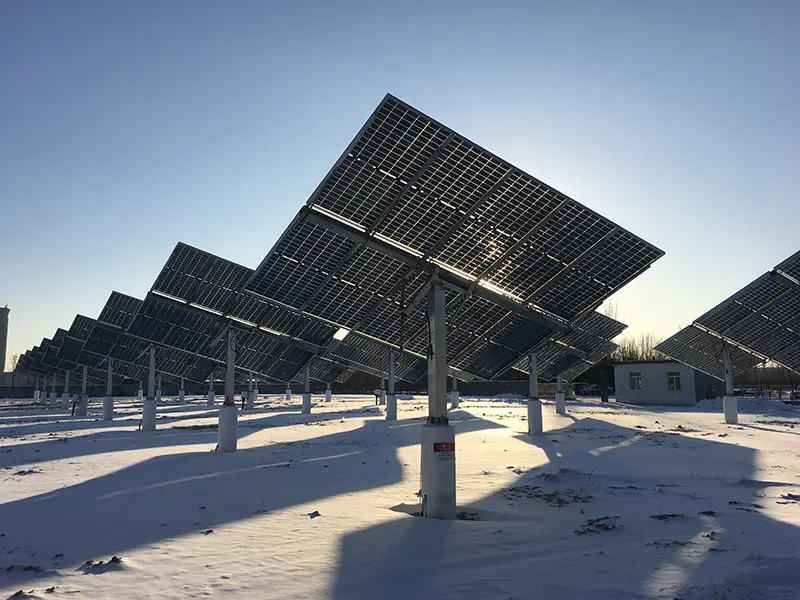
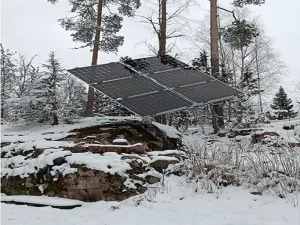
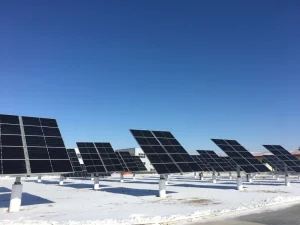
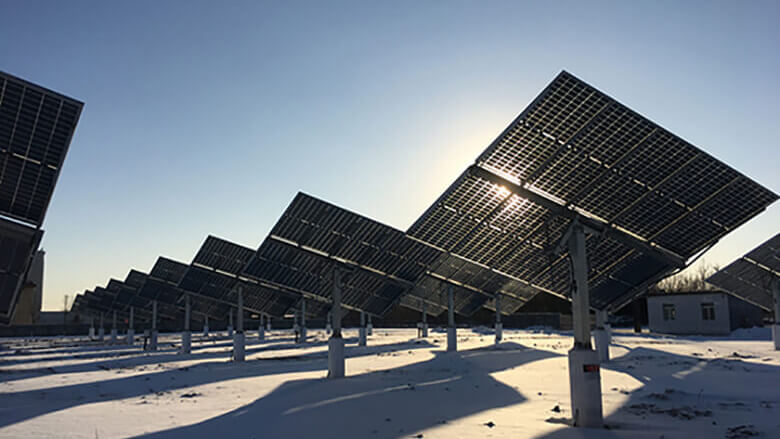
Snowy Regions: Automatic tilt adjustment to shed snow loads and prevent structural damage.
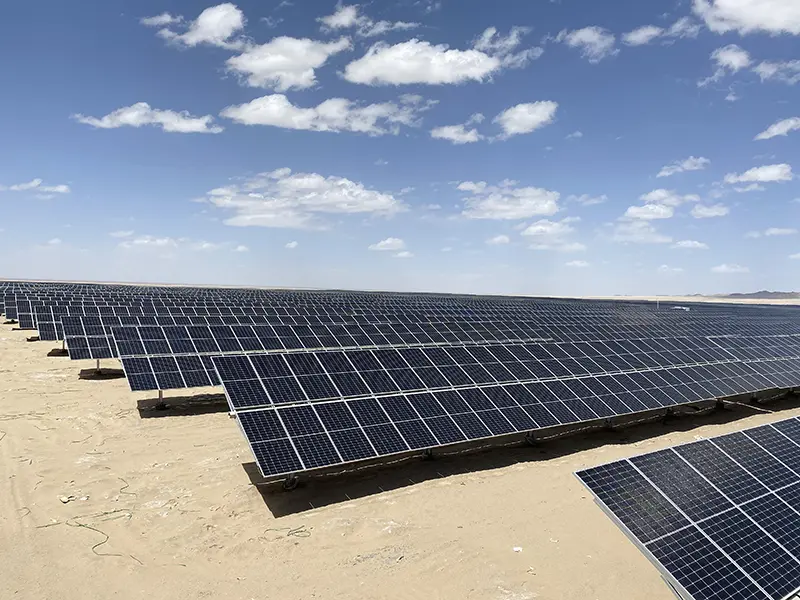
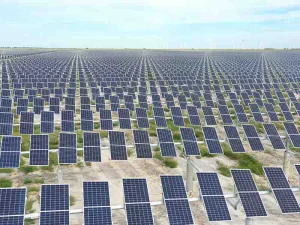
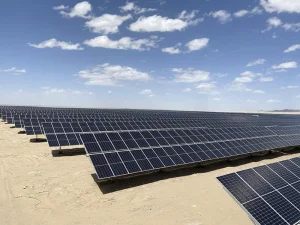
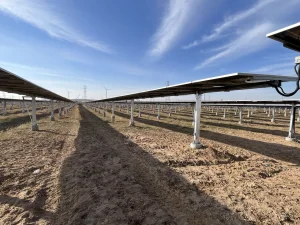
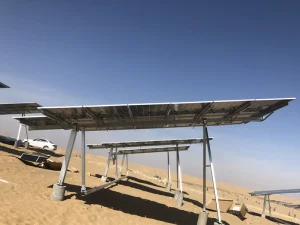
Desert Environments: High-precision tracking (0.5° accuracy) for maximum DNI harvest in 20MW+ utility scales.
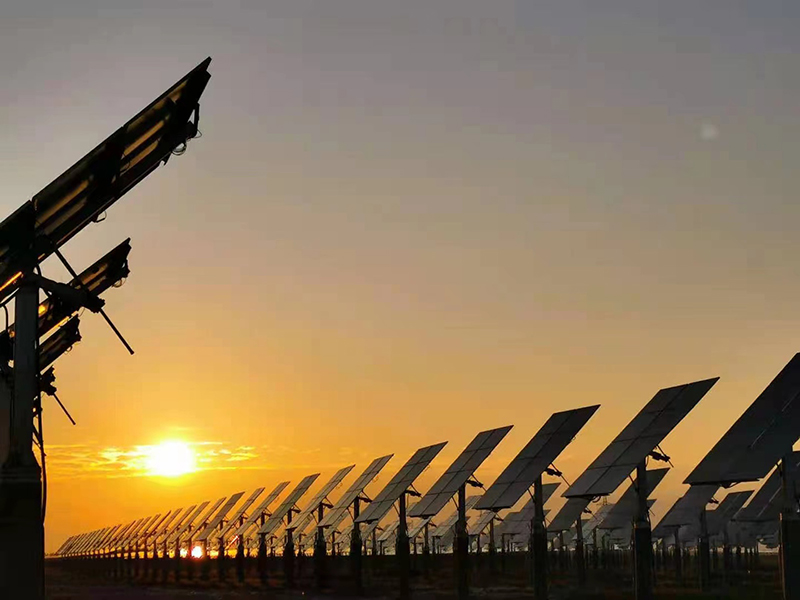
Mountainous Terrain: Modular dual-axis units (ZRD-08) for fragmented, uneven land parcels.
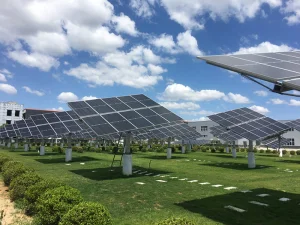
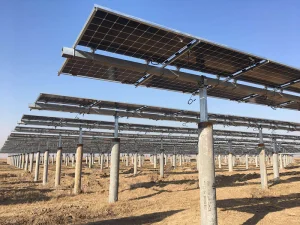
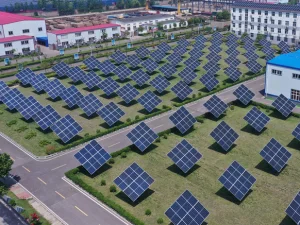
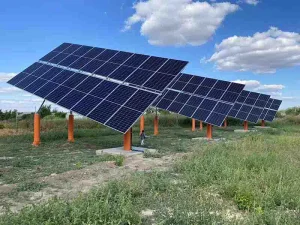
Designed for the most ambitious solar projects, our dual-axis systems track both the azimuth and altitude of the sun. This ensures the solar panels are always perpendicular to the sun's rays. In regions like the Middle East or Northern China, this can result in a 30-40% yield increase compared to fixed structures.
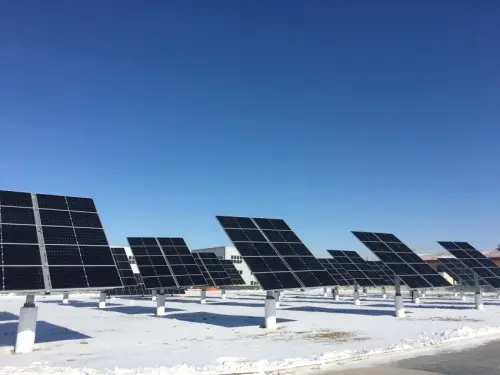
The ZRT series features a tilted axis (10°– 30°) tracking the sun's azimuth. It provides a balanced ROI, increasing power generation by 15%-25% while maintaining a lower mechanical footprint than dual-axis models. Ideal for commercial projects where budget and yield are equally prioritized.
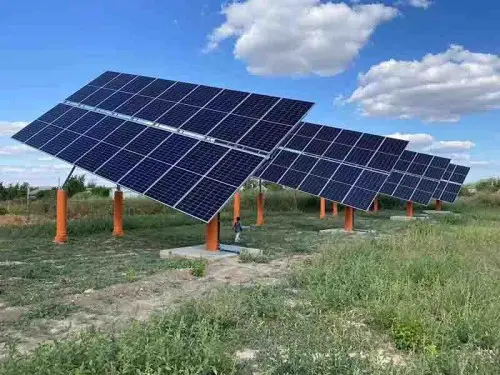
Optimized for utility-scale bifacial module applications. The 2P configuration (2 modules in portrait) allows for high ground coverage ratios (GCR) and minimizes structural steel usage. The 15%-30% production gain makes it the preferred choice for massive desert installations.
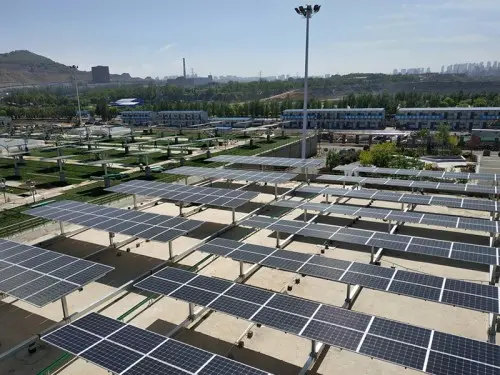
While the initial CAPEX is higher, a dual-axis tracker typically increases energy output by 35%+. For utility-grade projects in high-latitude or high-DNI areas, the ROI period is often reduced by 1.5 to 2 years compared to fixed-tilt systems.
Our systems feature intelligent sensors that detect wind speeds and snow accumulation. In high wind, the array moves to a "stow position" (0° tilt) to minimize drag. For snow, the system can be tilted to its maximum angle to allow gravity to clear the modules.
Absolutely. In fact, our ZRP Flat Single Axis trackers are specifically engineered to maximize the "backside gain" of bifacial modules by minimizing structural shading on the rear of the panel.
Our design principle is "Simple & Reliable." Routine maintenance typically involves semi-annual checks of the drive motor and lubrication of the slew drive. The electronic control systems are designed for 25+ years of operational life.
 Zhaori