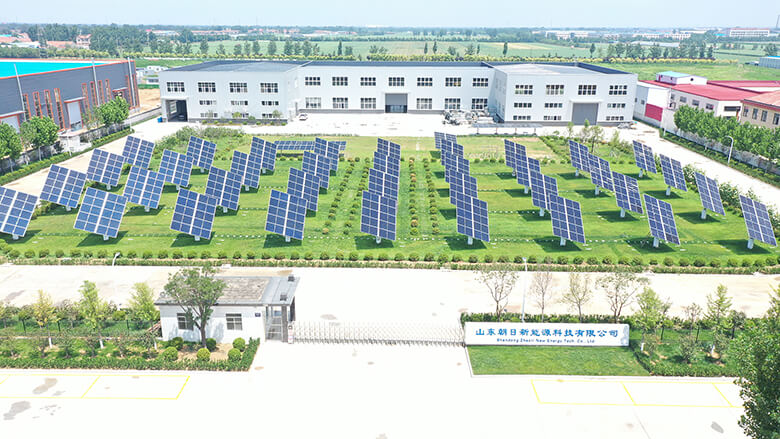
In the rapidly transforming global energy landscape, the efficiency of photovoltaic (PV) systems is no longer just a matter of panel quality. The Solar Tracking Mechanism has emerged as the most critical hardware for reducing the Levelized Cost of Energy (LCOE). As a leading China Solar Tracking Mechanism factory, Shandong Zhaori New Energy Tech. Co., Ltd. (Sunchaser) is at the forefront of this industrial revolution. Our systems don't just hold panels; they intelligently navigate the sun's trajectory to ensure maximum photon absorption every second of the day.
Global demand for intelligent solar trackers is projected to grow at a CAGR of 14% through 2030. This growth is driven by the shift from utility-scale fixed-tilt systems to tracking systems that integrate bifacial modules, where the tracking mechanism's precision becomes the deciding factor in harvesting ground-reflected irradiance.
Shandong Zhaori New Energy Tech. Co., Ltd. was founded in June 2012 as a high-tech pioneer. With 10 dedicated departments including R&D and Quality Assurance, our team of over 60 professional technology experts focuses on the fusion of structural mechanics and AI control. We don't just export products; we export 10 years of validated engineering reliability.
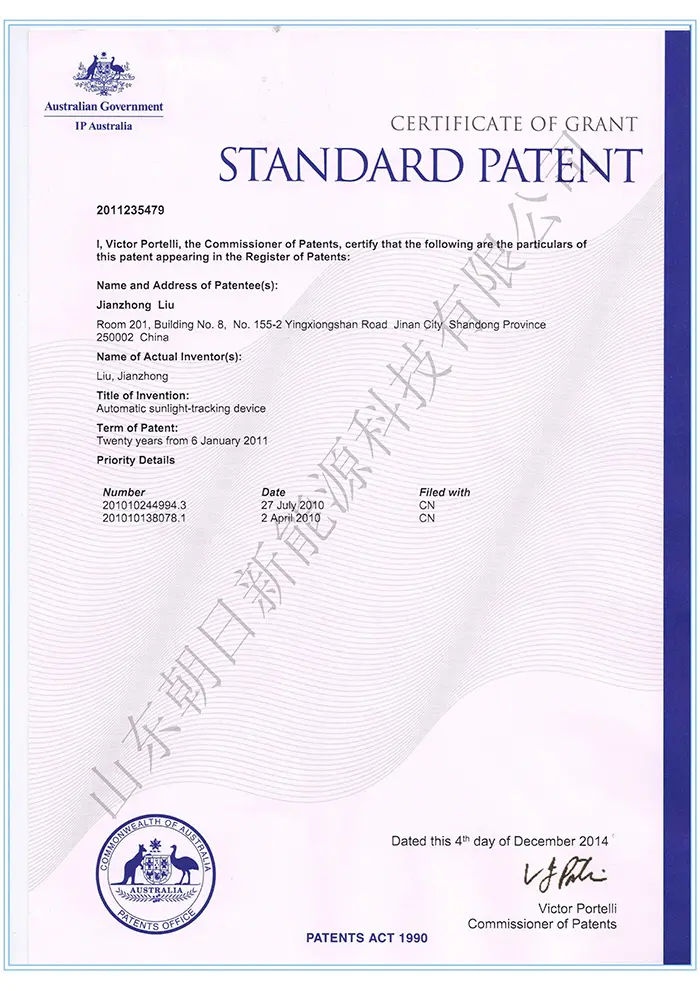
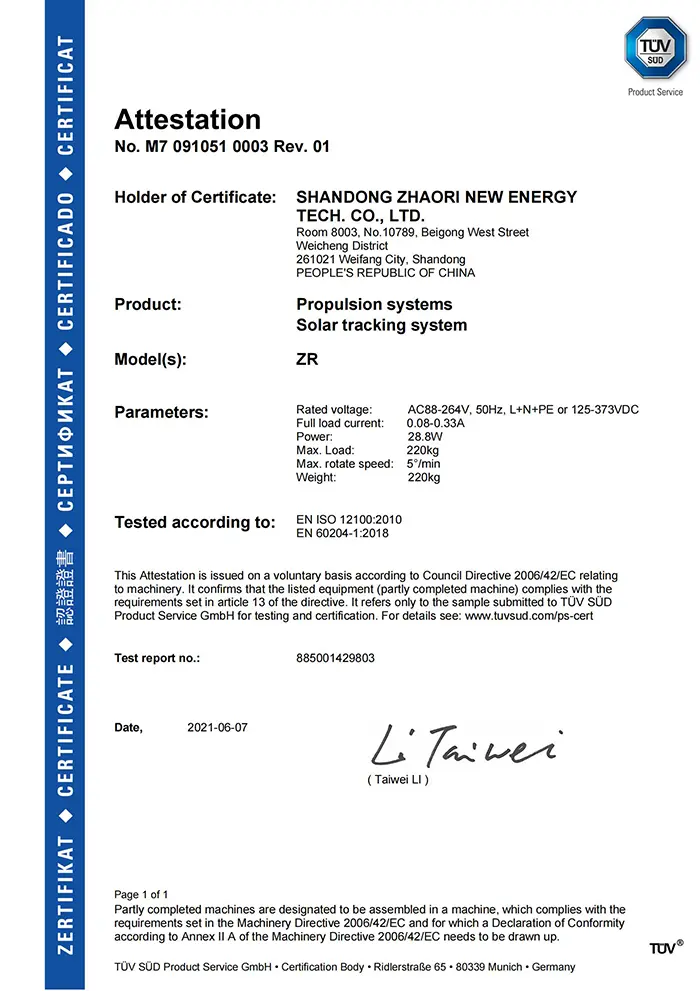
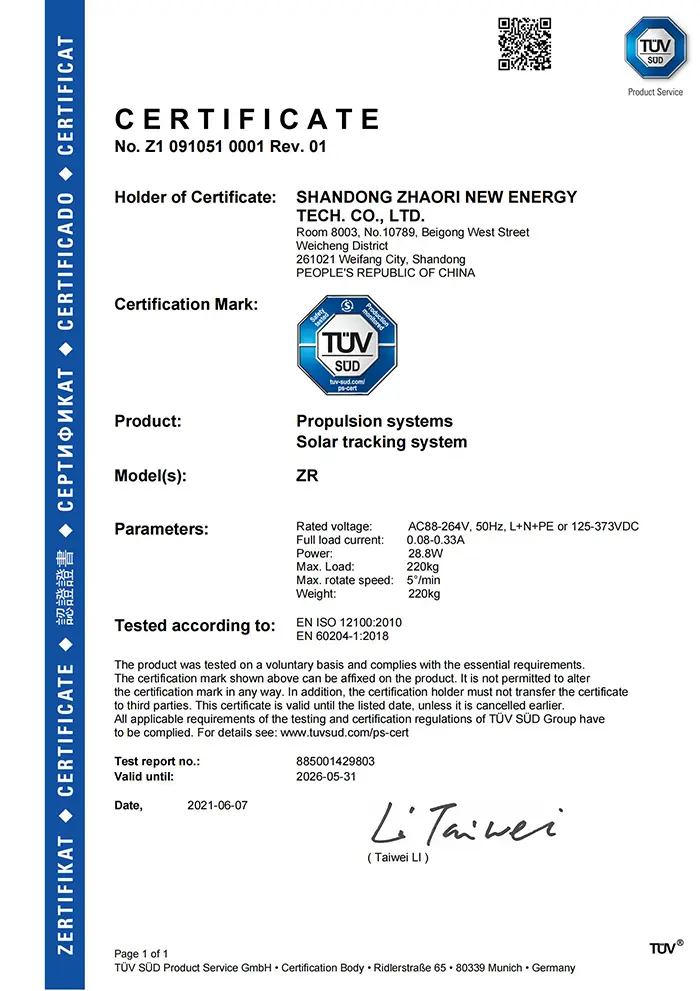
Our factory covers 50,000 square meters, equipped with CNC machine tools, laser cutting machines, and automatic welding robots. This high degree of automation ensures that every Solar Tracking Mechanism meets the strictest TUV, CE, and ISO certifications, maintaining a monthly throughput of 500MW for global utility projects.
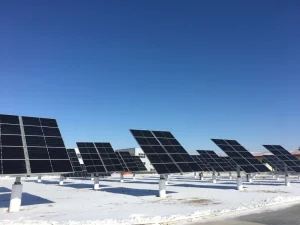
Our philosophy is simple: More simple, more reliable, and more effective. By reducing the number of moving parts while enhancing the structural integrity through premium raw materials, we ensure our trackers withstand extreme desert winds and heavy snow loads in mountain projects.
Modern solar tracking mechanisms are evolving from simple astronomical clock algorithms to AI-powered sensor-fusion systems. Our latest trackers use "Real-time Backtracking" to prevent row-to-row shadowing during early morning and late afternoon, ensuring that even in diffused light conditions, the energy harvest is optimized. This is particularly vital for Bifacial Module applications.
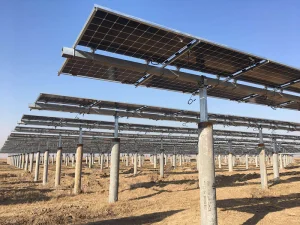
As the market moves toward larger format modules (600W+), the mechanical load on the tracker increases. We offer both 1P (One Portrait) and 2P (Two Portrait) configurations. Our 2P systems are specifically engineered to reduce foundation costs while maintaining stability through patented vibration-damping technology.
The industry trend is moving toward "marginal lands"—deserts, high-altitude mountains, and coastal regions. Our solar tracking mechanism uses hot-dip galvanized steel (80μm+) and IP66-rated electronic components to ensure a 25-year service life in corrosive or abrasive environments.
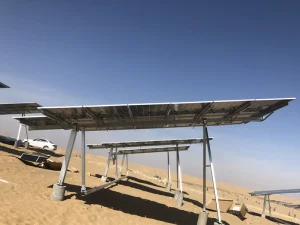
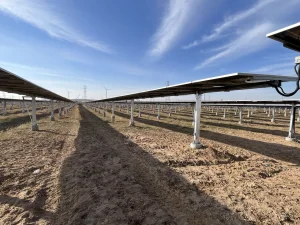
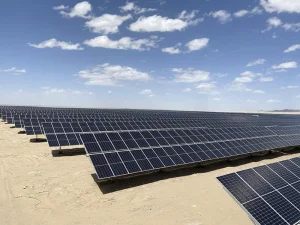
Our 360MW desert projects demonstrate the power of sand-proof actuators. We utilize specialized sealants and self-lubricating bearings that prevent mechanical failure in high-abrasion zones like the Middle East or Gobi Desert.
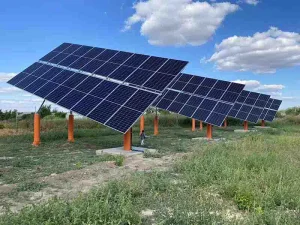
Tilted single-axis trackers are perfect for north-south slopes. They adapt to terrain variations of up to 15%, significantly reducing the need for costly land leveling and civil works.
For high-load roofs, our manual adjustable fixed brackets offer a cost-effective alternative, allowing seasonal adjustments to maximize yield without the weight of full motorization.
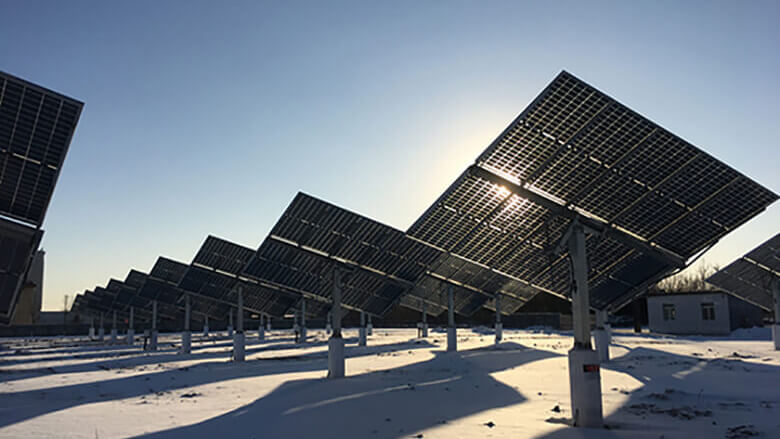
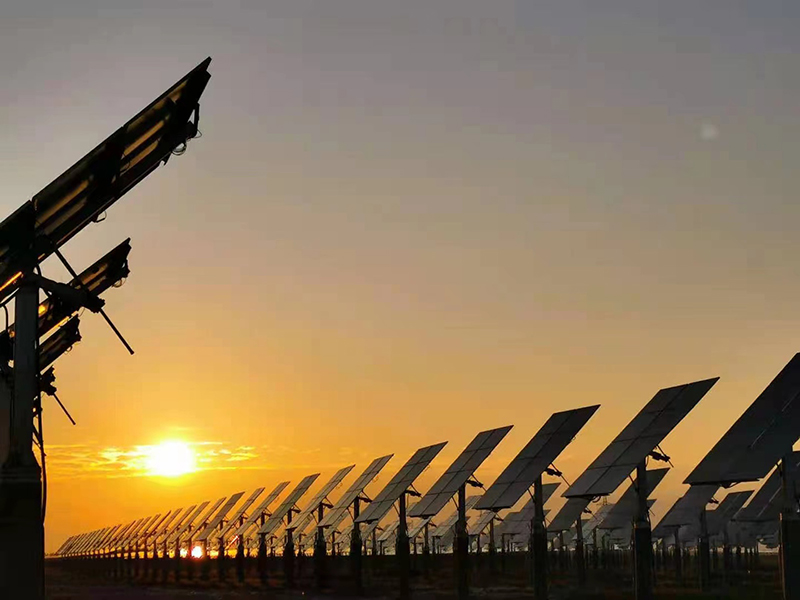
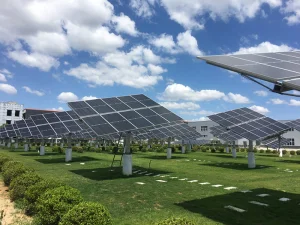
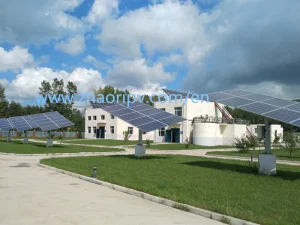
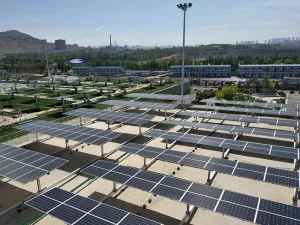
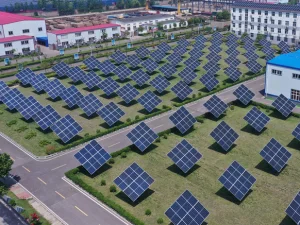
5MW in North China: Utilizing Dual Axis tracking for maximum northern latitude efficiency.
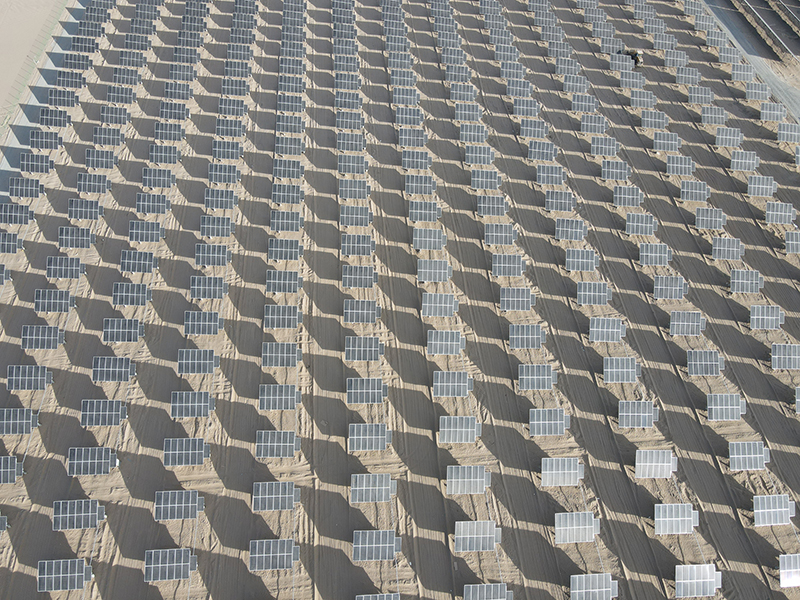
20MW Desert Project: Tilted single axis system designed for high temperature and sand resilience.
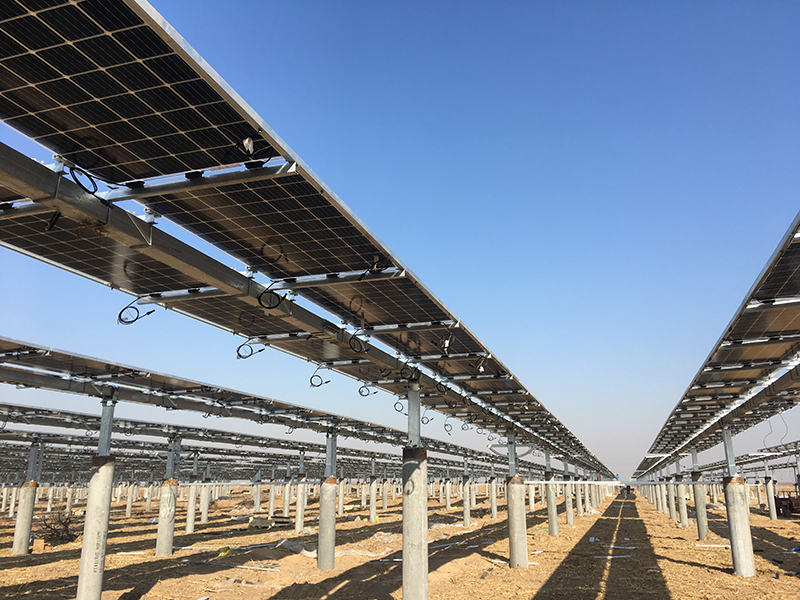
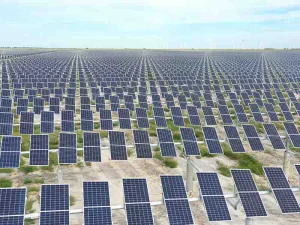
110MW Bifacial Project: Optimized flat single axis trackers with back-side yield focus.
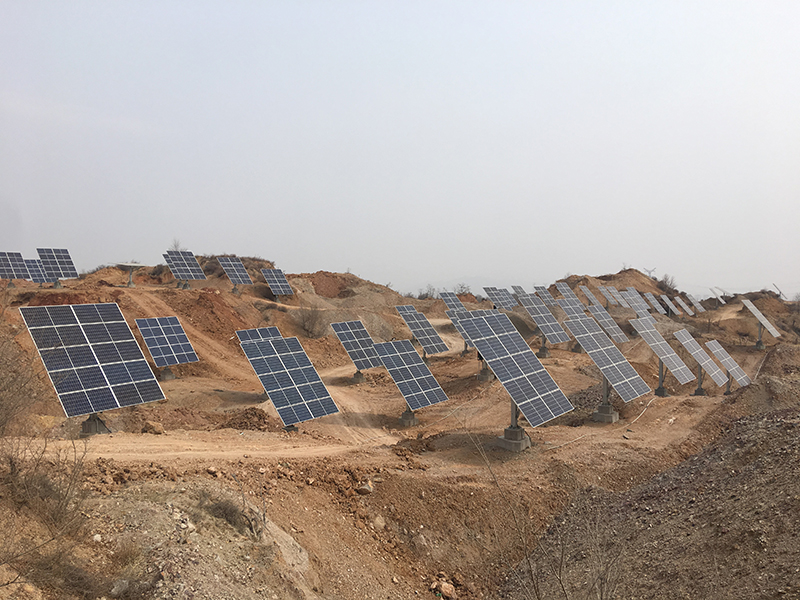
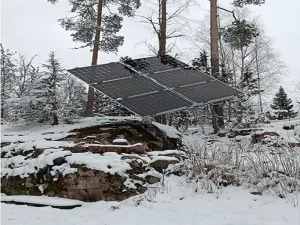
Mountain Project: Expertly anchored tracking systems for complex topographic conditions.
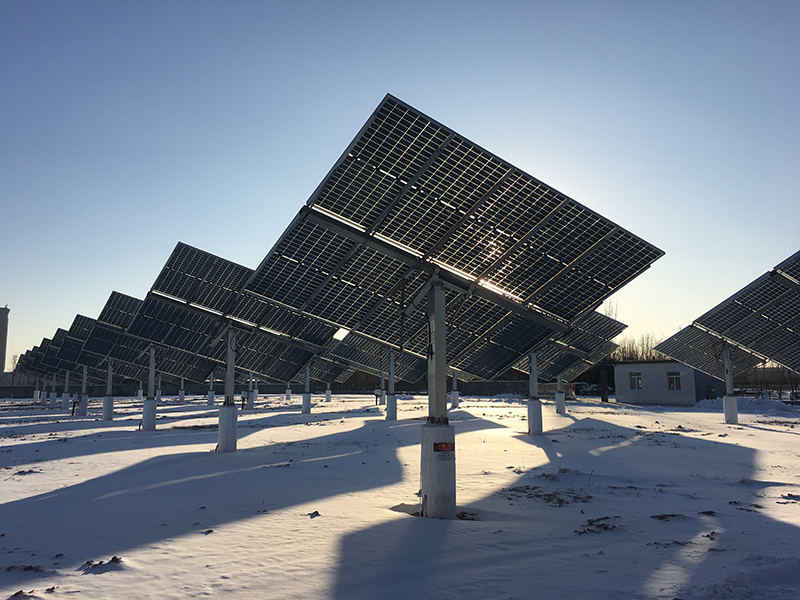
Snow Load Resilience: Trackers after heavy snow, showing the dynamic "stow" position effectiveness.
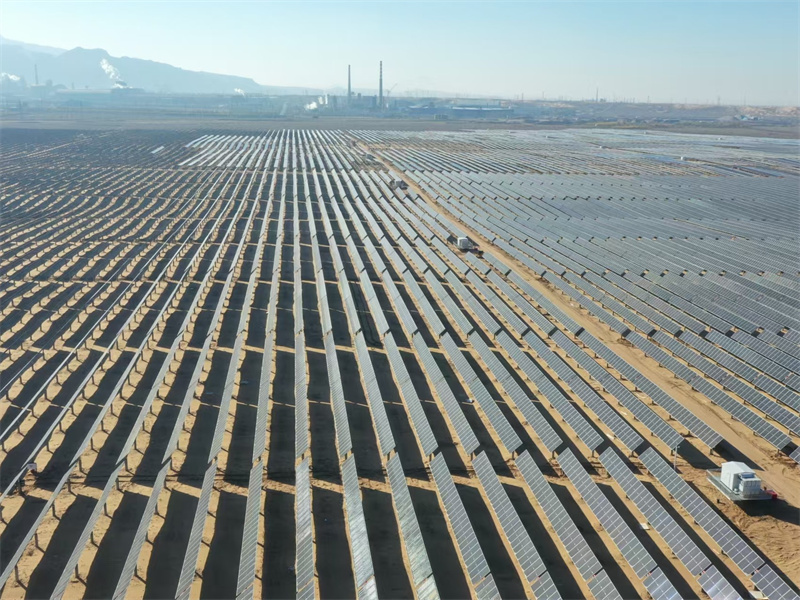
360MW Massive Scale: Demonstration of our capability to supply world-class mega-projects.


 Zhaori