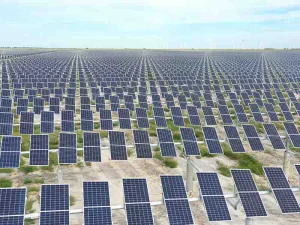
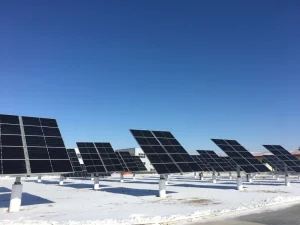
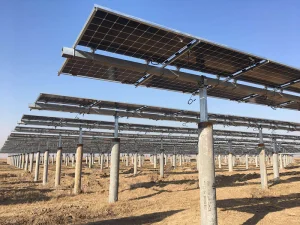
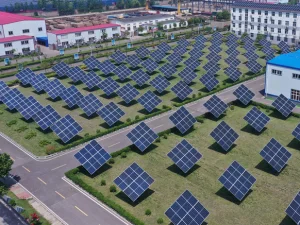
In the current landscape of renewable energy, the transition from fixed-tilt mounting to Sun Tracking Solar Systems represents the single most significant "Information Gain" for investors seeking to optimize Levelized Cost of Energy (LCOE). While traditional solar installations are constrained by the cosine effect, China's sun tracking suppliers have revolutionized the industry by integrating AI-driven algorithms and robust mechanical engineering to ensure that photovoltaic (PV) modules maintain a perpendicular orientation to the sun's rays throughout the day.
As a leading China Sun Tracking Solar System Supplier, Shandong Zhaori New Energy Tech. Co., Ltd. (Sunchaser) leverages over a decade of R&D to provide systems that increase energy yield by 15% to 35% compared to static systems. This white paper explores the technical nuances, supply chain advantages, and localized compliance strategies that define the modern tracking industry.
Our systems utilize astronomical algorithms combined with closed-loop sensor feedback to provide 0.5-degree tracking accuracy, even in diffuse light conditions.
By optimizing the energy harvest window, sun tracking systems significantly accelerate the payback period for utility-scale and commercial projects.
Designed to withstand extreme wind loads and heavy snow, our trackers feature automatic "stow modes" to protect assets during inclement weather.
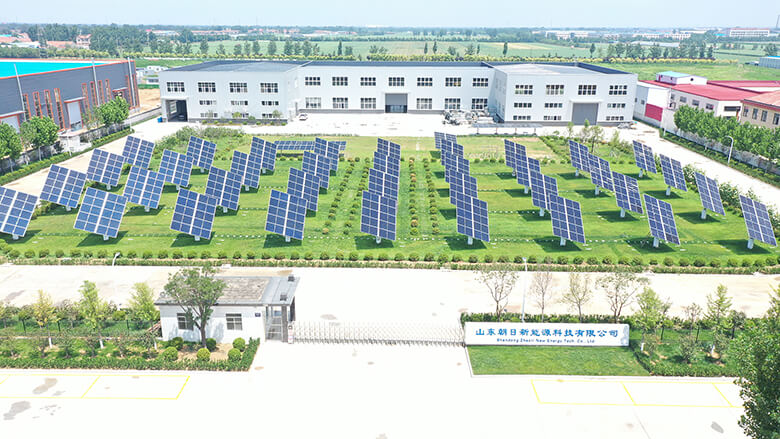
Shandong Zhaori New Energy Tech. Co., Ltd. is a high-tech and new energy company based on independent intellectual property rights. Founded in June 2012, we have established ourselves as a cornerstone of the Chinese solar export market. With 10 specialized departments—including R&D, Engineering, and Quality Assurance—we house more than 60 professional technology talents who have focused on photovoltaic power stations and solar tracking technology for over 10 years.
Our principle is simple: More simple, more reliable, and more effective. This philosophy drives our production of everything from stationary brackets to advanced dual-axis tracking systems.
Sqm Factory Area
Monthly Capacity
Utility Patents
Years Experience
Choosing a China-based sun tracking supplier offers more than just competitive pricing. It provides access to a vertically integrated ecosystem. Our factory features CNC machine tools, laser cutting machines, automatic welding robots, and plasma machines, ensuring every component—from the torque tube to the smallest bracket—meets rigorous tolerances.
The "Information Gain" here lies in our ability to manage raw material screening and anti-rust treatments (Hot-Dip Galvanizing) in-house. This results in trackers with a 25-year design life, perfectly matching the lifespan of modern bifacial solar modules.
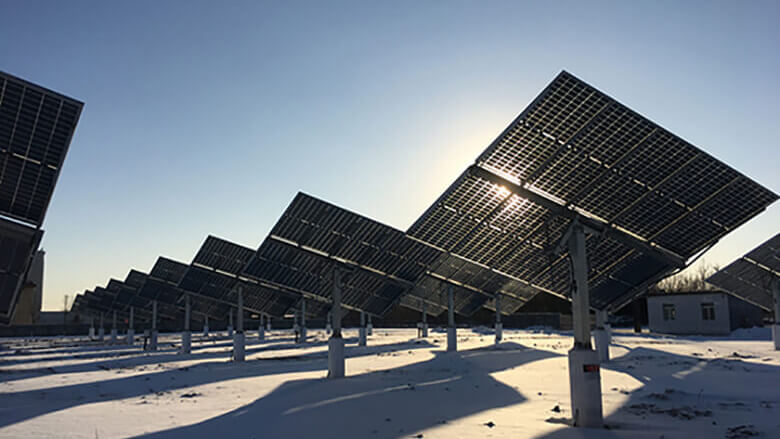
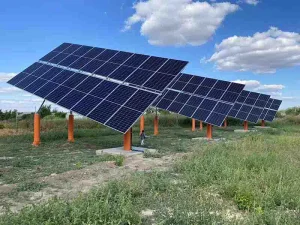
The pinnacle of solar harvesting. By tracking both the azimuth and altitude angles, the ZRD-10 and ZRD-08 systems ensure the panels are always facing the sun. Ideal for high-latitude regions or high-value land applications where maximizing energy density is critical.
Gain: Up to 35-40% increase over fixed tilt.
Designed with a 10°–30° tilted axis, the ZRT-16 system bridges the gap between single and dual axis. It is particularly effective for mountain projects or locations with specific seasonal sun paths, offering a 15%–25% production gain.
The global standard for utility-scale projects. Available in 1P or 2P (two rows linked) configurations, it offers the best balance of cost-efficiency and reliability. Compatible with ultra-large bifacial modules to capture albedo radiation.
For global enterprises, the primary concern is not just the product, but local grid compliance and operational longevity. Sunchaser addresses this through:
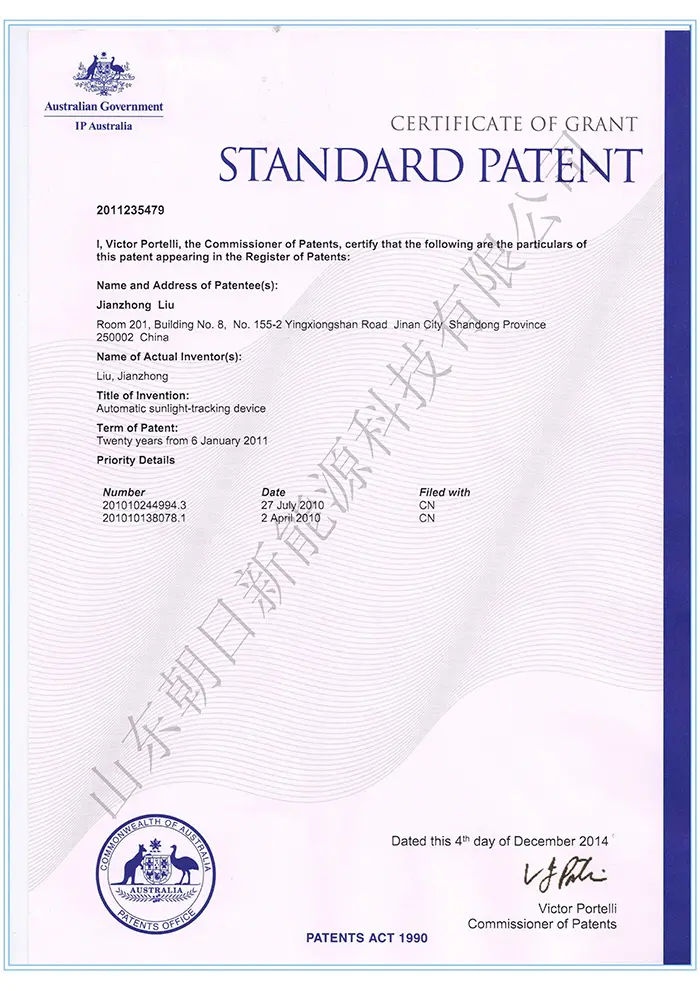
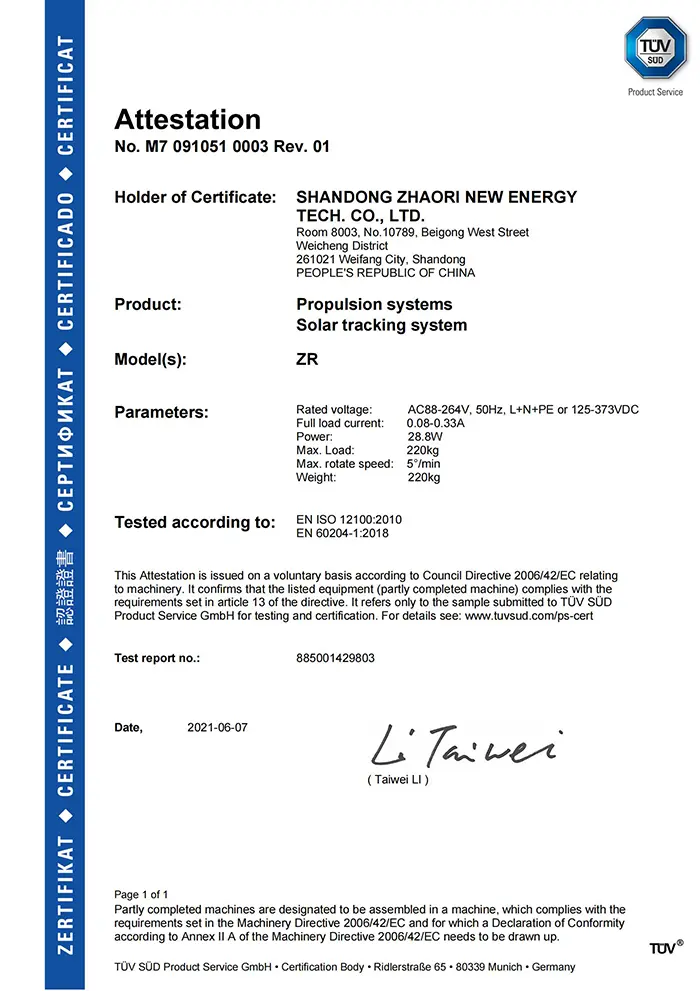
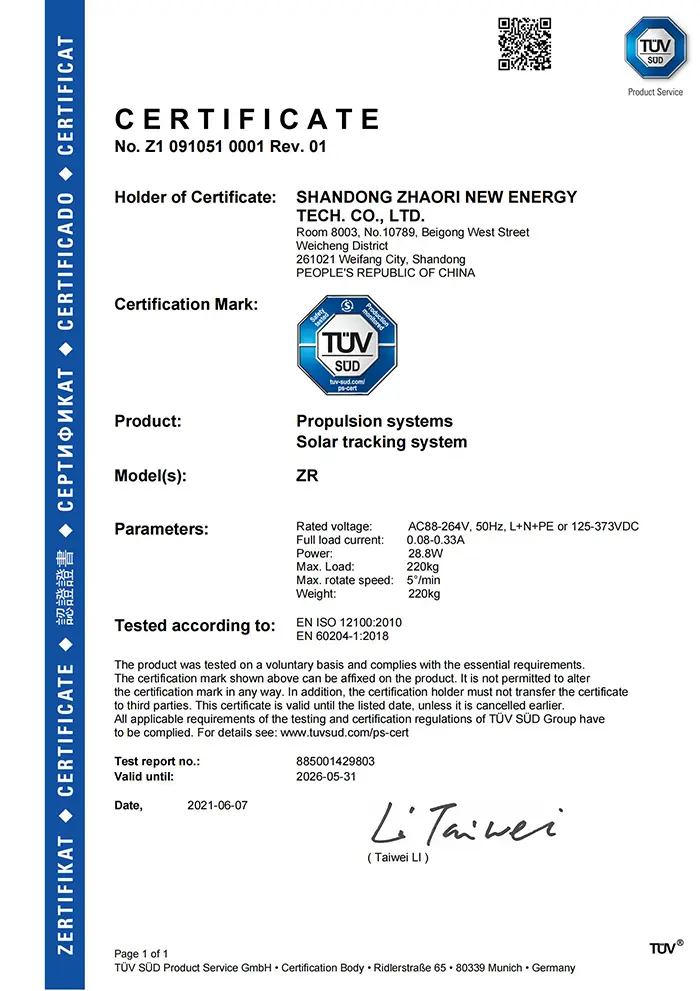
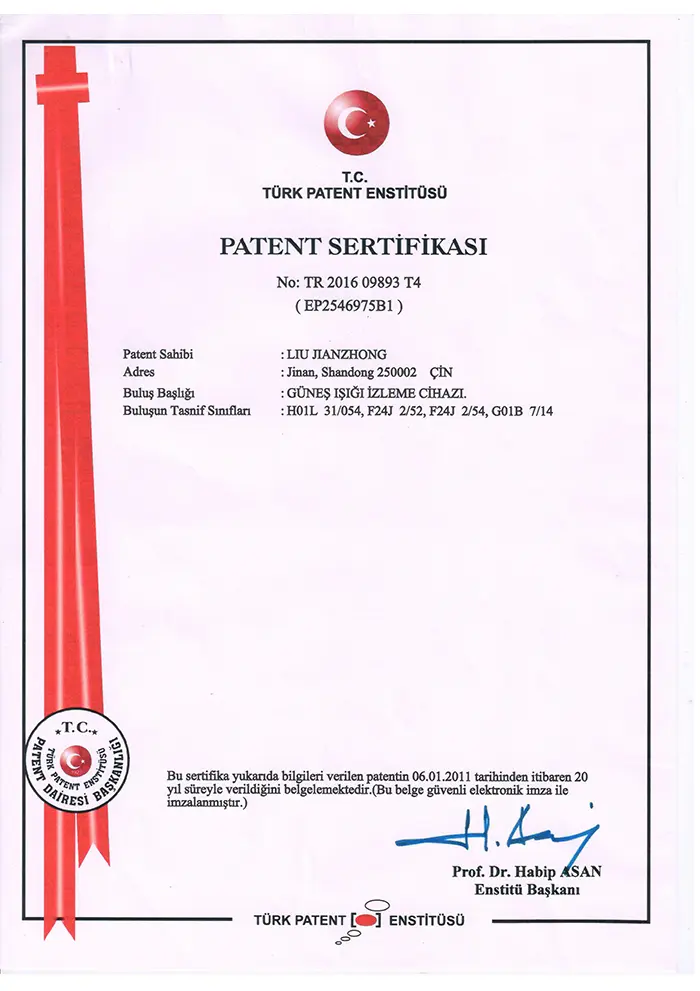
The solar industry is moving toward "Smart Solar." Semantic search data shows a growing intent for "AI-integrated solar trackers" and "Bifacial-optimized tracking."
Modern trackers now include "backtrack algorithms" that prevent shading and optimize the rear-side gain of bifacial panels. This can add an additional 5-10% to the total energy yield.
Localized application scenarios are expanding. Our sun tracking systems are being adapted for Agri-photovoltaics, where high-clearance trackers allow machinery to operate underneath, and for coastal projects with high-corrosion resistance requirements.
The shift from flat plains to hilly terrains requires trackers that can handle significant slopes. Our ZRT tilted systems are specifically engineered for such non-uniform topographies.
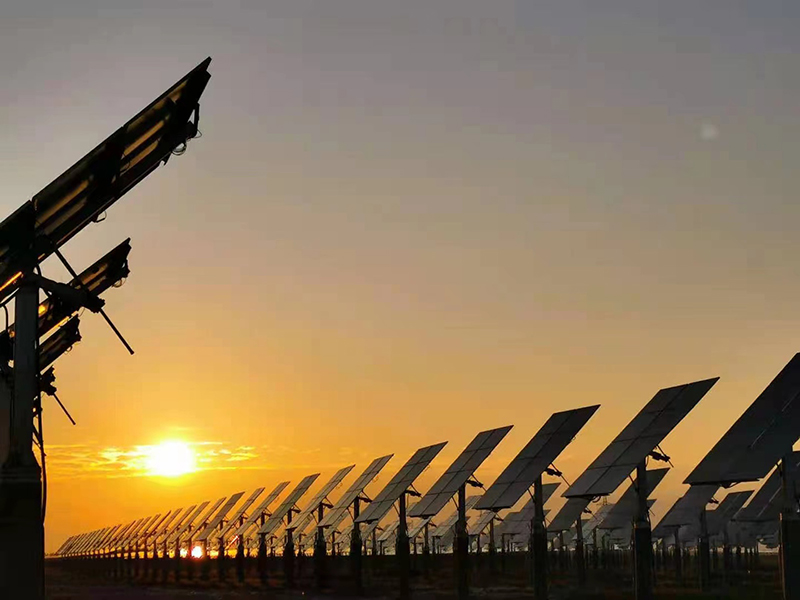
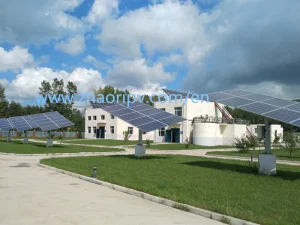
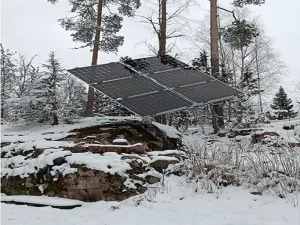
5MW Dual Axis Project
North China - Maximizing yield in winter conditions.
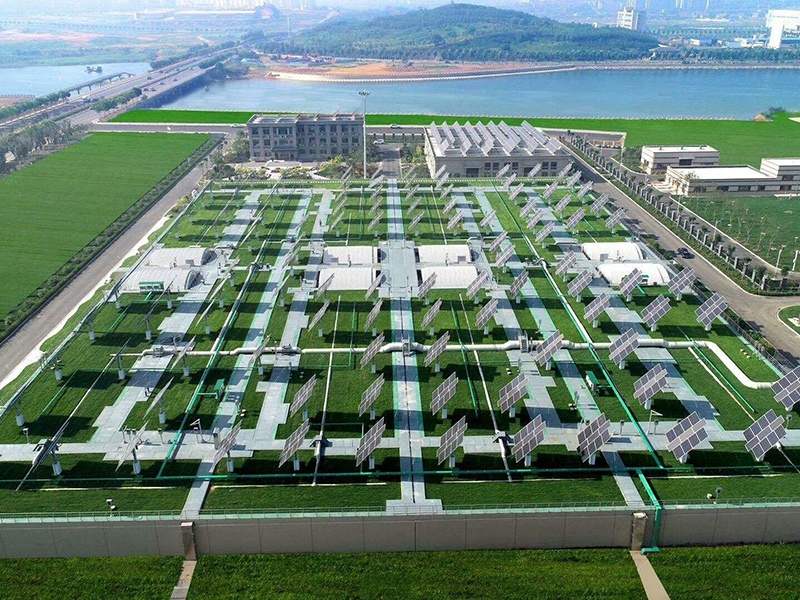
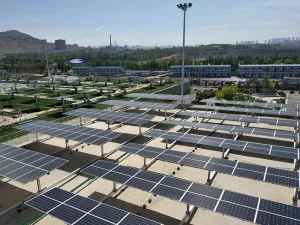
Industrial Rooftop/Ground
Factory integration for self-consumption.
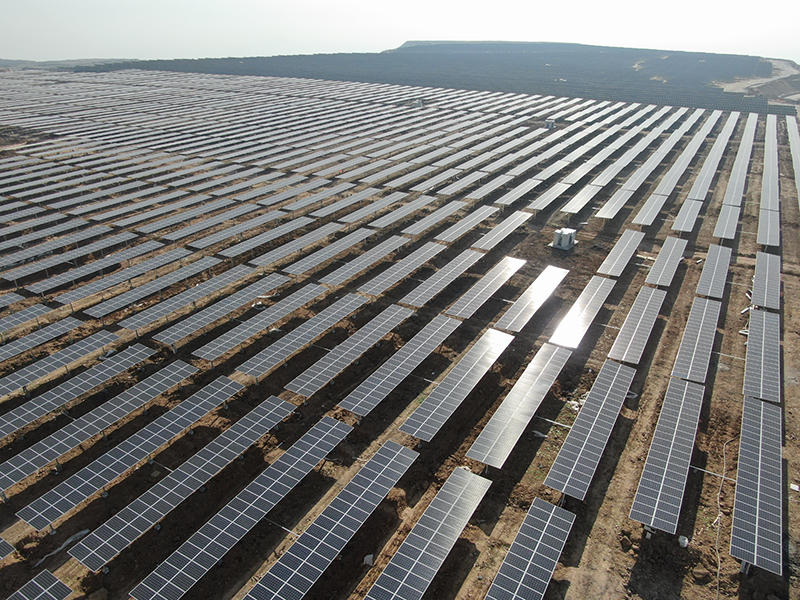
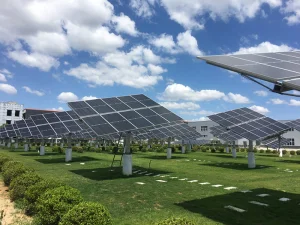
20MW Utility Scale
Central China - High efficiency single-axis tracking.
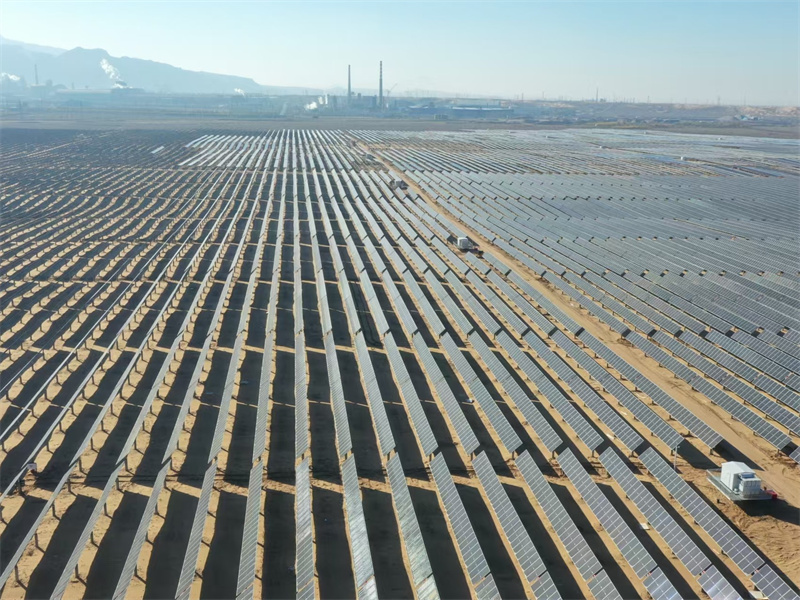
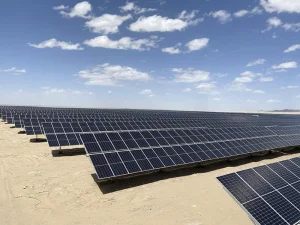
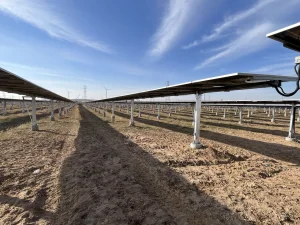
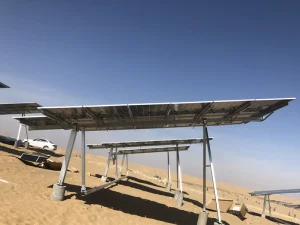
360MW Desert Project
The ultimate test of durability and dust resilience.
A: Dual-axis trackers can follow the sun's path exactly both vertically and horizontally. This is crucial in high-latitude areas where the sun is low on the horizon for much of the year, providing up to 15% more energy than single-axis trackers.
A: Our ZRD and ZRP systems are equipped with sensors that trigger a "Safety Mode." In high winds, the panels flatten to minimize resistance. During snow, they tilt to the maximum angle to shed accumulation.
A: Thanks to our "simple and reliable" design principle, maintenance is minimal. We use self-lubricating bearings and weather-sealed motors that only require annual inspections.
A: Yes, our brackets are adjustable and customized to fit all standard module sizes, including the latest high-wattage 600W+ modules and bifacial variants.
The decision to invest in a Sun Tracking Solar System is a decision to prioritize efficiency, longevity, and superior financial returns. As a premier supplier from China, Shandong Zhaori New Energy Tech. Co., Ltd. offers the rare combination of deep R&D expertise, massive production scale, and global patent protection. Our commitment to the principle of "more simple, more reliable, more effective" ensures that your solar assets will perform at their peak for decades to come.
For custom quotes or technical consultations regarding our 1P/2P single-axis or ZRD dual-axis systems, please reach out to our engineering department. Let's chase the sun together.
 Zhaori