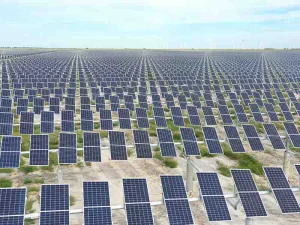
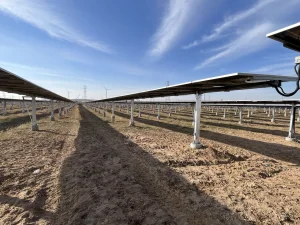
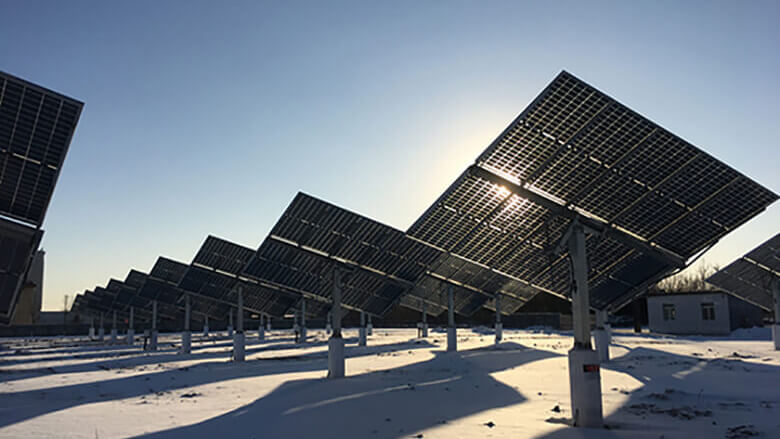
As the global energy transition accelerates, the demand for high-efficiency photovoltaic (PV) systems has reached an unprecedented peak. Among the innovations driving this shift, Solar Tracking Systems stand as the most critical component for optimizing the Levelized Cost of Energy (LCOE). Unlike fixed-tilt mounting systems, solar trackers allow PV modules to follow the sun's trajectory throughout the day, maximizing the angle of incidence and significantly boosting energy yield.
Current industrial trends indicate a rapid migration toward smart tracking. Manufacturers are now integrating AI-driven backtracking algorithms that account for diffuse light on cloudy days and terrain shading, ensuring that no module is overshadowed by another. This "Information Gain" in technology is what separates tier-1 manufacturers from traditional bracket suppliers.
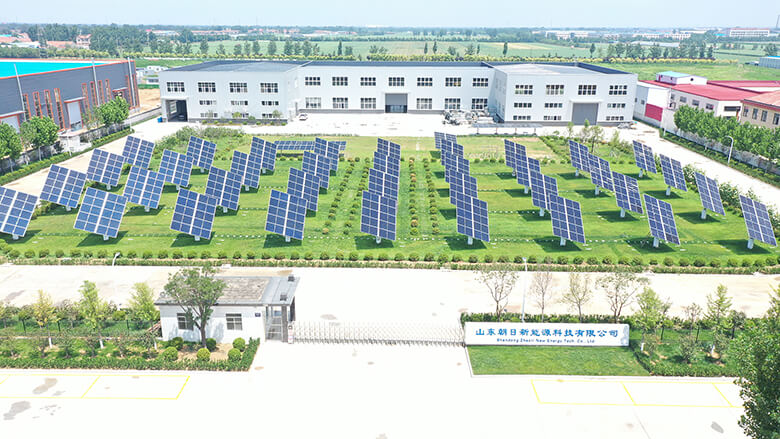
China has solidified its position as the global hub for solar tracking system manufacturing. The advantage is not merely in cost, but in the completeness of the supply chain and manufacturing efficiency. Factories like Shandong Zhaori New Energy Tech. Co., Ltd. represent the pinnacle of this industrial evolution.
Our facility covers 50,000 square meters and is equipped with the latest industrial 4.0 technology. By utilizing CNC machine tools, laser cutting machines, and automatic welding robots, we ensure that every structural component meets micron-level precision. This high degree of automation allows us to maintain a production capacity of 500MW per month, meeting the urgent timelines of utility-scale solar farms worldwide.
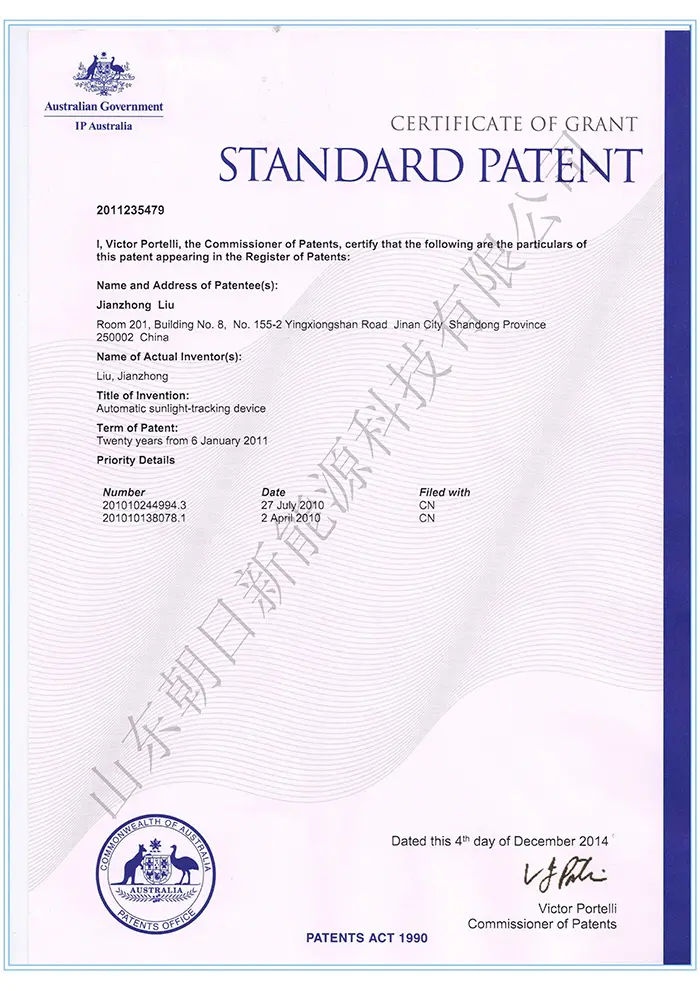
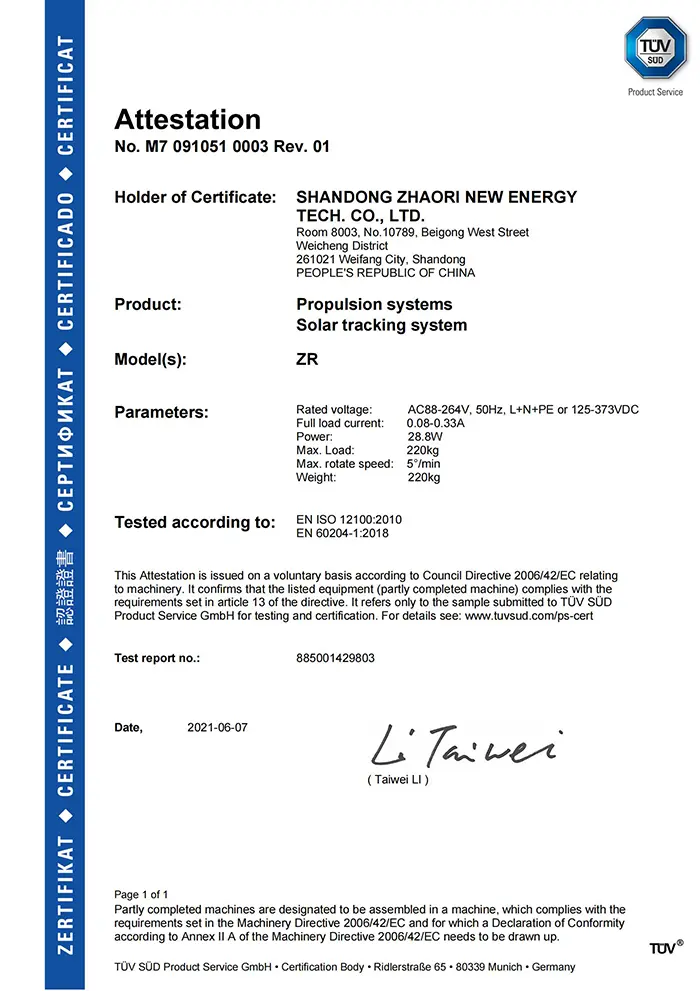
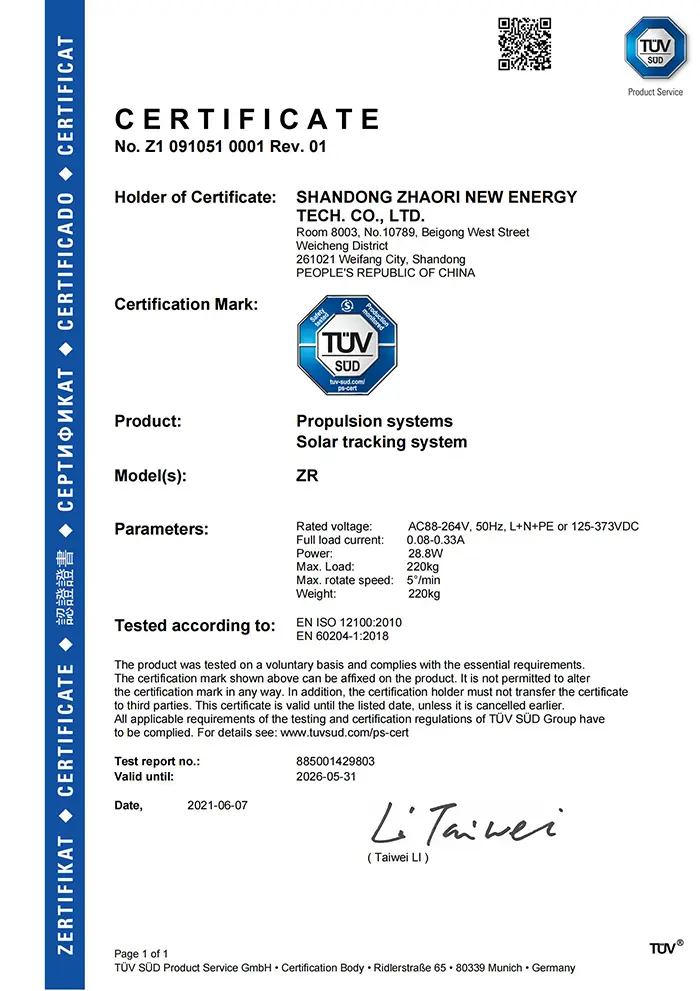
Furthermore, the E-E-A-T (Experience, Expertise, Authoritativeness, and Trustworthiness) of Chinese manufacturers is backed by rigorous international certifications. Our products hold patents in the USA, Europe, Japan, Australia, and more, alongside TUV, CE, and ISO certifications. This ensures that global EPC (Engineering, Procurement, and Construction) companies can trust our systems for 25-year operational lifespans.
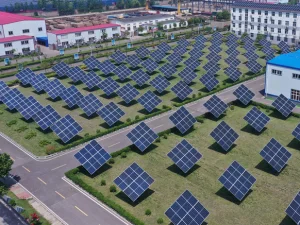
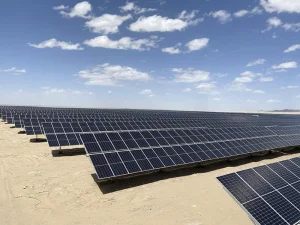
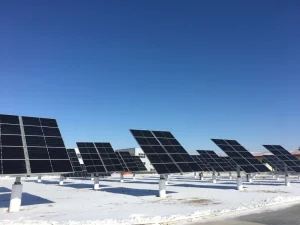
Our portfolio addresses diverse geographical and climatic challenges, ensuring reliability from deserts to mountains.
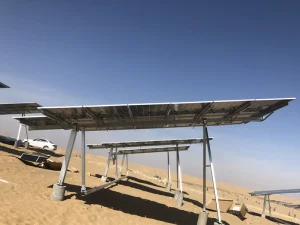
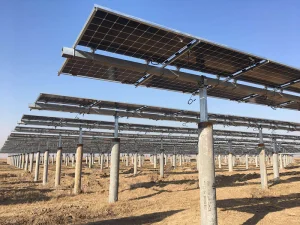
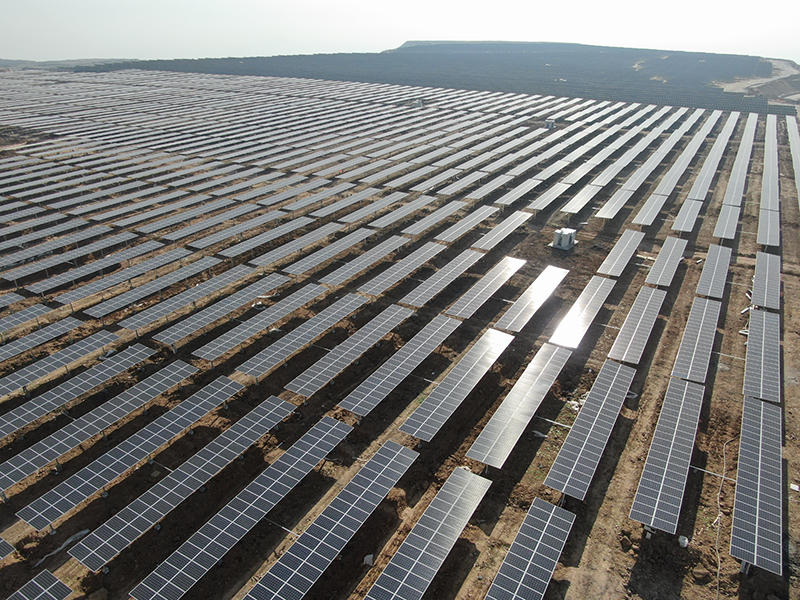
Our flat single-axis systems with AI-driven wind protection and sand-resistance are ideal for 40MW+ projects in arid regions. High stability under extreme temperatures is a core design feature.
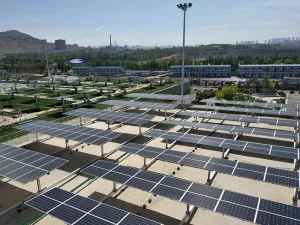
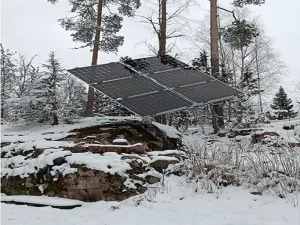
The ZRT-16 Tilted Single Axis system is designed for mountain slopes and uneven landscapes, allowing for a 15-25% power generation increase even where traditional trackers fail.
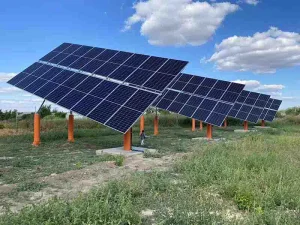
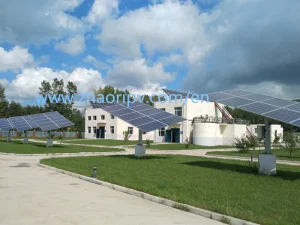
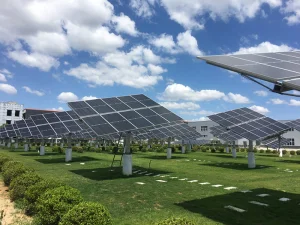
Dual-axis trackers maximize the footprint of small installations, making them perfect for smart farms and high-end residential projects seeking energy independence.
Shandong Zhaori New Energy holds over 30 Utility model patents and 8 National Invention Patents. Our focus on independent IP ensures that our clients receive the most advanced, litigation-free technology available in the global market.
The future of solar tracking lies in Total Life Cycle Management. Global procurement teams now prioritize three factors:
As a leading China system solar track factory, we integrate these trends into our R&D roadmap, ensuring our partners stay ahead of the curve in the competitive renewable energy market.
Depending on the local electricity tariff and DNI, most commercial projects see an ROI within 4 to 6 years, with the system providing 25+ years of enhanced generation.
At Zhaori, we follow strict ISO protocols. From raw material screening to automatic welding and final anti-rust treatment, every step is inspected by our dedicated QA department.
Yes, our 2P flat single-axis and dual-axis trackers are specifically designed to minimize backside shading, maximizing the gain from bifacial PV technology.
Our "simple, reliable, effective" principle means minimal maintenance. We provide professional O&M guides and remote technical support for all global installations.
 Zhaori