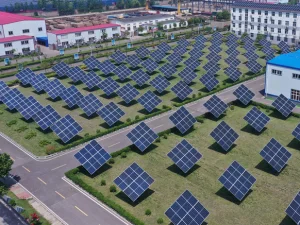
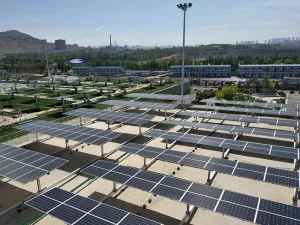
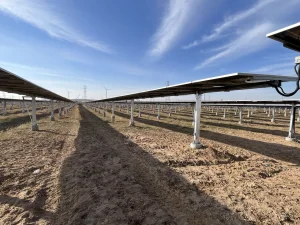
In the transition toward sustainable energy, Solar Tracking Systems have emerged as a critical driver for optimizing the Levelized Cost of Energy (LCOE). Unlike fixed-tilt systems, modern tracking technology allows photovoltaic panels to follow the sun's trajectory, maximizing irradiation absorption throughout the day.
Globally, the solar tracker market is witnessing a shift from simple mechanical structures to AI-integrated smart systems. These systems utilize backtracking algorithms to prevent shading and maximize yield even in diffuse light conditions or complex terrains. China, as the world’s manufacturing powerhouse, has redefined the cost-efficiency ratio of these complex systems.
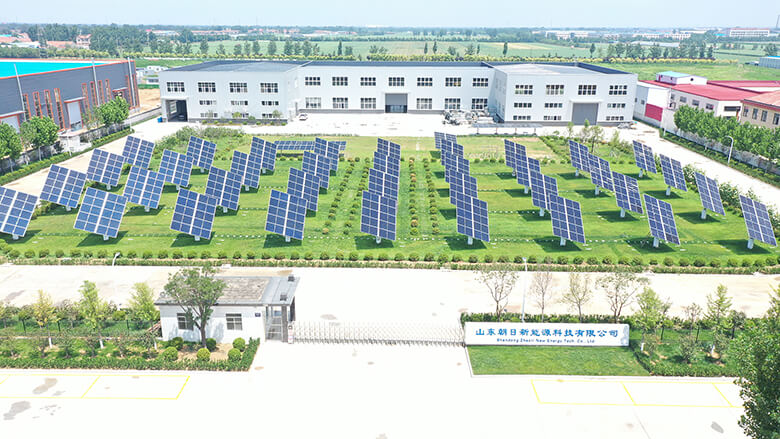
Shandong Zhaori New Energy Tech. Co., Ltd. is a high-tech and new energy company based on independent intellectual property rights. Founded in June 2012, we have built a robust ecosystem comprising 10 specialized departments including R&D, Engineering, and Quality Assurance.
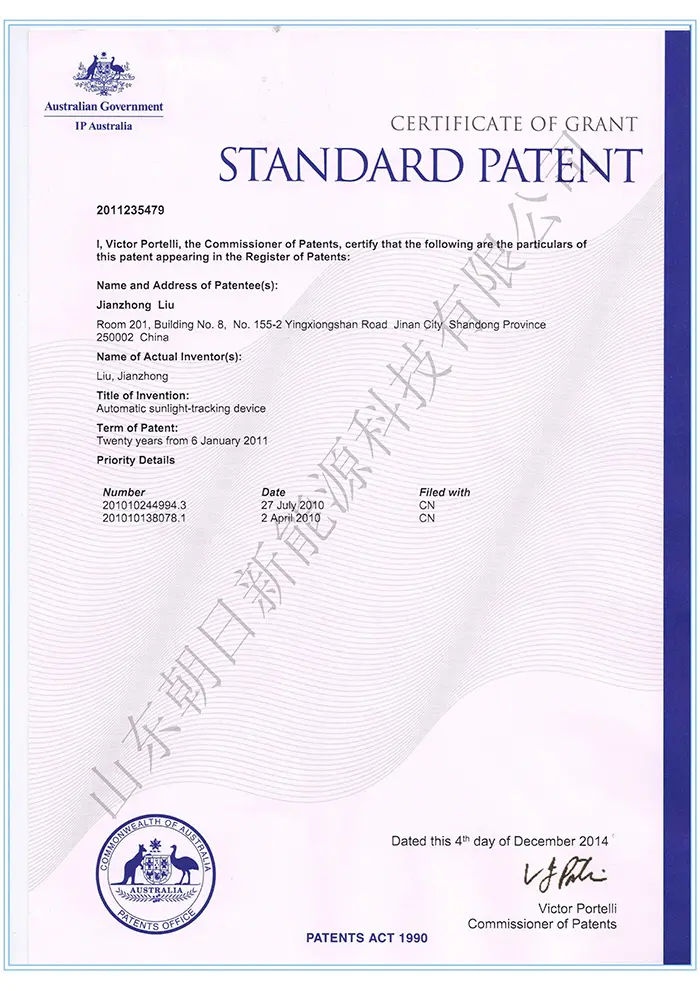
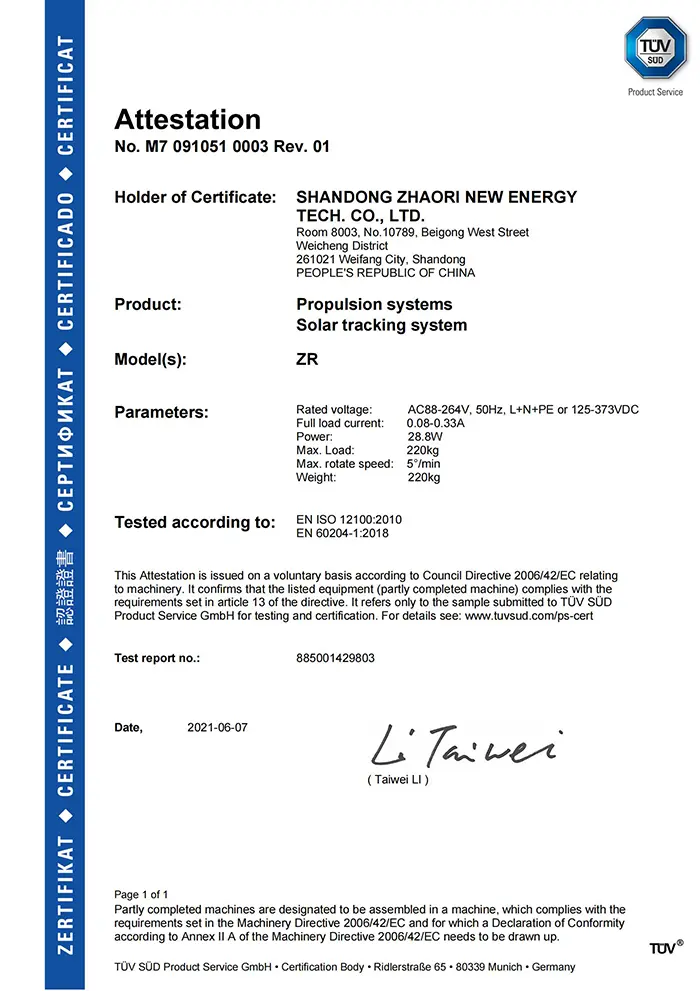
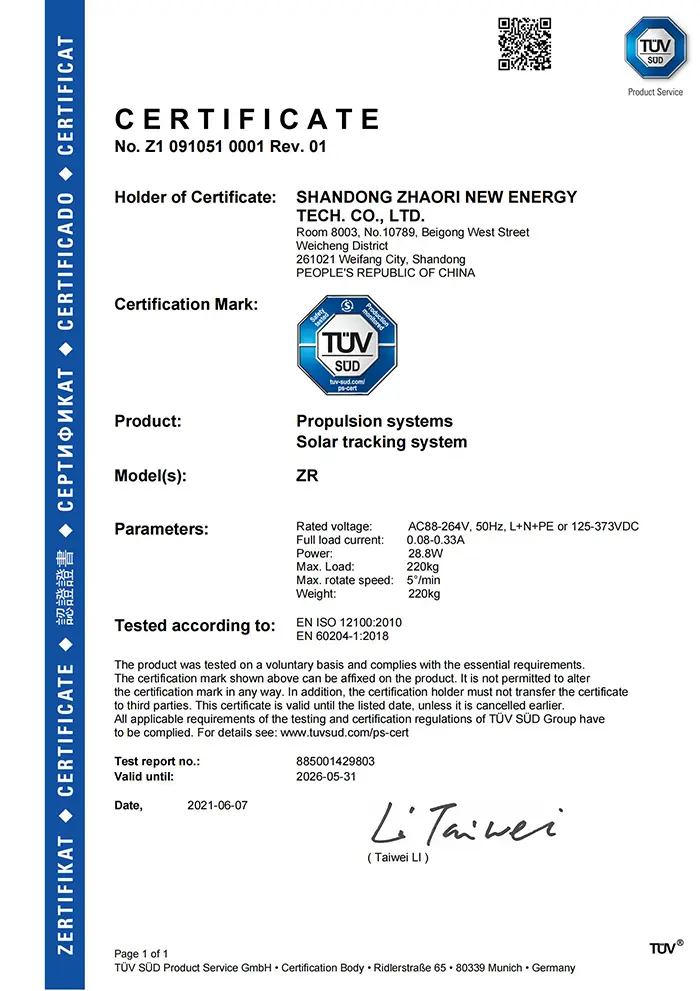
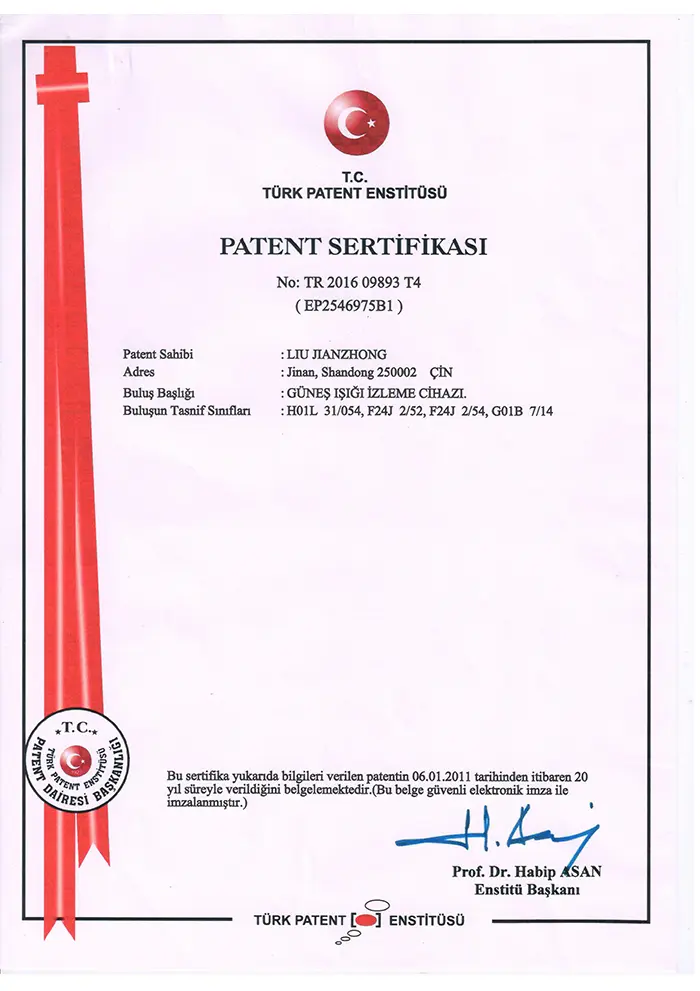
With more than 60 professional technology talents and a decade of focus on photovoltaic power stations, our expertise is validated by global certifications including TUV, CE, and ISO. Our reach extends beyond domestic borders, holding patents in the USA, Canada, Australia, Japan, South Korea, and the EU.
Strict raw material screening and robotic welding ensure structural integrity for 25+ years.
Over 8 National Invention Patents and 30 Utility model patents drive our innovation.
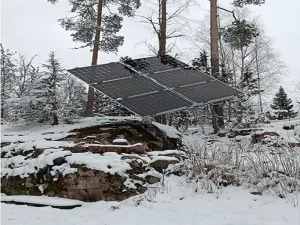
Localized solutions for diverse climates, from desert heat to mountain snow.
The efficiency of China tracking in solar system factories lies in vertical integration. Our 50,000 square meter facility utilizes advanced CNC machine tools, laser cutting, and automatic welding robots to maintain a monthly production of 500MW. This scale allows for significant "Information Gain" in production processes—refining anti-rust treatments and structural durability based on massive data sets from global installations.
Our principle: More simple, more reliable, and more effective. By reducing part counts while increasing structural rigidity, we lower the maintenance requirements for global EPC (Engineering, Procurement, and Construction) companies.
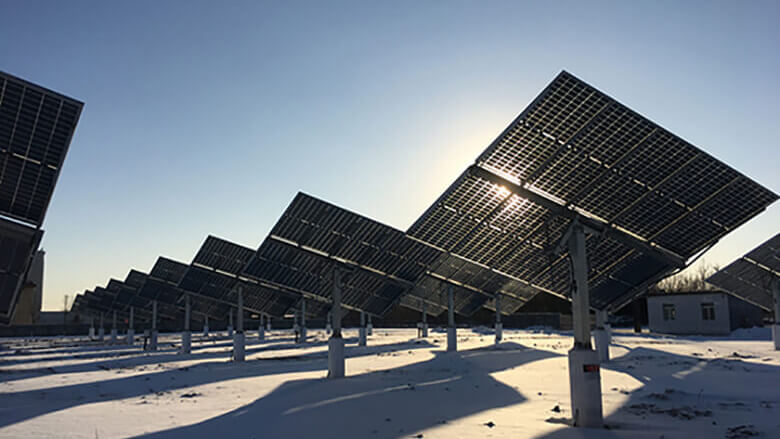
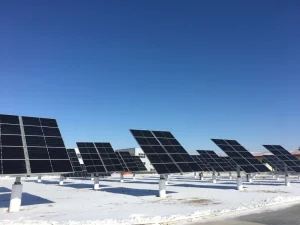
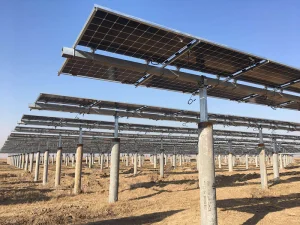
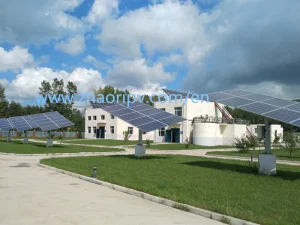
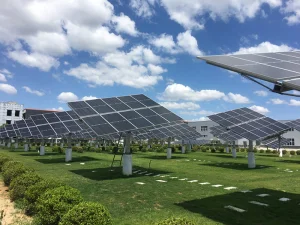
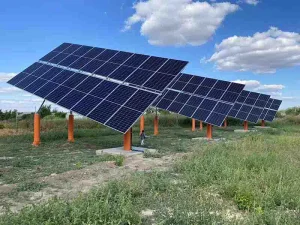
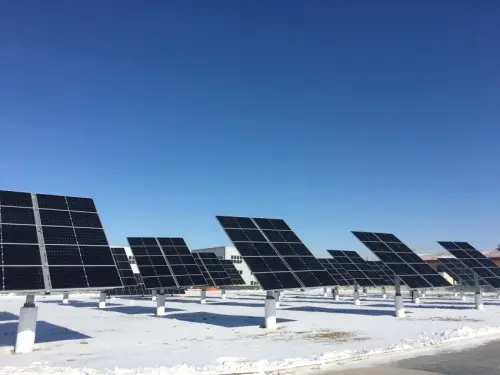
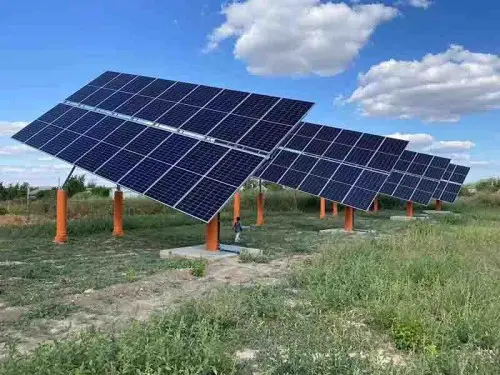
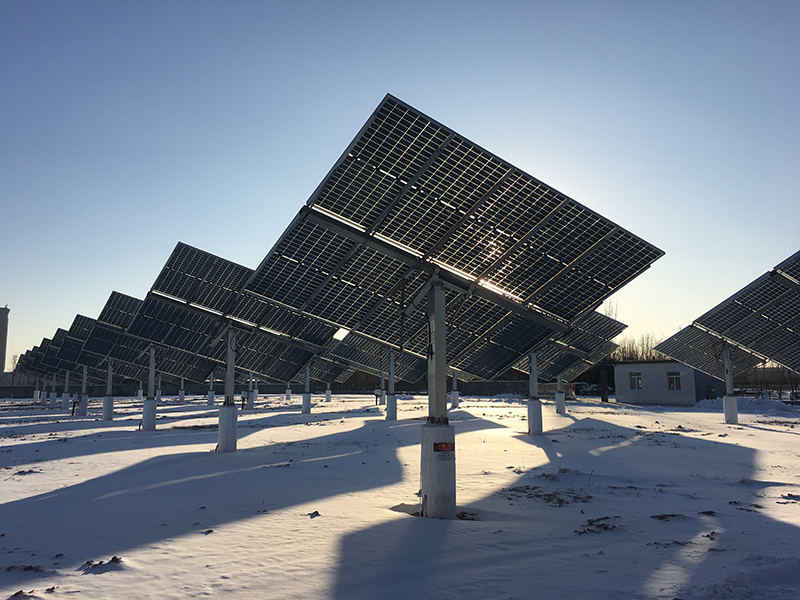
The gold standard for solar efficiency. By tracking both the azimuth and altitude of the sun, dual-axis systems can increase energy output by up to 35-40% compared to fixed brackets. Ideal for areas with high latitude or where space is a premium.
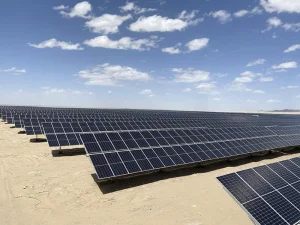
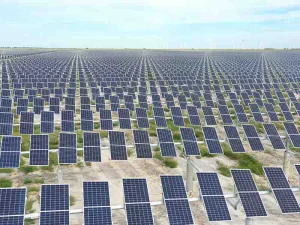
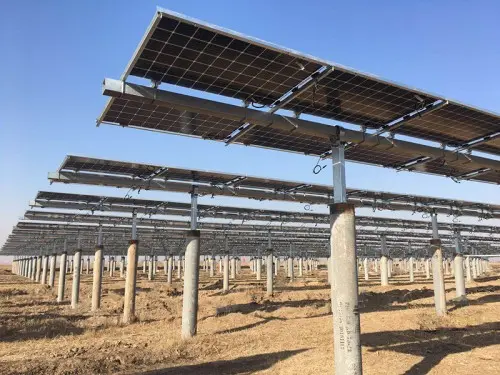
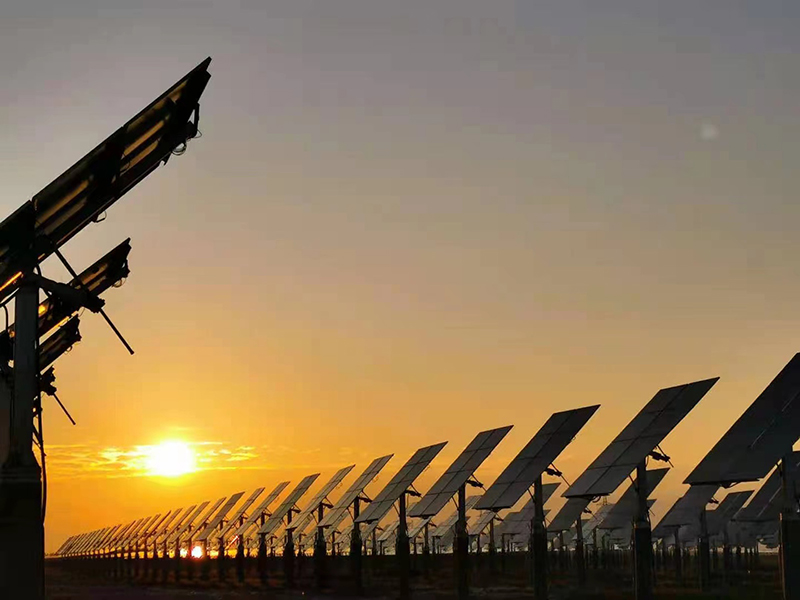
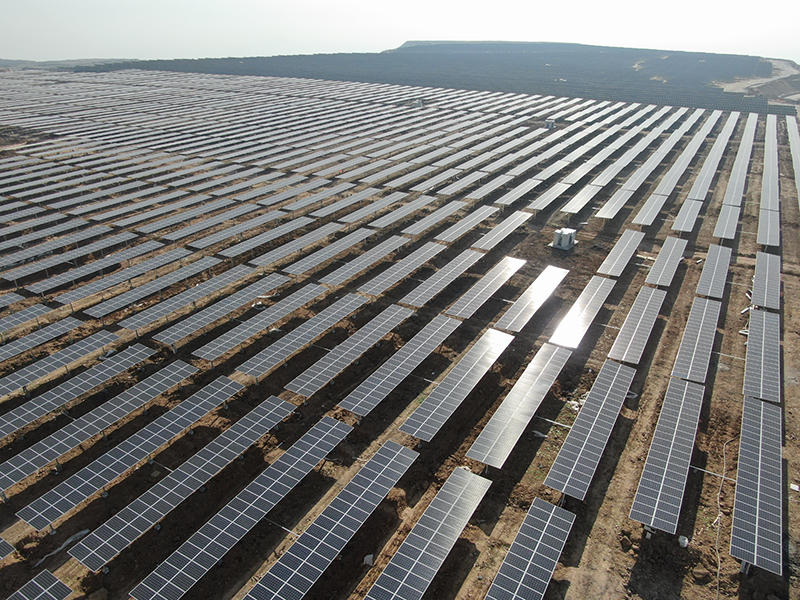
The most popular choice for utility-scale projects. It offers a perfect balance between cost and performance, providing a 15% to 30% production gain. Compatible with bifacial modules to capture albedo light from the ground.
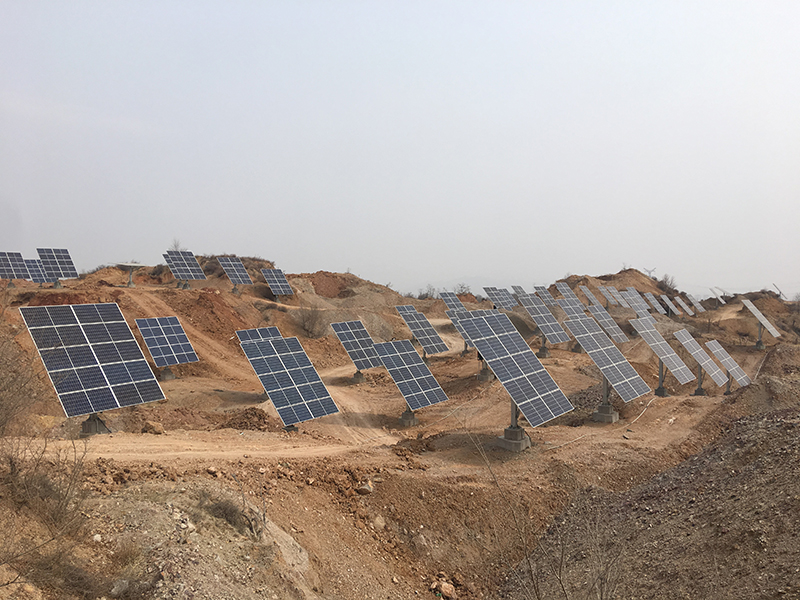
Specially designed for complex terrains. With a 10°– 30° tilt, it tracks the sun’s azimuth while maintaining an optimal seasonal angle, ensuring consistent power generation throughout the year.
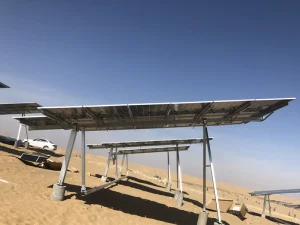
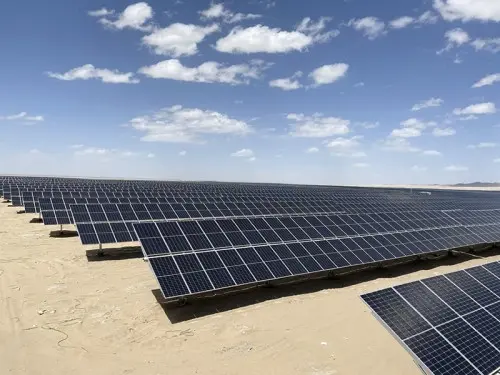
In regions like the Middle East or Gobi desert, high temperatures and sandstorms are challenges. Our trackers feature IP65/IP66 protection and sand-proof drive mechanisms.
The flexible mounting of our single-axis trackers allows for installations on slopes, reducing the need for costly land leveling and preserving the local ecosystem.
Lightweight yet durable adjustable fixed brackets maximize the ROI for commercial buildings, allowing seasonal adjustments for peak efficiency.
The industry is moving toward Smart Tracking 3.0. Future procurement needs will prioritize:
Global enterprises are no longer just looking for a "bracket"; they are looking for Energy Yield Partners. Our "more simple, more reliable" philosophy addresses the total lifecycle cost, reducing O&M expenses over 25 years.
Single-axis trackers follow the sun from East to West. Dual-axis trackers follow the sun's East-West movement and its North-South seasonal elevation changes. Dual-axis provides higher yield (up to 40%) but involves more mechanical complexity.
Our systems are equipped with wind sensors and an automated "Stow Mode" that moves the panels to a horizontal position to minimize wind resistance during storms.
Yes, our ZRP single-axis trackers are specifically optimized for bifacial modules, ensuring no structural shading on the back side of the panel to maximize albedo gain.
Our systems are designed for a 25-year operational life, matching the lifespan of the solar modules themselves, with hot-dip galvanized coating for superior anti-corrosion.


 Zhaori