Explore our premium selection of tracking solutions engineering maximum energy yield across global soil classes and wind regimes.
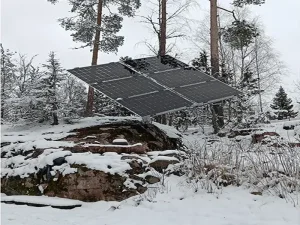
Heavy-duty dual axis solar tracking system engineered with smart algorithms to maximize power generation under complex sky conditions.
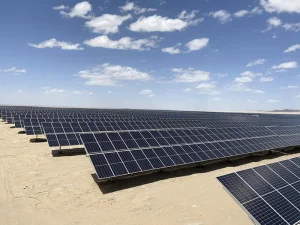
Precision manual-adjustable structural brackets enabling seasonal tilt adjustment for cost-effective annual solar output enhancement.
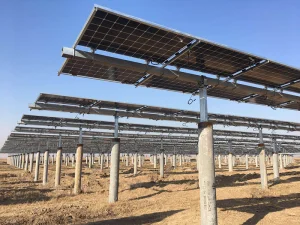
Industry-standard 1P design with a high tracking range, built to enhance bifacial module performance in large-scale utility zones.
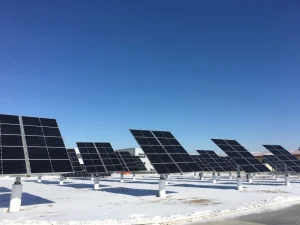
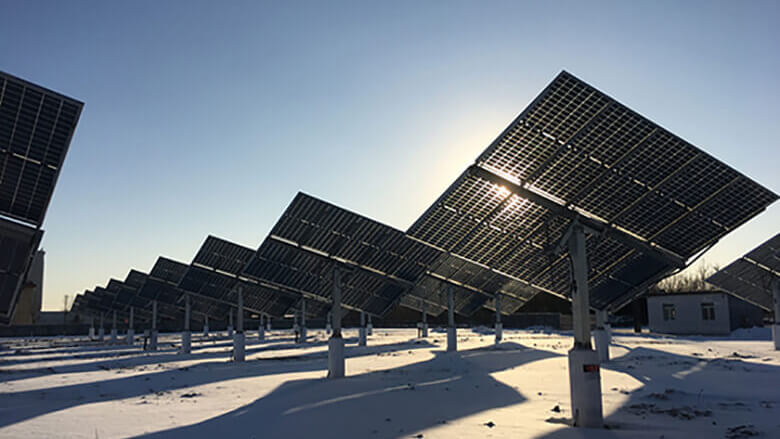
Premium dual-axis tracking platform. Continuously aligns solar arrays with sun coordinates to increase daily output by up to 35-40%.
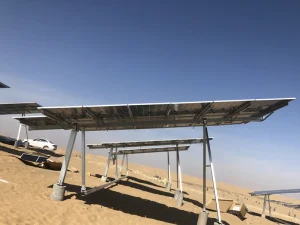
Optimized tilted single axis tracking architecture, ideal for medium-latitude installations seeking optimal winter-season yields.
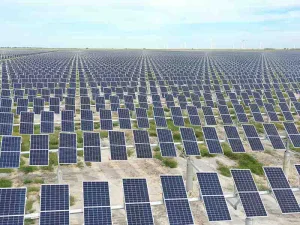
A hybrid tracker configuration featuring flat axis movement combined with predefined tilted solar modules for customized microgrids.
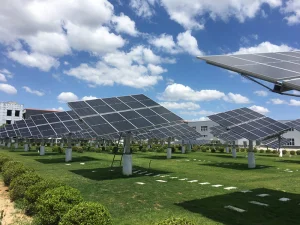
Engineered for extreme reliability, this factory-sourced dual-axis configuration offers a smart self-stow system during severe wind events.
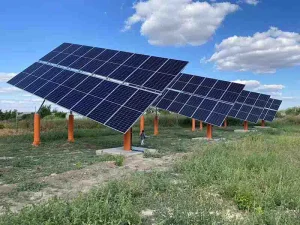
Designed for terrain adaptability. Replaces traditional static structures to provide robust 15% to 25% energy boosts globally.
In the utility-scale solar landscape, maximizing Levelized Cost of Energy (LCOE) is the ultimate metric of project success. As global developers push for higher efficiency margins, the 1P (One-in-Portrait) Flat Single Axis Tracker has emerged as the definitive standard for low-profile aerodynamic stability, low installation cost, and optimized energy yield. Unlike 2P (Two-in-Portrait) configurations which demand extensive mechanical dampening due to higher wind load profiles and torsional galloping susceptibility, 1P tracker systems are built inherently closer to the ground, significantly mitigating structural wind loads.
By decoupling rows and maintaining independent mechanical structures, 1P single axis trackers from top manufacturers like Shandong Zhaori New Energy Tech. Co., Ltd. leverage lightweight, high-yield steel configurations. These are paired with state-of-the-art slewing drives to deliver unprecedented torque management. This structural stability translates directly into lower CAPEX through optimized pile depth requirements, reduced steel weight, and streamlined mechanical assembly timelines on site.
Our core product philosophy centers on three foundational principles: More simple, more reliable and more effective. Over the past decade, we have leveraged our technical expertise to bridge the gap between heavy structural engineering and real-time tracking intelligence, providing global procurement teams with bankable, high-performing structural assets.
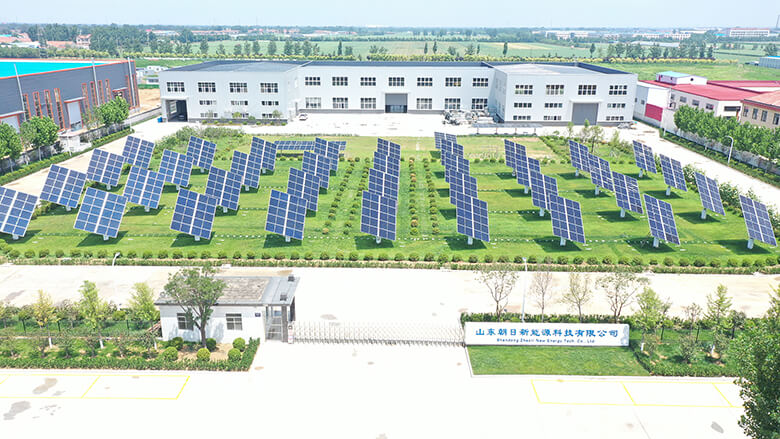
Shandong Zhaori New Energy maintains rigorous control standards and robust global logistics capacity to support gigawatt-scale project pipelines.
Building next-generation utility-scale trackers through structural dynamics, advanced materials, and algorithmic logic.
Traditional backtracking algorithms rely solely on astronomical calculations to prevent inter-row shading. Our next-generation control systems utilize localized diffuse light optimization, cloud-tracking algorithms, and machine learning models. By assessing actual irradiance values and spatial constraints, our systems dynamically adjust tracking angles to maximize total generation—specifically during overcast or early morning periods.
As bifacial PV modules become industry-standard, tracker design must minimize rear-side structural shading. Our optimized 1P frame configurations feature reduced purlin footprints, elevated torque tube heights, and customized mounting gaps. These enhancements minimize structural mismatch losses, helping developers consistently capture up to 5% to 25% extra albedo-driven back-side generation.
High wind loads can induce devastating torsional flutter in static structural designs. Our engineering roadmap includes advanced boundary-layer wind tunnel (BLWT) testing and fluid-structure interaction (FSI) simulations. This rigorous design verification process ensures that our 1P systems withstand gusts up to 60m/s with an automatic safety-stow routine triggered by remote SCADA integrations.
Adapting heavy infrastructure to dynamic landscapes, harsh environments, and demanding zoning regulations.
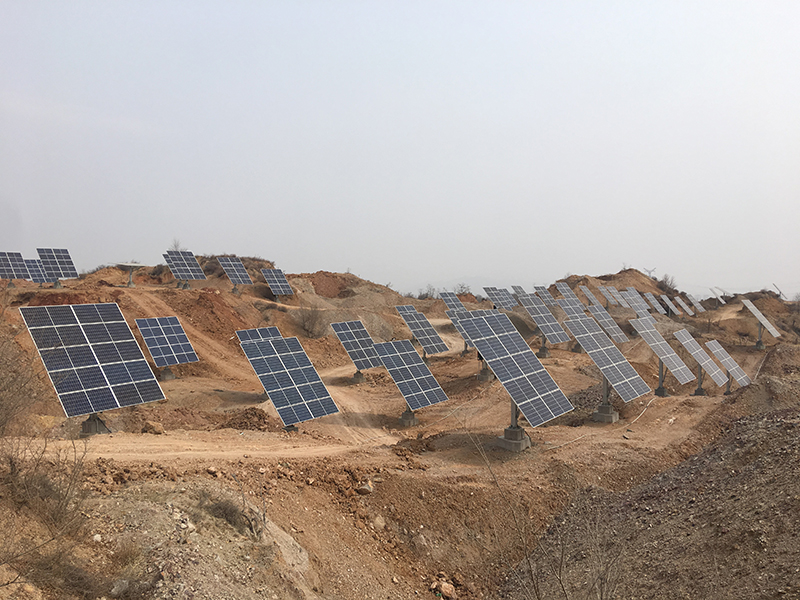
Rugged geographies present slope challenges in both north-south and east-west directions. Shandong Zhaori's single axis trackers feature multi-point drive configurations and flexible mechanical joint joints, enabling installation on slopes up to 20% without heavy grading or earthwork requirements.
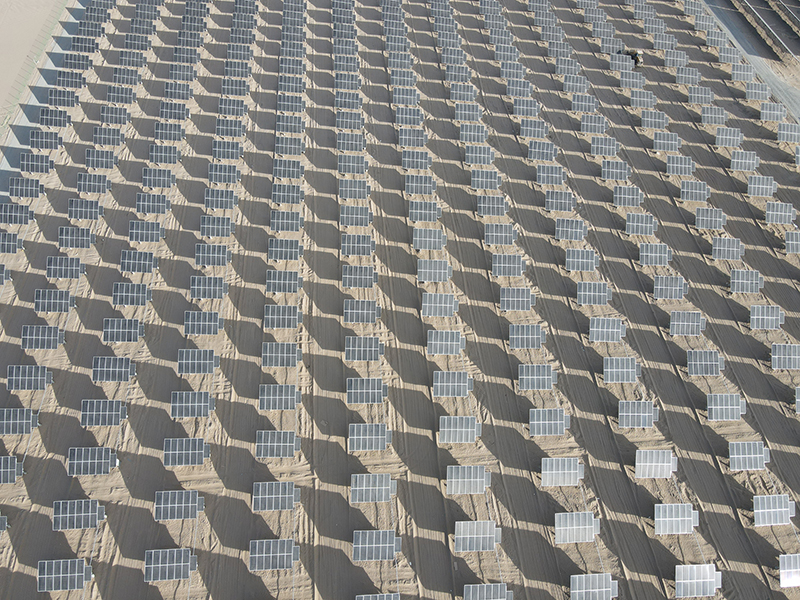
Arid locations present challenges with abrasive dust, while coastal zones are vulnerable to corrosive atmospheres. We utilize hot-dip galvanized steel coatings (HDG) and advanced magnesium-aluminum-zinc coatings (ZM) to ensure active corrosion prevention for 25+ years. Drives are sealed to IP66 specifications to prevent particulate ingress.
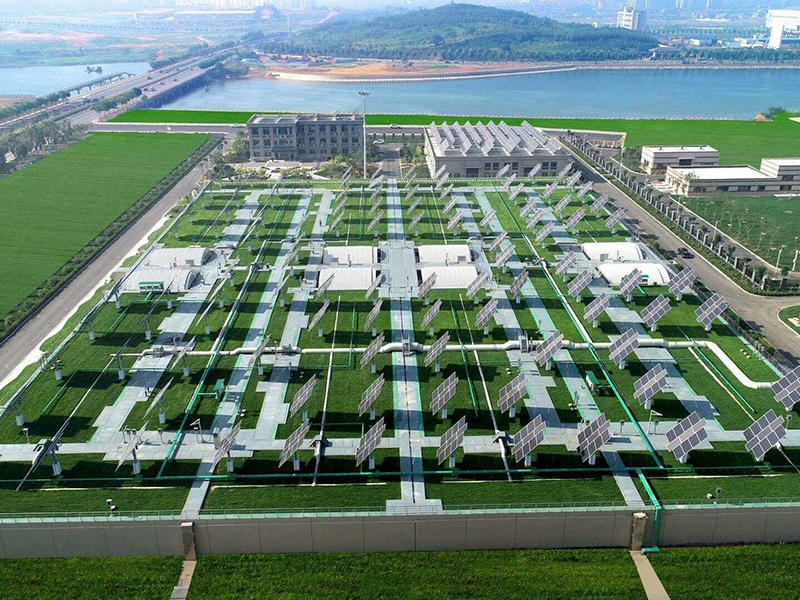
Our elevated 1P configurations provide adequate clearance heights for heavy machinery and livestock movement below. Custom backtracking algorithms prevent shading during farming operations and optimize light distribution profiles to support crop growth beneath the arrays.
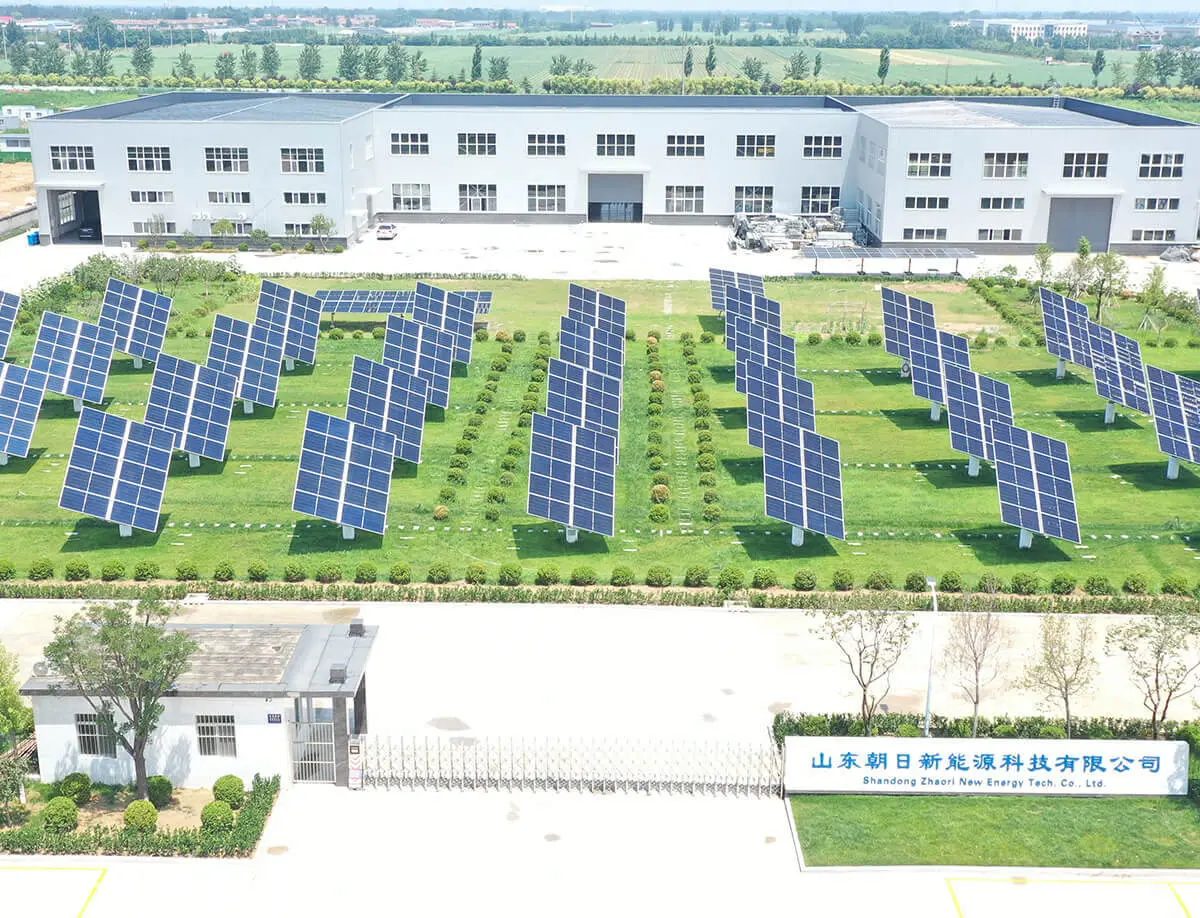
Shandong Zhaori New Energy operates a state-of-the-art 50,000 square meter factory equipped with automated production machinery. By integrating advanced CNC machining centers, precision laser cutters, automatic welding robots, and high-performance plasma cutters, we maintain tight tolerances and design consistency.
Our monthly output capacity reaches 500MW. This scale is achieved through an integrated workflow from raw material reception, cutting, robotic welding, forming, anti-rust treatments, to final packaging inspection. With 300+ trained operations personnel, our factory offers shortened lead times for large-scale utility projects globally.
Our supply chain structure is built on deep relationships with premium domestic steel mills. This integration allows us to hedge against raw material price fluctuations, providing global project developers with stable CAPEX projections and dependable shipping schedules.
Our trackers undergo strict testing to meet globally recognized engineering and quality standards.
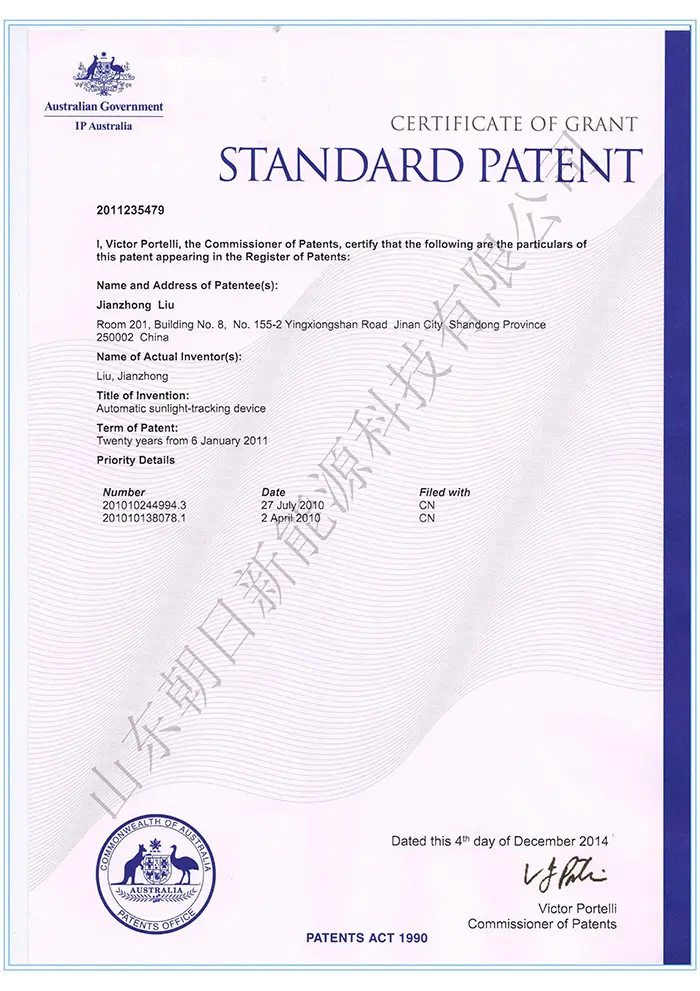
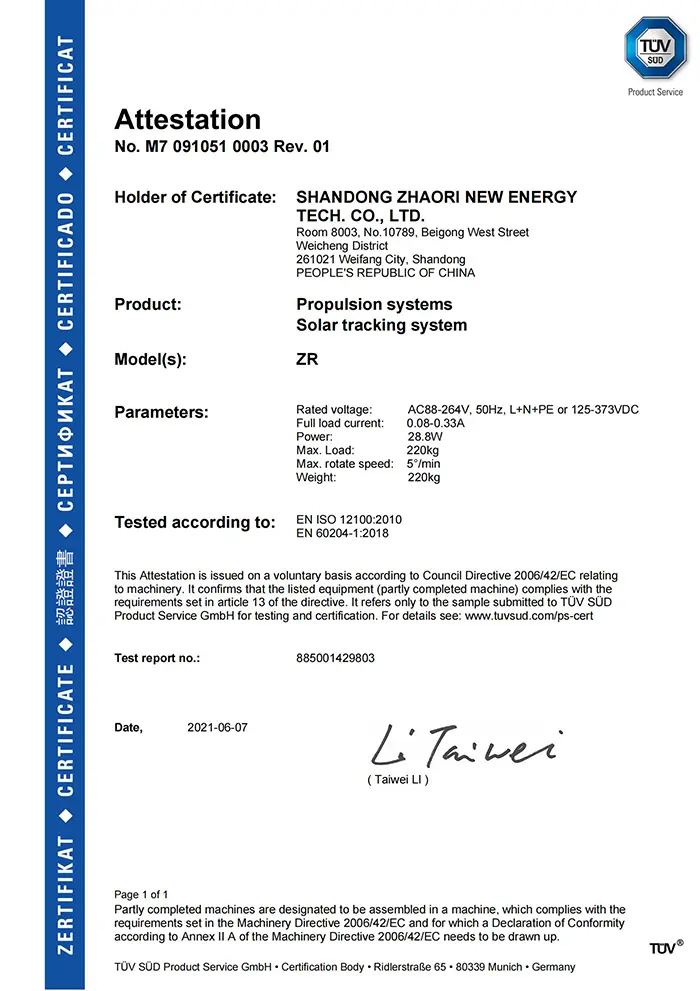
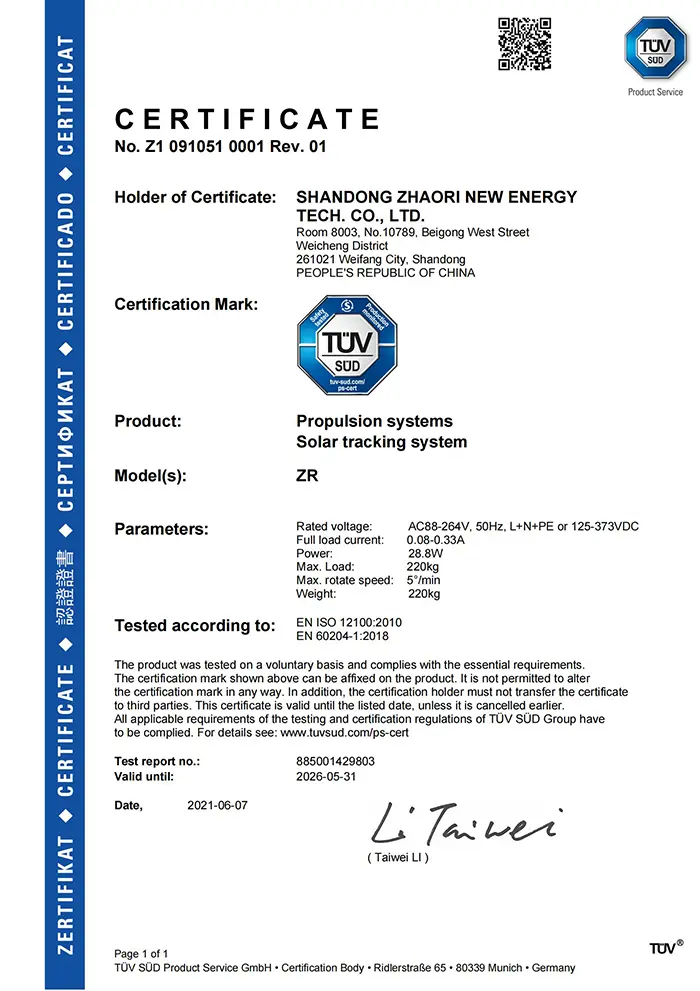
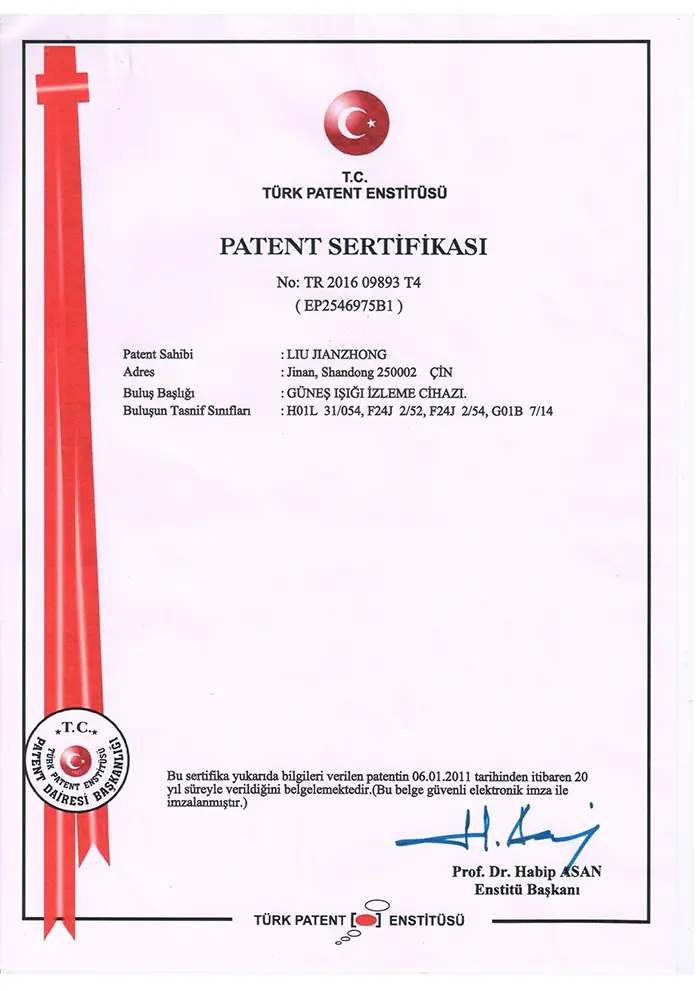


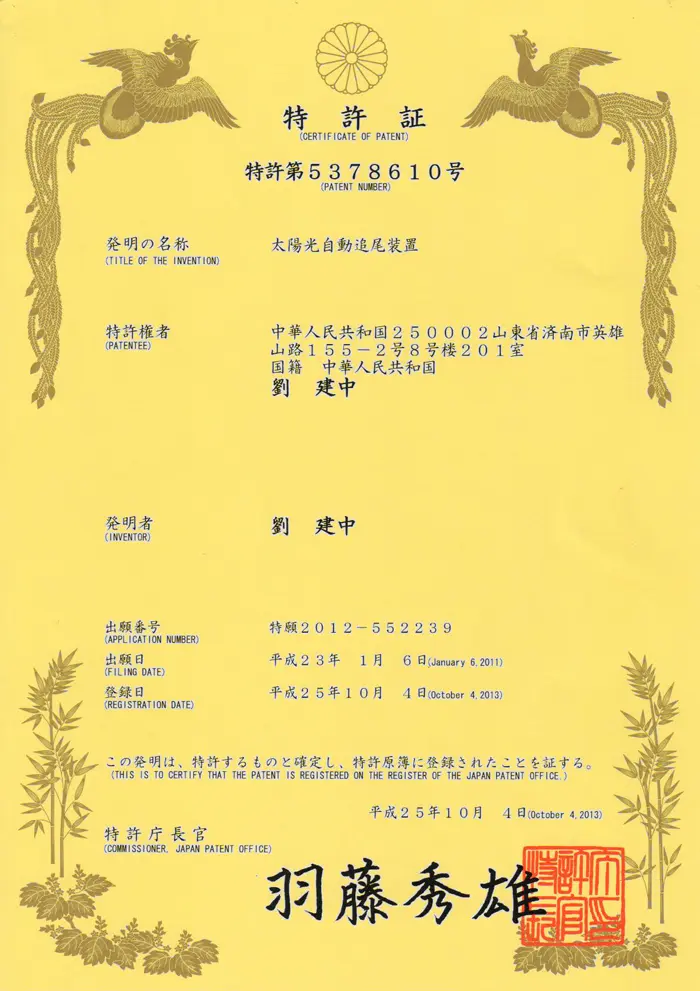
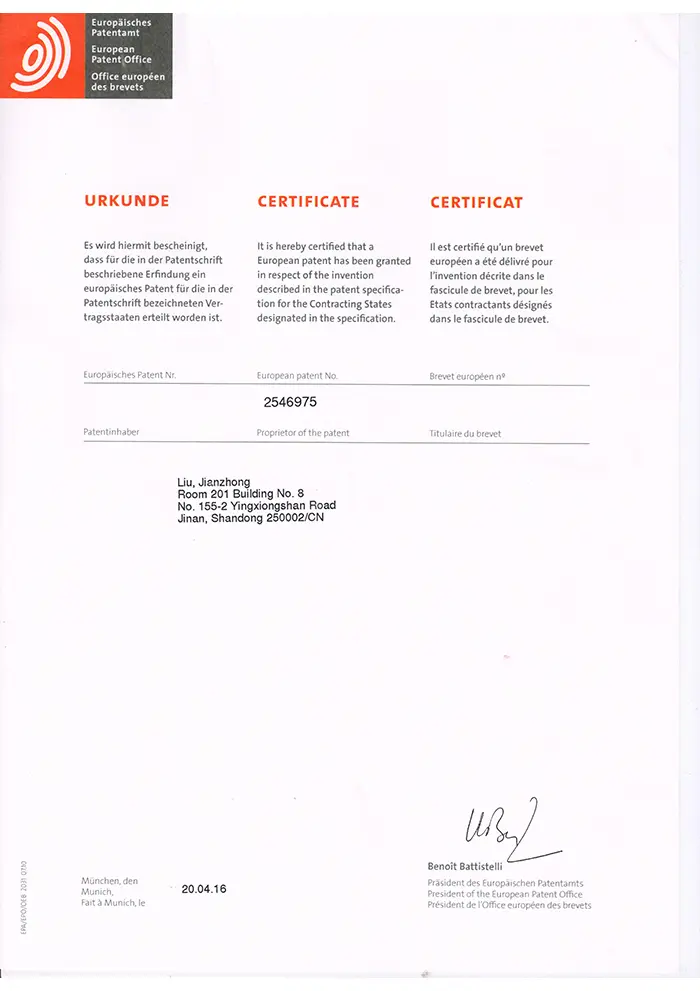
Utility-scale solar structures must comply with diverse regional building codes. Shandong Zhaori integrates regional regulatory standards directly into the structural design phase, utilizing international structural codes such as ASCE 7-16 (United States), Eurocode 1 (Europe), and AS/NZS 1170 (Australia).
Our tracking solutions are backed by patents granted across key solar jurisdictions, including the European Patent Office (EPO), United States, Canada, Australia, Japan, South Korea, Thailand, India, Brazil, and South Africa, in addition to 8 Chinese National Invention Patents and more than 30 Utility Model Patents.
To support global installations, our engineering teams provide comprehensive pre-sales support, including site-specific topographic analysis, pull-out test evaluations, foundation design optimizations, and detailed CAD layouts. We partner with local EPC firms to offer technical training, installation supervision, and commissioning support, helping projects pass utility verification and achieve commercial operation dates (COD) on schedule.
Standard engineering parameters and bankability criteria for utility-scale solar asset managers.
Independent Engineering (IE) reviews, TUV Rheinland/SUD product certifications, and ISO 9001/14001 factory audits to confirm alignment with global financing standards.
Galvanization thickness specifications, ASTM A123/A153 compliance, and Zn-Al-Mg formulations to ensure target service lives in high-salinity zones.
Active stow velocities, critical tilt angles, dynamic wind load resistance values, and dual-point lock mechanisms to mitigate wind-induced flutter.
Comparison of initial capital expenditure against long-term operational costs, including regular lubrication schedules, power consumption metrics, and spare parts availability.
Showcasing single axis, dual axis, and manual adjustable solar installations across diverse soil profiles and environmental conditions.
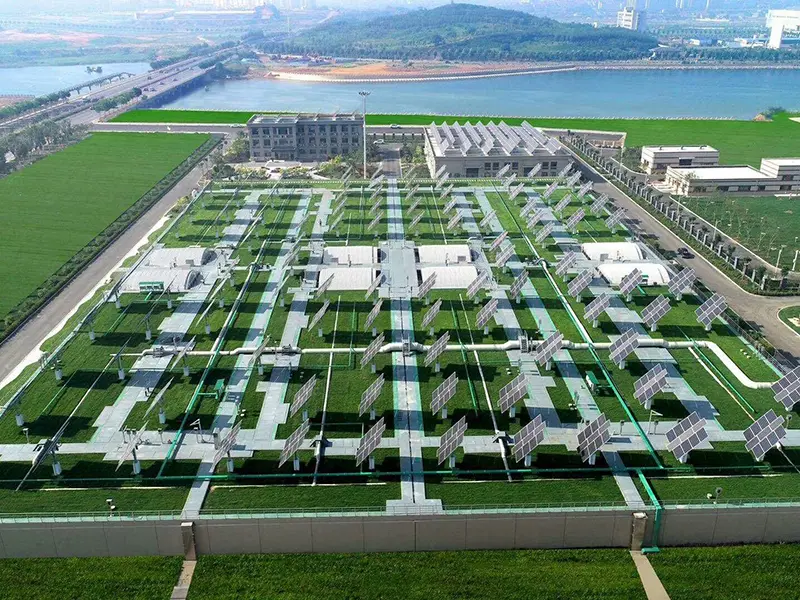
Industrial tracking arrays optimizing clean power generation on factory surfaces.
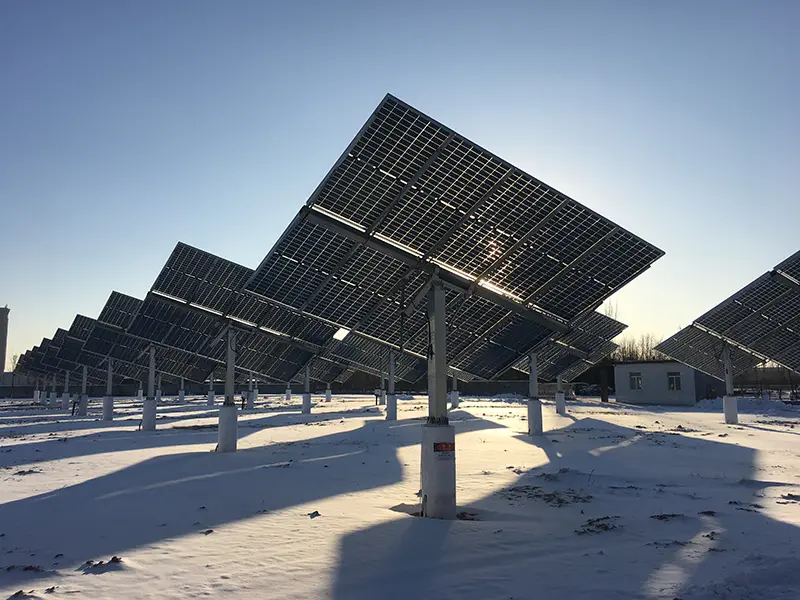
Demonstrating automatic snow shedding capability and high load bearing capacity.
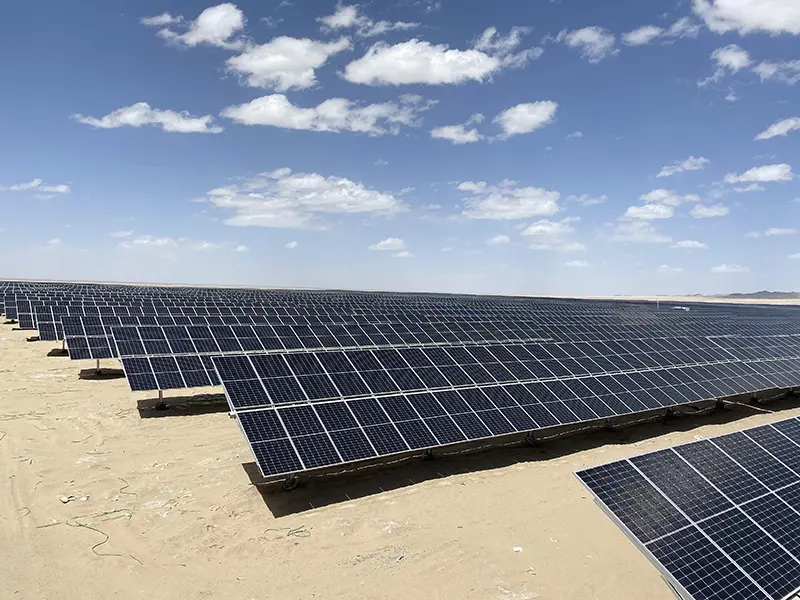
Utility-scale array operating under extreme high-dust and high-temperature conditions.
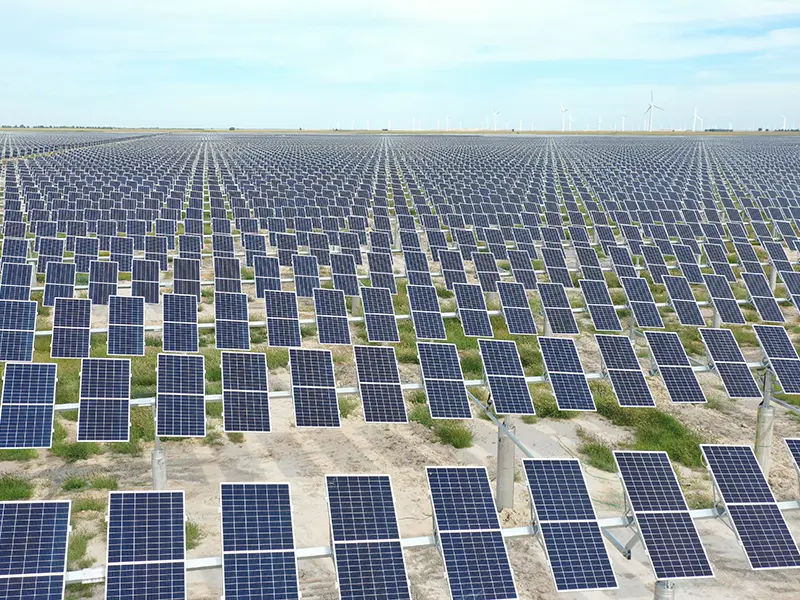
Hybrid configuration maximizing ground cover ratio (GCR) and seasonal yield optimization.
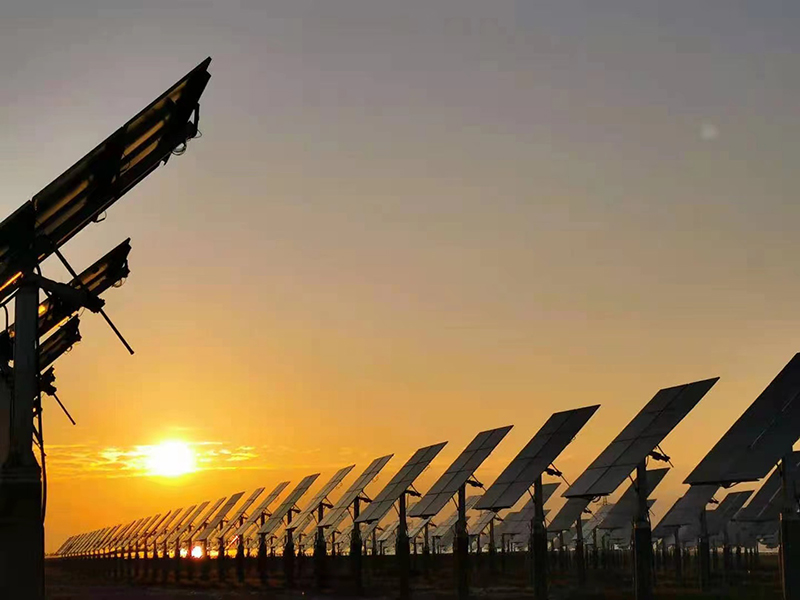
Precision dual-axis system engineered for high solar yield in northern latitudes.
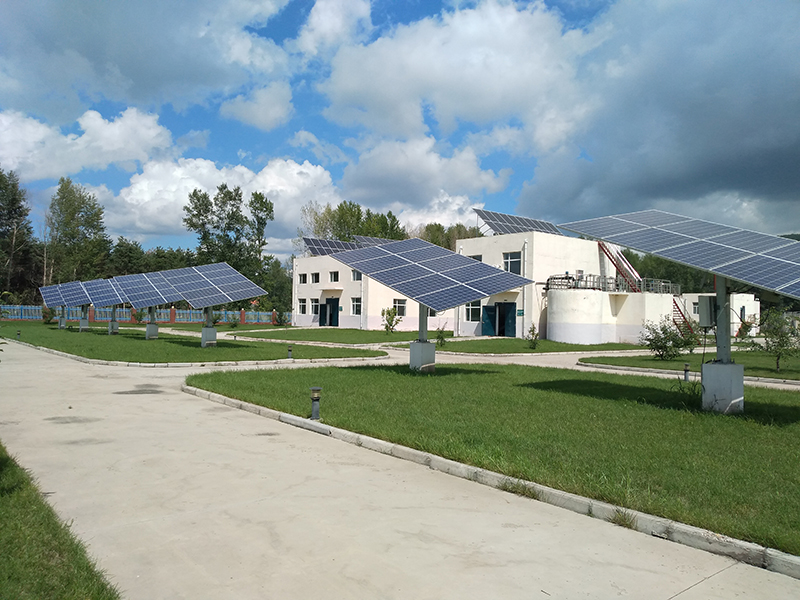
Eco-friendly solar array integrated into municipal green spaces.
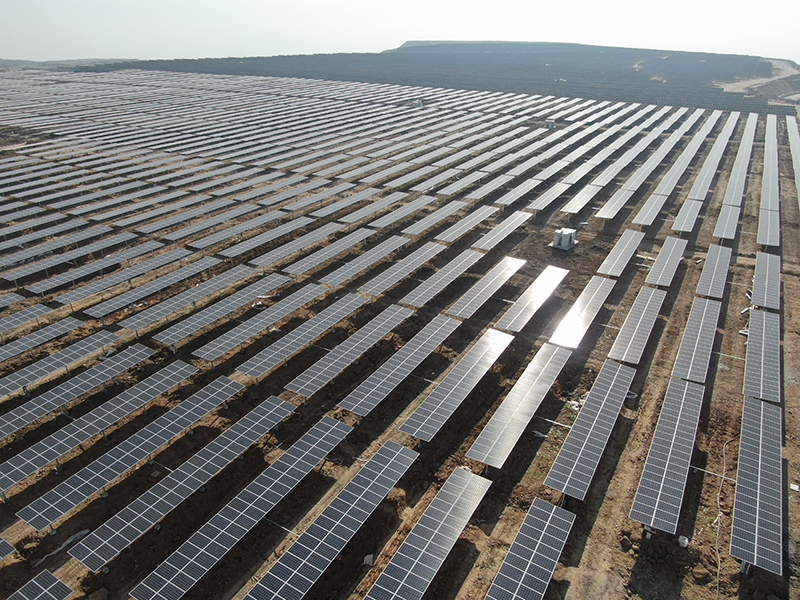
Flat single axis installation delivering steady grid injections with low O&M requirements.
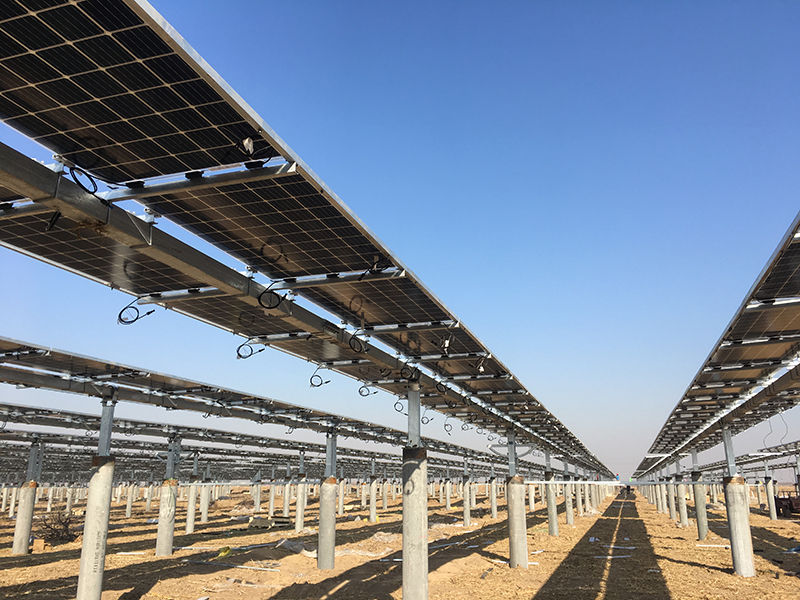
Large-scale utility setup combining modern bifacial PV panels with tracking systems.
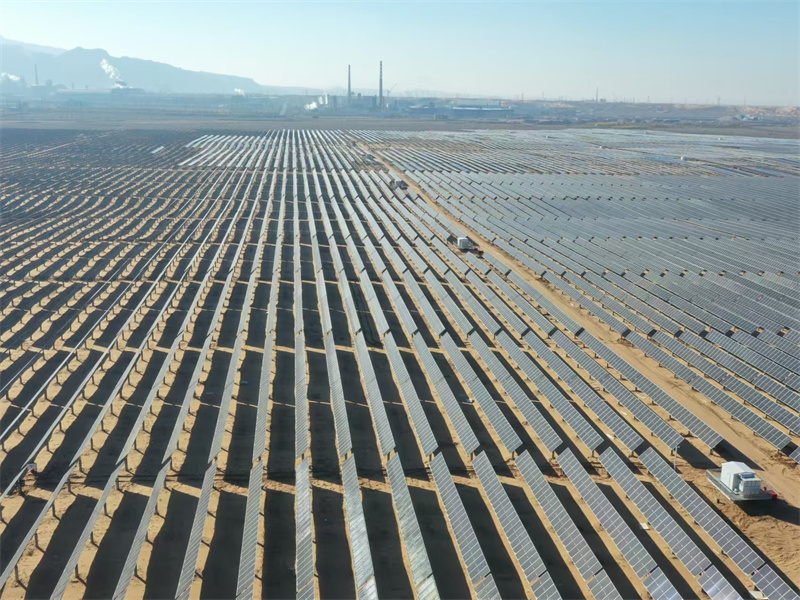
Gigawatt-scale deployment utilizing centralized drive units and remote monitoring.
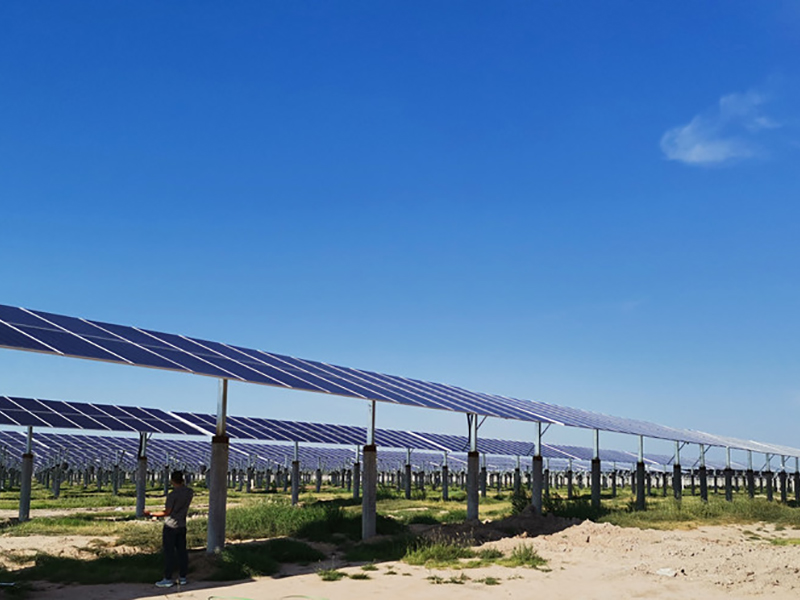
A key project designed to high-reliability utility guidelines for stable performance.
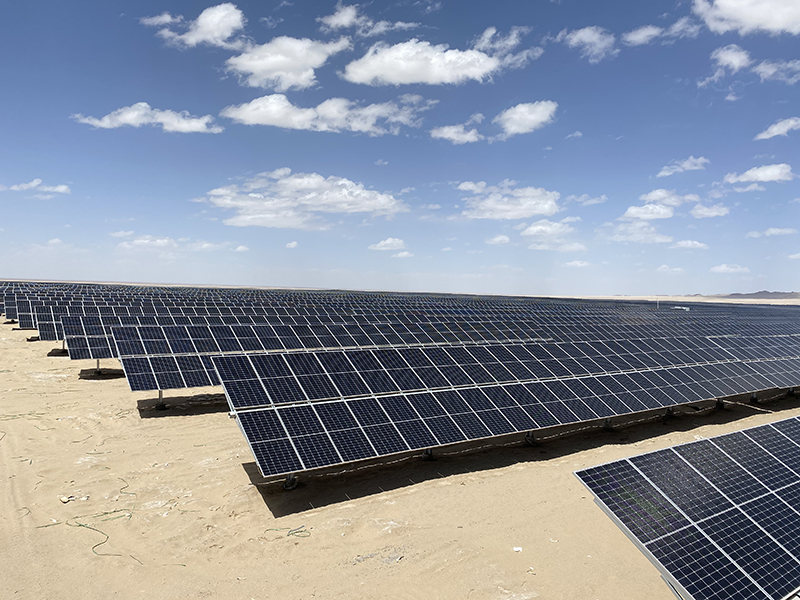
Combining manual-adjustable fixed structural brackets and active tracking lines.
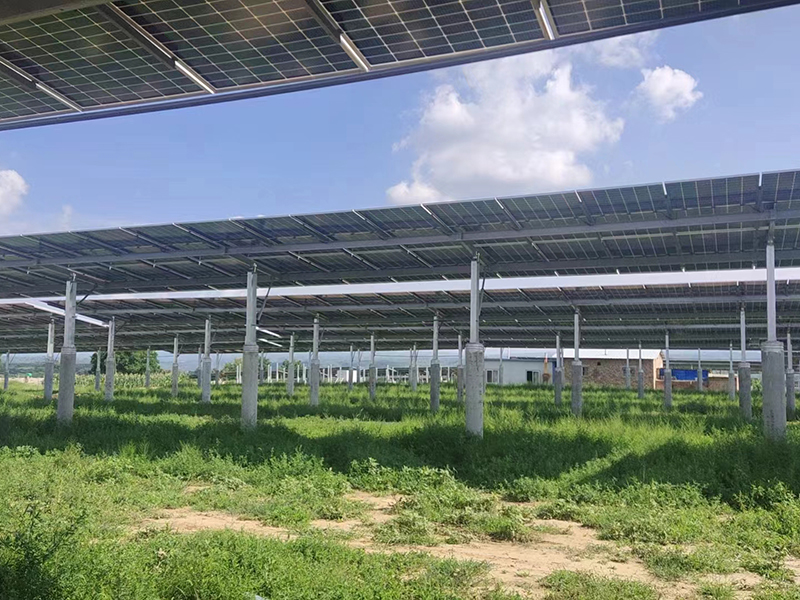
Mountain terrain installation designed to reduce grading costs and improve long-term yields.
See our 1P and dual-axis solar trackers operating under real-world conditions.
Find answers to common technical, structural, and procurement questions regarding tracking systems.
High-performance single axis, dual axis, and manual fixed structures engineered for utility-scale efficiency.
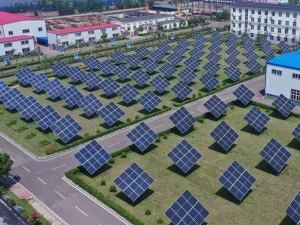
High-precision dual-axis tracking platform designed to optimize irradiance capture, offering automatic stow features for severe weather conditions.
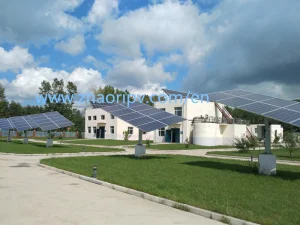
A balanced semi-automatic system that combines seasonal manual tilt control with automated daily tracking to reduce maintenance overhead.
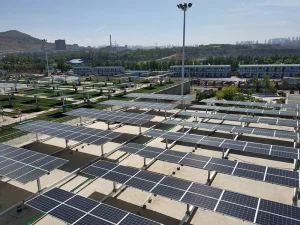
Designed for high Ground Cover Ratio (GCR) sites, this 2P configuration supports up to 60 solar panels per drive row to maximize output.
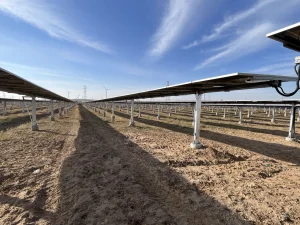
Our flagship 1P single axis tracker. Engineered to reduce LCOE and deliver reliable structural performance across global installations.
Premium dual-axis tracking platform. Continuously aligns solar arrays with sun coordinates to increase daily output by up to 35-40%.
Designed for terrain adaptability. Replaces traditional static structures to provide robust 15% to 25% energy boosts globally.
Designed for high Ground Cover Ratio (GCR) sites, this 2P configuration supports up to 60 solar panels per drive row to maximize output.
Precision manual-adjustable structural brackets enabling seasonal tilt adjustment for cost-effective annual solar output enhancement.
 Zhaori