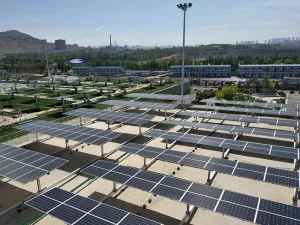
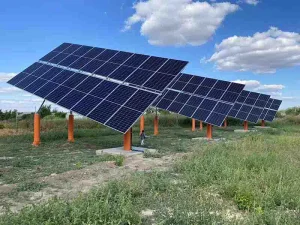
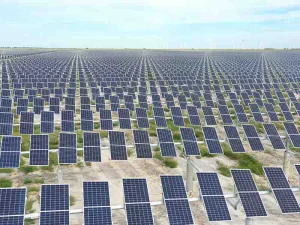
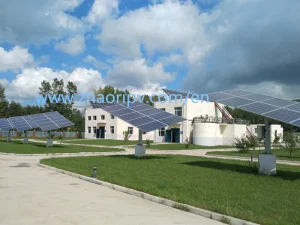
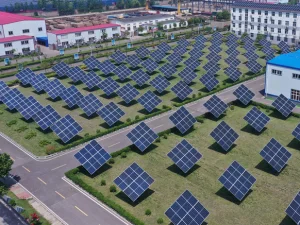
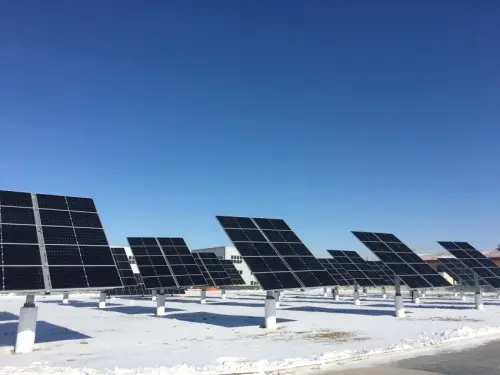
The global energy landscape is undergoing a seismic shift. As utility-scale photovoltaic (PV) projects increasingly dominate the renewable sector, the demand for Active Solar Tracking Systems has surpassed traditional fixed-tilt structures in Tier-1 markets. Unlike passive systems, active trackers utilize sensors, GPS data, and sophisticated algorithms to orient solar panels directly toward the sun, maximizing the angle of incidence throughout the day.
Current data suggests that active tracking can enhance energy yields by 25% to 40% depending on the latitude and climate. This "Energy Gain" is the primary driver for exporters and companies globally, as it directly reduces the Levelized Cost of Electricity (LCOE), making solar power competitive with—and often cheaper than—fossil fuels.
Founded in June 2012, Shandong Zhaori New Energy Tech. Co., Ltd. is a high-tech pioneer in the new energy sector, built upon a foundation of independent intellectual property rights. With over 10 departments—including R&D, Technical, Engineering, and Quality Assurance—our team of 60+ professional tech talents has focused on photovoltaic power stations and solar tracking technology for more than a decade.
Our 50,000-square-meter factory is equipped with state-of-the-art CNC machine tools, laser cutting machines, automatic welding robots, and plasma machines. With a production capacity of 500MW per month, we ensure that every product—from raw material screening to anti-rust treatment—undergoes rigorous quality control aligned with TUV, CE, and ISO standards.
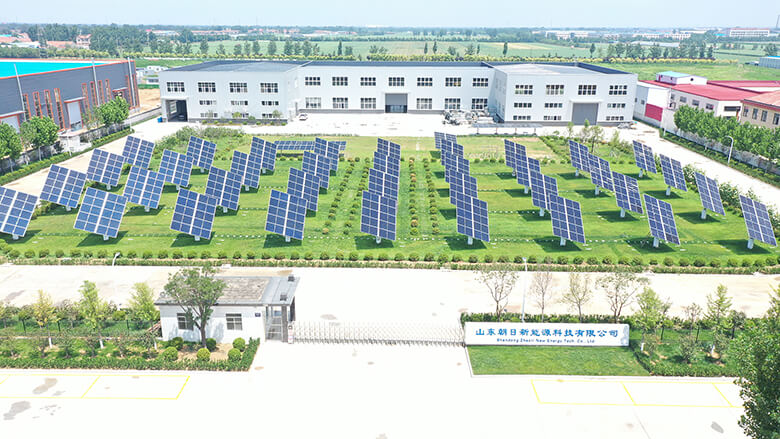
Future systems are moving beyond simple astronomical algorithms. AI-driven "backtracking" algorithms now optimize for diffuse light during cloudy days and prevent inter-row shading, adding an additional 2-3% in annual yield.
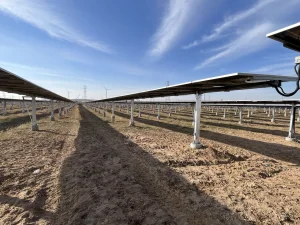
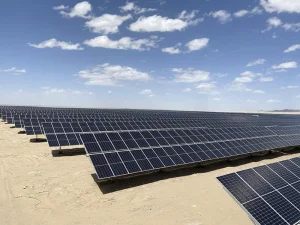
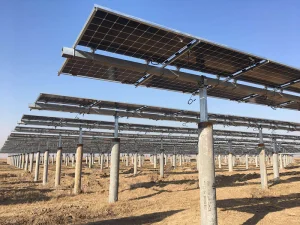
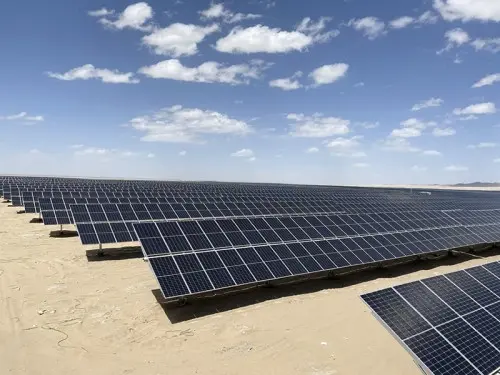
As bifacial modules become the standard, tracking systems are being redesigned to minimize rear-side shading. Our 2P Flat Single Axis trackers are specifically engineered to maximize albedo light capture.
With climate change comes volatility. Our "Stow Mode" technology, triggered by real-time anemometers, allows trackers to withstand wind speeds of up to 150km/h, protecting the investment from structural failure.
Modern active solar tracking systems are now nodes in the Internet of Things (IoT). Real-time monitoring allows for predictive maintenance, identifying motor friction or sensor misalignment before it impacts production.
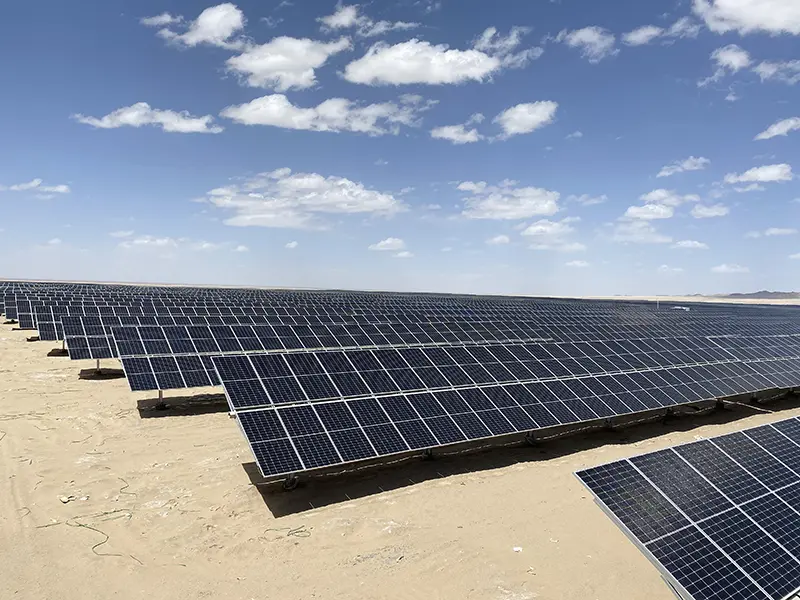
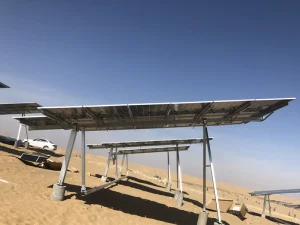
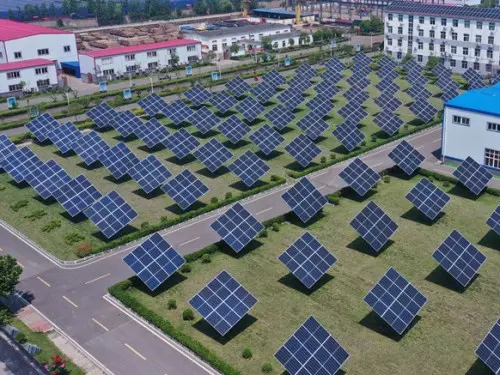
In regions like the Middle East or Gobi Desert, dust accumulation is a major issue. Our dual-axis trackers can be programmed for periodic "self-cleaning" tilts to shed sand and maximize morning/evening gains.
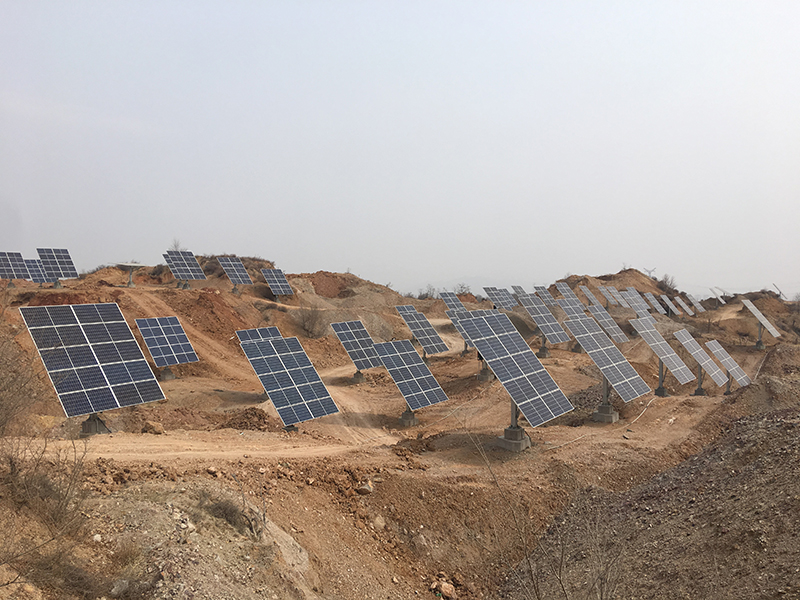
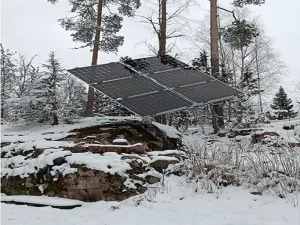
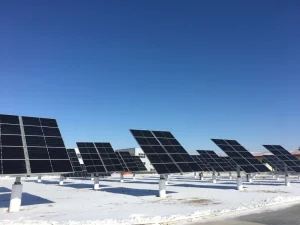
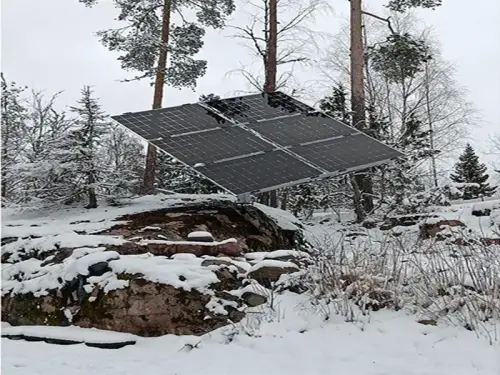
Tilted single-axis systems (ZRT-16) are ideal for northern latitudes and uneven mountain slopes where standard flat-axis systems underperform due to topographical shading.
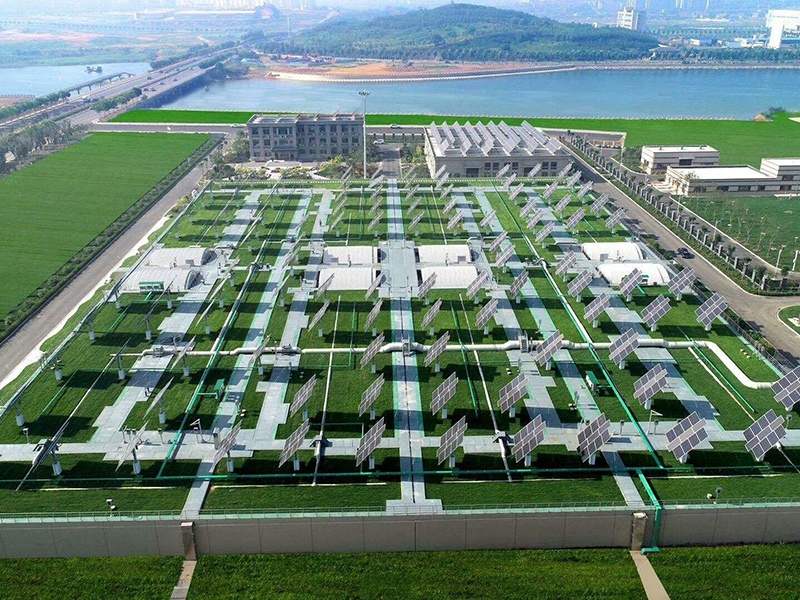
Commercial and Industrial (C&I) projects utilize our adjustable fixed brackets or small-scale dual-axis systems to fit specific roof footprints, ensuring maximum power density per square meter.
As a leading exporter, Shandong Zhaori New Energy provides more than just hardware; we provide Total Lifecycle Value. Our macro-solutions include:
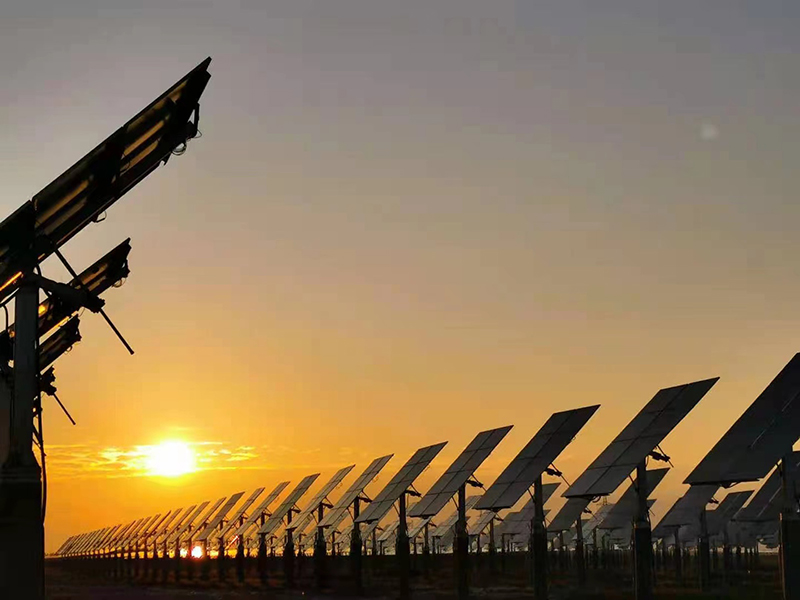
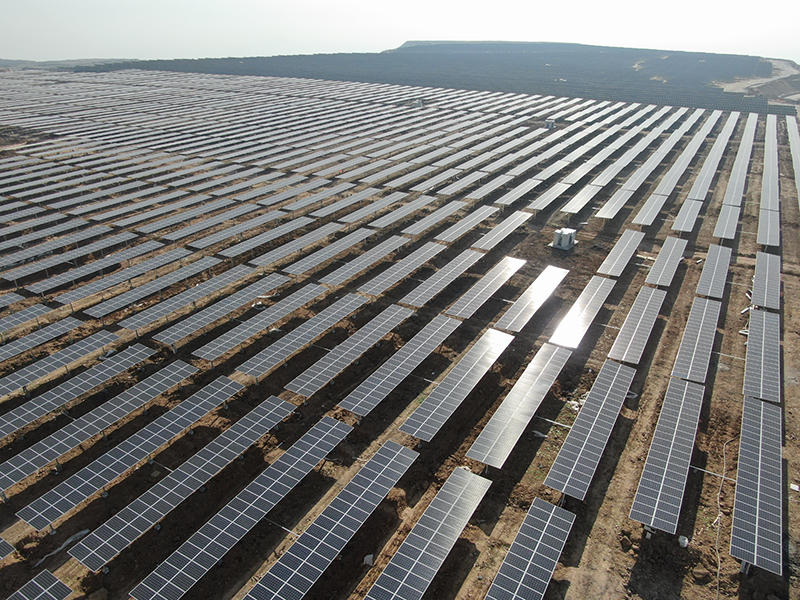
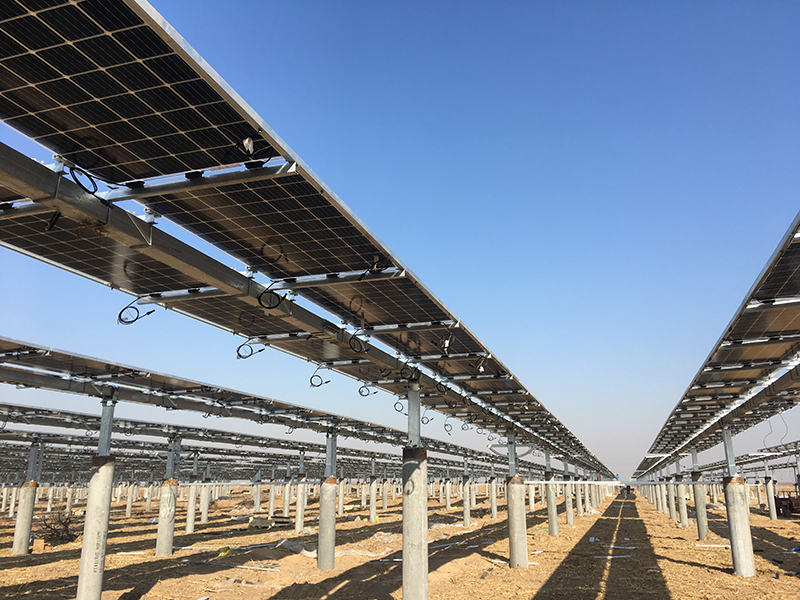
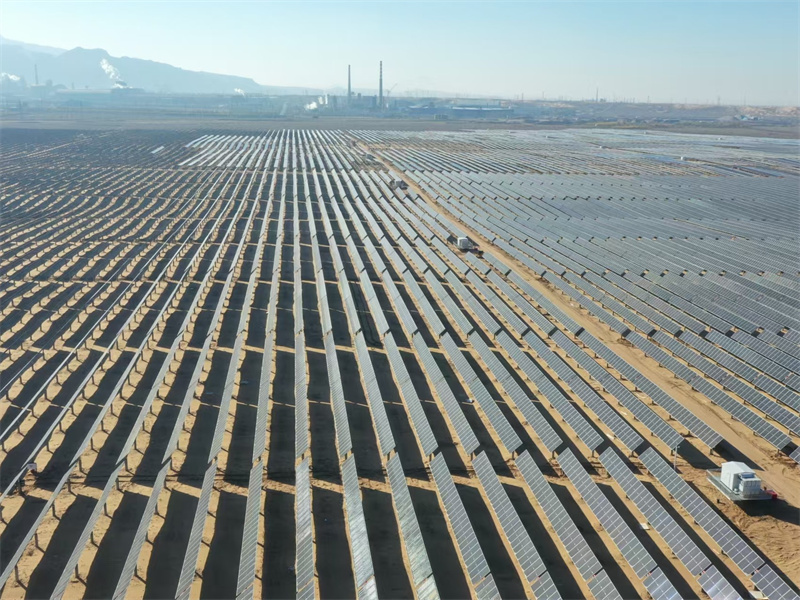
We provide perfect customized solutions and professional operation and maintenance services based on our rich experience in PV bracket application. Our goal is to provide high-quality products at suitable prices, adhering to the business principle of mutual benefits.
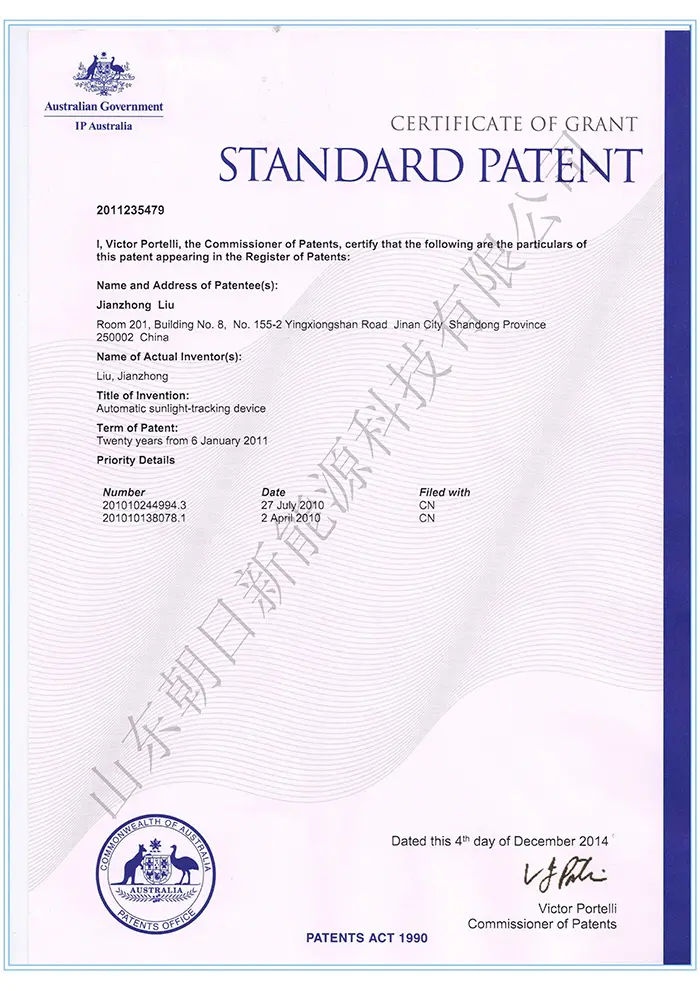
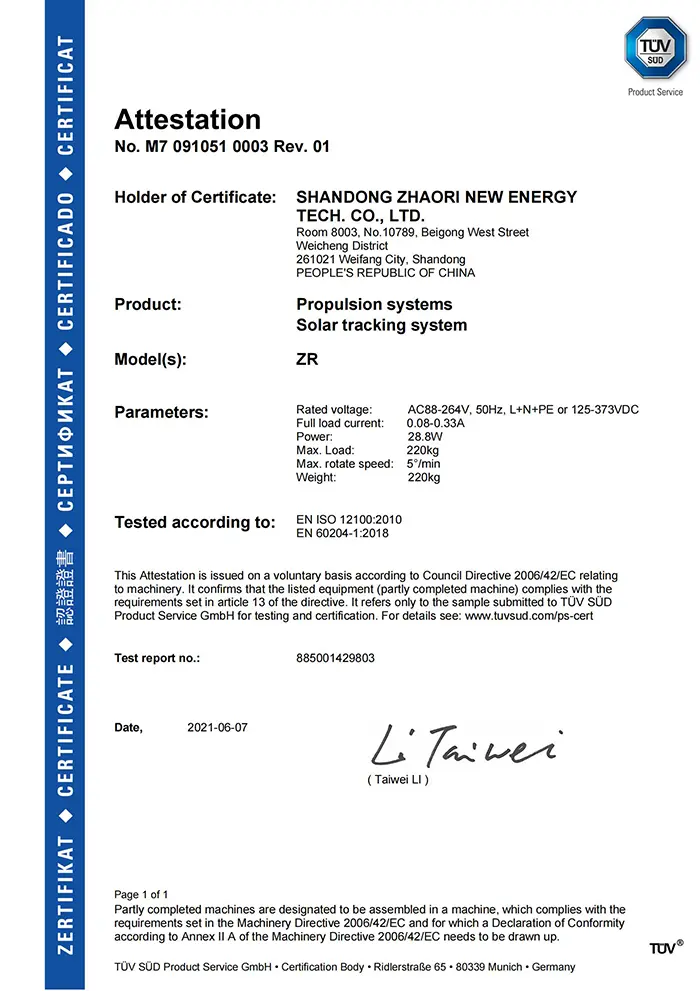
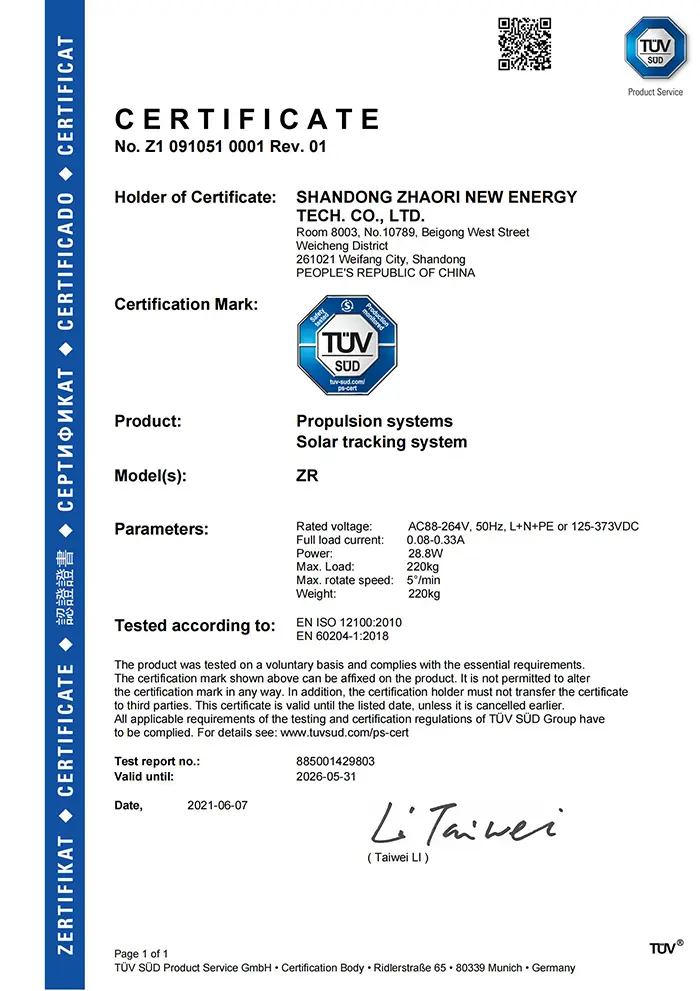
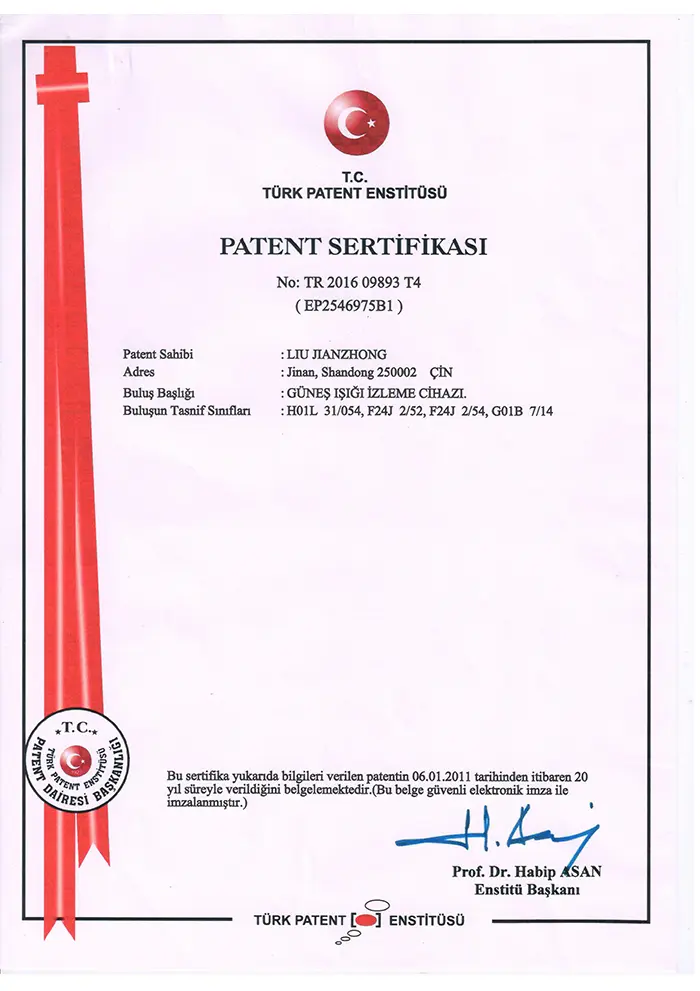
Our products have obtained patents from the Europe Patent Office, USA, Canada, Australia, Japan, South Korea, Thailand, India, Brazil, and South Africa. We also hold 8 Chinese National Invention Patents and over 30 Utility model patents.
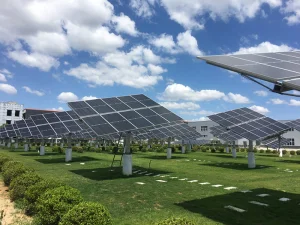
A single-axis tracker follows the sun from East to West on one pivot. A dual-axis tracker follows the sun's azimuth and elevation, ensuring the panels are perfectly perpendicular to the sun's rays at all times, maximizing yield further.
Yes. Our systems are equipped with automated wind sensors. When wind speeds exceed a safe threshold, the system automatically move to a horizontal "stow" position to minimize wind load.
While more complex than fixed systems, our "Simple" design principle minimizes moving parts. Semi-annual inspections of actuators and lubrication are usually sufficient to ensure 25+ years of operation.
Typically, the 20-30% yield increase allows for an ROI within 3-5 years, depending on local energy prices and solar irradiation levels.
 Zhaori