In the global pursuit of Levelized Cost of Energy (LCOE) reduction, the Single Axis Solar Tracker has emerged as the most critical technological pivot for utility-scale and large-scale residential projects. Unlike fixed-tilt systems, single-axis trackers follow the sun's trajectory from east to west, optimizing the angle of incidence and significantly increasing energy yield by 15% to 30%.
As a leading DIY Single Axis Solar Tracker Exporter, Shandong Zhaori New Energy understands that "DIY" in the industrial context signifies Modular Versatility. Our systems are engineered for rapid deployment, allowing local EPC contractors and sophisticated developers to install high-performance tracking arrays with minimal heavy machinery, effectively lowering the barrier to advanced solar harvesting.
Leveraging China's world-class PV supply chain, our 50,000 sqm facility utilizes CNC precision and robotic welding to ensure structural integrity and cost-competitiveness that Western manufacturers struggle to match.
The industry is moving toward "Smart Tracking." Our R&D focuses on AI-driven backtracking algorithms that prevent row-to-row shading during low-sun angles, maximizing production in diffuse light conditions.
We provide full-stack solutions including wind-tunnel tested structures, scada-integrated control systems, and compatibility with the latest high-wattage bifacial modules.
Shandong Zhaori New Energy Tech. Co., Ltd. is a high-tech and new energy company based on independent intellectual property rights. Founded in June 2012, our organization has expanded into 10 specialized departments, including R&D, Engineering, and Quality Assurance. With over 60 professional technology talents, our team has pioneered solar tracking technology for over a decade.
Our philosophy is rooted in providing more simple, more reliable, and more effective solar solutions. We don't just export products; we provide "Information Gain" through customized solutions and professional O&M (Operation and Maintenance) services.
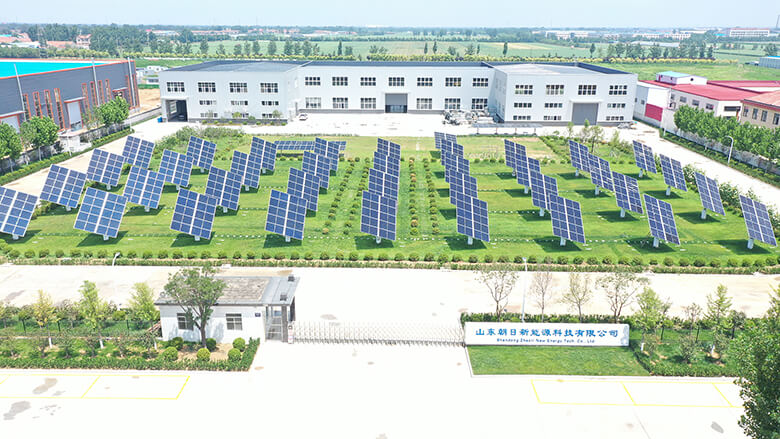
Our factory spans 50,000 square meters, equipped with a suite of advanced machinery: CNC machine tools, laser cutting systems, automatic welding robots, and plasma cutters. With over 300 dedicated production workers, we maintain a strict quality control hierarchy, ensuring every bracket and tracker meets international standards of excellence.
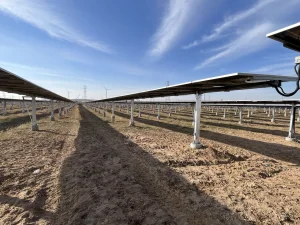
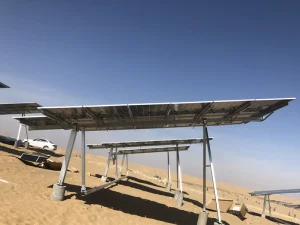
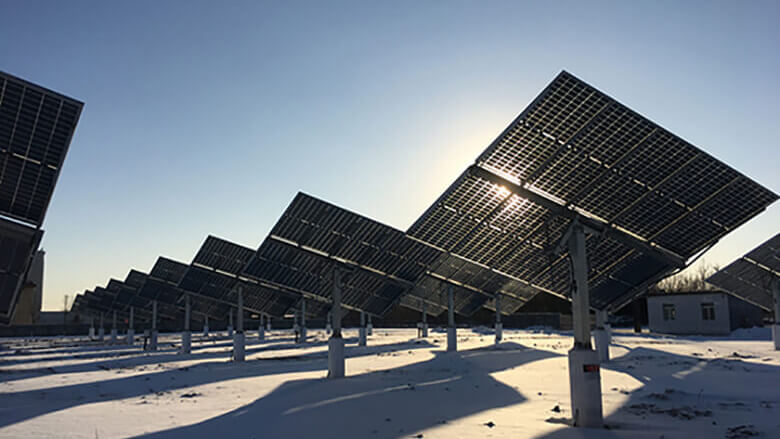
Designed for high-temperature resilience and sandstorm resistance. Our trackers feature sealed bearings and robust actuators to withstand harsh environments like 20MW projects in desert terrains.
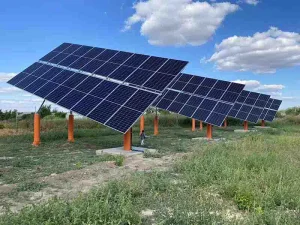
Single axis trackers are ideal for agriculture, providing variable shading for crops while maximizing energy production. The high clearance of our 2P flat single axis allows for machinery access.
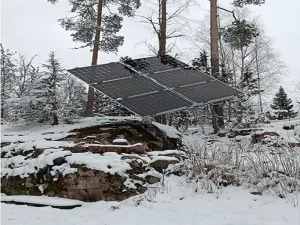
Our tilted single-axis systems (ZRT-16) are specifically engineered for slope applications, allowing for 10°-30° tilt to match topography while tracking the sun's azimuth.
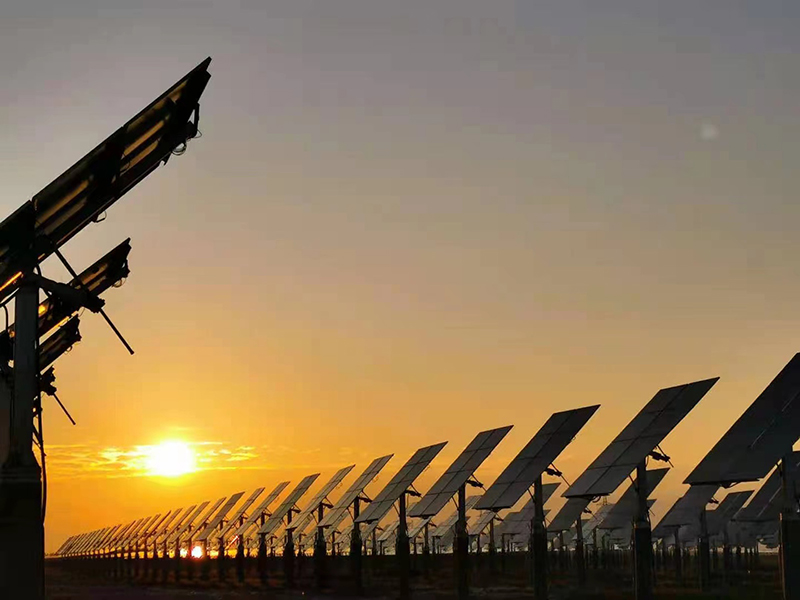
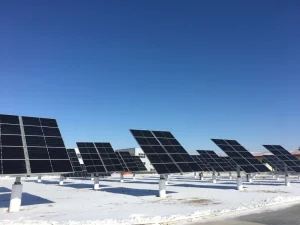
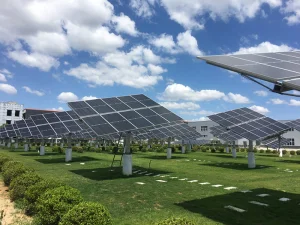
5MW in North China - Dual Axis
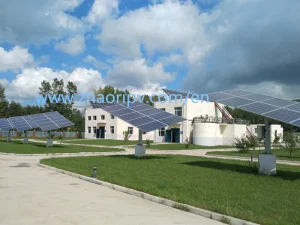
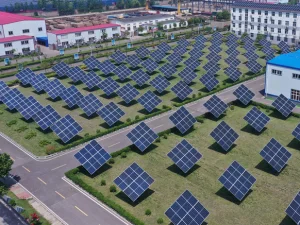
Industrial Factory Solar Integration
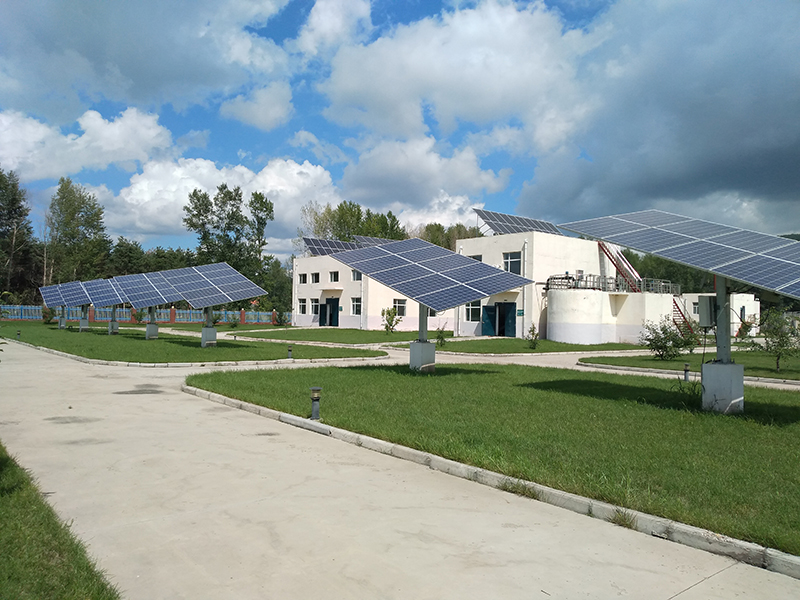
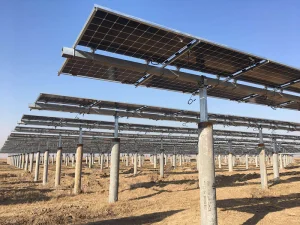
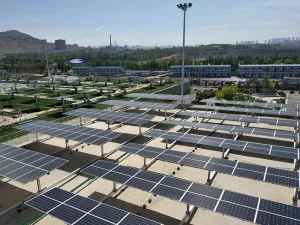
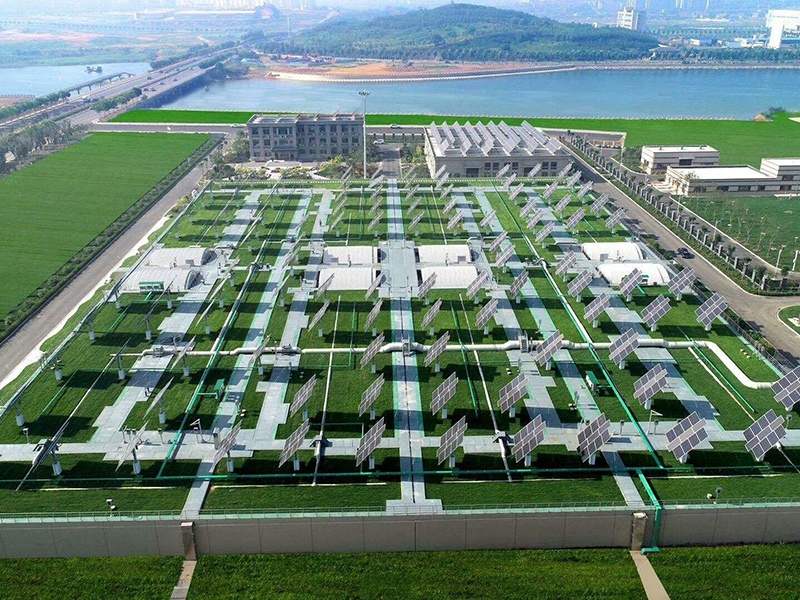
Green Belt Urban Solar Project
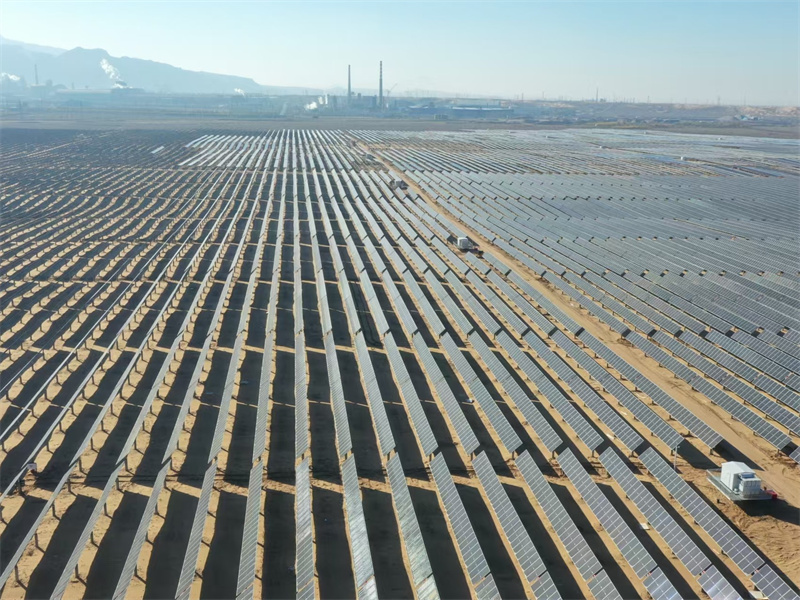
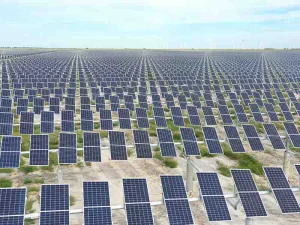
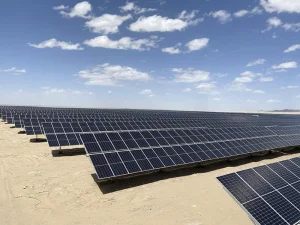
360MW Desert Single Axis Tracker
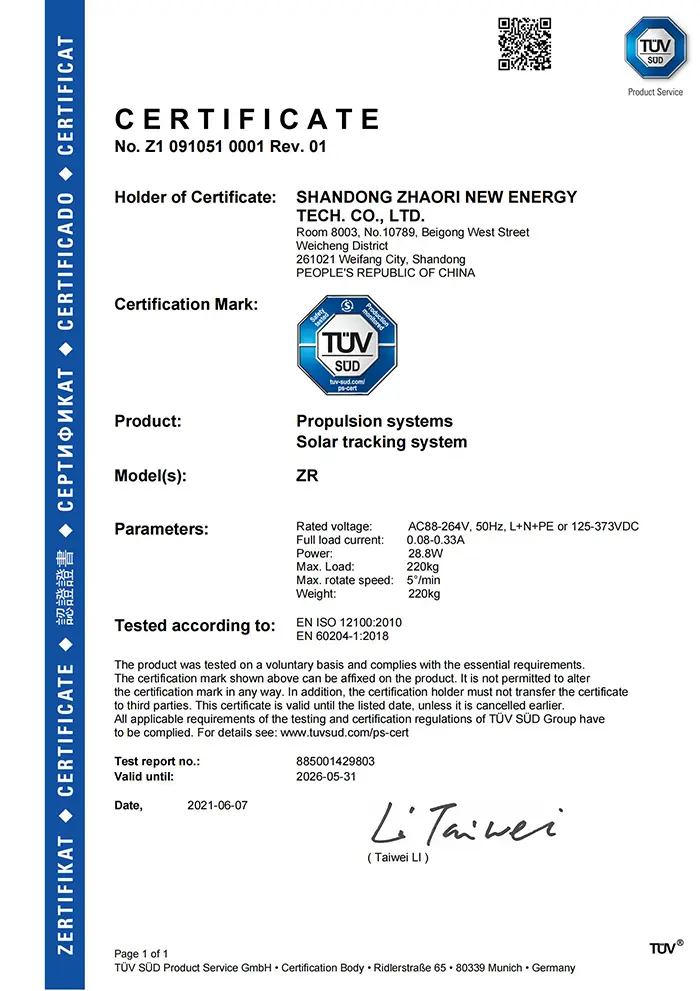
Global enterprises seeking high-quality solar tracking equipment prioritize reliability, wind load certification, and ease of assembly. As an exporter, we address these needs through rigorous TUV testing and modular design that reduces shipping costs and on-site labor.
ZRP (Flat) tracks the sun's azimuth angle on a horizontal plane, ideal for large, flat landscapes. ZRT (Tilted) adds a fixed tilt to the tracking axis (10°-30°), which is superior for higher latitude regions to catch the low-hanging winter sun more effectively.
Yes. Our "2P" designs are optimized for bifaciality, reducing the structural shading on the rear side of the panels, which can provide an additional 5-10% gain on top of the tracking benefits.
Our control system includes an anemometer-linked "Stow Mode." When wind speeds exceed safe thresholds, the tracker automatically moves to a horizontal position to minimize wind resistance and protect the structure.
Thanks to our self-lubricating bearings and IP65-rated motors, maintenance is minimal. We recommend a visual inspection every 6 months and a control system diagnostic annually.
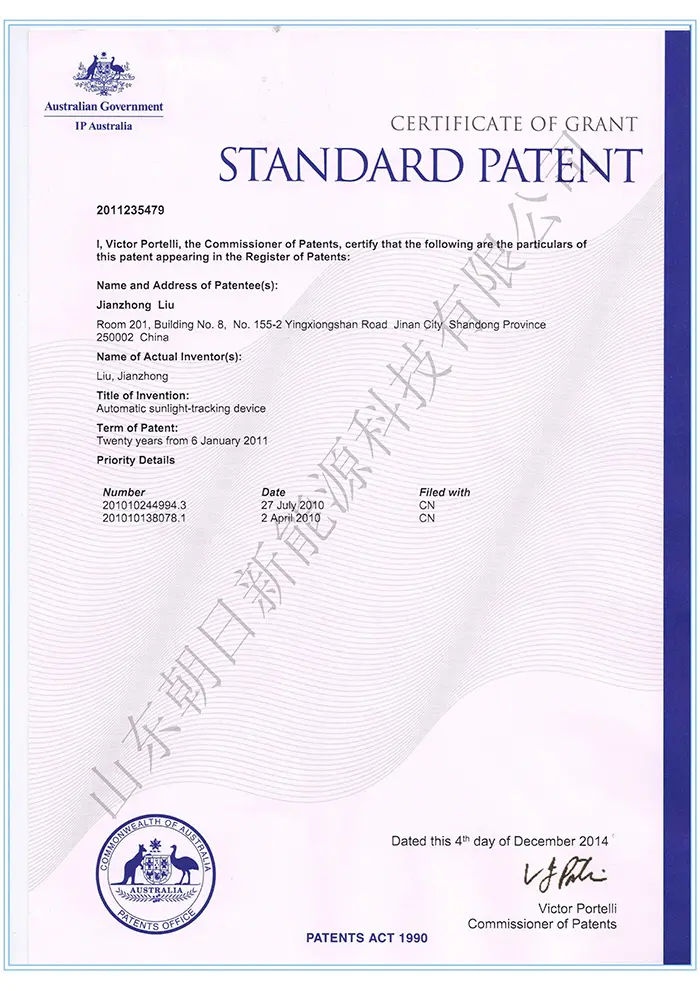
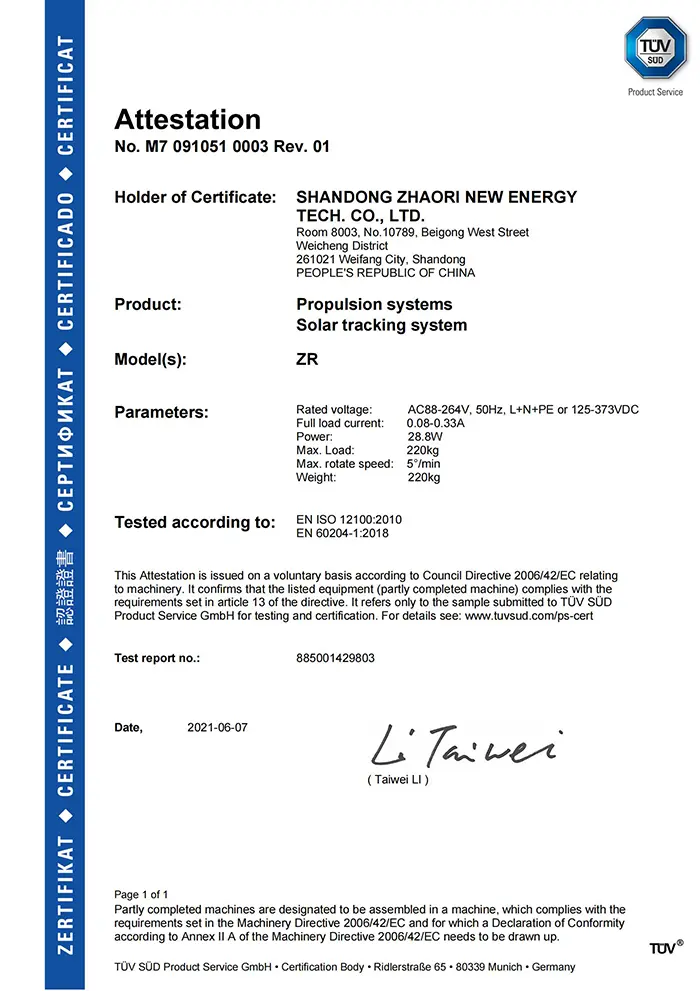
 Zhaori