Maximize Levelized Cost of Energy (LCOE) with our industry-proven structural systems engineered for ultimate power output

Engineered for dynamic seasonal adjustment, offering custom tilt optimization with robust cost performance ratios compared to fixed structures.

Engineered for large-scale utility systems. Features reliable single-axis horizontal tracking to enhance solar irradiation collection by 15-20%.
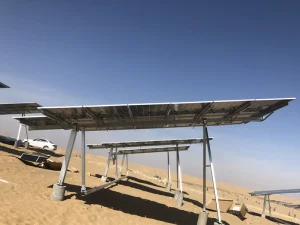
Designed for higher latitude areas, integrating a tilted axis that continuously coordinates with azimuth movement to optimize low solar angles.

Features complete real-time horizontal and vertical auto-tracking, unlocking the potential energy output of utility and distributed scale installations.

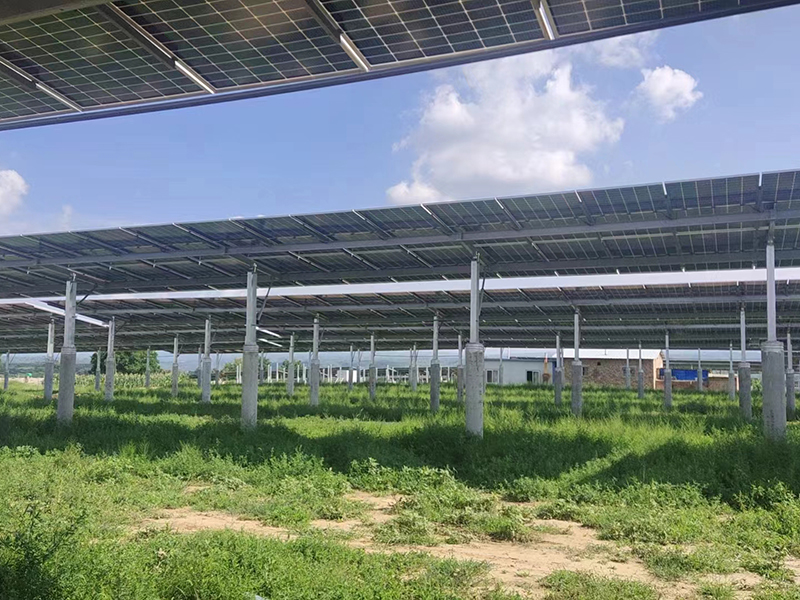
Utilizes optimized structural layout for dual-row bifacial modules, yielding significant power generation gains on terrain variants.
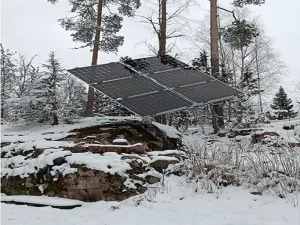
An ultra-reliable dual-axis tracker designed with specialized software to survive extreme regional wind forces while optimizing azimuth angles.

Premium precision manufacturing from our 50,000㎡ industrial complex, integrating robust designs certified for global solar utility markets.

Combines cost-effective structural components with semi-automatic control modules, reducing capital expenditures while maintaining yield advantage.
An In-Depth Look at Yield Optimization, Engineering Integrity, and Global Purchasing Frameworks
Australia is uniquely positioned at the forefront of the global energy transition. Boasting some of the highest average Solar Exposure rates on Earth, the continent offers unparalleled potential for commercial, utility, and agricultural solar deployment. However, leveraging this vast resource requires more than standard flat PV arrays. Australia’s extreme environmental dynamics—characterized by intense UV radiation, high-velocity winds (including cyclone zones in northern regions), and vast semi-arid deserts—demand structural systems of exceptional integrity and efficiency.
In this demanding scenario, Dual-Axis Solar Trackers have shifted from niche engineering concepts to crucial utility assets. Unlike single-axis solutions that only follow the sun from East to West, dual-axis systems track both the azimuth angle (horizontal movement) and elevation angle (vertical tilting). This continuous adjustment ensures that the solar modules remain perfectly perpendicular to the incoming sun rays throughout the day. Under the intense DNI conditions of Western Australia, South Australia, and the Northern Territory, this dynamic geometry eliminates cosine losses and boosts clean energy yields, providing a more reliable and consistent output profile.
Founded in June 2012, Shandong Zhaori New Energy Tech. Co., Ltd. has developed a strong footprint in the global solar tracker sector. Our organization operates on a foundation of independent intellectual property and structural innovation. Built with ten core departments—including dedicated R&D, Technical, Quality Assurance, and Foreign Trade divisions—our team of over 60 engineering experts focuses entirely on improving photovoltaic mounting and tracking systems.
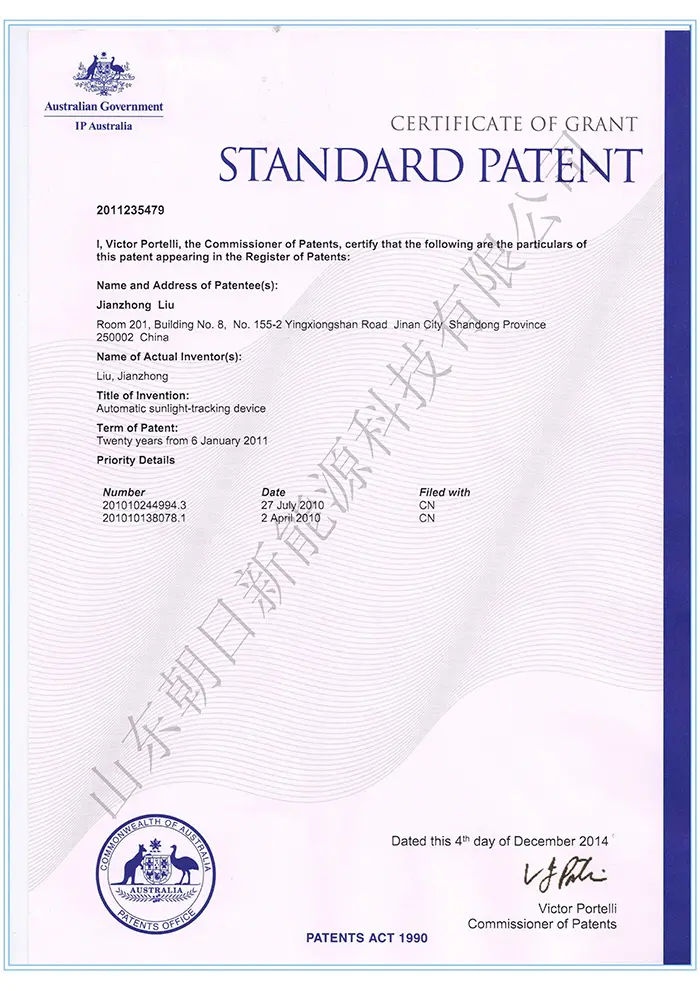
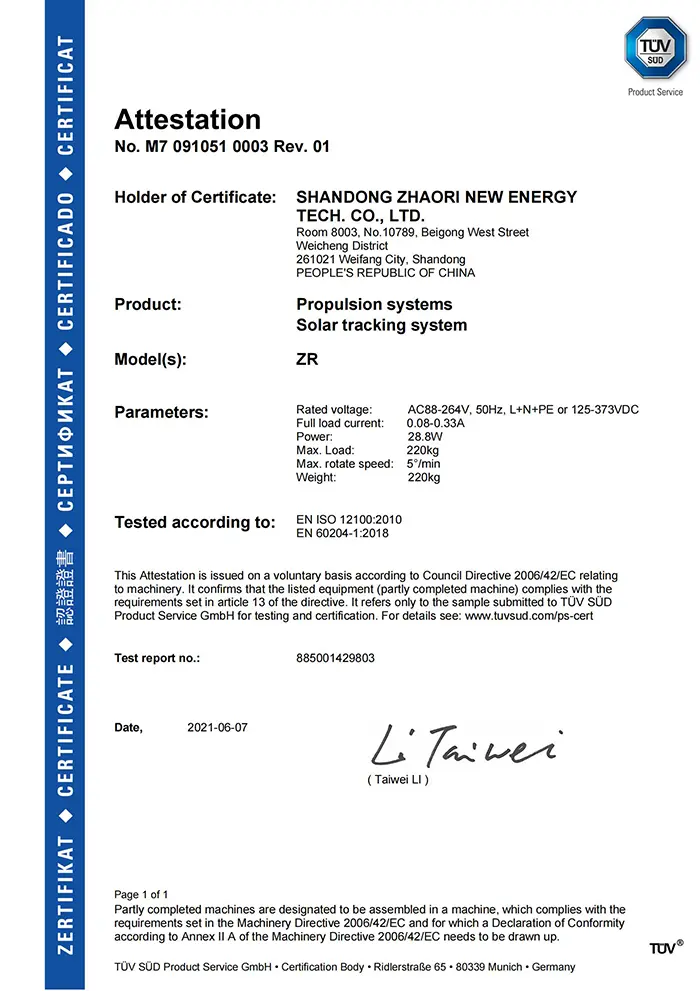
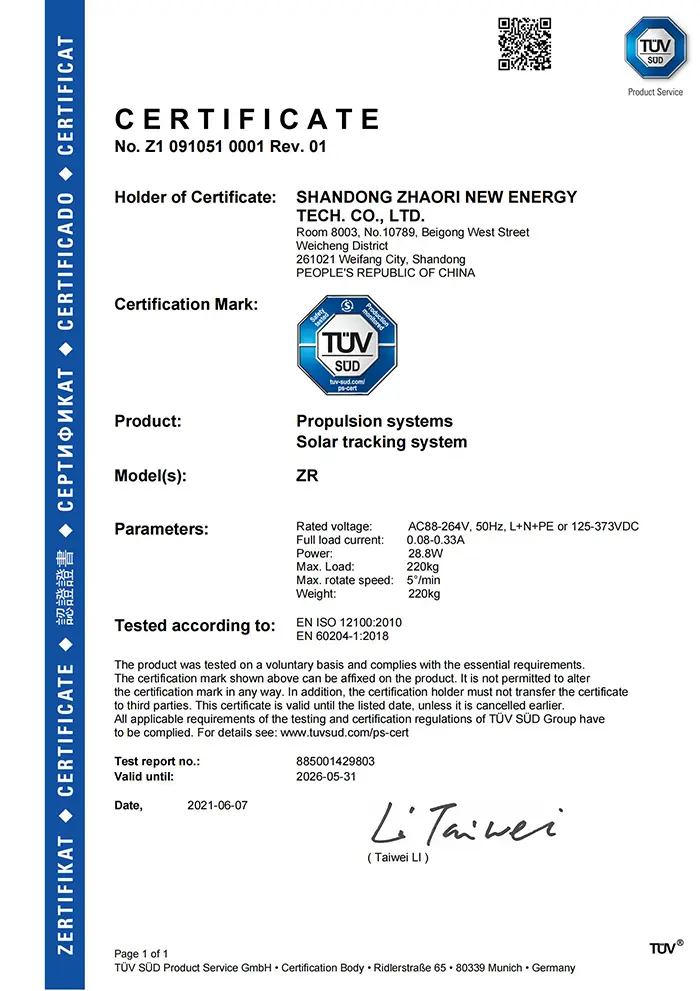
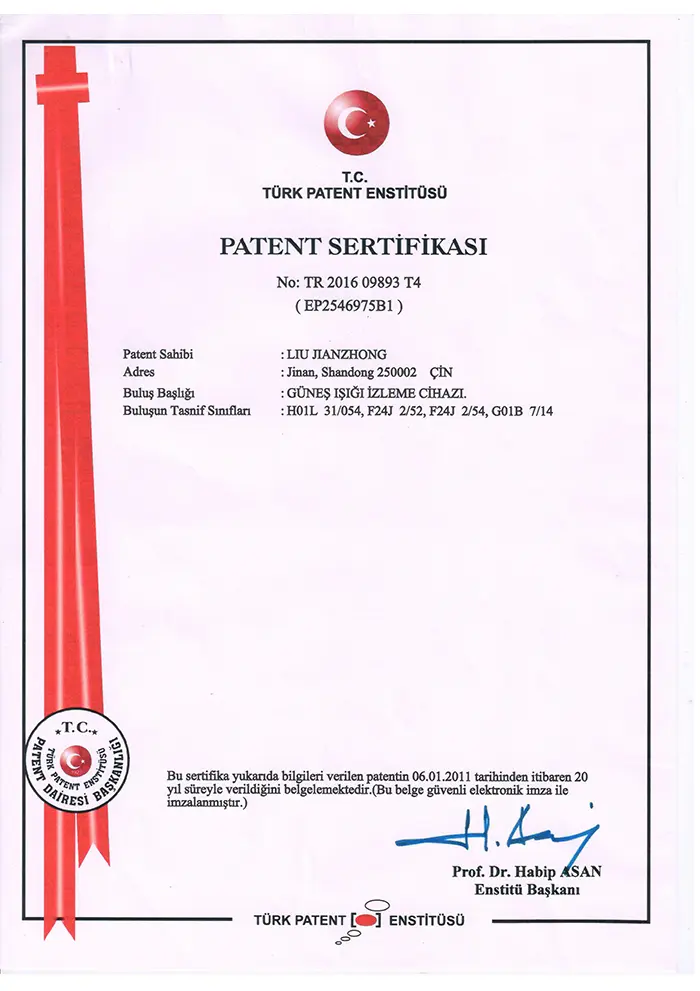
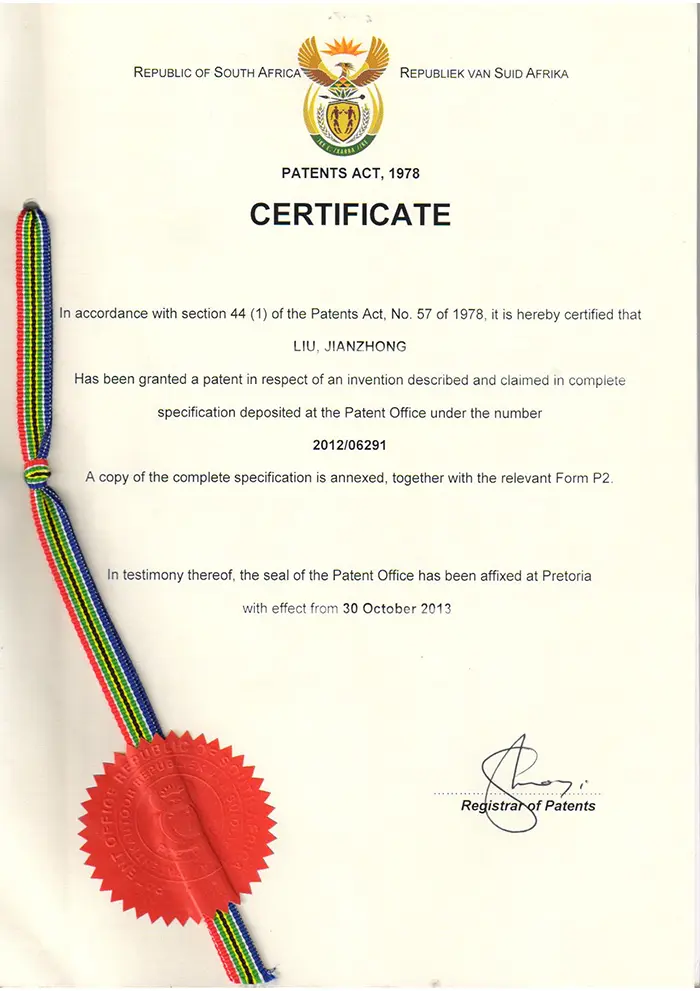
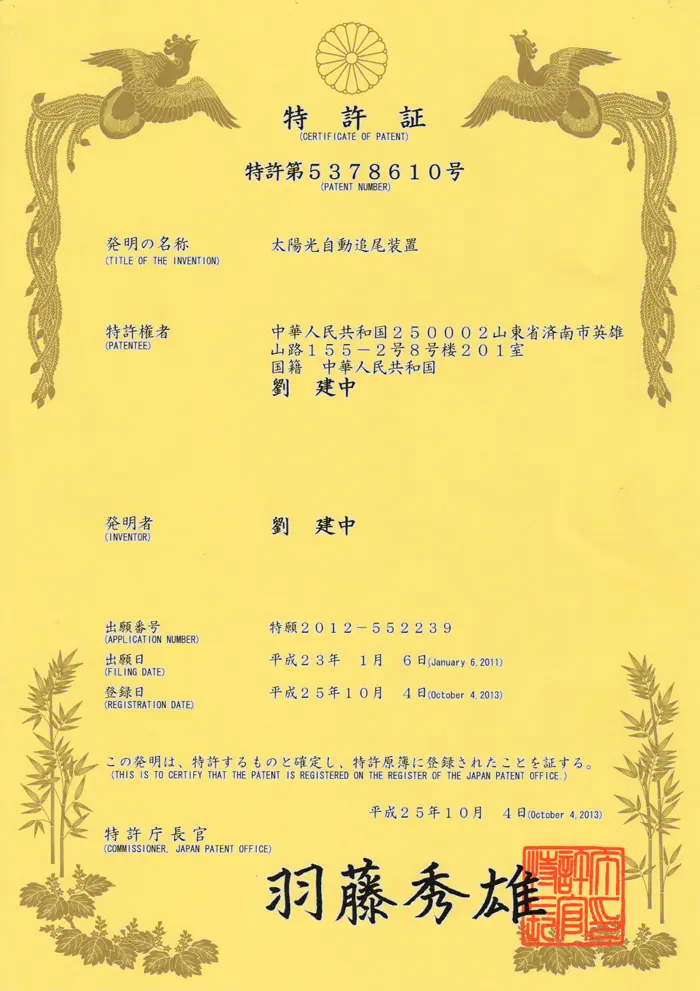
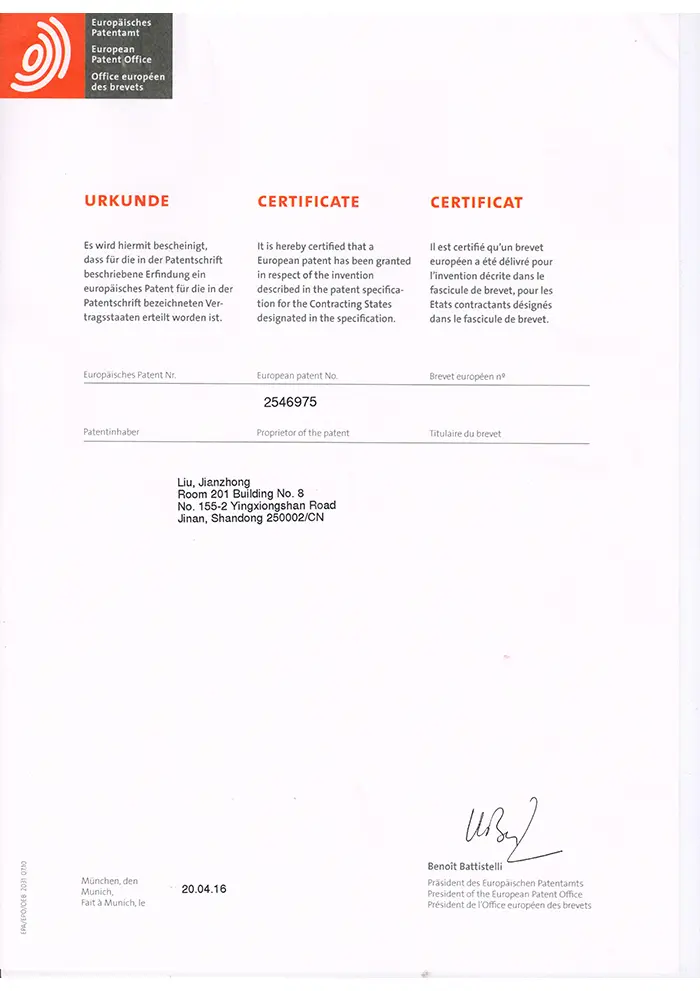
Over the past decade, we have established a robust patent portfolio that protects our designs internationally. This includes patents granted by the European Patent Office, the United States, Canada, Australia, Japan, South Korea, Thailand, India, Brazil, and South Africa, alongside 8 Chinese National Invention Patents and more than 30 Utility model patents. With certifications including CE, TUV, and ISO 9001, our structural solutions align with the rigorous engineering standards required for deployment across Australia's diverse environmental conditions.
The commercial success of dual-axis solar trackers depends on balancing initial capital expenditures (CAPEX) with lifetime operational savings. Shandong Zhaori New Energy addresses this dynamic through our 50,000-square-meter manufacturing complex. Equipped with CNC machinery, high-precision laser cutters, plasma cutting stations, and automated welding robot systems, our facility achieves high dimensional consistency and structural durability.
Our manufacturing sequence covers the entire production process under strict quality gates: from initial raw steel screening and precision cutting to robotic welding, structural forming, anti-rust galvanization, and comprehensive final inspection. Our scale allows a monthly production throughput of 500MW, enabling us to support large-scale international projects. This vertical integration allows Shandong Zhaori New Energy to supply highly competitive systems to Australian solar developers, helping them optimize their LCOE by combining advanced manufacturing efficiency with robust engineering design.
High reliability is essential for tracking systems operating in remote environments, where maintenance visits can be costly. Shandong Zhaori New Energy designs all components around our core principle: "Simple, Reliable, Effective." We avoid overly complex drive configurations, focusing instead on robust mechanical systems.
By utilizing simplified slewing drives and robust linkage systems, we reduce the number of potential points of failure. The automated tracker controller relies on astronomical algorithms paired with real-time feedback loops to maintain optimal alignment under varying solar conditions. Additionally, the integrated wind-stow safety protocols automatically orient the arrays flat during high-wind events. This simple yet effective design philosophy reduces the maintenance overhead, keeping the trackers operational and reliable even in the challenging Australian outback.
Demonstrated field reliability across international utility-scale installations and rigorous compliance standards
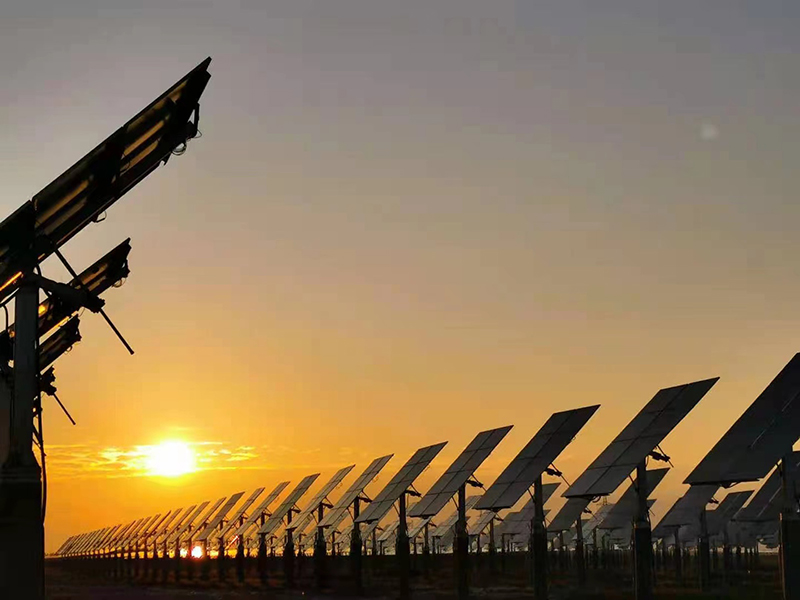
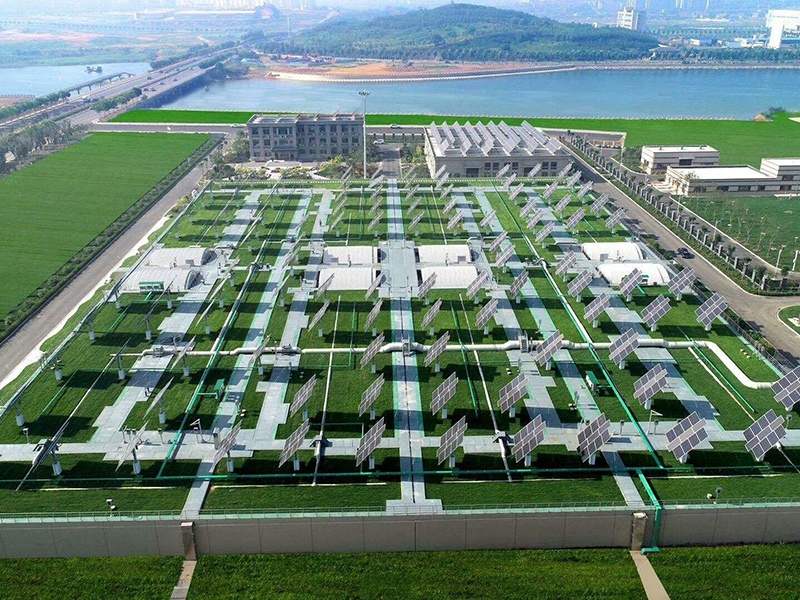
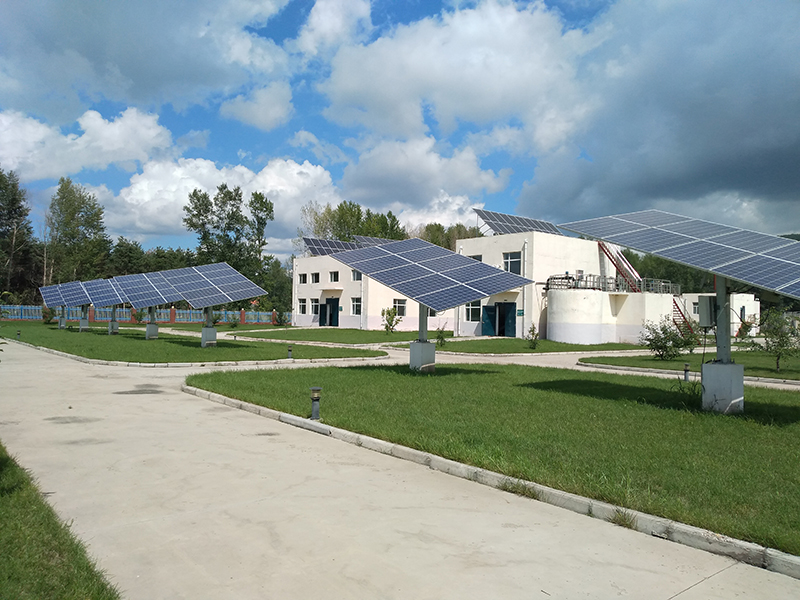
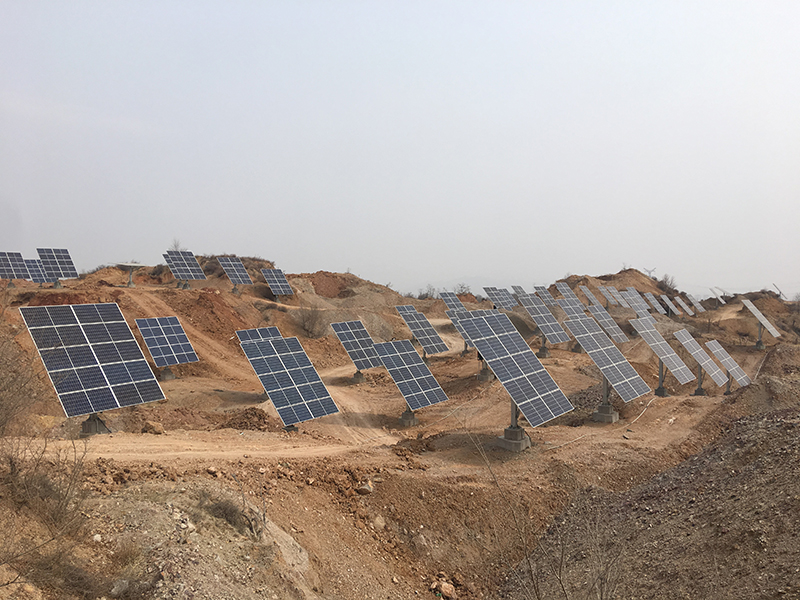
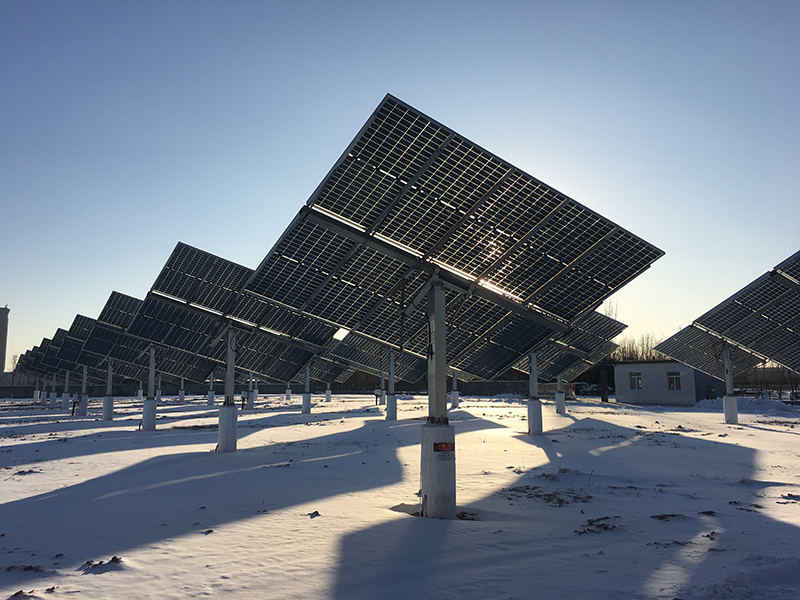
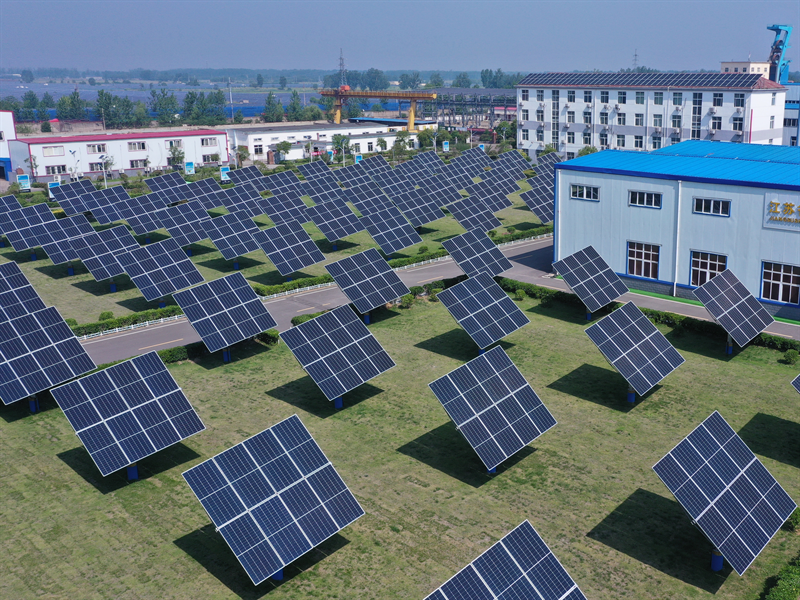
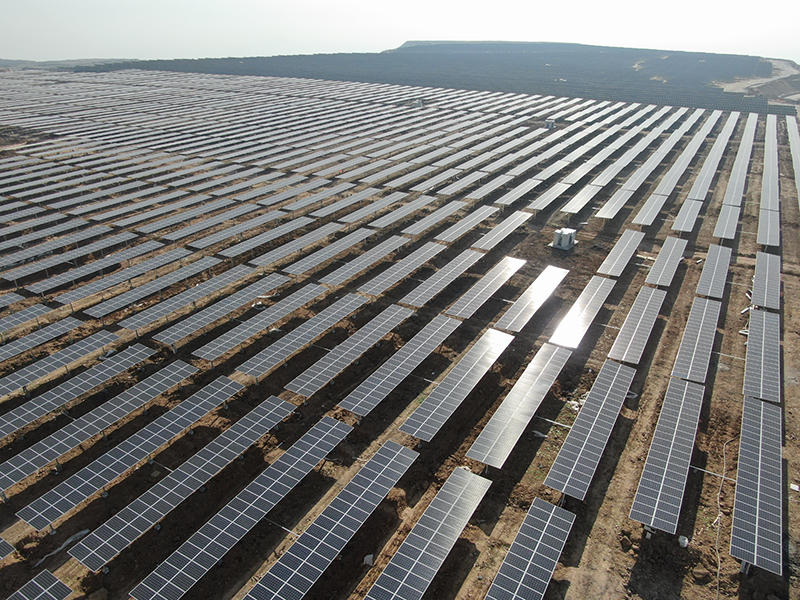
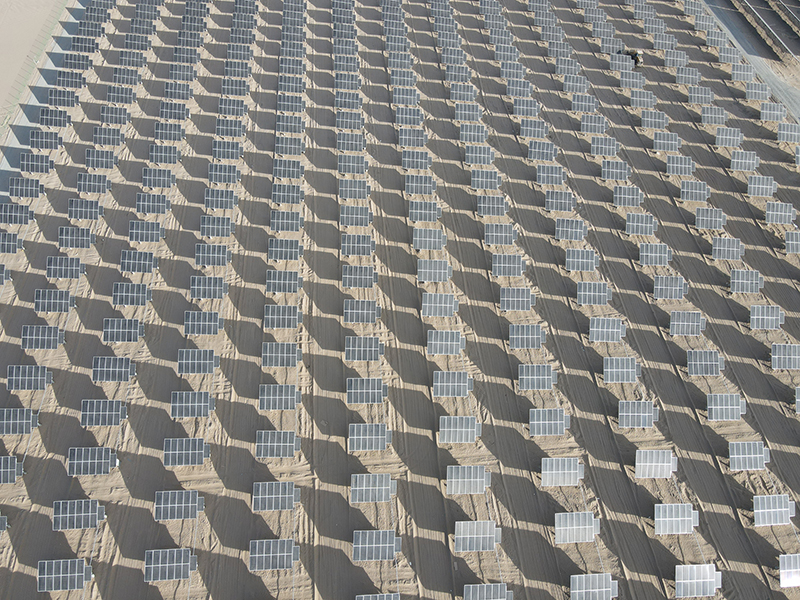
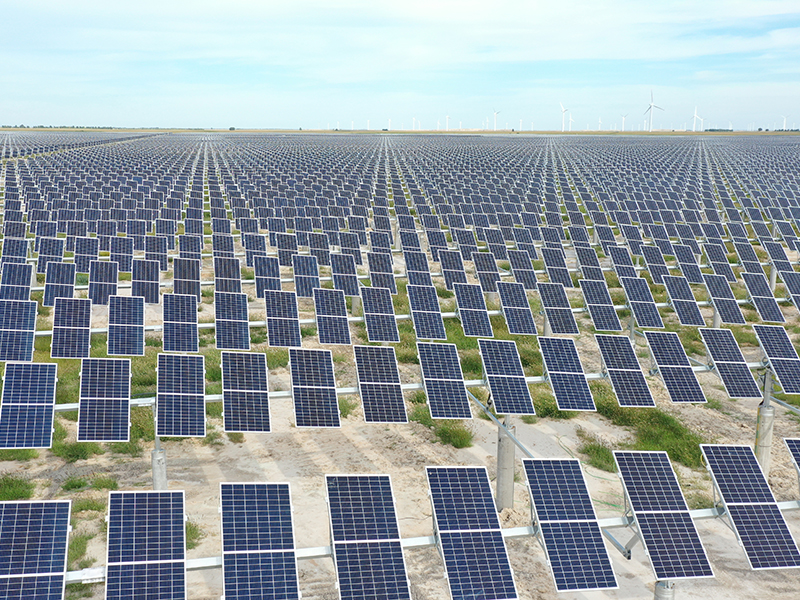
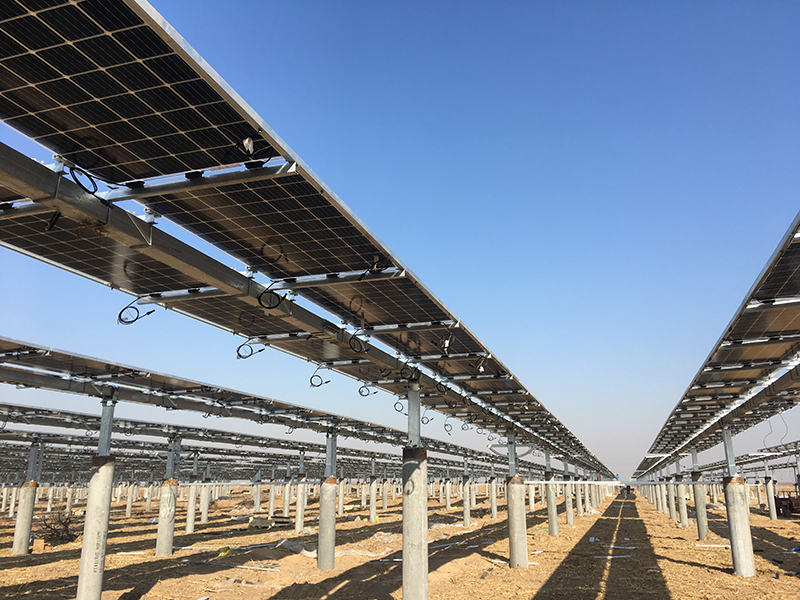
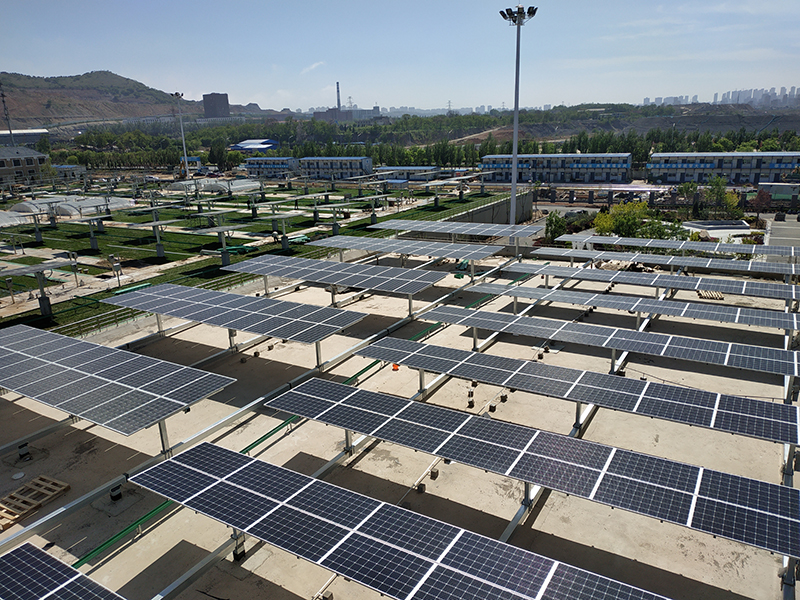
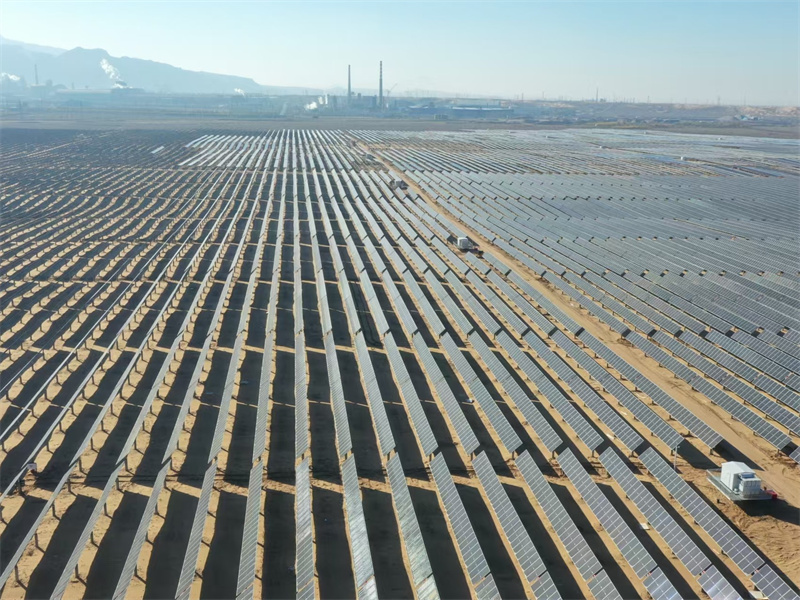
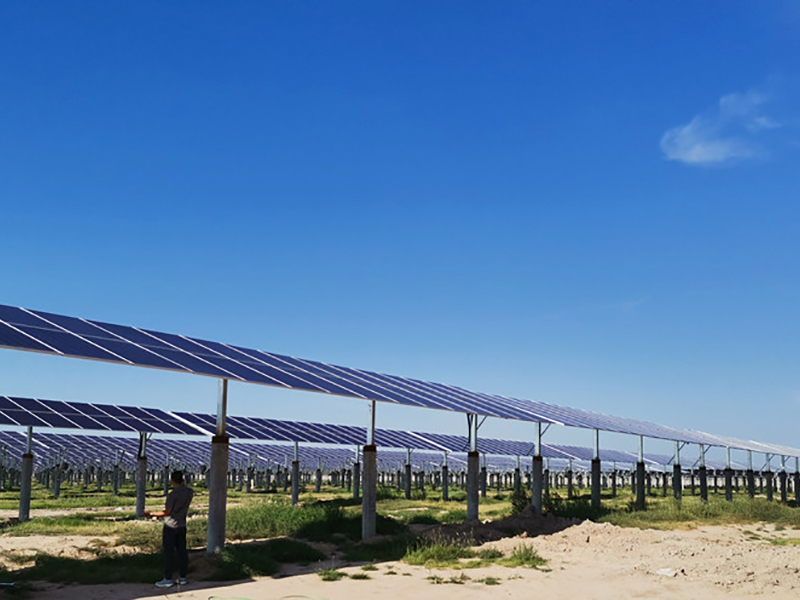
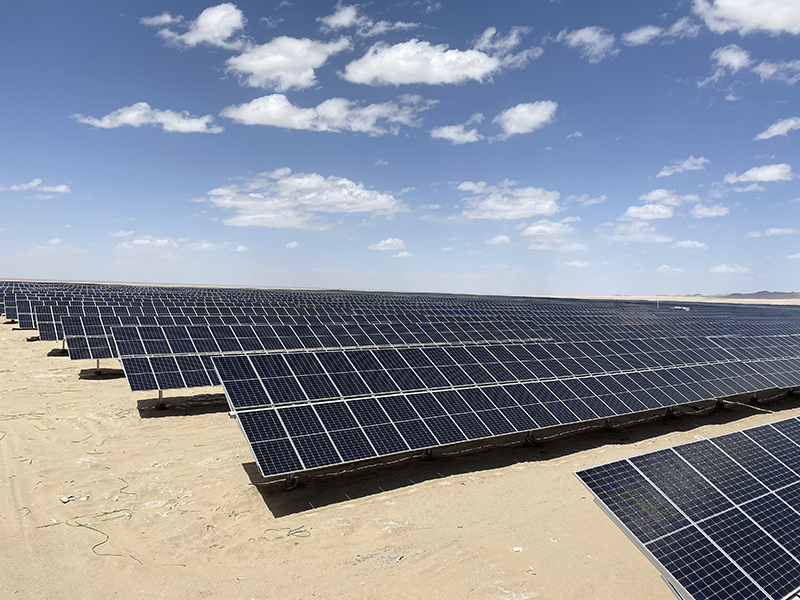

Australia's varied geography creates distinct operating requirements for tracking equipment. Standard tracking platforms must be configured differently depending on their localized environment:
Remote Mining Microgrids (Off-grid systems): Mining sites in the Pilbara or Goldfields rely heavily on diesel generation. Integrating dual-axis tracking systems provides a consistent solar output profile, reducing the fuel demand and optimizing the size of battery storage systems.
Agrivoltaics in Agricultural Hubs: Dual-axis tracking supports agricultural integration. The structural design allows height clearance for machinery and livestock movement, and the tracking profile can be adjusted to balance solar generation with crop shading requirements.
Coastal and Cyclone-Prone Zones: In northern Australia, trackers must be designed to withstand severe wind speeds. Systems require automated stow modes and robust structural profiles to maintain integrity during high-wind events.
The international solar tracker market is moving toward smart control systems and integrated bifacial designs. In Australia, the shift toward bifacial PV modules has highlighted the benefits of tracking configurations. By tilting the modules to match the sun's trajectory, the backside receives higher diffuse ground albedo radiation, boosting overall yield.
Pricelist Structure & Purchasing Analysis: Tracker pricing is determined by the raw steel grade, structural coating, and control integration. The initial CAPEX of dual-axis systems is typically offset by the lifetime yield improvement compared to fixed-angle arrays. Procurement managers analyze the Levelized Cost of Energy (LCOE) to evaluate the long-term ROI of high-precision dual-axis trackers.
Key technical queries resolved by our senior engineering experts to streamline your procurement process
Under high Direct Normal Irradiance (DNI) conditions common across Australia, dual-axis solar trackers can increase generation yields by 30% to 40% compared to fixed-tilt installations. This yield optimization is achieved by maintaining a perpendicular angle to the sun throughout the day, maximizing both morning and afternoon generation shoulder hours.
Our trackers are designed to survive wind speeds up to 45m/s (or up to 55m/s for custom projects). The control software monitors wind speeds and automatically initiates wind-stow mode to protect the structure during extreme weather events.
We reduce the mechanical complexity by utilizing reliable slewing drives and simple structural joints. Combined with automated tracking algorithms, this reduces mechanical wear and lowers the operational and maintenance overhead for remote projects.
Yes, all tracking products are manufactured in compliance with ISO 9001 standards and hold CE, TUV, and relevant regional certifications. Our systems can be configured to comply with Australian structural wind loading standard AS/NZS 1170.2.
Our 50,000-square-meter facility is equipped with automated welding and CNC cutting systems. With over 300 production workers, we maintain a monthly manufacturing capacity of 500MW to support global utility-scale orders.
Our proprietary designs are protected by patents issued in Europe, the United States, Canada, Australia, Japan, South Korea, Thailand, India, Brazil, and South Africa, alongside multiple Chinese National Patents.
By utilizing local materials, integrated automation, and scale, our factory reduces manufacturing overheads. This allows us to supply certified structural systems at a competitive capital cost for international markets.
Yes. Our trackers can be configured to avoid structural shadowing on the back of the modules, helping maximize ground albedo light capture and optimize the generation yield of bifacial systems.
We use heavy-duty hot-dip galvanizing and corrosion-resistant coatings. This surface protection maintains structural integrity in coastal, humid, or desert environments.
Our trackers are designed for containerized shipment. Pre-assembled components and standardized connections help simplify on-site installation and reduce field labor costs.
Explore our full line of fixed, single-axis, and dual-axis solar structural systems

Features a robust tilted-axis layout designed to optimize seasonal tracking angles, helping increase daily output for commercial projects.

Engineered for large-scale utility layouts. Features simplified mechanical systems to reduce long-term operational and maintenance overhead.

Our flagship dual-axis system. Designed to optimize generation profiles under varying light conditions for commercial installations.

Combines single-axis horizontal rotation with tilted panel mounts to optimize low-latitude solar angles at a competitive price point.
Features complete real-time horizontal and vertical auto-tracking, unlocking the potential energy output of utility and distributed scale installations.
An ultra-reliable dual-axis tracker designed with specialized software to survive extreme regional wind forces while optimizing azimuth angles.
Premium precision manufacturing from our 50,000㎡ industrial complex, integrating robust designs certified for global solar utility markets.
Combines cost-effective structural components with semi-automatic control modules, reducing capital expenditures while maintaining yield advantage.
 Zhaori