Engineered to minimize LCOE (Levelized Cost of Energy) while maximizing structural resilience and energy generation.

Precision dual-axis system that tracks both azimuth and elevation angles, boosting energy yield by up to 35%–45% compared to fixed-tilt options.

Cost-effective single-row layout tracking the sun's diurnal path. High stiffness design ideal for medium to low wind regions.

Innovative layout featuring tilted panels on a single axis torque tube, optimizing southern exposure during high latitudes winter seasons.

Provides seasonal tilt angle optimization. Bridges the gap between static mounts and active automatic tracking systems.

Equipped with a tilted axis (10°–30°) tracking azimuth. Integrates 10 to 20 panels per module, boosting generation efficiency by 15%–25%.
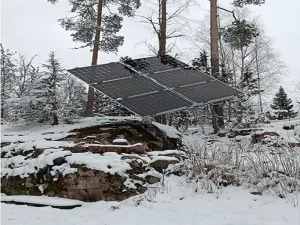
Compact dual-axis option designed for light commercial arrays, distributed generation, or off-grid critical industrial stations.

Robust dual-axis tracking with closed-loop solar path sensor algorithms. Maximizes yield in locations with high direct normal irradiance (DNI).
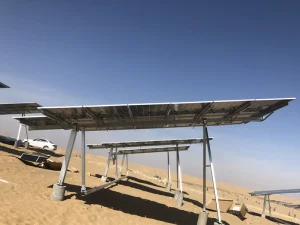
Optimized structure for high-altitude utility projects where rugged terrain demands high torsional stiffness and wind load mitigation.
In utility-scale photovoltaic (PV) installations, selecting the correct mechanical racking system directly dictates project profitability, internal rate of return (IRR), and operating lifetime performance. As direct normal irradiance (DNI) varies across latitudes, fixed-tilt structures limit energy harvest, creating generation plateaus during midday hours.
Active ground mount solar tracking systems resolve this yield limitation by dynamically shifting module orientation relative to the sun. Driven by astronomically mapped PLC algorithms or real-time closed-loop photo-sensors, solar trackers ensure modules stay perpendicular to incoming light rays throughout the solar window. This constant alignment reduces cosine losses, generating 15% to 30% more energy in flat single-axis designs, and up to 45% more energy in dual-axis configurations.
The primary metric driving utility solar procurement is the Levelized Cost of Energy (LCOE). While fixed-tilt racks exhibit lower initial Capital Expenditures (CAPEX), ground mount solar trackers maximize overall yields, reducing the cost-per-megawatt-hour generated over the typical 25-to-30-year lifetime of a solar plant. This yield increase accelerates debt amortization and enhances project bankability, making tracker technology the preferred option for global solar financiers.
Integrating trackers adds mechanical movement components (drives, motors, bearings, and controllers), increasing initial structural costs. However, by minimizing structural shadowing and optimizing bifacial PV backtracking, trackers yield higher capacity factors. This significantly reduces balance-of-system (BOS) costs per kilowatt hour.
Modern utility projects utilize bifacial solar modules to capture direct sunlight on the front and albedo (reflected ground light) on the rear side. Ground mount tracking systems enhance this yield by integrating backtracking software. During sunrise and sunset, traditional tracking angles cause shadow casting from one row onto another. Intelligent backtracking software overrides the astronomical tracking path, temporarily rotating modules away from the sun to prevent inter-row shading, which maximizes diffuse and ground-reflected albedo capture.
Providing reliable clean energy equipment engineered for high-performance and structural resilience.
Over a decade of technology leadership in photovoltaic brackets and tracking control systems.
Founded in June 2012, Shandong Zhaori New Energy Tech. Co., Ltd. is a high-tech clean energy enterprise specializing in independent intellectual property rights. The organization operates across 10 specialized departments—including R&D, Technical Support, Engineering, Production, Quality Assurance, Global Business Development, Domestic Trade, and IMD.
With more than 60 engineering experts, the company focuses on designing high-performance photovoltaic tracking systems. Its structural solutions are designed to operate under diverse, challenging geographic conditions.
Core Product Principles: More Simple, More Reliable, More Effective.
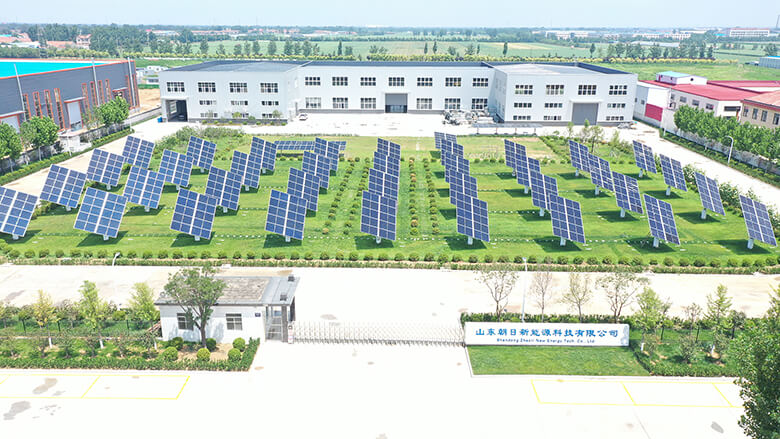
High-capacity automated manufacturing engineered for structural longevity and component reliability.
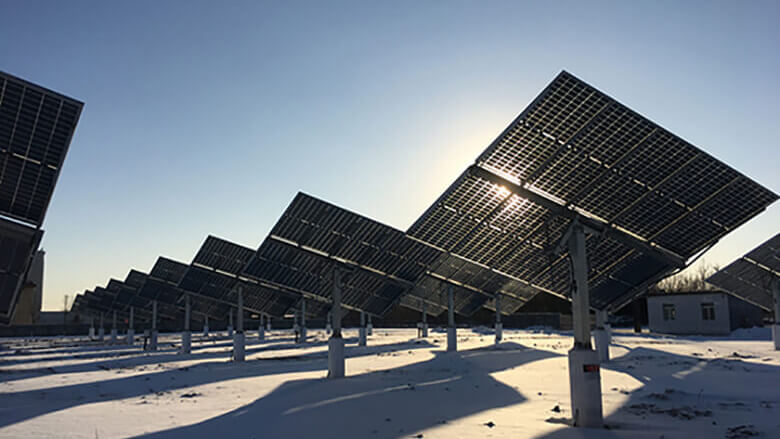
The company's manufacturing facility spans over 50,000 square meters, utilizing CNC machinery, laser cutters, automated welding robots, and plasma machining across dozens of dedicated production lines. With a workforce of 300+ manufacturing experts, the factory outputs up to 500MW of solar mounting capacity per month.
Production processes—from raw material screening and shearing to welding, hot-dip galvanization, and anti-rust treatments—are executed under strict ISO quality management system controls.
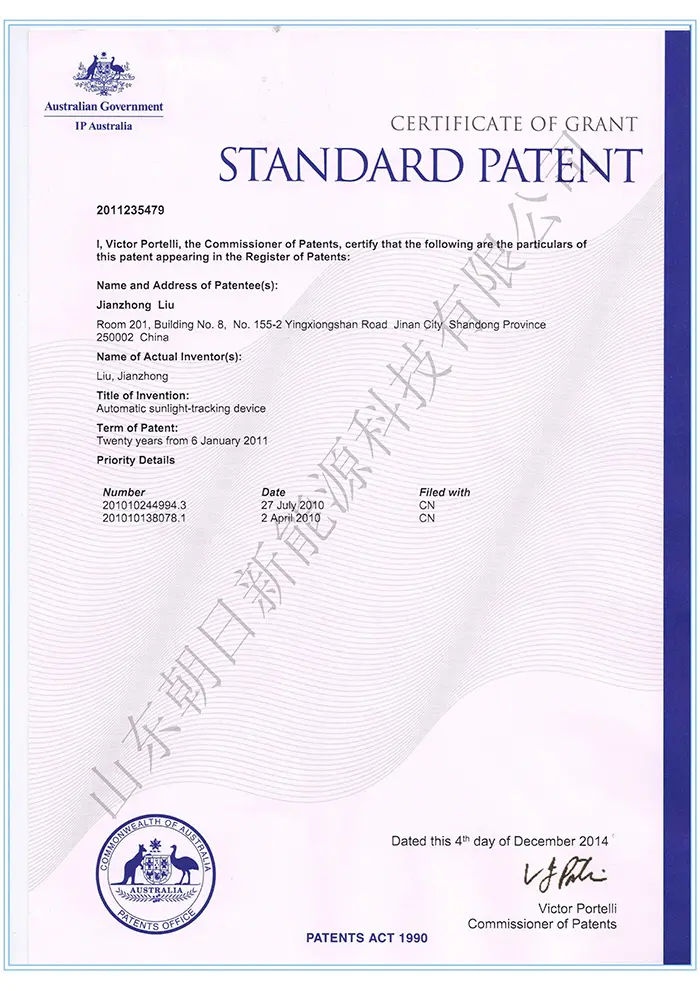
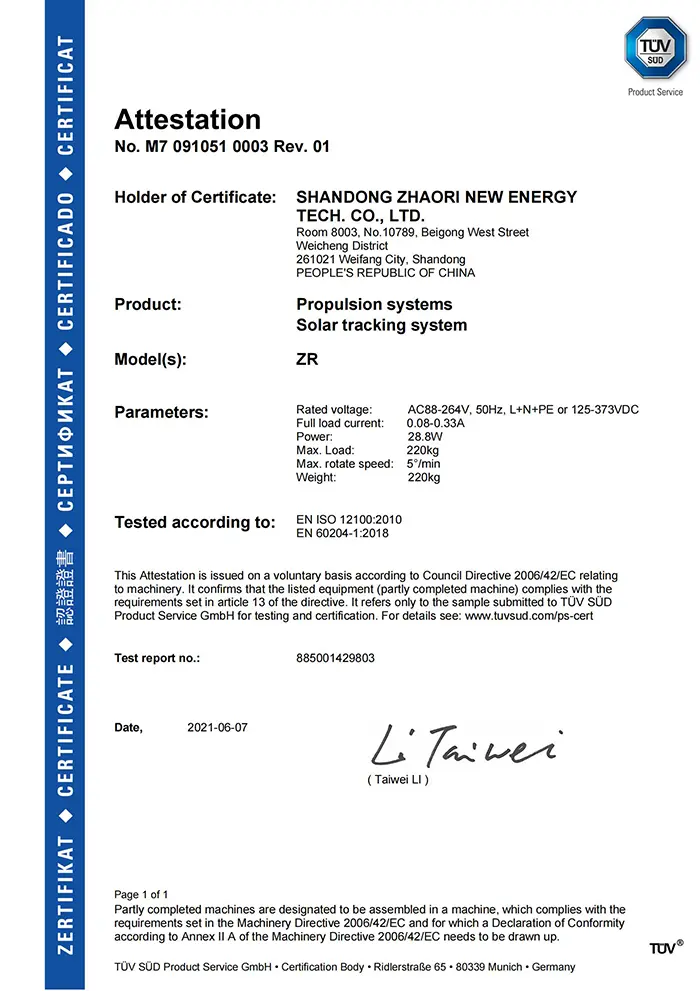
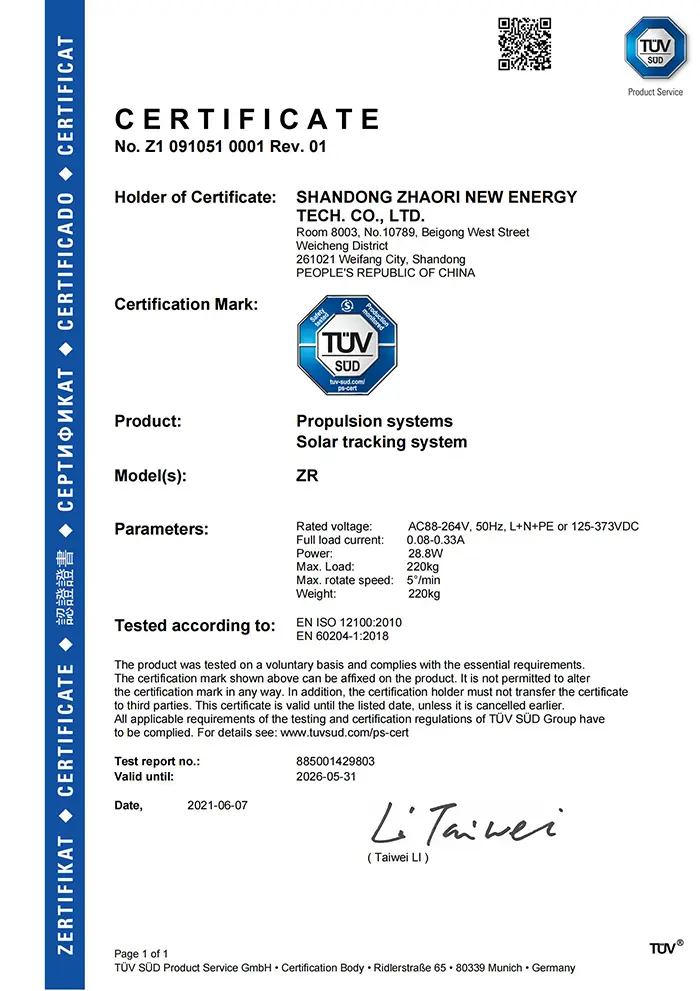
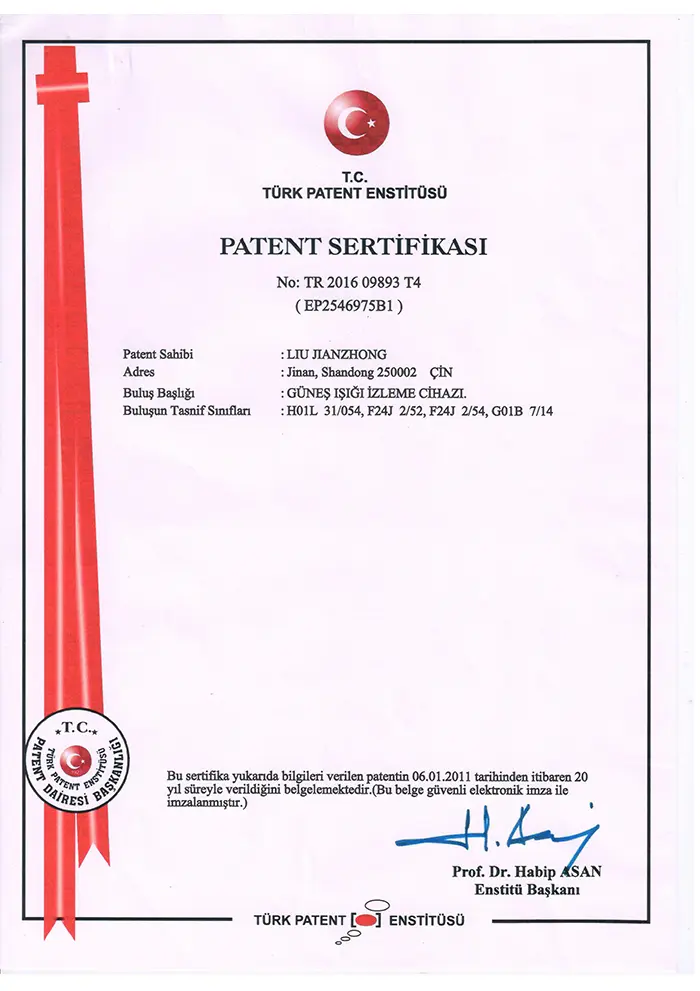
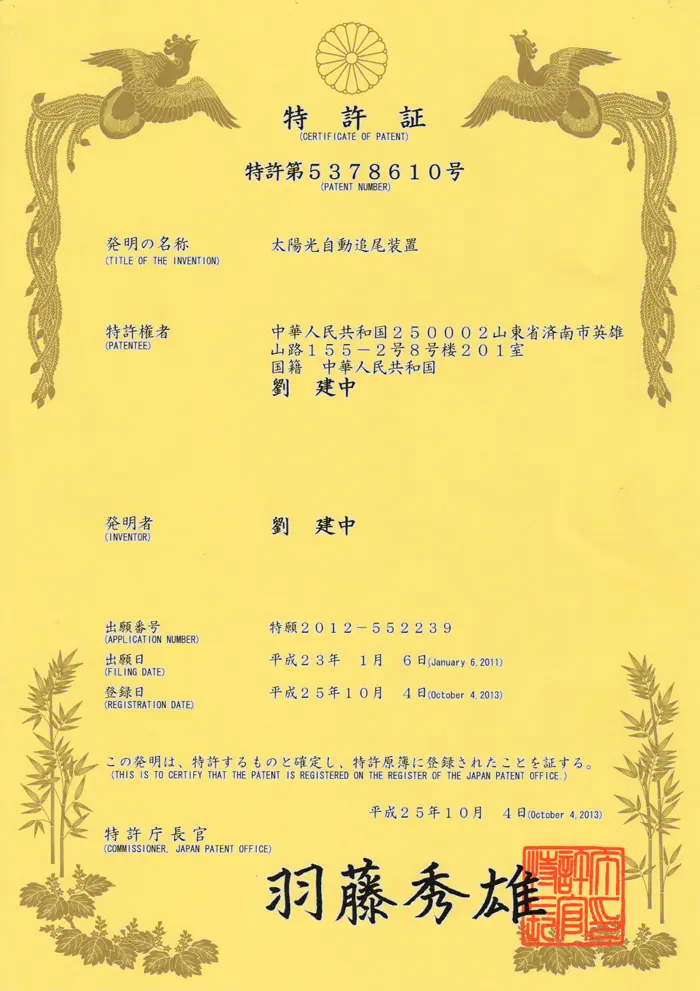
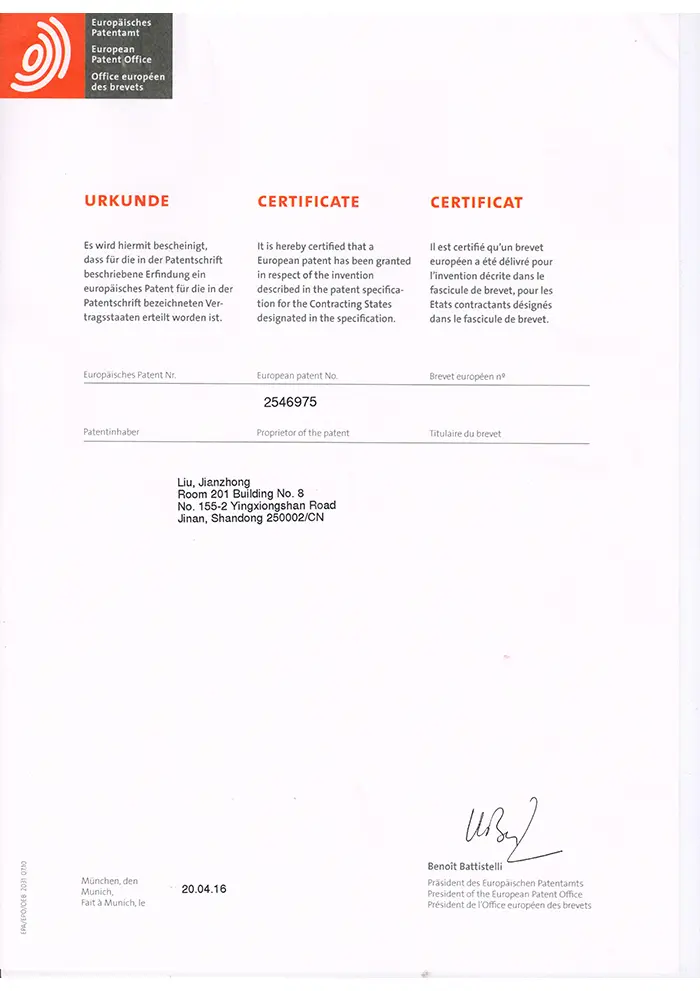
The company holds multiple design and engineering patents issued by the European Patent Office, the US, Canada, Australia, Japan, South Korea, India, Brazil, and South Africa, alongside 8 Chinese National Invention Patents and over 30 Utility Model Patents. All products are certified to CE, TUV, and ISO standards.


Technical details of our flagship tracking architectures, engineered for maximum yield and reliability.
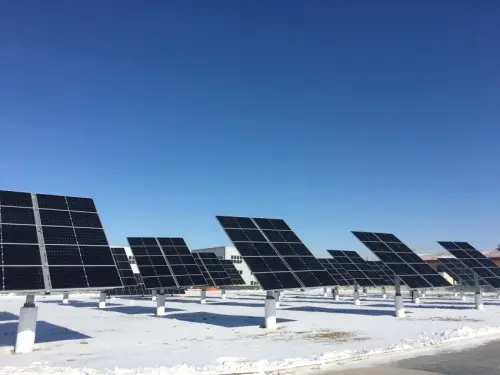
The flagship Sunchaser tracking system features a dual-axis drive designed for long-term field reliability. It maintains steady generation under high wind and snow conditions, supporting the global transition to clean energy.
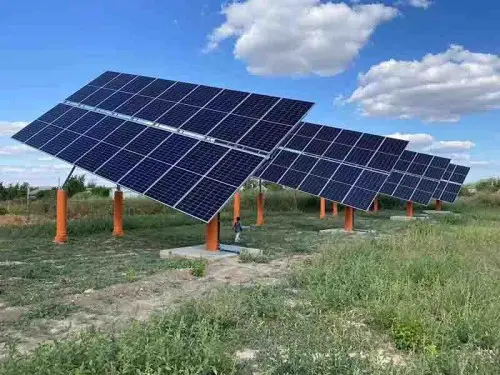
Featuring a 10°–30° tilted tracking axis, this system follows the sun's path to maximize winter generation. Each unit mounts 10–20 panels, delivering a 15%–25% yield boost over fixed-tilt racking.
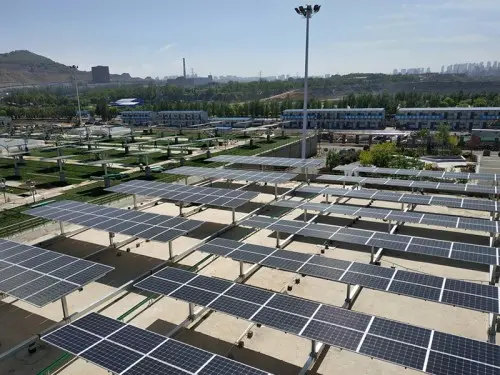
Designed for 10–60 panels per row in single-row or two-row linked configurations. Delivers a 15% to 30% yield increase over fixed-tilt racking systems on equivalent array footprints.
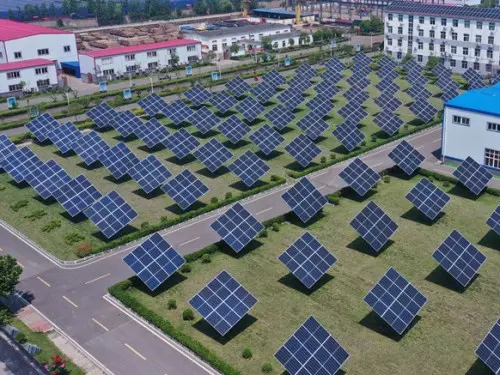
An advanced dual-axis tracking system that optimizes solar harvest throughout the day. Engineered to lower project LCOE and improve overall return on investment.
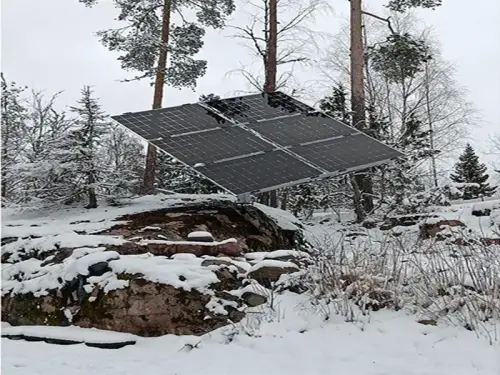
Optimized for distributed energy generation, this system delivers dual-axis performance on a compact footprint. Designed for high efficiency and reliability.
Engineered to deliver high performance across diverse climates, topography, and extreme conditions.
Desert sites feature high direct normal irradiance (DNI) but present challenges from blowing sand and high temperatures. Our systems use IP65/IP66 dust-sealed slewing drives and bearing assemblies to prevent grit entry, maintaining track alignment accuracy of <0.5° during sandstorms.
In cold climates, snow accumulation blocks modules and places heavy static loads on structures. Our tracking systems integrate real-time temperature sensors and control units that trigger a "Snow Shedding Mode." The system tilts the modules to a steep angle of 45° to 60° to clear snow buildup, keeping active surfaces clean.
Complex terrain and uneven slope gradients limit the use of single-torque-tube tracking systems. Our tilted single-axis systems and short-row trackers adjust to slopes up to 20% north-to-south and east-to-west, reducing civil grading requirements and lowering installation costs.
Empirical case studies of projects operating under varied environmental conditions worldwide.
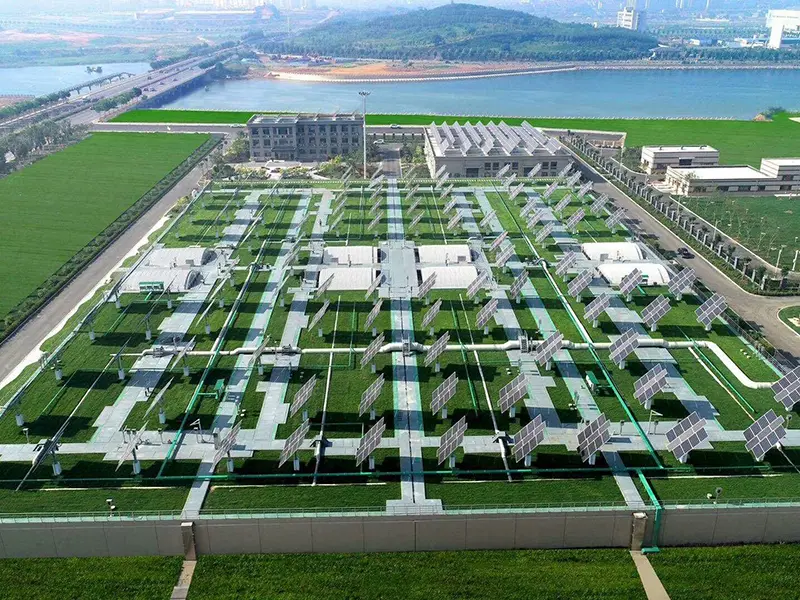
Factory-adjacent installation delivering power to heavy manufacturing operations.
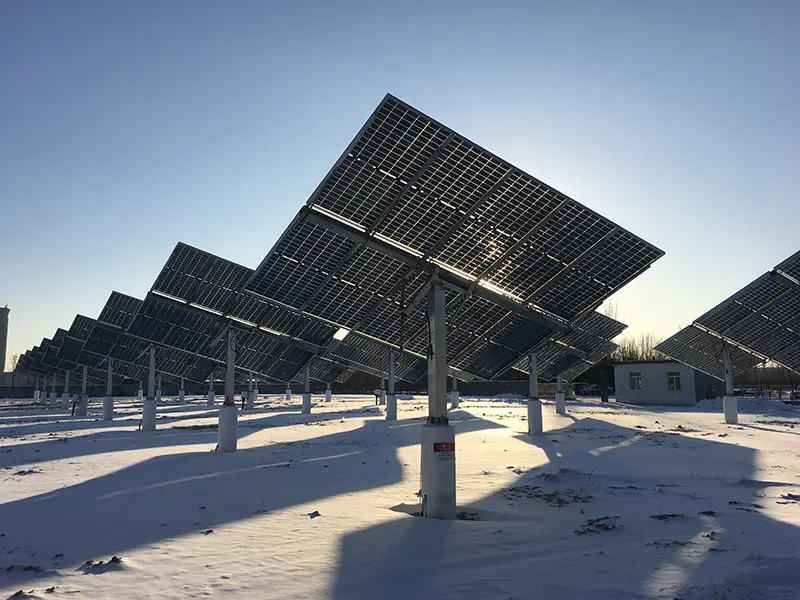
Automatic snow-shedding tilt angle validation in high-latitude environments.
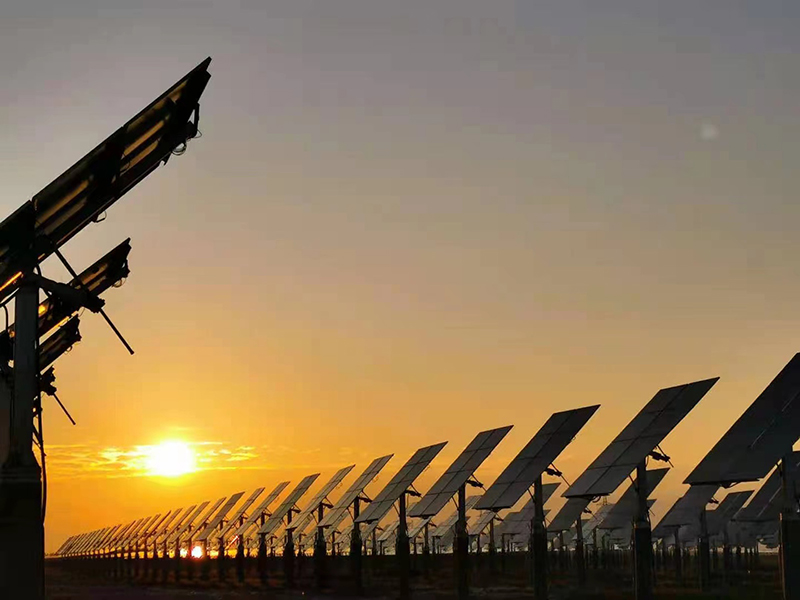
High-performance dual-axis tracking array integrated with the regional grid.
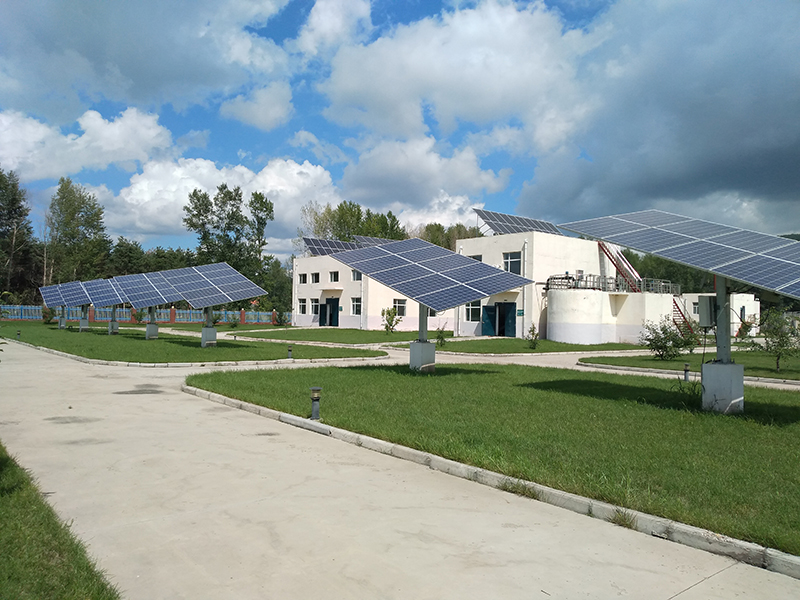
Integrated solar farm blending power generation with local ecological preservation.
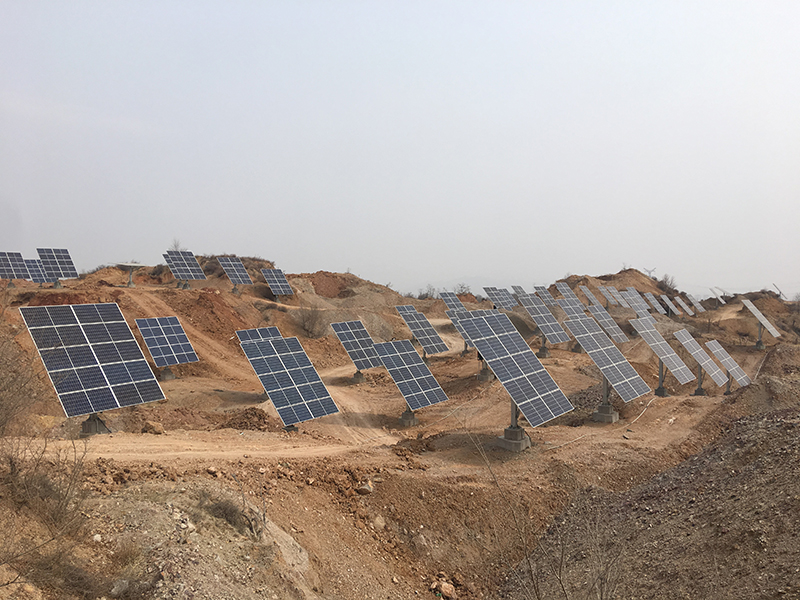
Adapting dual-axis tilt angles to overcome terrain shading and uneven slopes.
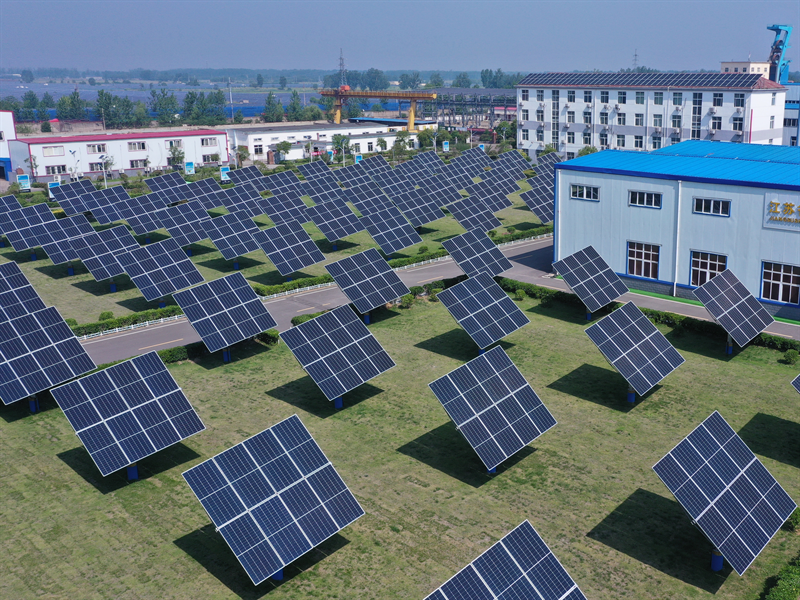
Dual-axis tracking array designed for high Direct Normal Irradiance (DNI).
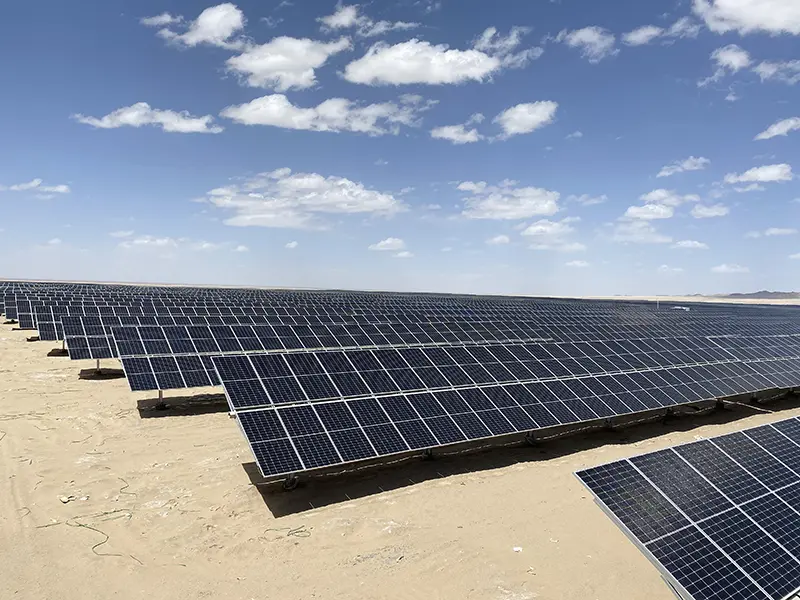
Single-axis tracking array operating in high-temperature, sandy desert environments.
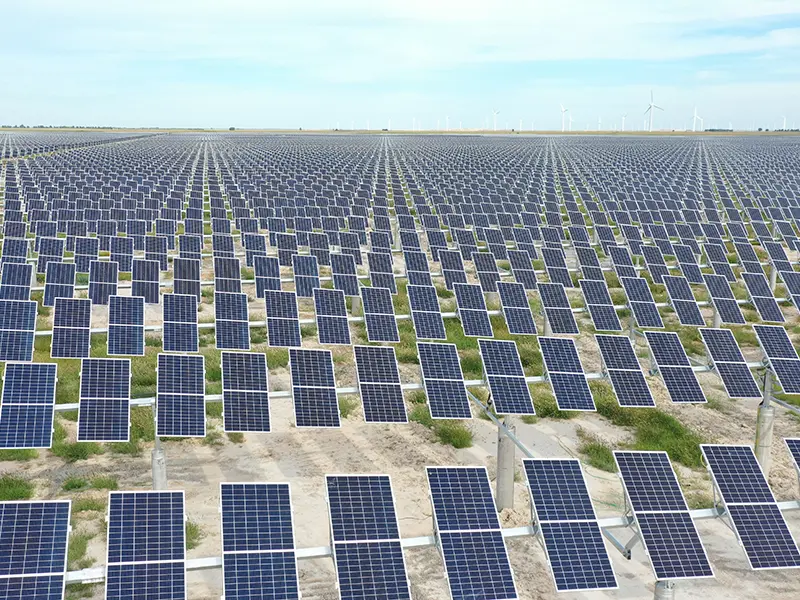
Tilted single-axis layout designed to optimize winter irradiance at higher latitudes.
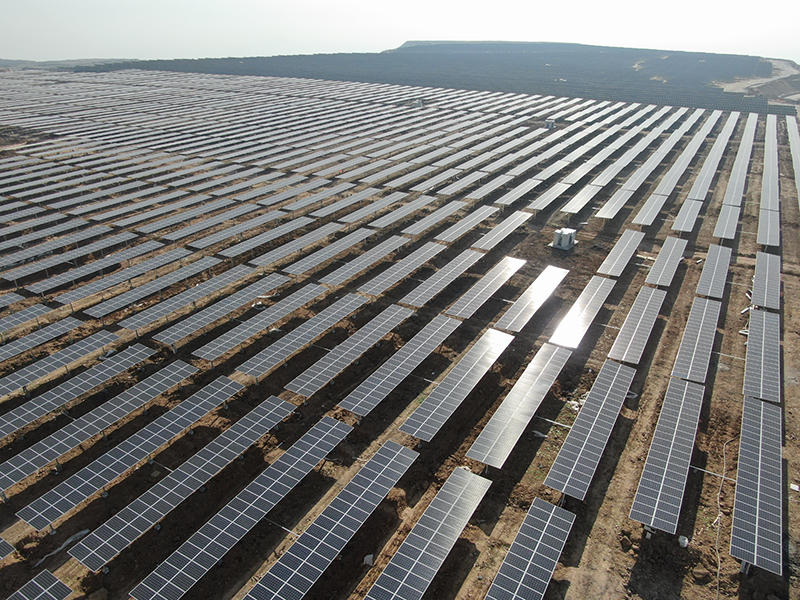
Flat single-axis system featuring real-time backtracking control.
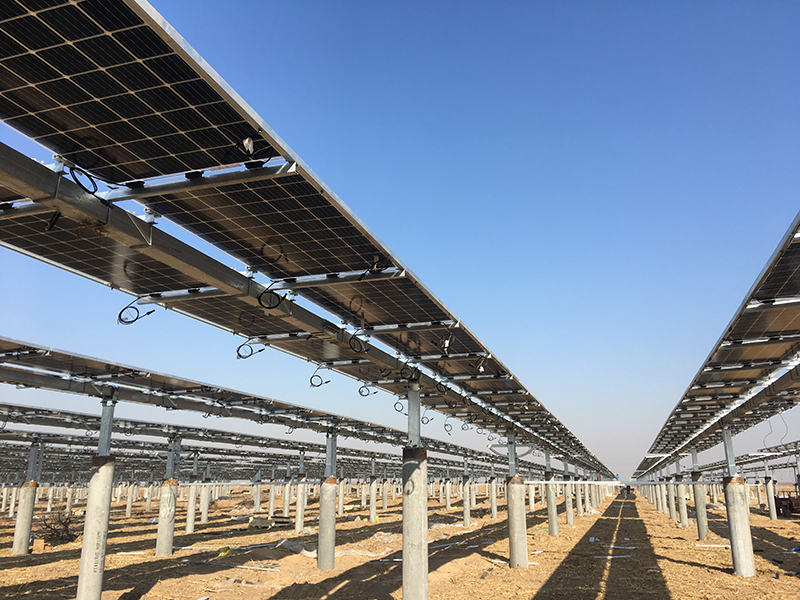
Large-scale tracking project matching single-axis racking with high-output bifacial modules.
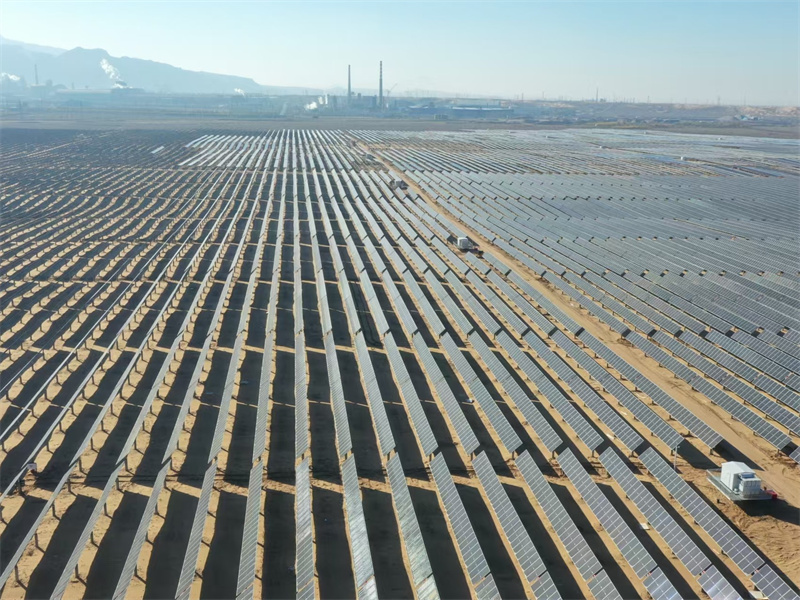
Ultra-scale utility project running single-axis trackers to lower levelized cost of energy (LCOE).
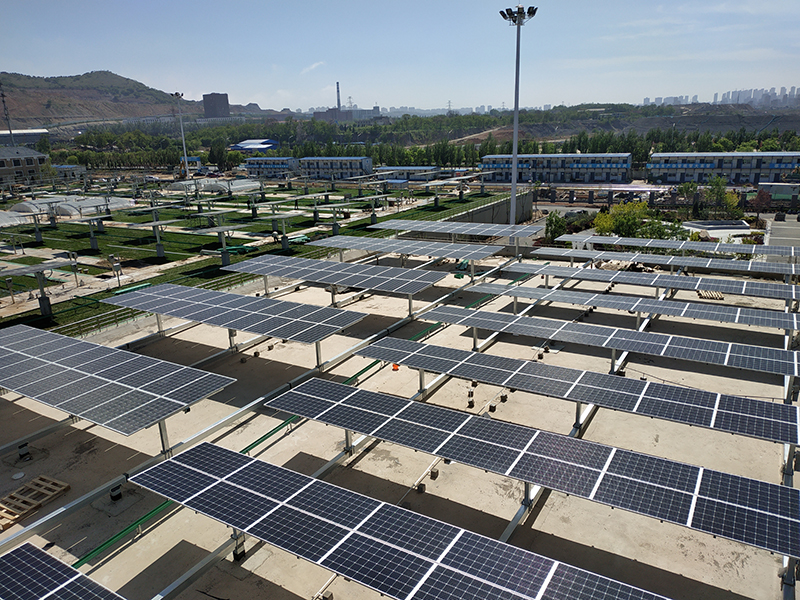
Short-row tracking system optimized for flat commercial roofs.
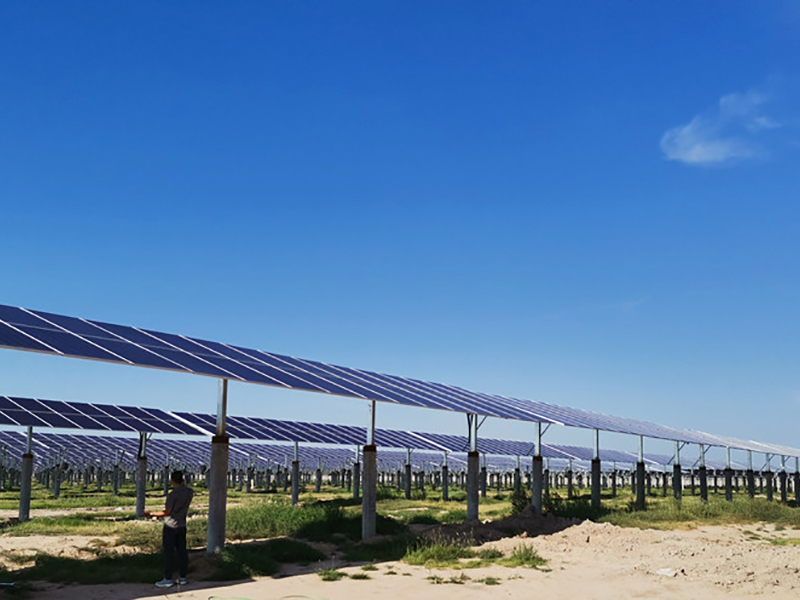
Adjustable fixed-mounting brackets designed for seasonal tilt adjustments.
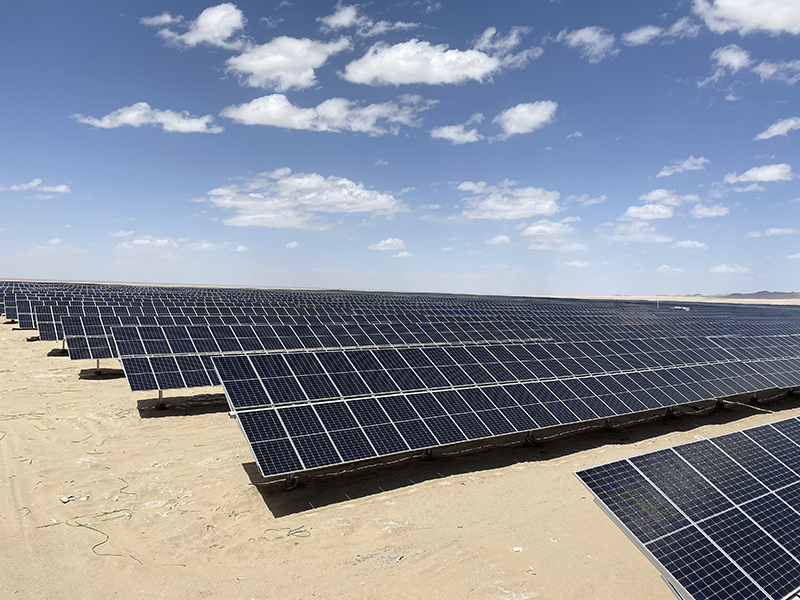
Manual brackets combining fixed stability with adjustable tilt angles.
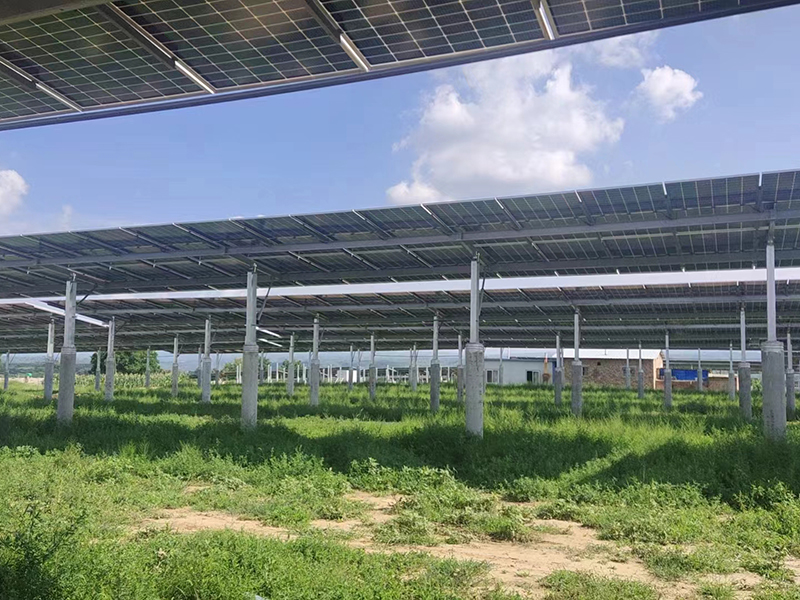
Large-scale project utilizing manual seasonal adjustment brackets.
See our automated tracking mechanisms and global installations in operation.
Technical details and support queries regarding ground mount solar tracking system systems.
Browse our advanced tracking and seasonal mounting systems engineered for utility and commercial scale projects.
Tilted single-axis system designed to maximize winter generation efficiency in northern latitudes.
Compact dual-axis tracker designed to provide utility-grade output to commercial projects.
Robust dual-axis tracking system that optimizes solar path tracking using real-time sensor loops.
High torsional stiffness design optimized to mitigate dynamic wind load risks.

Flat single-axis system featuring robust dampers and tracking control software.

2P structure designed to support high-power modules, maximizing vertical land space efficiency.

High-capacity dual-axis system designed to maximize yield in high direct normal irradiance (DNI) zones.

Combines automated axis adjustment with cost-effective manual operation options.
 Zhaori