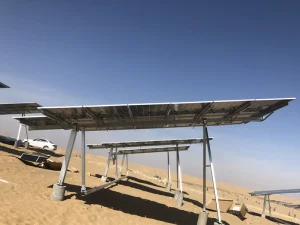
Designed for medium-to-high latitude areas, tilting the axis maximizes solar radiation capture throughout the day.
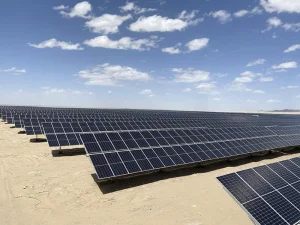
Highly customizable manual-adjustable systems designed for complex terrains and cost-effective ground arrays.
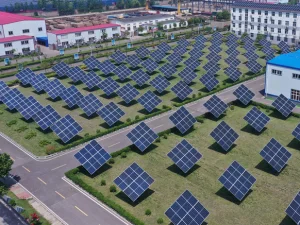
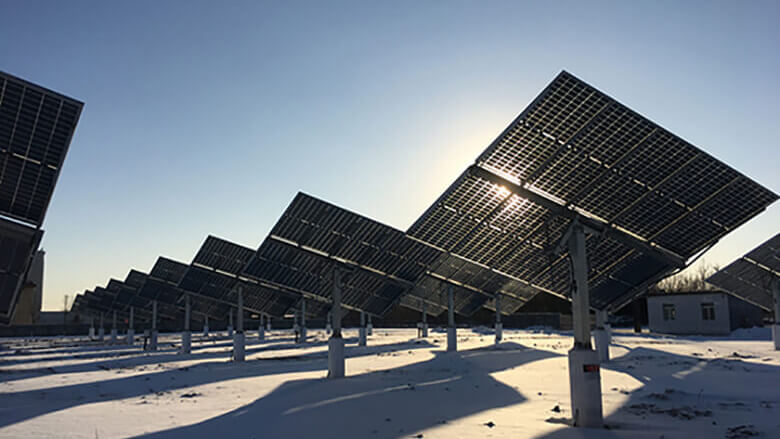
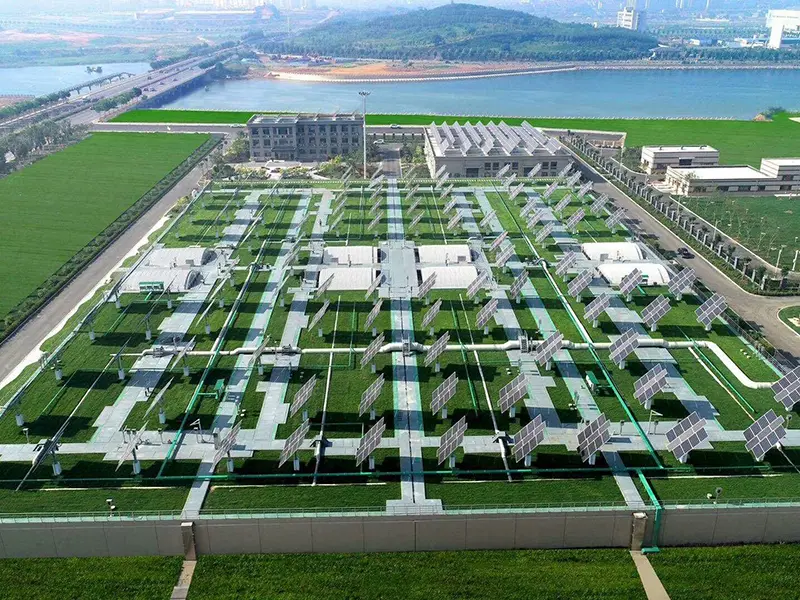
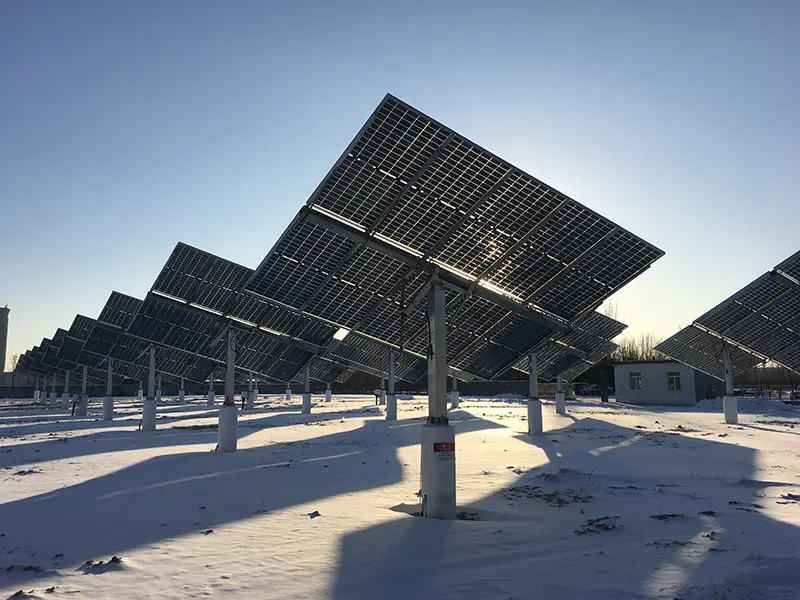
Features dual rotators to dynamically track azimuth and elevation angles, enhancing capacity generation by up to 35%.
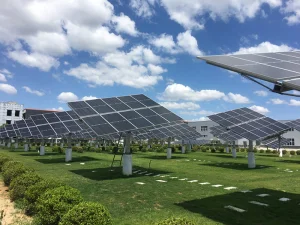
Precision engineered dual-axis structures utilizing astronomical tracking algorithms for maximum yield.
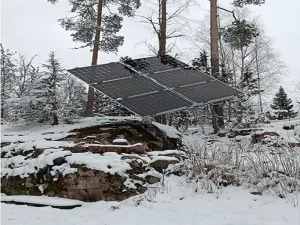
Robust compact dual-axis tracker system ideal for commercial applications and remote off-grid stations.
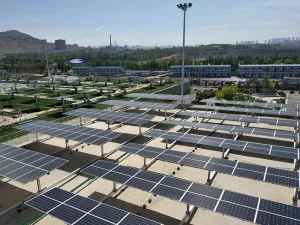
Designed in 2-row portrait configurations, offering high wind stability and optimized ground coverage ratios.
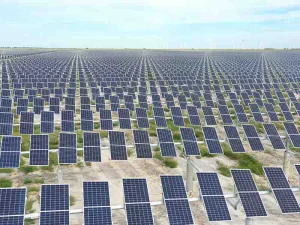
Combines flat tracking simplicity with inclined solar panels to maximize yield at lower construction costs.
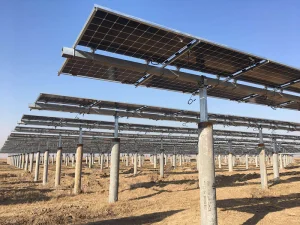
Standard setting single-axis trackers boasting quick installation times and intelligent backtracking algorithms.
In the highly competitive landscape of utility-scale photovoltaic deployment, achieving the lowest possible Levelized Cost of Energy (LCOE) is paramount. Stationary structural mounting is rapidly being phased out in modern projects in favor of dynamic solar tracking systems. Historically, solar arrays were locked at a fixed incline angle, losing massive power generation potential during morning and afternoon hours. Real-time active tracking technologies resolve this inefficiency by keeping PV modules perpetually perpendicular to incoming solar rays.
By shifting from static configurations to single-axis or dual-axis tracking systems, PV project developers can unlock 15% to 35% in energy generation gains. This whitepaper analyzes the manufacturing dynamics of industrial trackers, structural specifications, regional advantages in China, and technical considerations for global supply-chain directors.
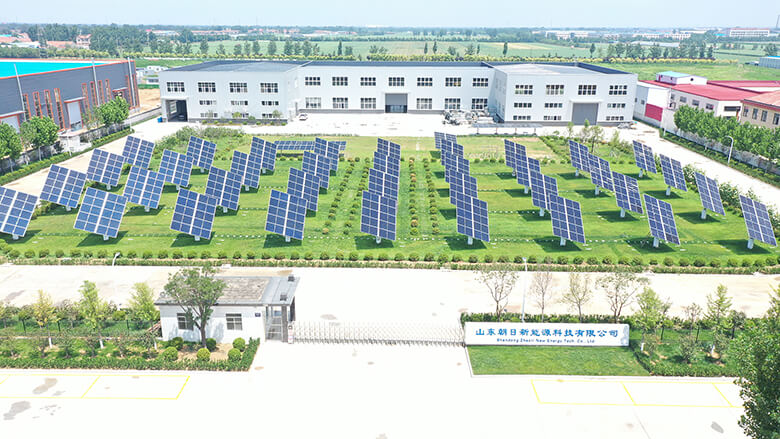
Shandong Zhaori New Energy Tech. Co., Ltd. is a leading high-tech and new energy company based on independent intellectual property rights. Founded in June 2012, we have spent over a decade designing, engineering, and manufacturing premier solar tracker products. Our organization operates 10 specialized departments, including:
With more than 60 professional technology talents on our team, we focus on photovoltaic power stations and solar tracking technology for more than 10 years. Our fundamental product design philosophy remains focused on three simple tenets: More Simple, More Reliable, and More Effective.
Our production plant covers an area of 50,000 square meters and is equipped with advanced automated production lines. We utilize CNC machine tools, high-speed fiber laser cutting systems, automatic welding robots, plasma machines, and dozens of structural forming lines.
With a dedicated workforce of over 300 experienced manufacturing professionals, our monthly production capacity reaches up to 500MW of tracker structures. Our process integrates raw material screening, precision cutting, robotic welding, forming, hot-dip galvanizing, post-processing, and packaging. We maintain strict control in accordance with international ISO management standards.
China is home to the most mature PV supply chain ecosystem globally. By locating manufacturing in close proximity to massive steel mills, galvanization facilities, slew drive manufacturers, and control cabinet assembly shops, we achieve rapid raw material sourcing. This ecosystem dramatically reduces lead times and logistics costs.
With automatic welding robots and precision laser cutting, Chinese factories minimize human assembly errors. Every tracker component, including torque tubes, purlins, dampers, and bearing assemblies, is cut to sub-millimeter tolerances, ensuring quick structural assembly on-site.
Solar projects are designed for a 25-year structural lifespan, often in hostile environments such as deserts or humid coastlines. Our factory ensures all structural steel is hot-dip galvanized to ASTM standard thicknesses, providing long-lasting corrosion resistance.
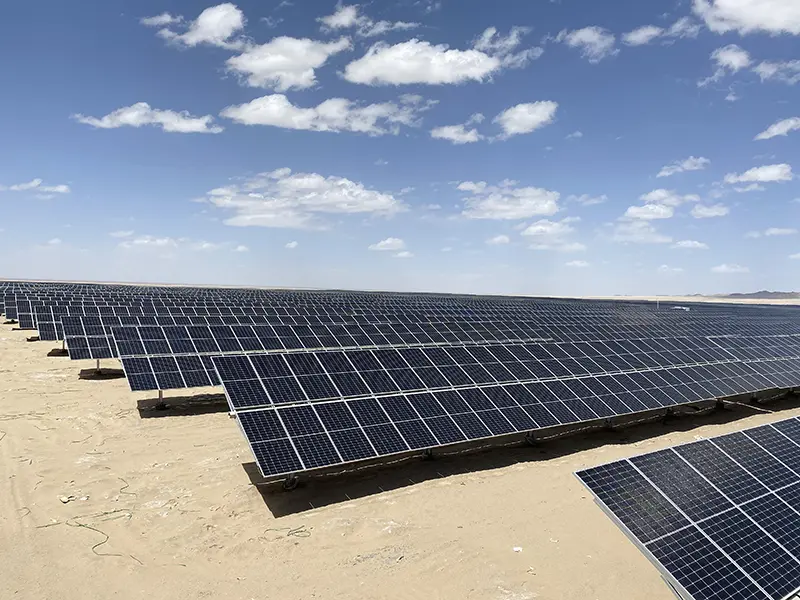
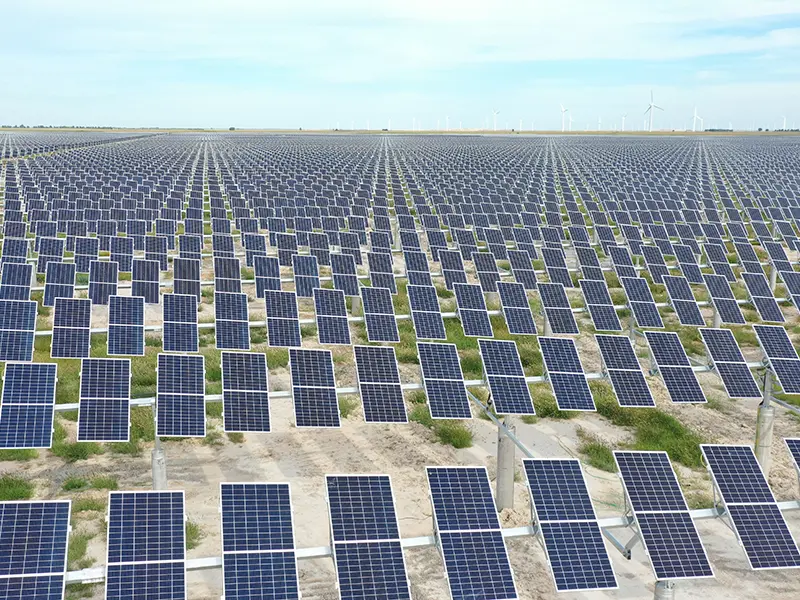
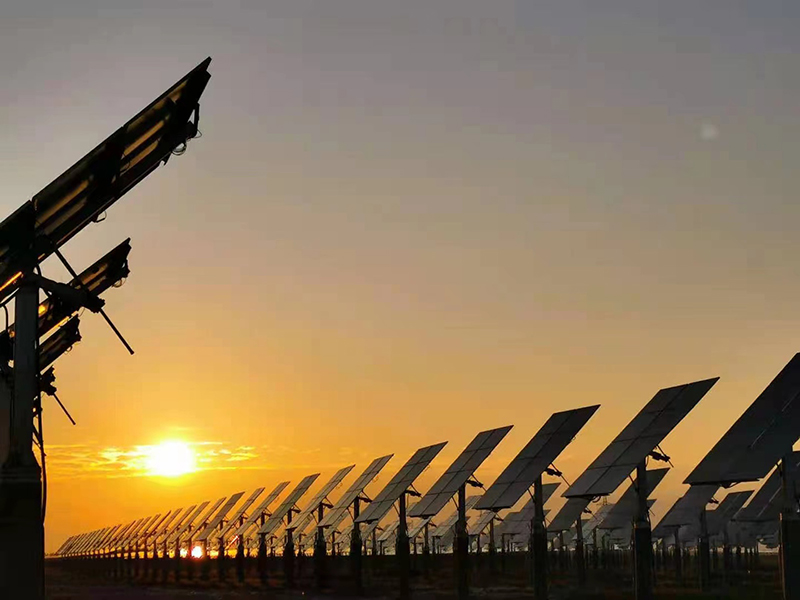
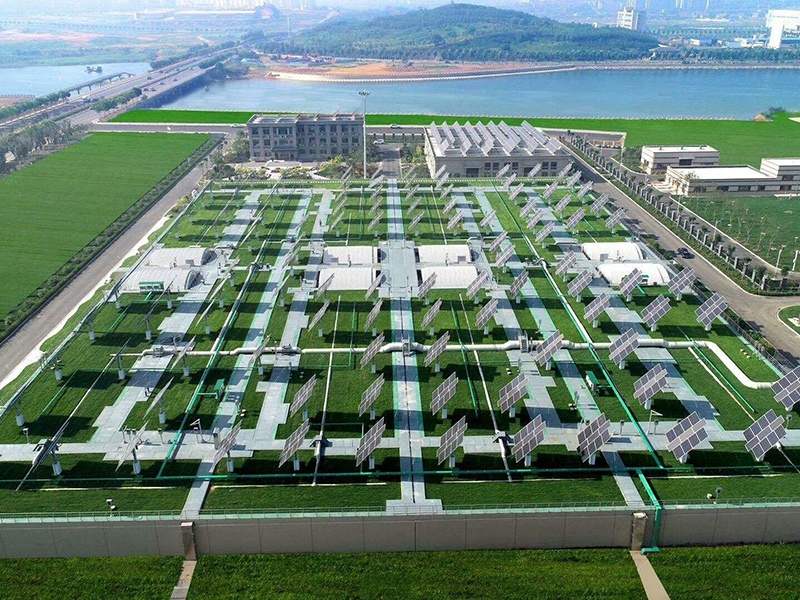
Our tracking products have secured patents from the European Patent Office, USA, Canada, Australia, Japan, South Korea, Thailand, India, Brazil, South Africa, and hold 8 Chinese National Invention Patents along with over 30 Utility Model patents. Fully TUV, CE, and ISO certified.
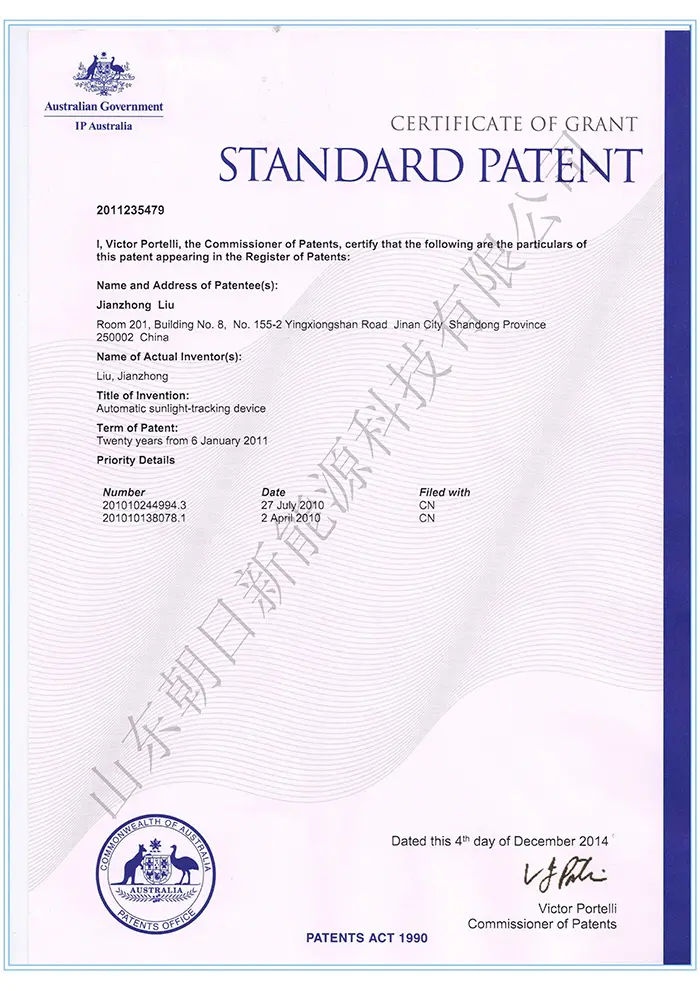
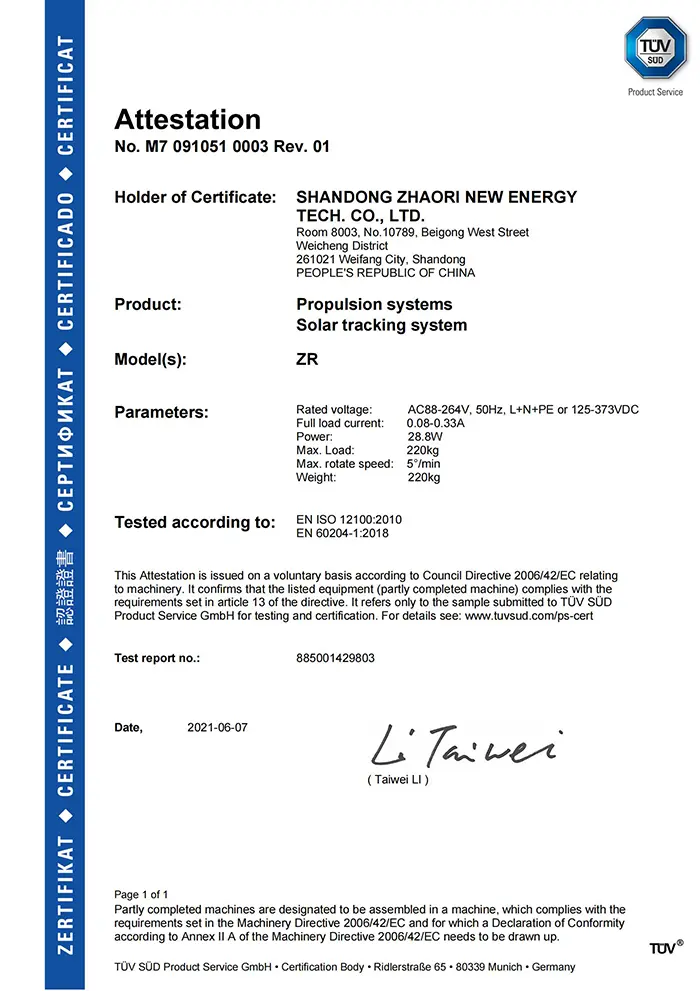
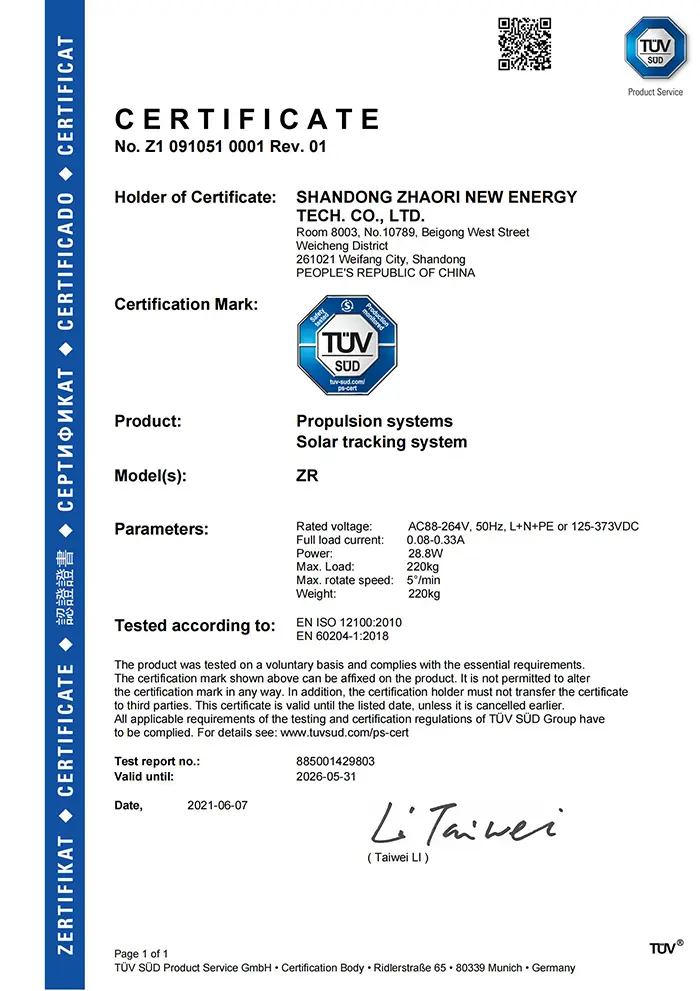
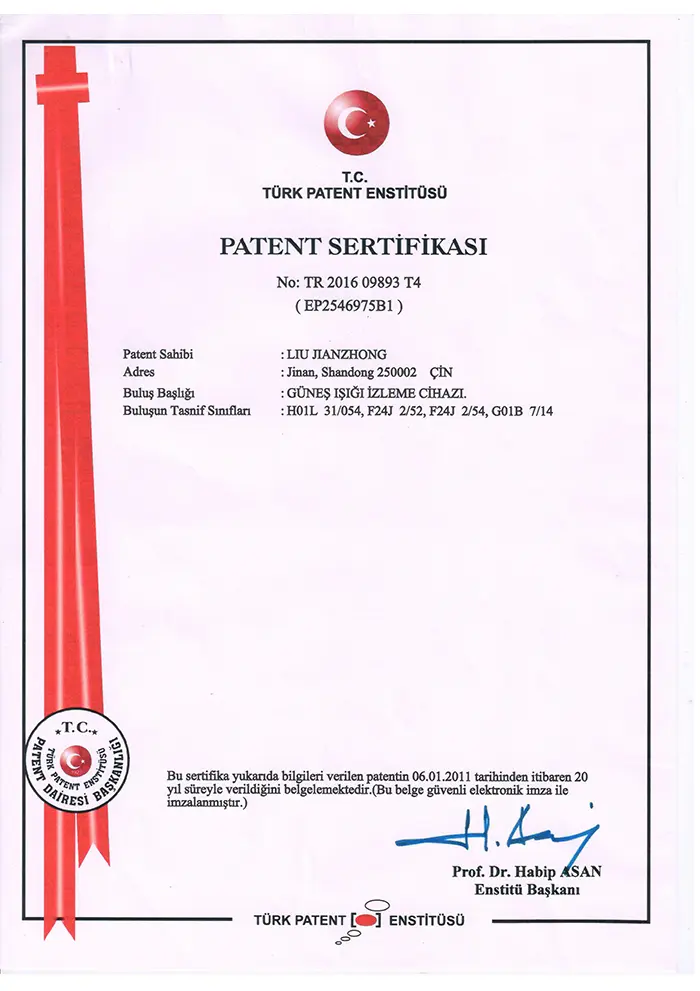


Utility-scale projects often present complex topographical, meteorological, and geotechnical challenges. Our engineering team designs custom structural solutions that address these real-world requirements:
The global solar market is evolving rapidly, with tracker designs changing to meet new system requirements:
Bifacial modules capture solar energy from both the front and rear faces. Our structural designs feature torque tubes that minimize rear-side structural shading, maximizing bifacial gain by up to 25% compared to standard systems.
Modern tracker controls utilize astronomical calculations paired with real-time solar positioning sensors. Smart backtracking algorithms dynamically adjust tracker angles during cloudy or overcast conditions, reducing self-shading on sloped terrain.
As a trusted supplier to international EPC firms, project developers, and IPPs, Shandong Zhaori New Energy Tech. Co., Ltd. provides robust logistical support, comprehensive technical documentation, and reliable execution.
Global financial institutions require structural analysis to approve project financing. We supply detailed static calculations, wind tunnel testing reports, and international certifications (TUV, CE, ISO) to ensure smooth project approval processes.
Every solar array site has unique geographical requirements. Our engineering team provides custom layouts, pile-loading plans, and structural drawings for each project to streamline local zoning and construction approvals.
We pack all structural components in standardized, rust-preventative transport framing, enabling easy container unloading. We also offer on-site construction guidance and operation training to ensure proper system installation.
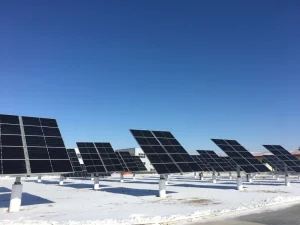
Heavy-duty dual-axis tracking system built to carry up to 40 standard modules with dual-actuator motors.
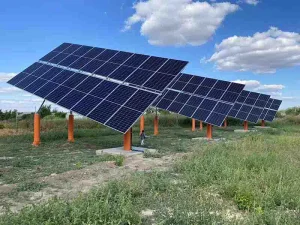
Proven single-axis configuration featuring a 10°–30° tilt angle for high latitudes.
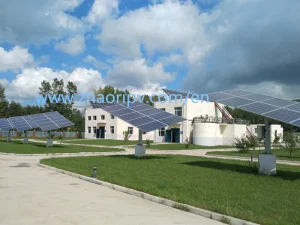
Combines automated daily tracking with manual seasonal elevation adjustment to reduce upfront capital investment.
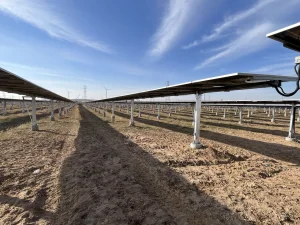
Standard 1-in-portrait configurations designed for quick installation on sloped terrains.
 Zhaori