In the era of decentralized energy, the shift from fixed-tilt mounting systems to active solar tracking has become the cornerstone of residential energy independence. Single-axis trackers, particularly horizontal (HSAT) and tilted (TSAT) variants, offer the optimal balance between mechanical simplicity and energy yield maximization.
From the arid deserts of Arizona to the green suburbs of Central Europe, homeowners are seeking manufacturers that can provide industrial-grade reliability in a residential-sized package. The demand for Residential Single Axis Solar Tracker Quotes has surged as electricity prices fluctuate globally.
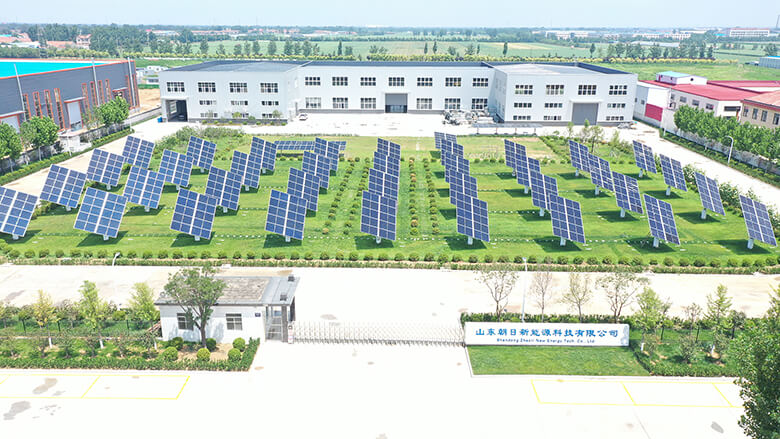
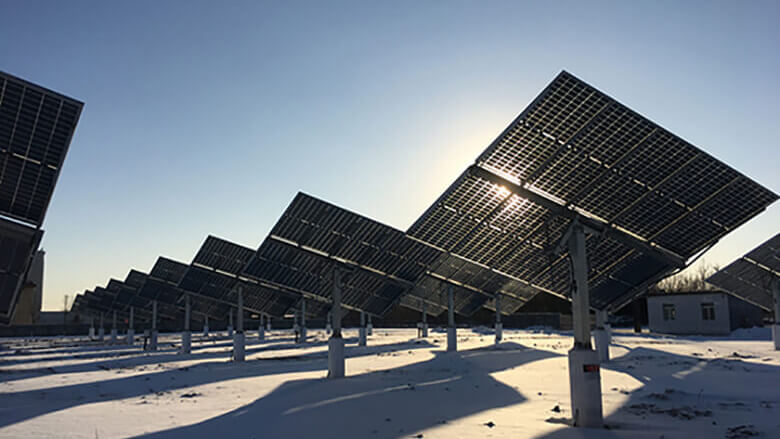
Founded in June 2012, Shandong Zhaori New Energy Tech. Co., Ltd. (also known as Sunchaser) has redefined the cost-to-performance ratio in the tracking industry. Our 50,000 square meter facility leverages CNC machine tools, laser cutting robots, and automatic welding stations to achieve a monthly capacity of 500MW.
Why choose Chinese manufacturing for solar trackers?
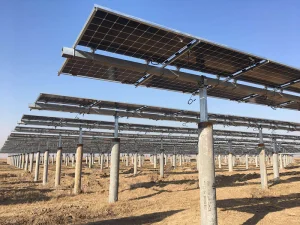
The ZRP system tracks the sun's azimuth angle. Ideal for 10-60 panels per row, it provides a 15-30% gain. Our 2P (two panels in portrait) design minimizes land use while maximizing torque tube efficiency.
The ZRT-16 model features a 10°-30° tilt. This is specifically designed for high-latitude regions where the sun remains lower on the horizon, ensuring panels are always at the optimal angle.
Modern residential systems now utilize bifacial modules. Our trackers are engineered with "backtracking" algorithms to ensure that self-shading is eliminated, harvesting reflected light from the ground.
Residential solar tracking isn't a one-size-fits-all solution. Sunchaser provides customized solutions for diverse environments.
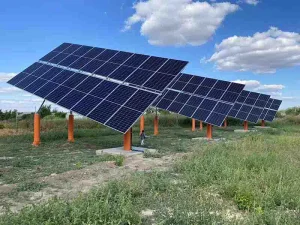
Integrating dual-axis or tilted single-axis trackers as "Solar Trees" combines aesthetic appeal with high-density power generation for EV charging and HVAC needs.
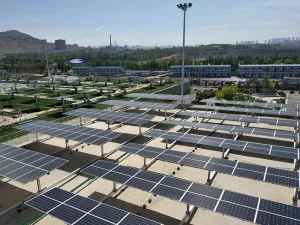
Tracking systems mounted on higher pillars allow for gardening or small-scale farming beneath the panels, optimizing land utility in rural residences.
In locations where grid stability is poor, the increased morning and evening harvest from trackers ensures batteries are topped up longer than fixed systems.
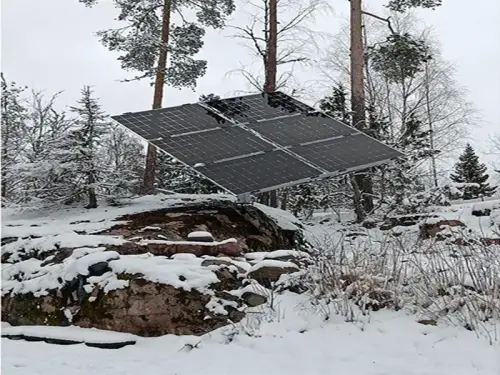
Our systems include "Storm Mode" and "Snow Mode," automatically stowing the panels to a safe angle (0° or 60°) when sensors detect high winds or heavy snow loads.
The next generation of residential trackers will not just follow the sun's astronomical path. They will use AI Computer Vision to identify diffuse light conditions. On cloudy days, panels will lay flat to catch light from the entire sky, rather than pointing at a hidden sun.
When requesting Solar Tracker Quotes, consider the following EEAT-verified factors:
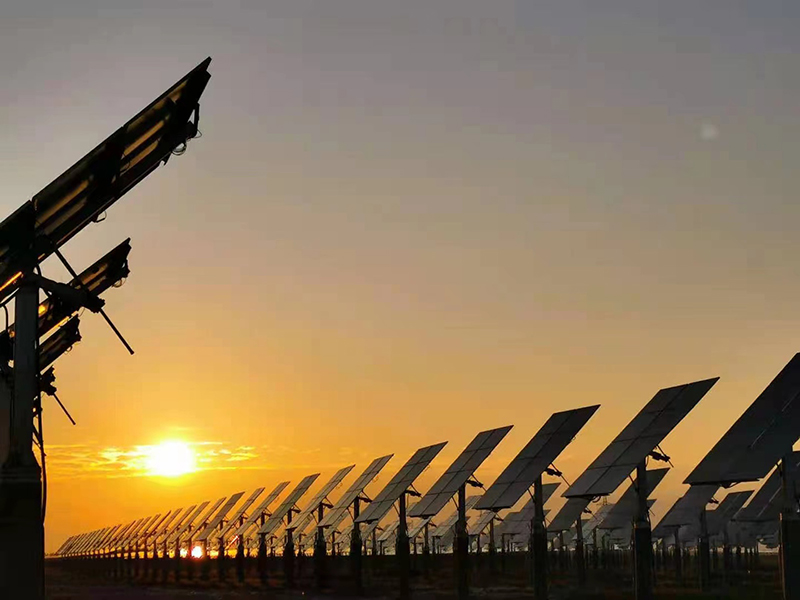
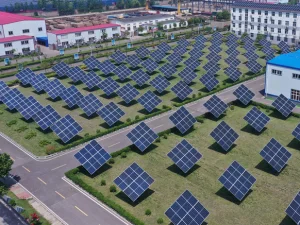
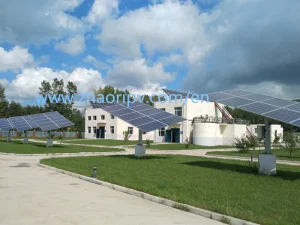
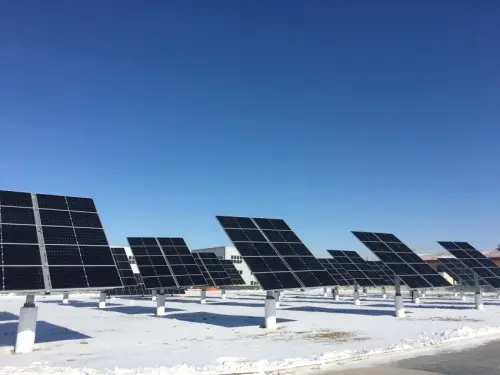
5MW Dual Axis Project in North China
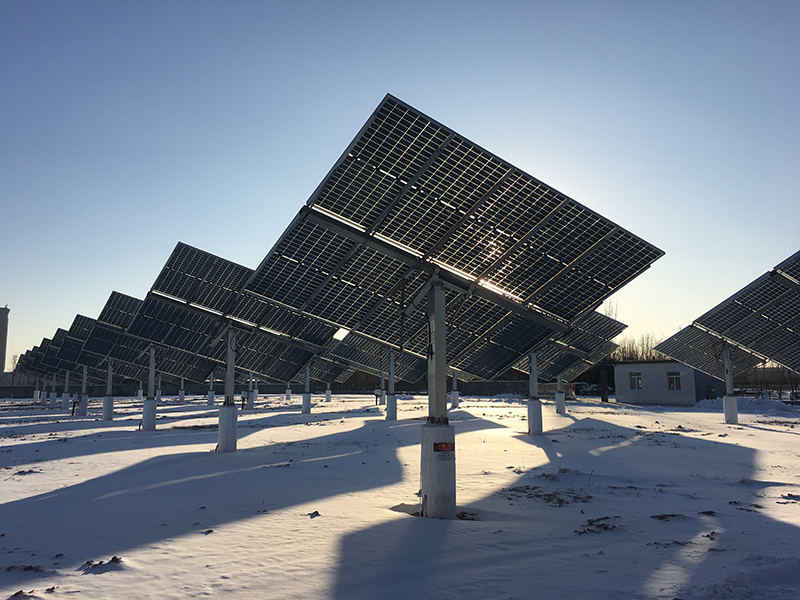
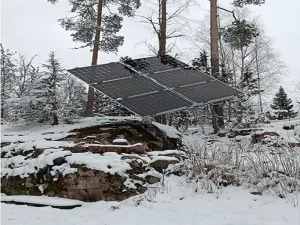
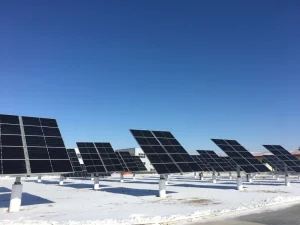
Solar Tracker Performance After Heavy Snow
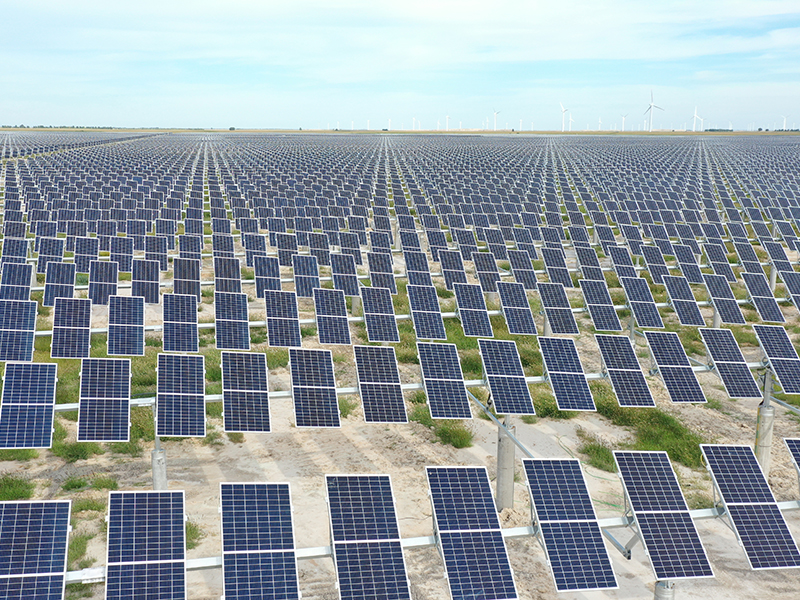
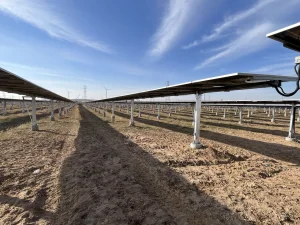
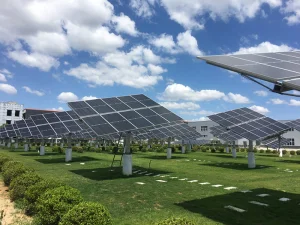
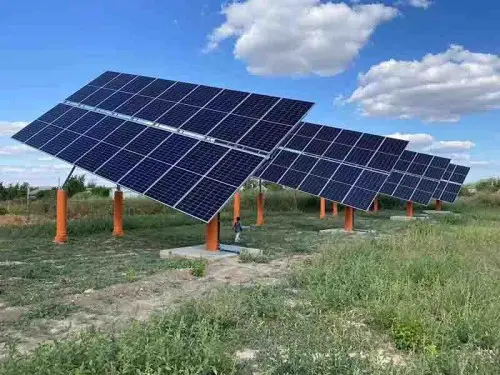
40MW ZRPT Flat Single Axis with Inclined Module
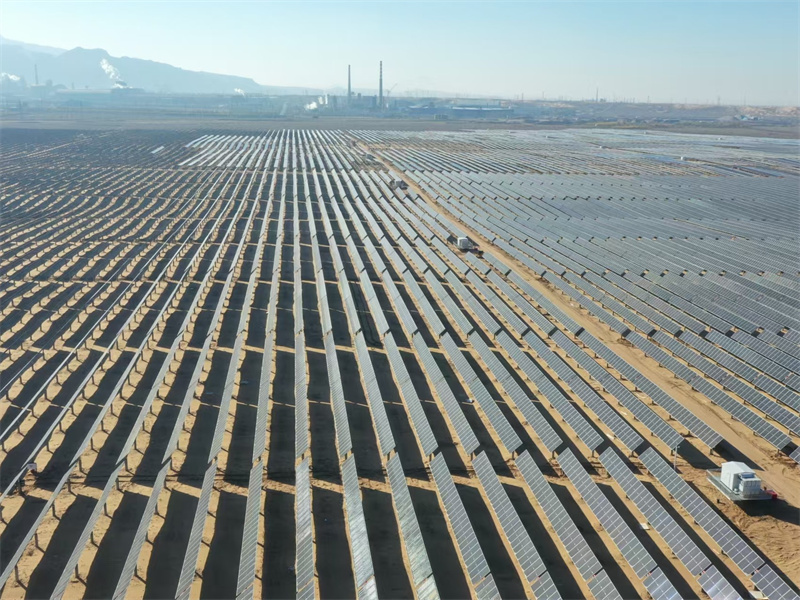
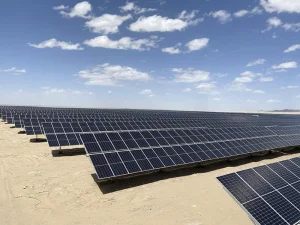
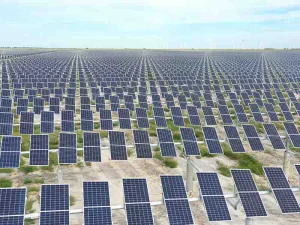
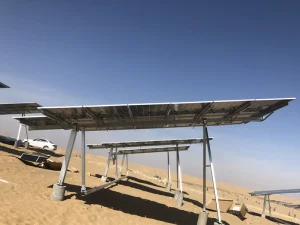
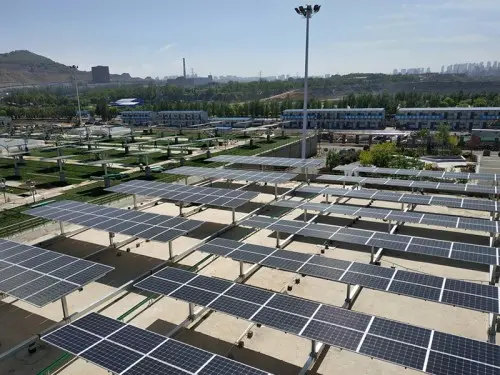
360MW Utility-Scale Desert Solar Tracking
 Zhaori