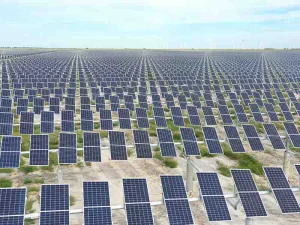
In the modern PV landscape, the shift from fixed-tilt structures to single-axis solar panel racks is accelerating. Globally, trackers now account for over 50% of utility-scale installations in high-irradiance regions like the US, Australia, and MENA. The core driver is the dramatic reduction in LCOE (Levelized Cost of Energy) by increasing energy harvest by 15% to 30%.
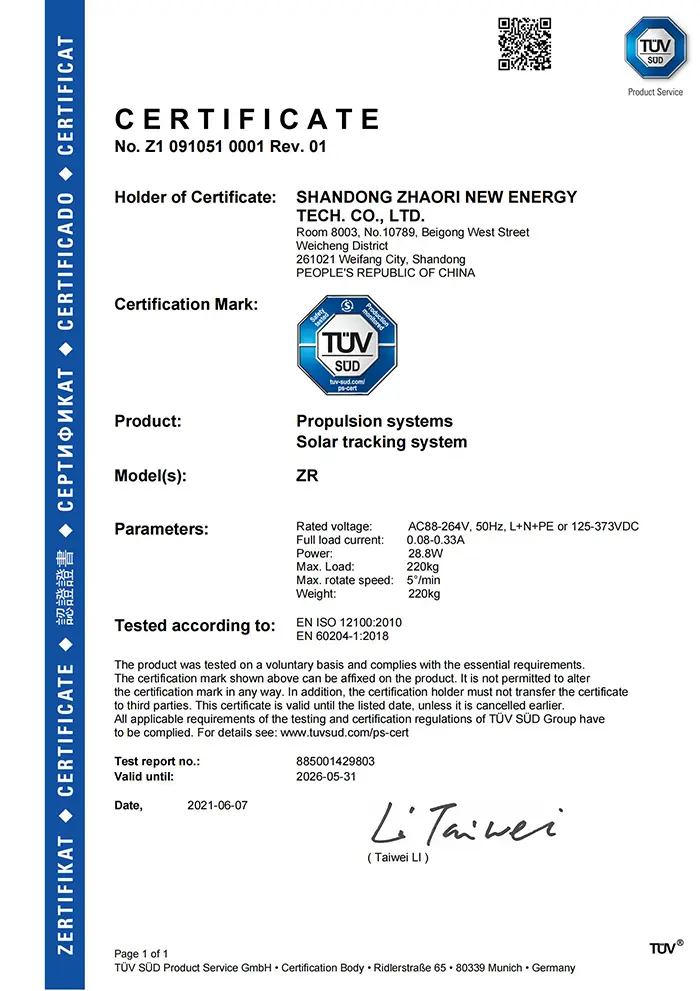
Factories specializing in solar racks are evolving from simple steel fabrication to high-tech assembly hubs. Our Shandong-based facility integrates CNC machine tools, laser cutting, and automatic welding robots to ensure structural precision, crucial for maintaining the ±1° tracking accuracy required for modern high-efficiency modules.
"Information Gain" in procurement now involves looking beyond price. Engineers are prioritizing terrain-adaptive designs, "stow-mode" performance in high winds, and compatibility with Bifacial modules—which gain an additional 5-10% efficiency when paired with specific single-axis rack heights and spacing.
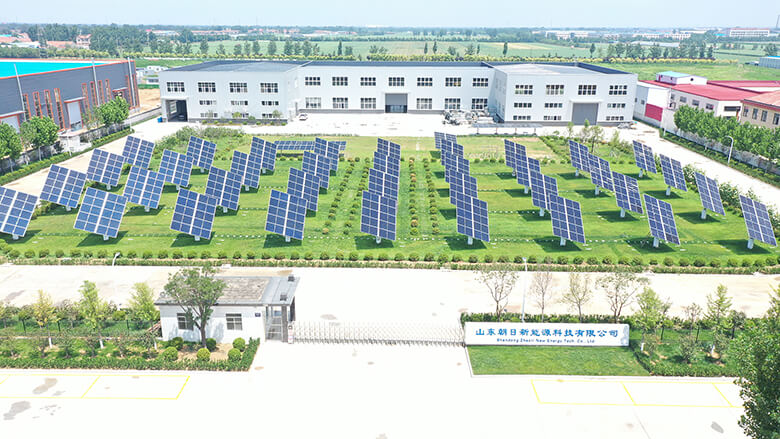
Shandong Zhaori New Energy Tech. Co., Ltd. is a high-tech powerhouse founded in June 2012. With 10 specialized departments including R&D, Technical Engineering, and Quality Assurance, we bridge the gap between academic innovation and industrial application. Our team of over 60 professional technology talents has focused on PV power stations and tracking tech for over a decade.
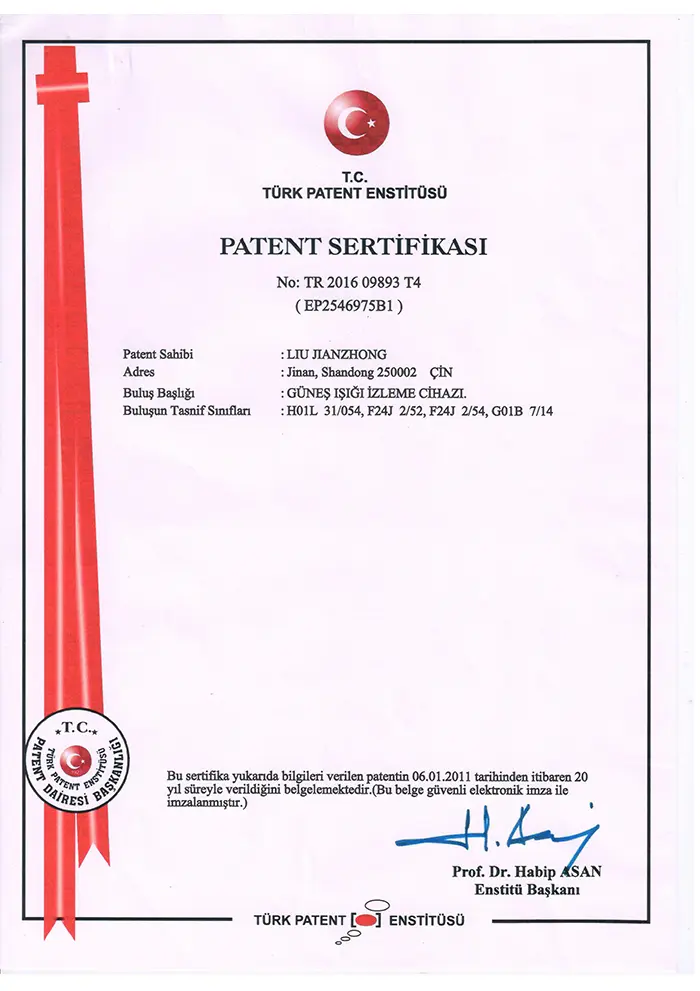
Our 50,000 sqm factory produces 500MW monthly, employing 300+ skilled workers. From raw material screening to anti-rust treatment and final inspection, every step follows the ISO quality management system. We aren't just a factory; we are an intellectual property hub with patents in the USA, EU, Japan, and more.
Focus on structural rigidity and reducing the "galloping" effect under wind loads. Integration of CNC machining to ensure zero-play in movement.
Implementing smart algorithms that adjust the single-axis angle during cloudy periods or uneven terrain to minimize self-shading between rows.
Next-gen racks will feature self-diagnosing sensors communicating with SCADA systems to predict maintenance needs before failure occurs.
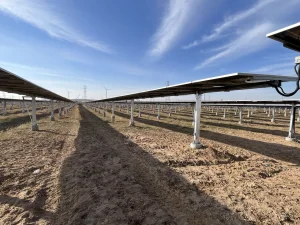
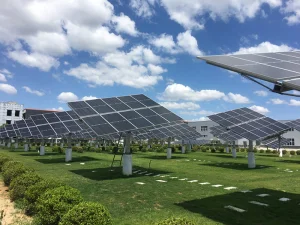
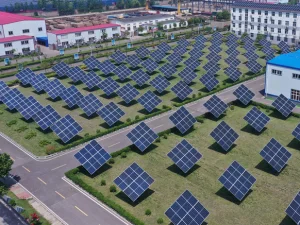
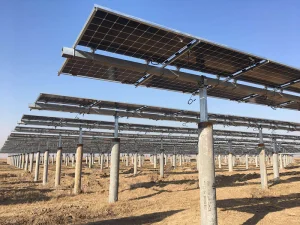
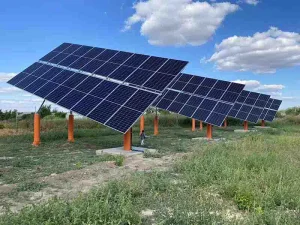
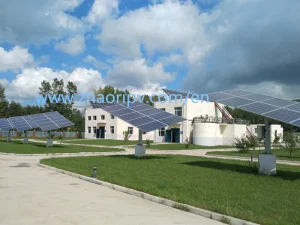
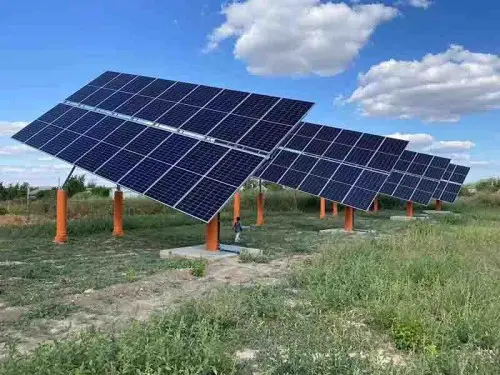
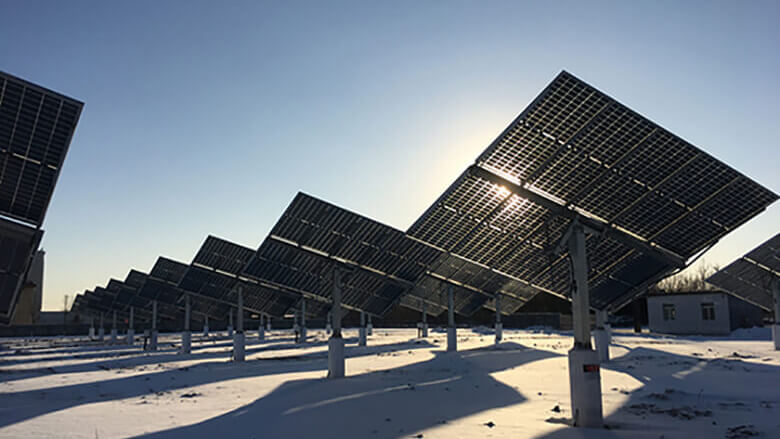
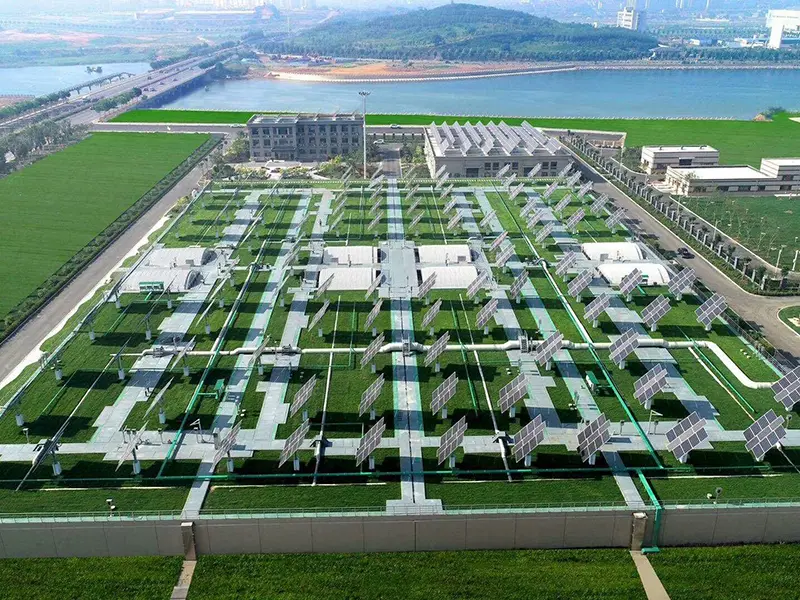
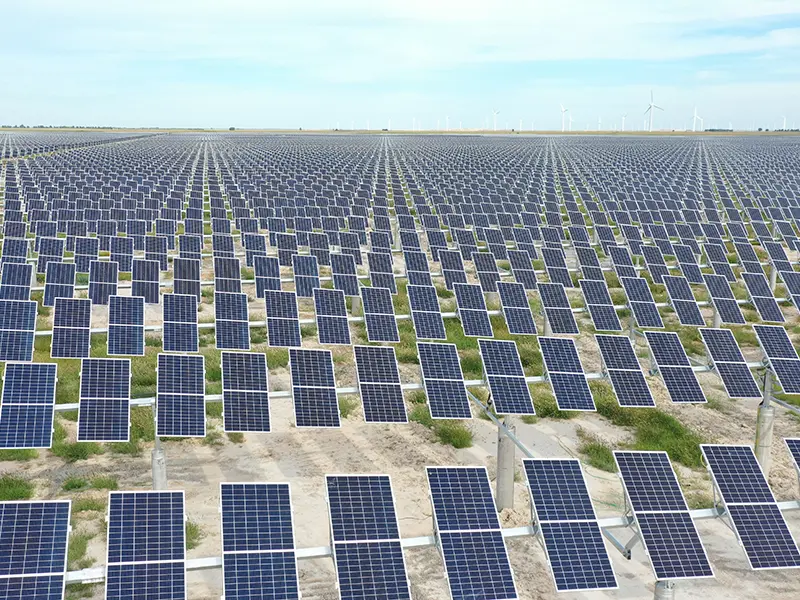
Our ZRT-16 Tilted Single Axis system offers a middle ground between flat trackers and dual-axis systems. By tilting the axis (10°– 30°), we capture higher irradiance at higher latitudes. Meanwhile, the 2P Flat Single Axis Tracker is optimized for massive utility-scale farms where land use efficiency and wind resistance are paramount.
Reliability Principle: Our products follow the "Simple, Reliable, Effective" doctrine. Complexity in the field leads to failure; elegant engineering leads to longevity.
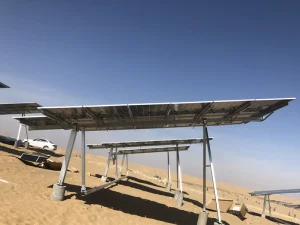
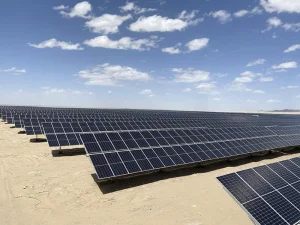
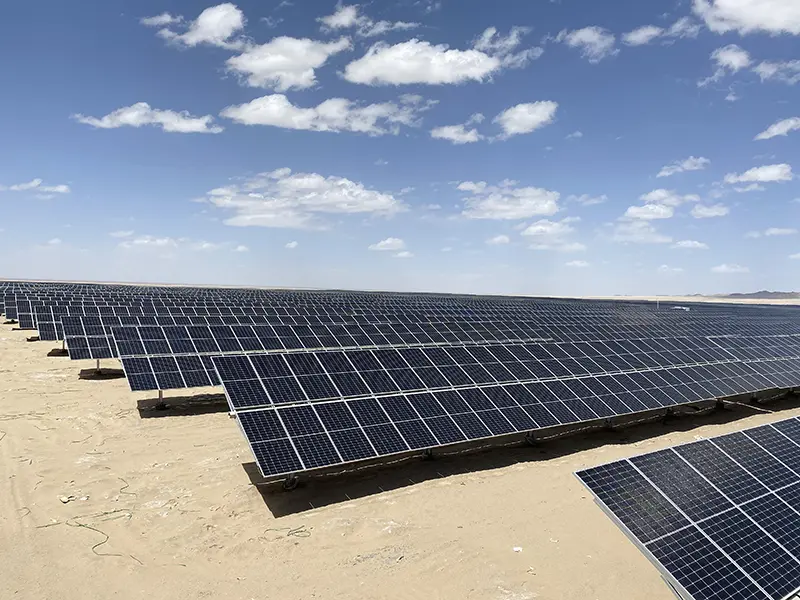
Our 20MW and 40MW projects in desert environments utilize high-grade anti-rust treatments and sand-sealed drive units. Tracking ensures maximum morning/evening capture when temperatures are lower and module efficiency is higher.
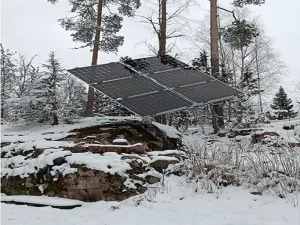
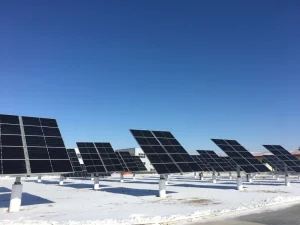
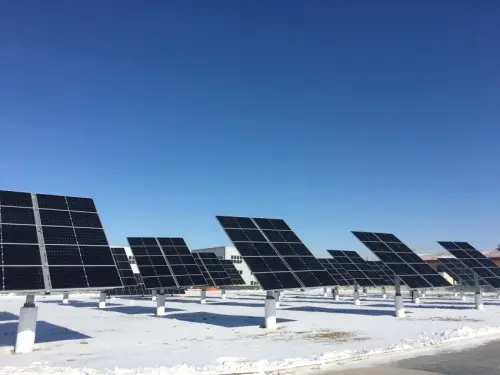
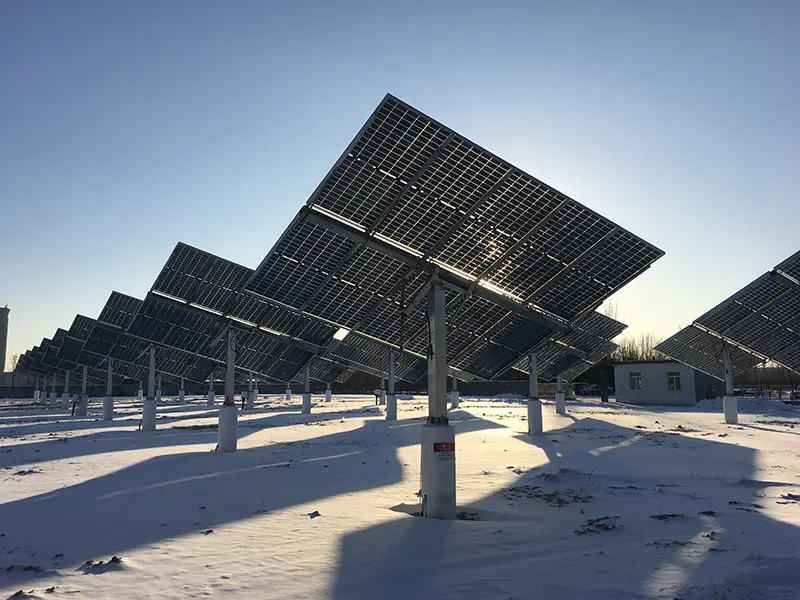
Equipped with "Snow Mode" sensors, our trackers can tilt to maximum verticality to shed snow loads automatically, preventing structural collapse and ensuring immediate power generation post-storm.
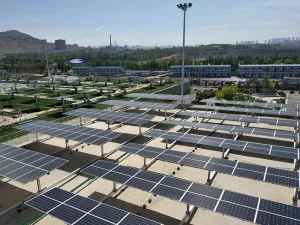
Flat single-axis systems with inclined modules allow for installation on north-south slopes that were previously considered "unbuildable," maximizing land ROI.
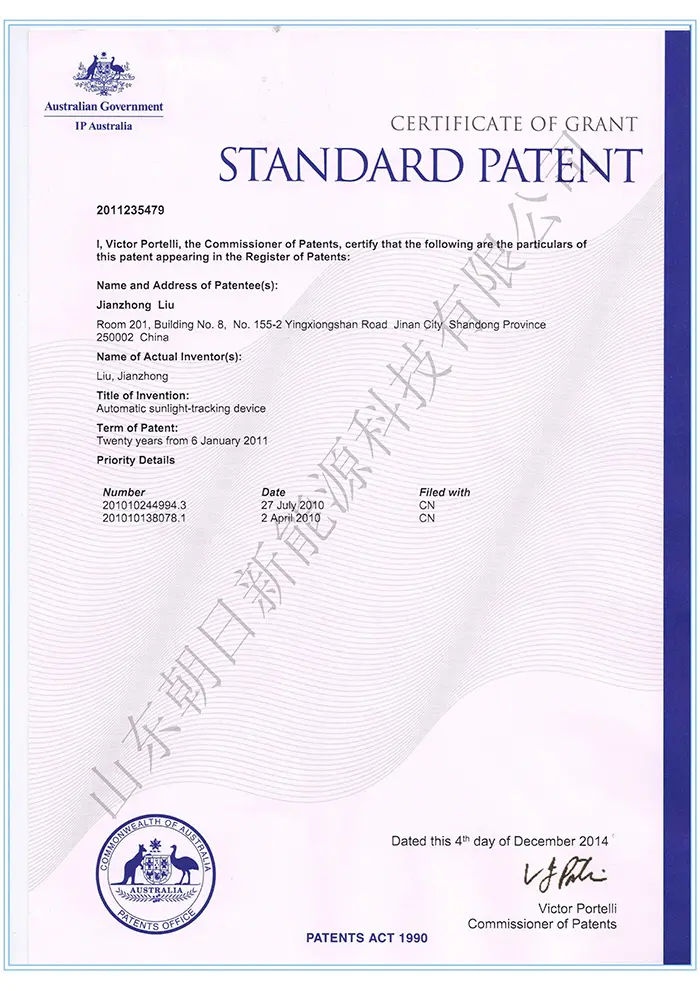
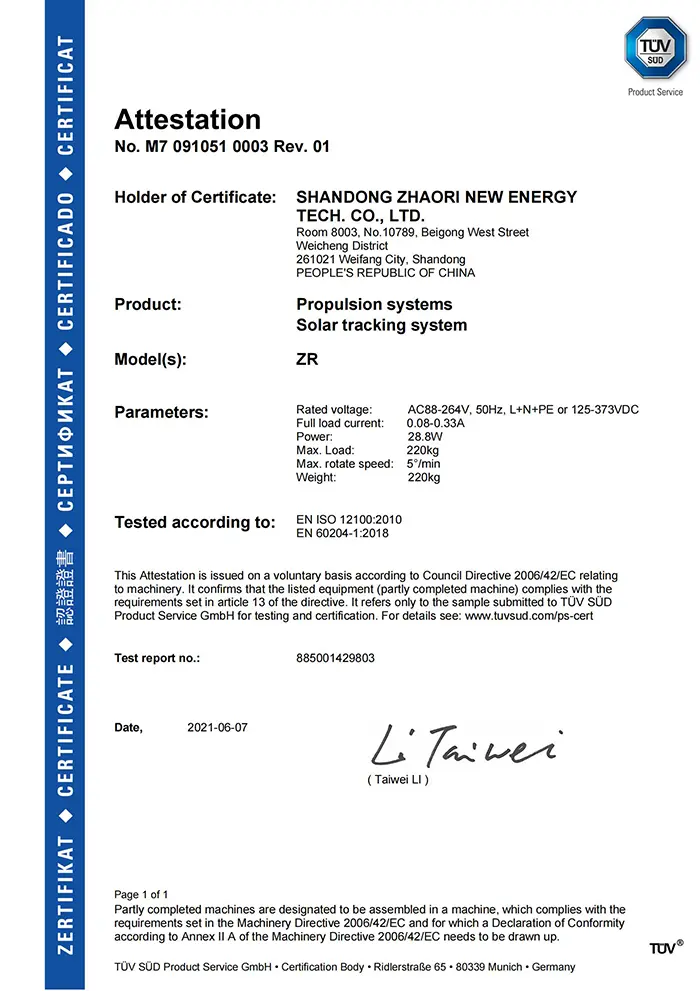
We provide a perfect customized solution. Solar racking is not a "one size fits all" commodity. Depending on the wind speed of the region (e.g., coastal vs. inland), the soil chemistry (galvanization thickness requirements), and the local labor cost (ease of assembly), our engineering department customizes the steel thickness and motor drive ratios.
 Zhaori