The global solar energy market is shifting from static mounting to active tracking systems. In 2024, the demand for high-efficiency solar tracker bases has surged by 25% annually. Utility-scale projects now prioritize "Energy Gain" over "Initial Capital Expenditure," making tracker systems the backbone of modern PV farms.
Solar tracker bases are no longer just steel structures; they are dynamic electromechanical systems. As a leading supplier, Shandong Zhaori New Energy Tech Co., Ltd. addresses the critical need for structural durability in extreme environments—from the high-wind deserts of MENA to the heavy-snow regions of Northern Europe.
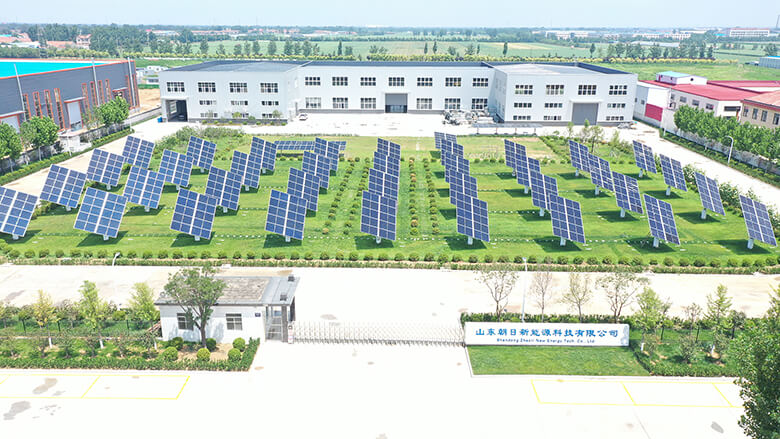
Shandong Zhaori New Energy Tech. Co., Ltd. is a high-tech pioneer established in June 2012. Our expertise is rooted in over a decade of dedicated solar tracking research. With 10 specialized departments—including R&D, Quality Assurance, and Foreign Trade—we ensure that every tracker base meets international standards.
Our manufacturing facility leverages CNC machine tools, laser cutting machines, and automatic welding robots. We control the entire lifecycle: from raw material screening and plasma cutting to anti-rust treatment and rigorous post-production inspection.
Integration of machine learning to predict cloud cover and optimize the "Backtracking" process, ensuring zero shading between rows even on uneven terrain.
Redesigning the solar tracker base to minimize rear-side shading, capturing up to 10% additional albedo light from the ground.
Real-time health monitoring of actuators and sensors via LoRaWAN or Zigbee, reducing O&M costs by 30% through predictive maintenance.
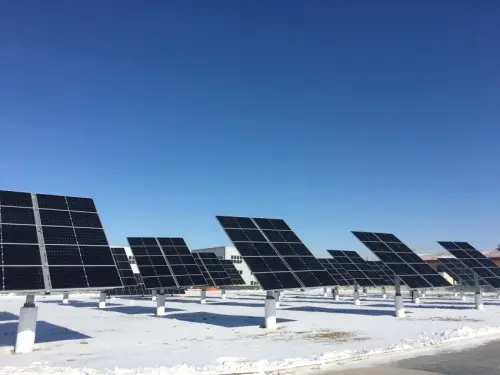
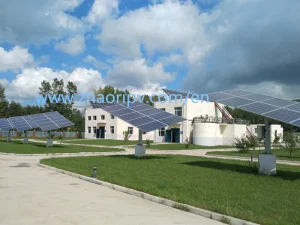
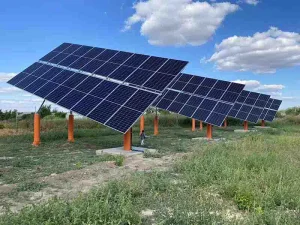
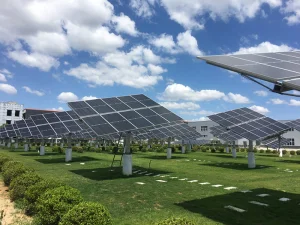
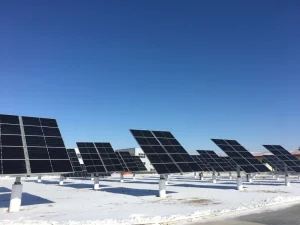
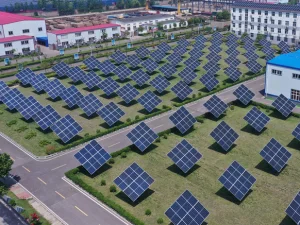
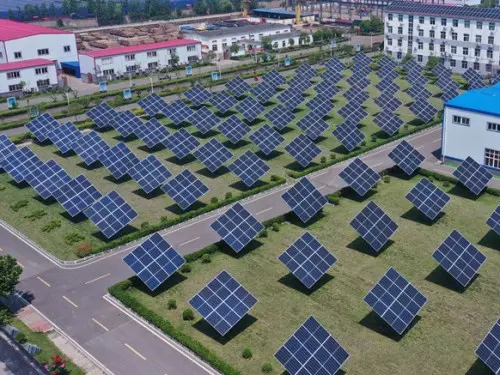
The ultimate solution for energy maximization. By tracking both the azimuth and altitude angles, ZRD systems can increase yield by up to 40%. Ideal for regions with high latitude or limited space.
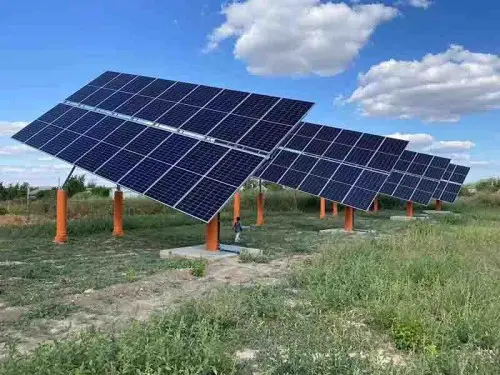
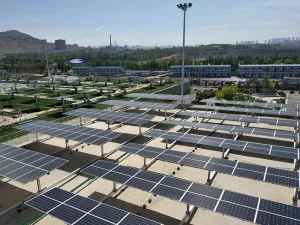
Designed for mountain projects and uneven terrain. The tilted axis (10°-30°) provides a unique balance between cost and performance, mounting 10-20 panels per set.
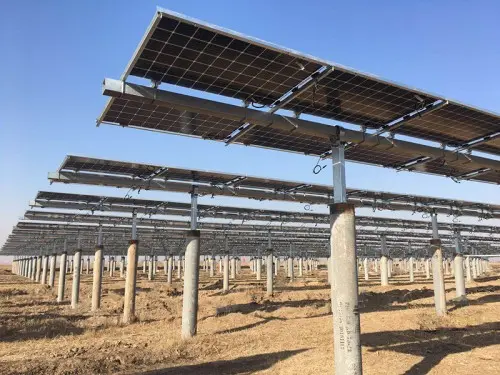
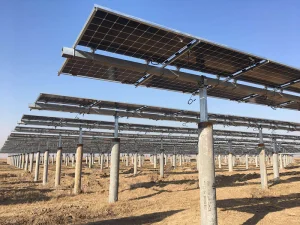
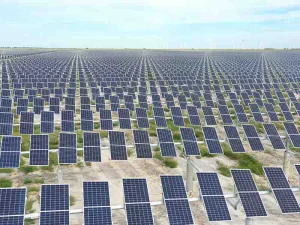
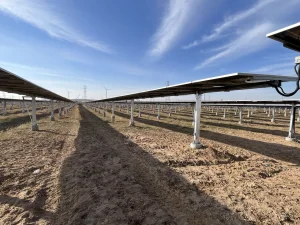
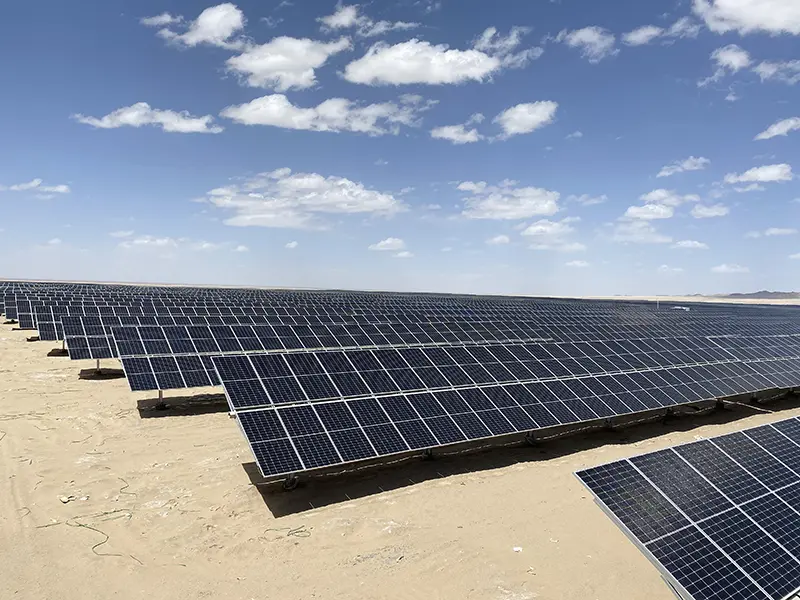
The utility-scale champion. Supports up to 60 panels per row. Its simple architecture ensures high reliability and rapid installation for 100MW+ projects.
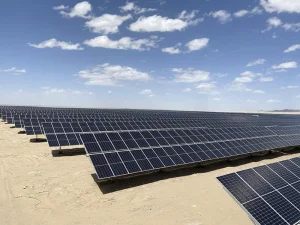
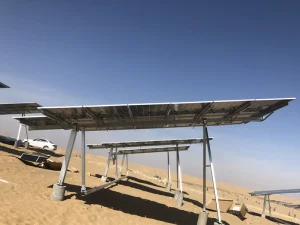
High-torque actuators and IP66-rated protection to withstand sandstorms and extreme temperature fluctuations in areas like the Gobi or Sahara.
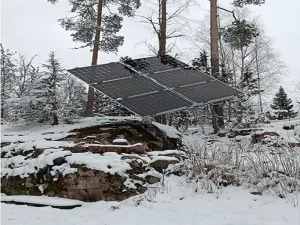
Automated "Snow Mode" tilts panels to the maximum angle to shed accumulation, preventing structural collapse and ensuring winter production.
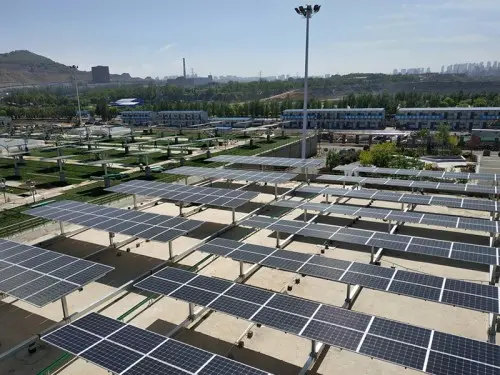
Lightweight tracker bases designed for structural safety on factory roofs, combining the benefits of tracking with space constraints.
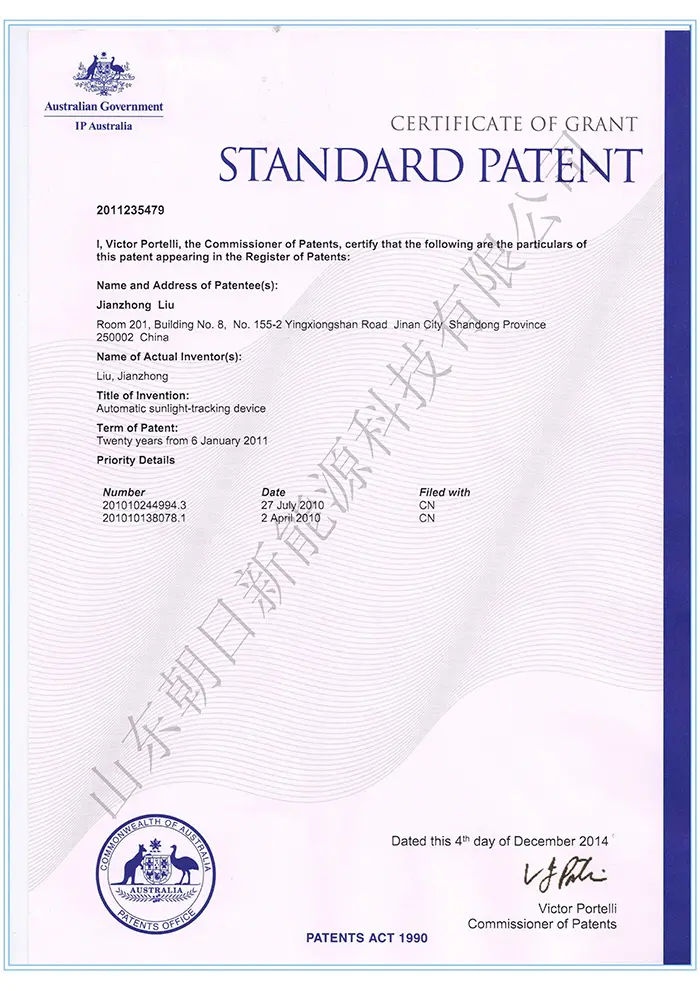
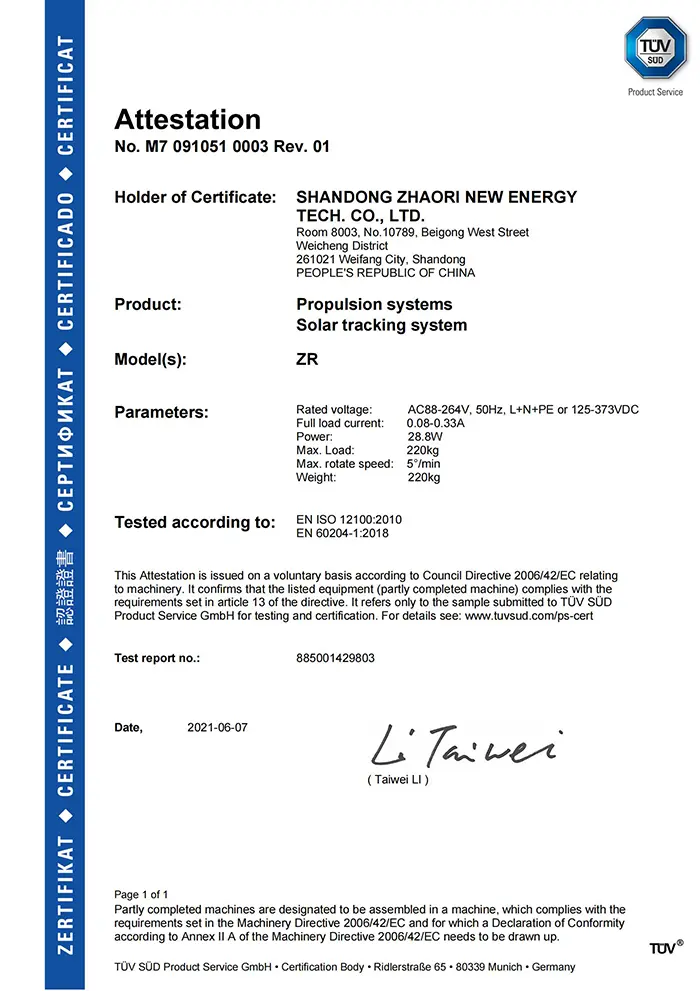
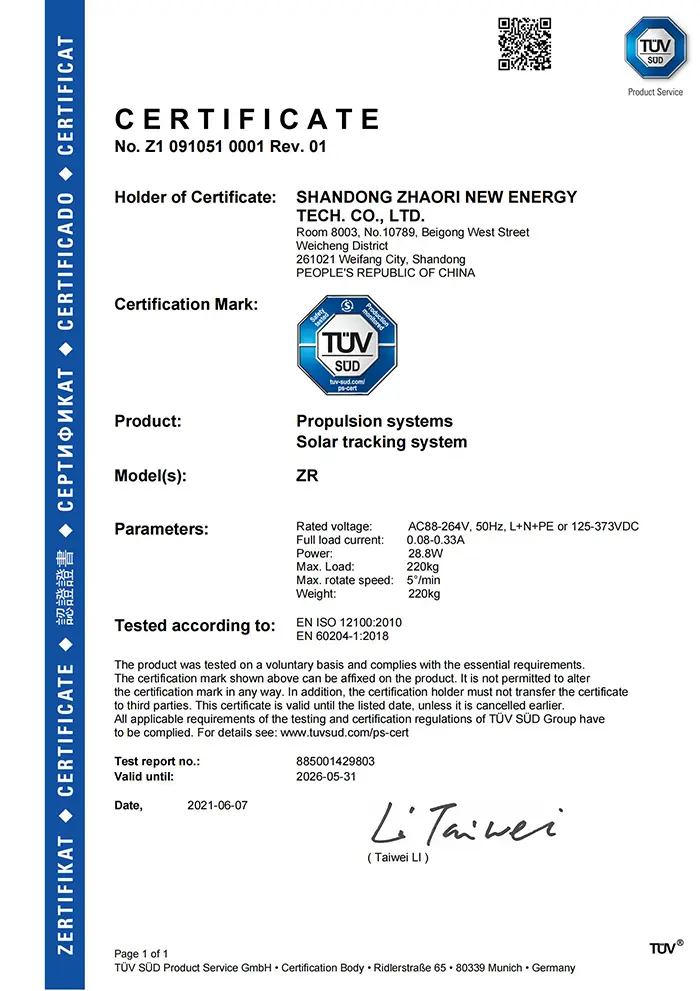
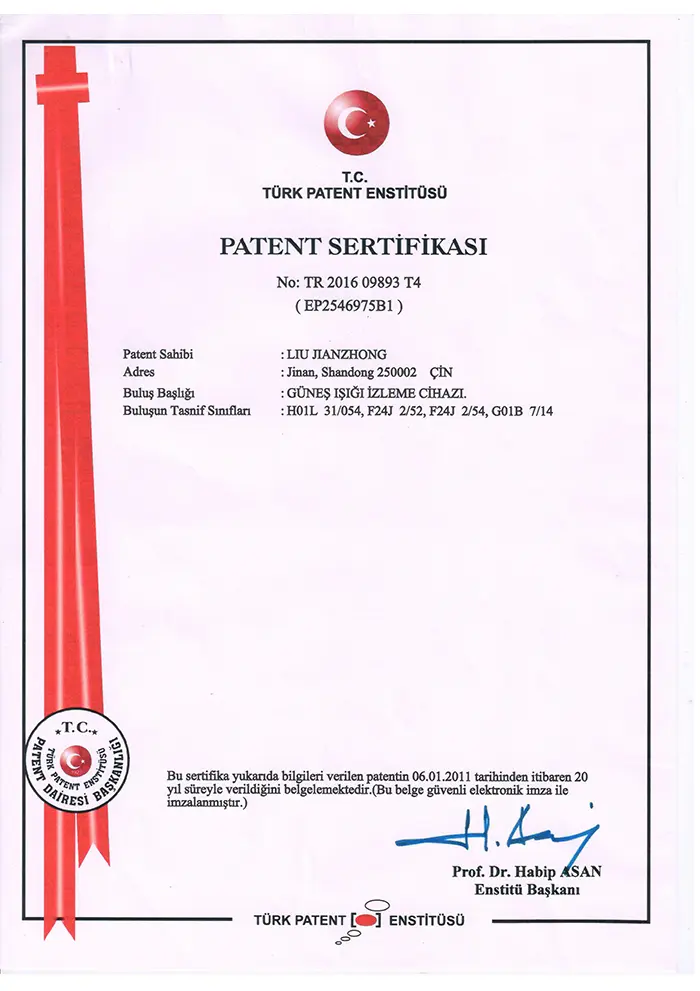


Depending on the location and system type, single-axis trackers usually offer 15-25% gain, while dual-axis systems can provide up to 35-40% more energy compared to fixed structures.
Our tracker bases are designed for a 25-year lifespan. With our AI-driven sensors and robust mechanical design, maintenance is minimal, requiring only annual inspections of moving parts.
Yes, our products are wind-tunnel tested. We include an automated "Stow Mode" that moves the panels to a horizontal position when wind speeds exceed a safety threshold.
Absolutely. Our engineering department specializes in "Project-Specific Customization," adjusting mounting heights and tracking angles for mountains, slopes, or coastal areas.
 Zhaori