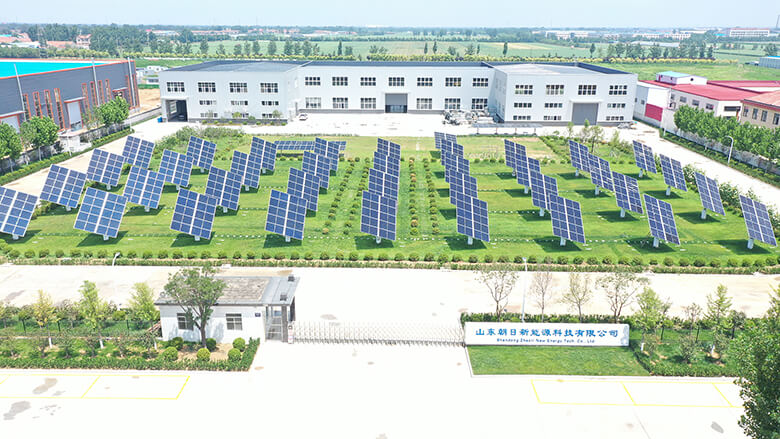
Shandong Zhaori New Energy Tech. Co., Ltd. is a leading high-tech enterprise dedicated to independent intellectual property rights in the solar sector. Established in June 2012, we have pioneered the transition from fixed-tilt mounting to intelligent tracking systems.
With over 10 specialized departments including R&D, Technical Engineering, and Quality Assurance, our team of 60+ professional technology talents brings a decade of focused expertise to every project.
Our 50,000 sqm state-of-the-art facility is equipped with CNC machine tools, laser cutting systems, and automatic welding robots. This industrial infrastructure allows for a monthly production capacity of 500MW.
Every component undergoes a rigorous manufacturing cycle—from raw material screening to anti-rust treatment and final packaging—ensuring compliance with international quality management systems.
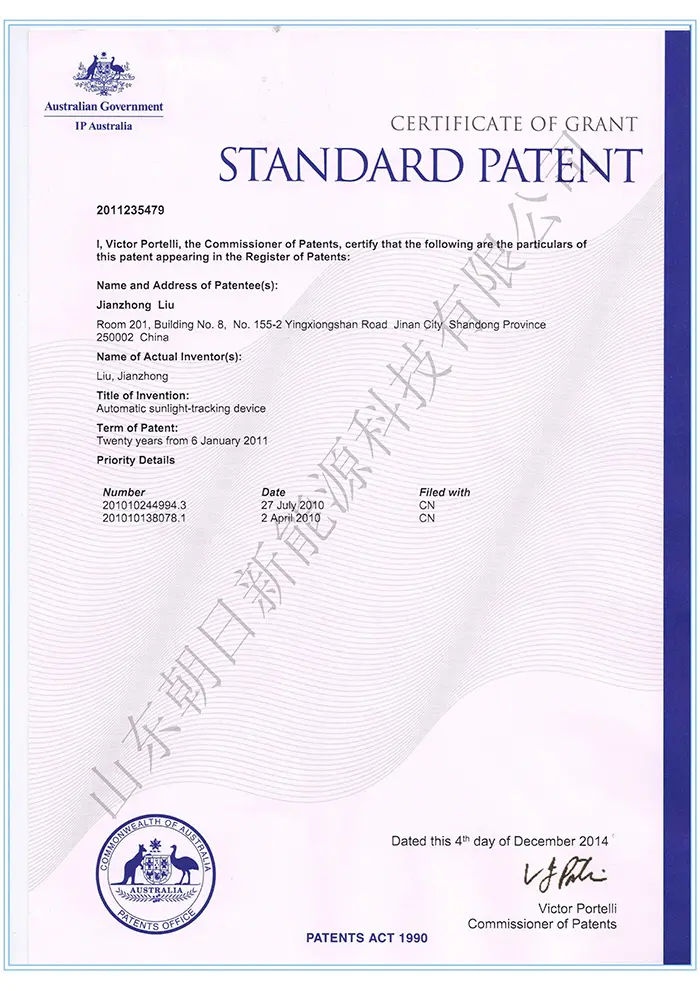
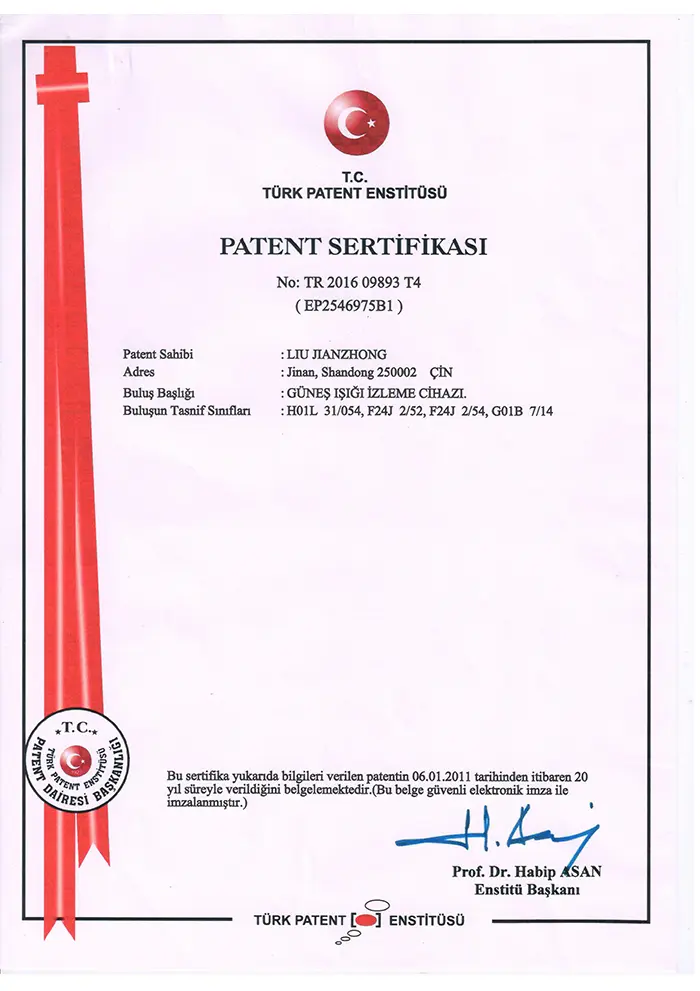
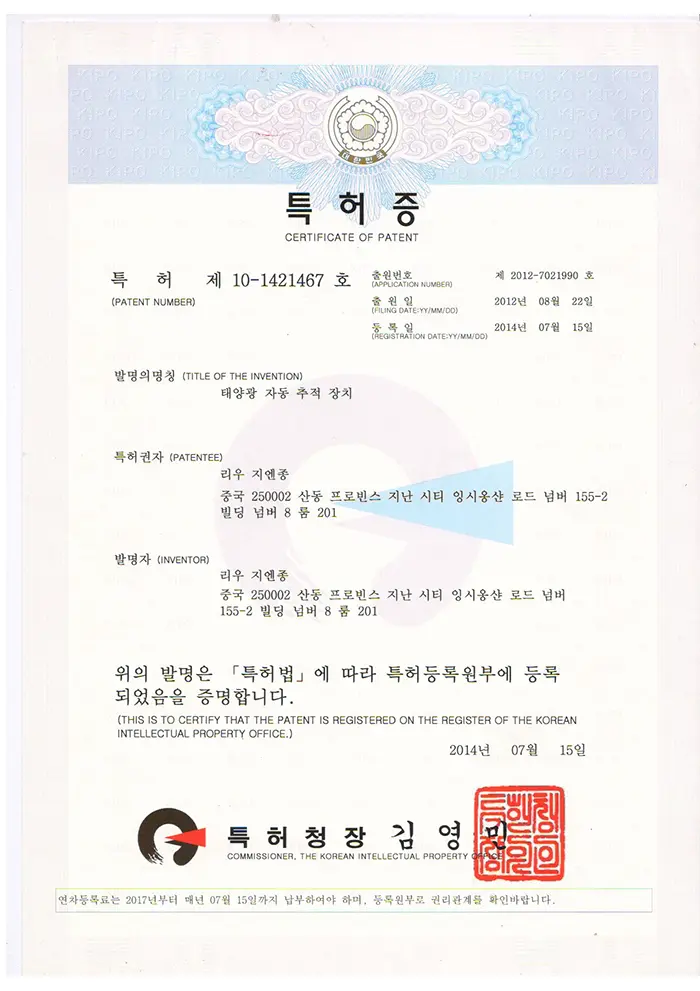
Our commitment to innovation is evidenced by our global patent portfolio, covering the EU, USA, Canada, Australia, Japan, Korea, and more. We hold 8 Chinese National Invention Patents and 30+ Utility model patents.
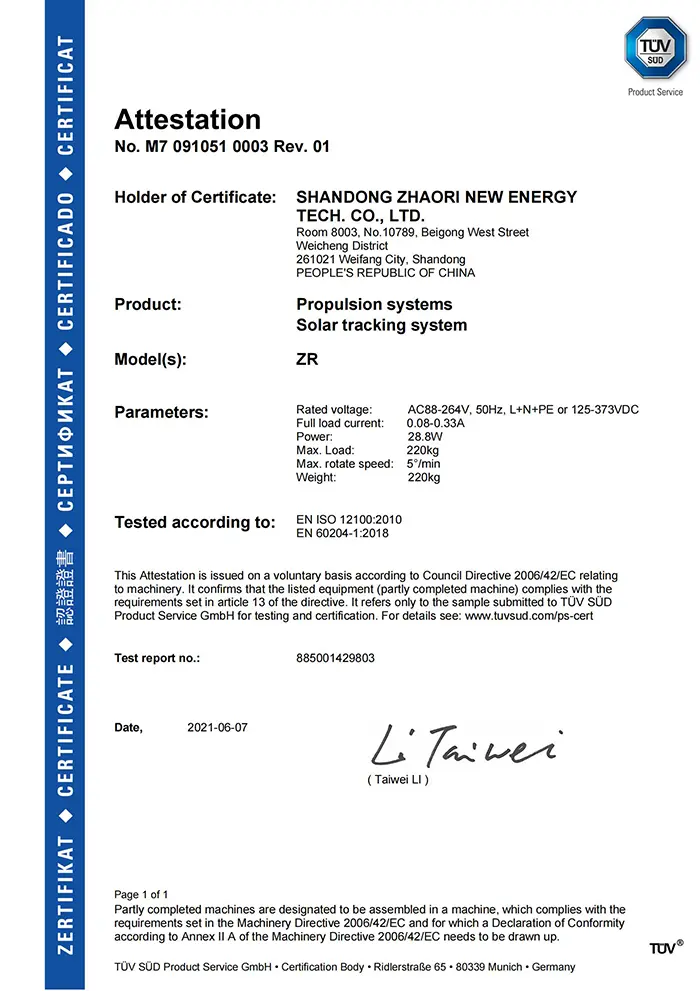
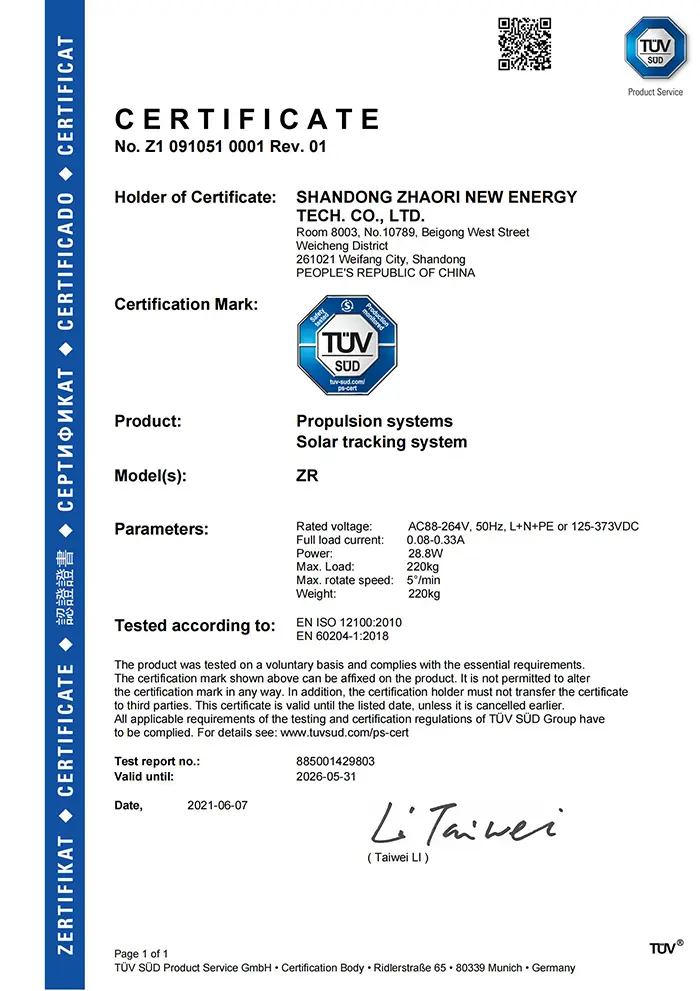
Certifications: TUV, CE, ISO. Principle: More simple, more reliable, and more effective.
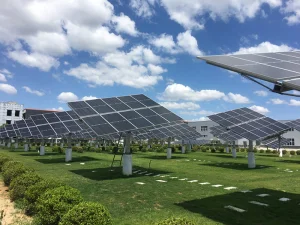
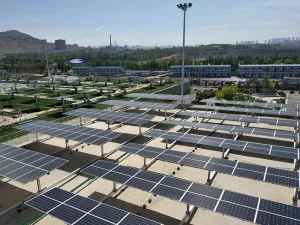
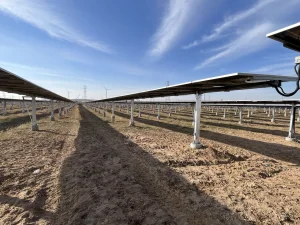
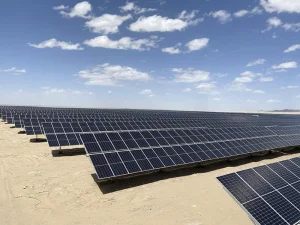
As the global energy landscape shifts toward decentralized and high-efficiency renewables, Dual Axis Solar Tracking Systems (DAST) have emerged as the gold standard for utility-scale and industrial projects. Unlike single-axis systems, dual-axis trackers follow the sun's trajectory across both the horizontal (azimuth) and vertical (elevation) planes, ensuring that solar panels maintain a 90-degree angle to the solar rays throughout the day.
Enterprise procurement departments are increasingly prioritizing Levelized Cost of Energy (LCOE) over initial capital expenditure (CAPEX). In regions with high Direct Normal Irradiance (DNI), such as the Middle East, North Africa, and the Southwestern United States, DAST can increase energy yield by up to 40% compared to fixed systems. This performance surplus directly correlates to faster ROI and higher Net Present Value (NPV) for power plant investors.
Procurement criteria are also evolving to include long-term mechanical reliability. Shandong Zhaori's systems are engineered to withstand extreme environmental stress, including high wind loads and heavy snow. The integration of "Smart Stowing" algorithms allows the trackers to automatically position themselves for minimum drag during storms, a critical feature for insurance compliance and risk mitigation in the utility sector.
Future iterations of our dual-axis trackers will utilize Machine Learning (ML) to optimize tracking under diffuse light conditions. On cloudy days, the system identifies the point of maximum irradiance rather than the sun's astronomical position, boosting output by an additional 3-5%.
Real-time data monitoring and predictive maintenance are becoming standard. Our ZRD series supports integrated sensors that transmit performance metrics to centralized SCADA systems, allowing for remote diagnostics and lowering O&M costs.
With the rise of bifacial modules, our trackers are being redesigned with high-clearance structures to maximize "albedo" light capture on the rear side of the panels, further pushing the boundaries of solar efficiency.
For large-scale grid contributions, our dual-axis trackers provide a "flat" production curve, delivering high energy output early in the morning and late in the afternoon. This aligns better with grid demand cycles compared to the bell curve of fixed systems.
Enterprises with limited rooftop or ground space benefit from DAST’s high energy density. By generating more kilowatt-hours per square meter, businesses can meet their carbon-neutrality targets with a smaller physical footprint.
Our dual-axis systems can be elevated to allow for agricultural machinery to pass beneath. This dual-use of land (food + energy) is a growing macro trend in Europe and East Asia, supported by government subsidies for sustainable land management.
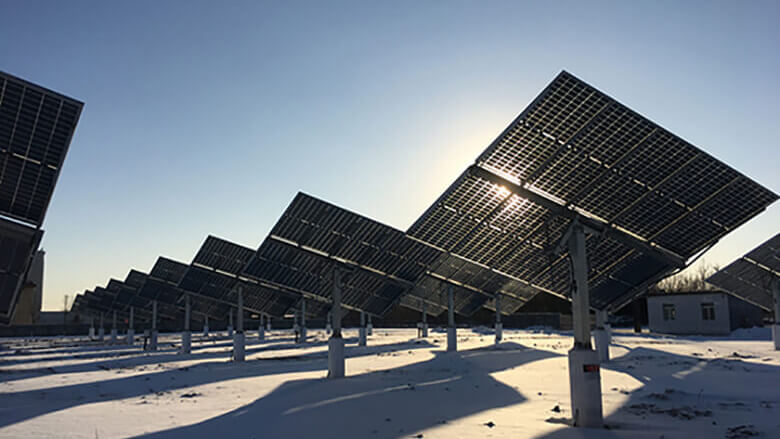
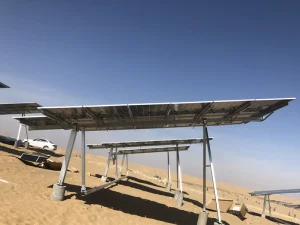
We strictly adhere to TUV, CE, and ISO 9001 standards. Each component is treated with hot-dip galvanization to prevent corrosion, ensuring reliability in salt-spray coastal environments and arid desert conditions.
Operations and Maintenance (O&M) are the backbone of tracker longevity. We provide customized maintenance schedules, spare parts kits, and on-site training for local engineering teams to ensure 99% uptime.
Our engineering team can adjust bracket designs to meet specific local building codes, such as high-velocity hurricane zones (HVHZ) or high-seismic activity areas, providing a truly localized solution.
A: A single-axis tracker only follows the sun from East to West. A dual-axis tracker adjusts for both the daily path and the seasonal changes in the sun's elevation. This results in a significantly higher total energy harvest, typically 15-20% higher than single-axis and up to 45% higher than fixed-tilt.
A: Our systems are designed for a 25-year service life. Maintenance is minimal, primarily involving biannual inspections of the drive motors and lubricant checks. The software handles most protective actions automatically.
A: Yes, our brackets are highly adjustable. They are compatible with 60-cell, 72-cell, and the newer large-format 182mm/210mm modules, as well as bifacial modules.
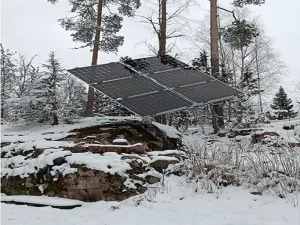
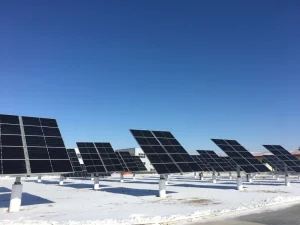
A: The trackers include integrated anemometers. When wind speeds exceed a safety threshold, the system automatically moves to a horizontal "stow" position. For snow, it can tilt to a steep angle to allow snow to shed naturally.
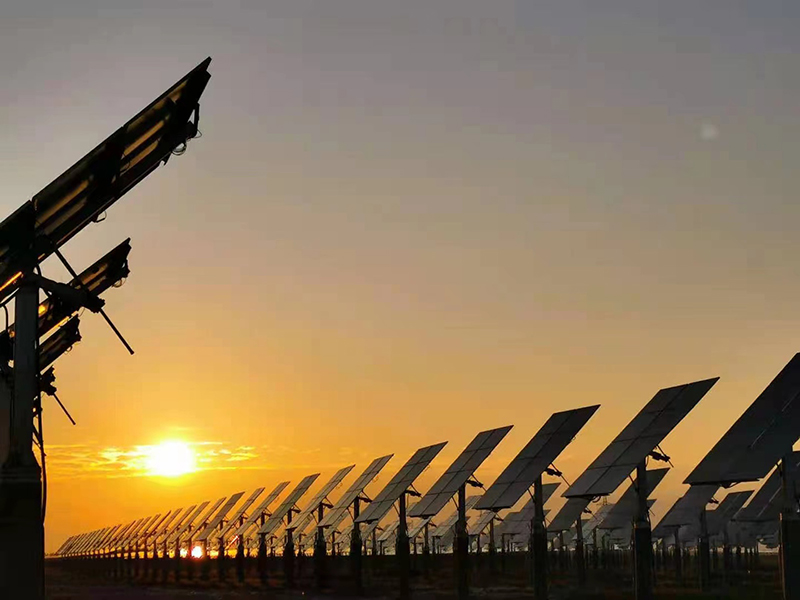
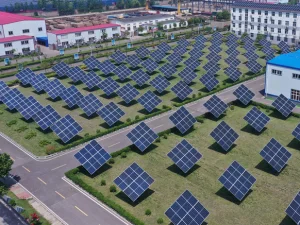
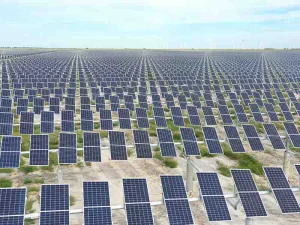
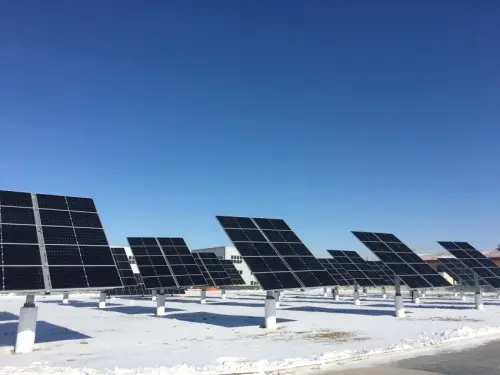
5MW in North China
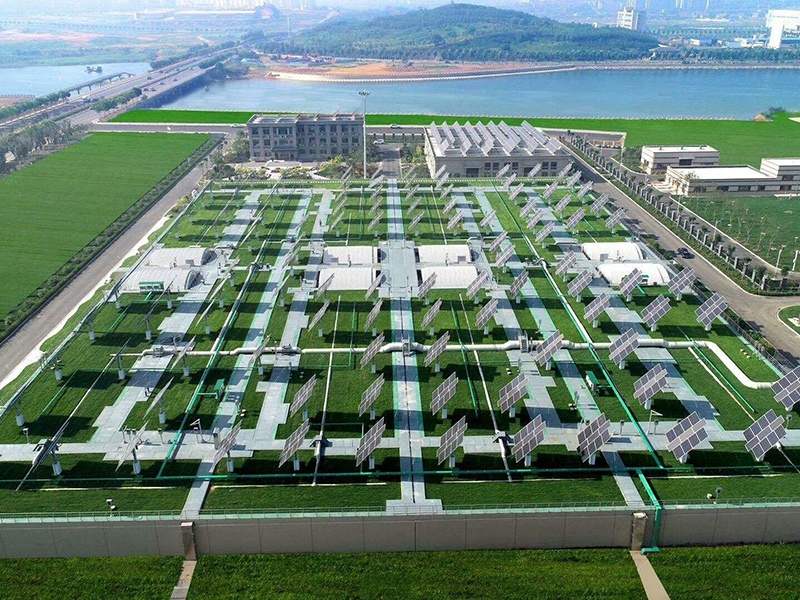
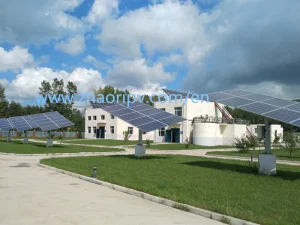
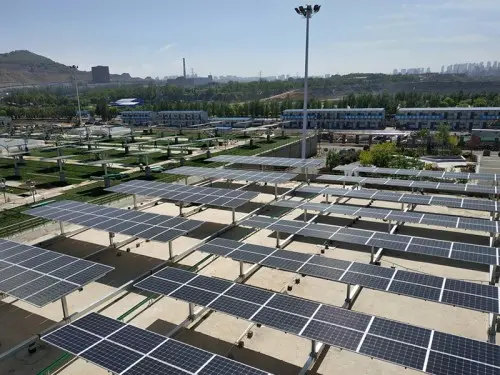
Factory Project
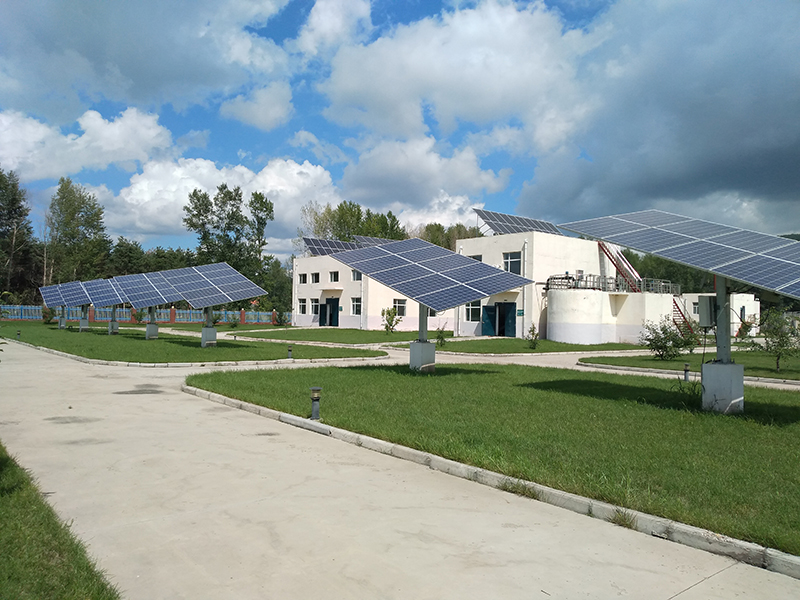
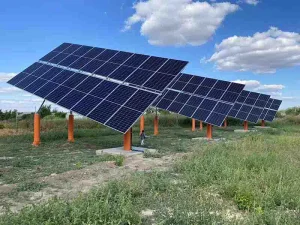
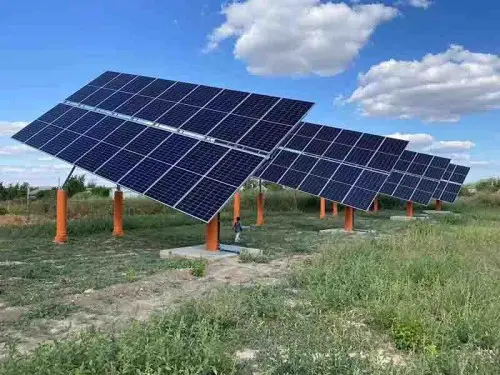
Green Belt Project
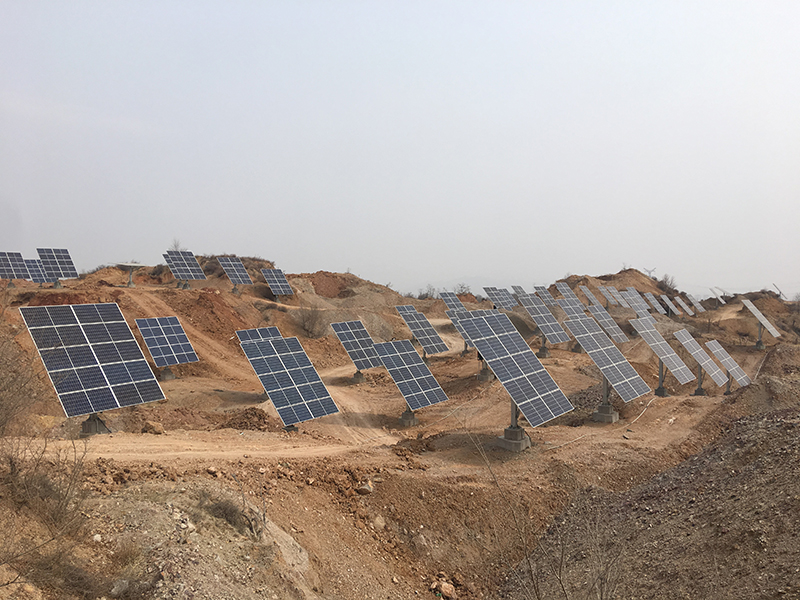
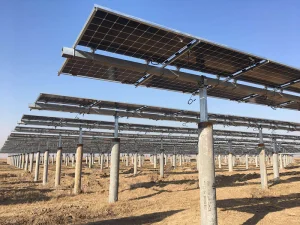
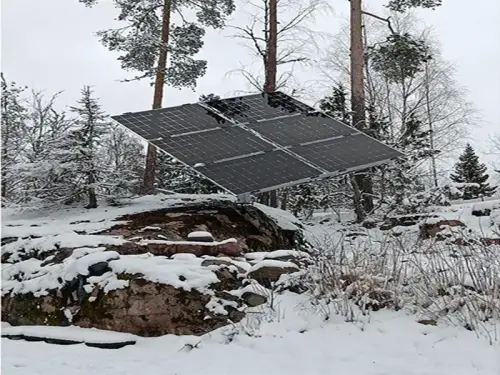
Mountain Project
 Zhaori