In the current global energy landscape, achieving the lowest Levelized Cost of Energy (LCOE) is critical. Dual-axis trackers provide up to 35-45% higher energy yield compared to fixed-tilt systems, significantly accelerating ROI for large-scale utility projects.
Unlike fixed systems that peak only at solar noon, 2-axis trackers maintain a flat production curve. This provides a more stable power supply to the grid, matching peak consumption periods in morning and evening hours.
Modern tracker factories are now integrating AI-driven backtracking algorithms. By using real-time sensors and weather data, trackers adjust to diffuse light conditions, further optimizing gain by 2-5% over standard astronomical tracking.
Shandong Zhaori New Energy Tech. Co., Ltd. is a high-tech and new energy company based on independent intellectual property rights. Founded in June 2012, we operate with 10 specialized departments including R&D, Technical, Engineering, and Quality Assurance.
With over 60 professional technology talents and a decade-long focus on solar tracking, we are pioneers in the PV sector.
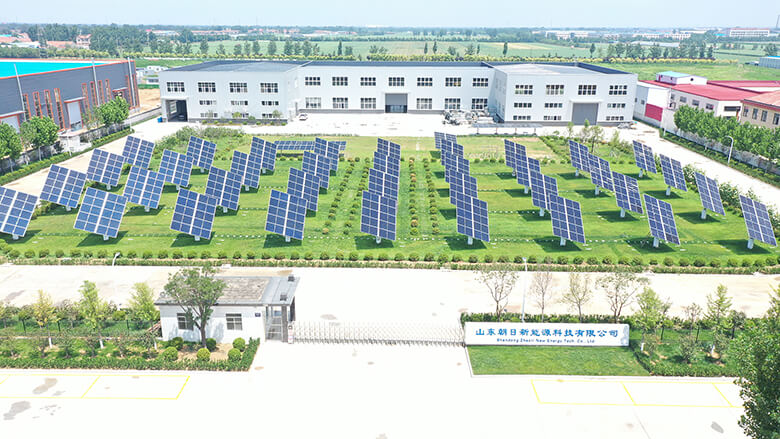
Our factory spans 50,000 square meters, equipped with CNC machine tools, laser cutting machines, and automatic welding robots. With over 300 workers, we maintain a monthly production capacity of 500MW.
Every product undergoes rigorous raw material screening, anti-rust treatment, and multi-level inspection according to ISO quality management certifications.
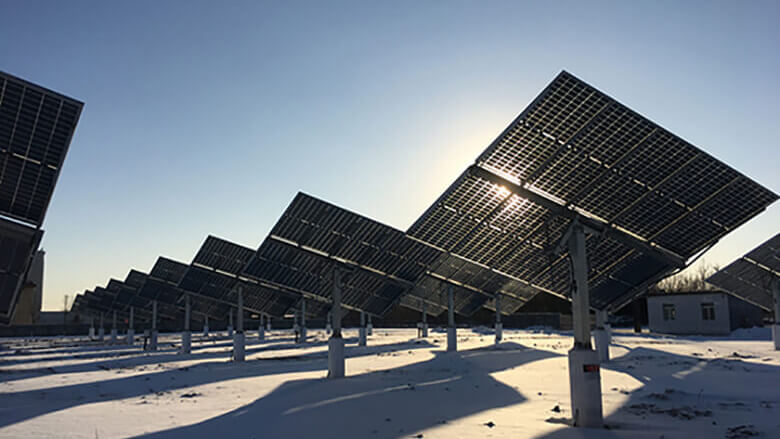
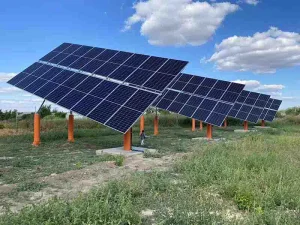
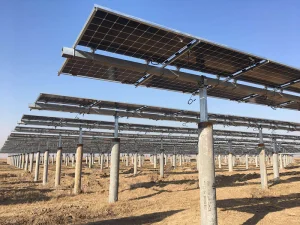
While single-axis trackers follow the sun east-to-west, our Dual-Axis systems adjust both the azimuth and altitude. This ensures the solar panels are always perpendicular to the sun's rays, eliminating cosine losses entirely.
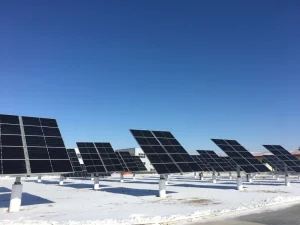
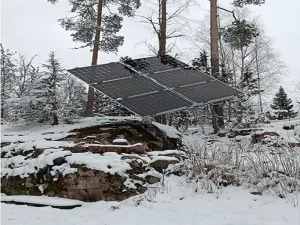
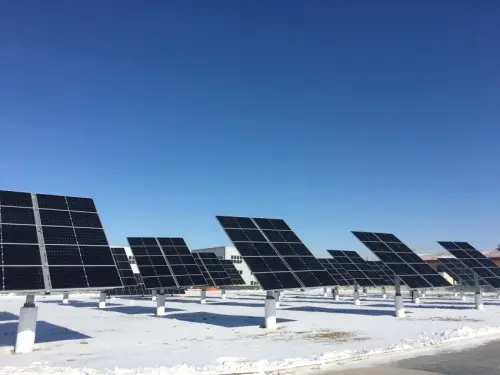
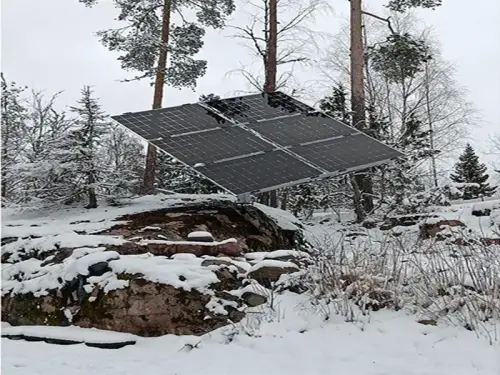
Engineered for extremes. Our systems feature "Storm Mode" which auto-flattens panels during high wind speeds (>25m/s) and "Snow Mode" to prevent structural loading. This is vital for projects in North China, Deserts, and Alpine regions.
Using self-lubricating bearings and IP66 rated electronics, our tracking systems are designed for a 25-year operational lifespan, matching the warranty of modern high-efficiency modules.
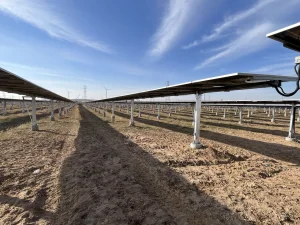
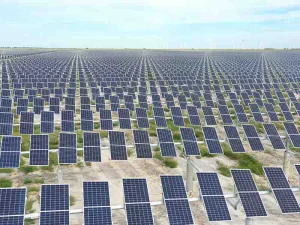
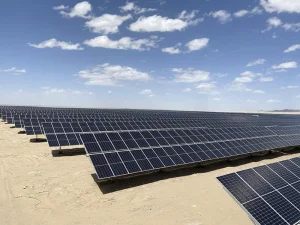
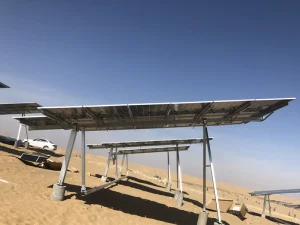
Optimized with dust-resistant sensors and sand-proof drive mechanisms. Our 20MW and 360MW projects in desert regions prove durability under high thermal stress.
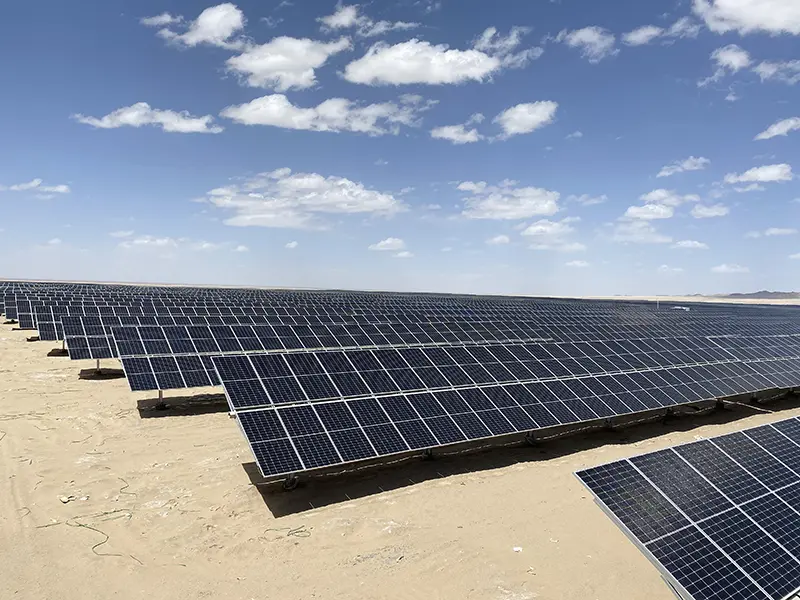
Dual-axis trackers require less land leveling than long-row single-axis systems, making them ideal for complex topographies where space is at a premium.
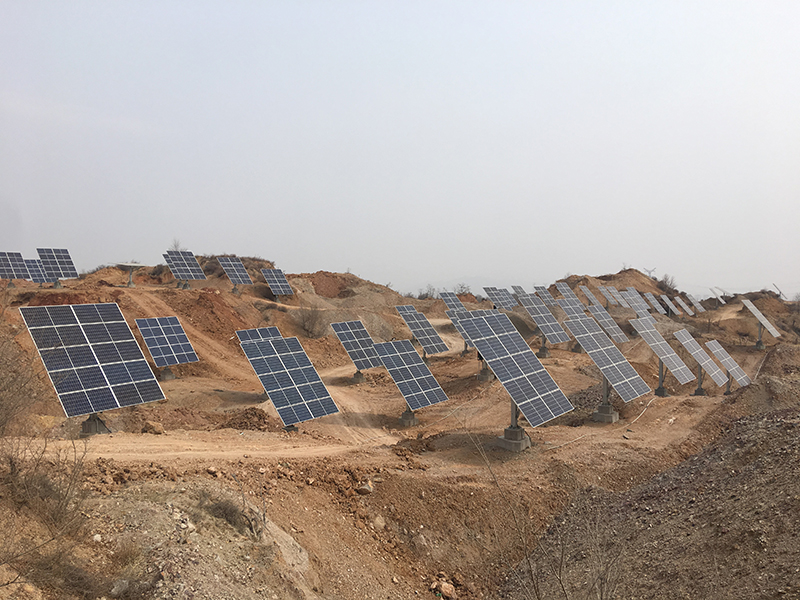
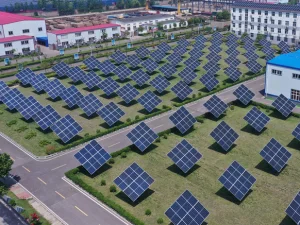
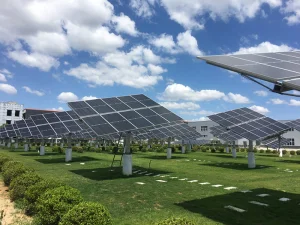
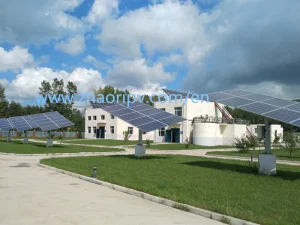
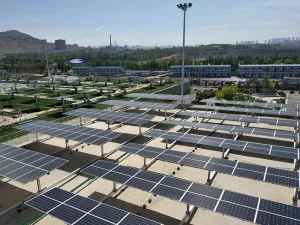
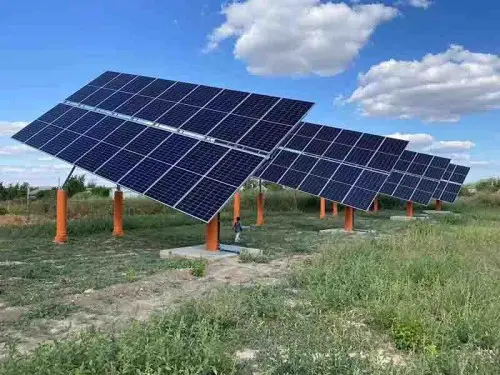
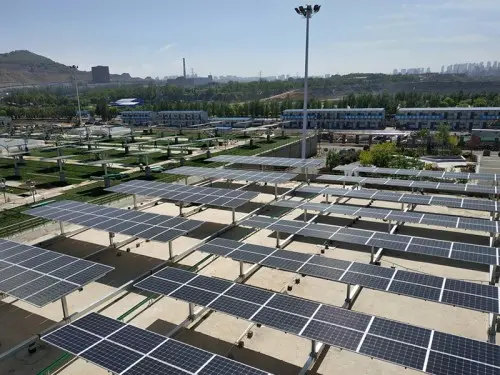
Small footprint 2-axis trackers like the ZRD-06/08 are perfect for "Solar + Agriculture" or factory green belts, maximizing energy per square meter.
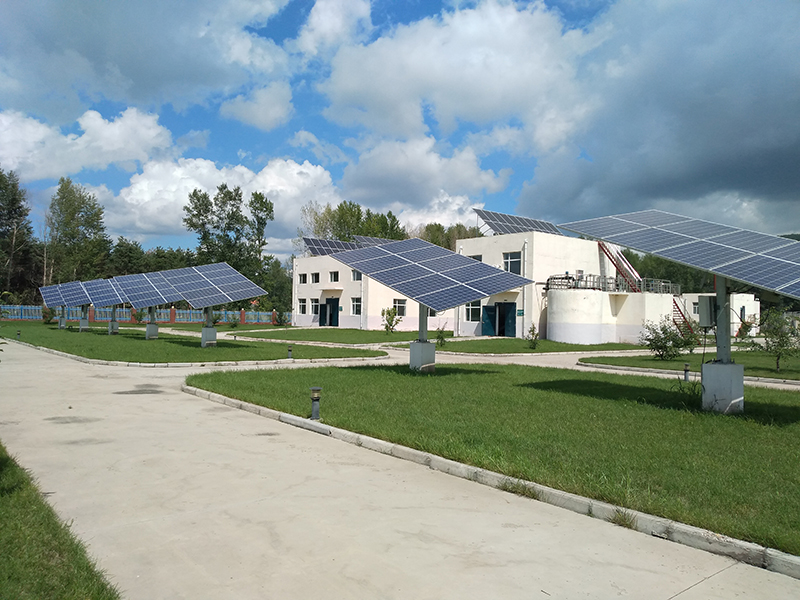
To ensure global bankability, our products meet the most stringent international standards. We provide full documentation for permit acquisition and grid connection.
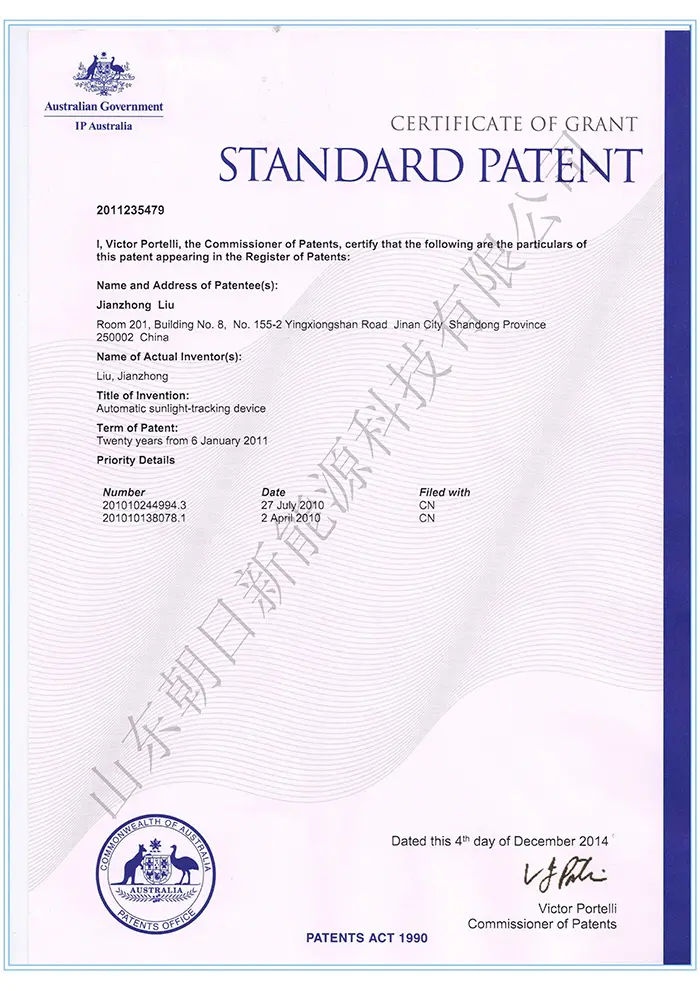
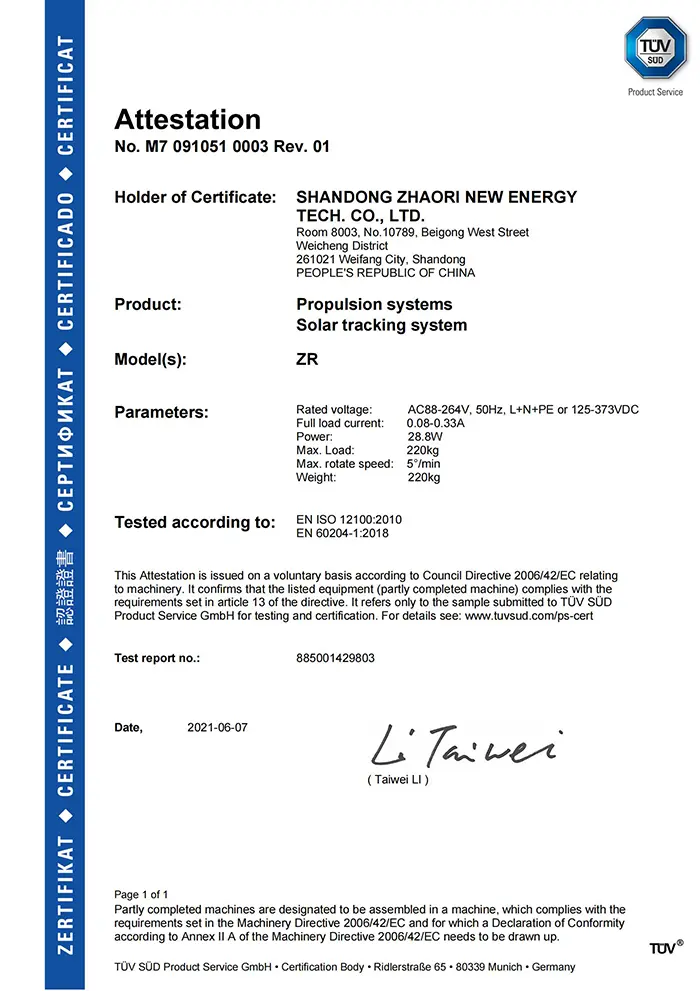
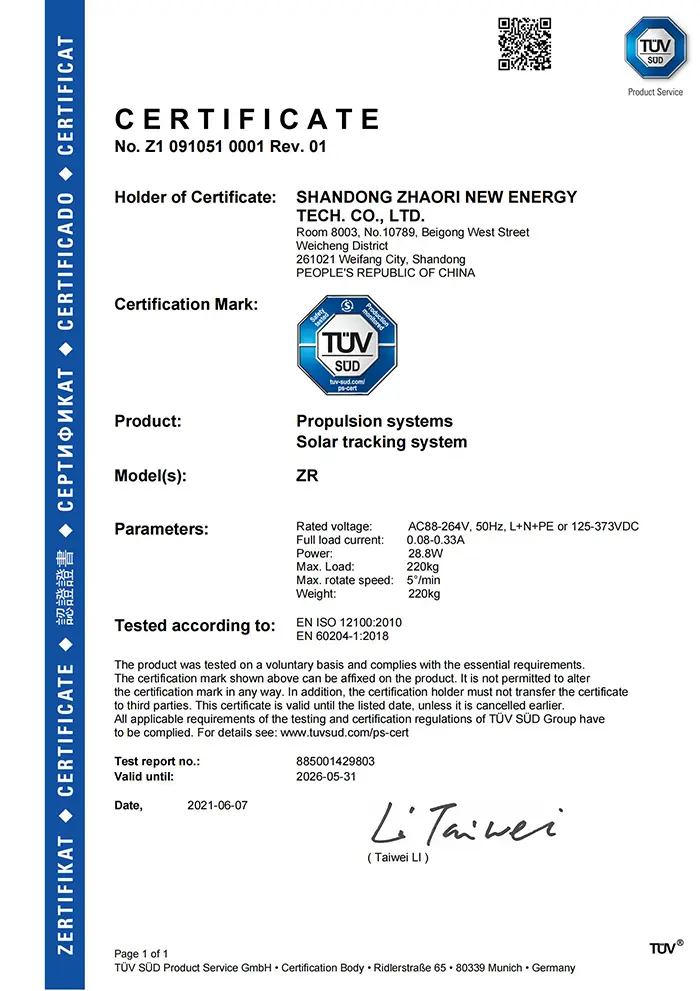
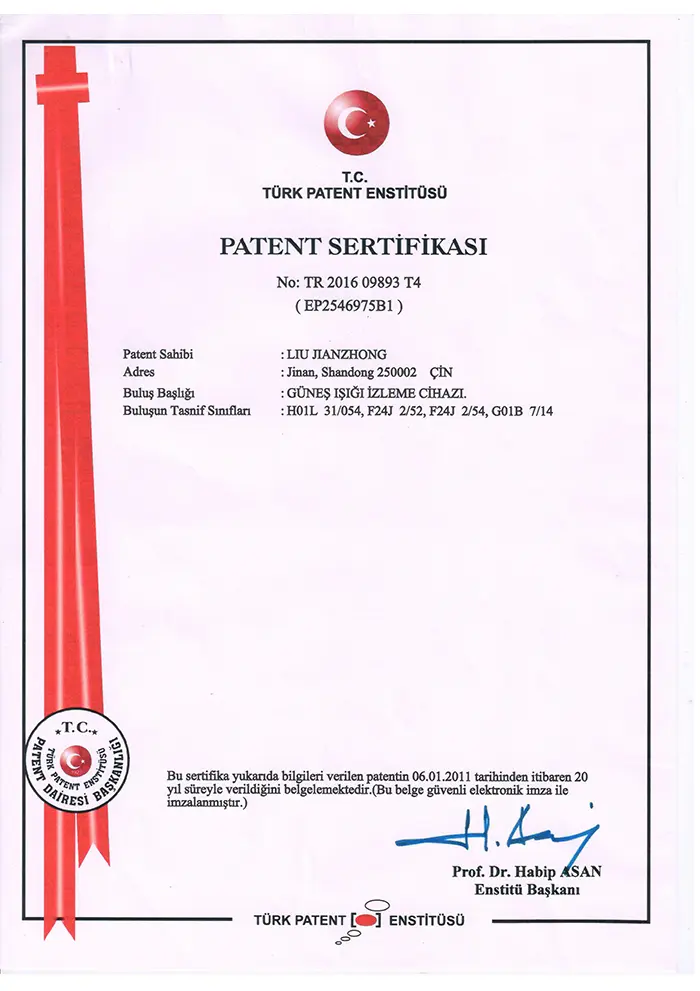
Certified by TUV, CE, ISO, and patented in USA, Canada, Australia, Japan, and the EU.
As solar cell efficiency approaches theoretical limits, the next frontier is tracking intelligence. Shandong Zhaori is currently developing next-generation trackers with integrated Machine Learning (ML) that can predict localized weather patterns and optimize angles for Bifacial-rear gain and cloud-edge effects. Our mission is to make every photon count, driving the global transition to a 100% renewable future.
 Zhaori