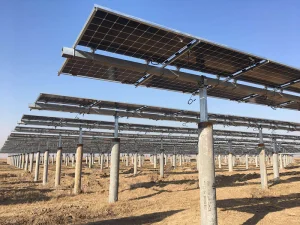
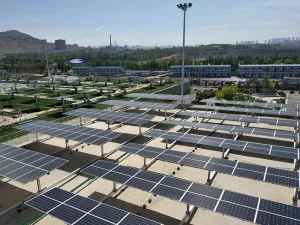
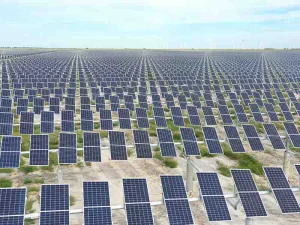
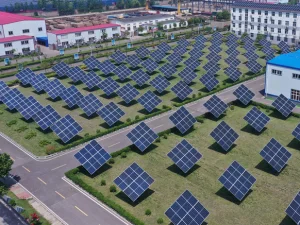
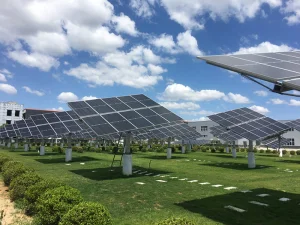
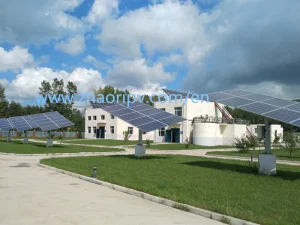
Engineered to deliver exceptional stability and power gain. Browse our leading selection of tracker models directly from our smart factory floor.
The global PV landscape is shifting towards maximized power density and intelligent land use. As sites with optimal solar radiation become scarcer and terrain challenges increase, Dual Axis (also search-semantic as Dual Access) Solar Trackers represent the zenith of solar harvesting technology. Unlike standard fixed arrays or single-axis configurations, dual-axis solar trackers orient modules on both the azimuth and altitude axes, tracking the sun’s complete path. This dynamic tracking pattern elevates total annual electricity yield by 35% to 40% compared to fixed-angle brackets.
Current developments are heavily focused on algorithm refinement. Modern systems incorporate closed-loop astronomic algorithms combined with real-time GPS tracking. Integration with local meteorological stations allows dual-axis systems to execute automated stow maneuvers under gale-force winds, reducing wind shear failure risks to near zero. Concurrently, the adoption of bifacial PV modules has triggered new requirements for ground albedo maximization. Smart backtracking algorithms actively adapt angles on cloudy days, converting scattered ambient light into useable generation rather than forcing tracking positions aimed at obscured solar discs.
Shandong Zhaori New Energy leverages proprietary software models that calculate optimum inclination based on physical topography. Our systems run on custom microcontrollers that optimize power efficiency and limit self-consumption. With precise tracking within 1 degree of error, our Dual Axis Systems extract every possible milliwatt from early dawn to late dusk, proving particularly cost-effective in areas with high grid tariff rates or space-restricted industrial properties.
Deciphering the strict requirements of utility-scale investors, EPCs, and international compliance bodies.
Global procurement teams demand systems validated by rigorous wind tunnel testing. Trackers must withstand survival wind speeds up to 60m/s. Our structures use hot-dip galvanized steel alongside robust slewing drives to deliver reliable structural safety under heavy loads.
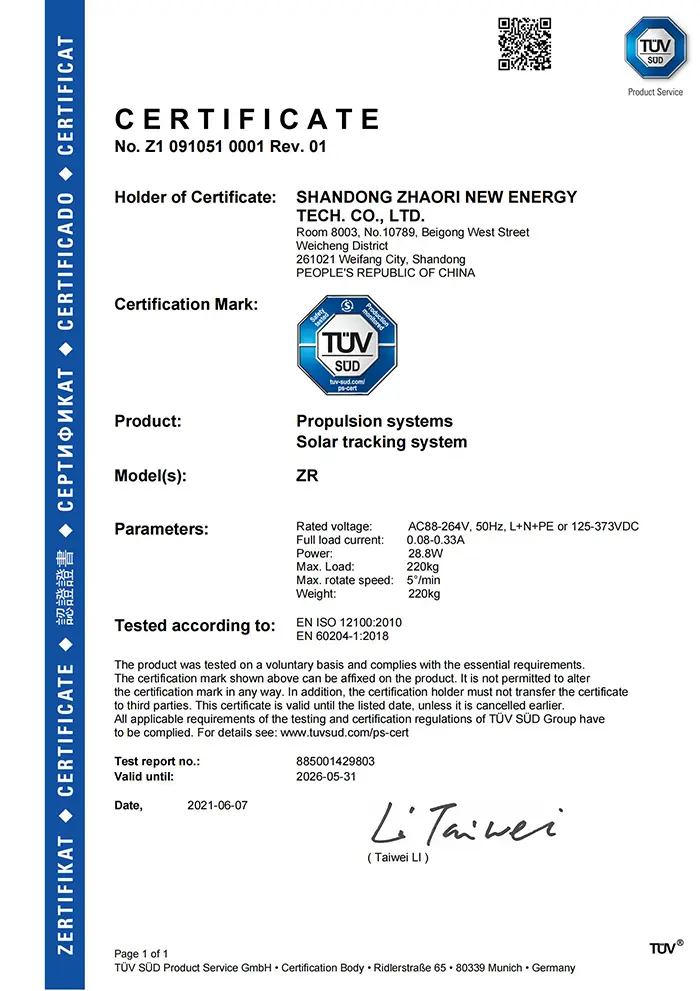
Securing project finance requires verified compliance. International standards including IEC 62817 (photovoltaic tracker design qualification), CE directives, and TÜV certifications are fundamental. Without these, bankability remains a significant bottleneck for developers.
Procurement departments closely evaluate the Levelized Cost of Energy (LCOE). Trackers with fewer moving components, self-lubricating bearings, and accessible component placements reduce O&M OPEX significantly over the standard 25-year operational window.
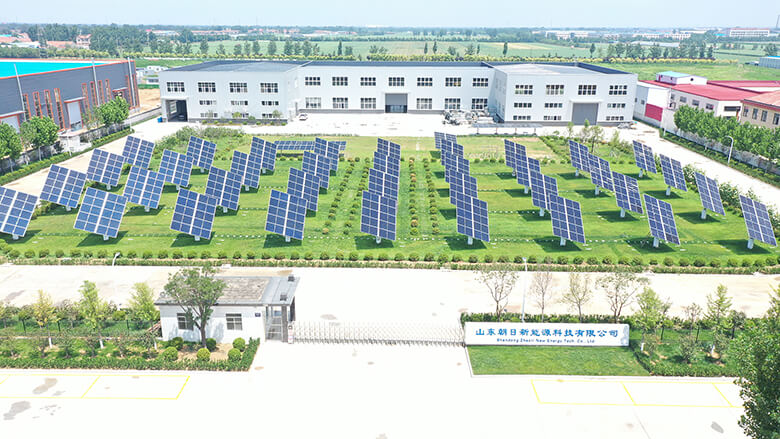
Our factory covers an area of 50,000 square meters, utilizing an advanced array of precision tooling machinery: CNC machine tools, automated laser cutting machines, high-accuracy welding robots, plasma cutters, and dozens of synchronized processing lines. Backed by more than 300 highly trained technicians, our monthly production capacity reaches 500MW, assuring supply-chain stability and rapid execution for mega projects.
By keeping core processes—raw material screening, cutting, welding, shaping, anti-rust processing, hot-dip galvanization, final inspection, and packaging—in-house, we eliminate outsourced delays and quality variations. Operating under ISO 9001, ISO 14001, and OHSAS 18001 certifications, Shandong Zhaori maintains strict traceability on every batch, ensuring compliance with demanding international standards.
Located near key steel production hubs and shipping terminals, we capitalize on integrated logistics to bypass global supply bottlenecks, delivering trackers to European, American, Middle Eastern, and Southeast Asian ports with minimal delays.
No two tracking environments are identical. Our specialized structures adjust dynamically to diverse regional topographies and conditions.
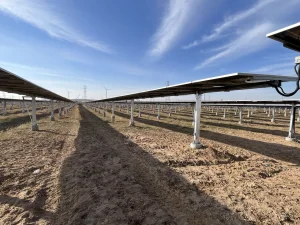
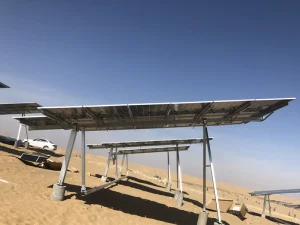
Desert arrays offer high direct irradiation but subject trackers to abrasive sandstorms and high temperature swings. Our dual-axis drives employ sealed slewing gears rated at IP65/IP66 to prevent particulate ingress, paired with smart self-cleaning angles to clean dust off module faces naturally.
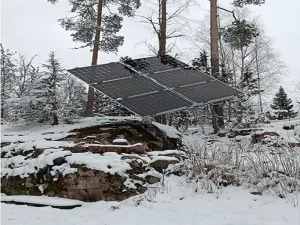
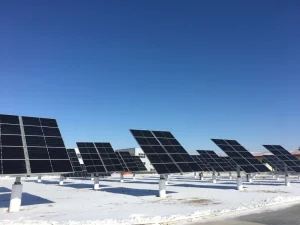
Snow accumulation on panels can block generation and overload steel supports. Zhaori's tracking systems integrate automatic snow shedding angles (tilting up to 75 degrees) to shed snow loads instantly. Our dual-axis drives also adapt easily to complex mountain contours with minimal grading.
For coastal and agricultural applications, tracking structures must resist chemical and moisture corrosion. We protect our structural framing with high-thickness hot-dip galvanizing (HDG) exceeding 85 microns, providing C4/C5 corrosion class resistance for long-term survival in damp conditions.
Shandong Zhaori New Energy Tech. Co., Ltd. is a high-tech new energy company focused on independent intellectual property rights and advanced tracking engineering. Founded in June 2012, we have expanded to include 10 specialized departments: R&D, Technical, Engineering, Production, Quality Assurance, Development, Foreign Trade, Domestic Trade, and I.M.D.
Our team counts more than 60 professional technology and engineering specialists, with over a decade of dedication to photovoltaic tracker development. We prioritize simplicity, reliability, and cost-efficiency to ensure stable performance over 25+ year lifespans.
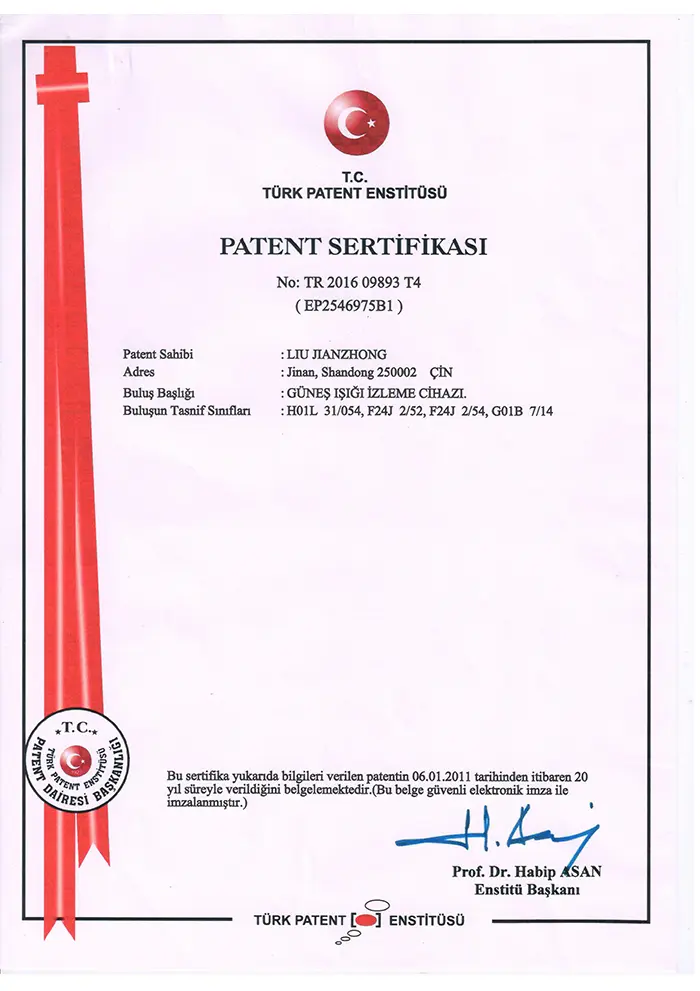
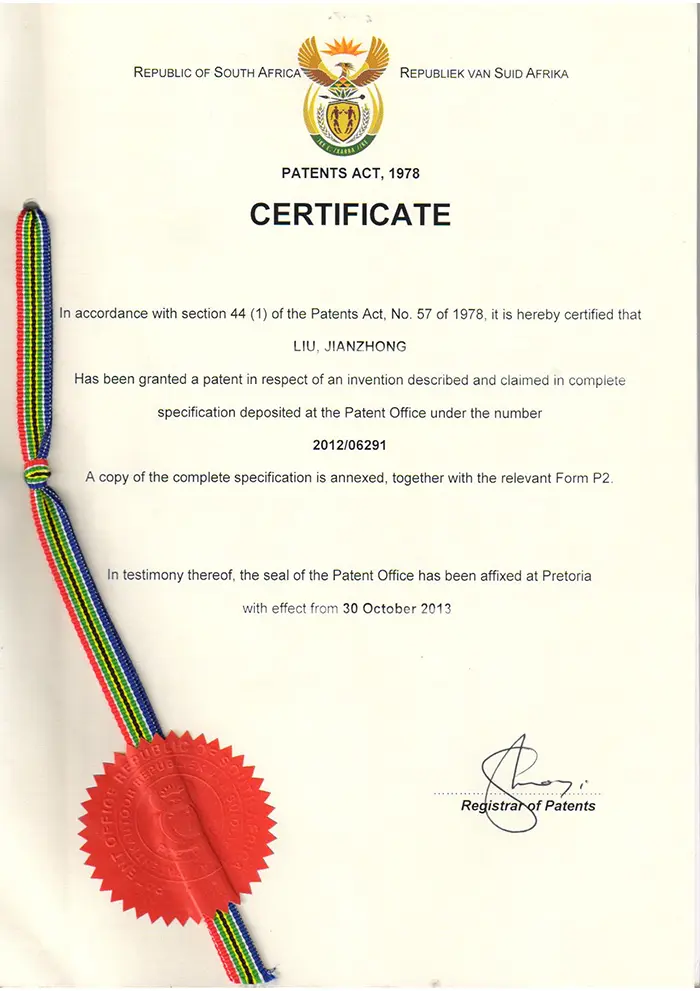
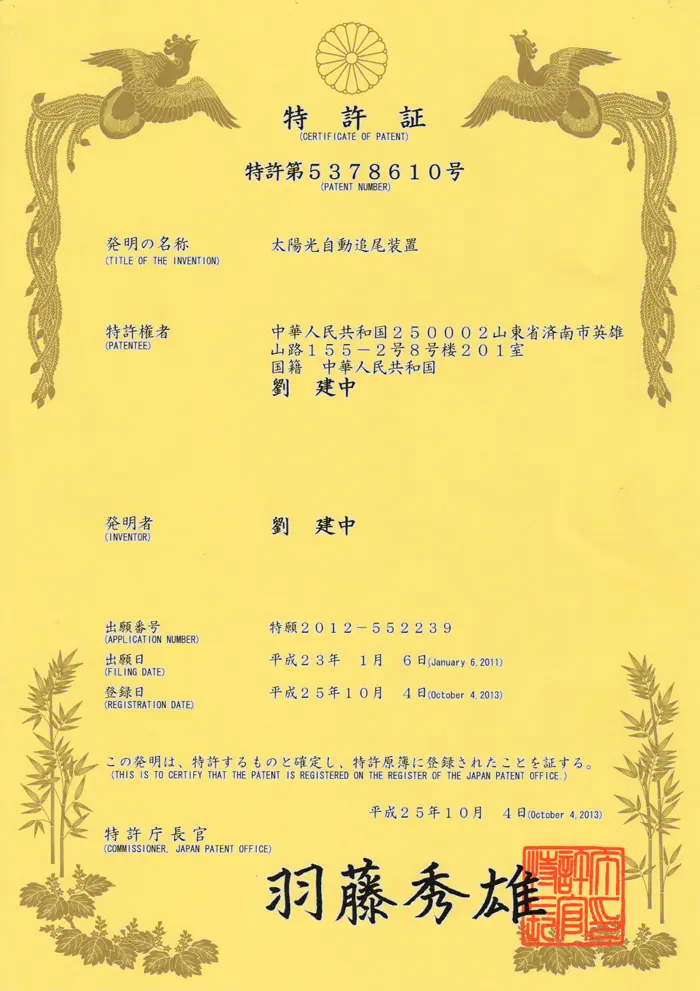
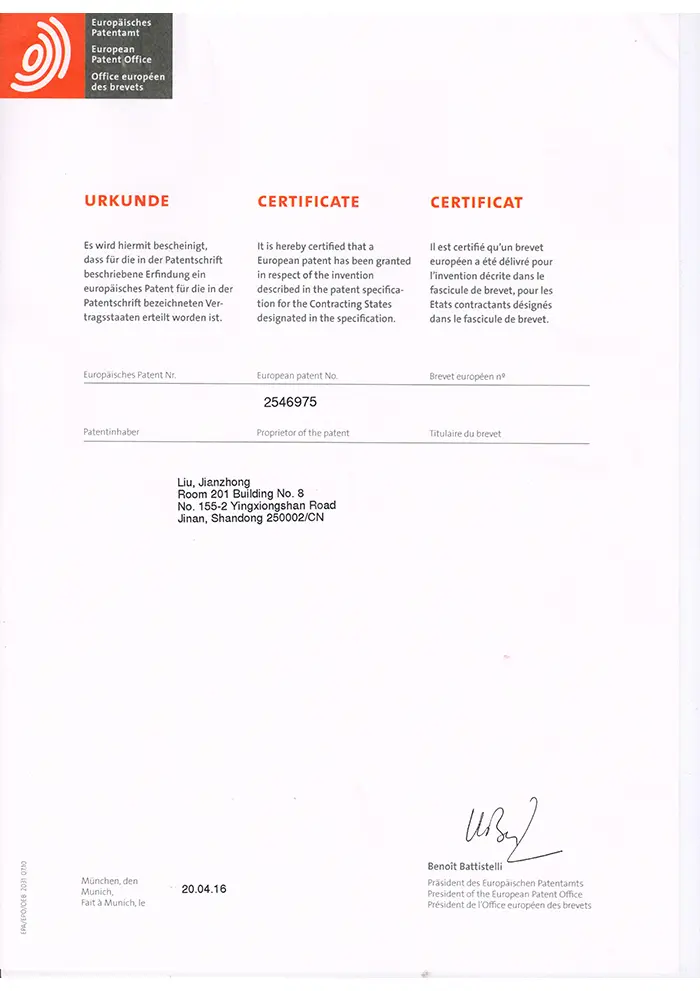
Our product innovations are protected by patents from the European Patent Office, the United States, Canada, Australia, Japan, South Korea, Thailand, India, Brazil, and South Africa, alongside 8 Chinese National Invention Patents and more than 30 Utility Model Patents. With TUV, CE, and ISO approvals, our equipment is built to perform in challenging environments worldwide.
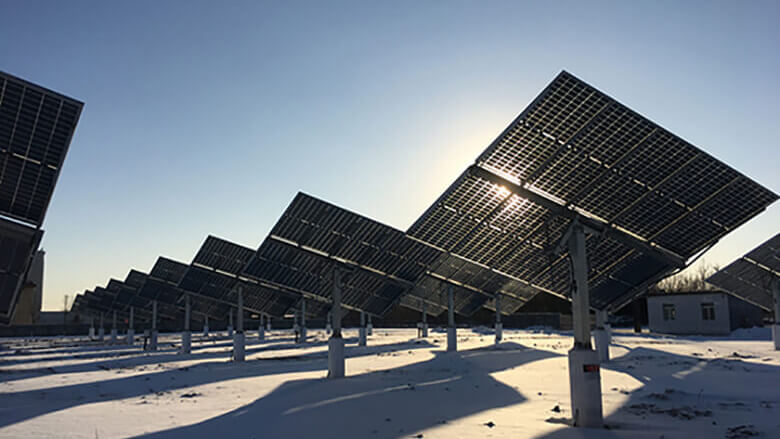
Explore real-world operational sites utilizing our single-axis, dual-axis, and fixed-tilt solar tracking systems.
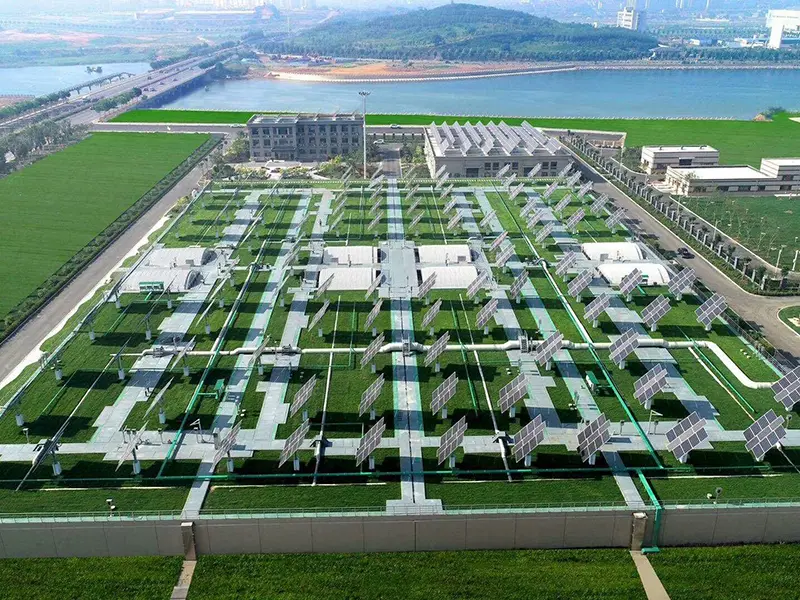
High-efficiency roof integration
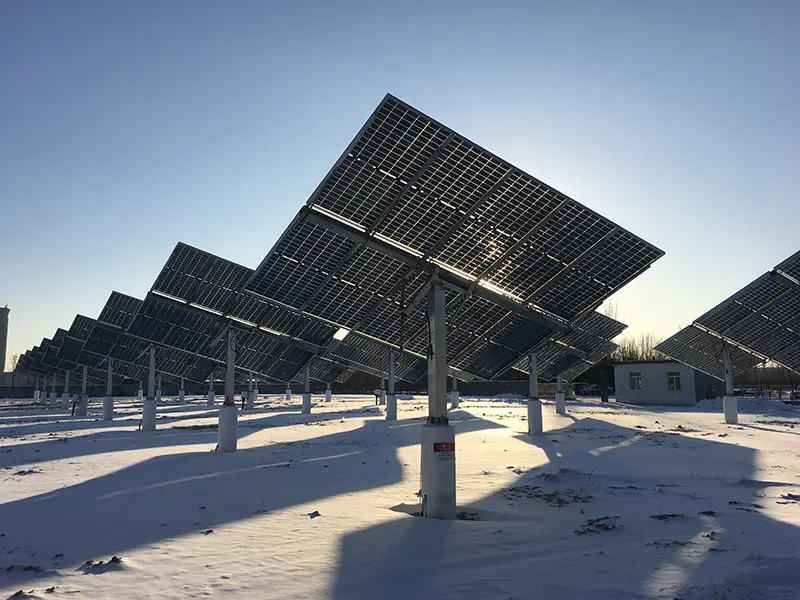
Active tracking in sub-zero zones
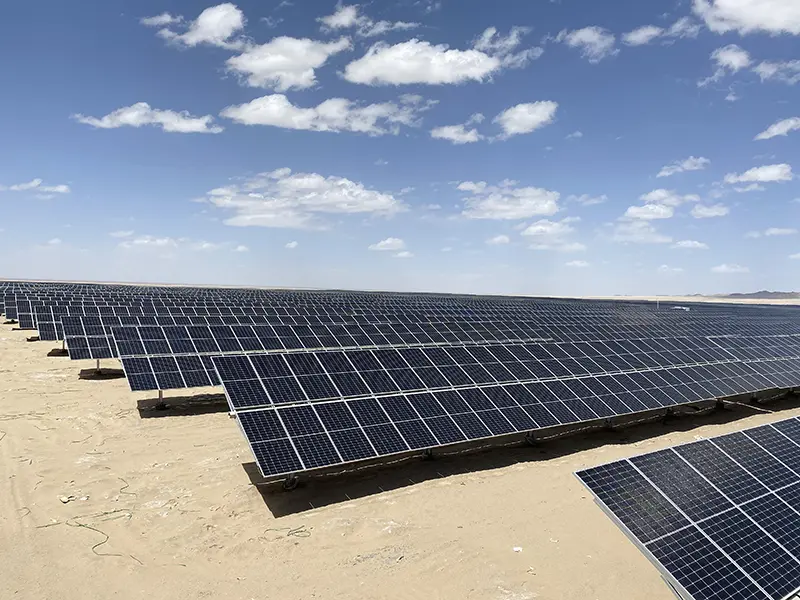
Engineered for high wind and dust levels
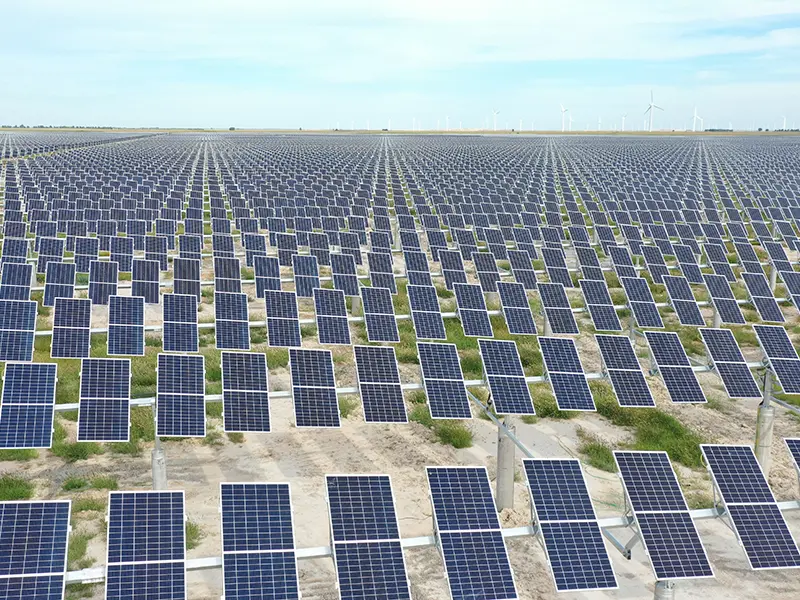
Inclined module configuration
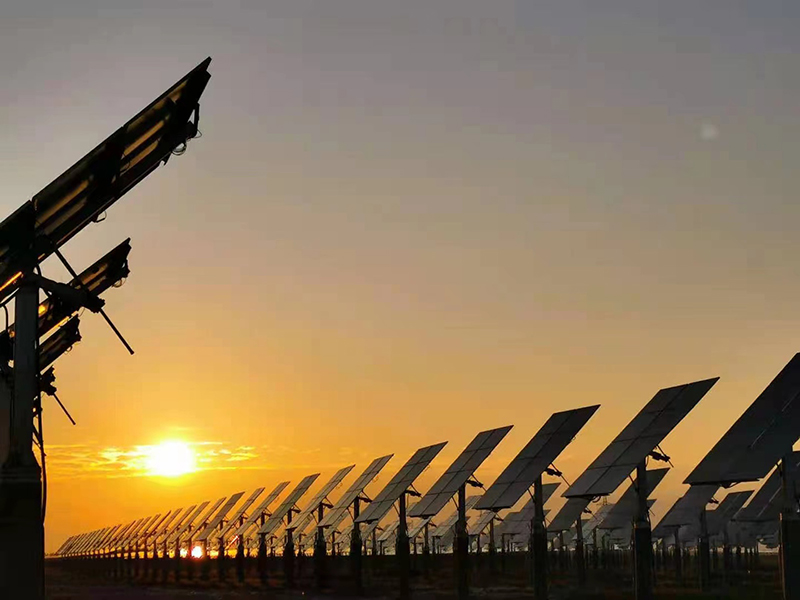
North China grid connection
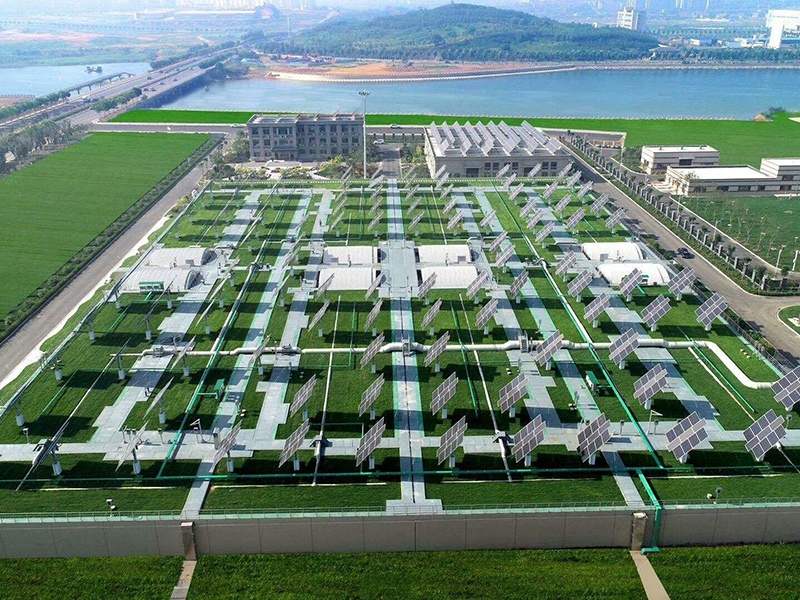
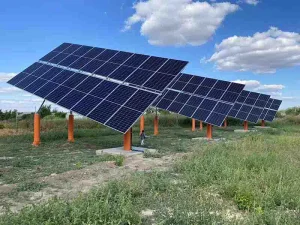
High-yield dual axis application
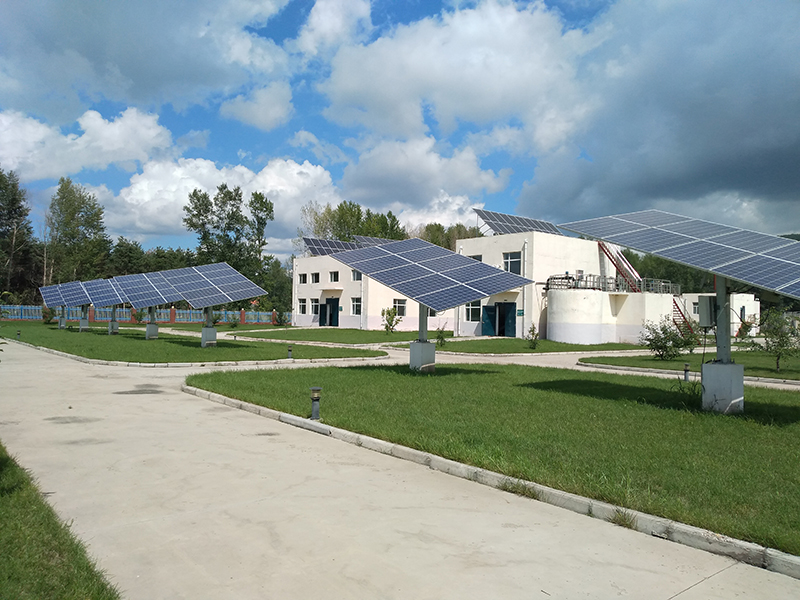
Optimized land use arrays
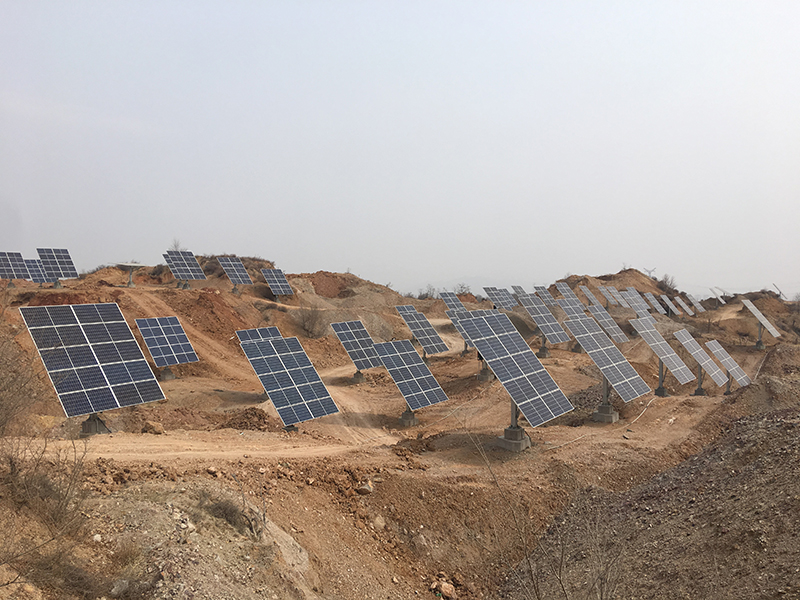
Conforming to complex terrain elevations
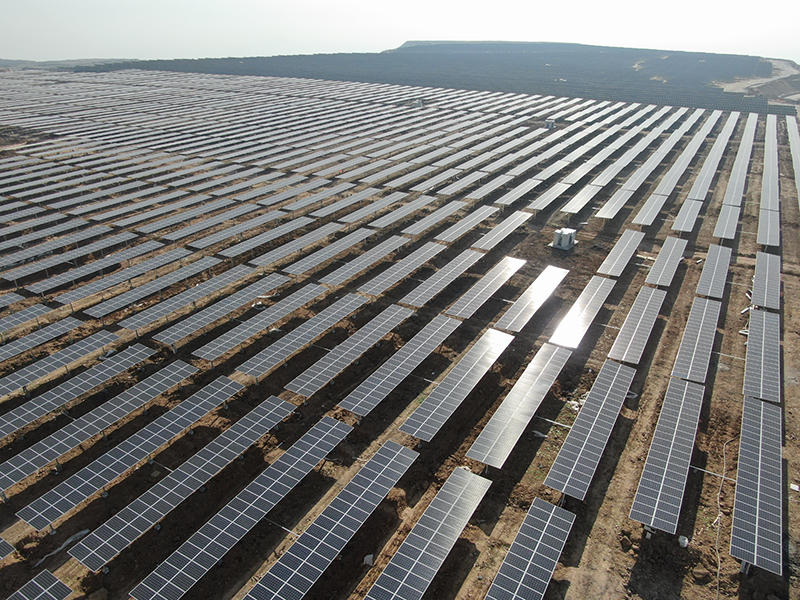
Central China agricultural layout
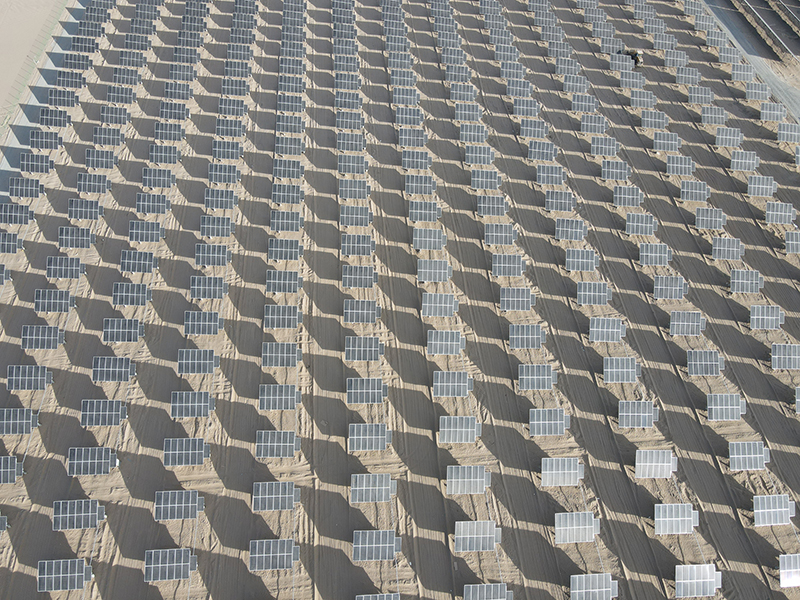
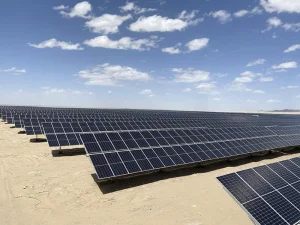
Sand-resilient array installation
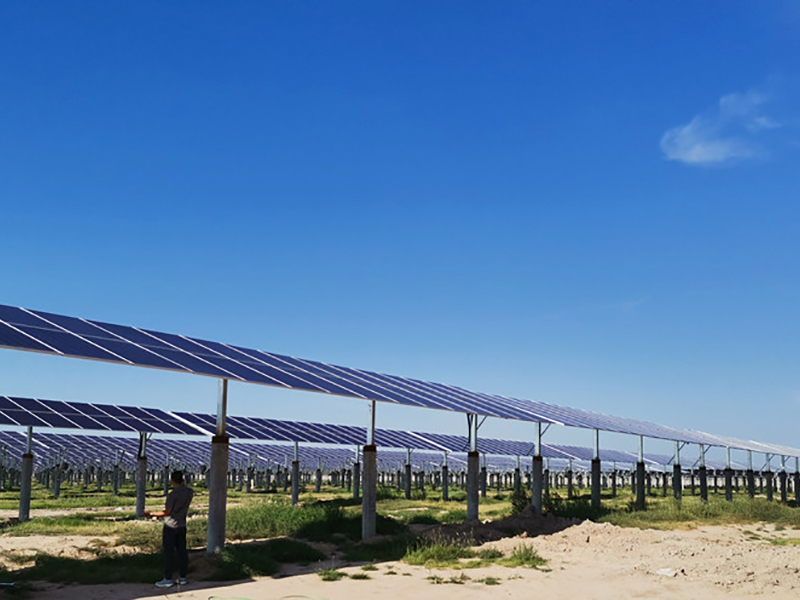
Utility scale performance bracket
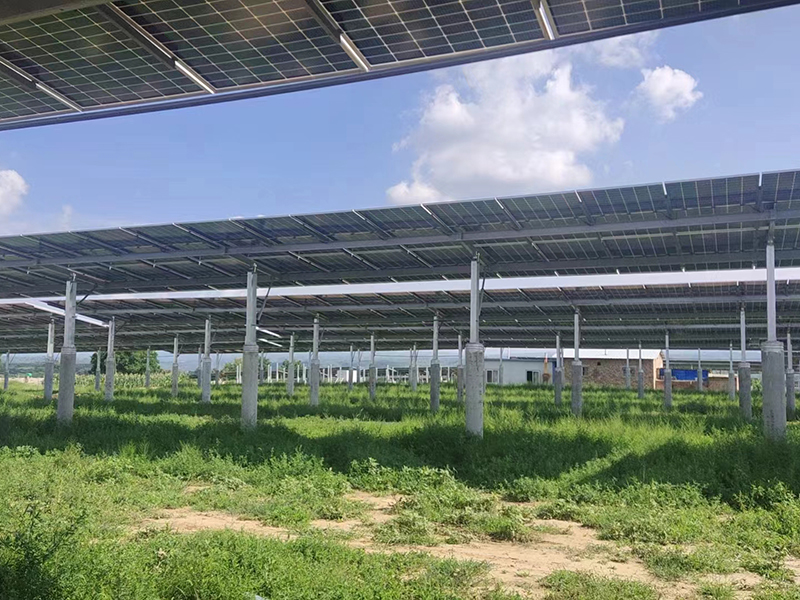
High-yield flat single axis tracker
Tested and verified by global authorities to ensure compliance with major utility and safety standards.
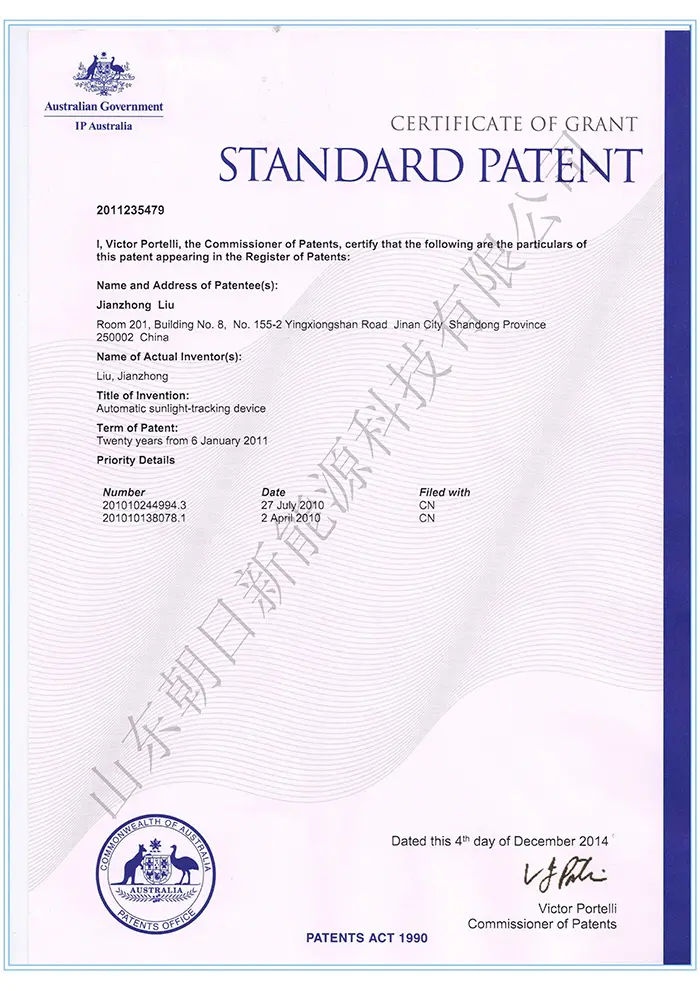
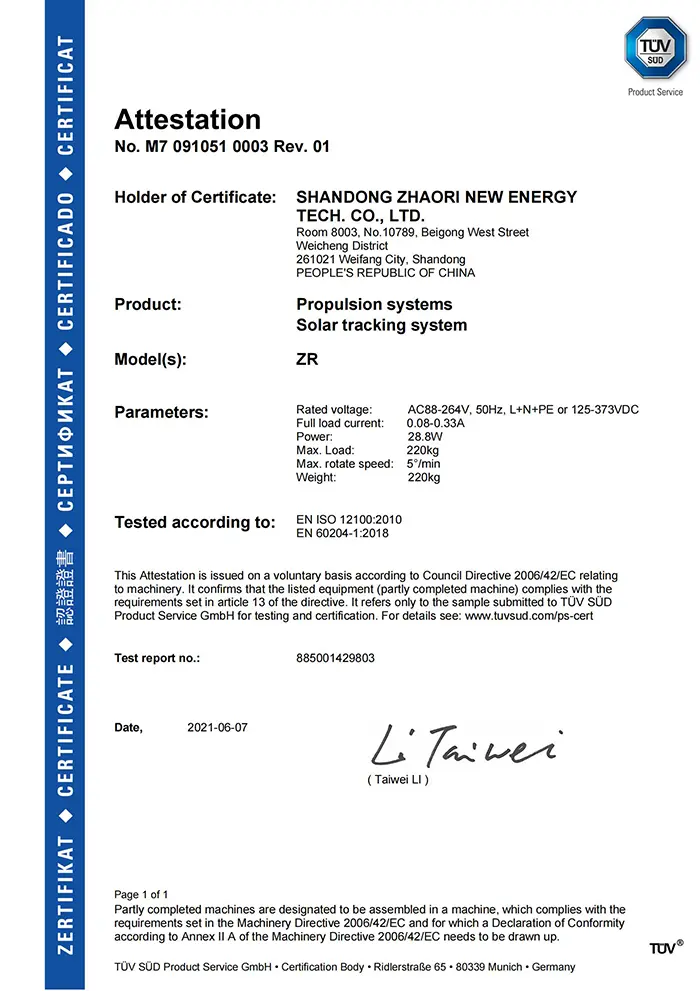

Technical details to assist engineering and procurement teams during the evaluation process.
A: A Dual Axis system tracks both the sun's elevation and azimuth angles. This two-way movement ensures the solar panel faces the solar beam directly at all times. Typically, this configuration delivers a 35% to 40% increase in energy production over fixed arrays, and a 15% to 20% gain over single-axis configurations, depending on the latitude and local weather profile.
A: Our systems integrate an automatic meteorological tracking program. When local sensors detect wind speeds exceeding pre-set safety thresholds (e.g., 20-24 m/s), the controller shifts the array into a horizontal stow position to minimize wind resistance. For snow zones, the system can pivot to a steep angle (up to 75°) to dump accumulated snow, protecting the structure from load stress.
A: Our tracking systems have obtained CE and TÜV Rheinland certifications, and align with ISO 9001 and ISO 14001 standards. We hold patent protections in the USA, Europe, Canada, Australia, Japan, South Korea, India, and South Africa, alongside 8 Chinese National Invention Patents.
A: The structural steel framework is hot-dip galvanized and designed for a 25-year operational life. Electrical actuators and slewing drives are sealed and pre-lubricated. O&M cycles require standard visual checks and hardware tightness verifications twice a year, keeping operational overhead low.
A: Yes, our dual-axis trackers work efficiently with bifacial solar panels. The elevation of the structure avoids shading the rear side of the modules, allowing developers to capture reflected albedo radiation from the ground and maximize energy gains.
Select from our certified list of solar trackers for your project. Contact our engineering office for custom structural design services.
 Zhaori