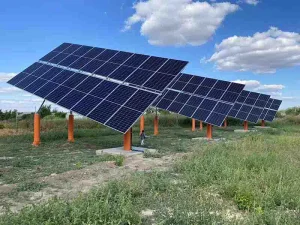
As the global energy landscape pivots towards Net Zero, the efficiency of photovoltaic (PV) systems has become the critical determinant of project bankability. While traditional fixed-tilt systems offer a baseline, the High-Quality Dual Axis Solar Power Tracker System represents the pinnacle of solar engineering. By tracking the sun across both the horizontal (azimuth) and vertical (altitude) axes, these systems ensure that the solar modules remain perpendicular to the sun's rays throughout the day, maximizing Direct Normal Irradiance (DNI) absorption.
Industry data suggests that dual-axis tracking can increase energy yield by up to 35% to 45% compared to fixed systems, significantly lowering the Levelized Cost of Energy (LCOE). This white paper explores how Shandong Zhaori New Energy Tech. Co., Ltd. is leading this transformation through proprietary technology and 10+ years of R&D expertise.
Utility-scale projects in high-latitude regions and areas with high diffuse radiation are increasingly specifying dual-axis systems. Procurement officers now prioritize total lifecycle value over initial CAPEX, recognizing that the performance gain of a dual-axis tracker offsets the mounting costs within the first few years of operation.
Modern solar farms are no longer just clusters of panels; they are integrated IoT ecosystems. Our macro solutions include Astronomical Algorithms combined with DNI Sensors to ensure precision even on cloudy days, preventing the "backtracking" energy loss common in inferior systems.
With certifications from TUV, CE, and ISO, and patents in the US, EU, Canada, and Australia, we provide localized technical support that meets stringent regional building codes and wind load requirements (up to 50m/s survival speed).
Shandong Zhaori New Energy Tech. Co., Ltd. is a high-tech and new energy company based on independent intellectual property rights. Founded in June 2012, we have built a robust organizational structure comprising 10 specialized departments including R&D, Technical, Quality Assurance, and Foreign Trade. Our team consists of over 60 professional technology talented employees who have focused on photovoltaic power stations and solar tracking technology for more than a decade.
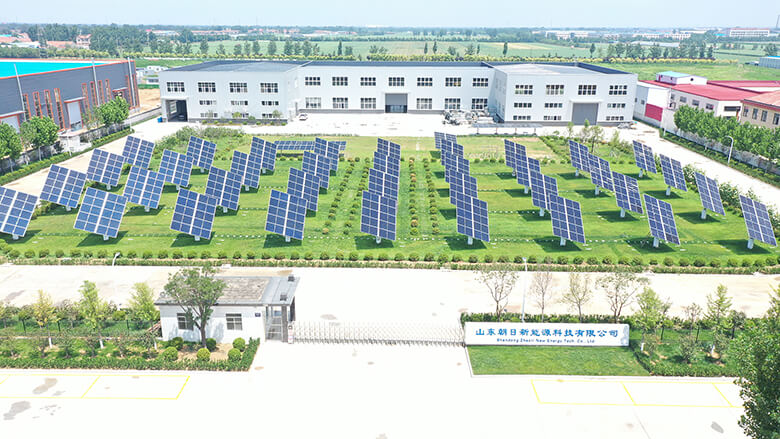
Factory Area
500MWMonthly Production Capacity
300+Skilled Production Workers
Our factory is equipped with advanced CNC machine tools, laser cutting machines, and automatic welding robots. We maintain strict quality control from raw material screening to post-processing, ensuring every unit meets the "Simple, Reliable, Effective" principle that defines our brand.
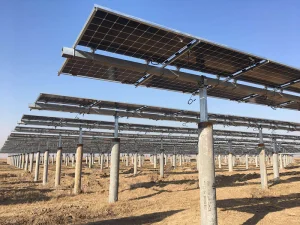
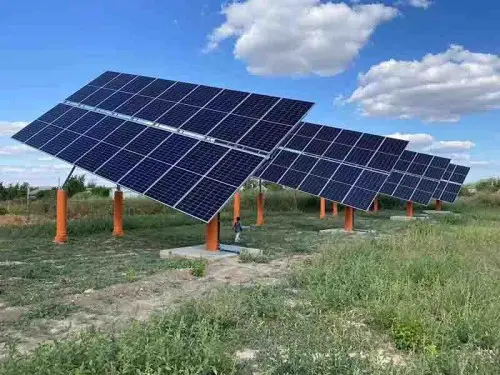
The ZRD series (ZRD-06, ZRD-08, ZRD-10) utilizes dual-axis tracking to eliminate the cosine effect. It features:
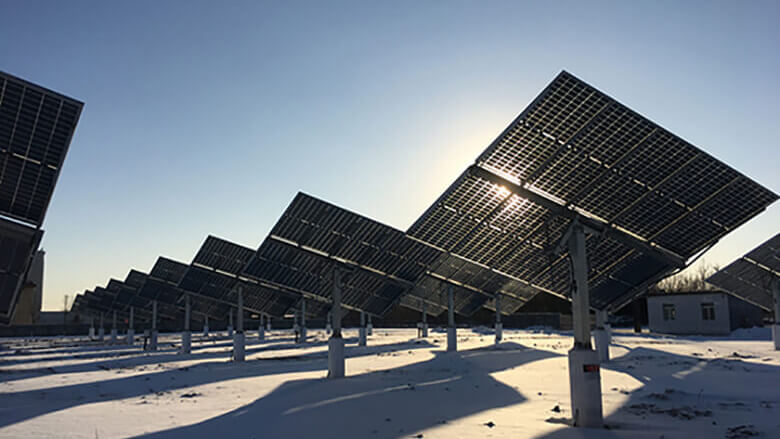
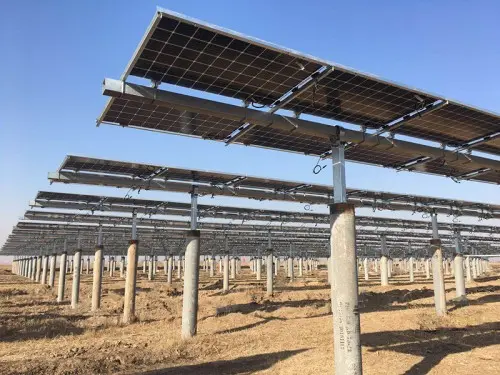
For projects where terrain or budget necessitates a different approach, our ZRT Tilted Single Axis and ZRP Flat Single Axis systems provide 15% to 30% gains. These systems are optimized for 1P or 2P configurations, providing the best structural stability in the industry.
Our roadmap includes the integration of Machine Learning (ML) to predict cloud cover and adjust tracking angles to capture maximum diffuse light. We are also expanding our SCADA integration capabilities for real-time remote monitoring and predictive maintenance alerts.
| Feature | Fixed Bracket | Single Axis Tracker | Dual Axis Tracker (ZRD) |
|---|---|---|---|
| Energy Gain | Baseline (0%) | 15% - 25% | 35% - 45% |
| Complexity | Low | Medium | High (Smart) |
| Land Utilization | Standard | Optimized | Highest Efficiency |
| LCOE Contribution | Moderate | High | Maximum Reduction |
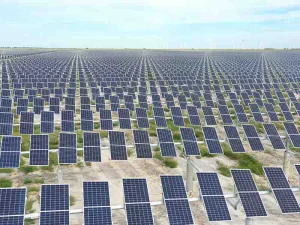
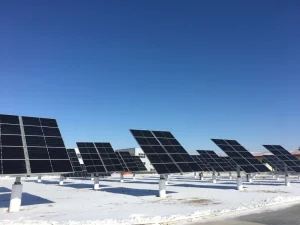
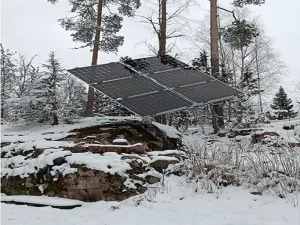
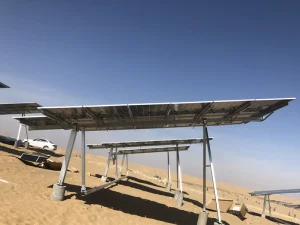
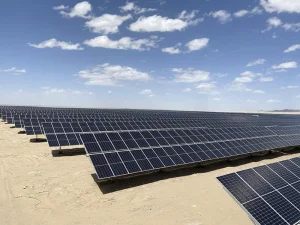
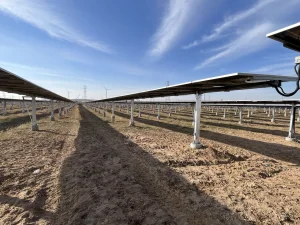
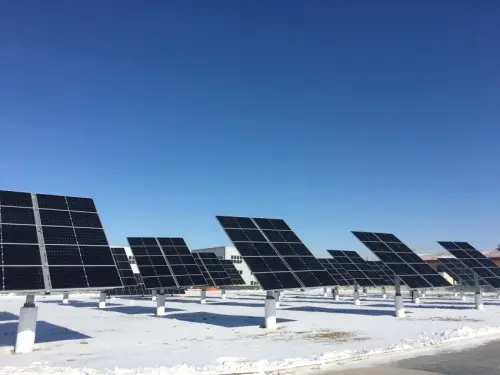
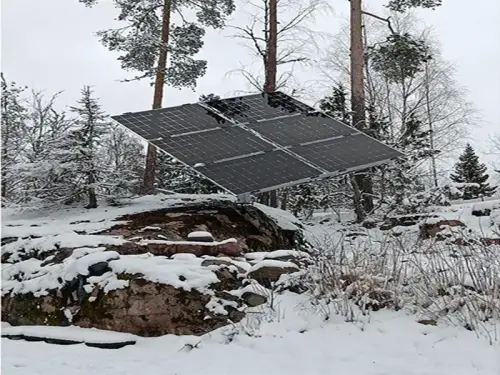
Our systems are battle-tested in extreme environments—from the scorching heat of deserts to the heavy snow loads of northern latitudes.
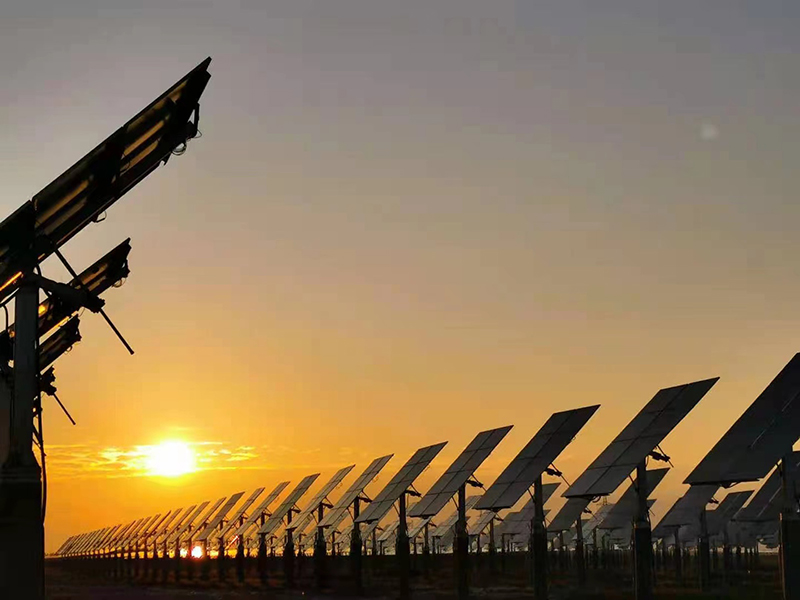
5MW Utility Project
Location: North China
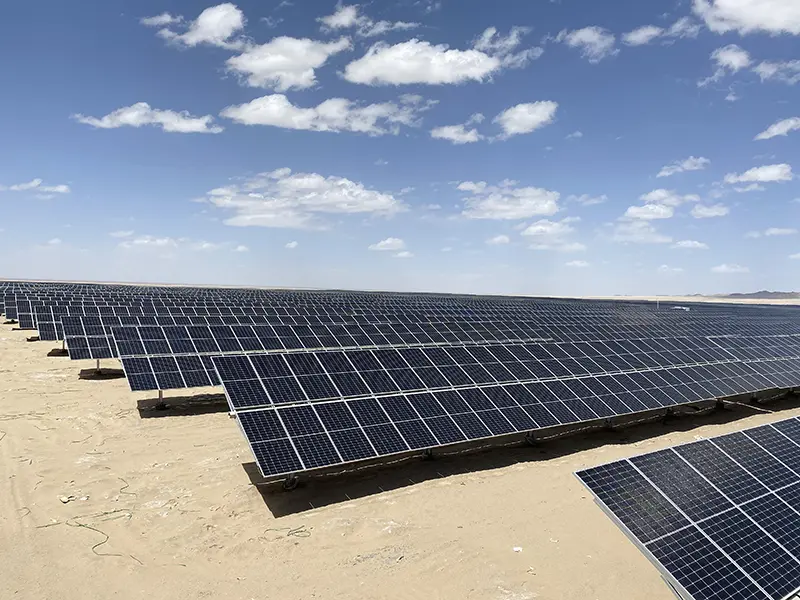
20MW Desert Solar Park
Extreme Temperature Resistance
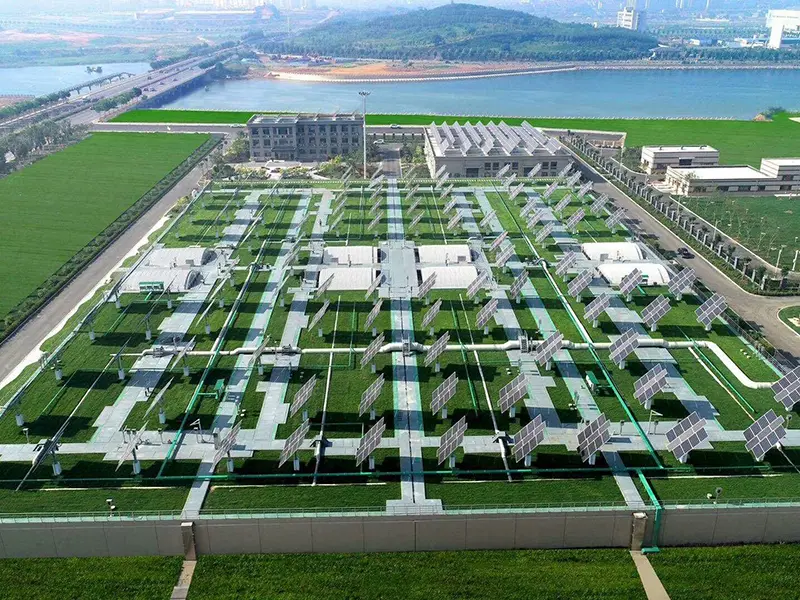
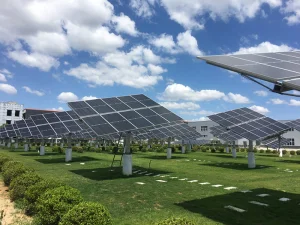
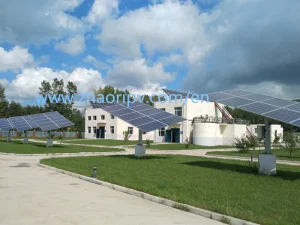
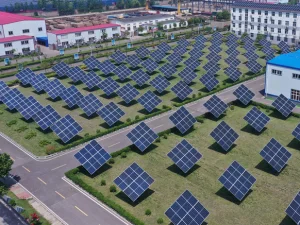
Industrial Rooftop/Ground
Factory Energy Independence
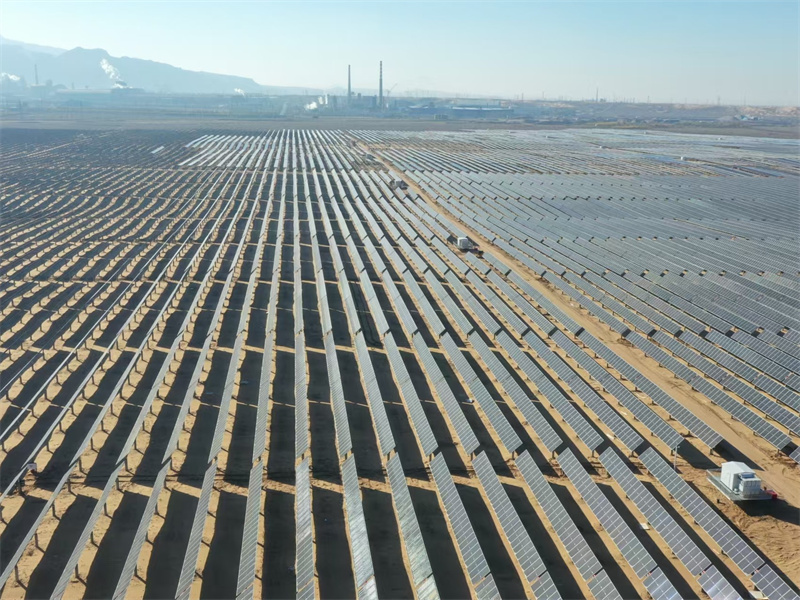
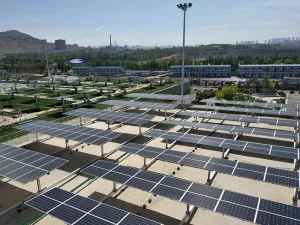
360MW Mega-Scale Project
Advanced Single Axis Integration
"We will provide you perfect customized solution and professional operation and maintenance service based on our rich experience in PV bracket application. Adhering to the business principle of mutual benefits, we have had a good reputation among our customers for our perfect services, quality products and competitive prices."
353MW Mega Project Aerial View
High-Precision Dual Axis Operation
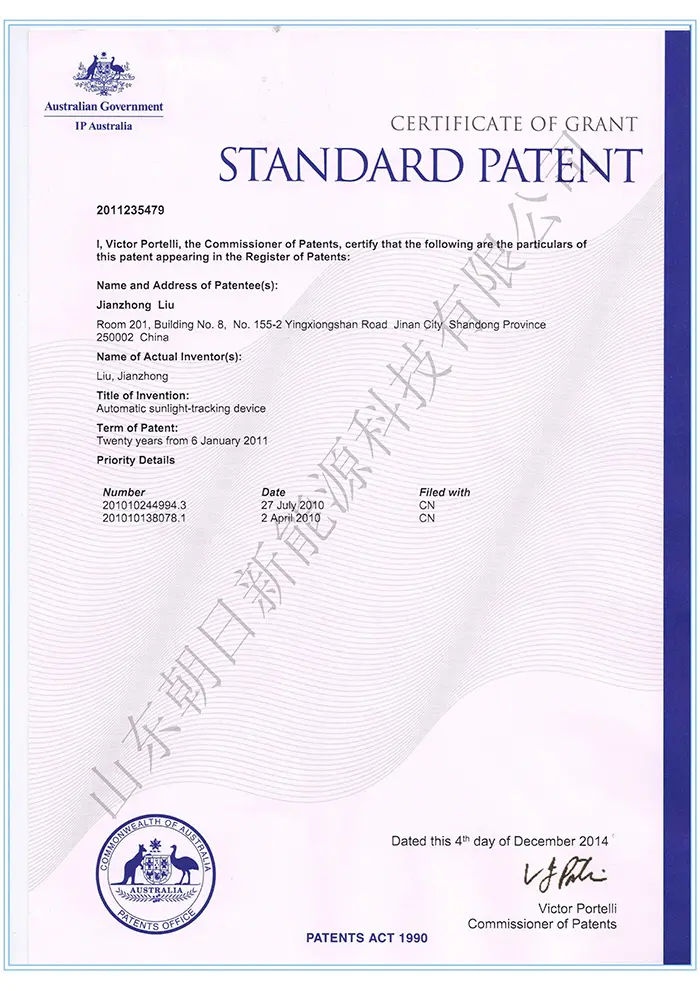
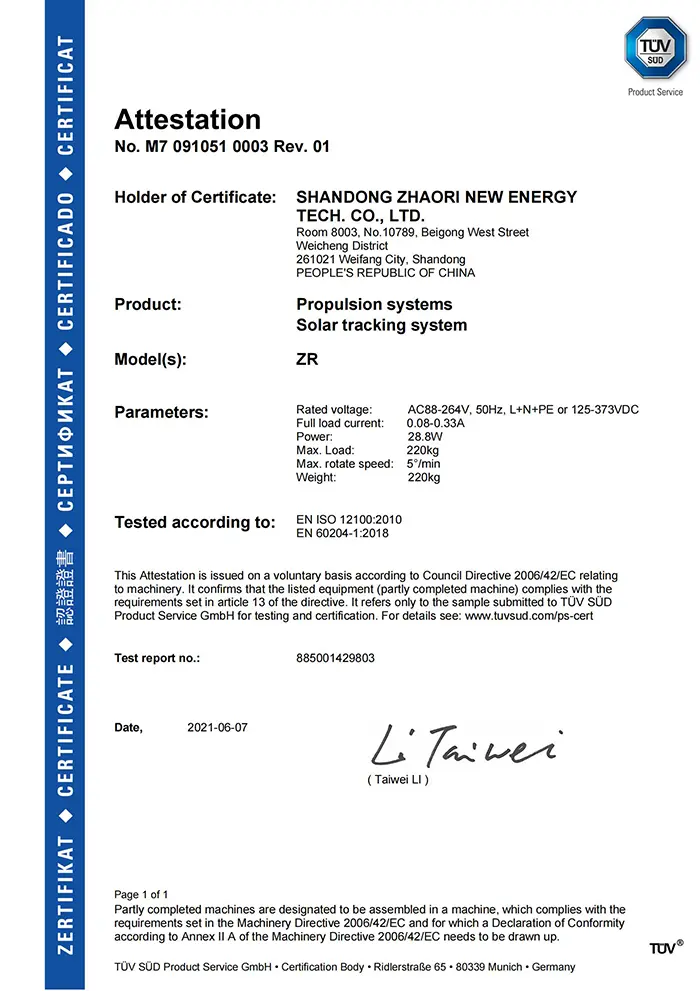
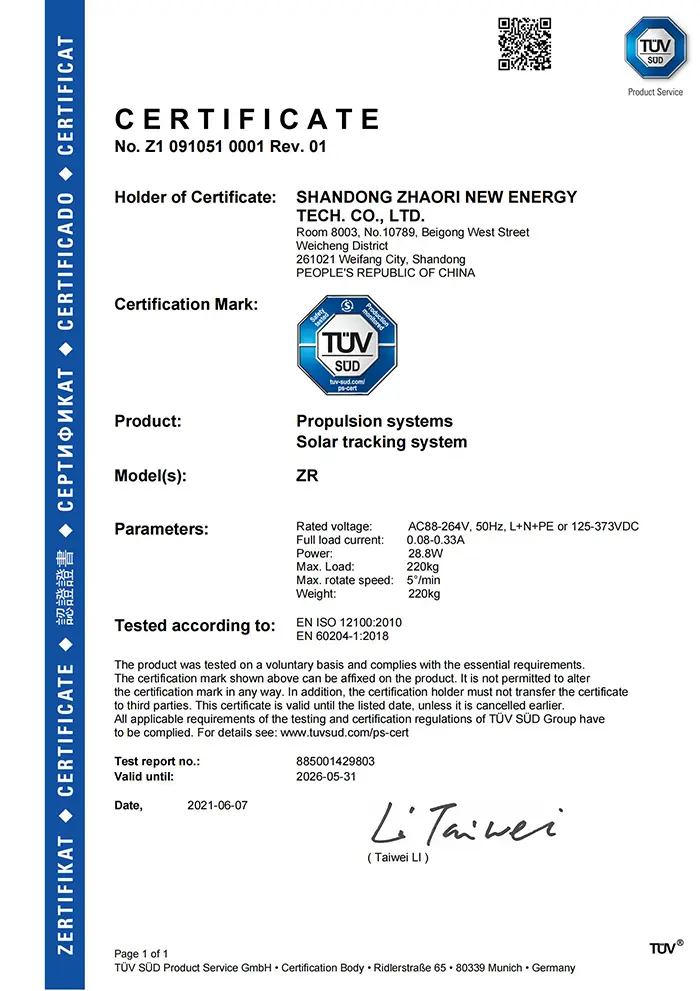
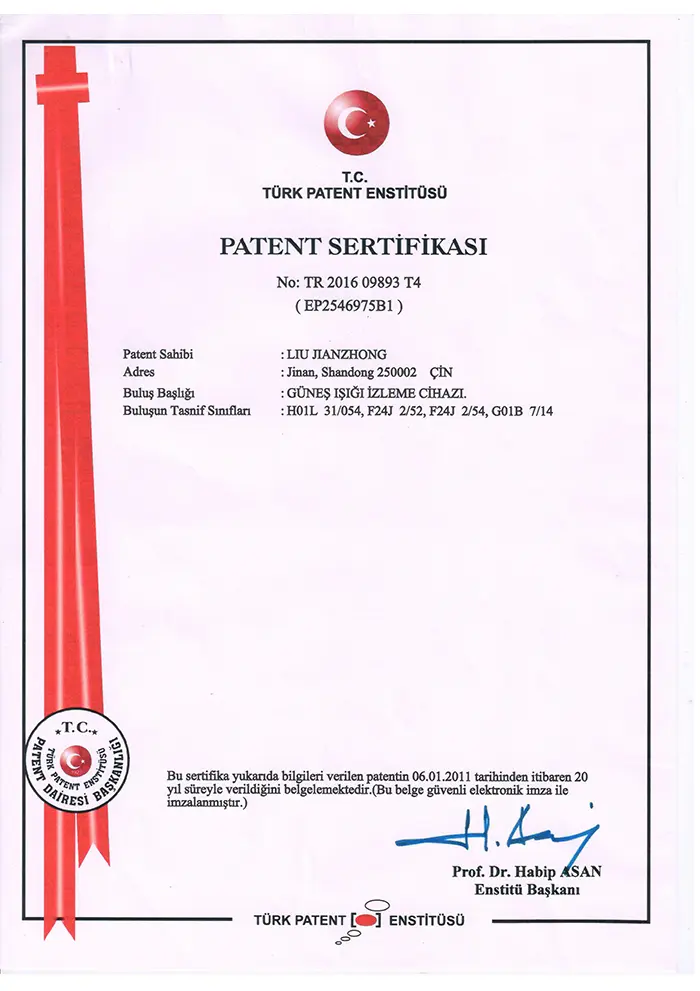
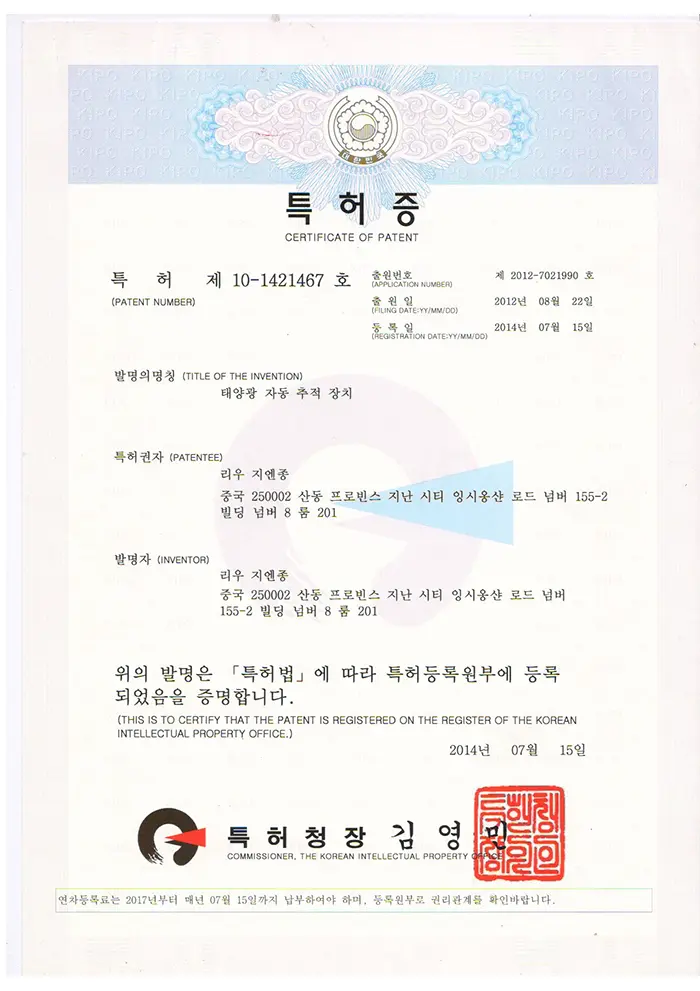
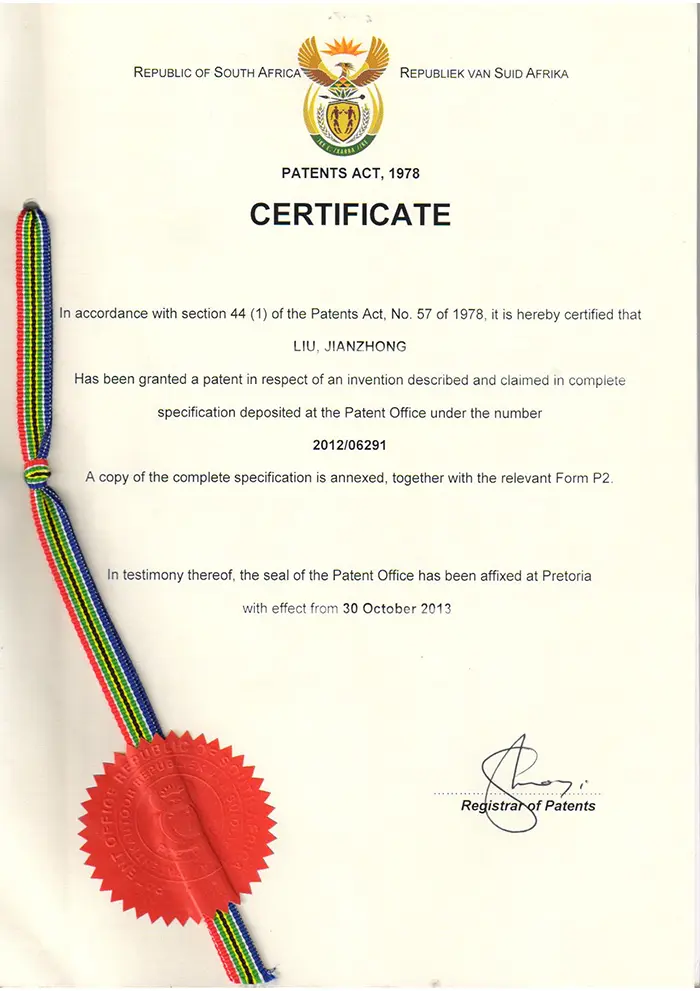
Our products have obtained patents of invention from the Europe Patent Office, USA, Canada, Australia, Japan, South Korea, Thailand, India, Brazil, South Africa, and 8 Chinese National Invention Patents.
While the initial investment is higher than fixed systems, the 35-45% increase in energy production usually leads to a 2-3 year reduction in the overall project payback period, depending on local feed-in tariffs and solar irradiance.
Our ZRD systems include automated safety modes. In high wind conditions (detected by sensors), the panels move to a horizontal stow position to minimize drag. For snow, the system can be tilted to a steep angle to allow snow to slide off naturally.
Our principle is "more simple, more reliable." We use high-grade, self-lubricating components and weather-sealed electronics. A typical maintenance schedule involves annual inspections of mechanical pivots and sensor calibration, much of which can be monitored remotely via our software.
Yes! In fact, dual-axis trackers are the ideal partner for bifacial modules. Because the system tracks the sun, it maintains a height and angle that optimizes the reflection from the ground (albedo) to the rear side of the panel, further boosting total output.
 Zhaori