As the global energy transition accelerates, the demand for high-efficiency photovoltaic (PV) power generation has never been greater. Traditional fixed-tilt solar brackets are rapidly being replaced by GPS Solar Tracking Systems. According to recent industrial data, tracking systems can increase energy yield by up to 35% compared to static installations. Shandong Zhaori New Energy Tech. Co., Ltd. stands at the forefront of this revolution, providing integrated solutions that mitigate the Levelized Cost of Energy (LCOE) for utility-scale and commercial projects globally.
Founded in June 2012, our organization leverages independent intellectual property rights to redefine solar efficiency. With 10 dedicated departments including R&D and Quality Assurance, we ensure every component meets rigorous international standards.
By implementing advanced astronomical algorithms and GPS time-synchronization, our trackers optimize the angle of incidence in real-time, significantly boosting the ROI for large-scale solar farms across diverse terrains.
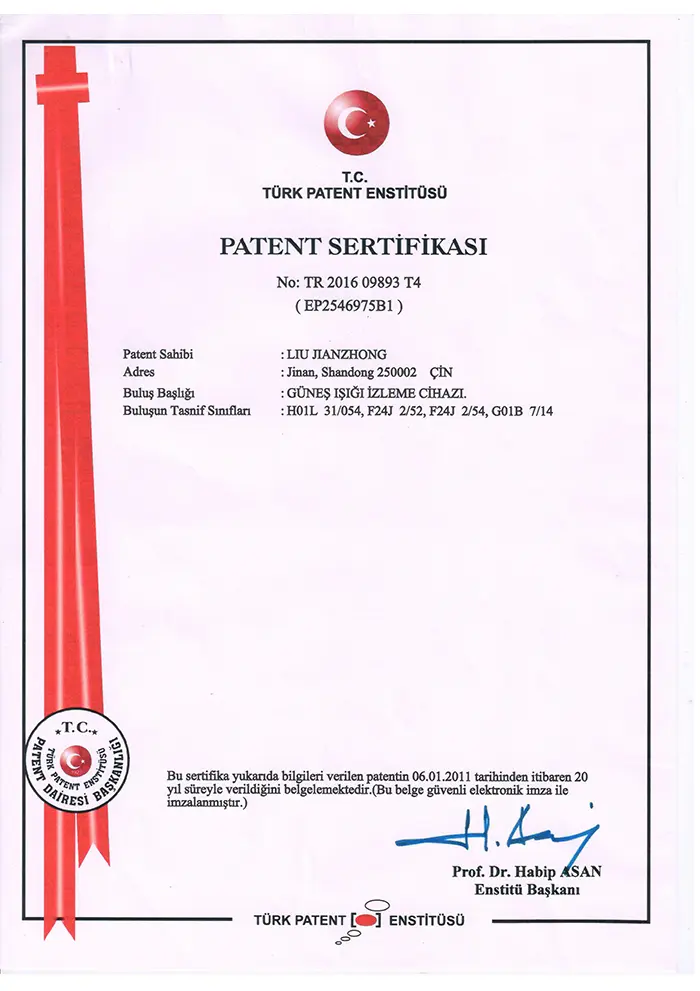
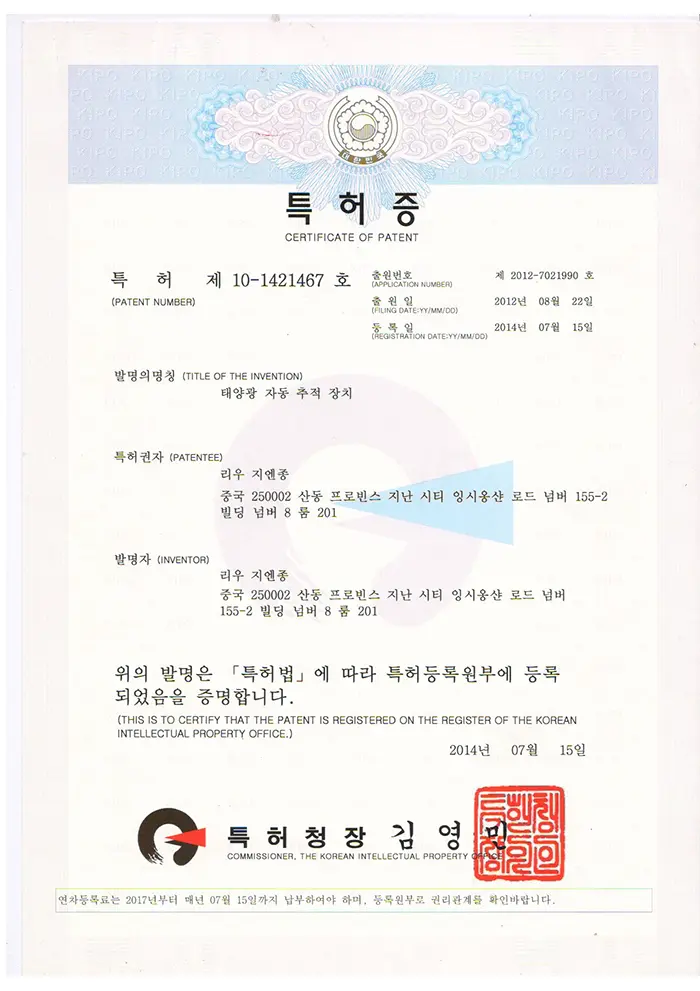
Our solutions are engineered for global deployment, maintaining patents in the USA, Canada, EU, Japan, Australia, and South Africa. This ensures seamless integration into local grid codes and regulatory frameworks.
Early solar trackers relied on light sensors, which often failed under overcast skies or due to sensor degradation. The Zhaori New Energy GPS Solar Tracking System utilizes a pre-programmed astronomical algorithm coupled with high-precision GPS modules. This allows the system to calculate the sun's exact position regardless of local weather conditions.
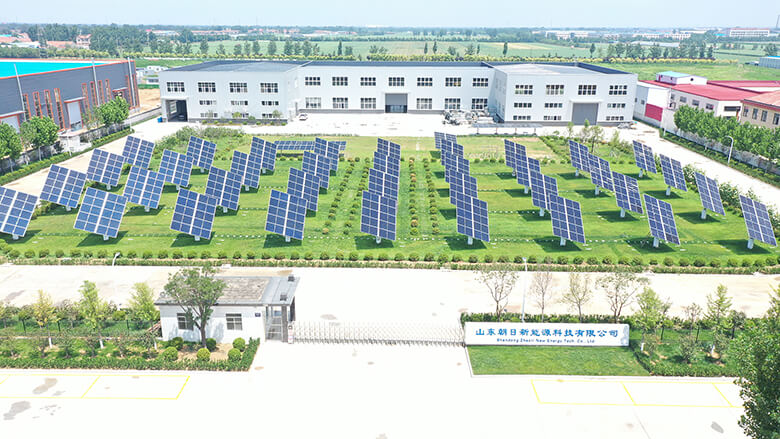
Our factory is equipped with CNC machine tools, laser cutting machines, and automatic welding robots. Every product undergoes strict raw material screening, anti-rust treatment, and level-by-level inspection, adhering to TUV, CE, and ISO certifications.
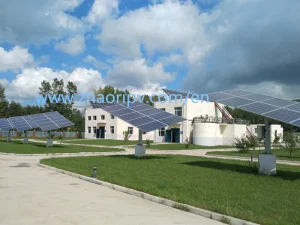
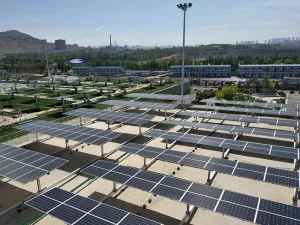
We provide localized application scenarios, from mountain projects to green belt installations. Our team offers professional operation and maintenance (O&M) services, ensuring long-term reliability for domestic and international clients.
Our core principle: More simple, more reliable, and more effective. We focus on reducing mechanical complexity to increase the service life of the tracking system while maximizing energy capture.
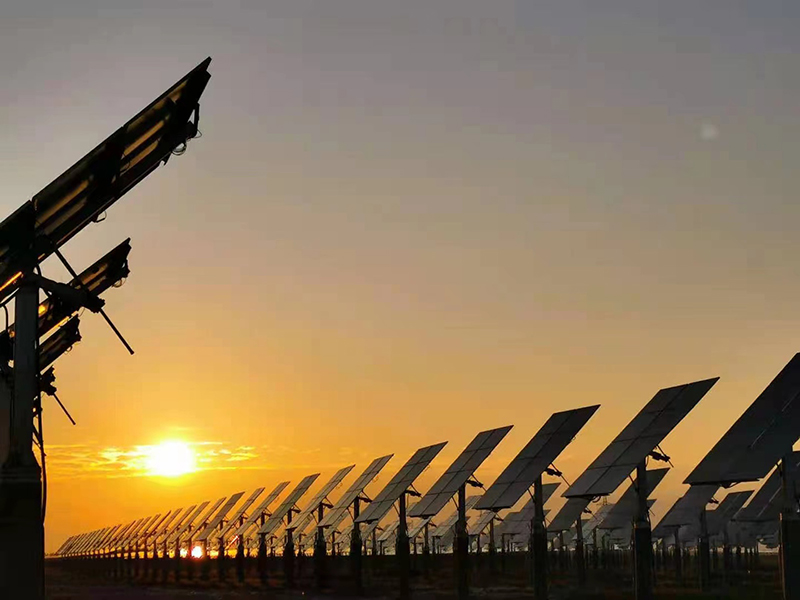
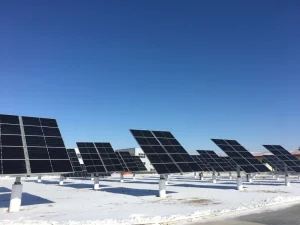
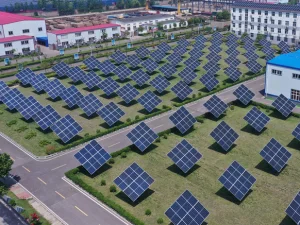
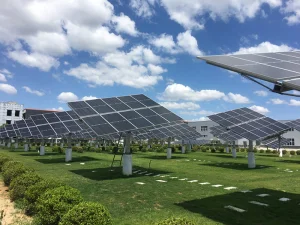
5MW North China - Dual Axis Innovation
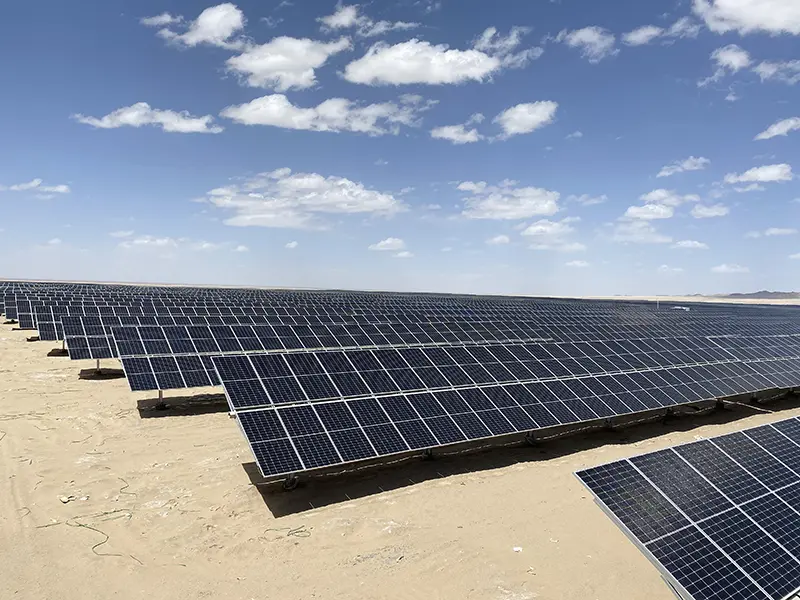
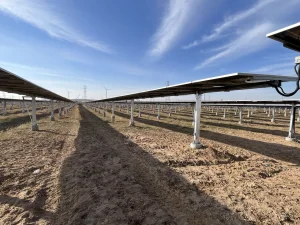
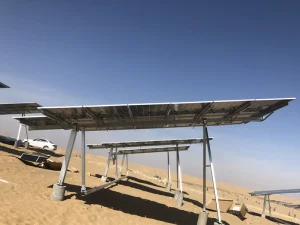
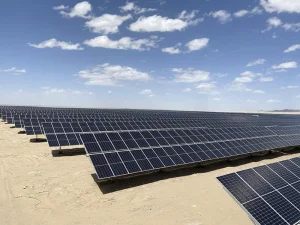
20MW Desert Project - Tilted Single Axis
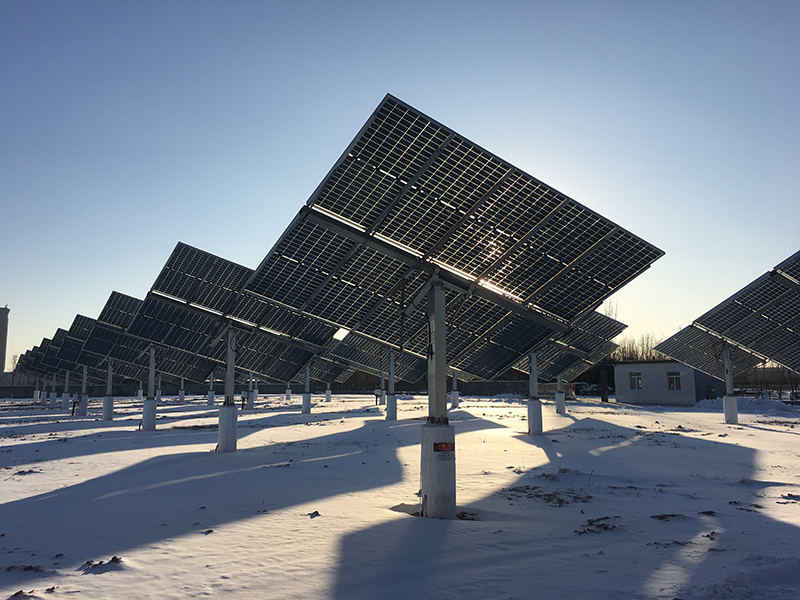
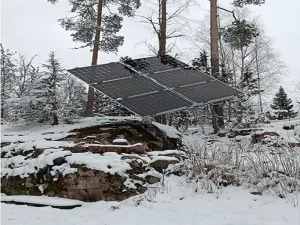
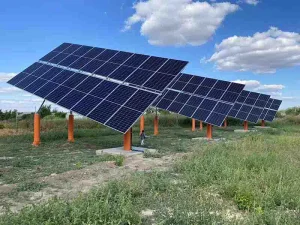
Snow-Resistant Systems - Performance in Extreme Cold
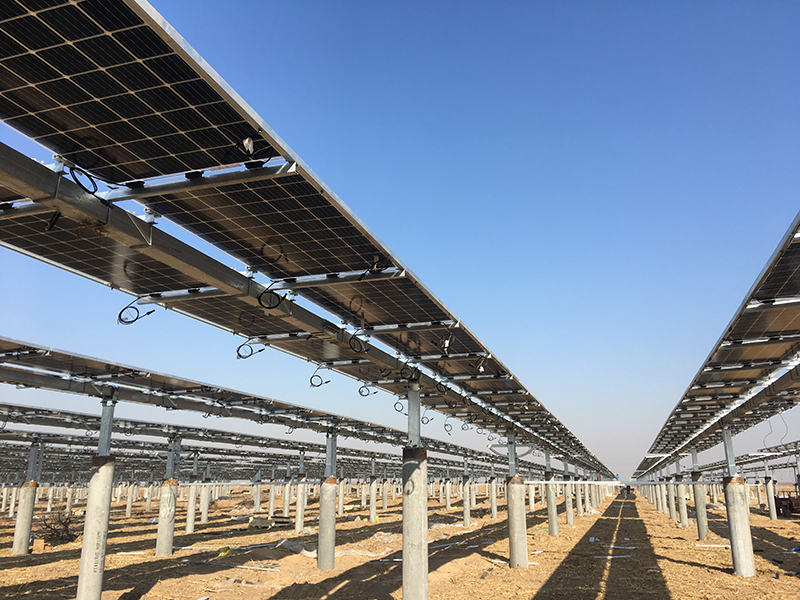
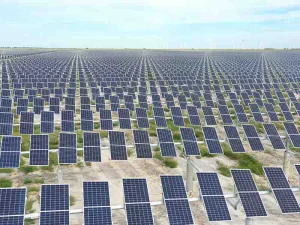
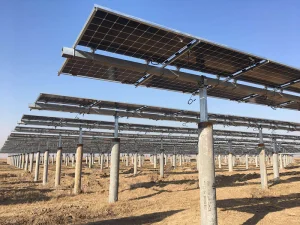
110MW Utility Scale - Bifacial Module Integration
As we look toward 2030, GPS solar tracking will integrate more deeply with AI and Machine Learning. Predictive maintenance and adaptive backtracking algorithms will allow trackers to adjust not just to the sun, but to terrain-specific shading and diffused light conditions.
Using AI to analyze power output and adjust angles to eliminate row-to-row shading automatically.
Real-time cloud monitoring of motor health, battery levels, and structural integrity across the entire plant.
Optimizing the rear-side energy capture through intelligent albedo-sensing algorithms.
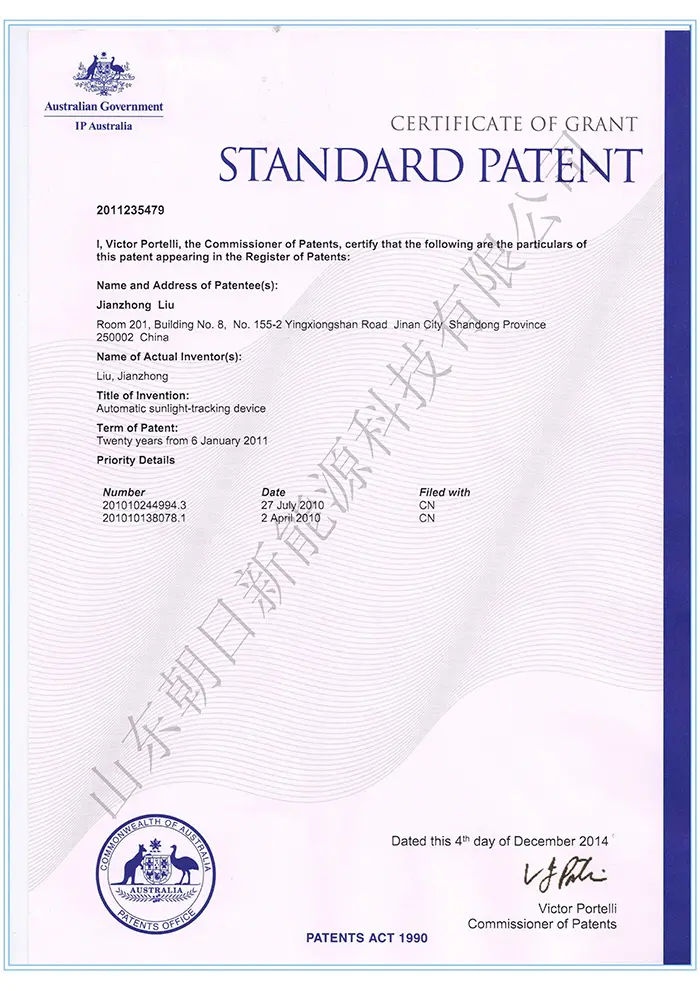
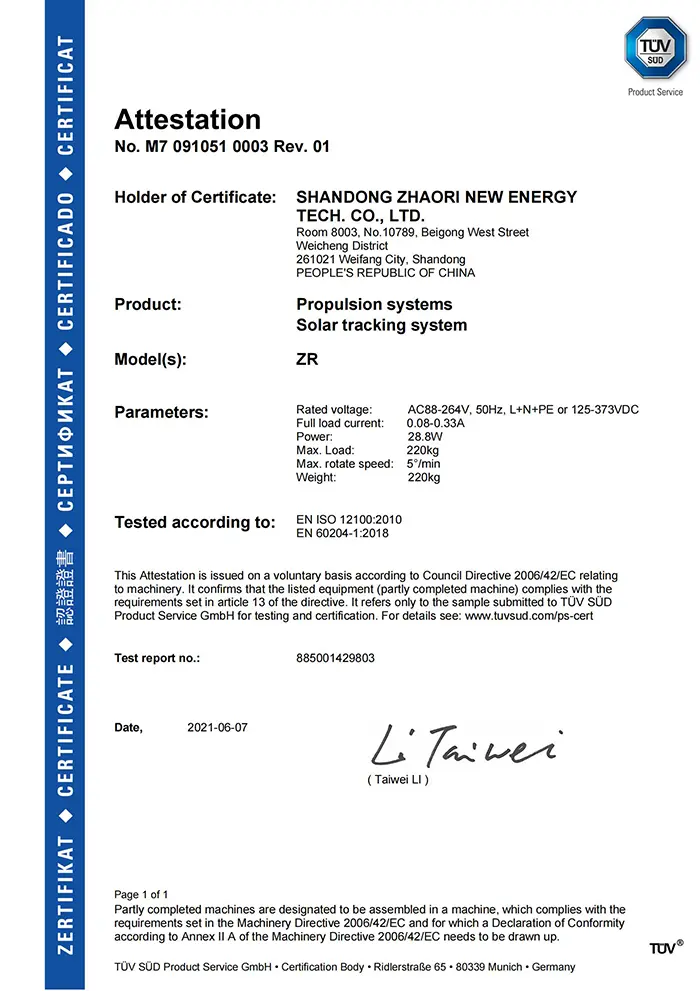
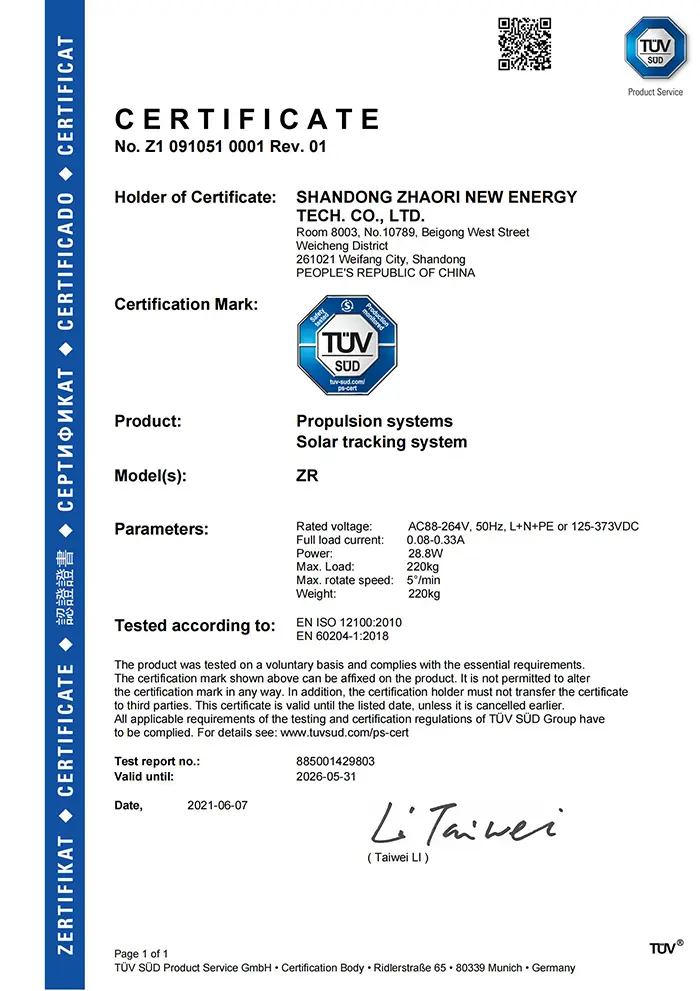
 Zhaori