In the current global energy transition, the demand for high-efficiency solar infrastructure has moved beyond simple fixed-tilt structures. The Semi-Auto Dual Axis Solar Tracker represents a strategic middle ground between high-cost fully autonomous systems and lower-yield static arrays. As global utility-scale projects seek to minimize the Levelized Cost of Electricity (LCOE), dual-axis tracking technology—specifically designed to capture both azimuth and elevation solar movement—has become a cornerstone for commercial and industrial (C&I) sectors.
Globally, the solar tracker market is projected to grow at a CAGR of over 14% through 2030. Markets in North America, MENA (Middle East and North Africa), and Central Asia are increasingly adopting dual-axis systems due to their superior performance in high-direct normal irradiance (DNI) regions. Unlike single-axis systems, semi-auto dual-axis trackers allow for manual or semi-automated adjustments to account for seasonal variations, significantly reducing initial capital expenditure (CAPEX) while maintaining a yield increase of 30% to 45% over fixed systems.
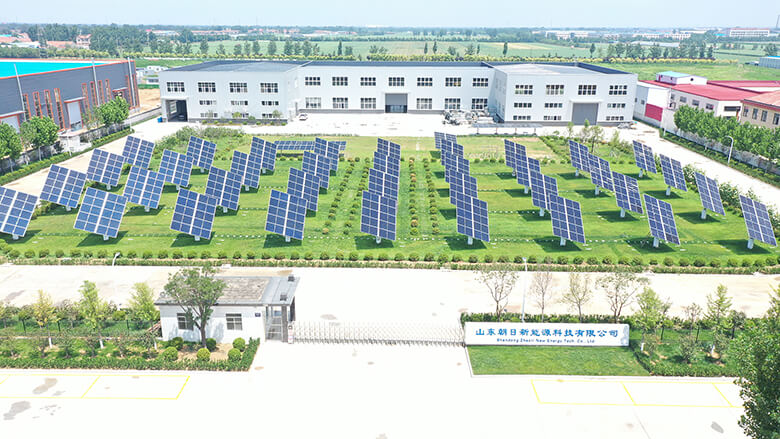
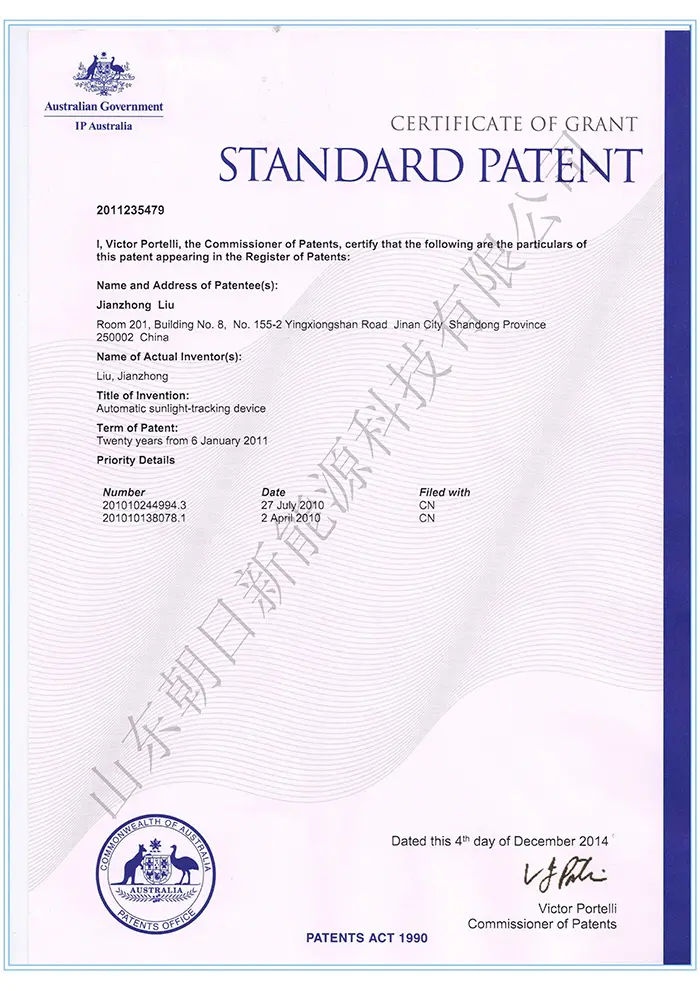
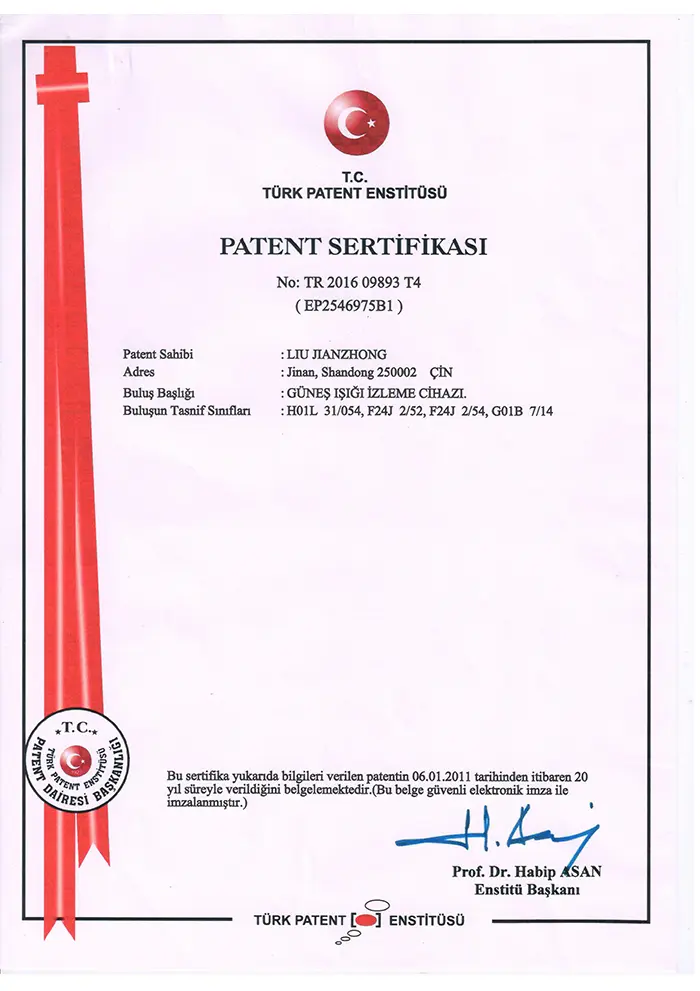
Founded in June 2012, Shandong Zhaori New Energy Tech. Co., Ltd. is a premier high-tech enterprise dedicated to independent intellectual property in solar tracking. With over a decade of specialization, our team of 60+ professional technology experts drives the innovation behind our global patent portfolio.
Factory Scale: 50,000 square meters of precision manufacturing space.
Monthly Capacity: 500MW, supported by 300+ skilled production workers.
Advanced Machinery: CNC machine tools, laser cutting, and automatic welding robots ensure sub-millimeter precision.
Our ZRD series trackers monitor both the azimuth and elevation angles. This dual-axis approach ensures the solar panels are always perpendicular to the sun's rays, maximizing photon absorption from dawn until dusk.
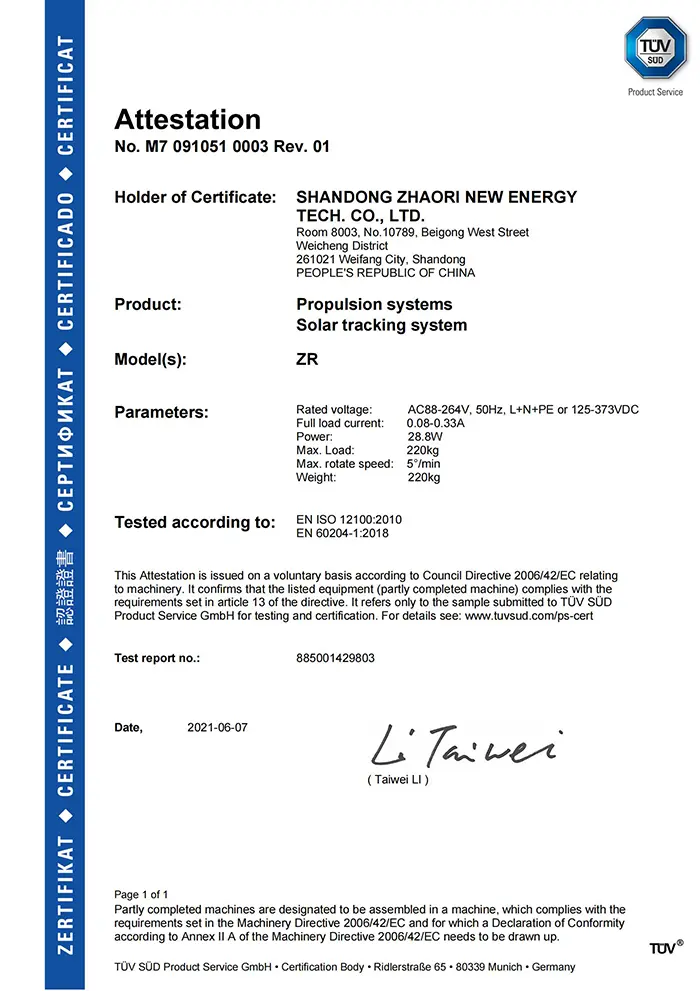
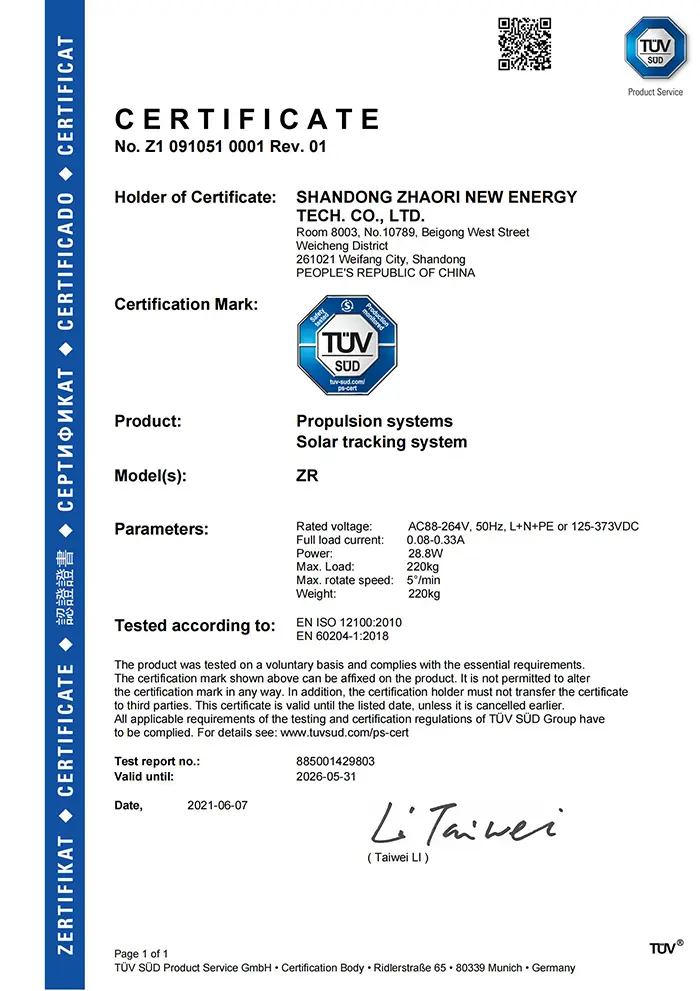
Designed for extreme environments, our trackers utilize raw material screening and post-processing anti-rust treatments, meeting TUV and CE standards for durability in desert and coastal regions.
Our trackers are optimized for bifacial modules, allowing for rear-side energy capture from reflected ground light (Albedo effect), further boosting total system efficiency by up to 10%.
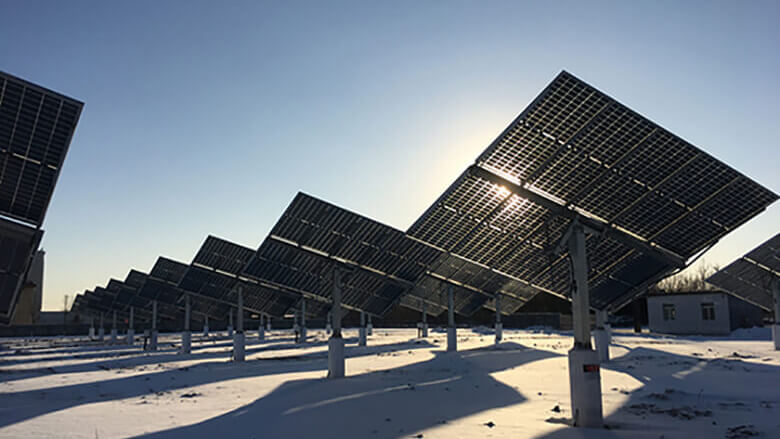
Modern procurement heads for EPC (Engineering, Procurement, and Construction) firms are shifting focus from Initial Price to Total Cost of Ownership (TCO). A semi-auto dual-axis tracker offers a unique value proposition by reducing the complexity of electronic control systems (the most common failure point) while retaining the mechanical advantages of dual-axis positioning.
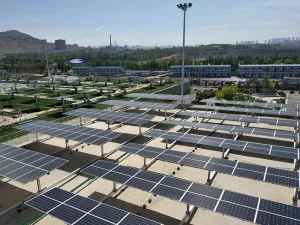
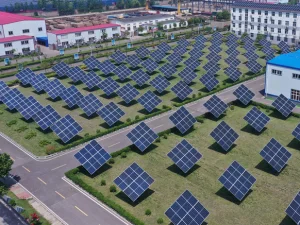
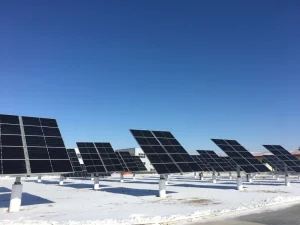
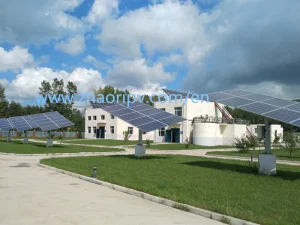
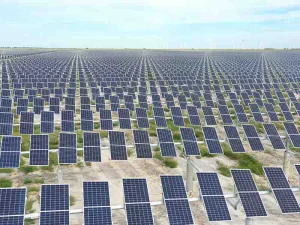
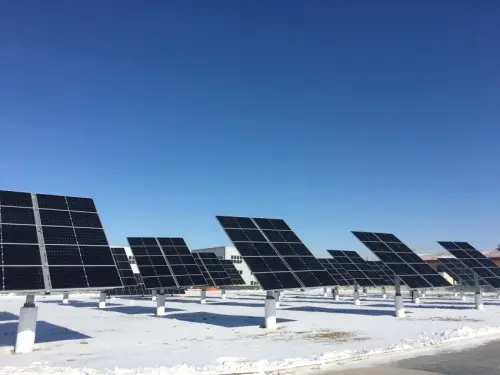
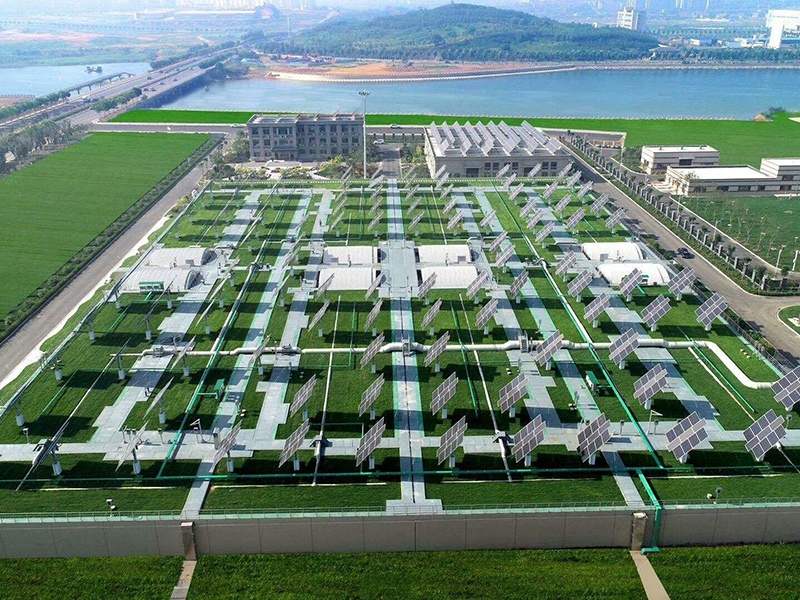
5MW Utility Project - North China
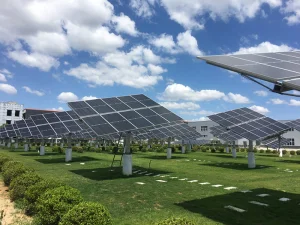
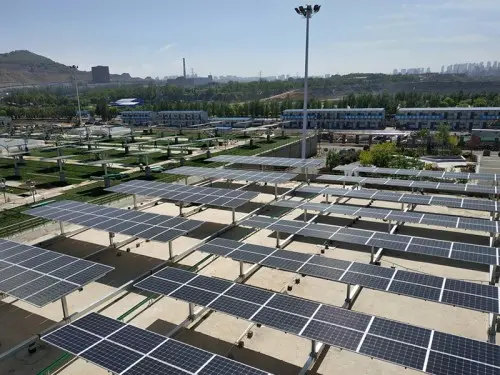
Industrial Rooftop - Factory Project
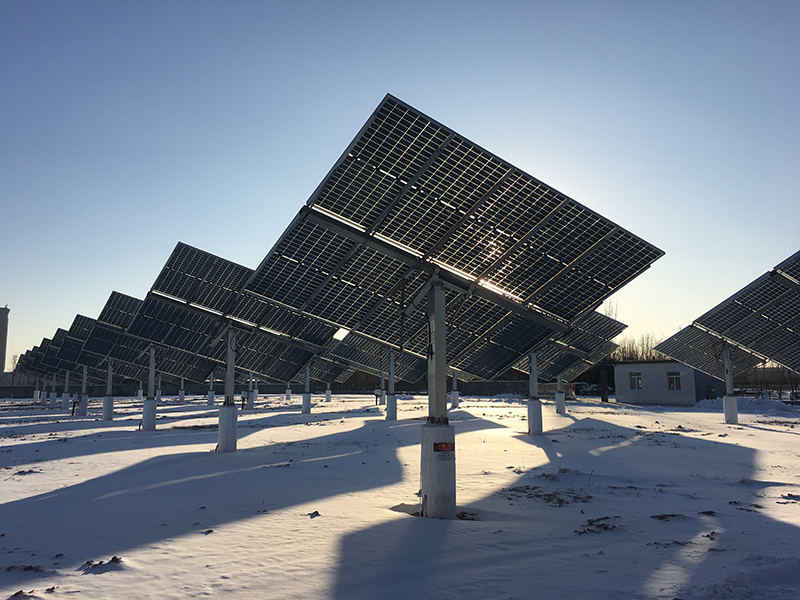
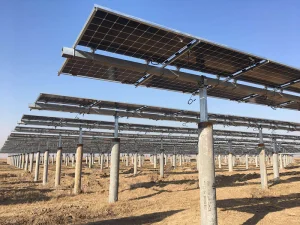
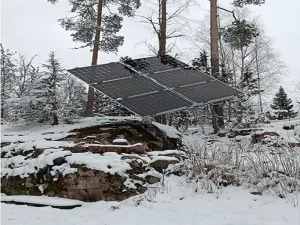
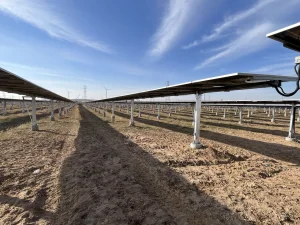
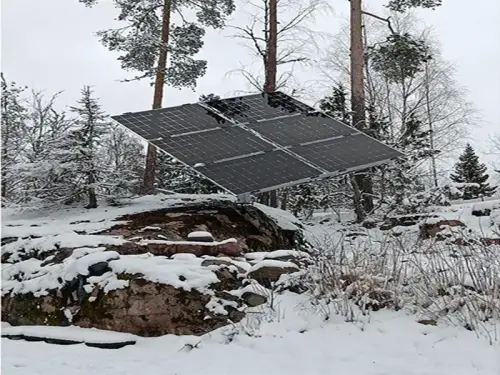
High Elevation - Snow Zone Project
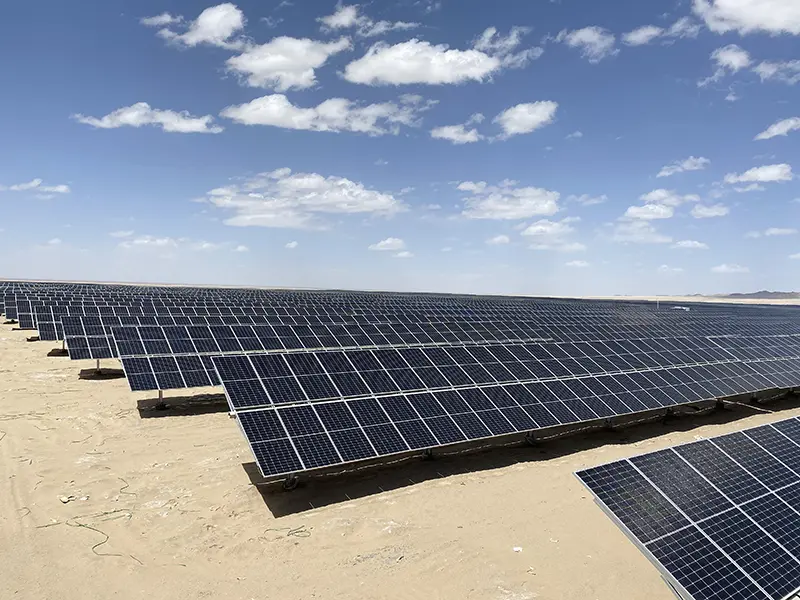
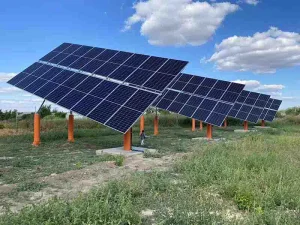
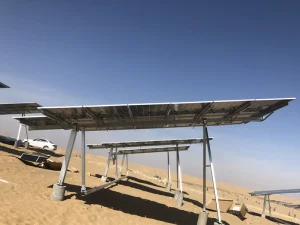
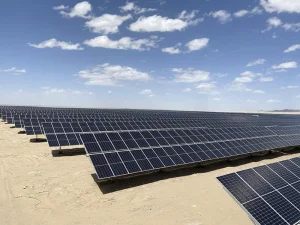
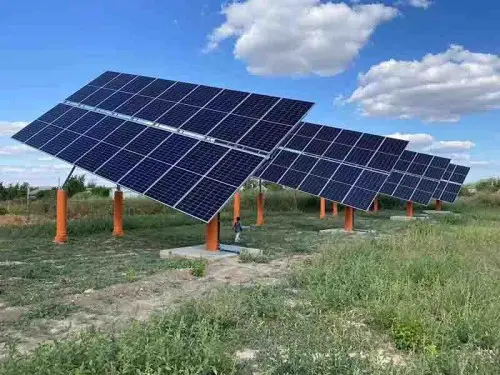
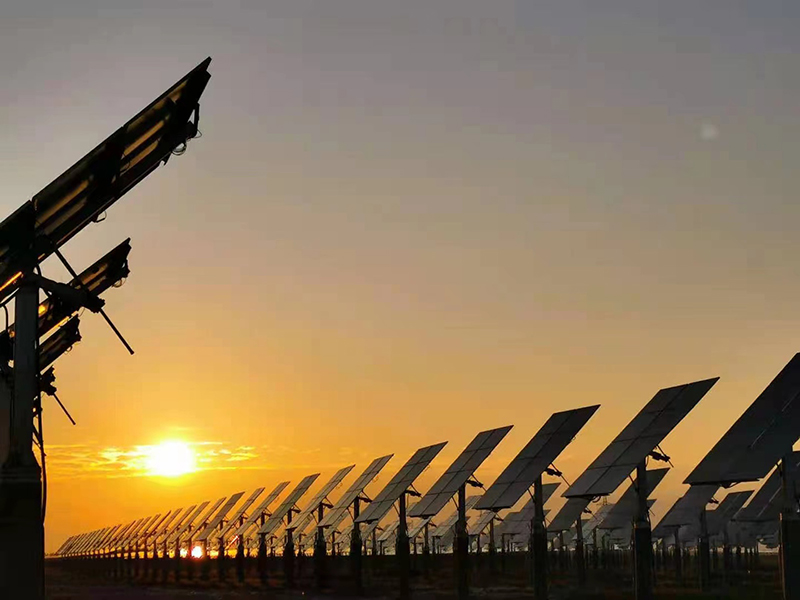
20MW Desert Tracker Array
The semi-auto system significantly reduces the complexity of the sensor and control network, which are the most common points of failure in harsh environments. By allowing for programmed seasonal elevation changes and automated daily azimuth tracking, you achieve 95% of the performance of a full-auto system at roughly 70% of the maintenance cost.
All our structures undergo rigorous CFD (Computational Fluid Dynamics) testing. Our dual-axis trackers feature an automatic stow mode that positions the panels horizontally during high-wind events (>20m/s), protected by robust industrial-grade slewing drives and dampers.
Yes. Our mounting systems are specifically engineered with a "high-clearance" design and minimal shading on the rear side of the modules. This is essential for bifacial technology, where the rear-side gain is highly dependent on unobstructed light access.
Depending on the local electricity tariff and DNI levels, most C&I clients report a full return on investment within 3.5 to 5 years, primarily due to the 30%+ increase in energy production compared to fixed-tilt systems.
 Zhaori