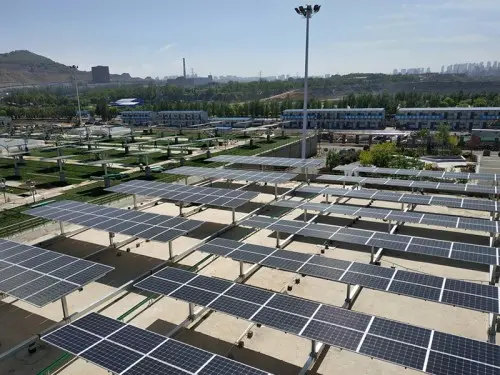
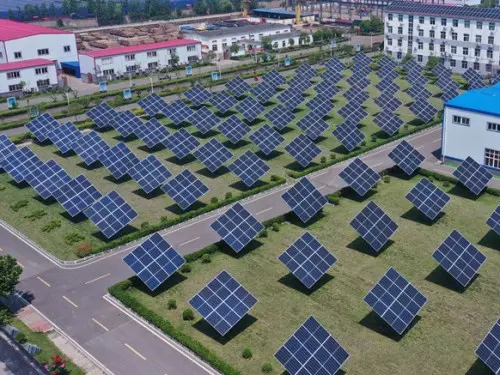
In the contemporary landscape of utility-scale solar energy, the transition from fixed-tilt structures to advanced Single Axis Trackers (SAT) has become a cornerstone for achieving competitive Levelized Cost of Electricity (LCOE). As a premier global manufacturer, Shandong Zhaori New Energy Tech. Co., Ltd. is at the forefront of this technological shift, providing engineering solutions that harmonize structural durability with AI-optimized tracking algorithms.
Modern PV projects no longer rely solely on peak sunlight; they require systems that can capture diffuse radiation on cloudy days and optimize the performance of bifacial modules through intelligent backtracking. Our "Sunchaser" technology is engineered to meet these precise demands, ensuring a 15% to 30% increase in energy yield compared to traditional fixed systems.
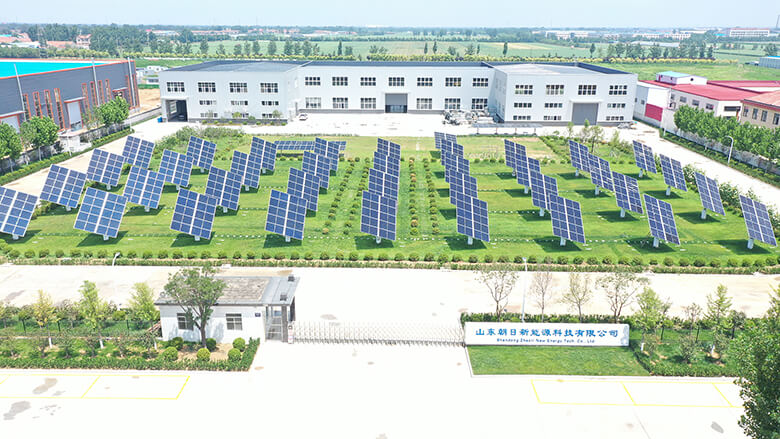
Founded in June 2012, Shandong Zhaori New Energy Tech has spent over a decade refining solar tracking technology. With 10 specialized departments—including R&D, Quality Assurance, and Engineering—we possess the Expertise required to handle complex terrain and extreme weather projects. Our team of 60+ technical specialists focuses exclusively on maximizing photovoltaic power station efficiency.
Operating from a 50,000 square meter facility, we leverage the robust industrial ecosystem of China. Equipped with CNC machine tools, laser cutting machines, and automatic welding robots, we ensure precision at scale. This allows us to provide high-quality trackers at a competitive price point, offering global developers a significant Information Gain in procurement strategy.
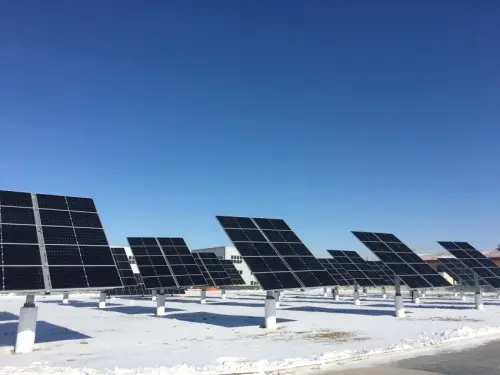
Our ZRP flat single axis system tracks the sun's azimuth angle with precision. Available in 1P (single portrait) or 2P (two portrait) configurations, it is optimized for bifacial gain. By reducing structural shading on the rear side of modules, we unlock the full potential of high-efficiency solar cells.
The ZRT system features a tilted axis that enhances energy capture in higher latitudes. Each set can mount 10–20 panels, delivering a specialized solution for regions where flat trackers underperform due to lower sun angles. Yield increases of 25% are common in these localized scenarios.
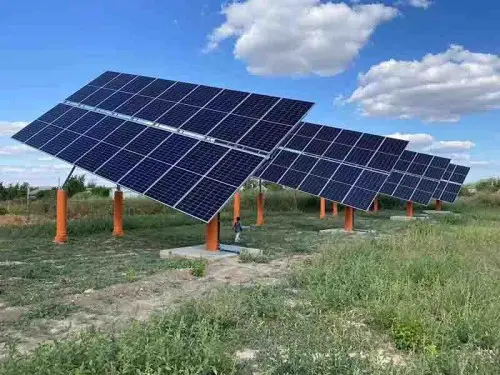
For maximum energy density, our ZRD dual axis trackers (ZRD-10, ZRD-08, ZRD-06) eliminate cosine losses by keeping the modules perpendicular to the sun's rays throughout the day. Ideal for concentrated PV or high-yield commercial projects.
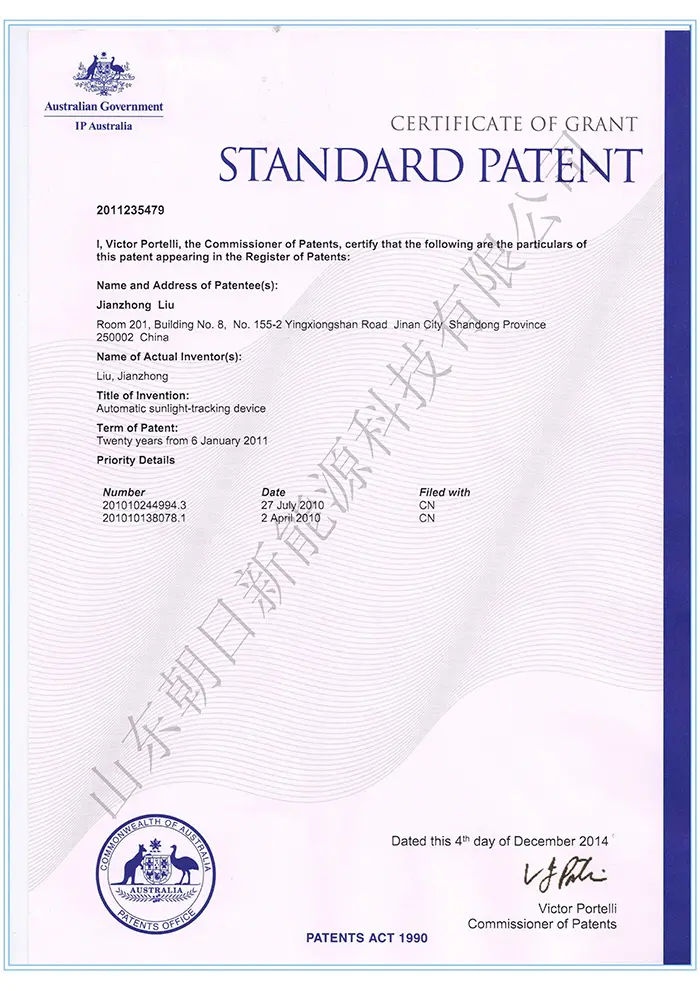
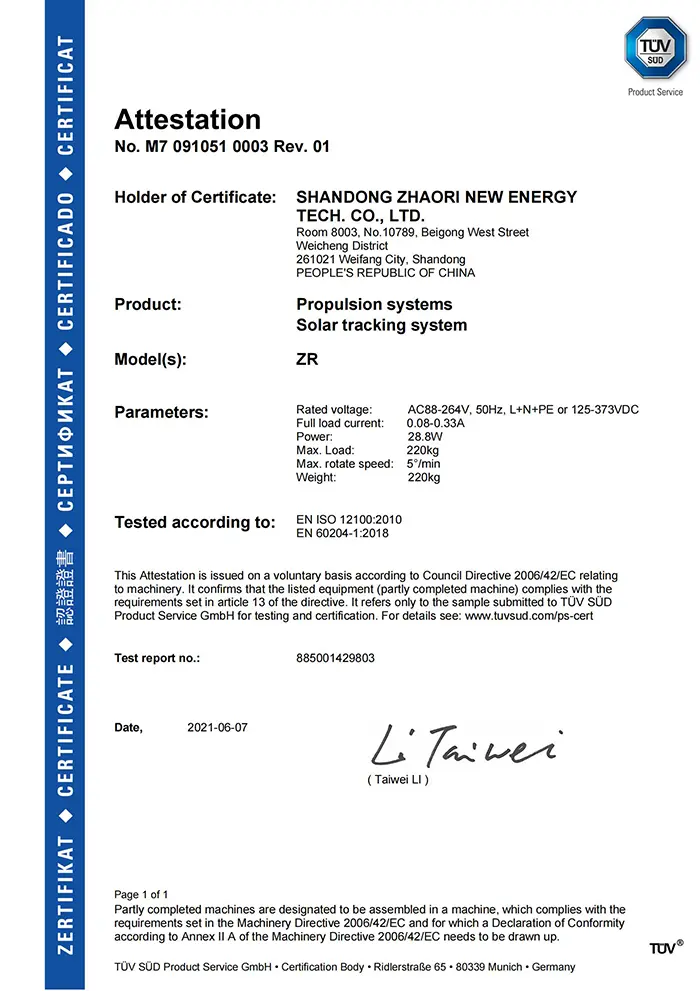
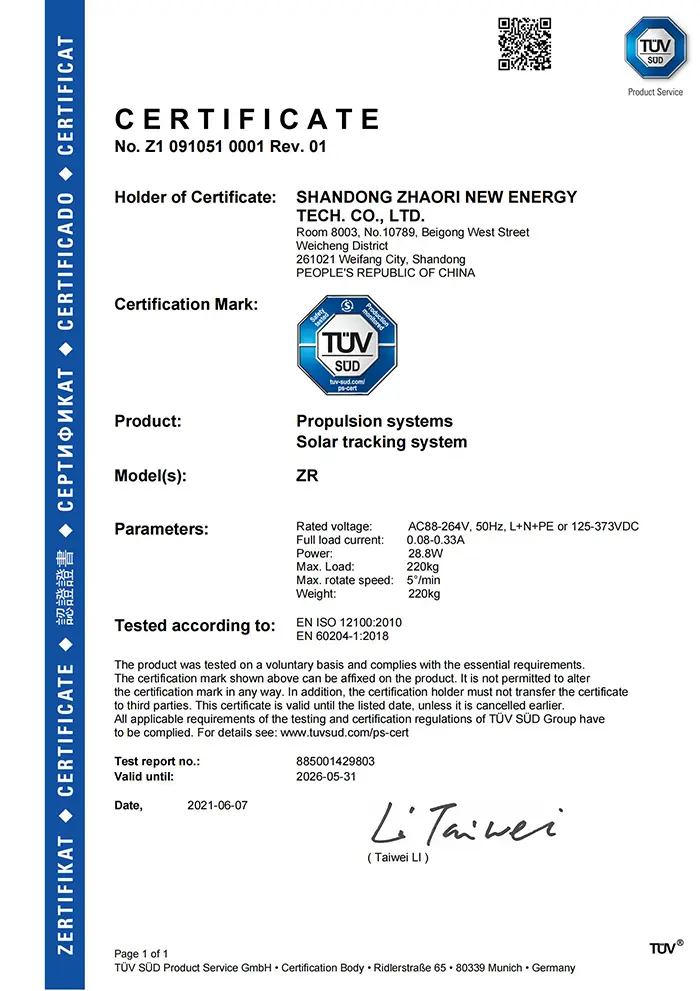
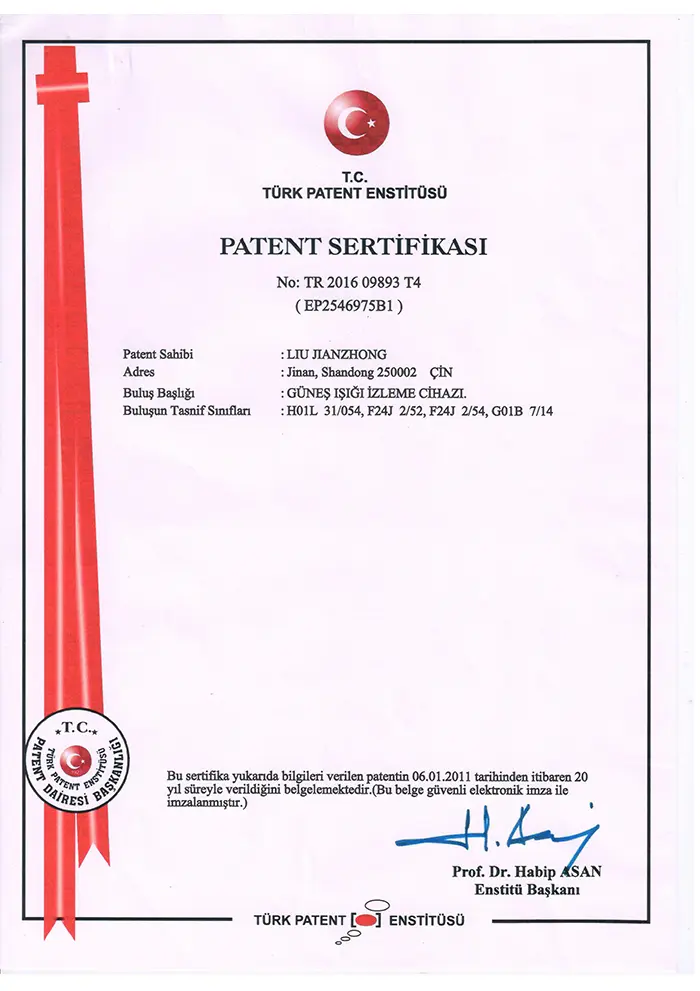
To support global enterprises, Zhaori New Energy ensures all products meet rigorous international standards. We hold patents in the United States, European Patent Office, Canada, Australia, Japan, South Korea, Thailand, India, Brazil, and South Africa. This intellectual property foundation ensures our clients are protected from legal risks while benefiting from TUV, CE, and ISO certified reliability.
Our localized support includes:
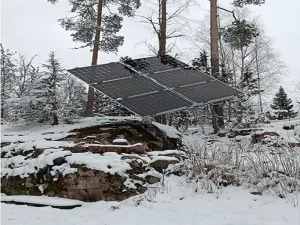
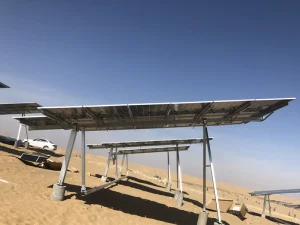
Our trackers have been battle-tested in diverse environments, from snowy mountains to scorching deserts.
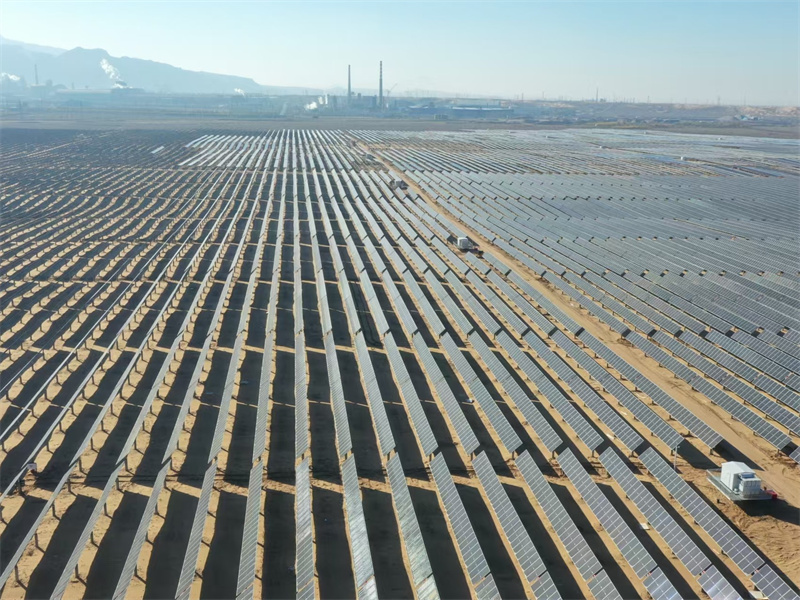
Large-scale utility project demonstrating stability in high-wind, high-dust environments using automated cleaning and stow protocols.
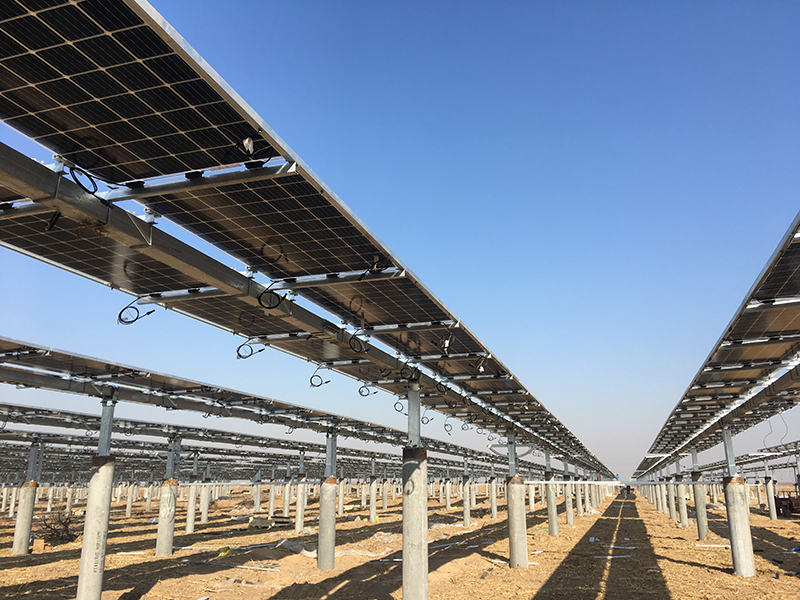
Integration of flat single axis trackers with bifacial modules to maximize albedo reflection energy capture.
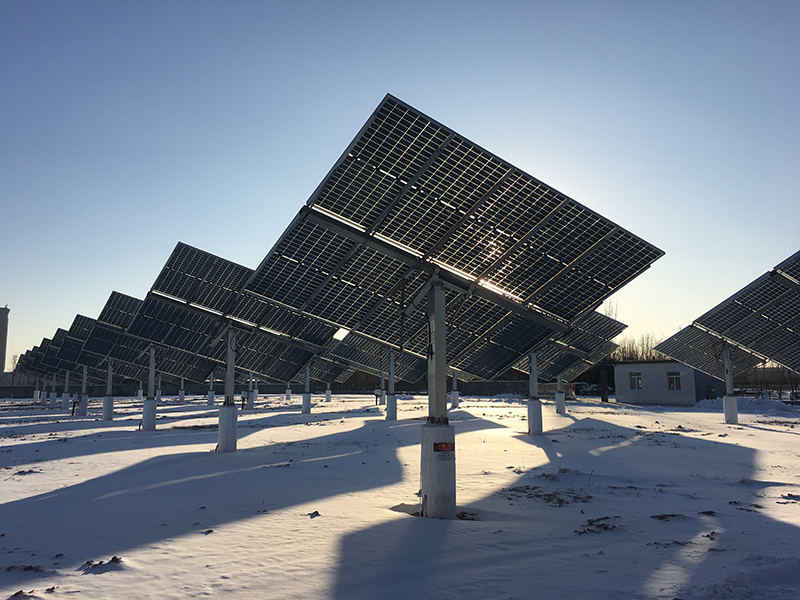
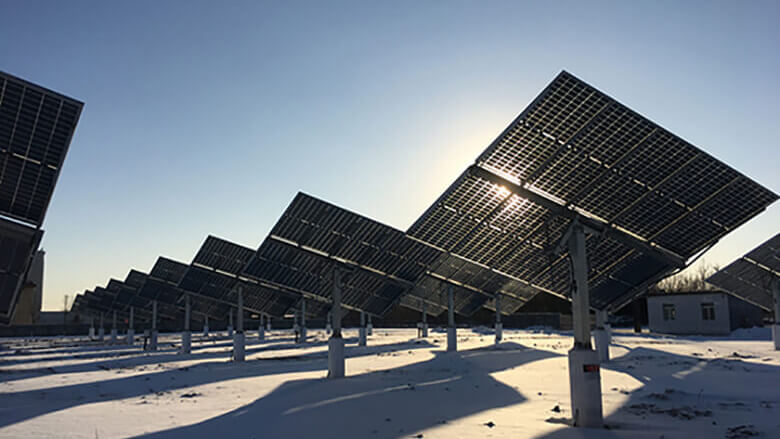
Project showing our ZRD dual axis system effectively operating and shedding snow loads to maintain power production in winter.
The solar tracker industry is moving towards Intelligence and Integration. As an industry leader, Zhaori New Energy is focusing on several key growth areas that provide significant Information Gain to our partners:
 Zhaori